
10 Things to Do to Set Your Fall Garden up for Success
With cooler temps, it’s time tackle your autumn garden checklist.
Landscape Design and custom furniture by ORCA Living. Photograph by Thomas J. Story.
The garden isn’t calling it quits yet. Put fall’s cooler days to work with smart planting, last-chance harvests, seasonal resets, and a little future-proofing.
Thomas J. Story
Plant
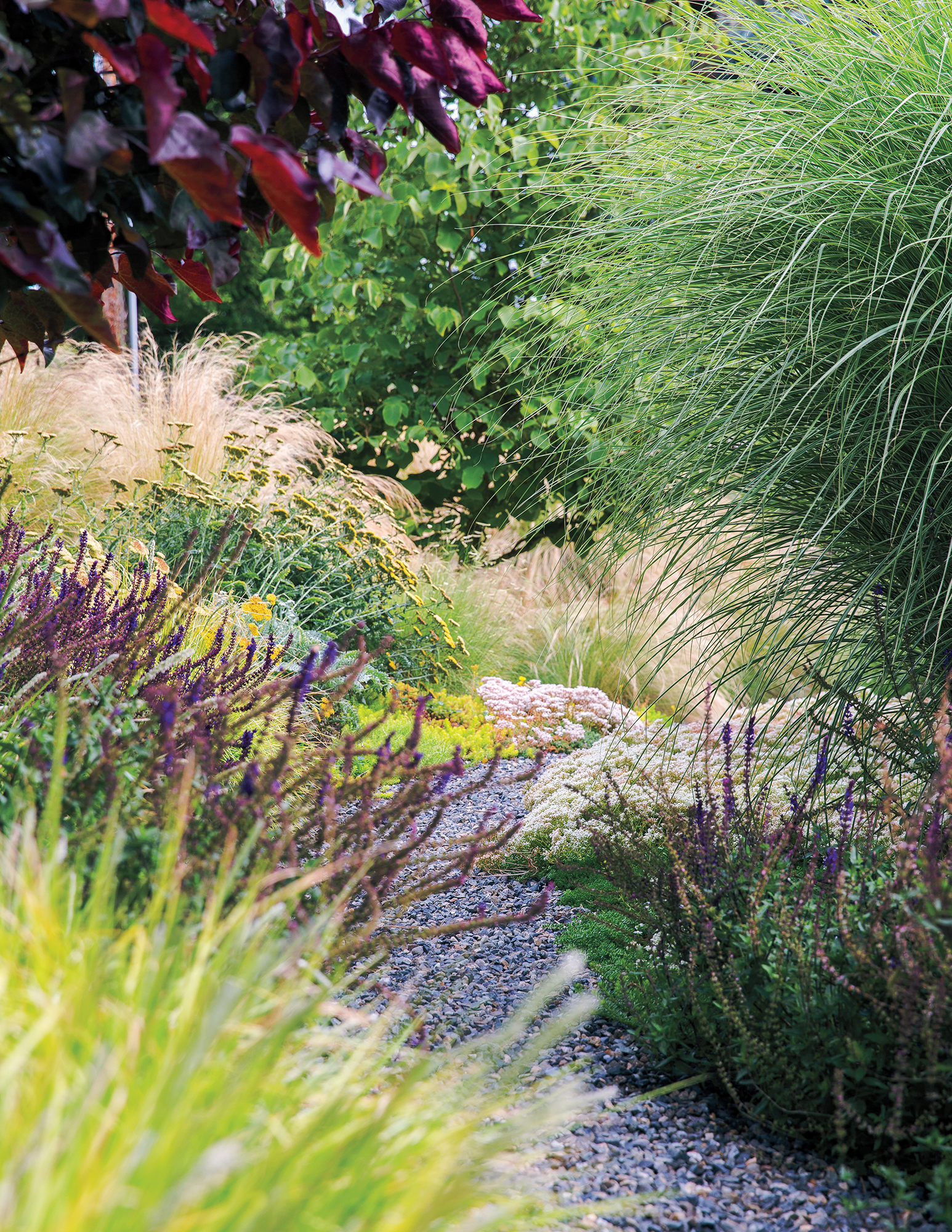
—Fall is prime time to start a gravel garden. Cooler temperatures help drought-tolerant Western natives like California lilac, foothill penstemon, California fuchsia, and blue grama grass settle in before spring. Layer in gravel mulch now for a low-water landscape that feels equal parts wild, textural, and effortlessly modern.
—Experiment with food forest understories by planting the lower layers of an edible landscape with comfrey, society garlic, walking onions, and groundnut. These hardworking understory plants help improve soil health, suppress weeds, and bring a regenerative approach to gardening beyond the vegetable bed.
—Lean into the living mulch movement instead of bark by swapping traditional wood mulch for creeping thyme, native yarrow, kurapia, or clover pathways woven between plantings. These living groundcovers are gaining momentum as climate-smart, soil-cooling alternatives that suppress weeds on pathways and in areas beyond the immediate ember-resistant zone.
Thomas J. Story
Harvest
—Tend a backyard tea garden by selecting lemon verbena, tulsi, pineapple sage, chamomile, and yerba buena for seasonal herbal infusions. This cozy ritual turns the garden into a living pantry of calming blends as temperatures begin to cool.
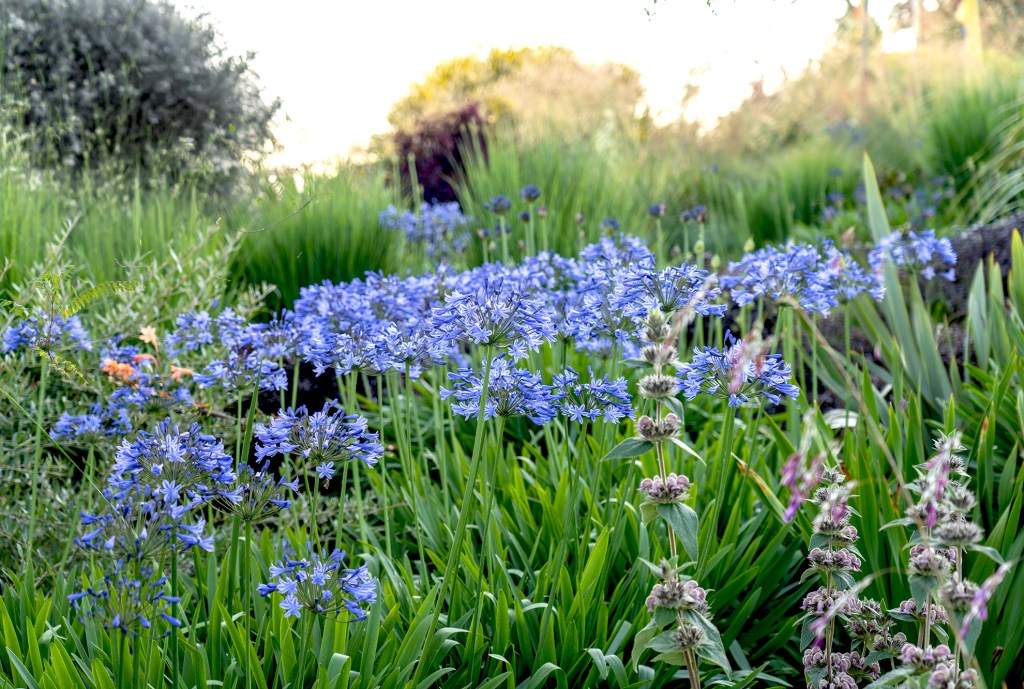
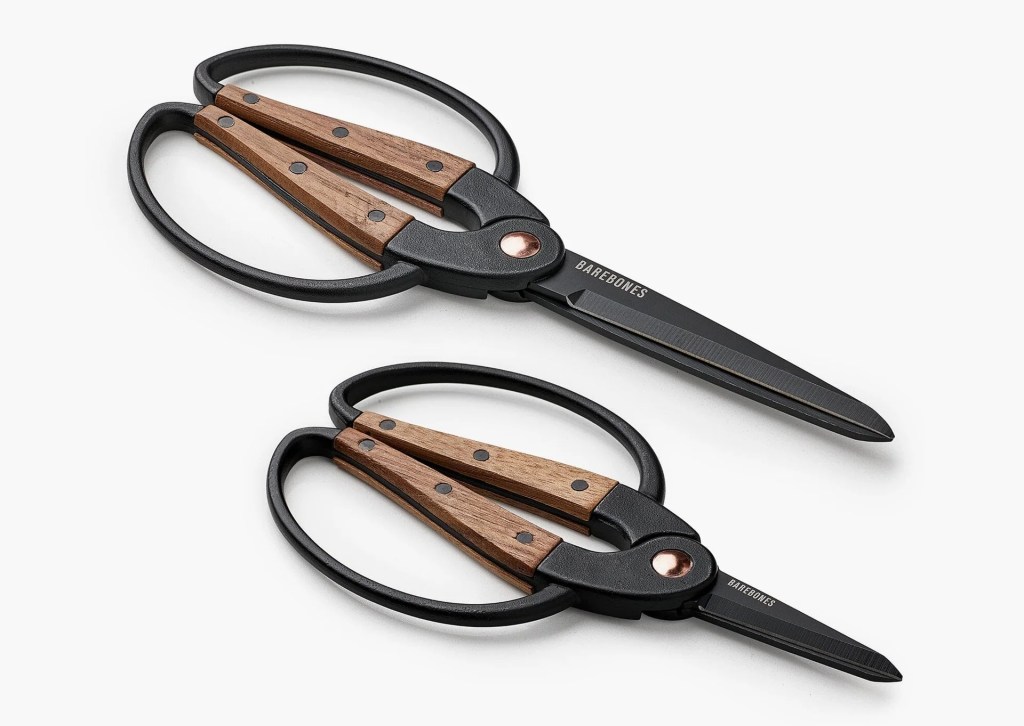
—Divide fall bulbs and overachiever perennials by lifting and splitting iris, daylilies, agapanthus, yarrow, penstemon, ornamental grasses, and bee balm to refresh crowded plantings. This seasonal reset encourages stronger blooms next year while keeping established beds healthy, balanced, and better able to handle Western climate swings.
Courtesy of Barebones Living
—Consider fermentation by transforming early autumn produce like cabbage, carrots, and radishes into lacto-fermented preserves that move beyond traditional pickles. Extend the season’s storage harvest while building flavor, nutrition, and longevity into the months ahead.

Thomas J. Story
Maintain
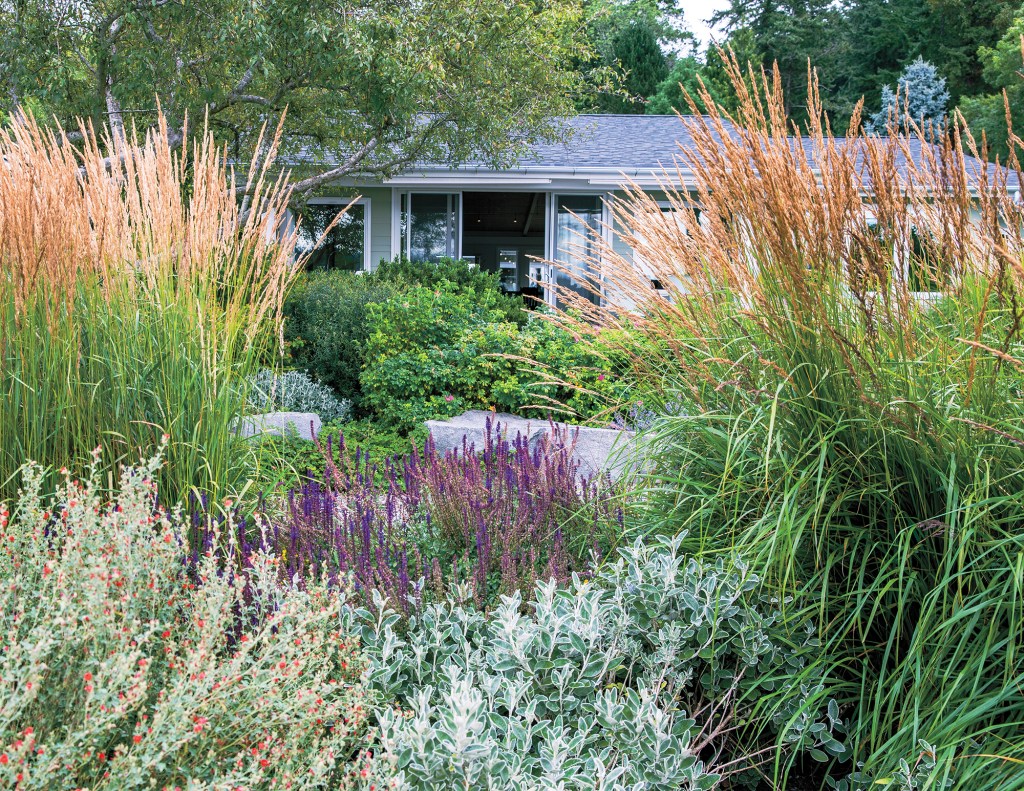
—Embrace wabi-sabi gardening by leaving seedheads standing, celebrating weathered materials, and designing with natural decay in mind rather than constant cleanup. This softer approach reduces maintenance while allowing the garden to evolve with the season, honoring texture, imperfection, and time.
—Extend garden rooms into the colder months by layering fire bowls, gravel seating courts, evergreen structure, and sheltered outdoor reading nooks that invite lingering even as temperatures drop. These outdoor wellness spaces keep the garden active year-round, turning winter into a season of quiet gathering and pause.
Thomas J. Story
Protect
—Support smoke and heat recovery for plants with kelp sprays, deep watering after smoke events, shade cloth strategies, and careful post-heatwave pruning timing. These responsive care practices help Western gardens rebound from climate stress while protecting long-term plant health and resilience.
—Shape living windbreaks by planting climate-adaptive layers of toyon, coffeeberry, desert willow, manzanita, and native grasses to buffer wind and soften exposure. These resilient plantings create protective edges that stabilize microclimates while adding structure, habitat, and year-round beauty to the Western garden.
We only recommend things we love. If you buy something through our site, we might earn a commission.
The Latest