
This Is Why You Should Treat Fall As Your Garden’s Second Spring
Cooler temperatures, warm soil, and winter rain create a rare window to plant, build, and rethink how your landscape works.
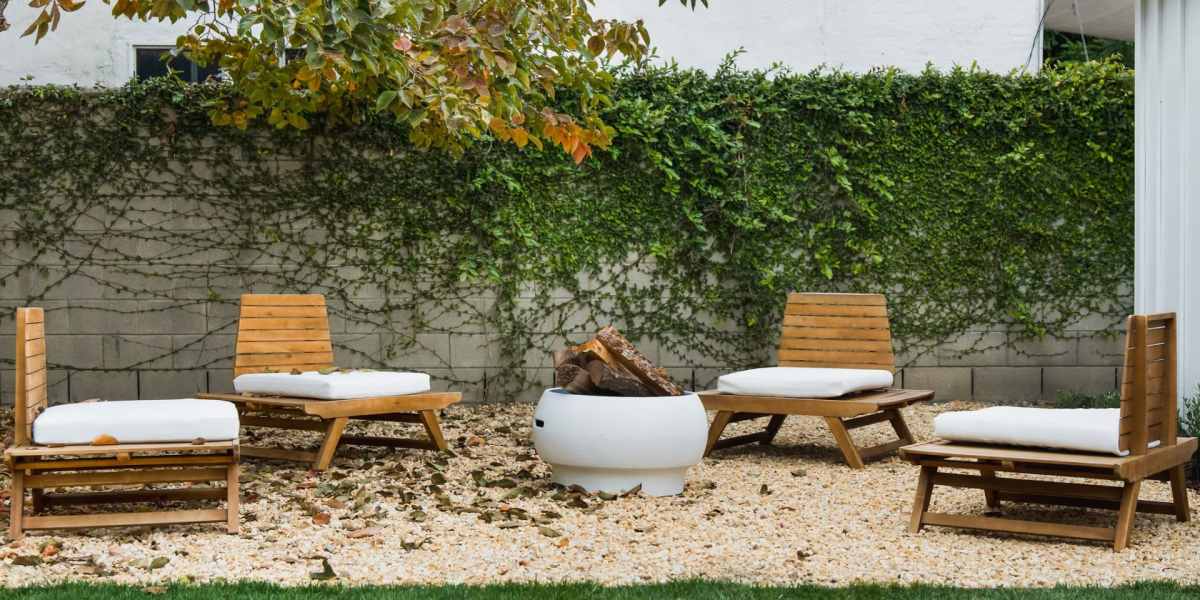
Garden centers may be already filled with mums and pumpkins, but September quietly marks the beginning of another growing season across much of the West. Cooler temperatures, warm soil, and incoming winter moisture create a window for planting, planning, and tackling the landscape projects that are harder to appreciate once spring arrives.
To understand why designers are already thinking ahead, we turned to Kevin Lenhart, Landscape Architect and Design Director at Yardzen. His advice? Don’t wait for spring to start thinking about your new projects. Read on for practical, low-stress ways to get ahead of spring, with smart moves you can make now to improve your landscape for seasons to come.

Courtesy of Yardzen
1. Think of Fall as Your Landscape’s Second Spring
There’s a practical reason designers like to get a jump on the season: Fall gives both plants and projects a head start. “Contractors are more available in fall, so you can move through design and project planning more efficiently and get on their books for an install sooner than if you wait until spring to kick things off,” says Lenhart. In the Southwest, where extreme summer heat can shift construction schedules, he recommends using fall to get the design work underway even if installation happens later.
It’s also a gentler moment for plants. Landscape construction can disturb planting areas, but fall installation allows plants to move toward dormancy and recover over winter rather than spending their active growing season recovering from construction.
Pro Tip: If a landscape overhaul is on your spring wish list, start the design process now. You’ll have more time to consider what the space actually needs, and potentially be ahead of the construction queue.
Courtesy of Yardzen
2. Plant for the Spring You Want
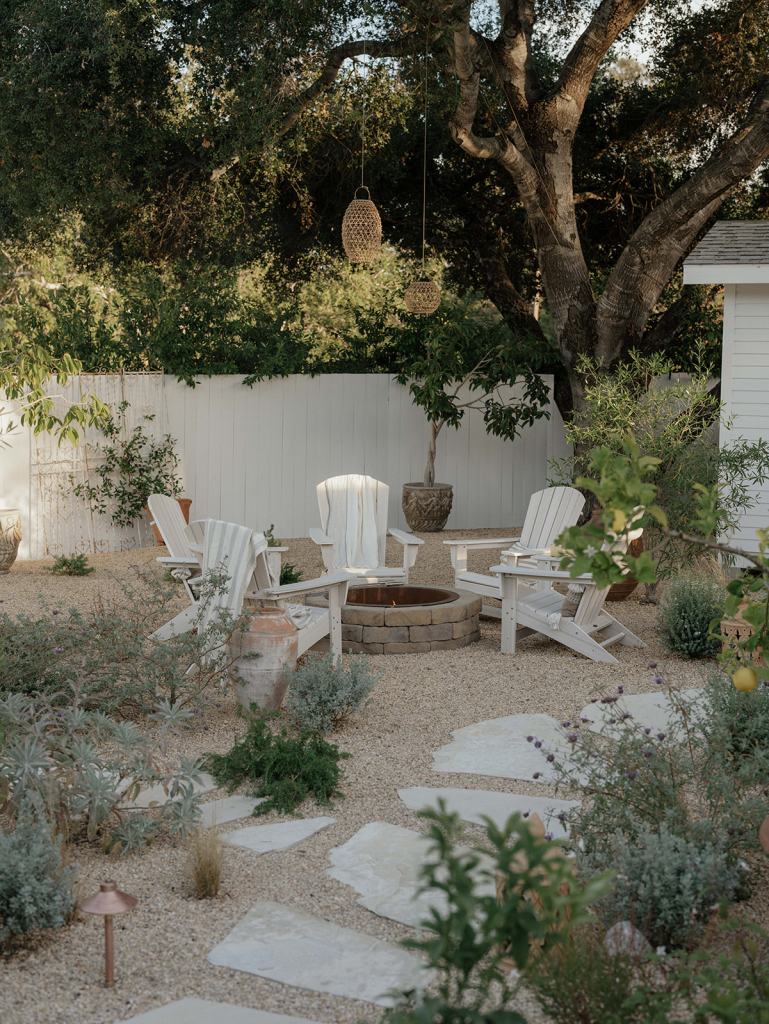
Fall’s planting advantage is rooted in what’s happening below ground. Soils remain warm from summer while cooler air helps plants retain moisture. As above-ground growth slows, many plants can devote more energy to establishing roots before the demands of summer return.
That makes fall particularly useful for adding native plants. “Planting natives in the fall gives them a leg up,” says Lenhart. “With a full winter’s worth of establishment under their belt, natives emerge in spring better equipped to compete and thrive.”
The plant list changes with the region. In California, consider Ceanothus, manzanitas, toyon, and California buckwheat, along with garden staples such as salvia, rosemary, and lavender. Pacific Northwest gardeners can look to vine maple, Oregon grape, Ribes, salal, and kinnikinnick. In the Southwest, fall is a prime opportunity for small and medium-scale trees including desert willow, blue palo verde, and velvet mesquite, paired with salvias, California fuchsia, desert milkweed, sideoats grama, and red yucca.
The timing, however, isn’t universal. “Don’t just go blindly by date—pay attention to your weather. Consistently cooler temperatures signal it’s time to start planting,” Lenhart says.
Pro Tip: Plant according to your climate, not the calendar. In broad terms, that may mean late September along the coast and in the Pacific Northwest, while warmer interior regions may wait until October.
Courtesy of Yardzen
3. Get Your Landscape Ready for Rain
Before the first major storm rolls through, look up, down, and across your property. Clear leaves and debris from gutters, drains, and drainage paths, and trim dead or dying branches that could come down during a storm.
Then consider whether your landscape is simply moving rainwater away, or actually putting it to work.
“Along with planting natives, capturing stormwater onsite is one of the simplest, most effective ways to support sustainability and biodiversity in your yard,” says Lenhart. On-site water capture can reduce irrigation needs, recharge groundwater, slow runoff, and help keep pollutants from driveways and treated lawns out of downstream ecosystems.
You don’t need an elaborate system to make a difference. Trees intercept rainfall in their canopies, while vegetation can slow water moving across the landscape.
Pro Tip: Before adding another drainage pipe, look for opportunities to slow, spread, and soak water into the landscape.
Courtesy of Yardzen
4. Build the Bones Before Spring
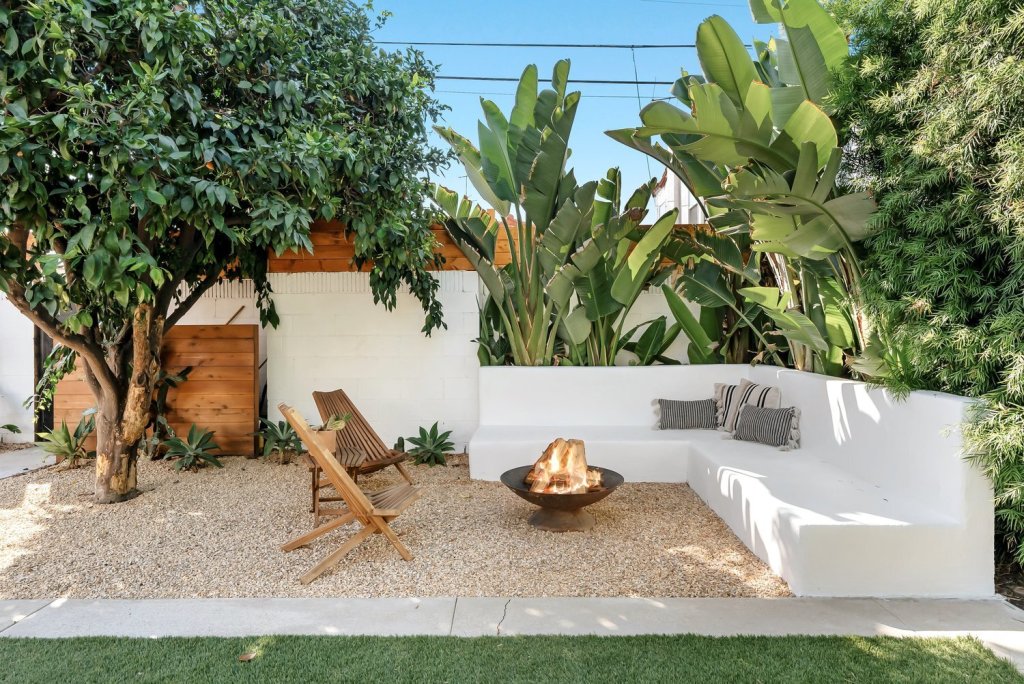
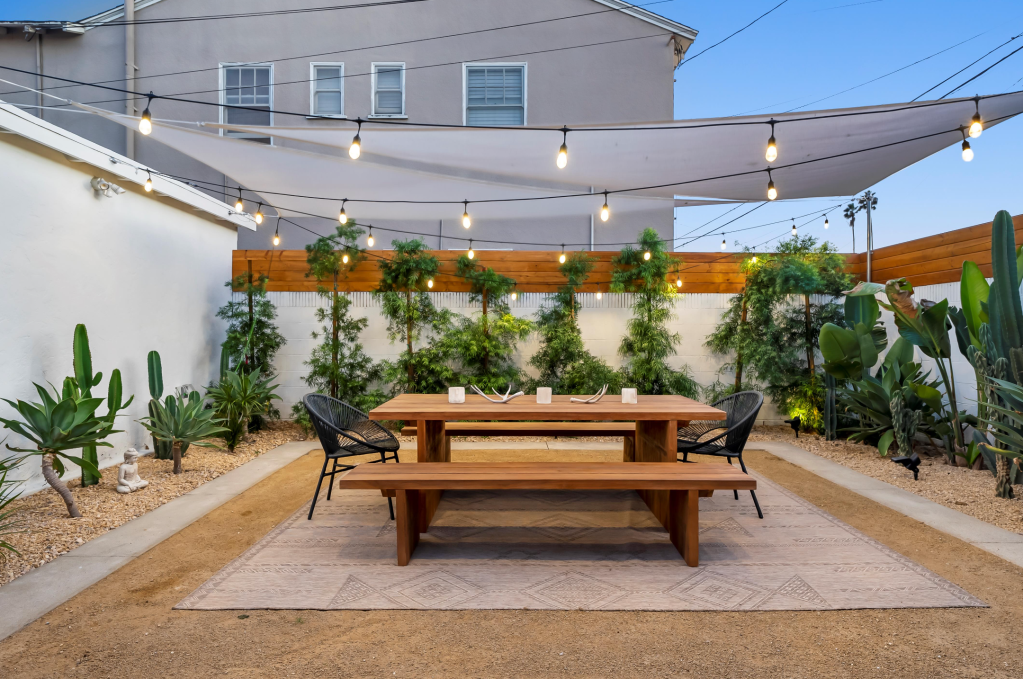
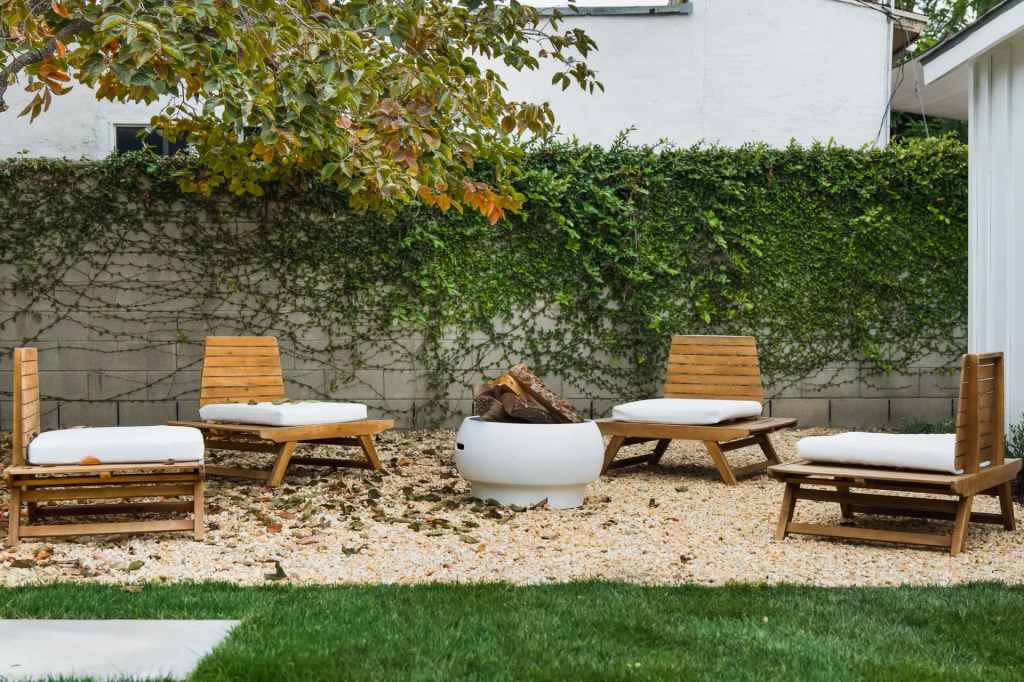
Fall isn’t just for planting. It’s also a smart window for the less glamorous (and often more transformative) work of landscape design. “Sun-baked soils soften in the fall, and cooler temperatures make working conditions more pleasant,” says Lenhart. Paths, patios, retaining walls, drainage improvements, raised beds, outdoor rooms, and other structural projects can all be tackled while temperatures are more comfortable and plants are heading toward dormancy.
There’s another advantage: Completing hardscape work now leaves spring open for planting and finishing touches.
Pro Tip: If your yard needs better circulation, drainage, outdoor living space, or structure, consider doing the construction first and letting spring be the season when the planting takes center stage.
Courtesy of Yardzen
5. Make the Easiest Sustainable Swap: Leave the Leaves
Not every fall landscape improvement requires a contractor, or even a trip to the garden center. “One of the easiest, most immediate ways to boost your yard’s ecological value is to leave leaf cover on the ground,” says Lenhart. Leaf litter provides essential habitat for caterpillars, which are an important food source for birds.
If a completely leaf-covered lawn won’t fly with your HOA—or your aesthetic sensibilities—move leaves into planting beds instead. Just keep about a foot clear around tree trunks to maintain air circulation and avoid rot.
Pro Tip: Think twice before bagging every leaf. Corral them beneath plants where they can protect soil and support garden wildlife.
Courtesy of Yardzen
6. Plant a Tree—and Let the Garden Grow Up
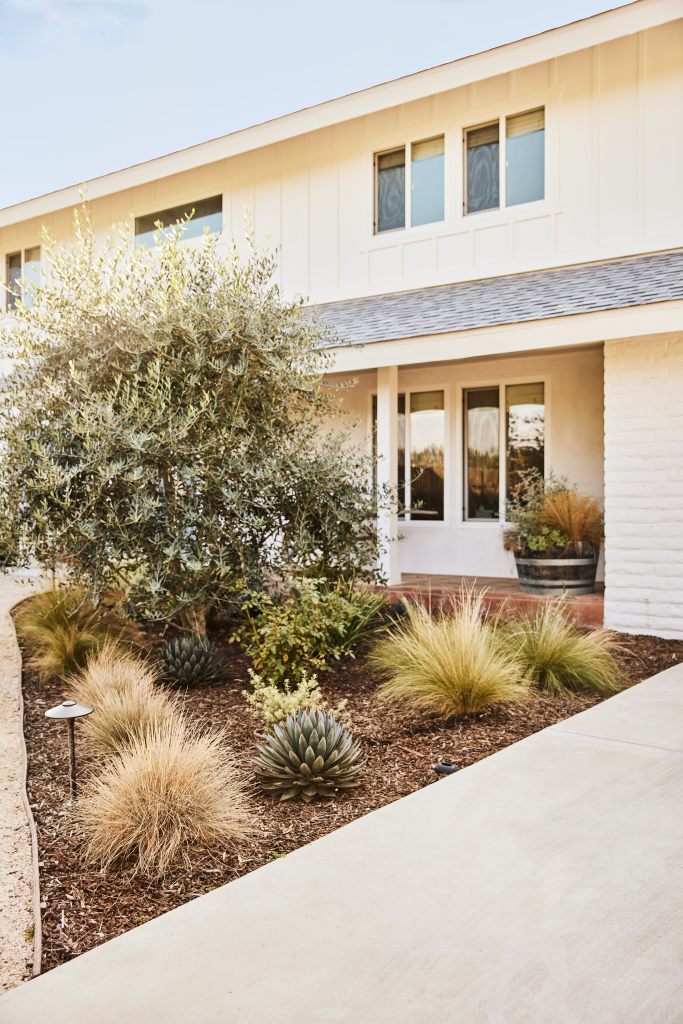
Of all the changes you can make to a landscape, Lenhart sees one as especially consequential: “No plant has greater impact on a design than a tree.”
Fall is a particularly useful time to get trees established, with slow, deep watering supporting root development through the season. In colder climates, keep evergreens watered until the soil begins to freeze.
But perhaps the most unexpected fall lesson is to resist the urge to make the garden look perpetually “finished.” Lenhart encourages gardeners to “Embrace every stage of a plant’s life cycle.” Dried seedheads, bare branches, and weathered plant material can provide structure and beauty long after flowers fade.
Pro Tip: Design for the entire life of the garden—not just its peak bloom. The landscape you’re creating this fall should have something to say next spring, next summer, and long after the first flush of flowers has passed.