
Tour the 300-Acre Northern California Farm That’s Been Committed to Native Plants for Almost 40 Years
At this Northern California farm growing stunning native plant seeds, restoration begins after the bloom.
Thomas J. Story
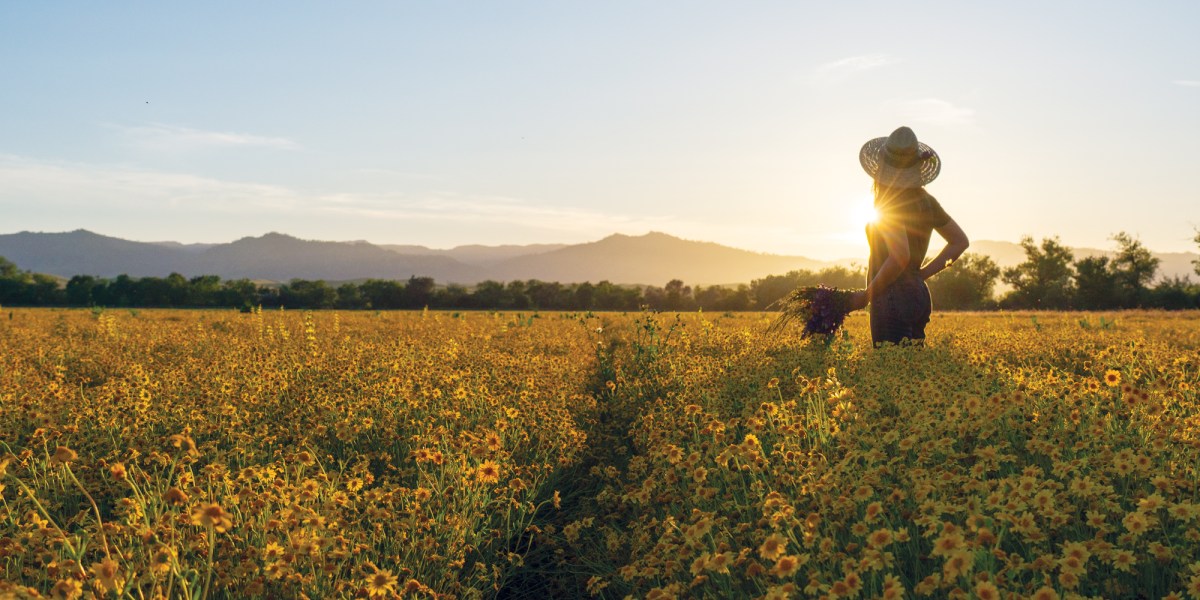
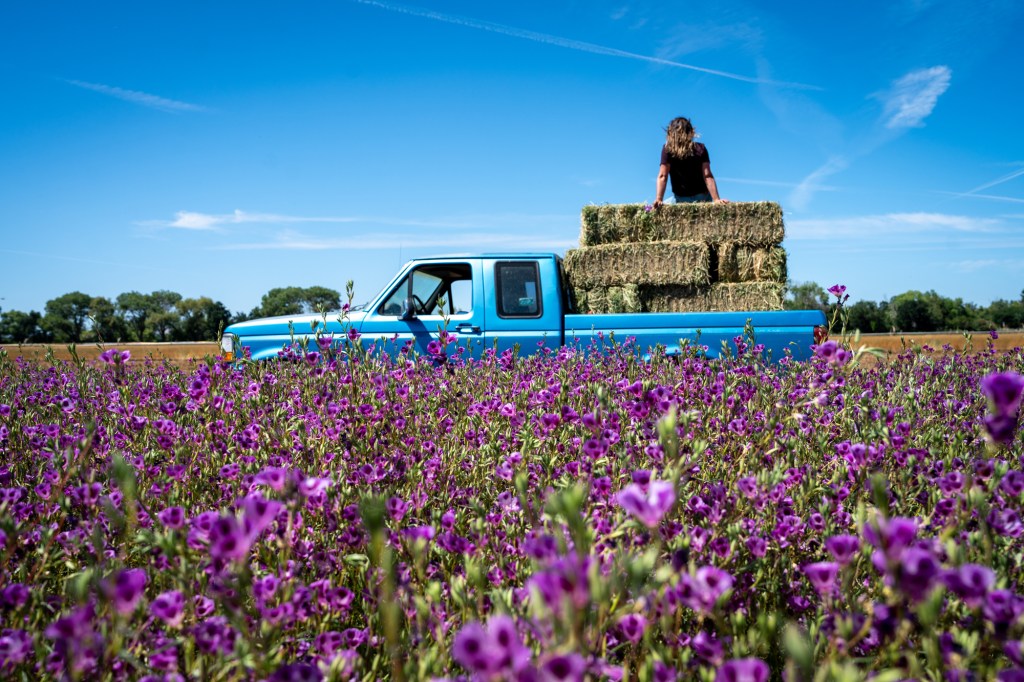
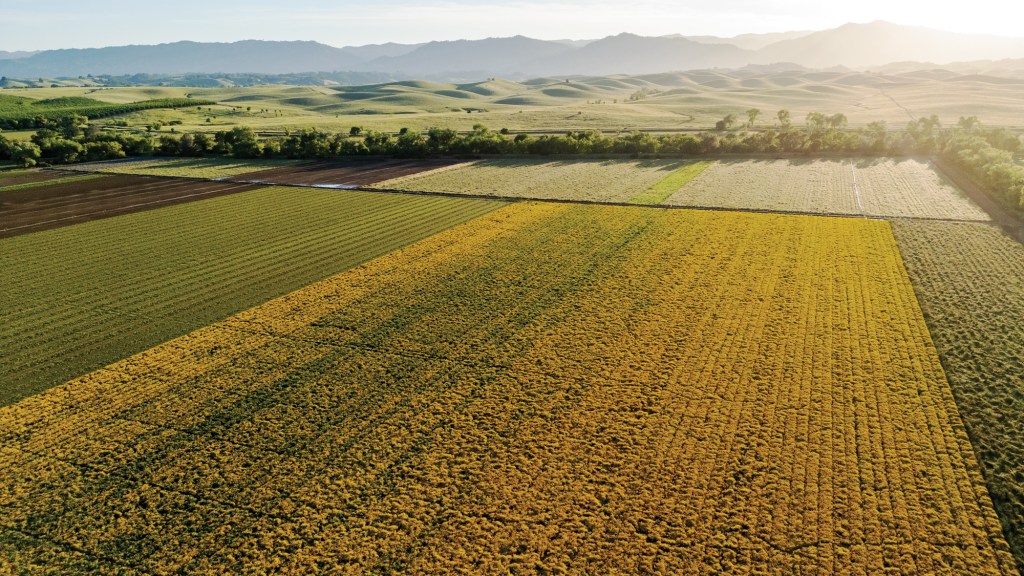
In late summer, the fields outside Winters, California, are kaleidoscopic. There are rows of native grasses catching the light, wildflowers bursting in ribbons of vibrant color across the fields, pollinators steady at work. It looks, at first glance, like abundance. But what’s growing here isn’t just a crop. It’s a future landscape.
Thomas J. Story
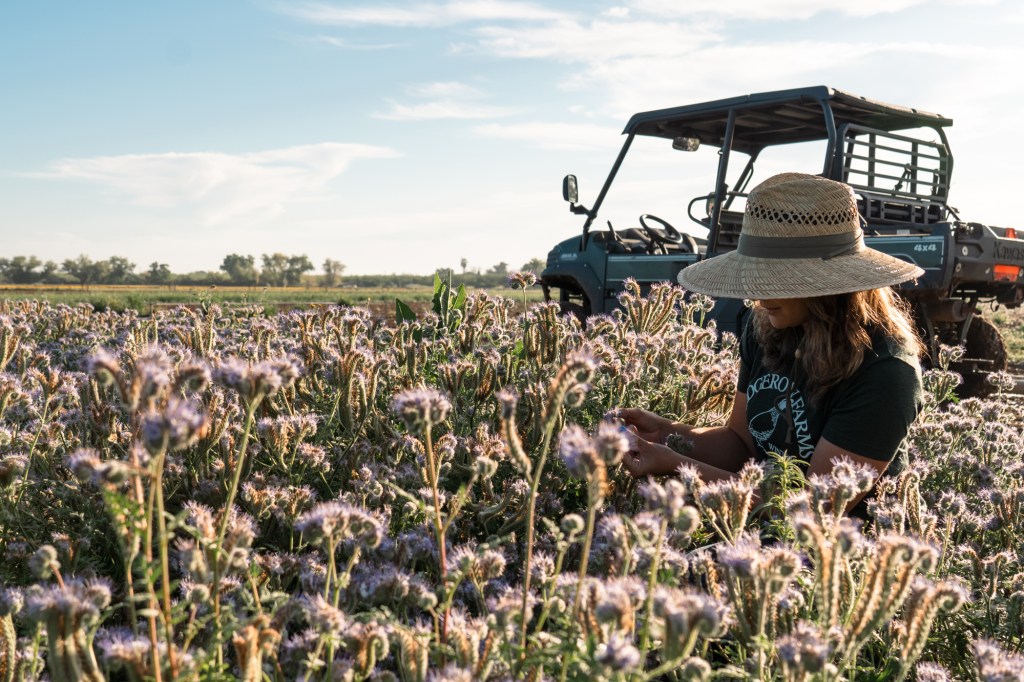
At Hedgerow Farms, a 300-acre native seed operation tucked into the agricultural heart of Northern California, every planting begins with a question: What belongs here?
“When our founder, John Anderson, started planting native grasses and wildflowers almost 40 years ago, he envisioned both a seed production farm and a venue to test new ideas,” says Julia Michaels, Ph.D., Restoration Ecologist at Hedgerow Farms and Vice President of Business Development for NativeSeed Group. “At the time, our native hedgerows were a brand-new idea in California—planting native habitat corridors within an agricultural matrix.”
Thomas J. Story
Those early experiments have since become standard practice. But what’s changed most, Michaels notes, is urgency. “What’s changed over the decades is really the pace and scale of restoration, and the urgency. People are finally connecting the dots between native plants and climate resilience, water, habitat—all of it.”
That connection starts, quite literally, at the root.
Thomas J. Story
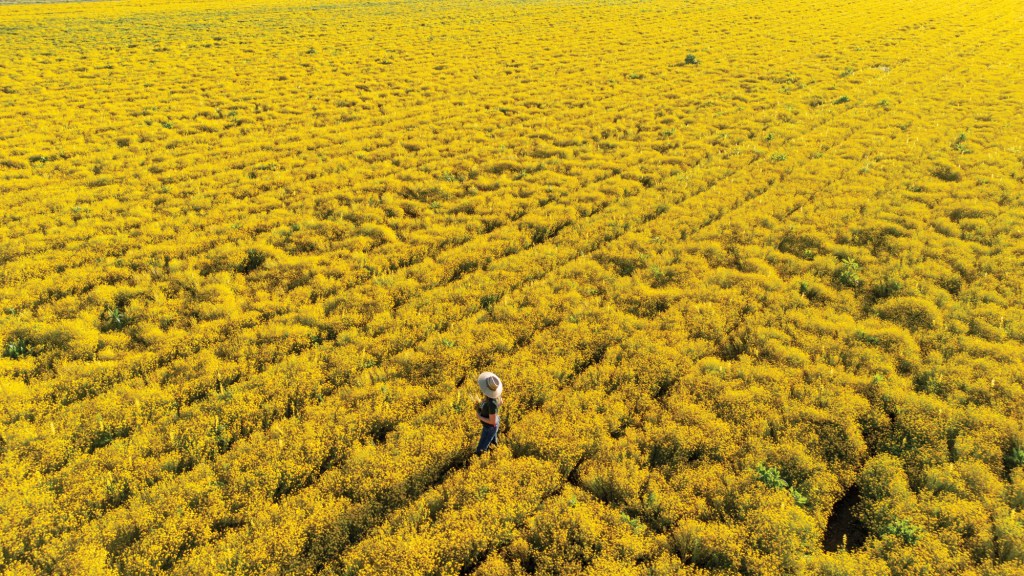
In ecological restoration, not all seeds are created equal. At Hedgerow Farms, a California poppy is more than a flower; it carries the story of its home. “It means a seed isn’t just the right species, it’s the right population of that species,” Michaels explains. “A California poppy that evolved in the Central Valley has been shaped by that place for thousands of years… If you take a poppy from the coast and plant it in the valley, it will likely survive, but it may not thrive.”
This principle, genetic appropriateness, guides the farm’s work across the diverse landscapes of the Western U.S., where microclimates shift dramatically from coastal fog to inland heat to alpine cold. “When you’re planting resilient landscapes, you want plants that are prepared for the local conditions from day one,” Michaels says. “It gives your project its best shot at becoming self-sustaining.” It’s not just about aesthetics; it’s about building landscapes that can endure, evolve, and support the creatures that depend on them.
Thomas J. Story
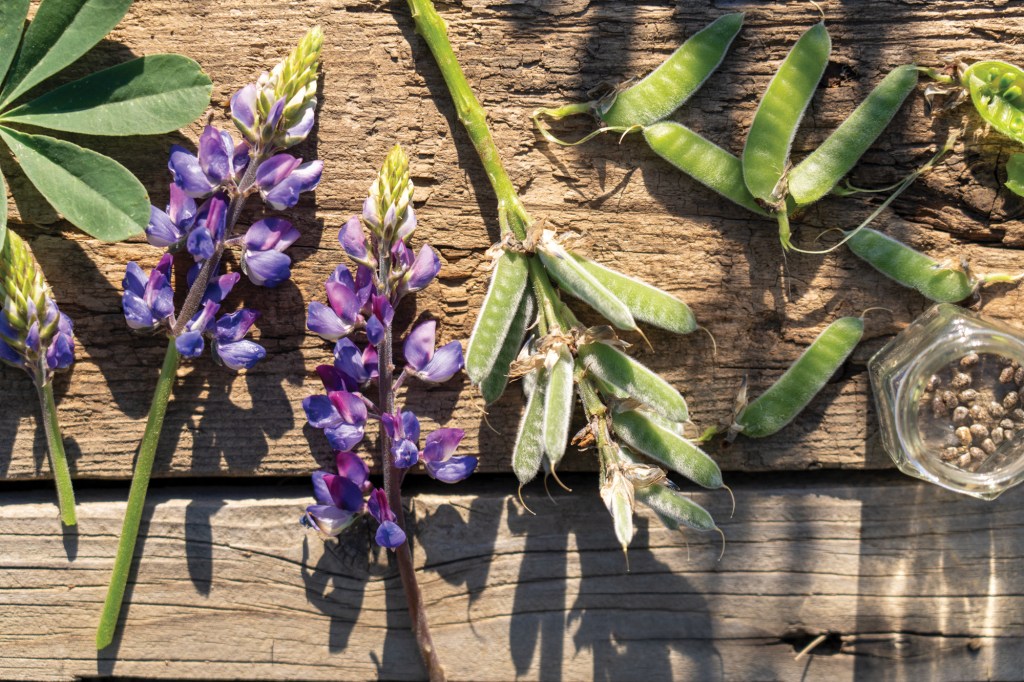
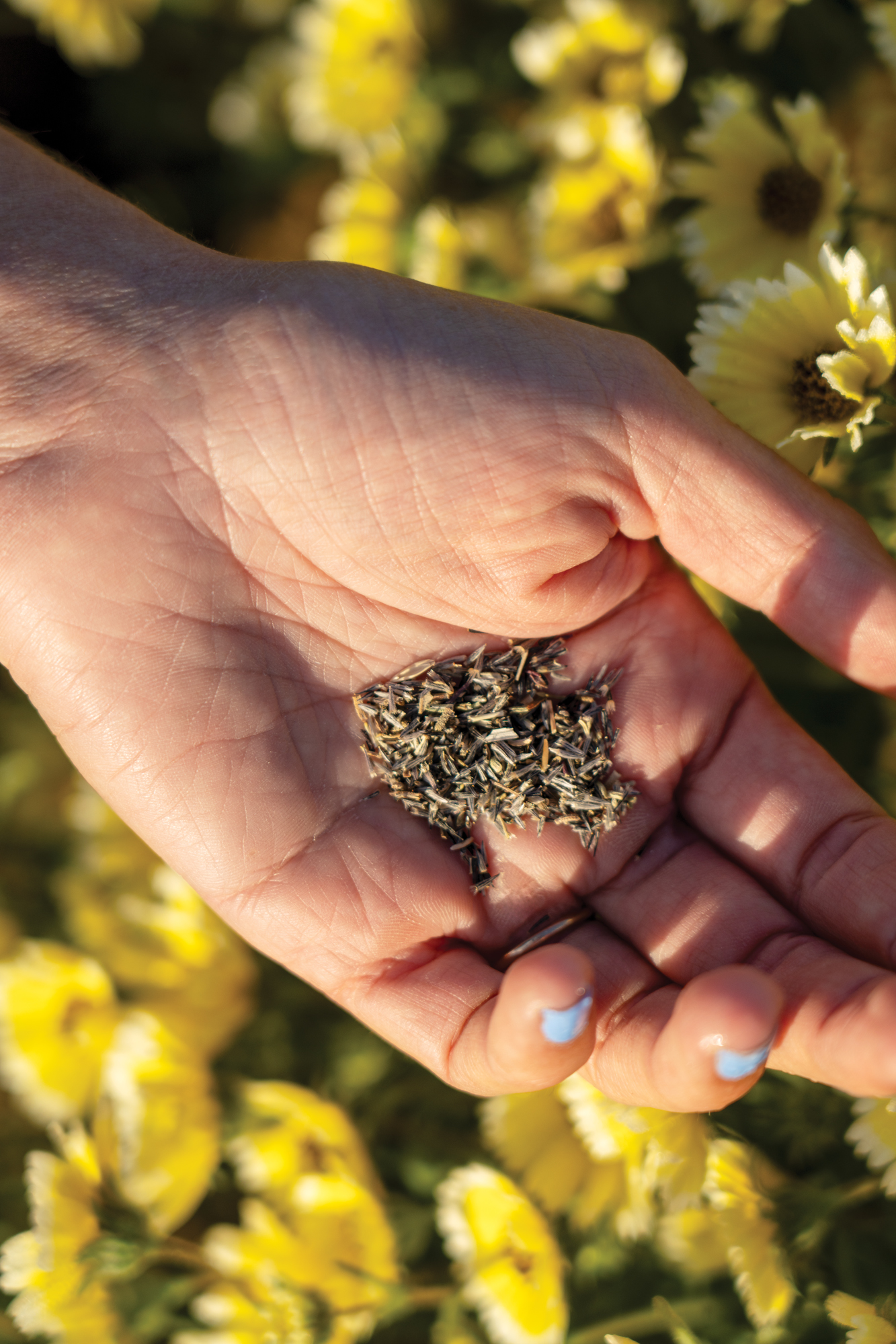
Long before a seed mix is ever designed, the work begins far from the farm. “It starts with our botanists out in the field, and I mean really out there,” Michaels says. “Our collection crew covers hundreds of miles of California… hiking and driving around our state’s wild areas.” From Humboldt County down to Bakersfield, small amounts of seed are hand-collected, carefully and with restraint. “We generally take no more than 10–25% from any given population,” she explains. “The goal is always to leave a population healthier and more intact than we found it.”
Thomas J. Story
Thomas J. Story
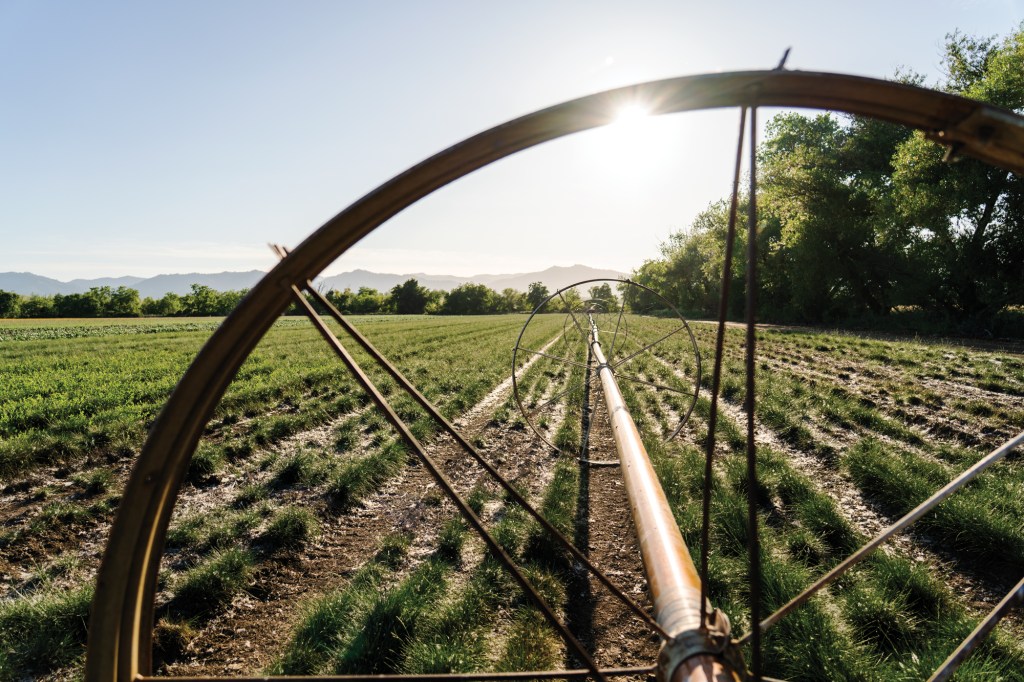
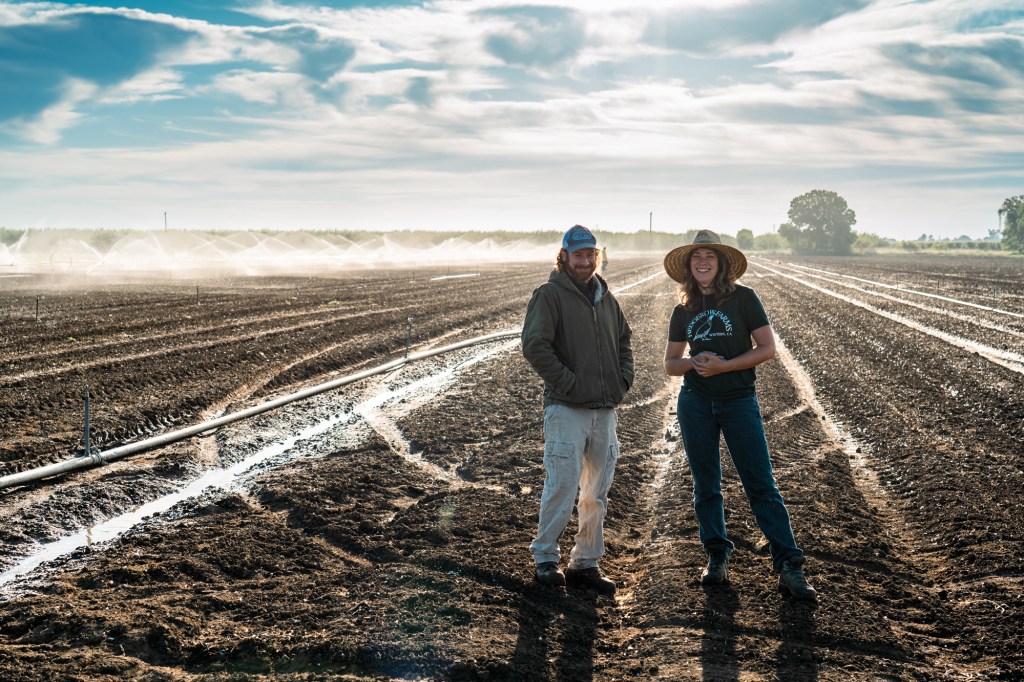
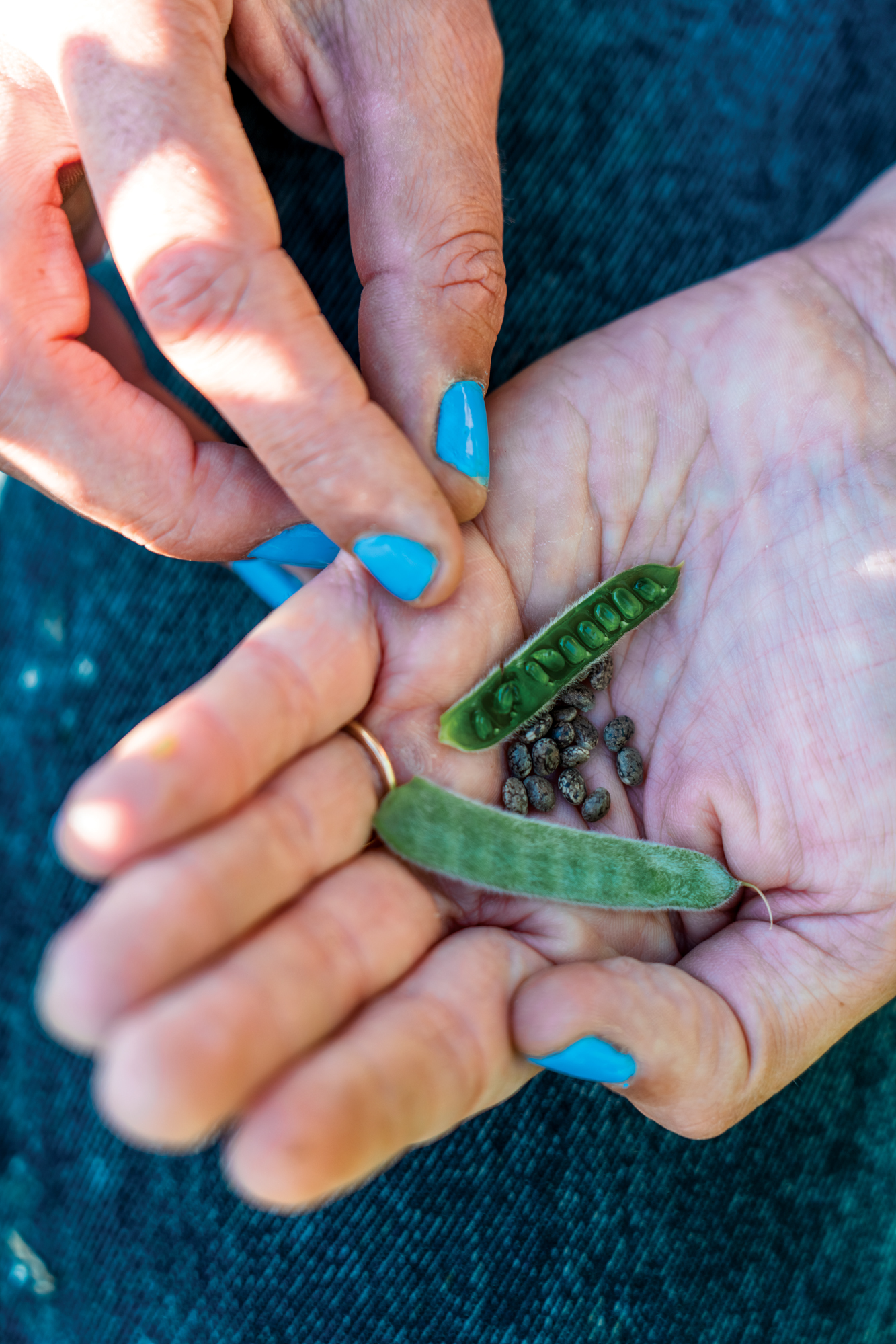
Back in Winters, those seeds are coaxed into production across a mile-long patchwork of fields. Each crop is tracked with precision—location, lineage, generation—ensuring its wild characteristics remain intact. “If we grow the same seed at the farm for too many generations, it can even start to lose its ‘wildness,’” Michaels says. The result is a living library: more than 600 types of native seed, each cleaned, tested, and stored across tens of thousands of square feet, ready to be blended into custom mixes that fit both the land and the larger ecological vision.
Thomas J. Story
More than 90 percent of Hedgerow Farms’ work is custom, with seed mixes tailored to the needs of each site. “We start by understanding the site: Where is it? What’s the soil like? What’s the hydrology?” Michaels says. “Then we layer in the ecological goals.” That might mean stabilizing a slope, restoring wildlife habitat, or supporting pollinators in unexpected places—even beneath solar panels.
Thomas J. Story
Thomas J. Story
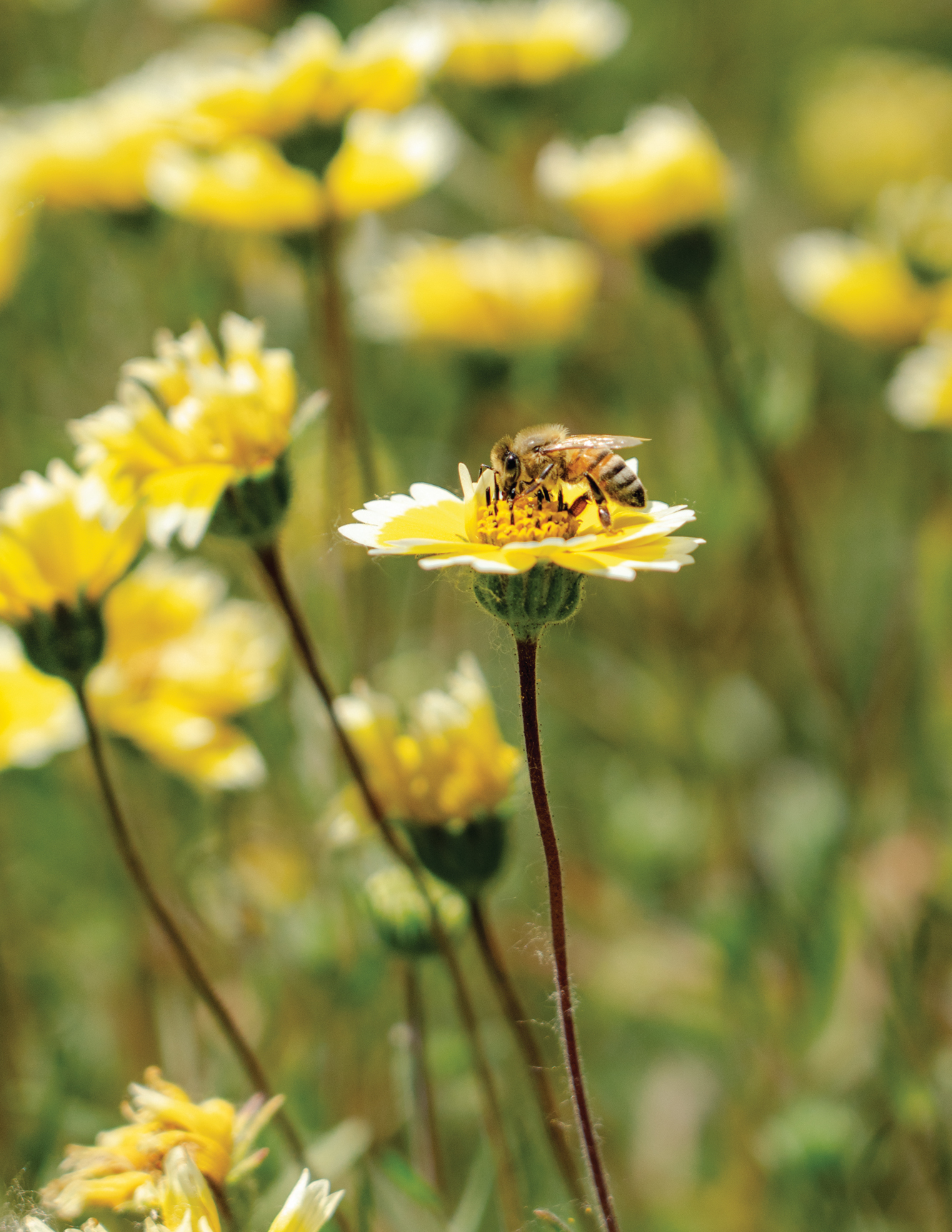
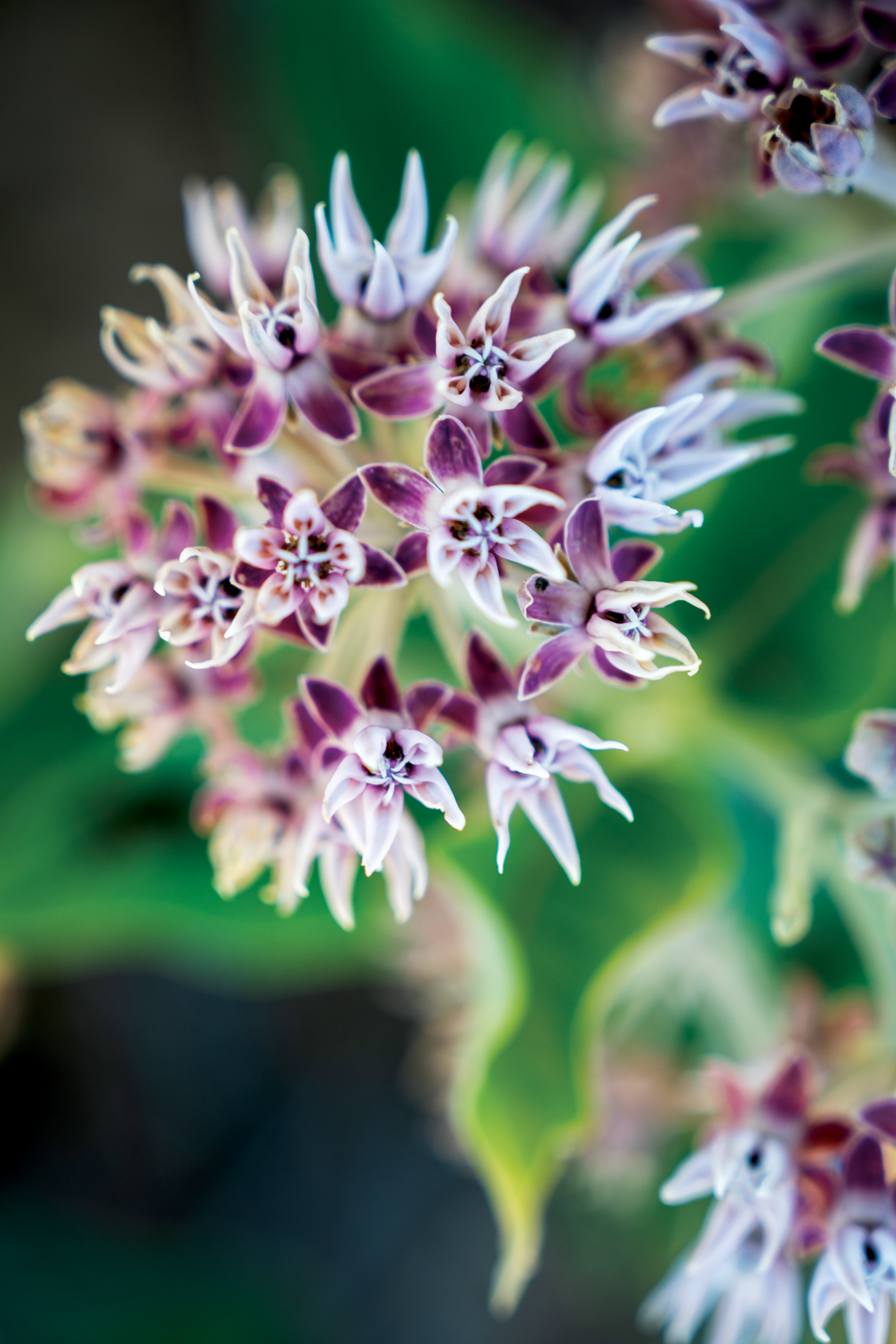
“I got to design 26 mixes of different wildflower and grass species… for a pollinator-focused solar project,” she says of a recent collaboration at UC Davis. “The mixes have been blooming for two years… I have seen so many native bees and bumblebees flourishing at this project already.” It’s a reminder that restoration doesn’t always look like untouched wilderness. Sometimes, it looks like coexistence—carefully designed, yet alive with spontaneity.
Thomas J. Story
For all its beauty, native seed is not a quick fix. It asks something different of both land managers and home gardeners: time. “In the first year, you get a lot of annual wildflowers putting on a great show,” Michaels says. “A year or two later the noxious weeds start to creep in, but the perennial grasses and forbs are quietly putting down roots.”
By year three to five, a true plant community begins to emerge. Full ecological function can take a decade or more.
Thomas J. Story
“Native seed is not just pretty, it’s infrastructure,” she emphasizes. “It’s one of the most practical tools we have for building landscapes that can handle what’s coming.” In other words, it’s an investment—not just in a single season’s bloom, but in the resilience of the land itself.
For homeowners, Michaels’ advice is both simple and radical: Start small, observe carefully, and let nature guide your rhythm. “Pick a single patch and get to know a handful of species really well before expanding,” she suggests. Maintenance shifts, too. “With natives, you’re working more based on what the temperature, rainfall, wind… is doing. It’s less labor and input overall, but it requires a different kind of labor from all the attention and patience you input.”
Thomas J. Story
Back in the fields, that patience is already paying off. Lupine hums with bees, grasses sway in layered greens, and seed heads form, dry, and wait. “A successful crop means the plants produced abundantly and the seed quality is high,” Michaels says. “Also when we know where the seed is going, you’re looking at the future of ecological restoration somewhere in the West, and that feeling never gets old.”
At Hedgerow Farms, the work is never done, but every seed planted is a small step toward landscapes that are vibrant, resilient, and unmistakably of their place.