

Soil Might Be the Reason Your Garden Isn’t Thriving. Here’s How to Dial in Your Dirt.
Try these pre-spring strategies to nurture soil, support pollinators, and leave your garden healthier than you found it through regenerative gardening.
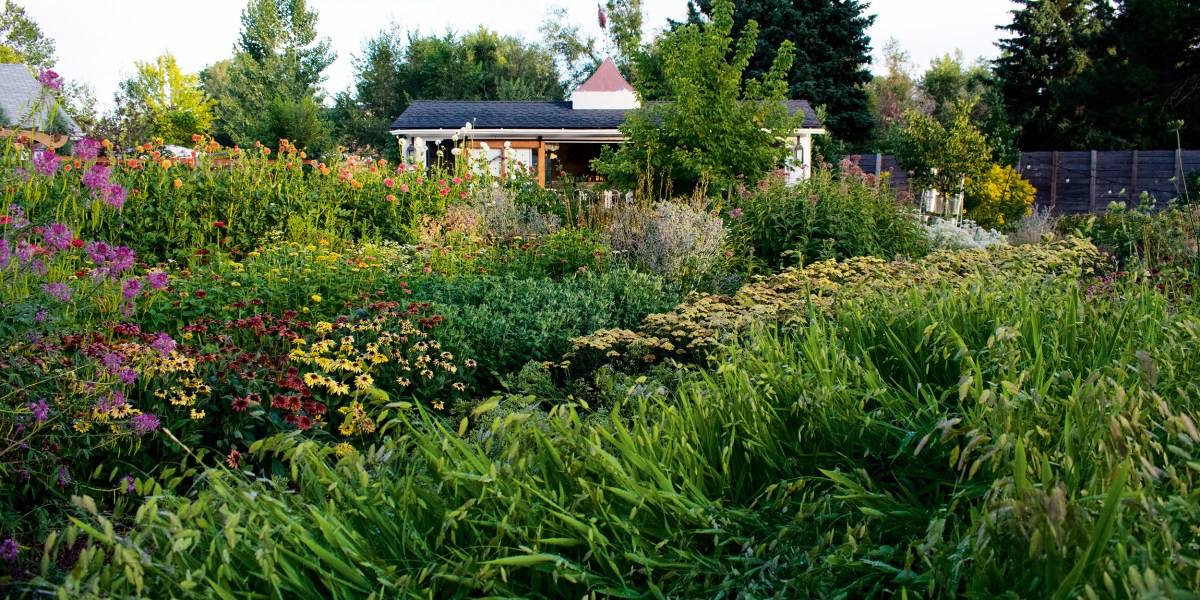
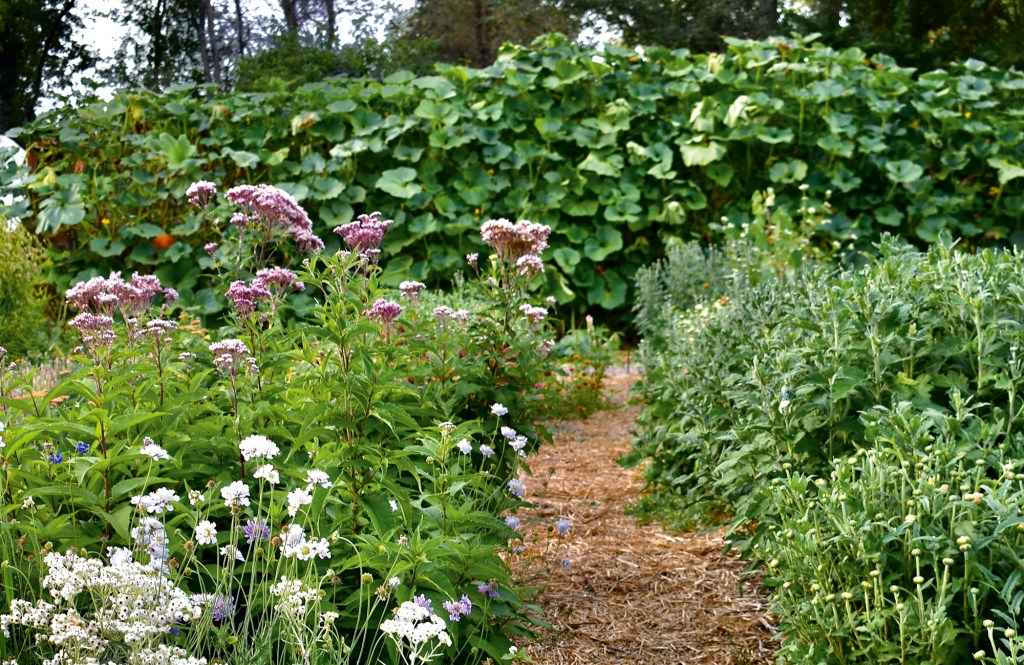
Photograph by Bonnie Sen from The Regenerative Gardener’s Handbook by Briana Selstad Bosch. Copyright © 2026. Reprinted by permission of Storey Publishing, an imprint of Hachette Book Group.
As the first hints of spring creep into our gardens, so does the itch to get outside and do something productive with tasks such as clearing beds, planting seeds, and sweeping away winter. But according to Briana Selstad Bosch, founder of Colorado’s Blossom and Branch Farm and author of The Regenerative Gardener’s Handbook, the best pre-spring prep isn’t about doing more: It’s about observing, slowing down, and working with nature’s rhythms. Here, she gives us the pre-season playbook on how to nurture nature as spring awakens.
Savoring Soil and Seasons
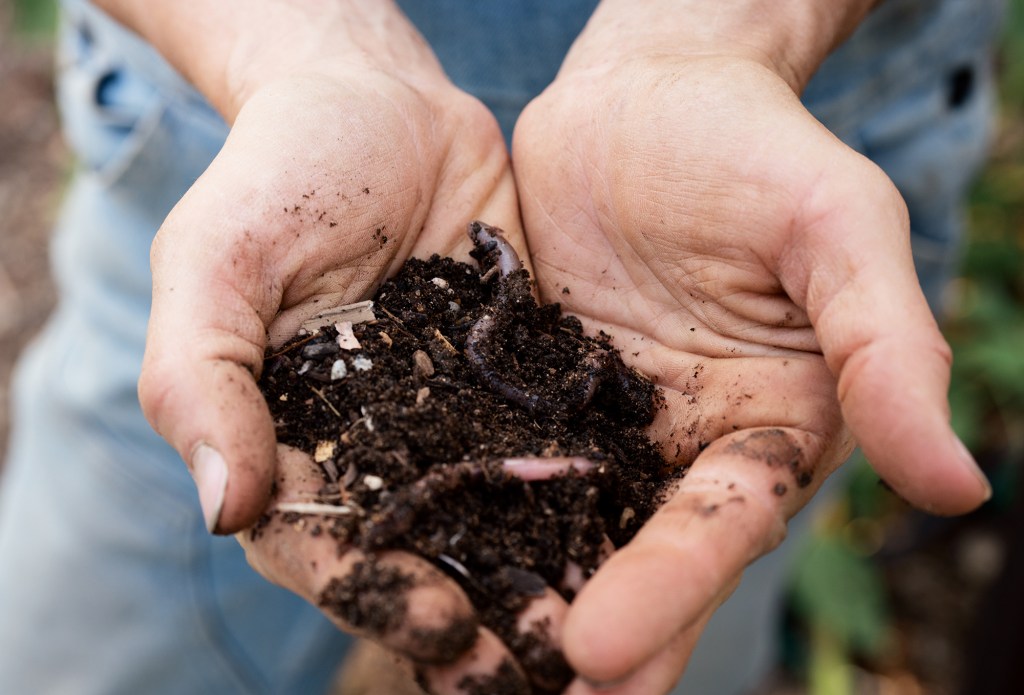
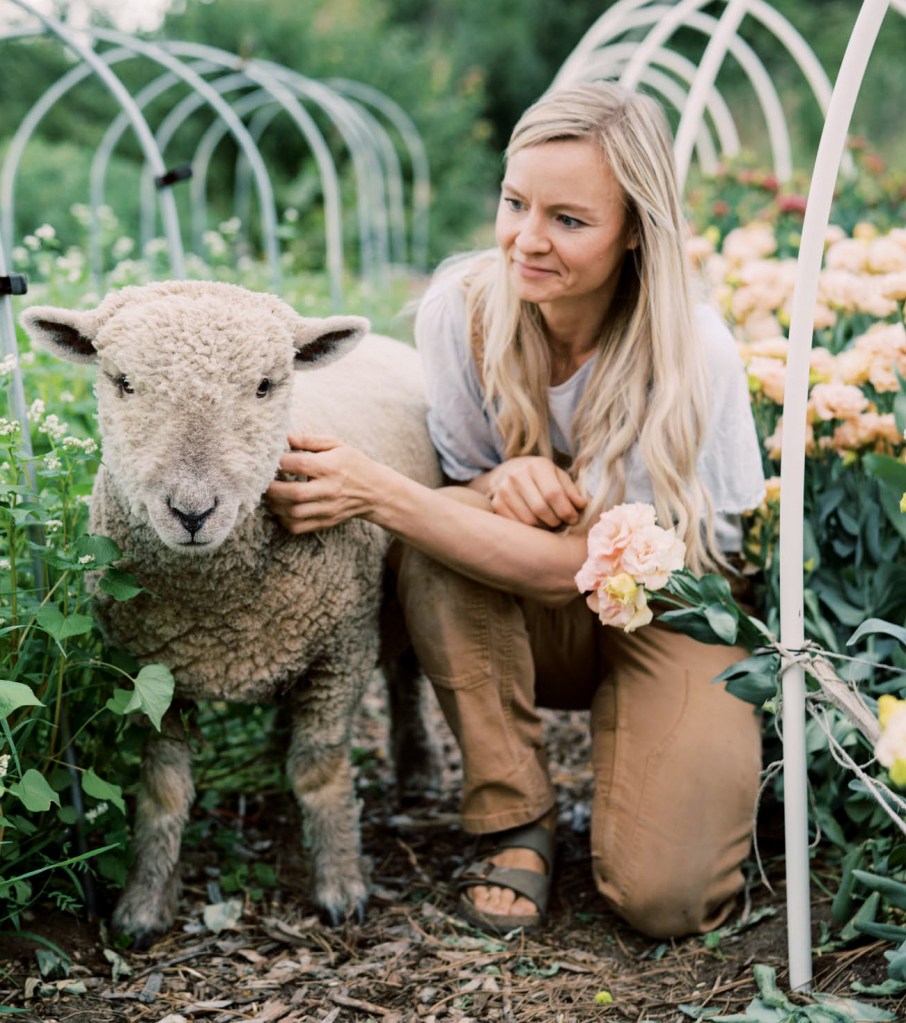
Photograph by Bonnie Sen from ‘The Regenerative Gardener’s Handbook’ by Briana Selstad Bosch. Copyright © 2026. Reprinted by permission of Storey Publishing, an imprint of Hachette Book Group.
For Bosch, spring begins with a handful of earth. “There is nothing like scooping the first handful of soil out of the earth after a long, cold winter—the smell of terroir holds all the promises of spring,” she says. “Just feeling the soil in my hands makes me feel more hopeful, and hope is so vital to life.”
That connection inspired her to rethink pest control on her farm. Early in her career, Bosch observed that her dahlias were constantly damaged by bugs, except for the row closest to a chokecherry thicket. “The birds were hopping back and forth from the chokecherry branches, loaded with berries, to the dahlias, where they would pick off bugs,” she recalls. Planting hedgerows of berry- and seed-producing plants like golden currants and anise hyssop brought more birds and eliminated the need for insect netting.
Eco Eyes: Seeing the Garden as a Living System
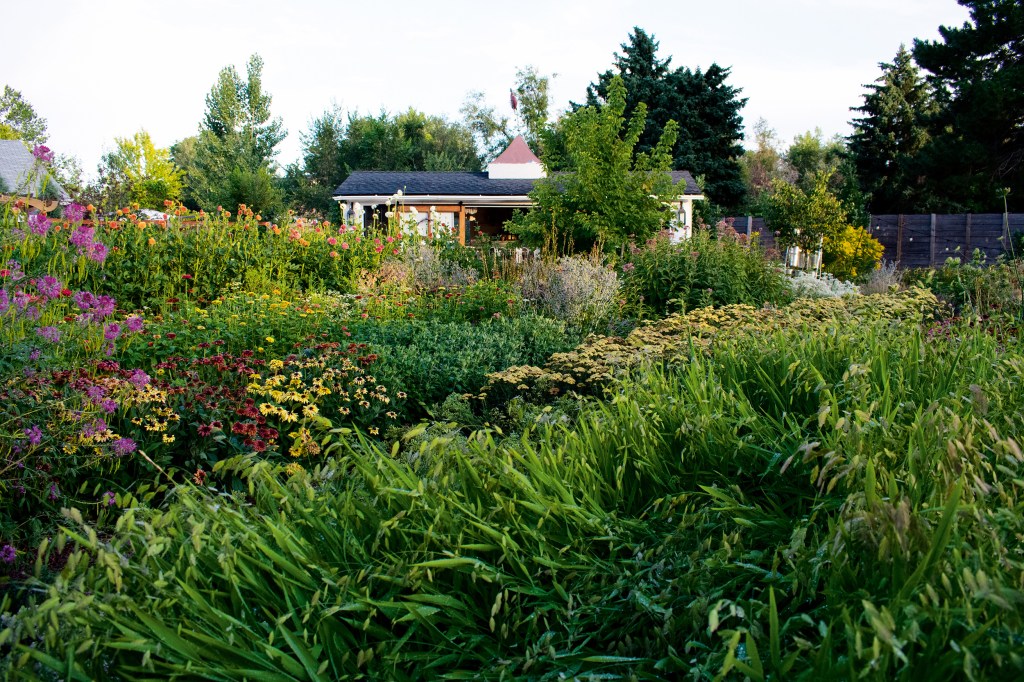
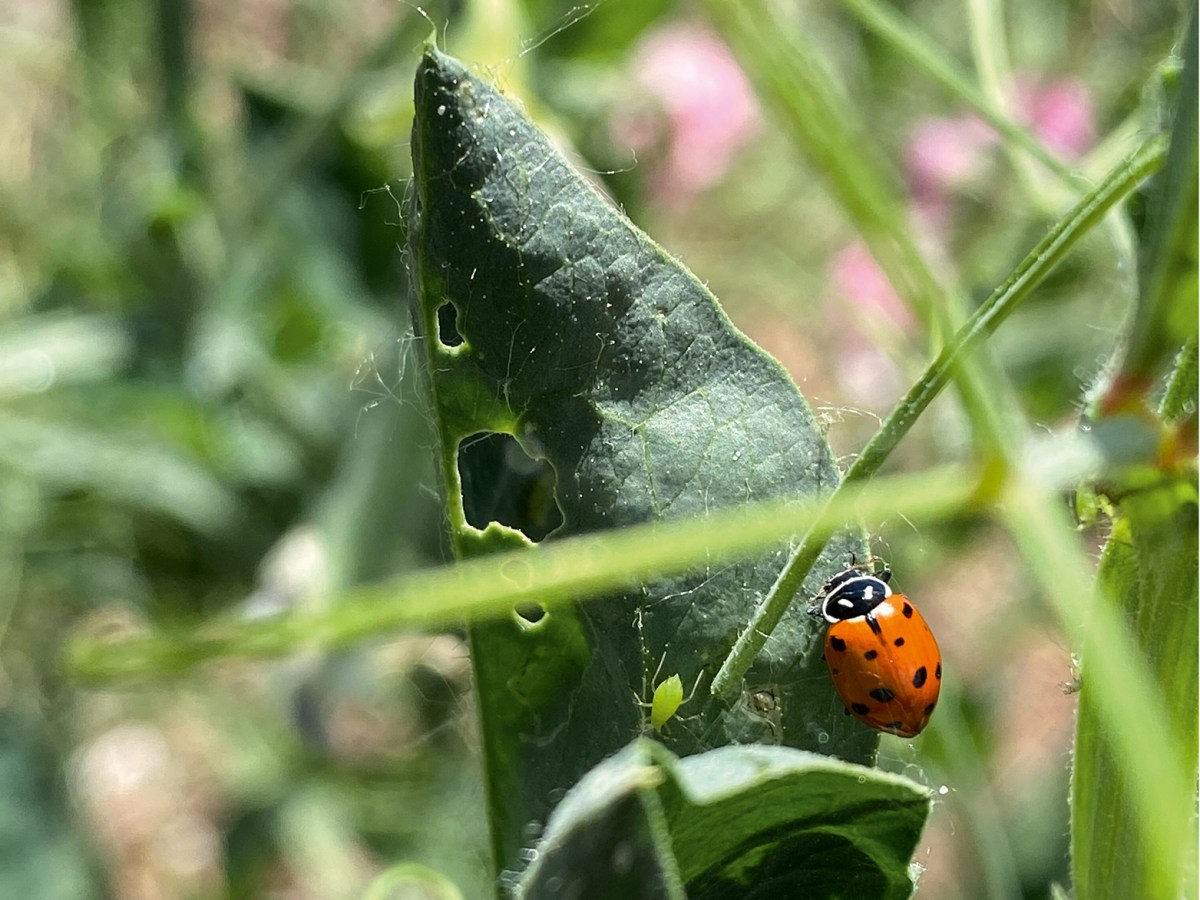
Photograph by Bonnie Sen from ‘The Regenerative Gardener’s Handbook’ by Briana Selstad Bosch. Copyright © 2026. Reprinted by permission of Storey Publishing, an imprint of Hachette Book Group.
Bosch advises tuning into natural cues before planting. “Once I see more of our birds hopping around at ground level rather than relying on the above-ground seed supply, I know the bugs and insects are starting to emerge and move closer to the soil surface, indicating warmer soil temperatures and thawing ground—meaning I can begin thinking about planting!”
Resisting the urge to tidy too early is also key. “Watching birds hop about and scratching through fallen leaves helps us see how vital leaving the garden a ‘mess’ can be. Considering the population decline of birds in recent years, it is vital to their survival to leave it as long as possible.”
Soil Sense: Listening to the Ground Below
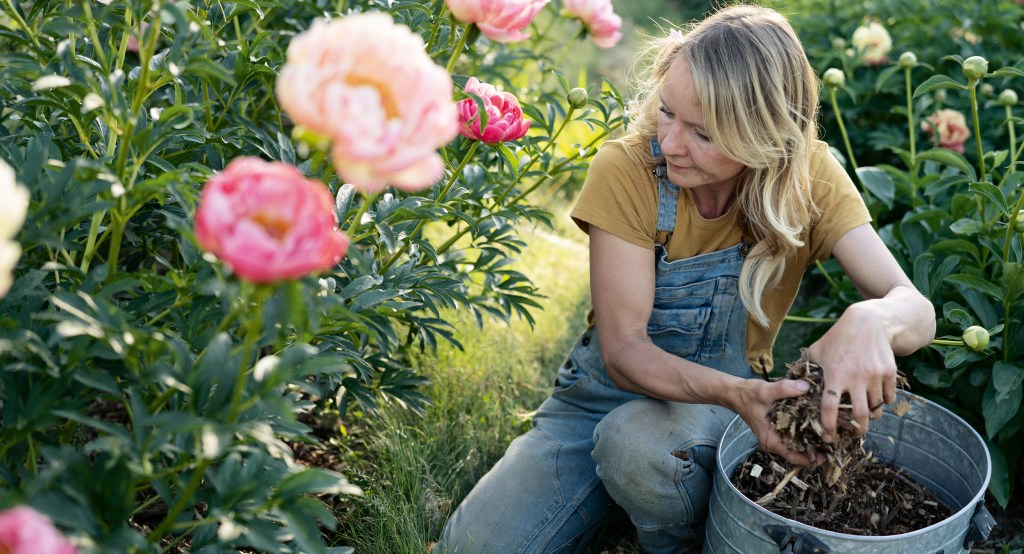
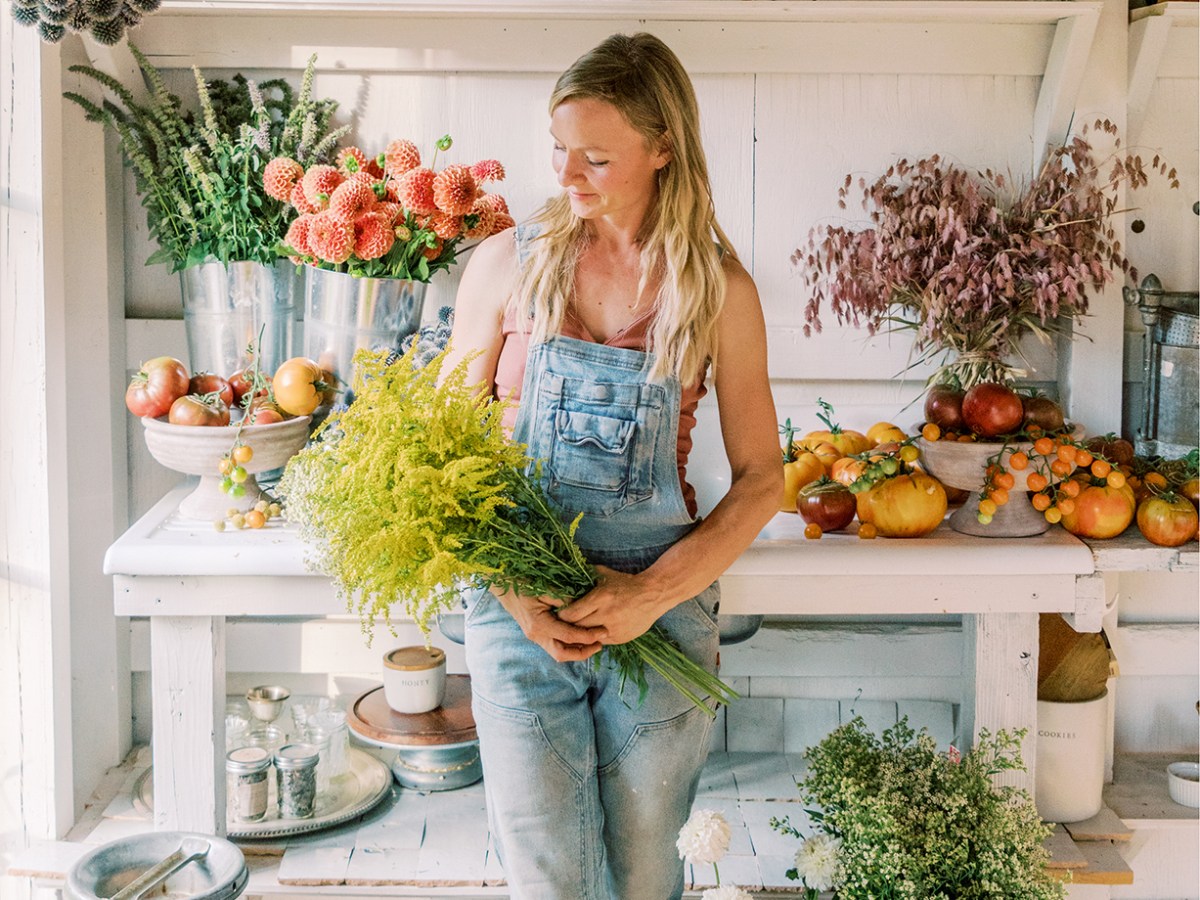
Photograph by Bonnie Sen from ‘The Regenerative Gardener’s Handbook’ by Briana Selstad Bosch. Copyright © 2026. Reprinted by permission of Storey Publishing, an imprint of Hachette Book Group.
Bosch has learned to lean on resilient early crops: “Many flowers such as sweet peas, snapdragons, lisianthus, foxglove, yarrow, delphinium, and more can be planted six to eight weeks before last frost with proper hardening and survive without any cover down to the teens.”