What a Foraging Expert Wants You to Know About Finding (and Eating) Wild Foods This Spring
This year has ideal conditions for harvesting.
Marla Aufmuth
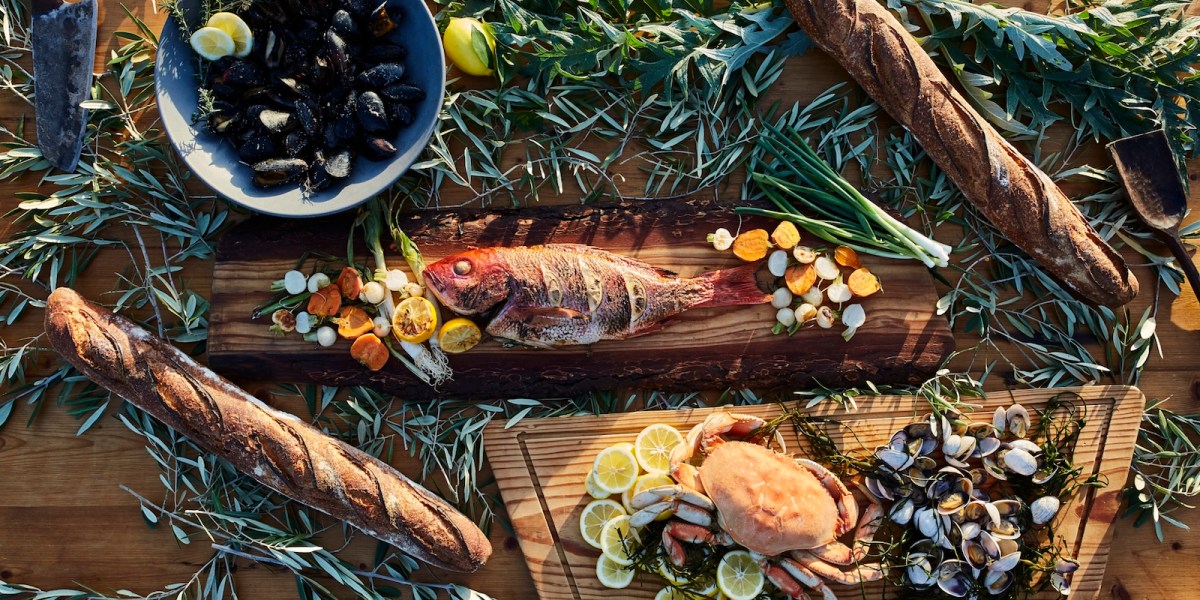
FISH
This winter might not have been great for snowpack, but the intermittent periods of rain and sunshine have set us up for an epic spring season of foraging. For culinarily curious travelers, it’s the perfect time to get outside, especially with a guide. Recently, we got to gathering in West Marin with Flora & Fungi Adventures, a company leading guided trips in the great outdoors along the California coast. The company’s founder Maria Finn—a Sausalito-based chef and author focusing on wild foods—believes foraging can be both rewarding and delicious, and that sharing those gifts goes far beyond the plethora of edible delights you’ll bring home.
“Foraging is about getting out into nature and creating a year-round connection and stewardship of it. It’s great for your physical health—lots of walking and being around trees boosts your immune system. And your mental health—negative ions from ocean waves boost serotonin and make you happy,” she says. “It’s fun and keeps us learning, curious, and engaged with our surrounding world. And it helps us connect to the beauty, the generosity, the ancient cycles and deeper truths of our planet.” Here are her tips for getting into foraging this spring.
What makes spring an exciting season for foraging here in the West?
Spring is one of the most exhilarating seasons for foraging in the American West because the landscape awakens all at once. Rain and increased sunlight means a surge in life. There’s vast abundance and many of the forgeable favorites are also fleeting, so there’s a sense of urgency. This makes it a great time to enjoy fresh, wild foods and to replenish your pantry by preserving.
Spring is famous for morels, but what are some lesser-known finds people should keep an eye out for?
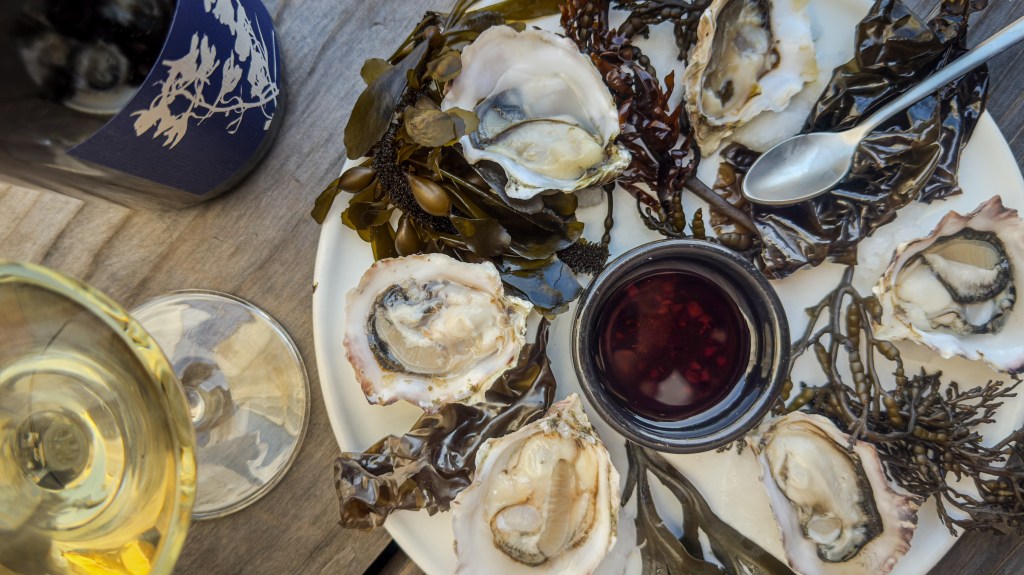
Edible flowers like magnolias, elderflower, and redbuds can be fermented into spring sodas, while wild greens such as miner’s lettuce and sorrel make excellent salads. Fiddlehead ferns, fennel, and stinging nettles also appear this time of year, and along the coast, seaweed can be harvested and added to soups or turned into mineral-rich butter.
For someone heading out on their very first forage, what are the biggest beginner mistakes you see?
It’s important to be very aware of the environment. Don’t get lost in the woods. Don’t harvest near a toxic site. Don’t turn your back on the ocean. And also, be respectful of the environment and have a light footprint. For example, cut seaweed leaving a third or so of the blade and it will grow back. If you rip it from the rock, then it’s permanently gone.
There have been recent incidents in California when it comes to toxic mushrooms. What are some best practices to keep in mind when dealing with mushrooms?
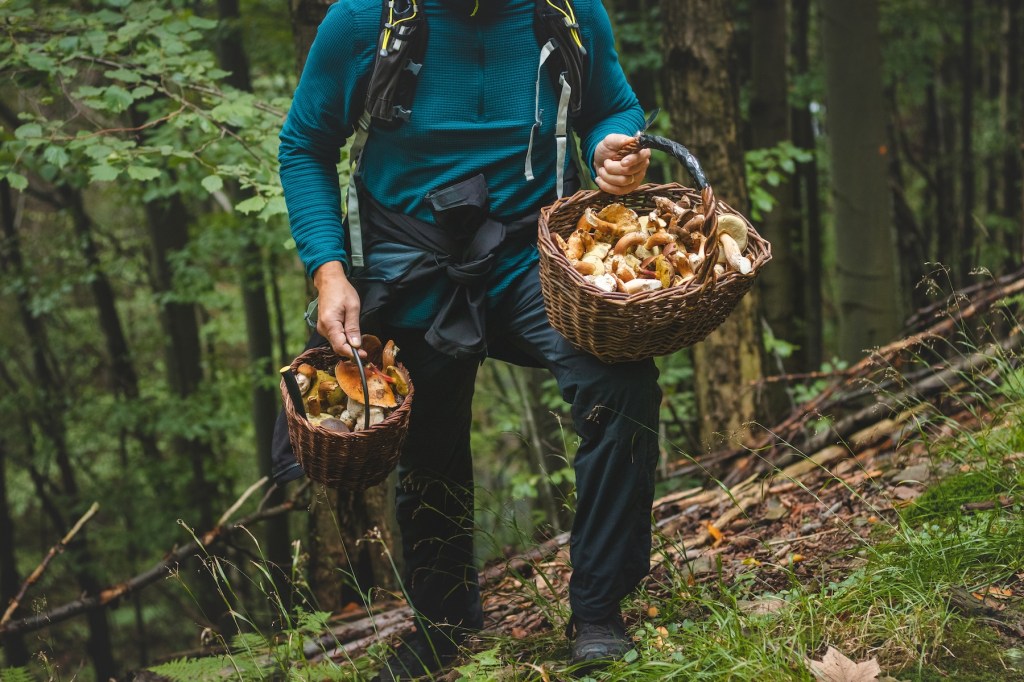
When seeing a mushroom, people’s first question is often, “Is it edible?” There are a lot of answers to that. Might be yes, and delicious, but [might] be yes and bitter and gross. Might be a resounding, “No, that will kill you.” So consider other questions first. Like, “Is it a bolete or an amanita?” Eating something is a very intimate act and you want to be very certain.
Krista Simmons
What are rules of responsible or ethical foraging that everyone should know?
Always check local laws and regulations. For example, you can’t forage in Marine Protected Areas as they are trying to preserve the habitat in its natural state. And mushroom foraging is illegal or requires a license in many places. Stay away from areas that are heavily populated or have industrial or intensive agricultural runoff nearby. Never take more than you need or will use and leave most for wildlife and future growth. Also, the work starts when you get home. How many sea urchin do you want to clean? How much space do you have to dry your seaweed? It’s fun to catch herring, but it’s a big job to fillet them all. Be respectful of neighbors and ask if you can have a few lemons. Don’t just help yourself.
Why is it important to go with a guide?
You can really learn a lot from a guide in a short period of time. A two-hour tour of an intertidal zone or a forest can be life-changing. They’ll let you know the rules and ethics of a place, what the most delicious plants, fungi, and algae are, how to harvest, clean, store, and often prepare. They’ll also keep you from eating toxic plants and mushrooms and [know] how to tell the difference between them.
What are some books and tools you’d recommend to folks trying to get into foraging?
I like the app iNaturalist and its companion app Seek for identifying plants, though I never eat anything based solely on an app. For books, Field Notes from a Fungi Forager by Ashley Rodriguez and All That the Rain Promises and More by David Arora are great starting points. And to shamelessly plug my cookbook, Forage. Gather. Feast., which includes guidance on storing and preparing wild foods.
Are there certain ecosystems or landscapes that tend to be especially productive this time of year?
Everywhere! I also love urban foraging this time of year. City streets and sidewalks have tiny young pine cones you can candy or turn into syrup, and magnolia buds can be infused into cream for a floral panna cotta. My shelves are full of infusions—redwood tips, turkey tail mushrooms, mugwort—alongside jars of pickled kumquats and wild onions.
Getty Images
How much does weather like what we’ve had this year (low snow, lots of sun) impact things?
Weather is everything with wild foods. If the sea gets too warm, then shellfish could be toxic. If it doesn’t rain, then no mushrooms. In Northern California we’ve had a mushroom season for the record books. We had early rain, then light rain to prep the ground, then downpours followed by sun, all of which is good for mushrooms. We are all excited for morels and spring porcini to start appearing as the snow melts on the mountains. And my truffle dog, Flora Jayne, has found pounds and pounds of native Oregon Black truffles. I think it’s due to rain, an extended cold snap, and possibly even a rare lightning and thunder storm in late winter/early spring. It’s going to be hard to recover from this year. We may be talking about it for a while.
For people who may not have access to guided trips, what are some safe ways to start learning?
There are a lot of mycological societies that have meetings and forays. When you see someone out foraging, ask what they’re doing. Some people are secretive. I once approached some older women picking grape leaves and secretively tucking them into a bag, and they didn’t want to talk. I suspected dolmas. But most foragers love sharing their knowledge. But not their prize mushroom patches.
We only recommend things we love. If you buy something through our site, we might earn a commission.