
10 Things to Do in Your Garden When Summer Is in Full Swing
The tasks for a healthier garden this summer.
Thomas J. Story
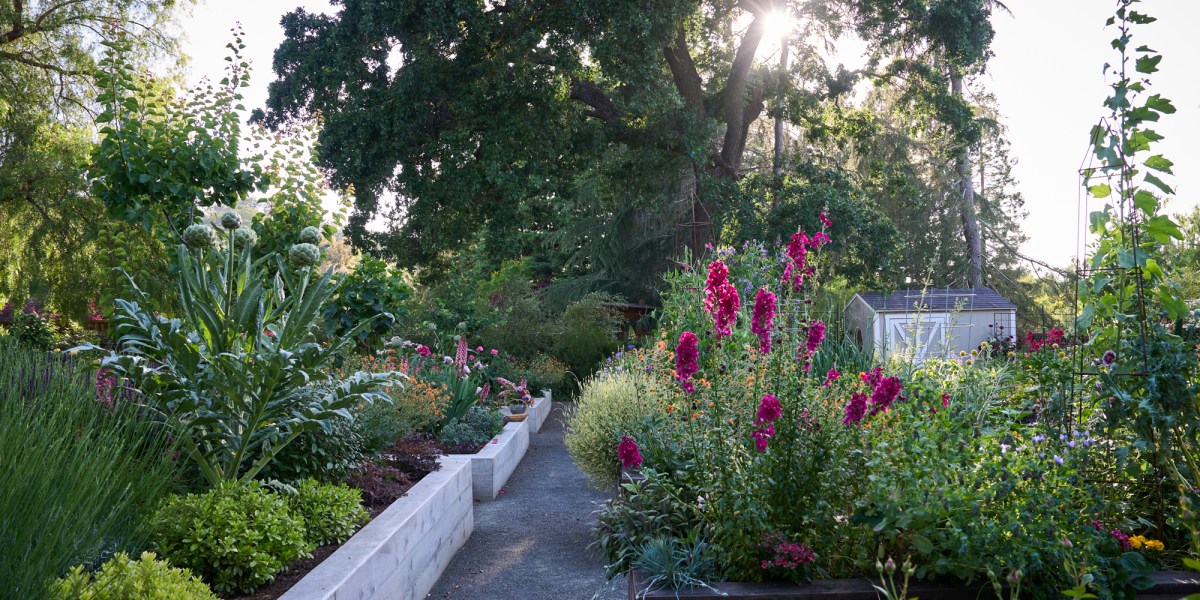
The sun is out, plants are flourishing, and it’s officially grow time. Here’s what you need to do to keep your garden gorgeous all season long.
Plant
MichelR45/Getty Images
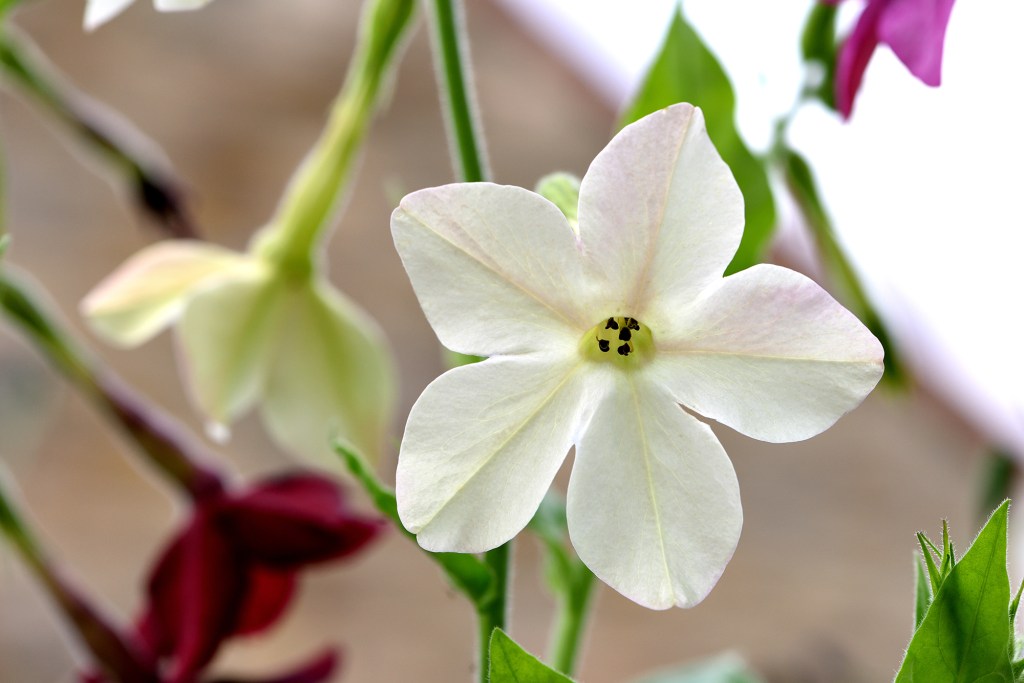
—Design with golden hour in mind. Plant evening-leaning bloomers like nicotiana, four o’clocks, datura, moonflower, and white cosmos, and ground them with silver foliage—artemisia, lamb’s ear, and dusty miller—which catch and reflect the setting sun, keeping the garden luminous well into dusk.
—Map out plantings with intention by creating microhabitats. Pair milkweed with low native grasses for monarch larvae, tuck elderberry, or coffeeberry near fences for bird perches, and sow yarrow or native buckwheat to support beneficial wasps.
—Sow fast annuals as climate tools. Sow sunflowers, climbing beans, or amaranth to create quick shade for young vegetables and cut flowers later in the season.
Harvest
Alex Raths/Getty Images
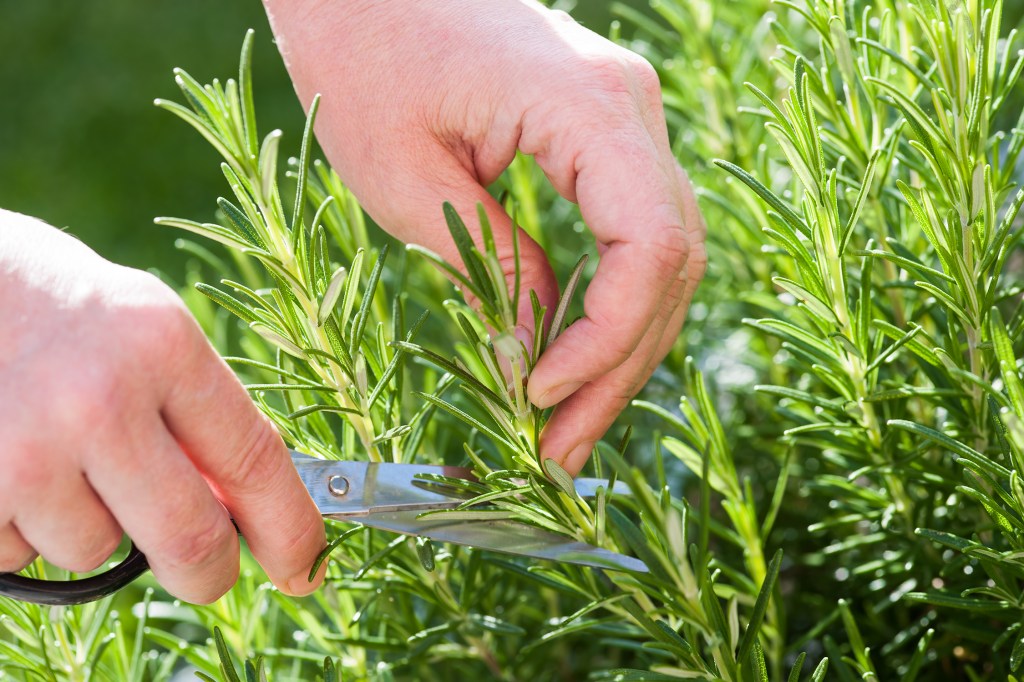
—Practice a “soft harvest.” Gather tender, aromatic growth, such as grape and fig leaves, fennel fronds, bay leaves, and rosemary tips, and use them for wrapping, infusing, smoking, or scenting. Small cuttings can yield big flavor, from fig-leaf ice cream to bay-infused oil and fennel salt.
—Forage for the pantry, not the plate. Peak summer is the optimal time to dry herbs, freeze greens, or infuse oils, when flavors are strongest and before heat stress dulls aroma.
—Cut flowers with intention. Snip zinnias, cosmos, and marigolds early in the morning for longer vase life, then let a few blooms go to seed to support birds and self-sowing.
Maintain
Guido Mieth/Getty Images
—Think of summer pruning as an edit for air, not beauty. Lightly thin tomatoes, fruit trees, and dense ornamentals to improve airflow, reduce fungal pressure, and help plants stay resilient through summer heat.
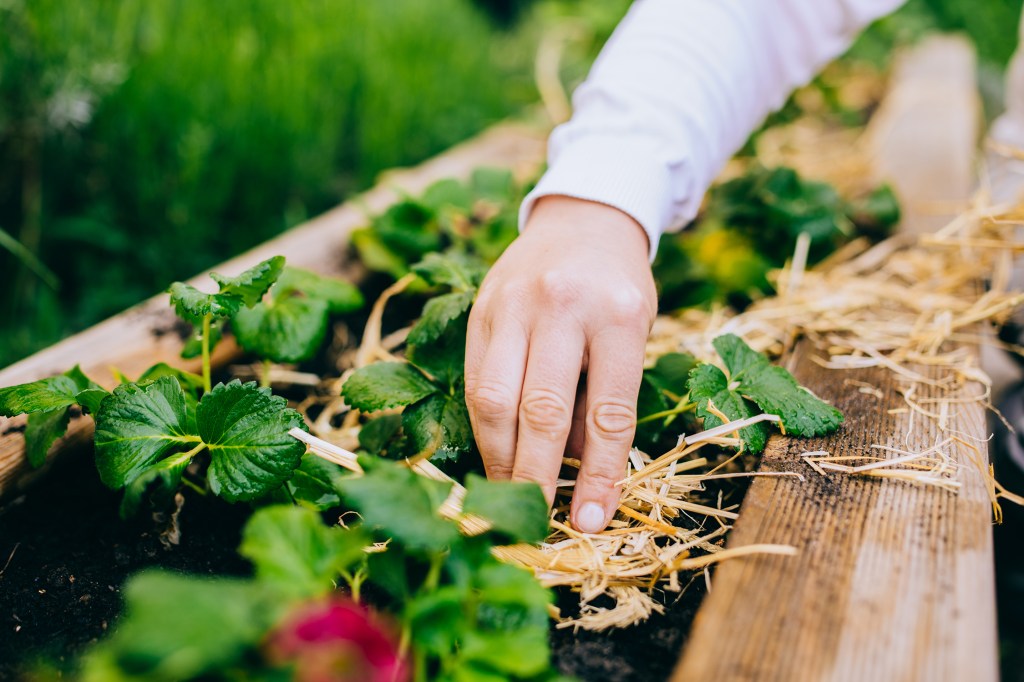
—Refresh mulch where soil shows stress. Add a thin layer of straw, leaves, or wood chips around vegetables and trees to cool roots and slow moisture loss during heat waves.
—Tidy pathways, not beds. Focus summer cleanup on walkways and access points, allowing garden beds to stay a little loose and protective during heat.
Protect
adamkaz/Getty Images
—Allow a little damage to signal balance. Minor pest feeding is part of a healthy garden. Step in only when plants stop growing, flowering, or setting fruit.
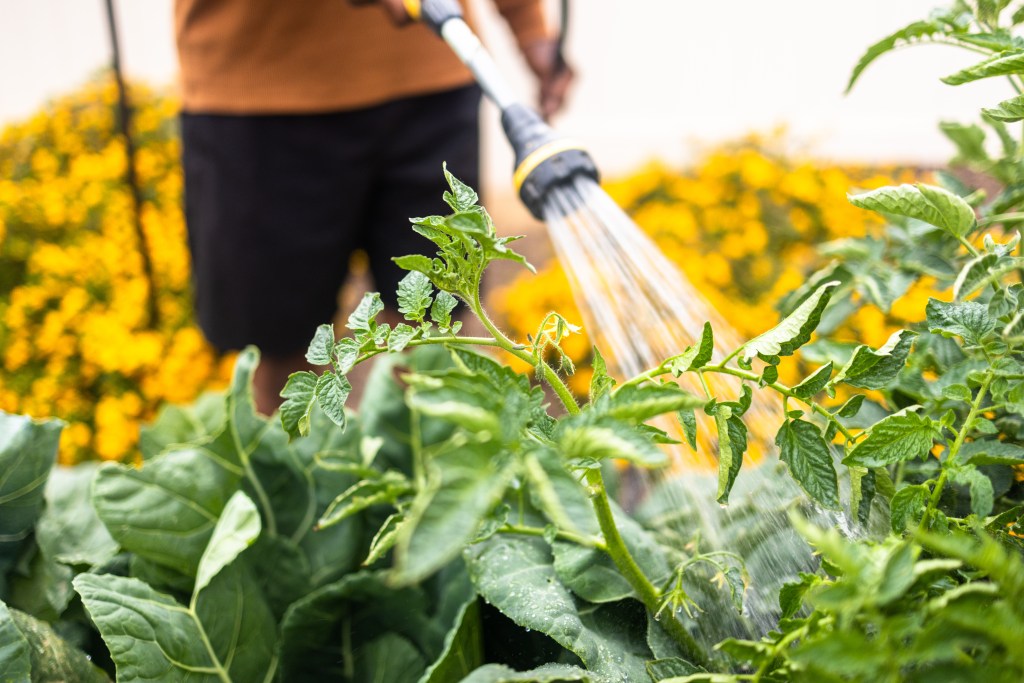
—Water for depth, not frequency. Shift to fewer, deeper soakings to encourage roots to grow down rather than hover near the surface.