Late Summer Is Actually a Make-or-Break Time for Your Fall Garden—Here’s Your To Do List
How to get your garden ready for autumn.
Thomas J. Story
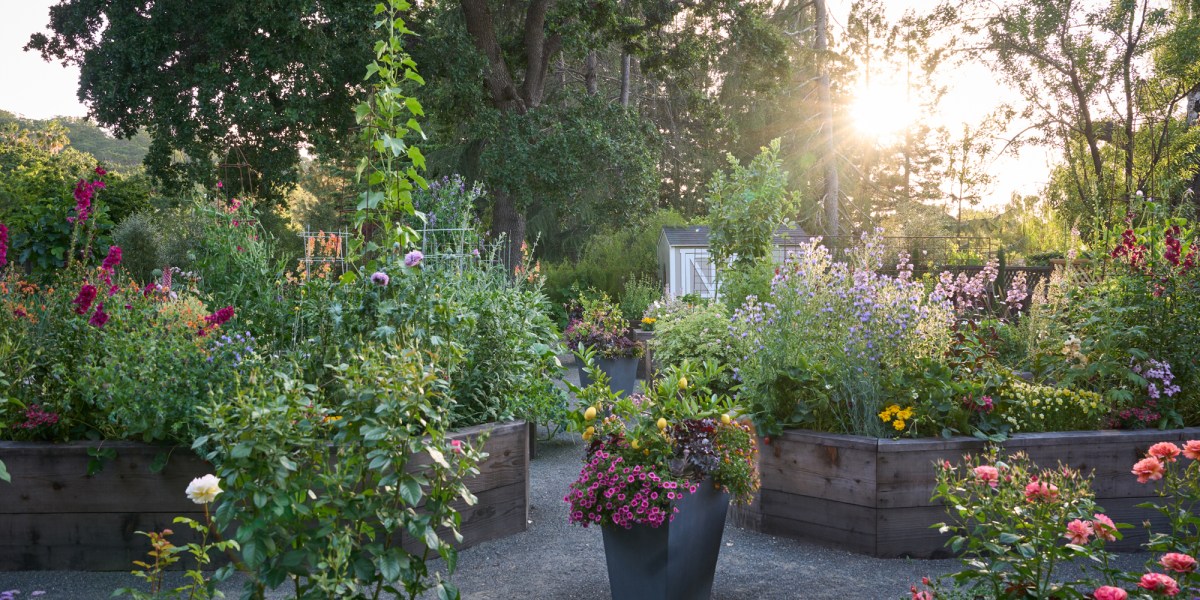
Late summer gardens are bursting with color and flavor. From sun-warmed fruits to fragrant herbs, it’s a time to savor the harvest, tuck in new roots, and set your beds up for a thriving fall.
Plant
nito100/Getty Images
—Get garlic on your calendar and order bulbs now by choosing hardneck for colder regions or softneck for mild coastal climates. Plant cloves late September into October for a low-effort, high-reward crop.
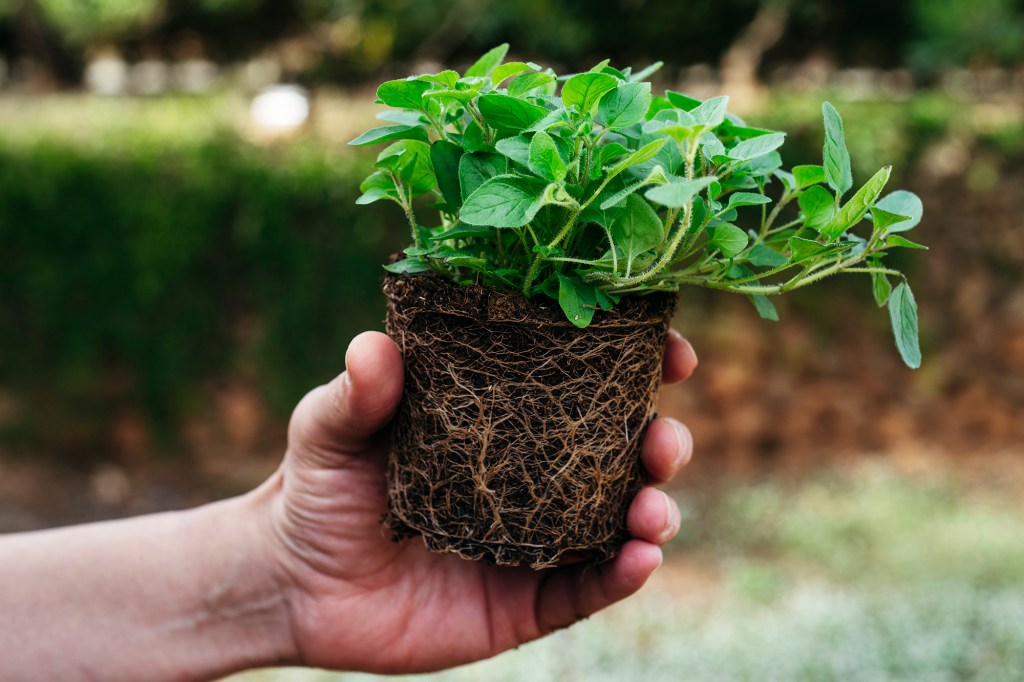
—Plant a “chef’s herb hedge” by tucking in perennial herbs like lemon verbena, culinary sage, Greek oregano, and thyme along bed edges. They’ll root now and return lush for spring clipping.
—Try a “lawn patch swap” by replacing a thirsty turf patch with low-water groundcovers like Dymondia, creeping thyme, or native red fescue. Late-season planting lets roots settle with cooler temps and fall rains.
—Shop for statement houseplants and take advantage of late summer nursery markdowns on larger plants such as bird of paradise, fiddle-leaf fig, and even olive.
Harvest
Thomas J. Story
—Master the “morning harvest” habit and pick tomatoes, squash, cucumbers, and beans in the cool of the day for best flavor and shelf life. Ease up on watering tomatoes to concentrate sugars and minimize splitting.
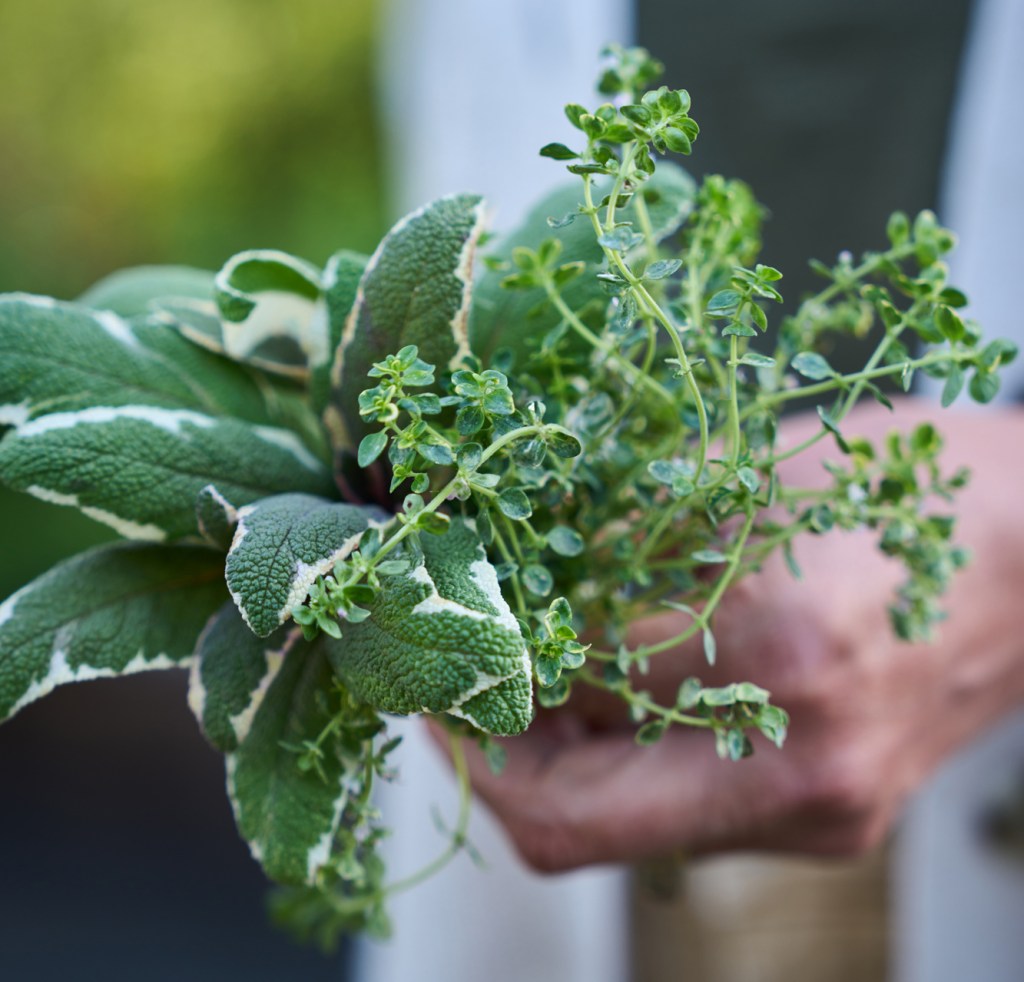
—Preserve herbs at their peak by snipping basil, oregano, thyme, and lavender just before flowering when oils are highest.
—Go foraging for blue elderberry (Sambucus nigra subsp. caerulea) which is ripening across California and interior West. Always cook or dry berries before using in syrups, tinctures, or shrubs as raw berries can cause illness.
Maintain
Toni Jardon/Getty Images
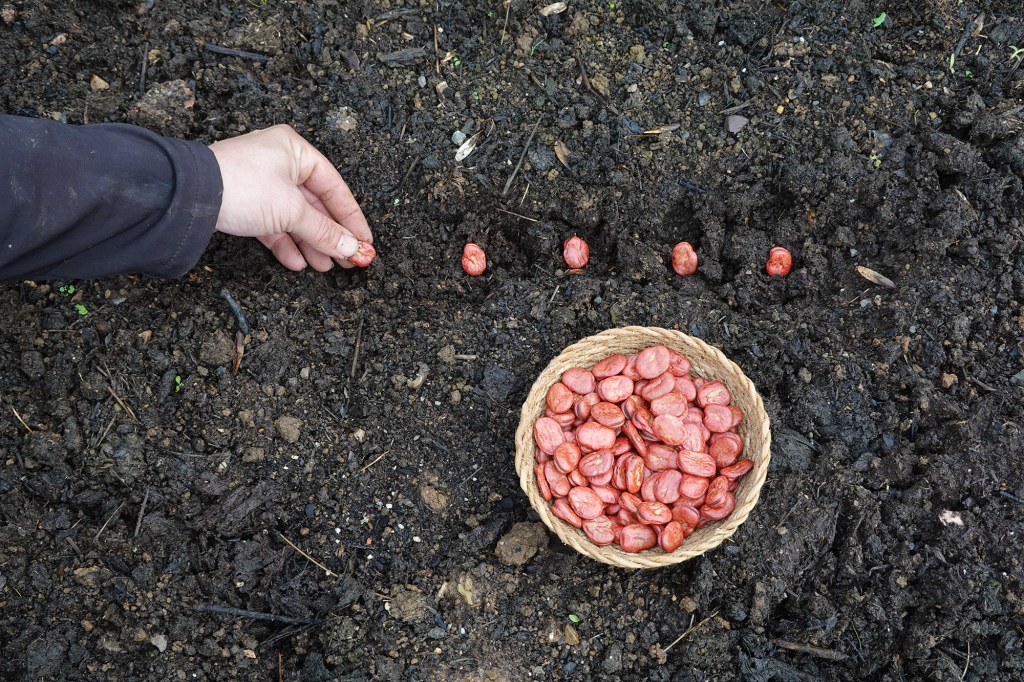
—Feed the soil, not just the plant by top-dressing beds with an inch of finished compost as summer crops wind down. Sow cover crops like crimson clover, fava beans, or mustard in resting beds to build next year’s soil.
—Water deeply, then step back. Shift to slow, deep irrigation to encourage strong roots and drought resilience. A drip system set for early morning watering keeps it efficient.
—Deadhead with intention and clip spent blooms on roses, dahlias, and coneflowers to keep flowers coming. Leave seedheads on sunflowers, rudbeckia, goldenrod, and native grasses—they feed birds and beneficial insects.
Protect
Courtesy of Amazon
—Stay ahead of late-season pests like hornworms, spider mites, whiteflies, and squash pests by checking plants daily. Hand-pick when possible or rinse with a strong morning spray; support beneficial insects with undisturbed soil.
—Shield fall seedlings by using 30–40% shade cloth over newly seeded beds to buffer heat and prevent scorch. Add bird netting or simple row covers until seedlings are sturdy enough to fend for themselves.
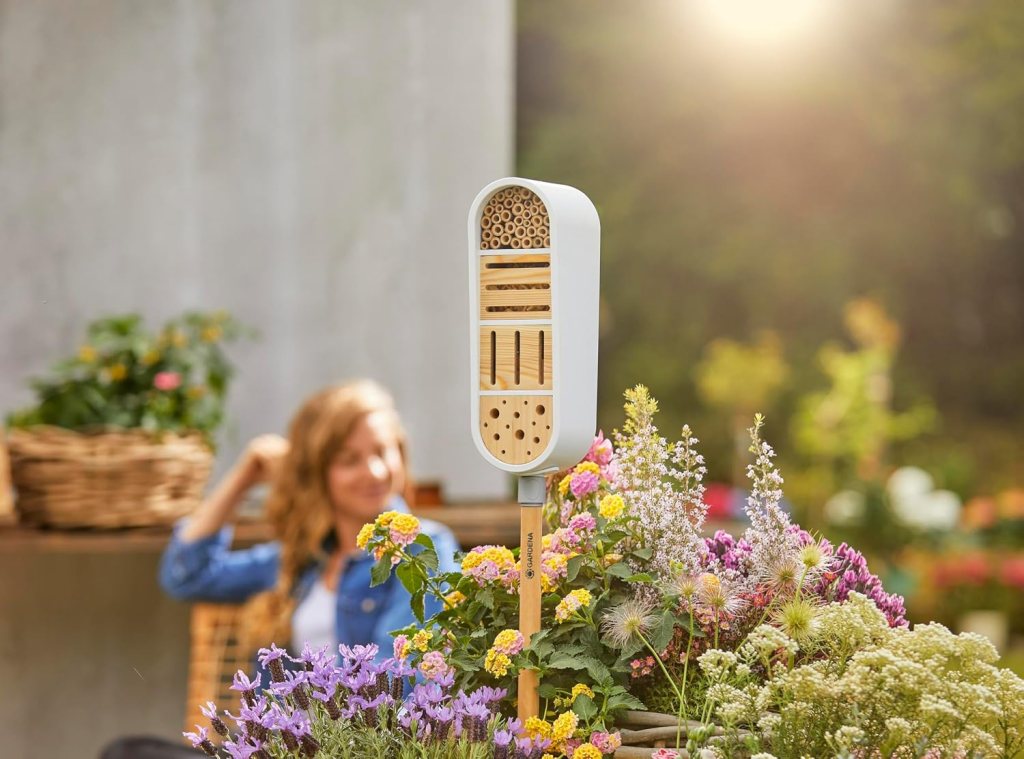
—Set up a bee hotel and install nesting blocks or bundles of hollow stems for solitary native bees like mason and leafcutter bees. Place in a dry, sheltered spot facing east to catch morning sun.
We only recommend things we love. If you buy something through our site, we might earn a commission.