This Is Why Landscape Designers Are Ditching Mulch
As wildfire concerns, drought, and maintenance costs reshape the modern landscape, gravel is emerging as the defining groundcover of the West.
Courtesy of David Fitzgerald Architectural & Interiors Photography
I never expected to become a gravel convert.
As a longtime mulch enthusiast, I’ve spent years championing organic bark for its ability to build soil, suppress weeds, and give planting beds a finished look. But recently, while navigating California FAIR Plan requirements at my new home, I found myself facing a new reality: no combustible mulch within 10 feet of the house.
Suddenly, the material I’d always reached for was off the table.
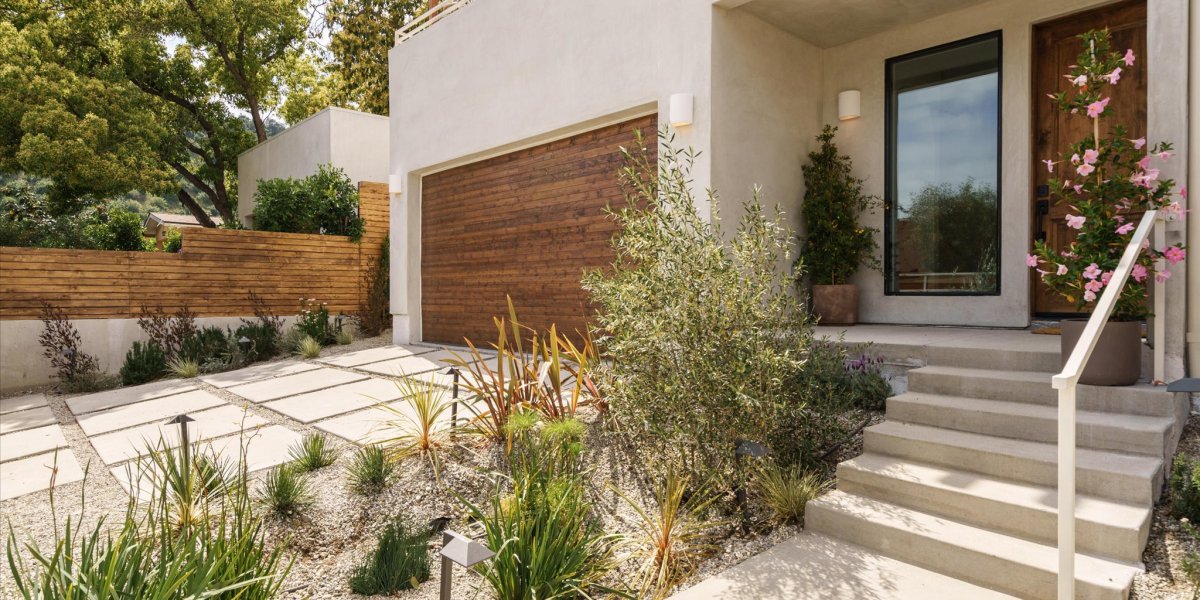
Across the West, homeowners are confronting similar questions as wildfire resilience, insurance pressures, water conservation, and long-term maintenance become part of everyday garden decisions. Increasingly, designers are turning to gravel—not as a compromise, but as a foundational element of a new generation of Western landscapes. Few understand that shift better than Harper Halprin and Aaron Leshtz of AAHA Studio, whose work demonstrates how gravel can be both practical and beautiful.
Here, they give us their insight on how to integrate these materials into the landscape without it feeling too sterile.
Courtesy of David Fitzgerald Architectural & Interiors Photography
1. Mulch Isn’t Going Away, but Its Role Is Changing
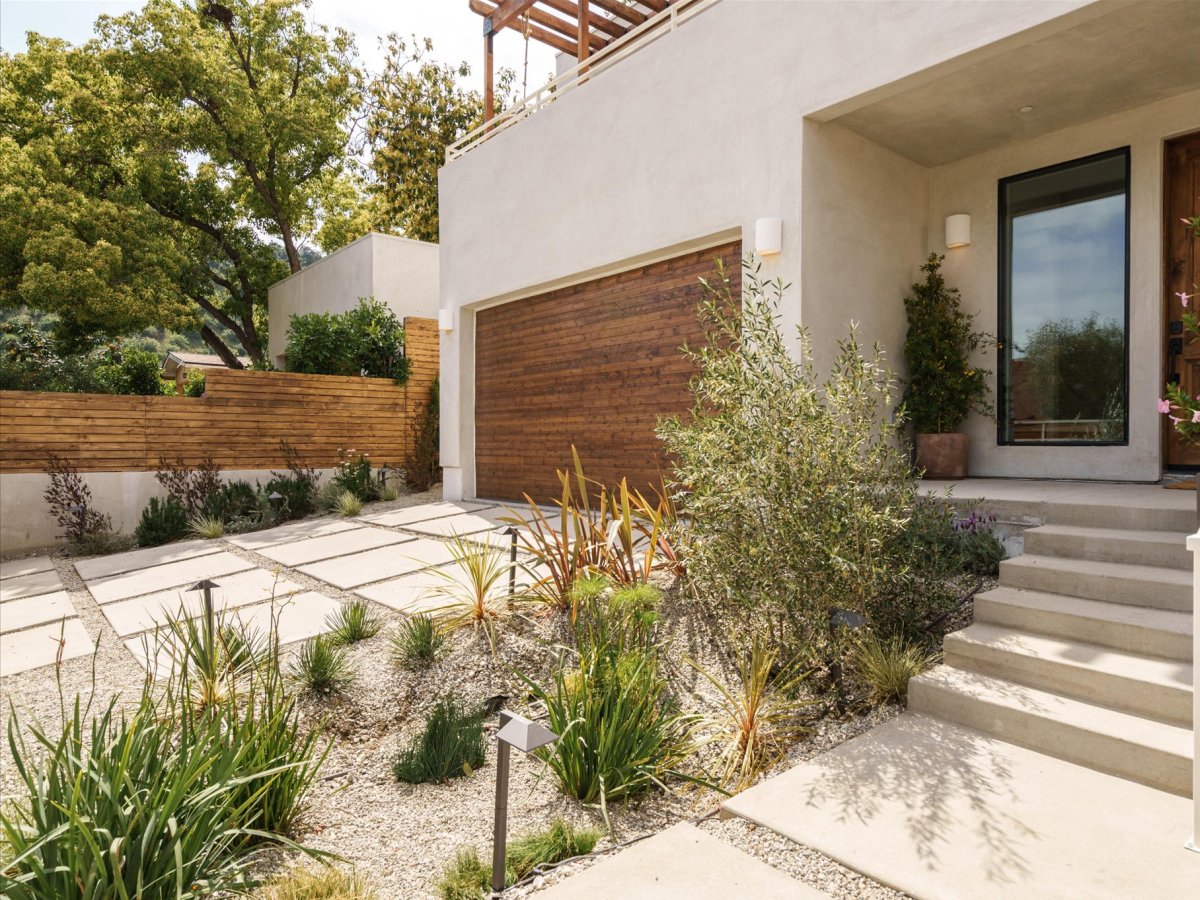
The move toward gravel isn’t necessarily a rejection of mulch. Instead, designers are becoming more intentional about where and how they use it. “Much of the shift comes down to two factors: style and maintenance,” say Halprin and Leshtz. While bark mulch remains useful in many parts of the landscape, it requires regular replenishment, can be displaced by wind, and increasingly enters conversations about defensible space in fire-prone regions.
Informal discussions around planting near structures have become more common as homeowners look for ways to reduce fire risk around their properties. Gravel offers an alternative that feels equally at home in contemporary landscapes while requiring less seasonal upkeep. That doesn’t mean mulch has disappeared entirely. “People still want diversity in texture,” the designers explain. Many landscapes now incorporate both materials, using gravel in high-exposure areas while reserving mulch for select planting beds.
Courtesy of Josh Bustos Architectural Photography
2. Gravel Has Become a Design Material
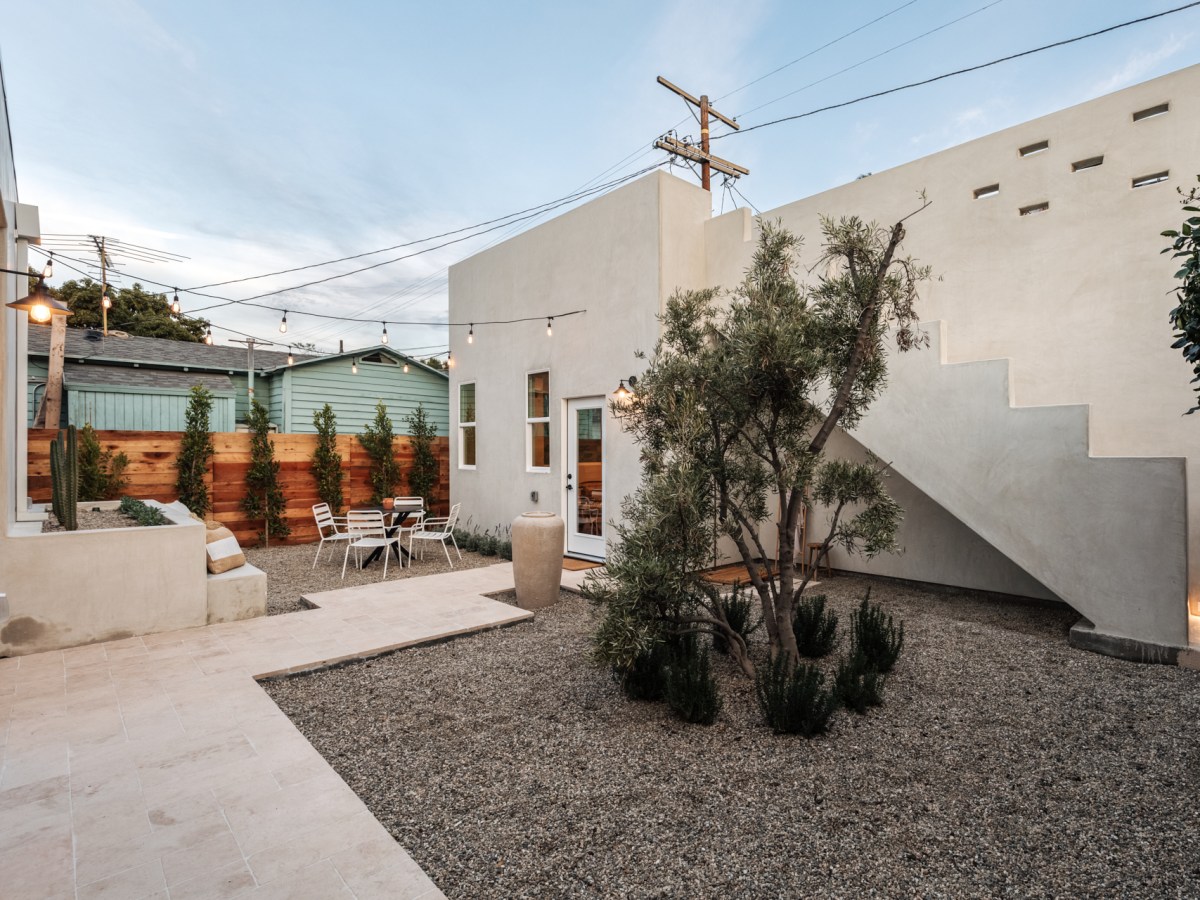
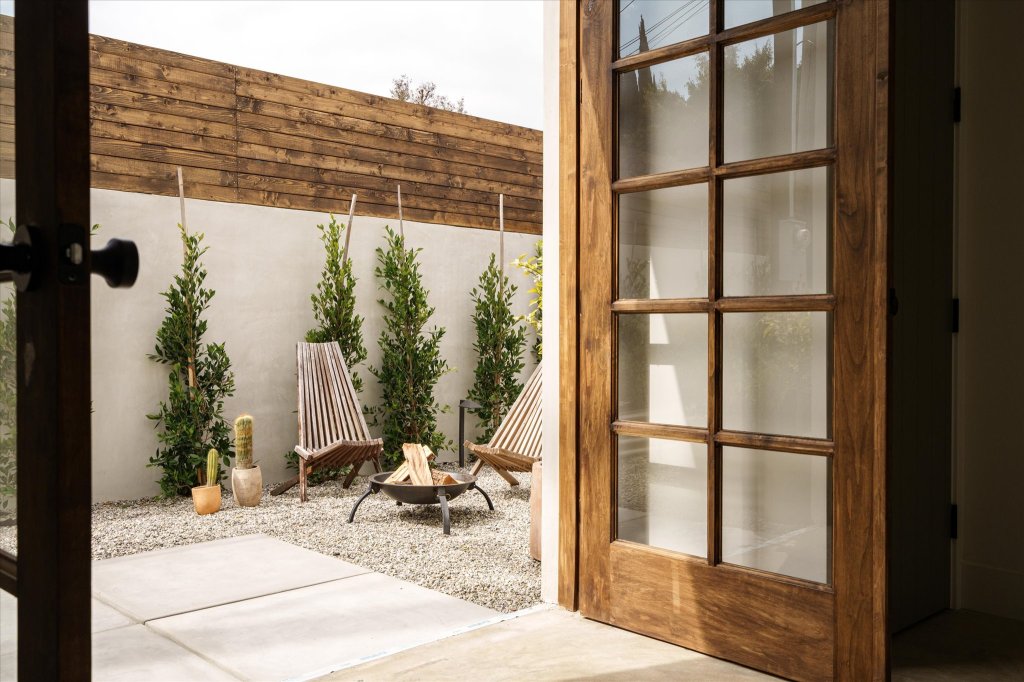
Once relegated to driveways and utility paths, gravel has evolved into one of the most versatile materials in a designer’s palette. “Its availability in multiple colors, sizes, and shapes has allowed landscape designers to further diversify their palette and really find creative uses for it,” say Halprin and Leshtz.
The result is a material that works across nearly every Western design style. You’ll find it anchoring Palm Springs-inspired gardens filled with agaves and cacti, supporting Mediterranean plantings in California wine country, softening coastal contemporary landscapes, and even bringing structure to cottage gardens filled with roses and clipped hedges.
“One of the beauties of using gravel in landscapes is that it can transcend multiple styles,” they say. The key is choosing a gravel color and scale that complements both the architecture and planting palette. Try matching gravel to your home’s style. Warm-toned gravels pair beautifully with Mediterranean and Spanish architecture, while cooler tones feel right at home in contemporary settings.
Courtesy of David Fitzgerald Architectural & Interiors Photography
3. Why Gravel Works So Well Across the West
Few materials are as adaptable as gravel.
Unlike organic mulches that break down over time, gravel remains stable through changing seasons and climates. In coastal regions, it won’t decompose in damp conditions. In windy areas, larger aggregate can stay put better than lightweight bark products. In the Pacific Northwest, gravel can improve drainage around plants that dislike wet winter soils.
Perhaps most importantly, it provides year-round structure. During the dry months, when many Western gardens naturally slow down, gravel continues to create texture, contrast, and visual cohesion. For drought-tolerant and Mediterranean-inspired gardens, that reliability makes it an especially appealing design tool.
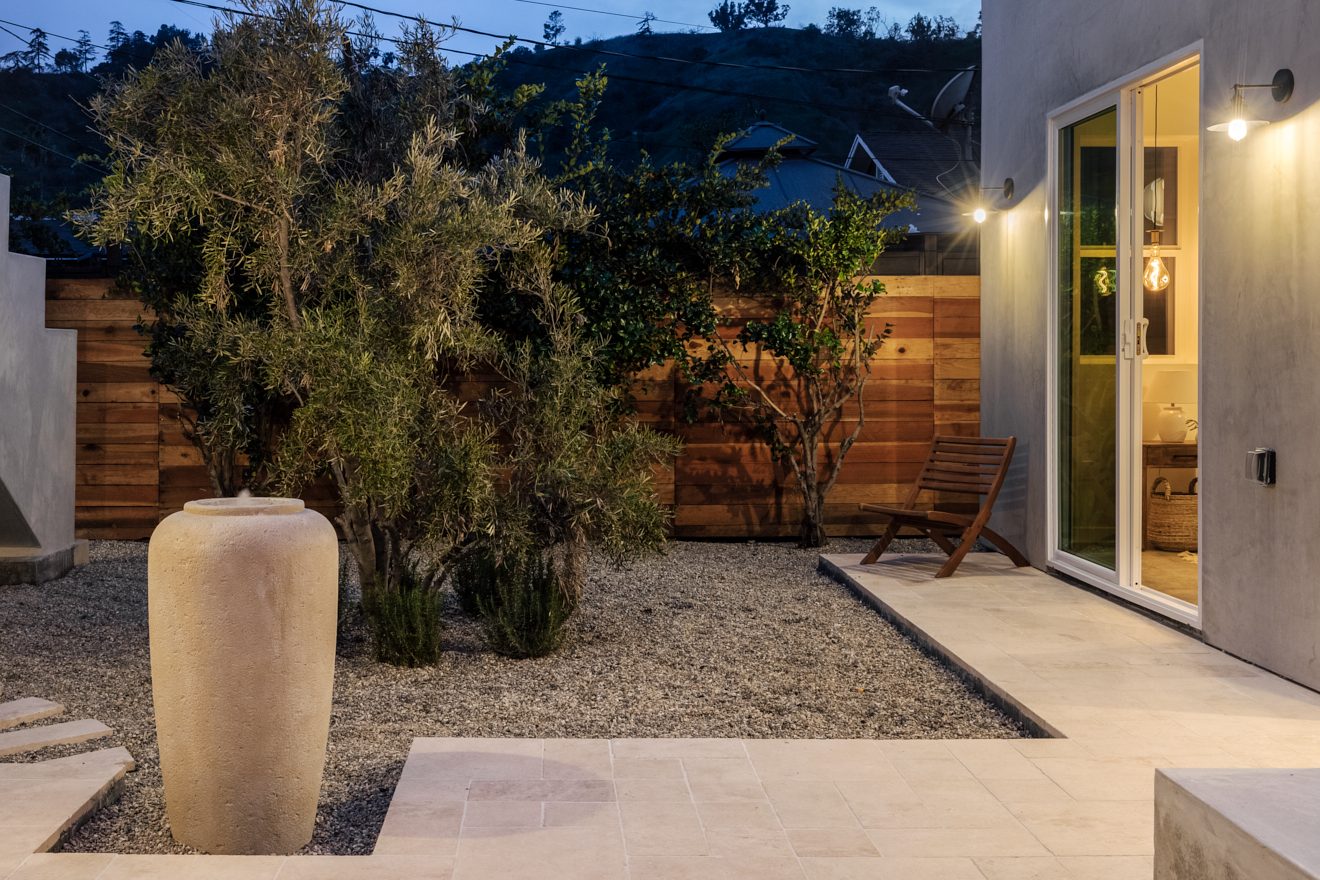
Photo courtesy of Josh Bustos Architectural Photography
4. Avoid These Common Gravel Garden Mistakes
Like any design element, gravel works best when used strategically.
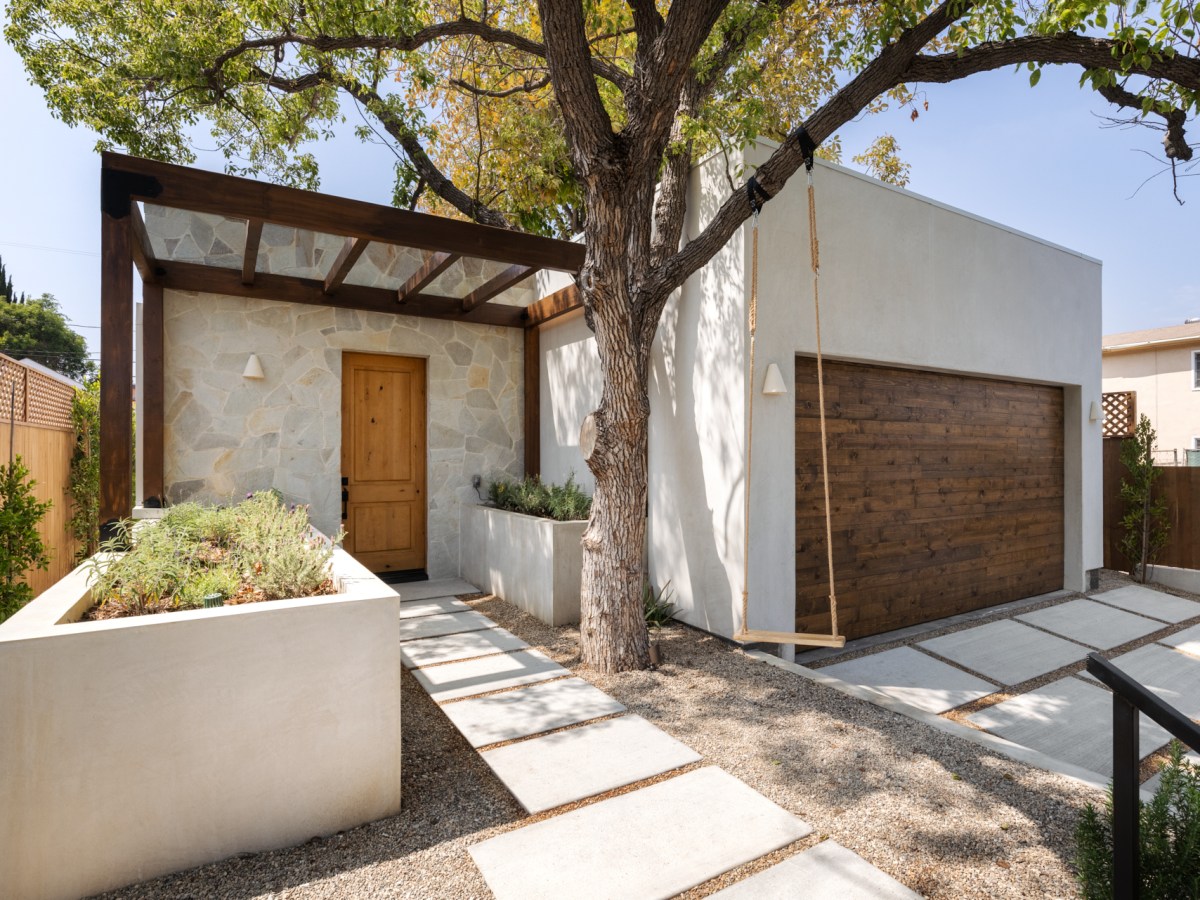
One mistake Halprin and Leshtz frequently encounter is using gravel in heavily trafficked areas where loose stones can migrate underfoot. Windy sites and poolside environments can present similar challenges. Another common issue is relying too heavily on gravel as the primary visual element.
“What makes a gravel garden feel elevated rather than stark? What it’s paired with,” they explain. “It’s a complement, not the main dish.” The most successful gravel gardens combine layers of planting, hardscape materials, and varied textures that create visual depth and movement.
Quick Tips from the Pros
- Edge pathways with larger stones to help contain pea gravel.
- Use gravel to showcase specimen plants rather than covering every surface.
- Mix gravel sizes for a more natural look.
- Incorporate boulders or larger rock features for scale.
- Pair gravel with native and Mediterranean plants.
- Follow the natural contours of the site instead of creating rigid geometric shapes.
David Fitzgerald Architectural & Interiors Photography
5. The Future of the Western Garden
If gravel’s popularity says anything about the future, it’s that Western landscapes are becoming increasingly responsive to place. For Halprin and Leshtz, a climate-conscious garden starts with understanding local conditions rather than fighting them. “A garden should always be respectful of local climate needs and native species,” they say. “It should aim to use an appropriate amount of water and play nice with the architecture.”
As gardeners across the West adapt to changing environmental realities, the goal isn’t to create landscapes that feel austere or overly practical. It’s to create gardens that are beautiful because they belong where they are.
And for this mulch lover, that’s a design philosophy worth getting behind, even if it means making room for a little more gravel.