
5 Tips for Turning an Awkward Slope into a Thriving Landscape
Turn tricky slopes into living landscapes.
Thomas J. Story
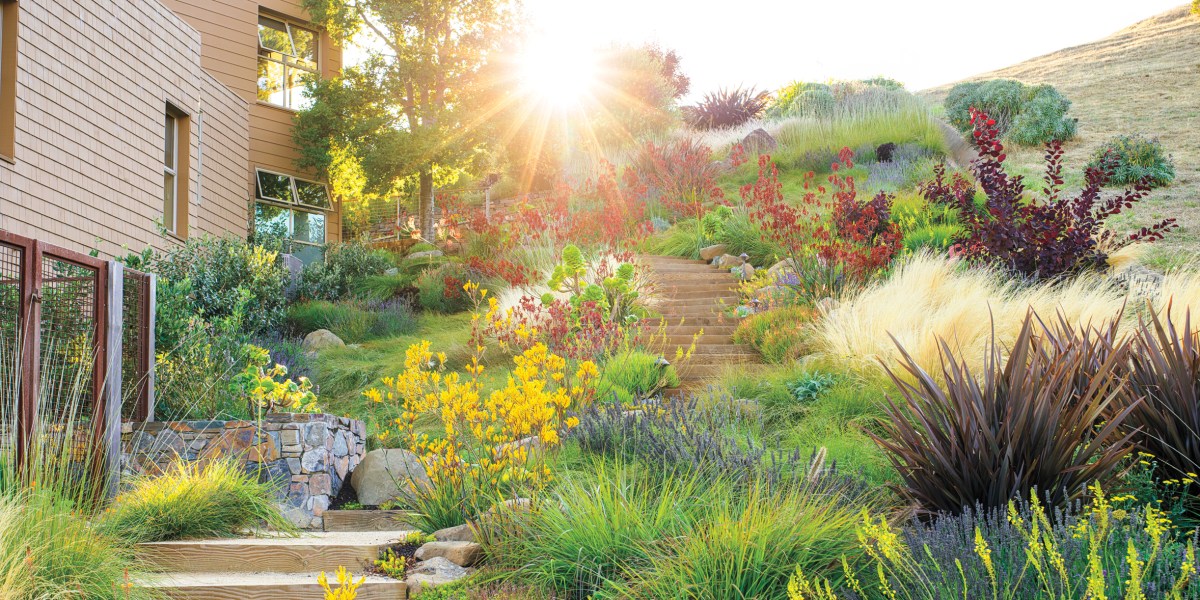
A slope can feel like one of those classic garden headaches: too steep to mow, too awkward to plant, and somehow always one rainstorm away from washing itself downhill. But handled the right way, a hillside can become one of the hardest-working (and best-looking) parts of the landscape. The trick is to stop thinking of it as a problem to tame and start treating it like a living system to anchor. Deep-rooted native grasses, quick-spreading fescues, and resilient perennials do more than soften a slope visually; they hold soil in place, slow runoff, build habitat, and create a layered planting that feels far more natural than a bare patch of mulch ever could.
It may take a season or two for the full effect to settle in, but once it does, a well-planted slope starts doing what the best gardens always do: working quietly in the background while making the whole space feel more grounded.
Thomas J. Story
1. Roots = Armor
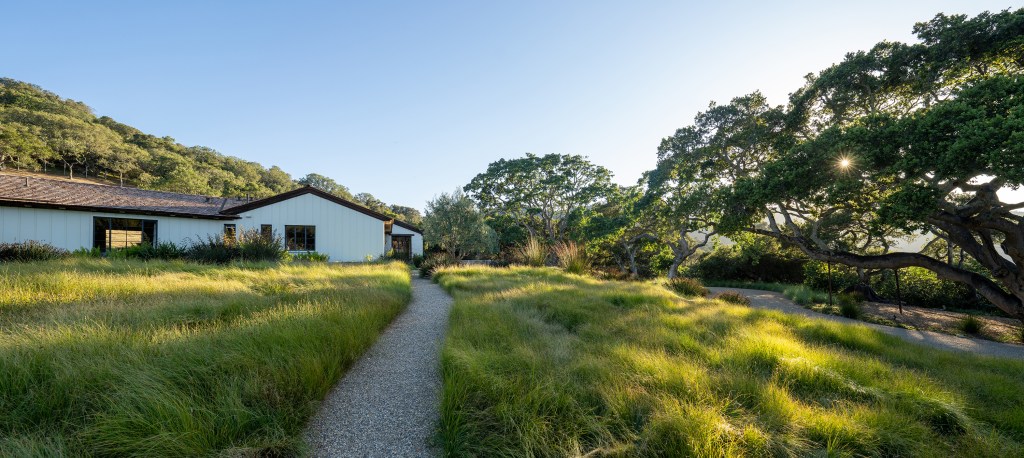
Deep-rooted native grasses like purple needlegrass stabilize soil. Fast-establishers like small fescue cover the surface while perennials take hold.
2. Function + Beauty
Mix can be both pretty and practical—blue wild rye for shade, sweeping purple needlegrass for sunny slopes. On extreme grades, anchor first, style later.
3. Know Your Site
Slope, sun exposure, and soil type matter. South-facing slopes need different species than north-facing, shady spots. Steep slopes? Add mulch or straw for extra grip.
Thomas J. Story
4. Timing Is Everything
Plant after a few rains for better seed-to-soil contact. Annuals show up quickly, perennials take 2–3 years to shine.
5. Think Long Game
These plantings aren’t just functional—they build soil, filter runoff, store carbon, and support wildlife. Once established, they mostly take care of themselves.