How to Turn Your Garden into a Pollinator Oasis
Make your yard a buzzing, blooming hotspot.
Thomas J. Story
Want to turn your yard into an oasis where pollinators frolic and feed? Julia Michaels, Ph.D., Restoration Ecologist at Hedgerow Farms, has hints and tips on what to plant to help sustain birds, bees, and butterflies.
Layer the Blooms
Thomas J. Story
Mix flower heights—groundcovers, mid-height forbs, and tall blooms. Pollinators all have different needs, different tongue lengths, different life histories. Diversity = happy bees.
Bloom from Spring to Fall

Thomas J. Story
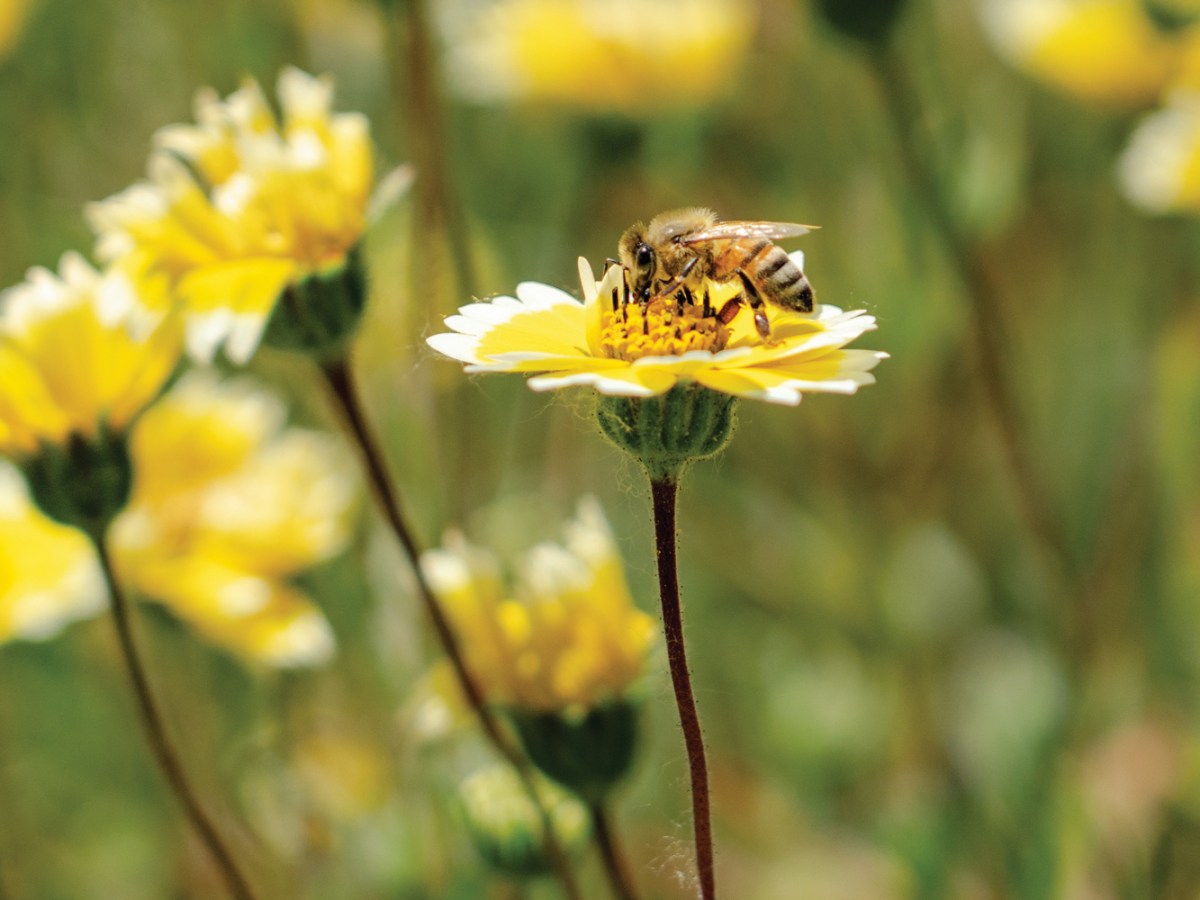
Choose early bloomers like goldfields and tidy tips, and late-season stars like gumplant, vinegarweed, and native buckwheats. These late blooms help pollinators build their winter reserves.
Plant the MVPs
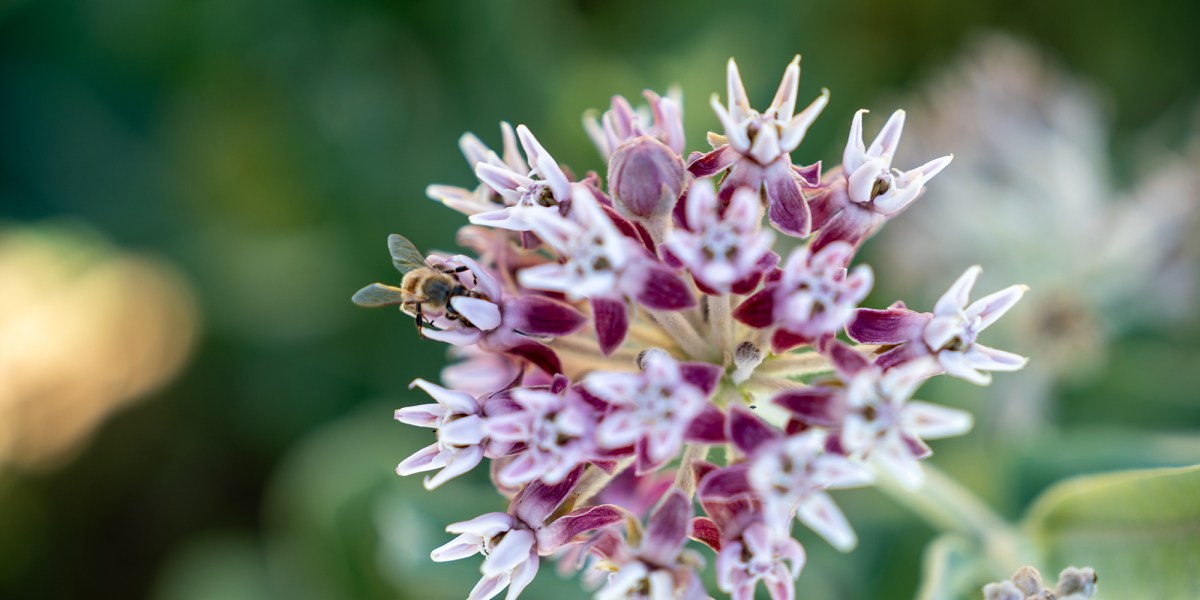
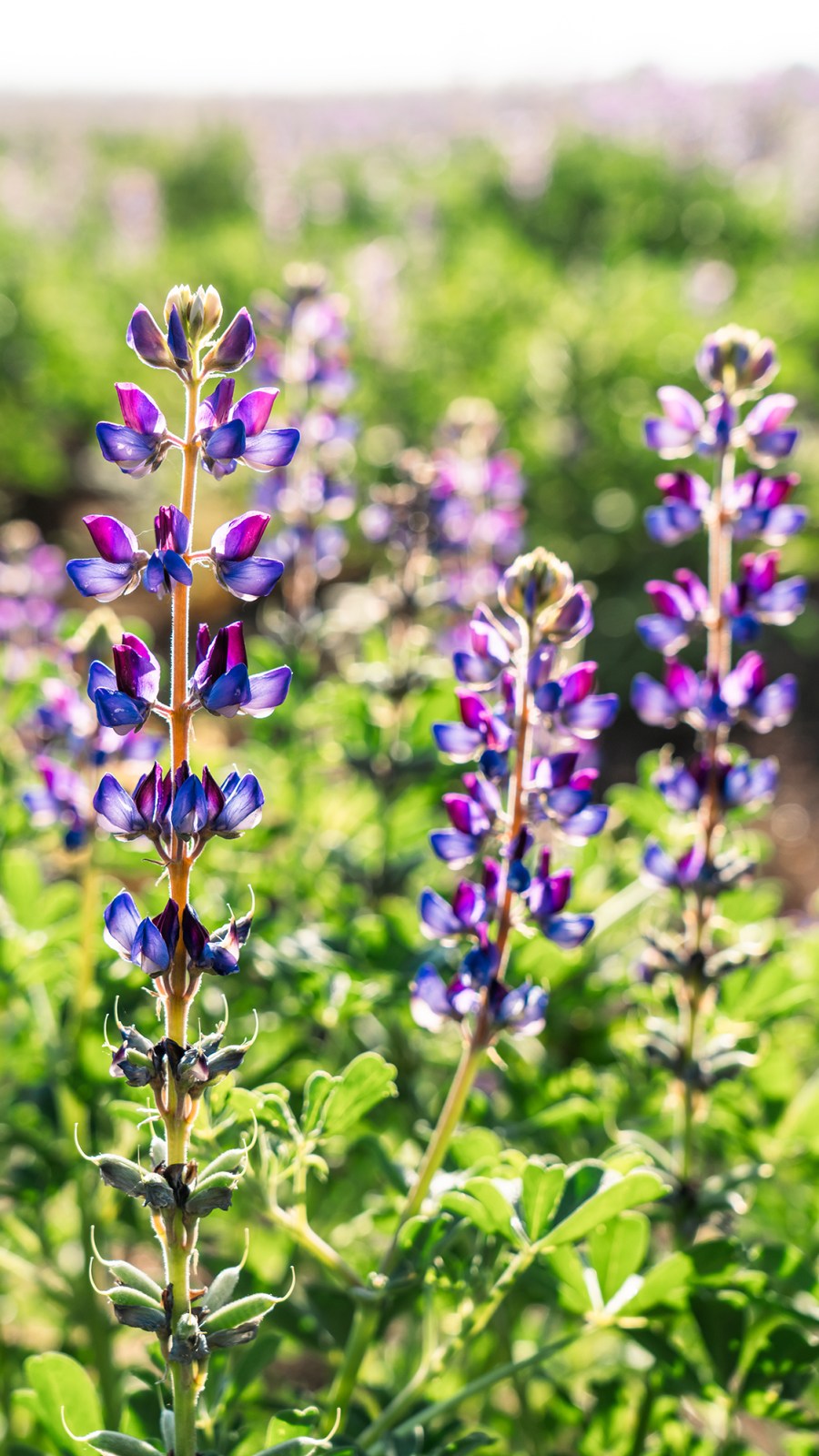
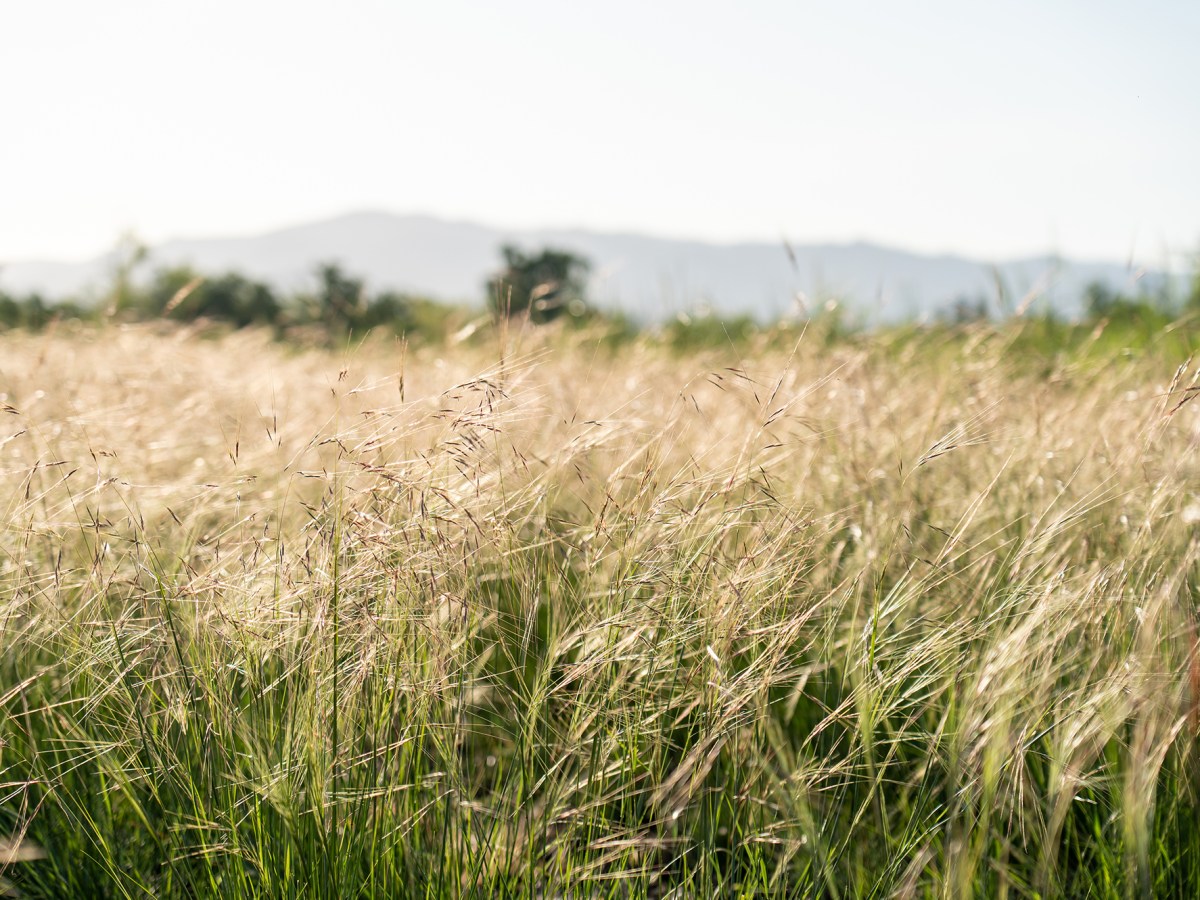
Buckwheats and gumplant = nectar powerhouses. Purple needlegrass = perfect nesting habitat. Milkweed = monarch magnet. Annuals like Clarkia, Phacelia, and lupines provide pops of seasonal color.
Think “Messy Plants, Orderly Frames”
Thomas J. Story
Annuals dazzle in year one; perennials quietly root. By year three, the perennials take over, the weeds retreat, and pollinators move in for good. “The whole garden starts feeling like a living system doing its own thing,” Michaels says.
Tip for Homeowners
Thomas J. Story
Start small—get to know a handful of species before expanding. Let nature guide the rhythm, not a calendar.