June Is Make-or-Break Month for Your Tomato Growing Success
What you do in June can determine the success of your whole tomato crop. Here’s what you need to do now to be successful later.
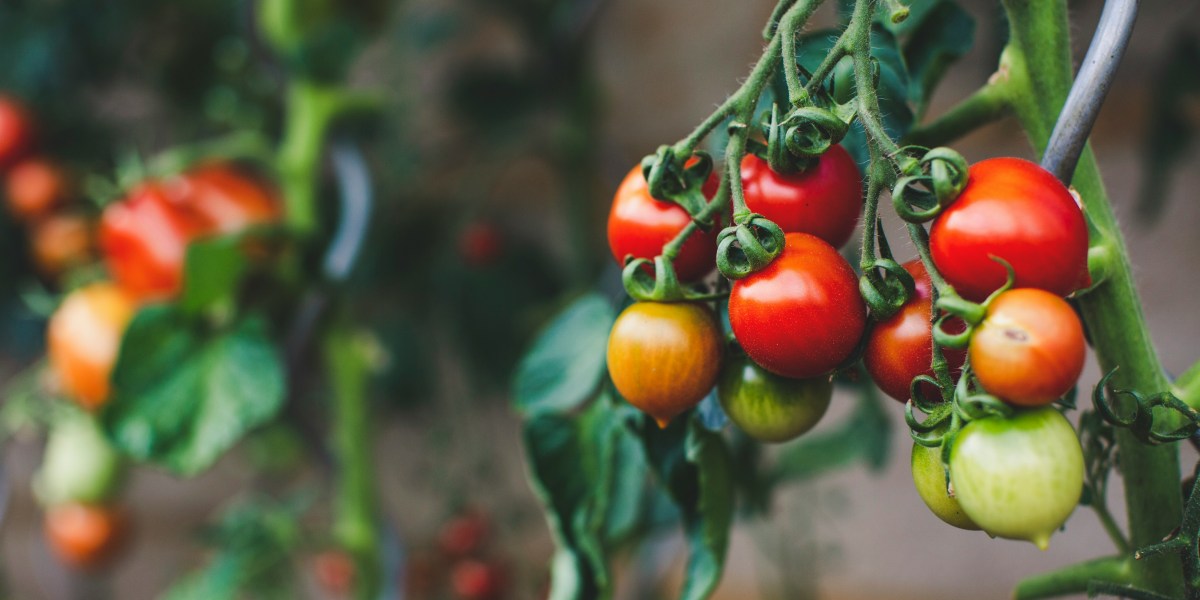
Photo by Markus Spiske on Unsplash
Written byKristin Guy
May 29, 2026
Share this story
If May is tomato flirting season, June is when the relationship gets serious. Across the West, tomato plants are stretching fast, setting flowers, and quietly revealing whether they’re headed toward a summer of abundant harvests—or a tangled, disease-prone mess that peaks too early and fizzles by August.
The good news: June is also the month when a few strategic adjustments make an outsized difference. Think of it less like “doing more” and more like giving your plants the structure, airflow, and consistency they need before true summer stress arrives. Because once triple-digit heat, dry winds, or coastal humidity settle in, tomatoes tend to respond dramatically.
Here are the five June tasks that matter most right now.
Thomas J. Story
1. Prune for Airflow—But Know Your Climate
By June, tomato plants often start looking deceptively lush. All that leafy growth feels productive, but crowded stems can trap moisture, slow airflow, and create ideal conditions for fungal and soil-borne diseases.
A little pruning goes a long way here.
Start by removing the lower leaves that sit close to the soil line, especially anything yellowing or touching the ground. This helps reduce splash-back during watering, where soil—and the pathogens living in it—can bounce onto leaves. It also improves airflow so foliage dries faster after morning dew or irrigation.
But Western gardeners should approach sucker pruning with nuance. In dry inland climates with long growing seasons—think much of inland California, Arizona, or parts of Nevada—there’s less urgency to aggressively remove every sucker, especially if plants are growing inside sturdy cages. Extra foliage can actually help shade fruit later in summer and protect tomatoes from sunscald during prolonged heatwaves.
In coastal or humid regions, though, selective thinning becomes more important. The goal isn’t a sparse, naked plant—it’s airflow through plants you can literally see through.
Thomas J. Story
2. Reinforce Supports Before Plants Collapse
Tomatoes always look manageable until suddenly they don’t.
One week they’re politely upright. The next they’re leaning sideways under the weight of fruit like a beach umbrella in the wind.
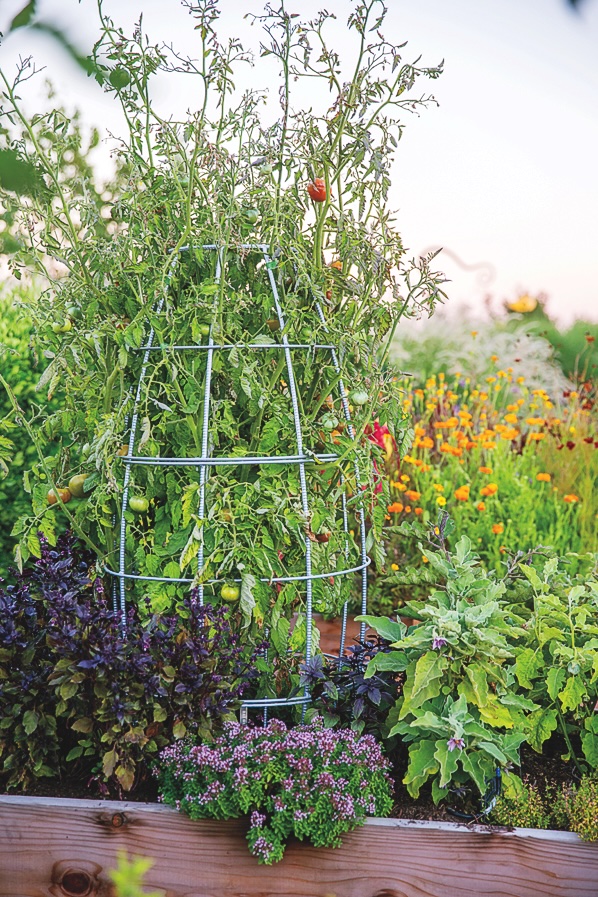
June is the time to reinforce cages, stakes, and trellises before plants become heavy and awkward to maneuver. Waiting too long often means broken stems, damaged roots, or fruit resting directly on the soil.
Proper support does more than keep things tidy. It improves airflow, helps prevent fruit rot and contamination from soil contact, and allows sunlight to reach ripening fruit more evenly. It also lets foliage naturally shield tomatoes during intense summer sun—a surprisingly important detail in hot Western gardens where exposed fruit can blister in a single afternoon.
If your cages wobble now, they definitely won’t survive August. Anchor them deeply, tie stems loosely with soft garden tape, and add height while you still can.
Future you will be grateful.
Thomas J. Story
3. Mulch Like You Mean It
If there’s one universally underrated summer garden task, it’s mulching.
Adding a two-to-three-inch layer of organic mulch around tomatoes dramatically slows soil moisture evaporation, regulates root temperature, and reduces weed competition right as heat ramps up. In many Western climates, that mulch layer can reduce moisture loss by up to 70 percent—which translates directly to less plant stress and more consistent fruit development.
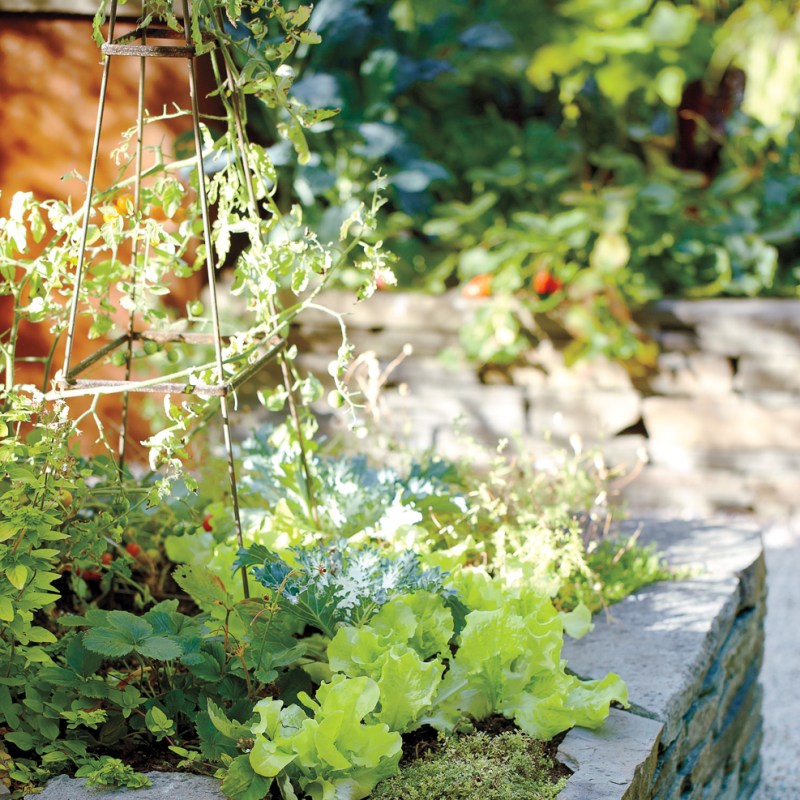
Rice straw, arbor mulch, shredded leaves, or untreated grass clippings all work beautifully. As do companion ground covers like alliums, strawberries, herbs, and cutting lettuce. The key is keeping mulch a few inches away from the plant stem itself to avoid trapping excess moisture against the base.
And aesthetically? A mulched tomato bed simply looks calmer. More intentional. Less “I forgot about this for three weeks.”
Thomas J. Story
4. Shift Your Watering Strategy
June is when many gardeners accidentally start loving their tomatoes a little too hard.
As temperatures rise, it’s tempting to water constantly at the first sign of drooping leaves. But tomatoes perform best with deep, infrequent watering that encourages roots to grow downward rather than hovering near the surface.
Shallow daily watering creates shallow plants—exactly the opposite of what you want heading into peak summer heat.
Instead, water slowly and deeply, then allow the upper few inches of soil to dry slightly between waterings. Consistency matters more than frequency. Wild swings between bone-dry and soaking-wet can lead to cracked fruit, blossom-end rot, and stressed plants.
And if your tomatoes wilt dramatically on afternoons above 90 degrees? Don’t panic. That temporary drooping is often a built-in survival response to reduce moisture loss during extreme heat. Many plants perk back up once temperatures drop in the evening.
The goal is resilience, not constant saturation.
Thomas J. Story
5. Fertilize for Fruit, Not Foliage
Once tomato plants begin flowering, their nutritional priorities shift. This is the moment to ease off heavy nitrogen fertilizers—which encourage leafy green growth—and focus instead on phosphorus and potassium to support flowering and fruit production.
Too much nitrogen now can leave you with enormous, beautiful plants and surprisingly few tomatoes.
A balanced organic tomato fertilizer or a high-potash feed applied regularly through the growing season helps encourage stronger flowering, better fruit set, and improved flavor as tomatoes mature.
In other words: June is when you stop feeding the plant for size and start feeding it for purpose.
And honestly, that might be the entire philosophy of good summer gardening.