
Everyone Wants a Greenhouse. Here Are 8 Ways to Do It Right.
Christiana Drewry’s eight tips for a functional and fabulous garden retreat.
Thomas J. Story
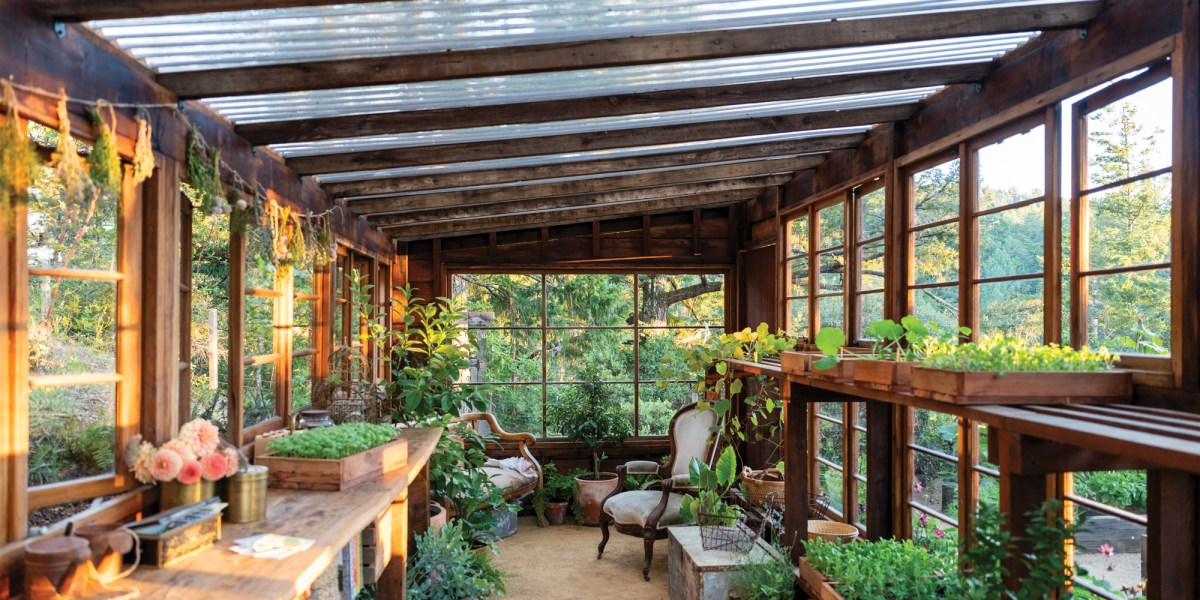
Christiana Drewry, a professional farmer with The Backyard Farm Co., has a greenhouse that is not just a place to grow plants—it’s a creative, functional extension of her garden that combines craftsmanship, sustainability, and beauty. Here’s how she and her husband, Kodiak, turned a pile of reclaimed materials into a thriving space that serves everything from seed starting to neighborhood dinners, with practical tips and inspiring ideas that you can incorporate into your own greenhouse project.
Start with What You Have: Reclaimed Materials Make a Big Impact
Thomas J. Story
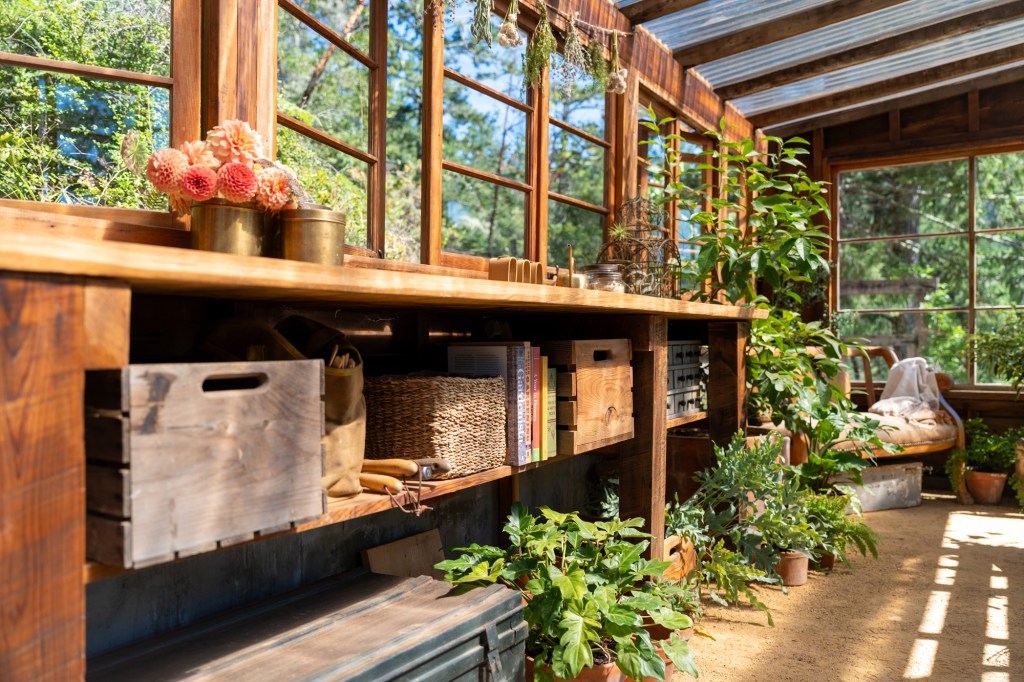
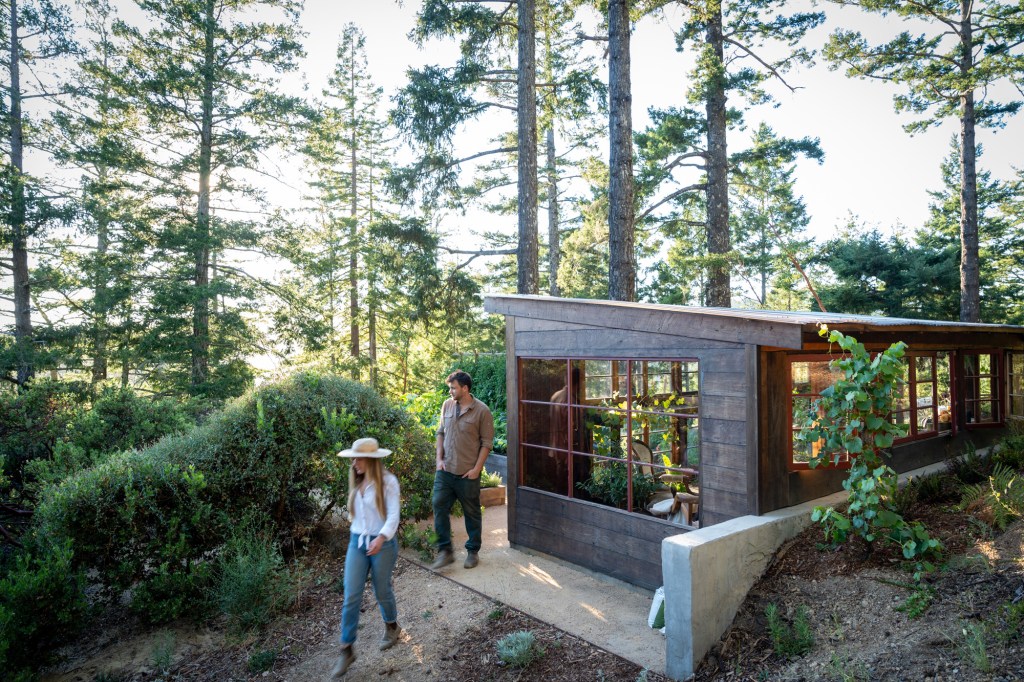
Christiana’s journey began with a neighbor’s offer of old windows and doors. “There was nothing else to do but build it!” she says. These reclaimed materials set the tone for the entire project, emphasizing sustainability while adding a unique charm to the greenhouse. From the redwood framing milled on-site to the corrugated polycarbonate roof, the greenhouse was built with materials that not only fit her budget, but also blended seamlessly with the surrounding natural landscape.
Leverage Natural Light for Optimal Plant Growth
Thomas J. Story
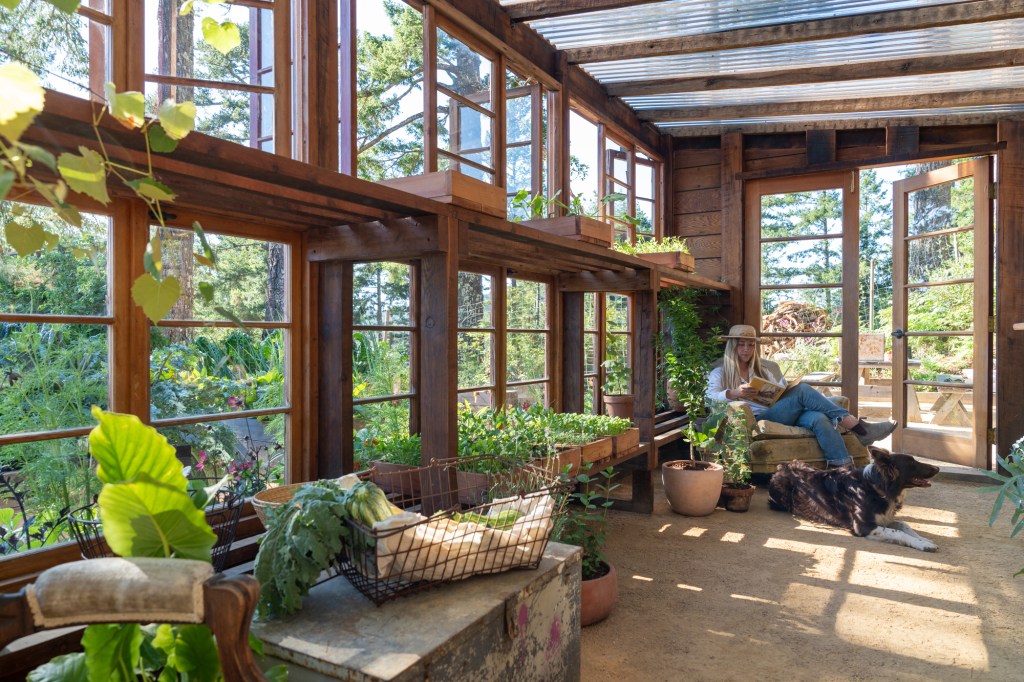
When it came to orientation, Christiana used the land’s natural features to her advantage. She positioned the greenhouse to face west, avoiding the morning shade from the tall trees while capturing afternoon sunlight. The front wall of the greenhouse is entirely made of windows, allowing maximum sunlight to pour in. For the best results, orient your greenhouse with a southern exposure if possible. If not, consider your surroundings—like hills or trees—and position the greenhouse where it gets the most light throughout the day.
Build for Function and Flow
Thomas J. Story
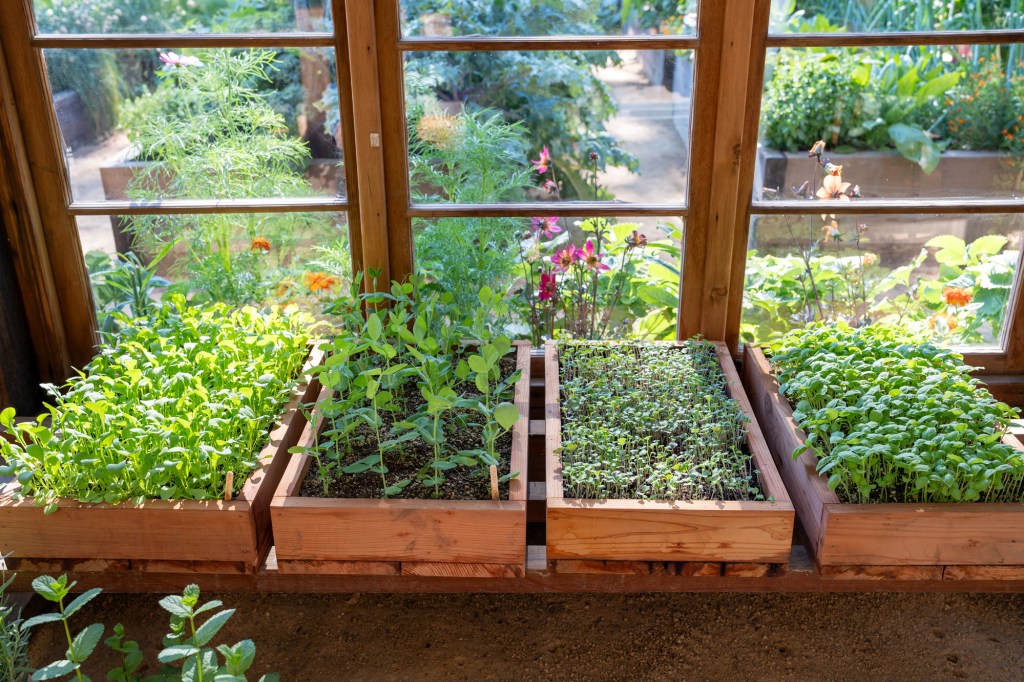
The layout of Christiana’s greenhouse maximizes space for both plants and people. The center aisle remains clear for easy movement, while slatted shelves run the length of the window wall, providing ample space for seedlings. A solid workbench on the opposite side faces away from the sun, ensuring a comfortable work environment. When designing your greenhouse, think about how you’ll move around inside. Keep the center aisle clear, and use vertical space with shelves for seedlings, plants, and tools. This will help you maximize both growing space and efficiency.
Temperature Control
Thomas J. Story
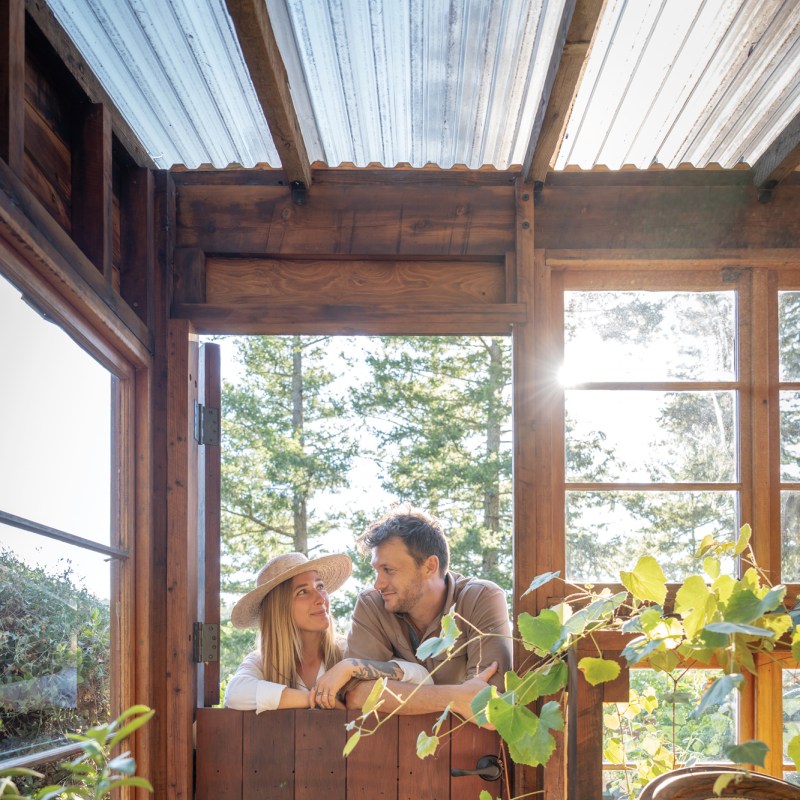
Christiana opted for a bronze-tinted polycarbonate roof to keep the greenhouse cooler in the summer without sacrificing the UV light plants need. With a blend of heat mats for seedlings and passive ventilation through operable windows, she ensures that the temperature stays manageable year-round. Always consider your plants’ temperature needs. Use passive ventilation for natural airflow, and if necessary, use heat mats or grow lights for specific seedlings that need a little extra warmth or light.
Infuse Your Personal Style
Thomas J. Story
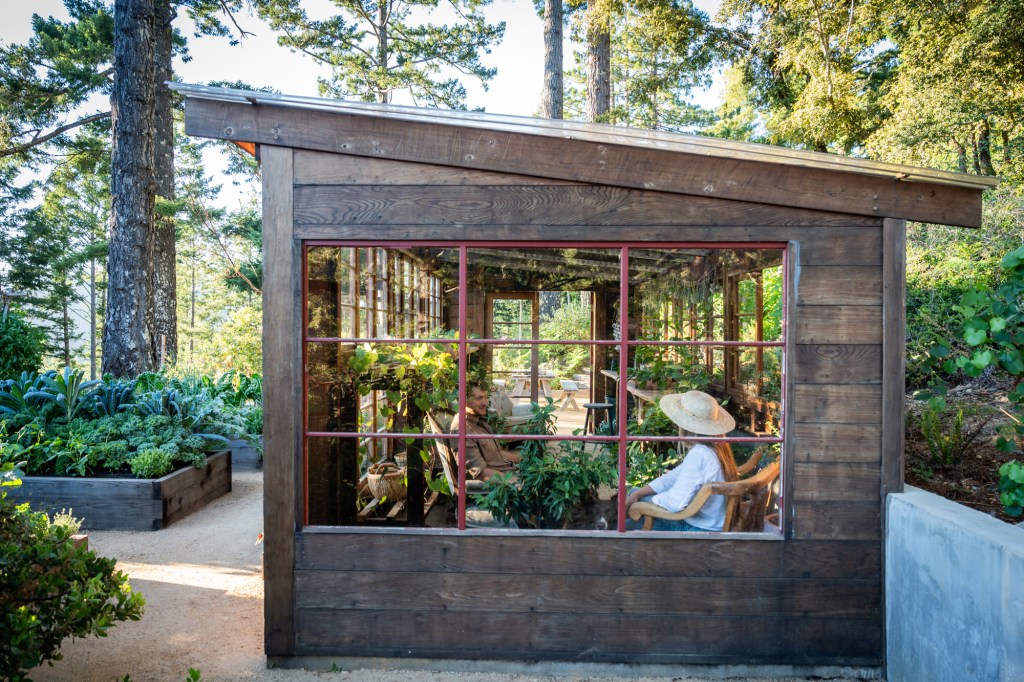
While function is key, don’t forget about making the greenhouse a welcoming space. Christiana chose a mix of terracotta pots (mostly secondhand) and added personal touches, like a gold velvet chair and vintage metal storage bins. “The greenhouse feels like a conservatory where you’d want to sit and stay awhile,” she explains. While choosing pots and furniture that reflect your taste, also consider soft furnishings, like a cozy chair or cushions, which can make the space feel more like an extension of your home.
Sustainable Solutions
Thomas J. Story
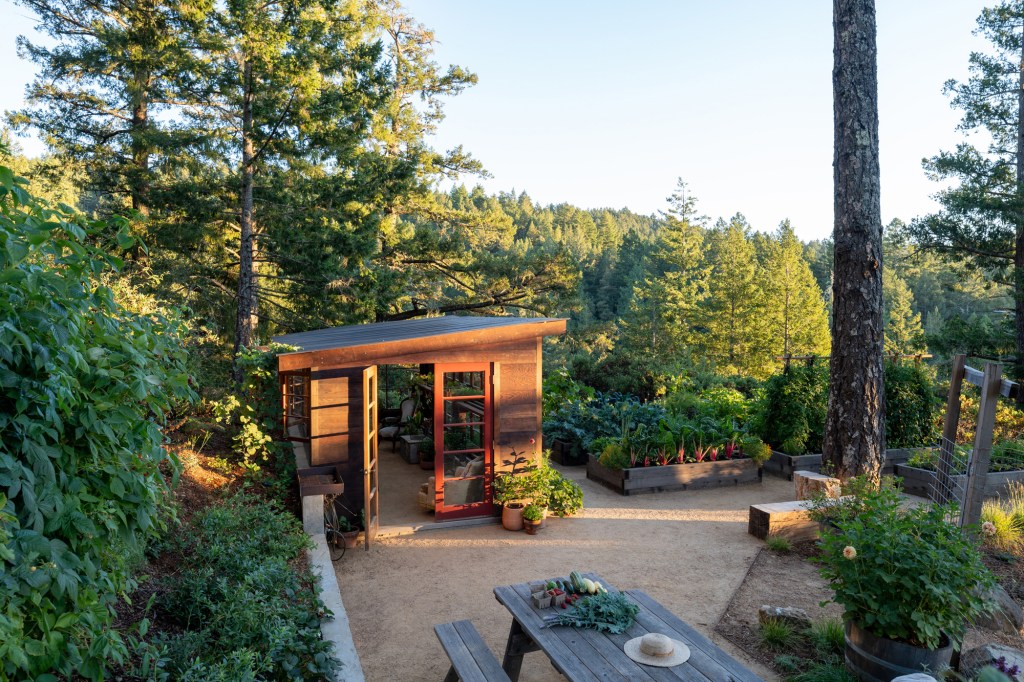
The flooring in Christiana’s greenhouse is made of decomposed granite, which is permeable and ensures proper drainage. This water-efficient flooring keeps the area functional while preventing excess water from pooling. Consider water-permeable flooring like decomposed granite or gravel, which both allow water to flow back into the land.
Climate Control
Thomas J. Story
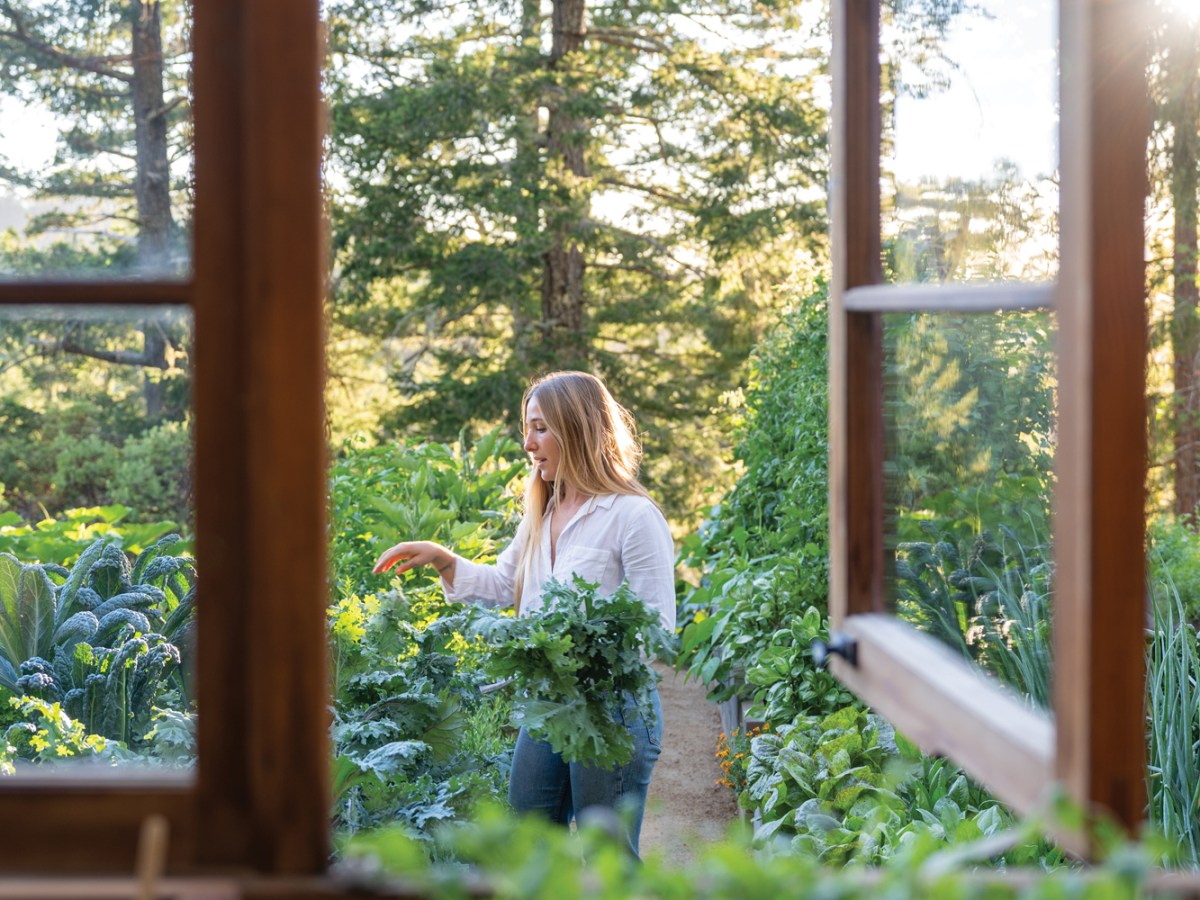
In her coastal microclimate, Christiana has to deal with cool temperatures and fog. To balance the need for warmth in the winter with comfort in the summer, she relied on the greenhouse’s passive ventilation system, opening and closing windows to maintain a steady temperature. In the cooler months, she keeps the windows slightly cracked open to prevent mold and mildew buildup. In areas with fluctuating temperatures, you can use a combination of passive ventilation and carefully chosen materials (like tinted roofing) to maintain a comfortable temperature for both plants and people. And don’t forget to regularly open your windows to prevent humidity buildup.
Make It a Social Space
Thomas J. Story
A greenhouse can be more than a growing space—it’s a social hub for neighborhood gatherings and family meals. Christiana designed hers with wide doors that open to a picnic area, and the airy, light-filled space makes it perfect for summer dinners. Don’t be afraid to make your greenhouse a multifunctional space. Whether it’s a quiet retreat, a place for family gatherings, or even a space for friends to hang out, a greenhouse can become a beloved part of your homestead.