What Does a $500,000 Backyard Actually Get You?
A growing wave of affluent homeowners is redefining outdoor living—and the numbers can be staggering. All’s not lost if your budget isn’t that high, though.
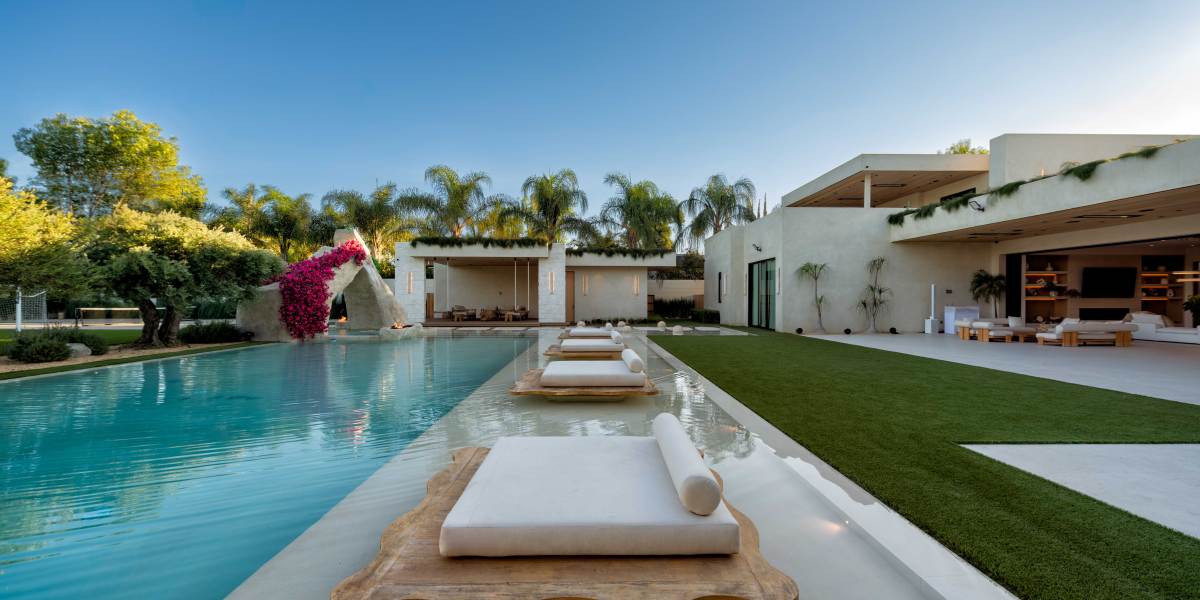
Foxterra Design/Jimi Smith Photography Group
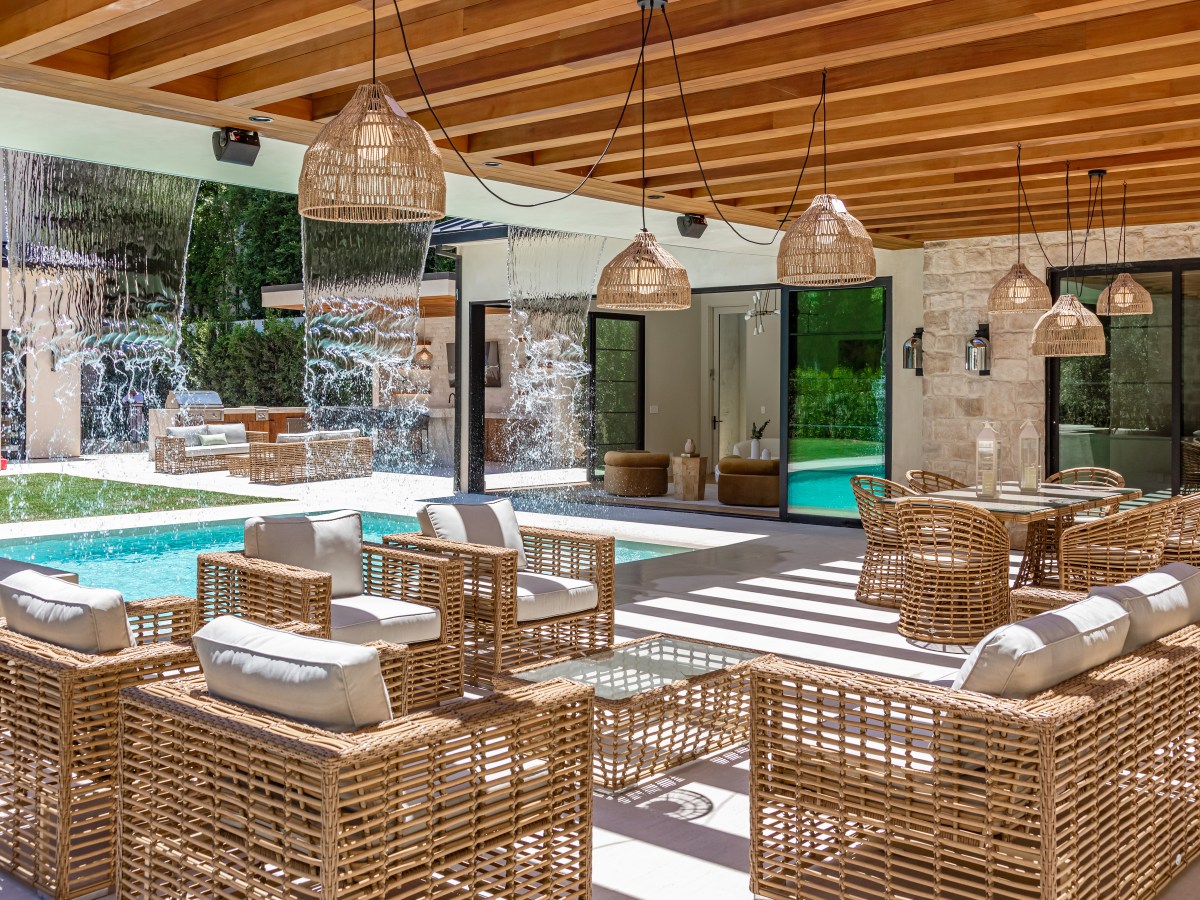
On a warm California evening, the glass walls disappear, the limestone floors stretch uninterrupted toward the pool, and dinner slowly migrates outside almost without notice. Someone’s pouring another glass of wine, the fire feature has started flickering to life, and water moves softly through a hidden fountain somewhere just beyond the olive trees. No one’s asking whether they should sit inside or out because, increasingly, there’s no real distinction anymore.
Luxury outdoor living has entered a new era, and it’s less about showing off and more about creating homes that feel seamless, layered, and genuinely lived in. Across the West, homeowners are investing heavily in outdoor spaces designed with the same intention once reserved for interiors: fully retractable pocket doors, resort-style pools, layered lighting, and outdoor kitchens sophisticated enough to rival the one inside.
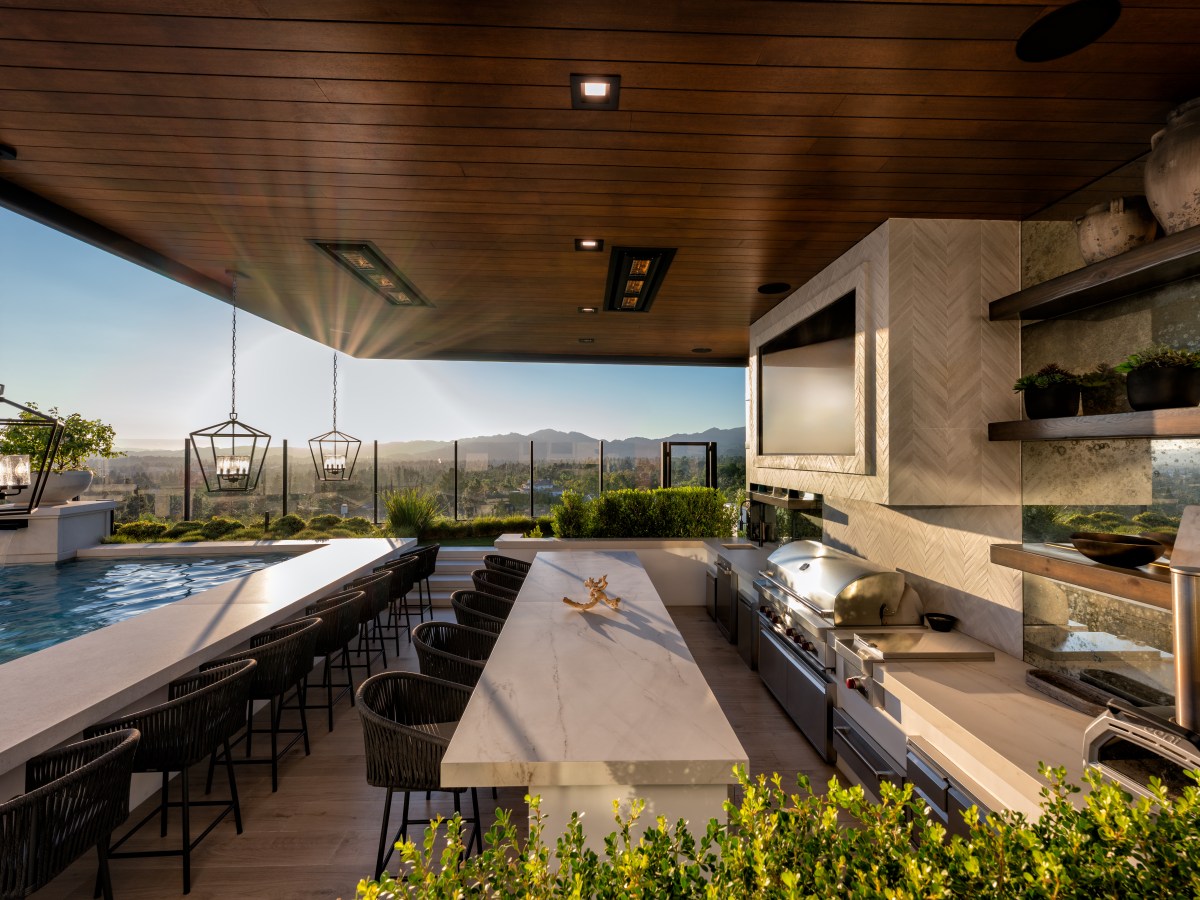
Foxterra Design/Jimi Smith Photoraphy Group
At the center of the movement are firms like Foxterra Design and Brandon Architects, both helping redefine luxury living in climates where outdoor space can be used nearly year-round.
“The shift happened when homeowners stopped thinking about the backyard as a place they use once in a while and started thinking about it as a space they live in,” explains Nate Fox, Lead Designer at Foxterra Design. “What I see now, especially at the luxury level, is clients who are designing the home holistically where the backyard is part of the floor plan conversation from day one.”
Ryan McDaniel, Partner and Director of Design at Brandon Architects, points to the pandemic as a major turning point. “Homeowners are placing significantly more value on their outdoor spaces,” he says. “This shift was triggered by the pandemic where people were restricted on their outdoor activities, forcing the connection of private outdoor space to wellness.”
For Brandon Architects, the goal goes beyond aesthetics. McDaniel says the most successful outdoor spaces balance emotional comfort with functionality, creating environments that feel equally suited for quiet mornings and large-scale entertaining.
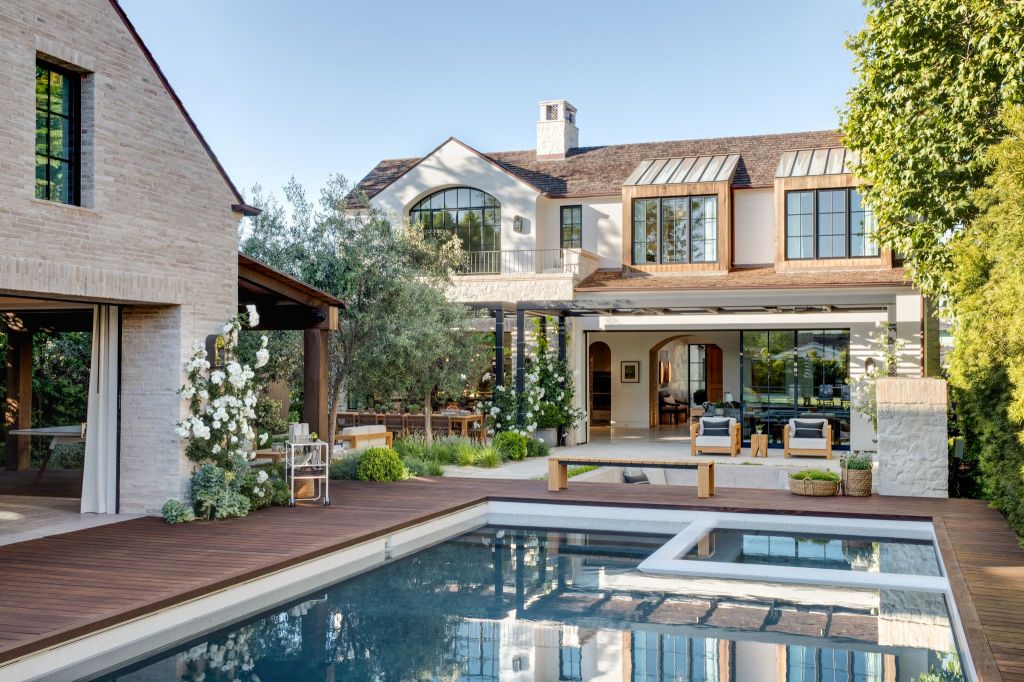
Brandon Architects/Chad Mellon
Designing for Flow
According to both firms, creating that effortless indoor-outdoor feeling starts long before the furniture arrives.
“In homes where it’s architecturally feasible, we’re specifying large-format pocket or sliding door systems that fully retract and disappear into the wall so when the space is open, there is genuinely no threshold,” says Nate Fox, Lead Designer at Foxterra Design.
McDaniel says thoughtful adjacencies are equally important. “First, we need to define and locate the appropriate uses and desired adjacencies between the outdoor and indoor living spaces,” he explains.
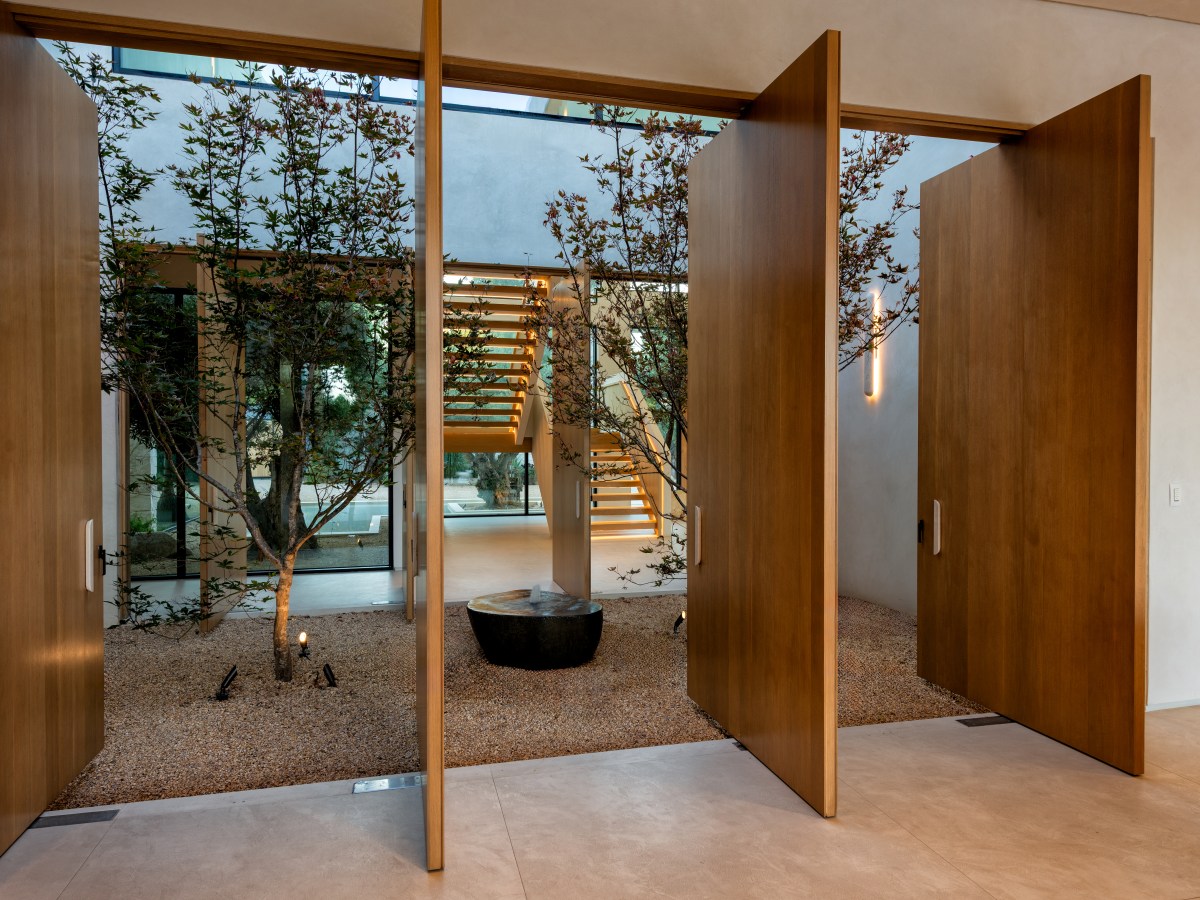
Flooring continuity also plays a quiet but important role in making a home feel cohesive, though exact material matching isn’t always practical. Foxterra often focuses on “visual continuity” with textured porcelain outdoors, while Brandon Architects frequently pairs limestone pavers with lighter interior finishes to soften the transition.
Foxterra Design/Jimi Smith Photoraphy Group
“Stone is most commonly used for outdoor spaces for functional reasons,” McDaniel explains. “It is also critical that the outdoor flooring material carries the visual line of the interior floor to the exterior.”
The biggest mistake homeowners make? Treating the backyard like a separate project.
“Homeowners will invest significantly in a beautifully designed interior and then hand the backyard off to someone who has no context for what’s happening inside the home,” Fox notes. “The result is two beautiful spaces that don’t speak to each other.”
Foxterra Design/Berlyn Photography
The New Outdoor Luxury
Today’s luxury backyards are also shifting away from pure entertainment and toward something that feels noticeably more personal: wellness, comfort, and everyday ritual. Cold plunge pools, infrared saunas, meditation gardens, and flexible lounge areas are now common requests.
“The request I hear most consistently now that was almost never on a client brief five years ago is outdoor wellness,” Fox says.
Technology is evolving quietly, too—less visible gadgetry, more invisible comfort that allows spaces to function year-round without feeling overly technical.
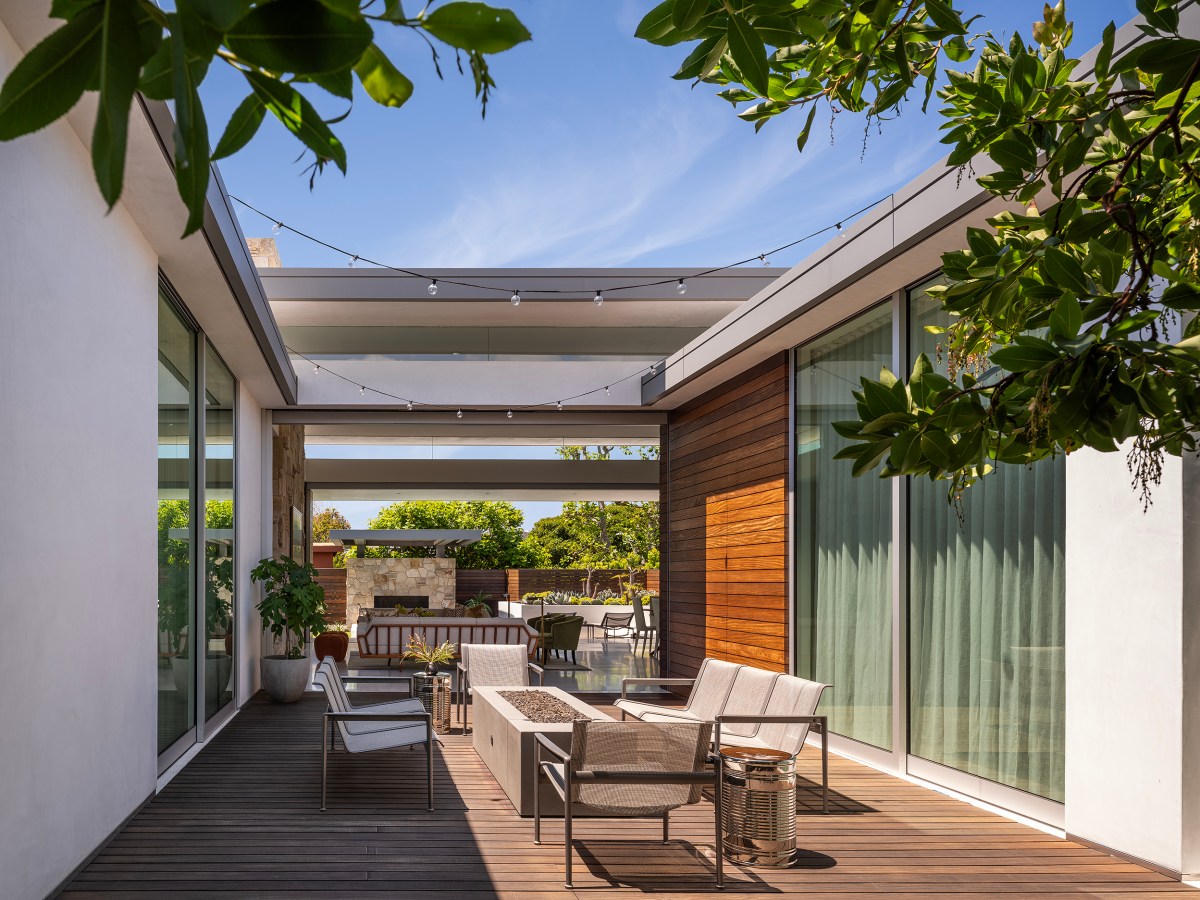
“We use recessed heaters, shades, and bug screens to maximize the use of the outdoor living spaces year-round without compromising on the overall look and feel of the space,” says McDaniel.
Brandon Architects/Manolo Langis
Conversation pits are also making a return, though this time with a more architectural feel. Foxterra is designing many directly into poolscapes where “the seating plane sits at or near the same level as the water surface.”
McDaniel notes that thoughtful placement matters just as much as aesthetics. “These need to be considered as a part of the larger whole rather than a specific feature that you can simply add to any area of the yard,” he says.
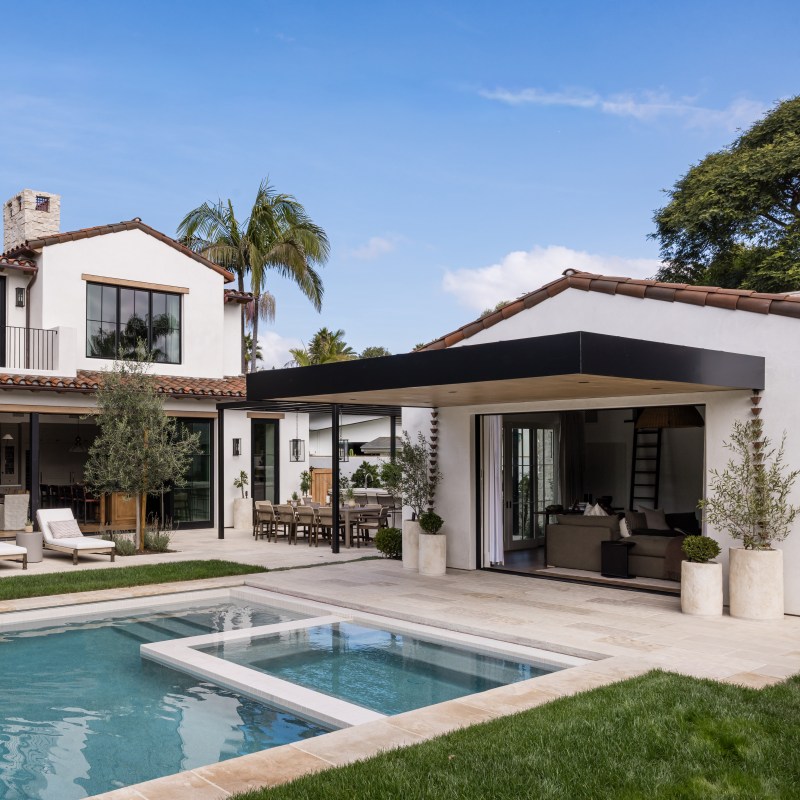
To keep spaces timeless, both firms focus less on trends and more the lifestyle of each client.
“Our process always starts with making sure we have a clear understanding of how the client actually lives,” Fox explains. “I want to know what a typical Tuesday evening looks like for this family.”
Brandon Architects/Vanessa Lentine
What’s Worth the Investment?
Despite the headline-worthy price tags, much of the investment goes toward the things guests will never actually notice.
“Site prep, demolition, grading, drainage, waterproofing, gas lines, electrical, plumbing, and the low-voltage systems that power an outdoor kitchen, pool, sound system, and lighting package all consume the budget,” Fox explains.
McDaniel notes that pools and spas alone can account for “50%–70% of the overall budget.”
Still, both firms stress that great outdoor design doesn’t require a $500K spend.
“If someone had around $50K or less to create a meaningful outdoor experience, I would point them toward three things: fire, water, and great outdoor furniture,” says Nate Fox, Lead Designer at Foxterra Design.
McDaniel recommends improving the area homeowners already use most, whether that means adding shade coverage or creating a simple firepit lounge.
“Focus on the area that they use the most in their current yard space and invest in making that space more functional, comfortable, and inviting,” he says.
Planting design may also be one of the most overlooked parts of the equation—even though it’s often what makes a space feel warm instead of sterile. “Hardscape and architecture give a space its structure and its bones, but planting is what gives it soul,” Fox says.
Ultimately, the most successful outdoor spaces aren’t the ones trying hardest to impress. They’re the ones that quietly support the rhythms of everyday life.
“A truly successful indoor-outdoor space is more than just a structural achievement,” McDaniel says. “It is a sanctuary that honors our deepest, most primal draw to the natural world while enveloping us in the safety and comfort of modern shelter.”