Old Is the New Luxury. Here’s How to Embrace and Highlight Your Home’s Age.
Designers share their age-defying (and defining) secrets.
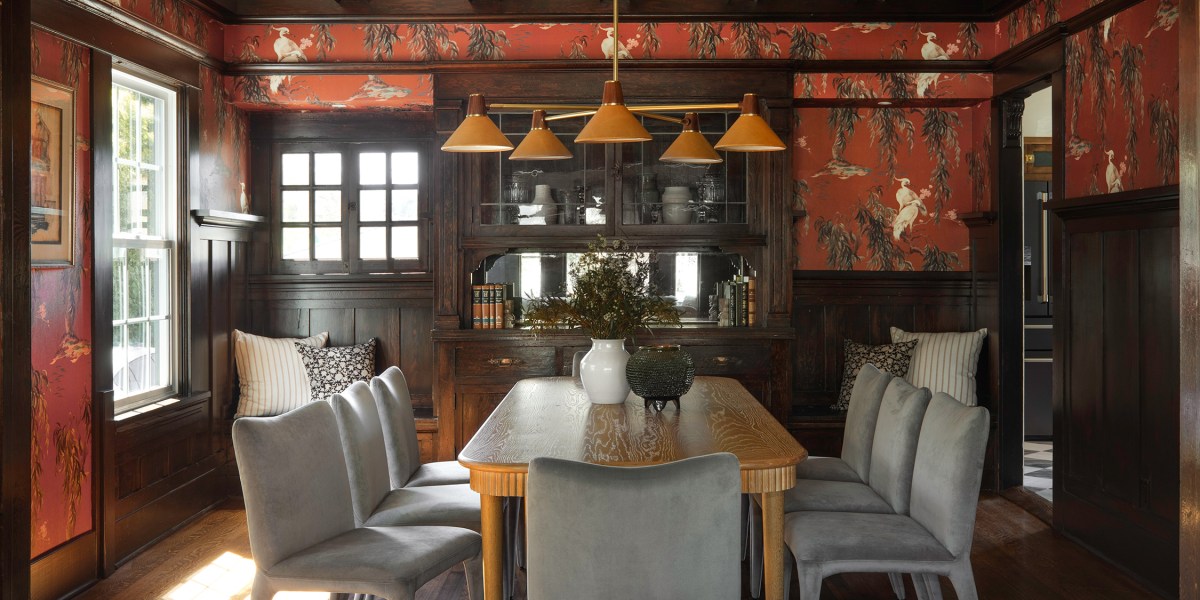
Public 311 Design
Many of us are trying to age gracefully, and the same goals apply to our homes. Maybe you’re living in a Victorian in San Francisco, or perhaps you’re residing in a modernist home in Palm Springs. The age of your home does matter, but it shouldn’t stop you from leaning into crafting a charming, collected space that effortlessly mixes design eras.
“The most interesting homes look like they evolved over time—even if they were finished last year,” explains Rachel Brown, founder and principal of RB Interiors. “Even the sleekest modern architecture benefits from a little contrast. A vintage piece instantly softens clean lines and keeps a space from feeling sterile.”
Below, see the many strategies designers have employed to bring more personality, character, and soul to any home—without falling into dated trends.
Identify Your Home’s Age, and Then Layer Accordingly
More Videos From Sunset
“If your home is old, consider yourself lucky!” says Chloe Legras of Boxwood Avenue. “It’s so much easier to make a space feel layered and cozy where there is a bit of grit. New homes require some orchestrating, but it can still be done.”
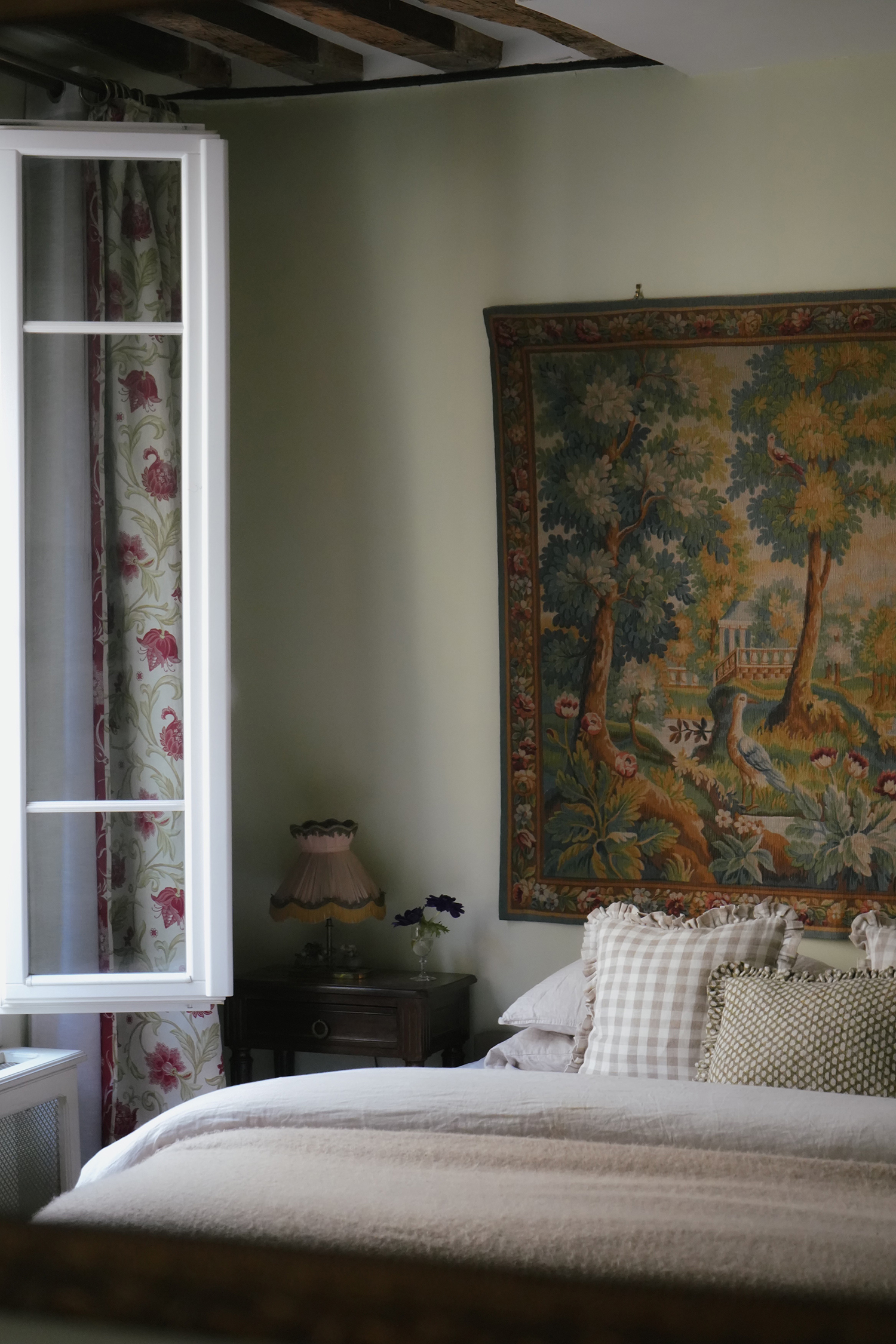
Design by Chloe Legras; Photo courtesy of Boxwood Avenue
Honor the Architecture of Your Home
The bones of your property are crucial to the layering process. Chloe says it’s an important consideration and can inform the “period-appropriate pieces” you’ll want to collect. “For example, a Provençial table would look out of place in a mid-century home,” she says.
Katie Labourdette-Martinez and Olivia Wahler of Hearth Homes Interiors also point out that homes made back in the day typically have smaller rooms and lower ceilings.
“Make sure you choose furniture with an appropriate scale,” they say. “When renovating older homes, try to work with the architecture rather than against it. New details like moldings, doors, and hardware should align with the original style of the home. The most interesting interiors rarely come from a single period. Pair antique pieces with contemporary furniture or modern art. This contrast keeps spaces from feeling staged or overly thematic.”
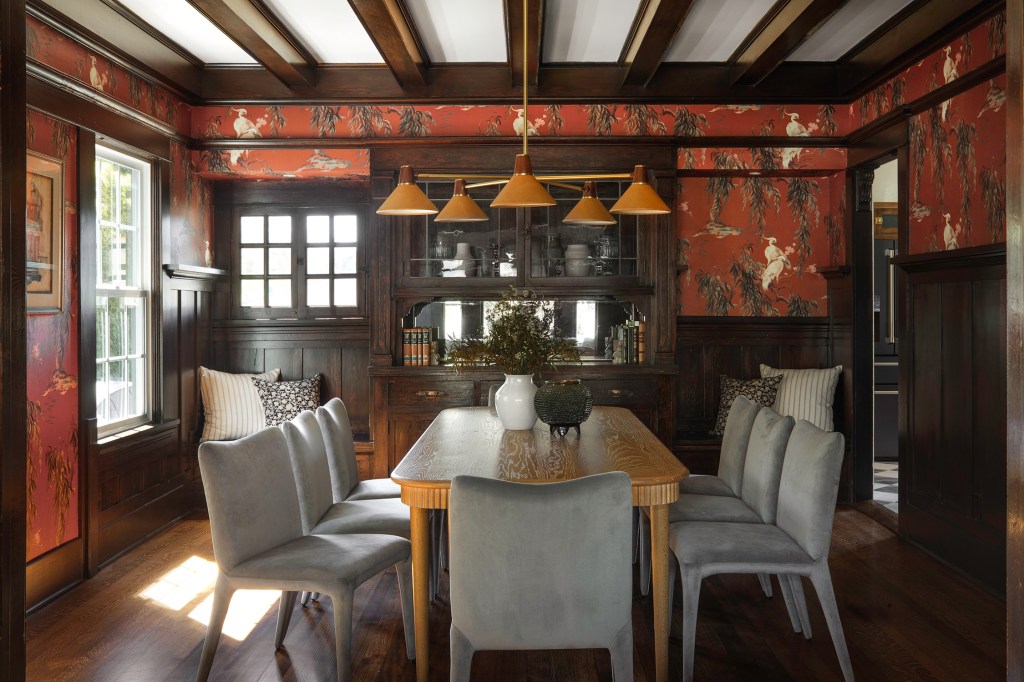
Design by Hearth Homes Interiors; Photo by Public 311 Design
White Boxes Call for Extra Warmth
“I think the reason people like modern is that it’s not cluttered and has clean lines,” says Michelle Kendall of MK Home and Art, who often gravitates toward a “modern cozy” concept. And while there’s no singular formula to furnishing with multiple eras, Michelle says modern furniture and decor can take up as much as 30 percent of your space. As many of our experts share, architecture lays the groundwork, and she says most of her design projects are rounded out by accents and personal items like family photos.
Honoring your home’s modern architecture may involve simultaneously weaving in vintage elements. “We love to contrast clean architecture with warmth,” say Katie and Olivia. “Try introducing antique wood, vintage lighting, or aged metals. Even minimal spaces can feel richer when they include a few pieces with history.”
Fresh Paint Can Modernize Decades-Old Homes
Drew Michael Scott of Lone Fox owns a 97-year-old home and can personally attest to the sometimes challenging practice of modernizing an old home. One of his go-tos? A new coat of paint.
“Many old homes have dingy off-white walls and white doors and moldings,” he says. “Choosing unexpected and fresh colors has helped my old home feel current. Even just painting my off-white walls cream has made a huge difference. This gives me a more era-neutral canvas to fill with my furnishings, old and new alike.”
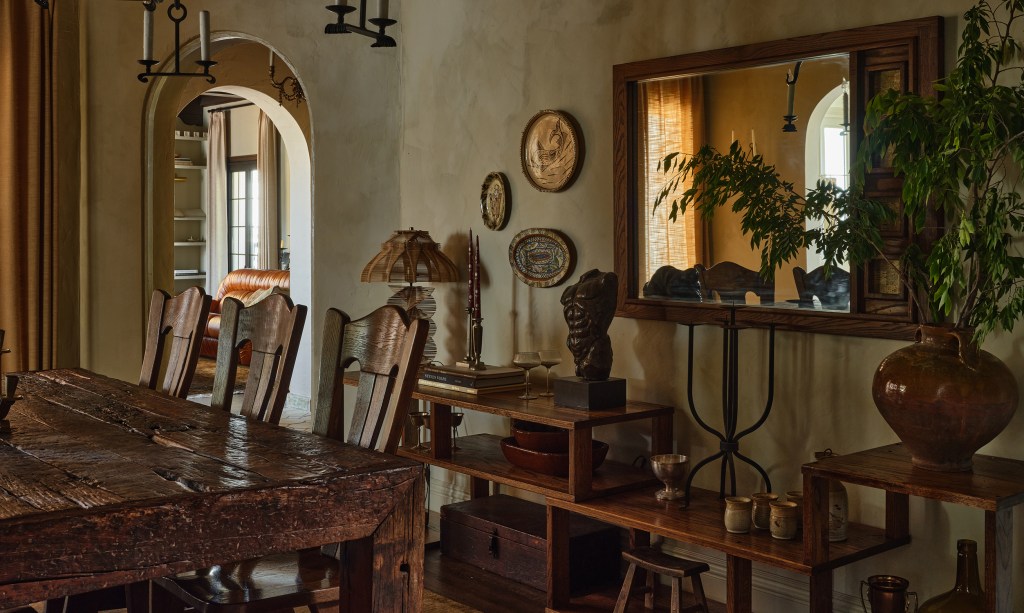
Design by Drew Michael Scott; Photo by Michael Clifford Photography
Katie and Olivia have another trick: Preserve original elements like wood floors and millwork, and then add new pieces derived from natural materials that age well.
Try Adding at Least One Thing From the Past
Rachel calls this the “quickest way to warm up a room,” especially if you’ve just added brand new furniture. A few thought-starters? Usher in a new era with a vintage rug, an antique mirror, or a beautiful old wood cabinet, she says.
“There’s a saying amongst designers: ‘Never be the oldest thing in a room,” says Chloe. “Even in a contemporary space, we find use of ‘old.’ … These are the elements that can’t be reproduced, and increase the feeling of luxury in a space.”
Invest in Your Most Desired Pieces
Whether you’re purchasing old or new, make it count. Shane Brown, founder of Big Daddy’s Antiques and The Well, finds that mixing old and new comes with specific demands. “Buy the nicest version of what you can afford,” he says. “When something is well made, it lasts longer and makes more of an impact in your space.”
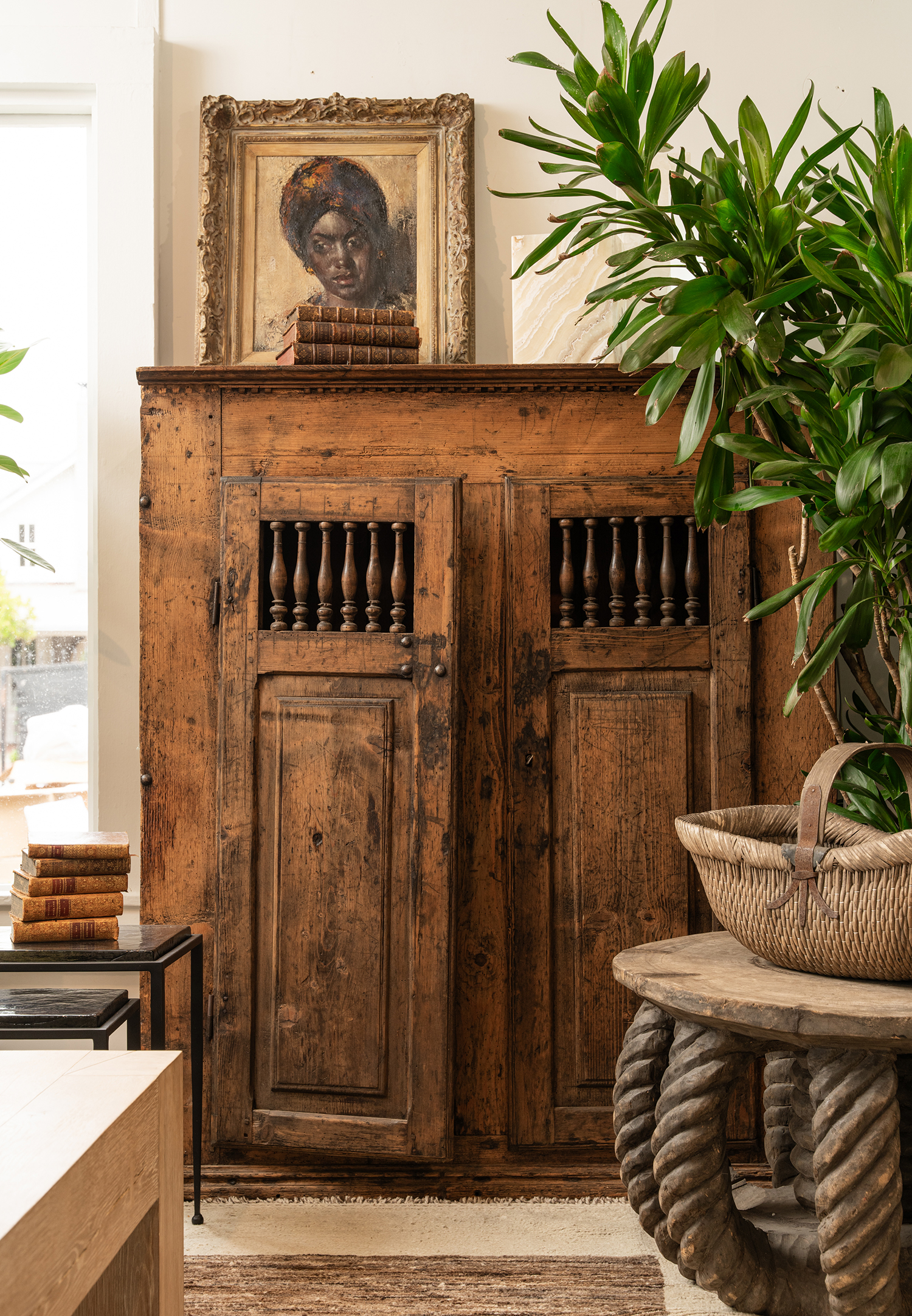
Design by Big Daddy’s Antiques and The Well; Photo by Blake Bronstad
Chloe agrees, sharing that shopping for antiques or vintage items can be intimidating, but it’s well worth the effort and price tag.
“So many people get nervous about buying vintage pieces as they’re often non-returnable and usually require some use of imagination,” she says. “But I promise it is the use of vintage that makes the most wonderful spaces.”
Apply These Rules to Your Exterior
Don’t forget about your backyard! For Shane, there’s nothing better than a vintage vessel made to withstand the elements.
“Everyone should have a fountain in their outdoor space, especially if it’s made from an interesting or beautiful stone,” he says.
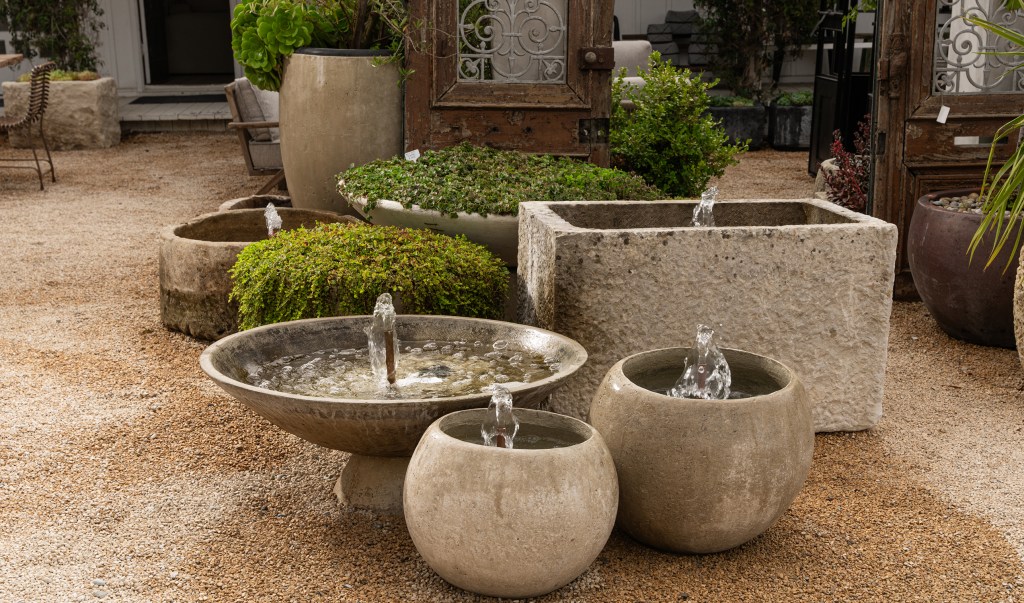
Design by Big Daddy’s Antiques and The Well; Photo by Blake Bronstad
Don’t Be Afraid to Experiment
“People shouldn’t be afraid to experiment,” Shane says. “Try mixing two unlikely objects—one new, one old—and see what happens. Some of my best ideas have come from combining pieces that wouldn’t normally go together. I’ve taken things like a vintage hand-carved stone base and added a modern metal top to turn it into a table. It never hurts to try.”
Michelle starts each project with a Pinterest board to develop a home’s unique style. From there, you can proceed with your experimentation—and a lot of editing.
“I add a lot to [a space] and then start subtracting immediately,” she says. “It seems like when something isn’t adding up, you definitely want to subtract, because there’s just too much going on.”
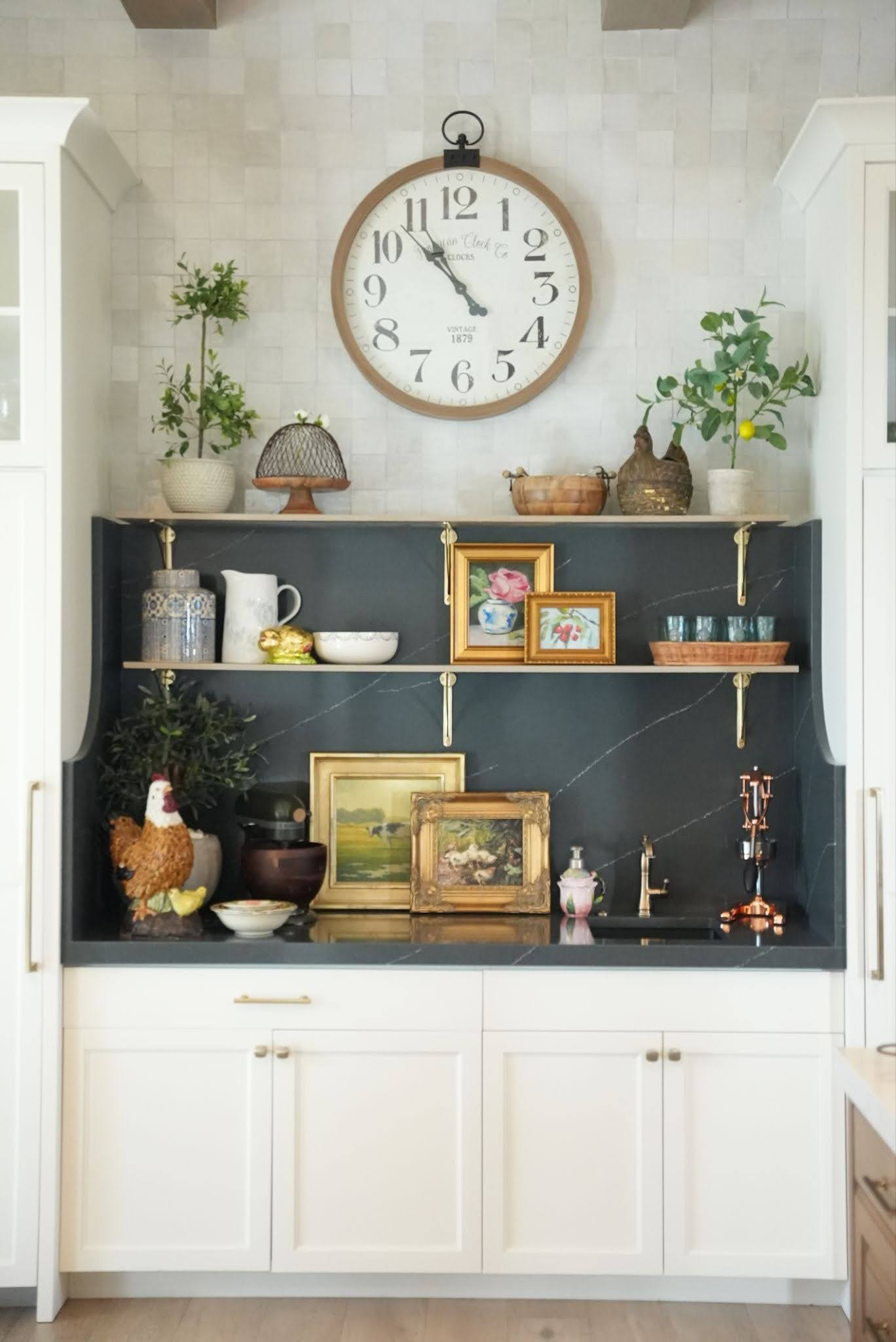
Design by Michelle Kendall of MK Home & Art; Photo by Hunter Gerlach
Focus on Depth over Trends
A friendly (and essential) reminder from the Hearth Homes Interiors team: “Always remember, choose pieces that genuinely bring you joy rather than decorating solely to follow a trend!”