Meet the People Turning Sea Urchins into Sustainable and Super Stylish Tile
A new biomaterial made from purple sea urchins highlights kelp forest restoration on the Mendocino Coast.
Thomas J. Story
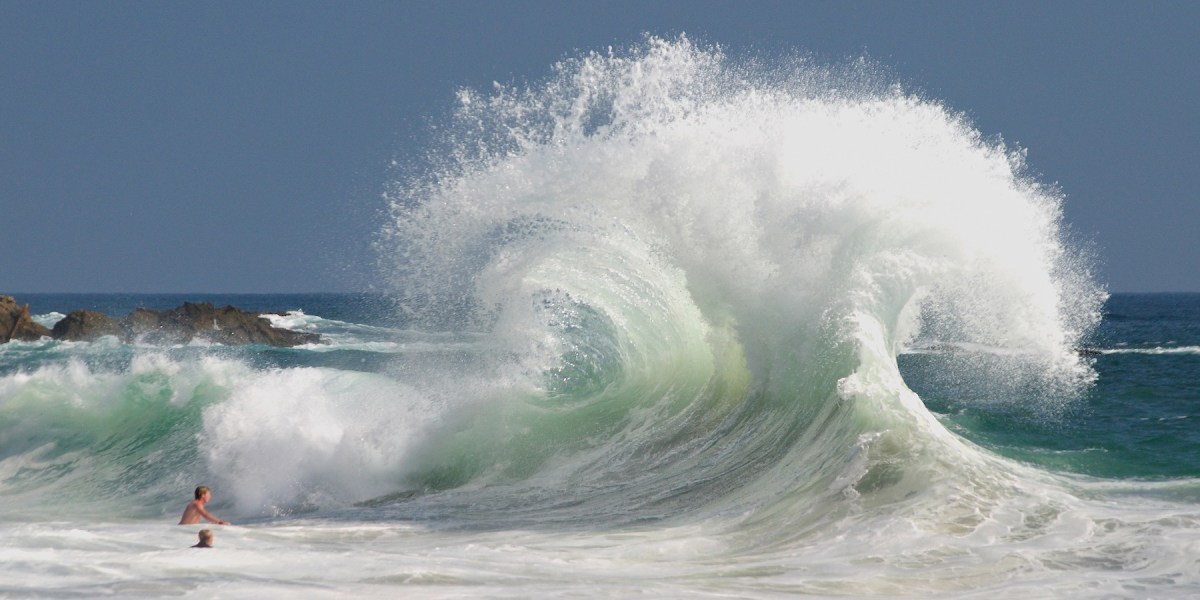
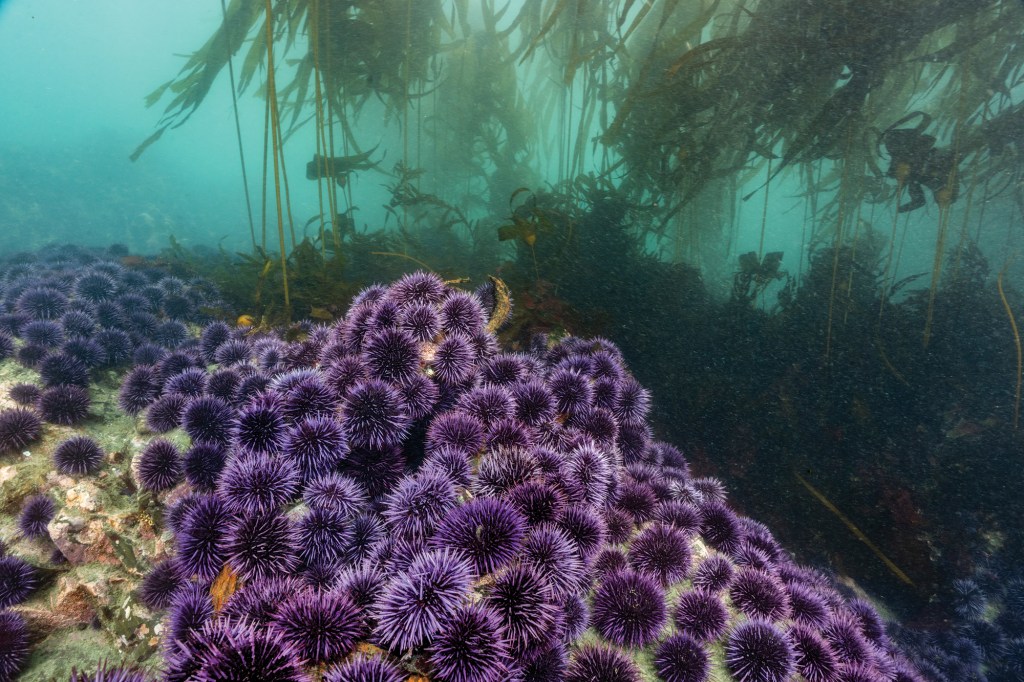
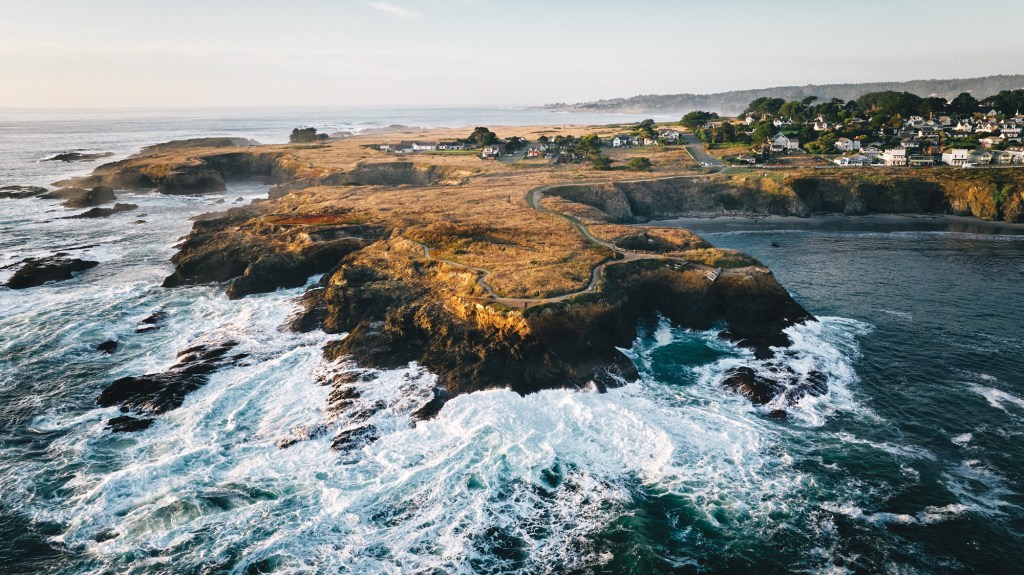
Fog drapes over the headlands of the Mendocino Coast, lifting just long enough to reveal jagged cliffs, wind-twisted cypress, and the powerful tides of the Pacific pounding against the shore. The ocean in this corner of Northern California is cold and uncompromising, but its strength is its beauty. And just beneath its surface, a silent struggle has taken hold. In a place where the seas are often rough, visibility is low, and few people ever dare to dive, entire underwater landscapes have shifted from towering kelp forest canopies to spiny purple urchin barrens.
Pat Webster
Fed by nutrient-rich upwelling, Northern California’s kelp forest—referred to by some as the sequoias of the sea—once functioned as the backbone of the nearshore ecosystem, sheltering fish, feeding abalone and sea otters, and buffering the coastline from erosion and acidification. But over the past decade, more than 90% of bull kelp along the North Coast has disappeared, the result of warming waters, the loss of a key urchin predator called the sunflower sea star, and an explosion of purple sea urchins that graze relentlessly on kelp holdfasts. The consequences have rippled outward: Commercial fisheries have collapsed, abalone diving (both commercial and recreational) has shut down, dive shops and coastal businesses have struggled, and a defining piece of Mendocino’s underwater identity is slowly slipping away.
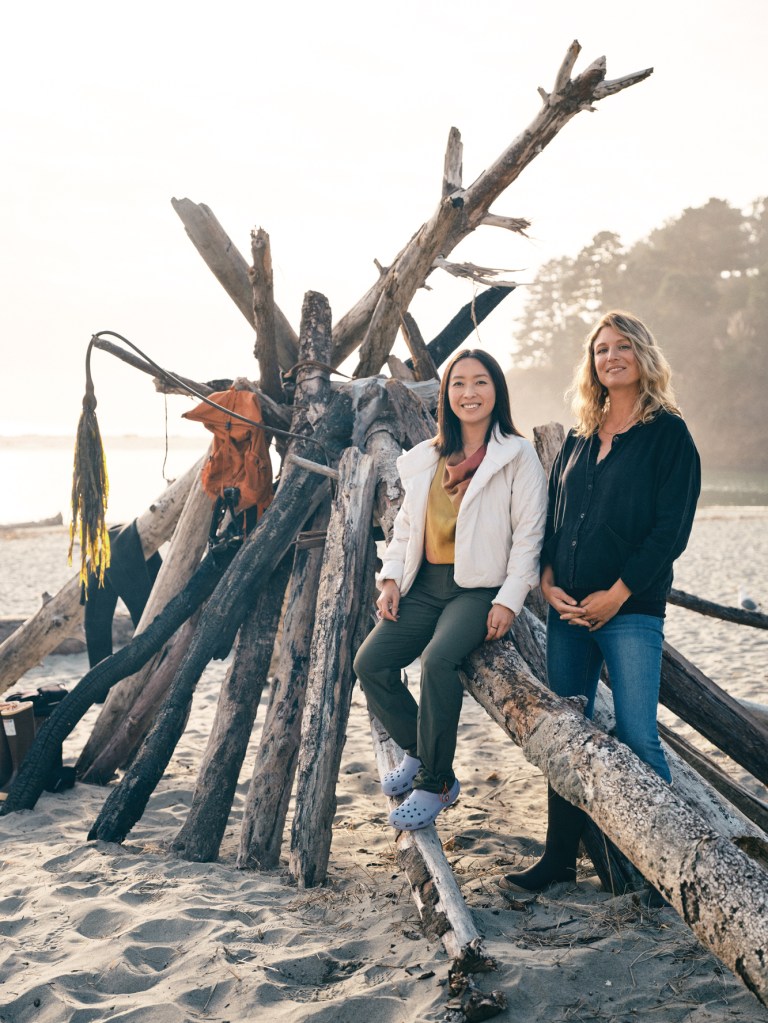
But in the true spirit of the West, entrepreneurs and environmental enthusiasts are creatively seeking solutions that work ecologically, culturally, and economically. Virj Kan, CEO of the Berkeley-based materials company Primitives Biodesign, is one such free thinker hoping to combat the issue through a beautiful biomarble called Urchinite.
Thomas J. Story
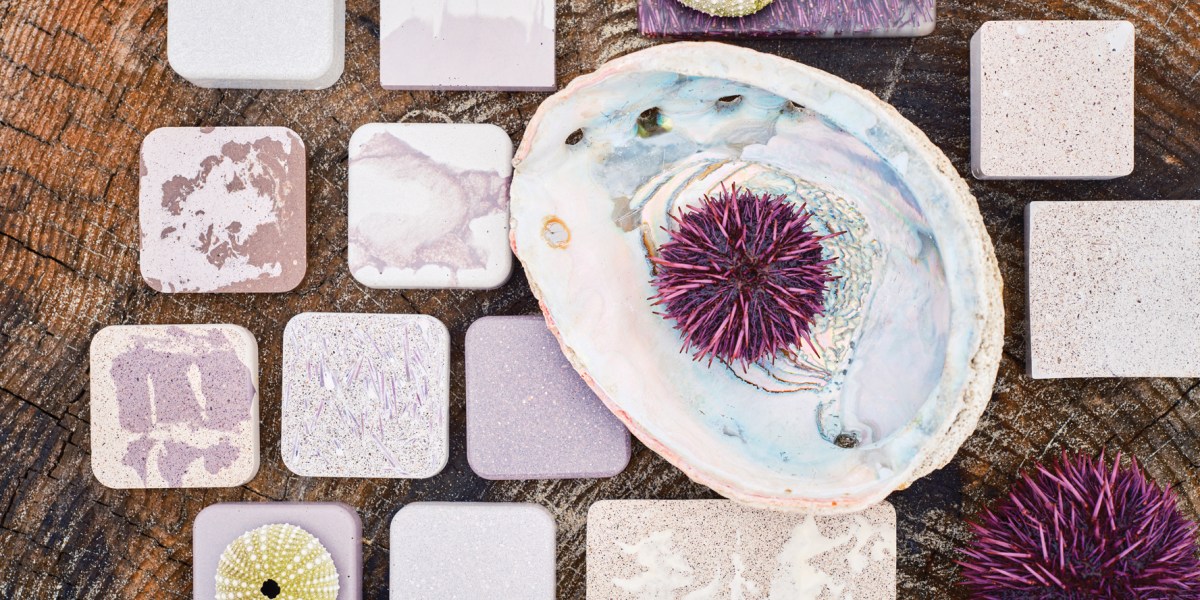
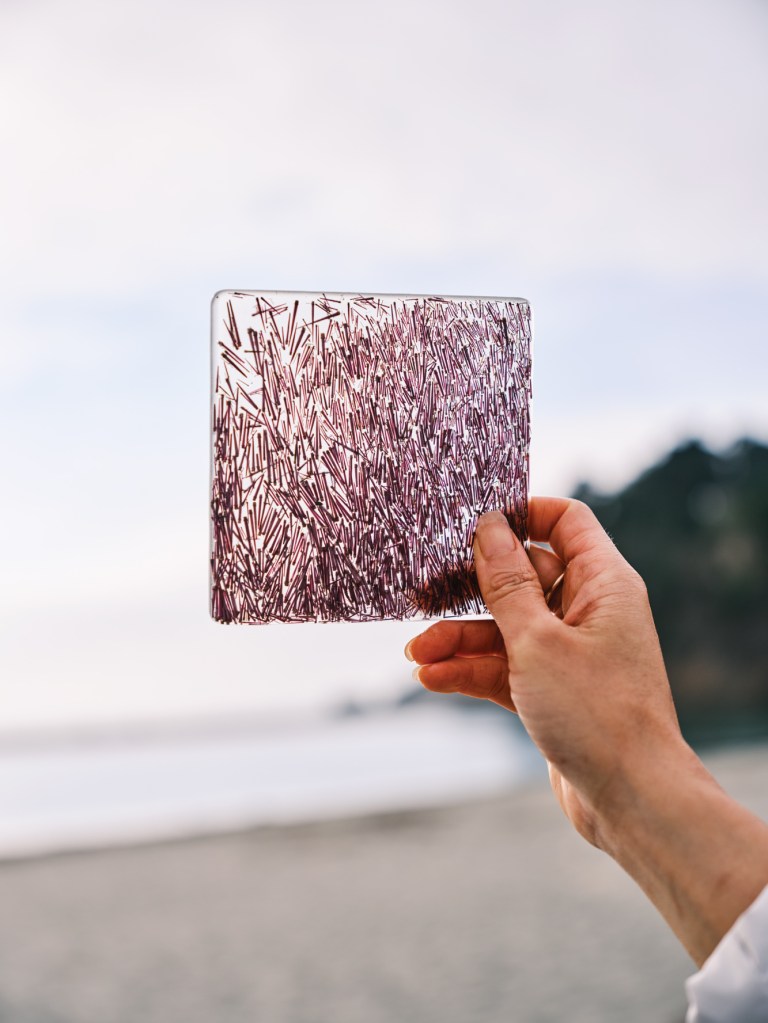
Urchinite is made from the mineralized shells of purple sea urchins harvested from active restoration sites along the Mendocino Coast. Instead of treating the urchin population as waste, the material transforms a destructive species into a driver of recovery. Kan says the production of one slab of Urchinite can restore 1,000 square feet of kelp forest.
The slabs themselves are striking, tapping into the aesthetic of the ocean, creating fog-soft grays, muted lavenders, and marbled patterns that feel pulled directly from the tide pools below.
Thomas J. Story
“We realized that in the world of building materials, there’s a desire and a need for more eco-friendly, green options. For countertops in particular, there’s a major problem with engineered quartz. There’s silica in it, which is causing lung issues. It’s the asbestos of our time,” Kan says. “So we thought, can we make something that can be better for human health and also better for the environment? We also then started discovering all these unique properties that Urchinite has and all these performance capabilities. It’s actually stronger than natural marble, stronger than natural quartzite. It’s extremely durable.”
All the pigment color comes from the sea urchins themselves, rather than from adding purple or pink colorant. The patterns and the colorways are directly tied to the urchins that are harvested in those particular regions every season, making it a material with a true sense of place.
Thomas J. Story
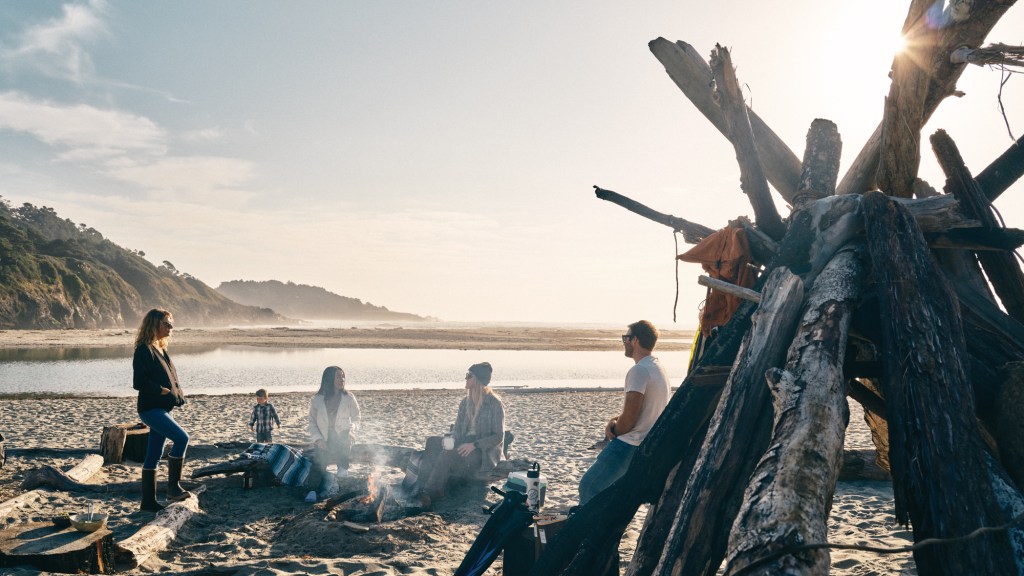
Kan is working with local architects and designers to build out the first concept houses using Urchinite surfaces, and they will also develop pieces for the home down the line, like chairs, tables, and bowls. An avid diver herself, Kan is energized by the potential, as well as the results she’s seen on her numerous volunteer restoration dives hosted by the Watermen’s Alliance at Caspar Cove.
“You see fish coming back. You see red urchins, you see invertebrates, you see many other species of macroalgae, and it’s palpable that this method really works,” she says. “It’s all theory until you really see it with your own eyes. It’s like pruning the garden. Sometimes ecological issues seem so big, but this gives me hope and the enthusiasm.”
Thomas J. Story
The biomarble’s development has unfolded alongside the work of The Nature Conservancy, a key partner in kelp restoration along the California coastline. The organization has described kelp forests as the foundation of nearshore ecosystems, supporting more than 1,000 marine species while protecting coastlines from erosion and acidification. Increasingly, its efforts emphasize market-based solutions that align economic incentives with ecological recovery.
By purchasing urchins from commercial divers and conservation groups clearing restoration sites, Urchinite helps fund ongoing removal efforts and supports a longer-term vision for kelp recovery. That blend of science, community, and creativity is increasingly visible on land as well.
Thomas J. Story
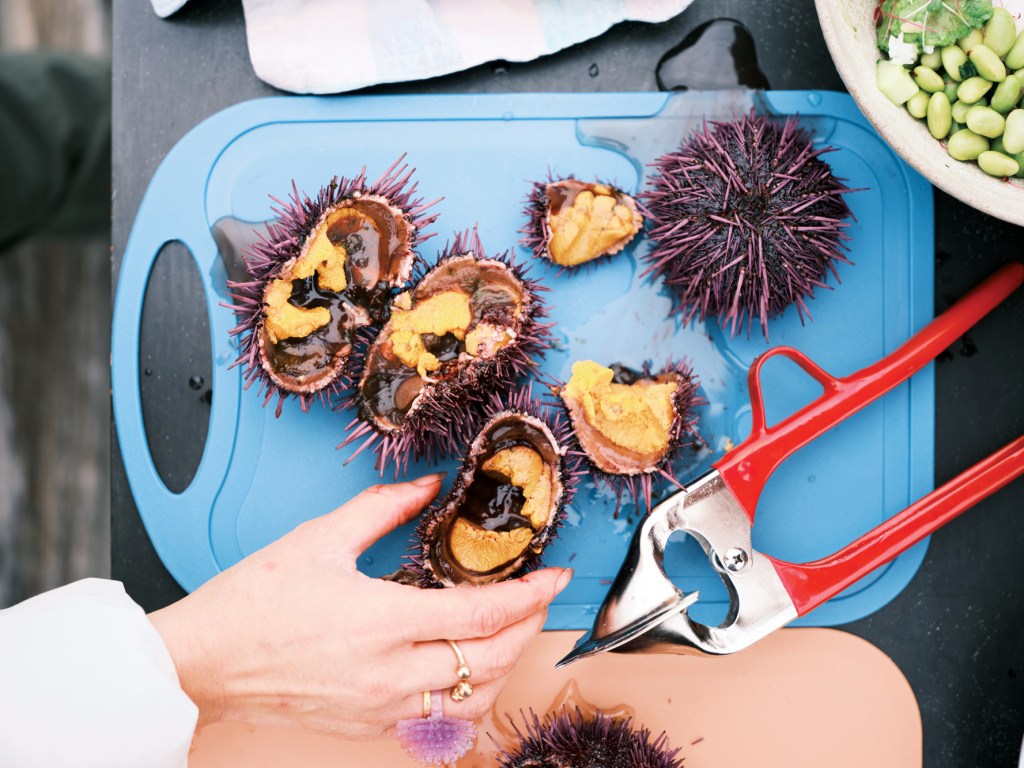
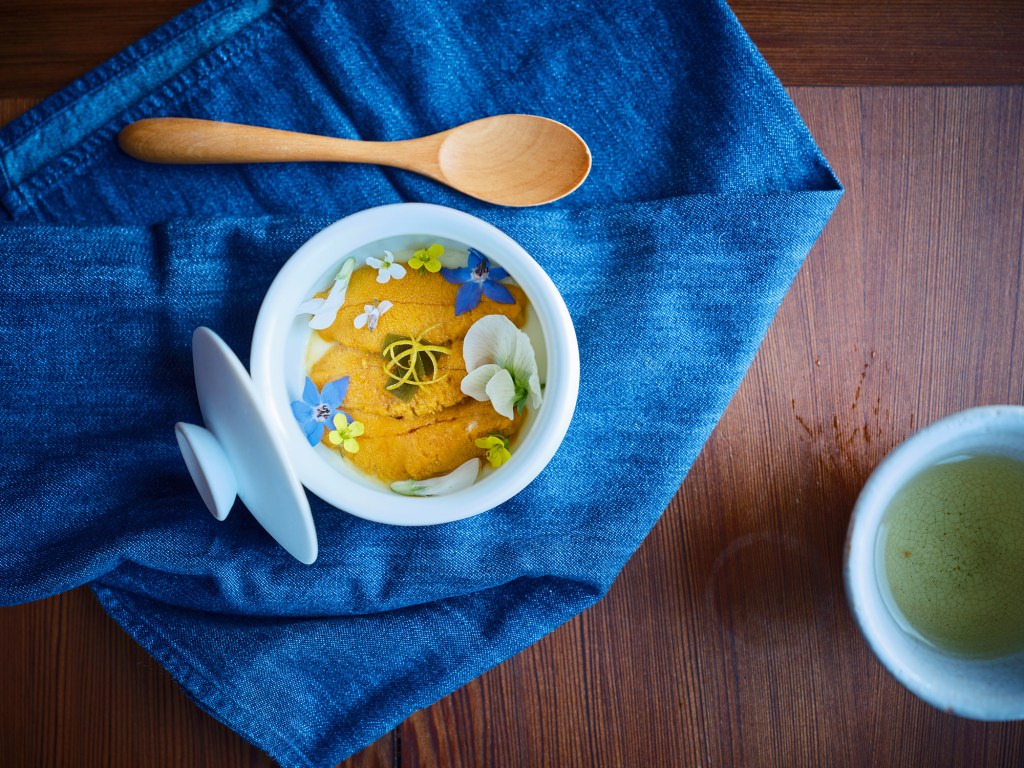
At the critically acclaimed Harbor House Inn, chef Matthew Kammerer has featured ranched purple sea urchin on his menus, reframing the species not as a villain but as a carefully sourced ingredient within a regenerative system. In San Francisco, Artist Margaret Seelie of Seelie Studio teaches classes on dyeing natural fabrics with sea urchins, revealing a surprisingly delicate palette drawn straight from the coast. Filmmakers Natasha Benjamin and Ana Blanco produced and directed Sequoias of the Sea, which takes a deep dive into the lives of fishermen, tribes, scientists, and the community impacted by the issue, bringing kelp forests into public view. And at the annual KelpFest, locals and travelers can engage with talks, art, and tide pool exploration in a quirky way that’s symbolic of this part of the California Coast.
Thomas J. Story
“I’m part of a broader movement, and we’re really a community cheering each other on to drive ecosystem restoration,” Kan says. “It feels like we’re all in it together.”