
Bette Midler Wants You to Step up Your Gardening Apparel
A new garden attire and home goods collection explores the connection between gardening, personal style, and the simple pleasures of growing.
Dawn Di Carlo
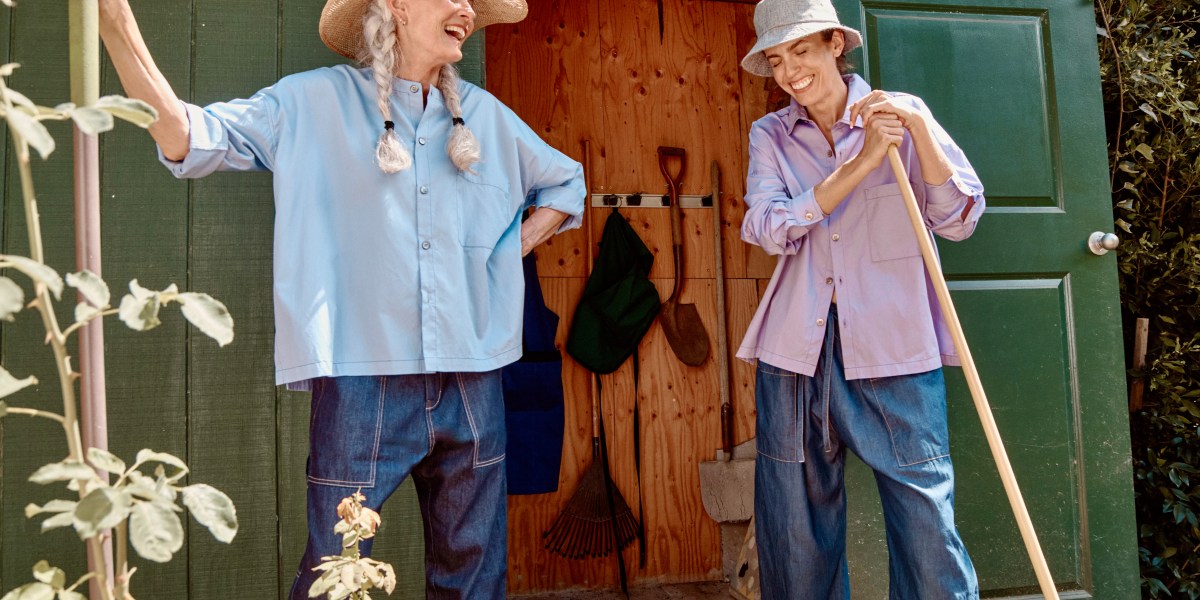
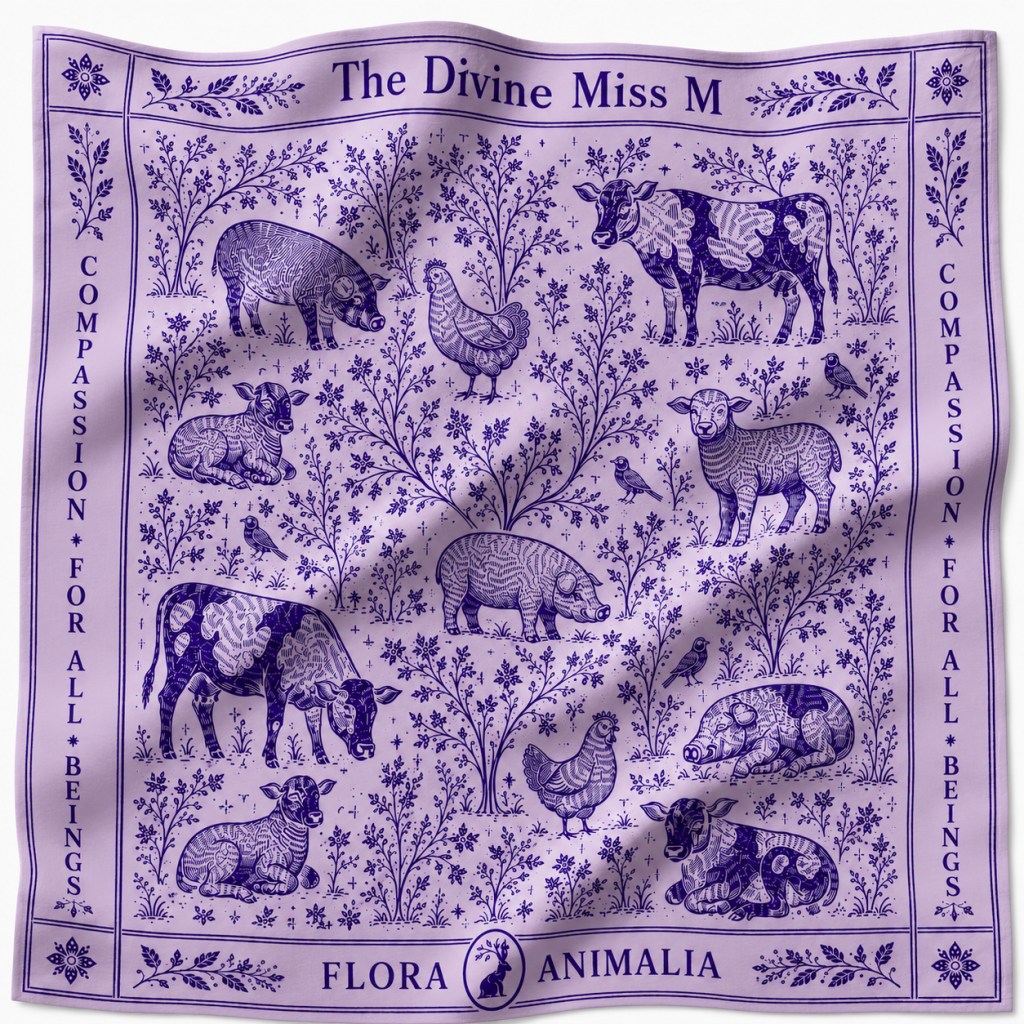
Gardening might call for sturdy pockets and clothes you don’t mind getting dirty, but that doesn’t mean style has to stay indoors. For Bette Midler and Rozae Nichols, founder and designer of Los Angeles-based Flora Animalia, the garden is a source of inspiration for everyday living, from tending plants to gathering around the table. Their limited-edition The Divine Miss M collection brings that philosophy to garden workwear and home goods, with a little practical glamour thrown in.
For Midler and Nichols, the garden is more than a place to grow things. It’s a place to slow down, pay attention to the natural world, and find a little joy in the everyday, whether that means gathering herbs for dinner, bringing flowers indoors, or making room for the bees.
Nichols, whose own creative practice grew out of time spent in a community food garden, has long believed that the pleasures of gardening shouldn’t end when you step back inside. That shared sensibility sparked The Divine Miss M, a limited-edition collection inspired by the things Midler loves and designed to bring a little more beauty and utility to life in and beyond the garden. Here’s how the collaboration came together, and what these two garden enthusiasts can teach us about finding more delight in the everyday rituals of growing.
Courtesy of Flora Animalia
1. Make the Useful Beautiful
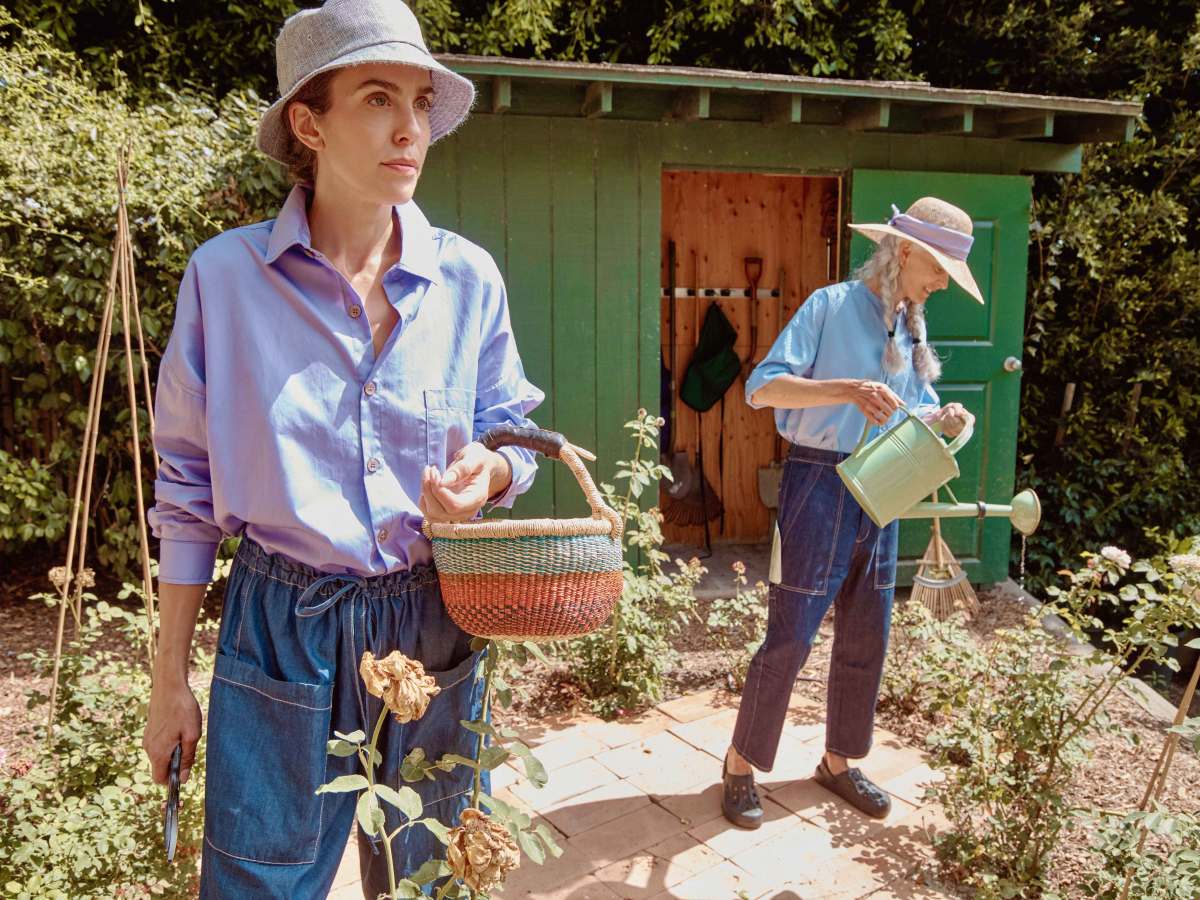
For Nichols, good garden attire begins with function. Pockets should be useful, fabrics comfortable, and garments designed to move with you as you harvest vegetables, deadhead flowers, or make your way around the yard. But practicality doesn’t mean sacrificing personality. “An apron should protect your clothing, have genuinely useful pockets, feel comfortable, and move easily with you. But there’s absolutely no reason it can’t also be beautiful,” Nichols says.
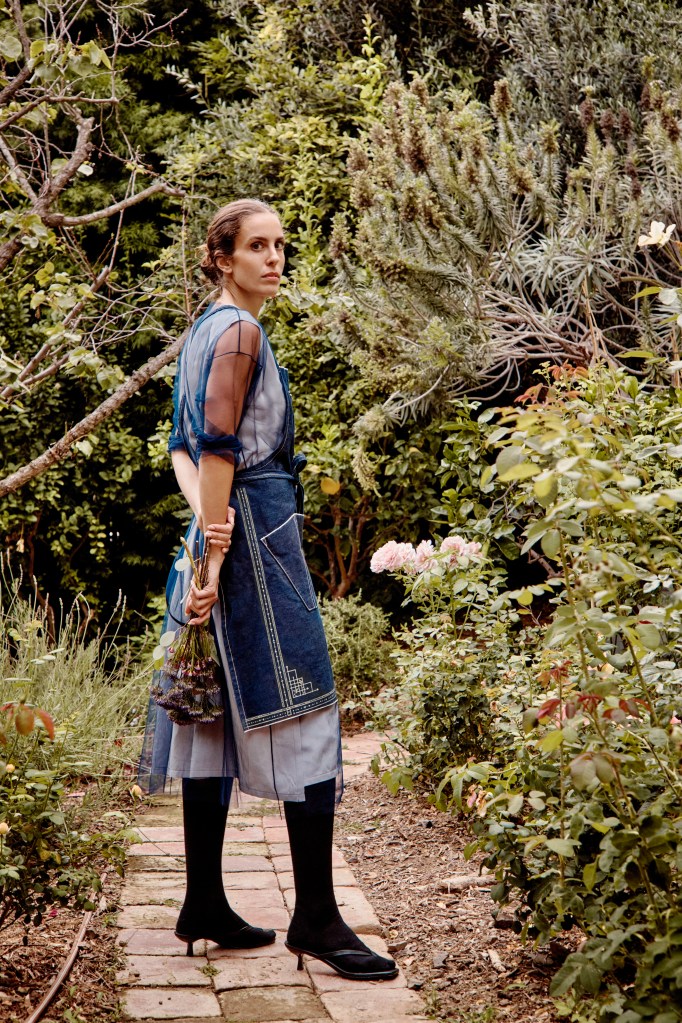
That thinking runs through the collection, which pairs sturdy cottons and denim with plush cotton velveteen, decorative prints, and botanical influences. Some designs revisit motifs from Nichols’s earlier collections, including details Midler has owned and loved for years.
“We both wanted the pieces to feel special without becoming precious,” Nichols says. “Something you would genuinely enjoy wearing and using for years to come.” The result is workwear with enough character to make a garden chore feel a little more like a creative ritual.
Dawn Di Carlo
2. Dress for the Garden You Have
For Midler, the great outdoors is less about achieving a perfectly manicured landscape than embracing the pleasures of being outside. Weather, wildlife, and the occasional unruly patch are all part of the appeal.
“I love being outdoors! I love all of it, I love weather, I love to see the clouds rolling in and the sky going from blue to black and the winds howling,” Midler says. “I would have been fabulous on the moors.”
At home, Midler tends several gardens, a vegetable patch, and a berry patch. She also loves arranging flowers, with one important caveat: The bees get first dibs. “I love making flower arrangements with whatever is blooming and not covered in bees. Those flowers I leave for them,” she says.
She’s equally happy sharing her space with pollinators. Midler says her Los Angeles home has hosted bee swarms for more than a century, with the current hive living in the garage. “I’m happy to share our space with them,” she says. “They work harder than I do. All females, of course.”
It’s a fitting perspective for a collection inspired by the garden: Dress for the work, make room for the wildlife, and don’t wait for everything to be perfect before heading outside.
Dawn Di Carlo
3. Let the Garden Come Home with You
The best part of growing something often happens after the harvest. Herbs make their way into dinner, vegetables become a meal to share, and flowers find their way into a vase. For Nichols, that connection between garden and home is central to Flora Animalia.
“What we grow in the garden finds its way into the kitchen, onto our tables, into a vase beside the bed, or into the simple pleasure of sharing something we’ve grown with a friend,” she says. “There’s a beautiful continuity to it all.”
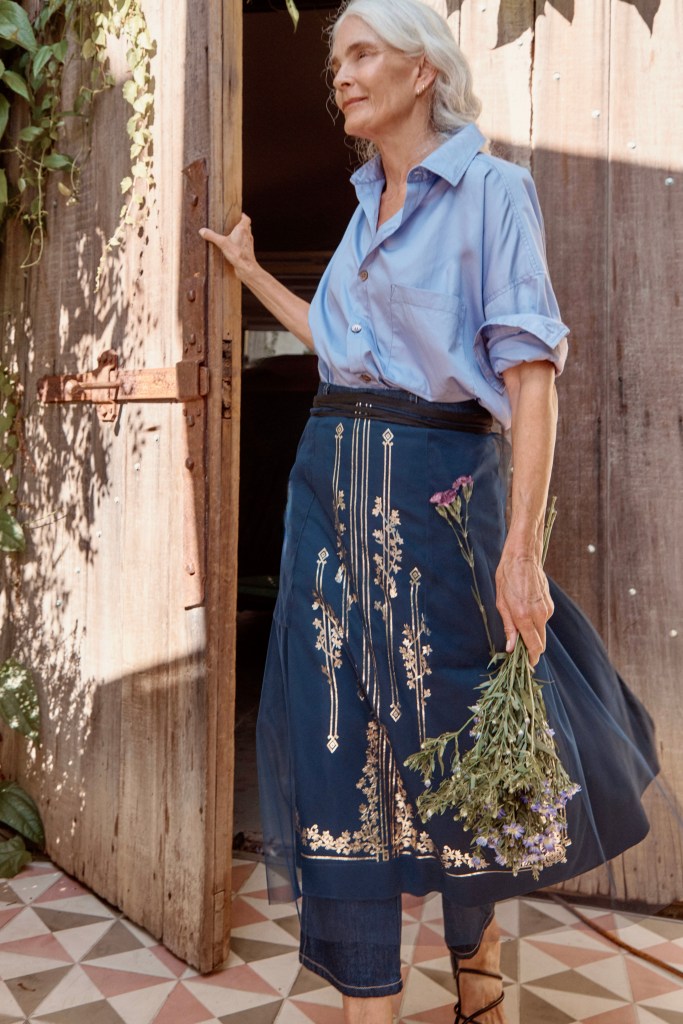
The collection is designed to move along that continuum. The Divine Basket Apron, for example, features a generous front pouch for gathering herbs and vegetables, back pockets for clippers, and an O-ring to keep a hand towel close at hand. Other pieces extend the garden’s influence into everyday dressing, including a velvet caftan with a floral motif inspired by Nichols’s own garden. She transformed a photograph of African basil into a stencil, which was then used to hand-paint the velvet.
It’s a reminder that garden inspiration doesn’t have to stop at the garden gate. Sometimes it comes home with the harvest; other times, it’s right there in what you wear.
Courtesy of Flora Animalia
4. Keep Your Sense of Humor
Even experienced gardeners have their nemeses. Midler’s? Azaleas.
“If you had a dime for every azalea I’ve killed!” she says.
She eventually learned that azaleas are acid lovers and need feeding, but she’s given up on them. Gardenias, on the other hand, have earned a second chance. After years of unsuccessful attempts, Midler recently tried growing them again, with promising results.
“I had killed so many of them that I gave up long ago, and they sort of disappeared from retail. Suddenly, they were back, so I took a flier and they’re still alive! There is a God!” she says.
Midler’s gardening advice is refreshingly straightforward: “My only piece of advice is, ‘Never lose your sense of humor.’”
That spirit extends beyond the plants themselves. Midler has spent more than 30 years championing the New York Restoration Project, which supports parks and community gardens across New York City. The Divine Miss M collection also supports the organization, connecting its practical, garden-inspired pieces to a larger commitment to green space and community.
For Nichols, that connection is part of the point: Beautiful, useful objects can bring pleasure to everyday tasks while encouraging a deeper relationship with the living world. And if a few plants don’t make it along the way, take it from Midler: There’s always another growing season.