
El Niño Is Coming. Here’s How to Get Your Garden Ready.
From smarter drainage to a soil-saving layer of mulch, these garden prep moves will help your landscape handle whatever the rainy season has in store.
Thomas J. Story
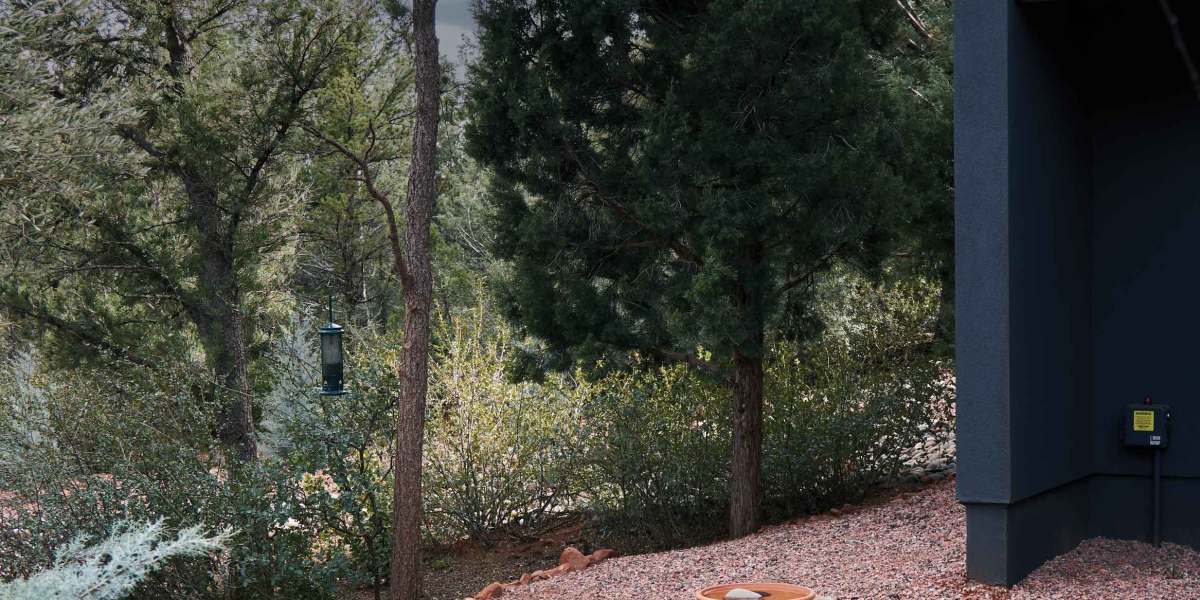
After a long, dry summer, the first real rain can feel like a love letter to the garden. Until it arrives all at once, sending mulch down the driveway, turning pathways into ponds, and reminding us that not every plant appreciates wet feet. With El Niño strengthening for winter 2026–27, now is a good time to give your garden a little attention before the skies open. Just don’t mistake a climate pattern for a crystal ball: The National Oceanic and Atmospheric Administration (NOAA) cautions that even a strong El Niño doesn’t guarantee the same weather everywhere. The goal isn’t to brace for disaster. It’s to make a few thoughtful changes that help your landscape work with the water, not against it.
Thomas J. Story
1. Follow the Water
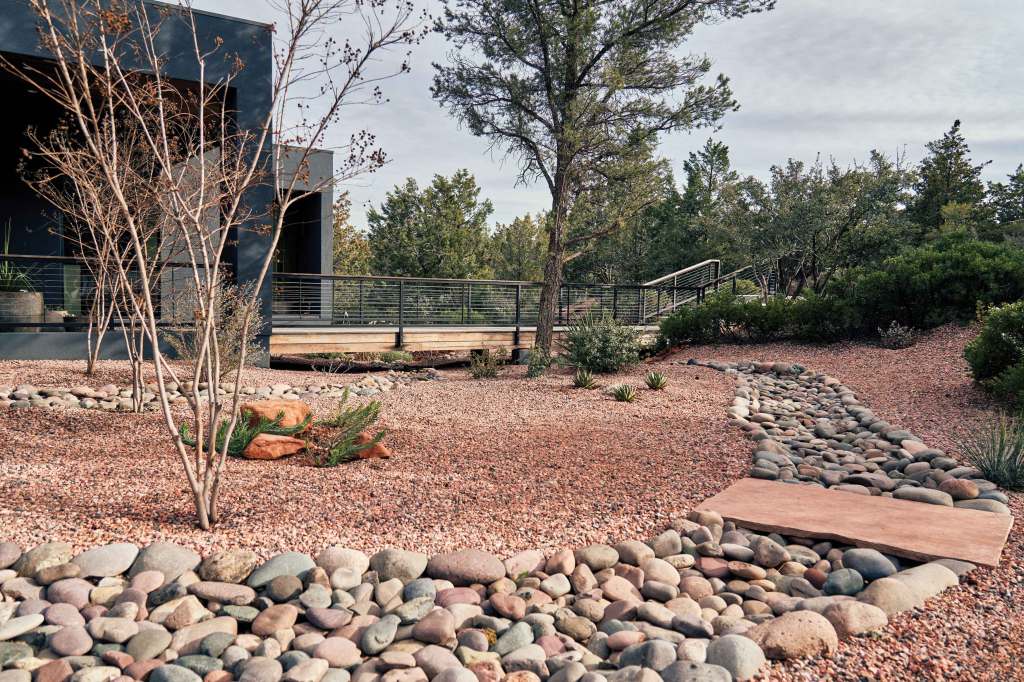
Before buying another plant, take a lap around the garden. Better yet, watch what happens during the next rain. Where does water collect? Does runoff race down a slope, pool beside the house, or spill out of an overflowing gutter? These are the trouble spots to address first.
Clear leaves and debris from gutters, downspouts, and drains, and make sure roof runoff moves safely away from the foundation. If standing water is a recurring problem, consider a longer-term fix, such as correcting the grade or installing a properly designed swale or rain garden. Just don’t redirect runoff onto a neighbor’s property.
Thomas J. Story
2. Put Bare Soil Under Cover
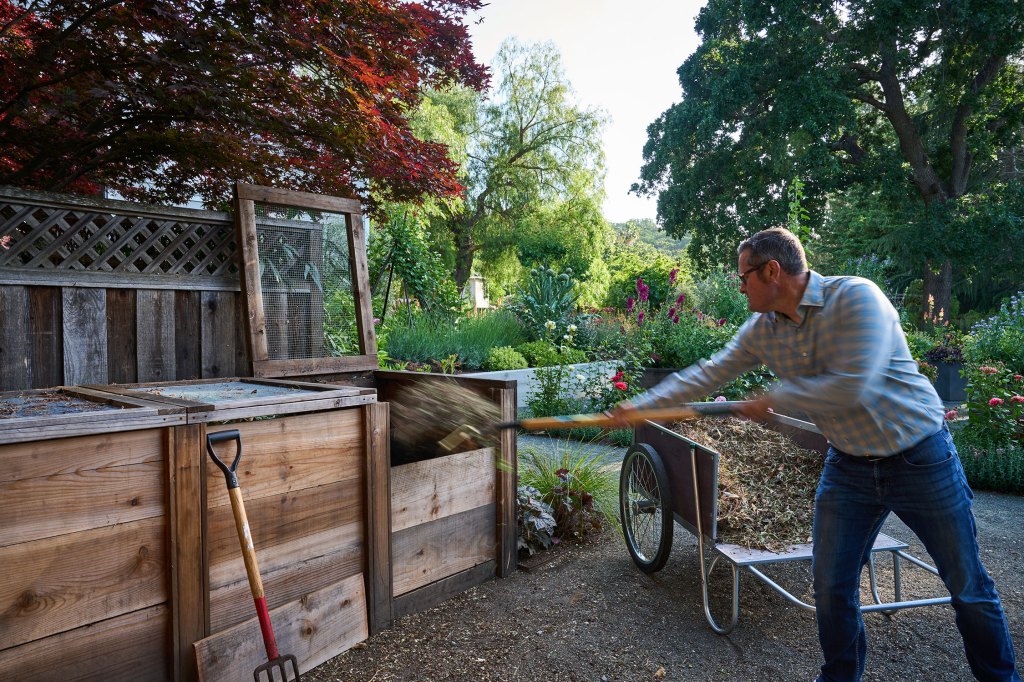
Mulch may not be the most glamorous garden upgrade, but it earns its keep when the rain arrives. Exposed soil is vulnerable to erosion, and a heavy downpour can carry precious topsoil downhill and straight into storm drains. A layer of coarse organic mulch, such as wood chips, helps soften the impact of raindrops, reduces runoff, and protects soil structure.
Aim for roughly two to three inches where appropriate, adjusting for the plants and site. Keep mulch away from tree trunks, stems, and plant crowns, and avoid piling it against bark. On slopes, coarser mulch is less likely to wash away than fine material. Think of it as a protective layer for the garden’s most valuable asset: the soil beneath your feet.
One caveat: If the ground is already saturated, save the digging and spreading for when conditions improve. Wet soil compacts easily, and a well-intentioned afternoon of garden work can do more harm than good.

Thomas J. Story
3. Give Trees and Pots a Checkup
Wind and saturated soil are a challenging combination, particularly for young trees whose roots haven’t had time to establish. Check newly planted trees for stability, and inspect existing stakes and ties. A tree that stands securely on its own generally doesn’t need staking; if support is necessary, use flexible ties that allow some trunk movement rather than cinching it in place.
Look for broken branches, visible cracks, or a new lean in a mature tree. If you spot structural concerns, call a qualified arborist rather than reaching for the pruning saw.
Container gardens need attention, too. Make sure drainage holes are clear, empty standing water from saucers, and move top-heavy or vulnerable pots to a sheltered spot before high winds arrive. A pot that looks perfectly happy on a sunny patio can become a tipping hazard in a storm.
Thomas J. Story
4. Plant for Both Extremes
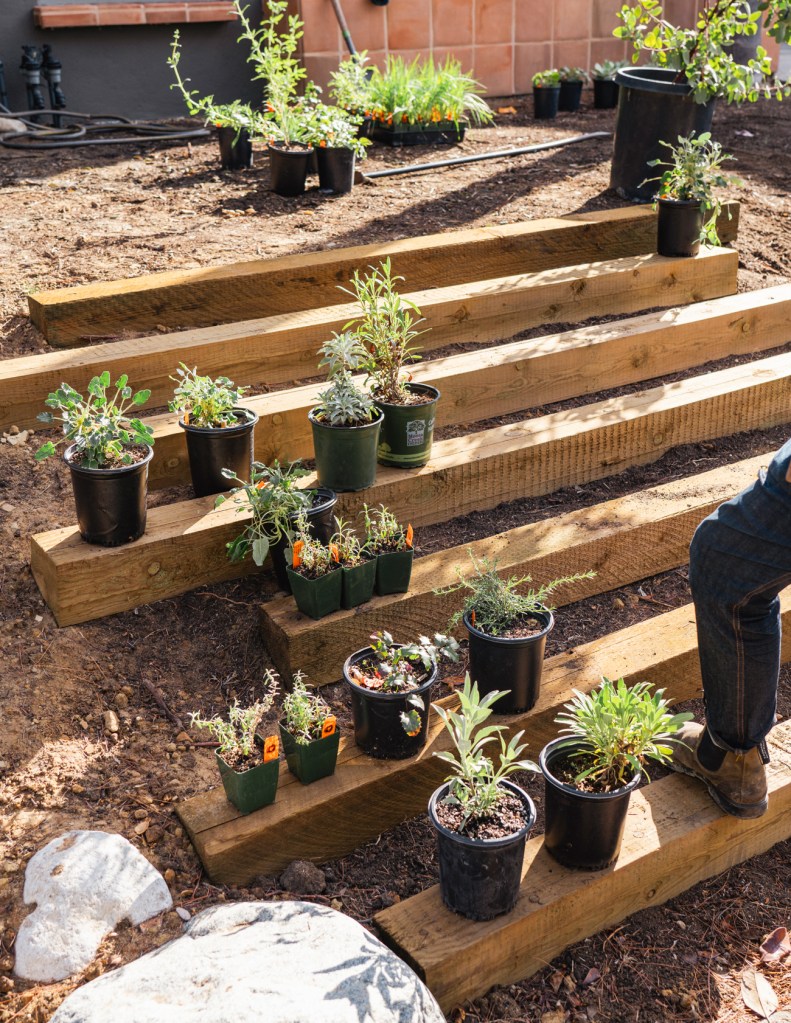
A wetter winter isn’t a reason to abandon your drought-wise garden. In the West, the real design challenge is creating a landscape that can handle seasonal downpours and summer dry spells. That starts with matching plants to the conditions you actually have, not the conditions you wish you had.
For areas that receive seasonal moisture, regionally appropriate sedges, rushes, and deep-rooted grasses may help hold soil in place, provided the site’s drainage and growing conditions suit them. Remember, drought-tolerant doesn’t automatically mean tolerant of waterlogged roots. Even California natives have their preferences.
If you have a persistent runoff problem, a rain garden or swale may offer a more elegant solution than another patch of thirsty lawn. These features can slow water, spread it across an appropriate area, and encourage infiltration. Site conditions matter, though, and drainage near foundations or on steep slopes may require professional advice. Plant before the storms when conditions allow, and give new plantings time to establish.

Thomas J. Story
5. Know When to Leave It Alone
After a storm, the garden may look a little worse for wear. Resist the urge to fix everything at once. Skip irrigation until you’ve checked soil moisture, and stay out of saturated beds until the ground is workable. Avoid fertilizing plants simply because they look stressed; extra nutrients won’t repair roots damaged by waterlogged soil.
Instead, take a few photographs while the evidence is fresh. Note where water pooled, which areas eroded, and whether any trees shifted. Those observations will help you address underlying problems when the weather clears.
The best winter prep isn’t about predicting every storm. It’s about giving water somewhere sensible to go, protecting the soil, and building a garden resilient enough to weather the season. If the rain comes, you’ll be ready. If it doesn’t, your garden will still be better for it.