
How to Create Wildfire-Wise Landscaping That Doesn’t Look Like a Parking Lot
Thoughtful planning, resilient plants, and beautiful design can create a garden that’s both fire-wise and deeply restorative.
Art Grey
A decomposed granite path winds beneath the dappled canopy of a coast live oak. Native grasses sway alongside sculptural agaves, while stone terraces step naturally into the hillside, creating quiet places to pause without overwhelming the landscape. These are the kinds of restorative, site-specific gardens Los Angeles designer Nicholas Walker of Campion Walker has spent more than 25 years creating. Landscapes that embrace the beauty of California while working within its realities.
As wildfire reshapes the West, that balance has never been more important. Insurance requirements, evolving defensible-space guidelines, and longer fire seasons have many homeowners questioning whether lush, layered gardens and fire resilience can still coexist. Walker believes they can. Rather than stripping landscapes down to gravel and sparse planting, he approaches fire-wise design as an exercise in intention: placing every tree, path, shrub, and stone with purpose. “The goal is not to strip the property,” he says. “It is to compose the landscape so beauty, sanctuary, and fire resiliency are working together.” Here, he shares how to create a wildfire-wise garden that still feels lush, layered, and unmistakably Western.
Art Gray
A Fire-Wise Garden Starts Long Before You Buy Plants
Walker’s first piece of advice has surprisingly little to do with plants. “A fire-wise garden begins with appropriate planning, proper plant material, and proper maintenance,” he says. Rather than chasing a mythical list of “fireproof” plants, he encourages homeowners to think of the landscape as a connected system. One where plant placement, circulation, hardscape, irrigation, and the spaces between plants all play a role in how a garden performs during wildfire.
More Videos From Sunset
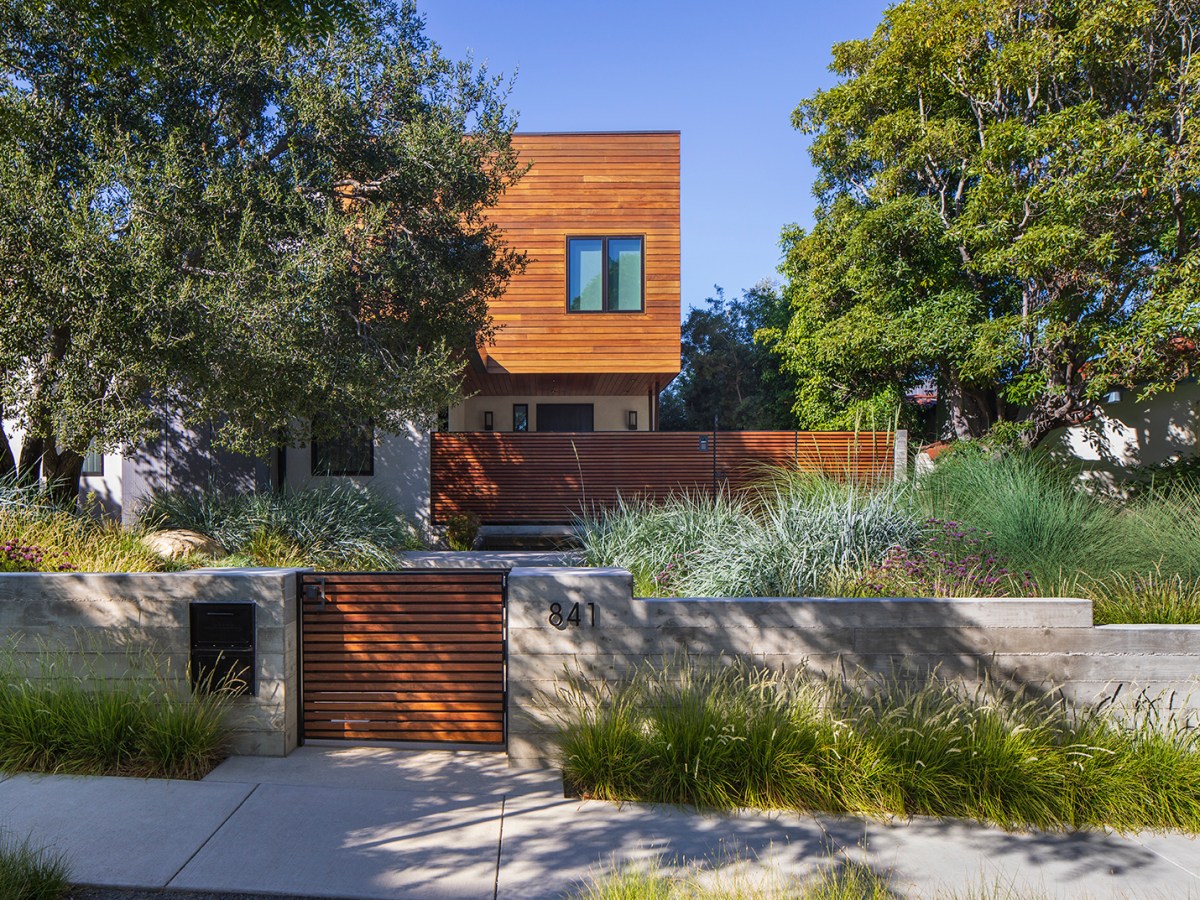
One of the biggest misconceptions, Walker says, is that defensible space means stripping a landscape bare. The goal is not removal, but interruption: breaking up the continuous fuel pathways that allow fire to travel from groundcover to shrubs, trees, and structures. Closest to the home, he often incorporates a subtle noncombustible border of natural stone or cobbles set in decomposed granite—creating a protective transition that feels like part of the design rather than a safety feature added after the fact. “It can be done attractively and incorporated into the overall design,” he says. “Beyond that immediate zone of protection… the landscape can still be lush.”
That lushness, however, comes with responsibility. Regular maintenance (such as removing dead wood, thinning crowded plantings, clearing leaf litter, and keeping irrigation systems functioning) helps reduce risk while preserving the layered, garden-like character that makes a Western landscape feel at home.
© Lauranne Gy Renucci
Listen to the Land Before You Design It
Long before Walker sketches a planting plan, he begins by studying the land itself. Topography, prevailing winds, drainage patterns, seasonal light, existing vegetation, and the relationship between home and habitat all inform the design. “Where water goes down, fire goes up,” he says. A simple observation that shapes everything from circulation and plant placement to where hardscape and defensible space can have the greatest impact.
For Walker, listening to the land also means knowing when not to intervene. Rather than masking every rock outcrop or reshaping natural contours beneath layers of planting, he embraces the character already present in a site. His approach draws from the Japanese concept of wabi-sabi: finding beauty in nature’s imperfections rather than trying to erase them. That same philosophy extends below the surface. Healthy gardens begin with healthy soil, which is why Walker prioritizes soil testing and rebuilding the living ecosystem beneath the landscape before adding plants above it.
Art Gray
Build the Bones Before the Planting
Beautiful gardens don’t begin with a shopping list at the nursery—they begin with structure. “Walkways, gravel pathways, vertical walls, and terraces are the essential bones of a landscape,” Walker says. “They create the backdrop against which the planting is framed.”
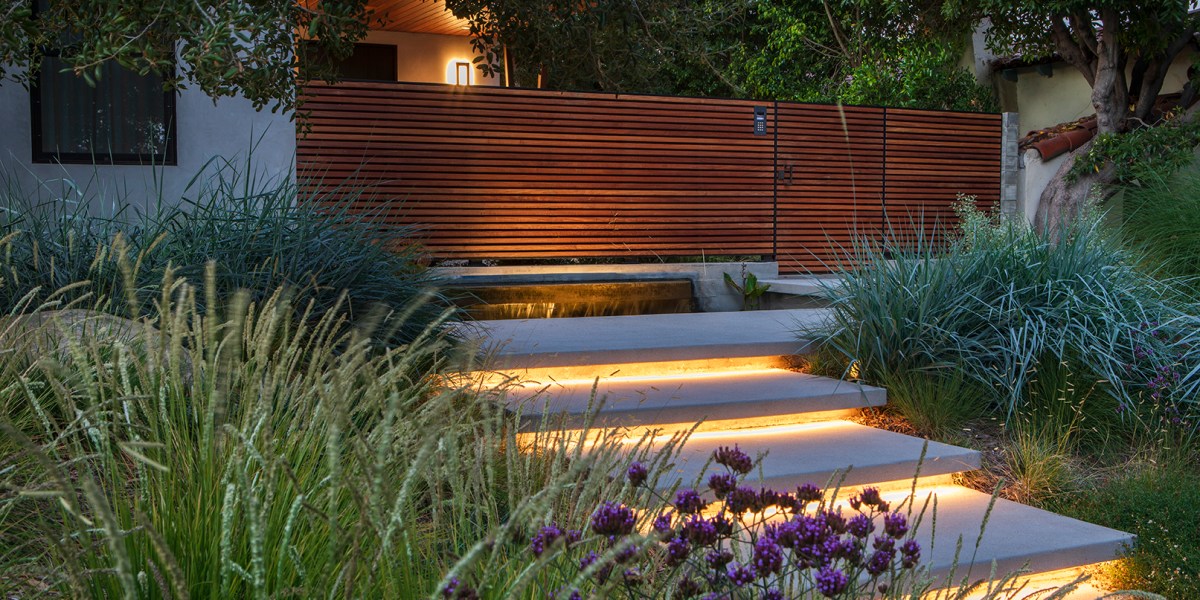
These elements do more than define the garden’s architecture. Stone paths, patios, retaining walls, pools, and seating areas naturally create breaks between planting zones, helping interrupt continuous vegetation while shaping how people move through the landscape. Instead of feeling like fire-wise requirements, they become outdoor rooms—places to gather, wander, and pause.
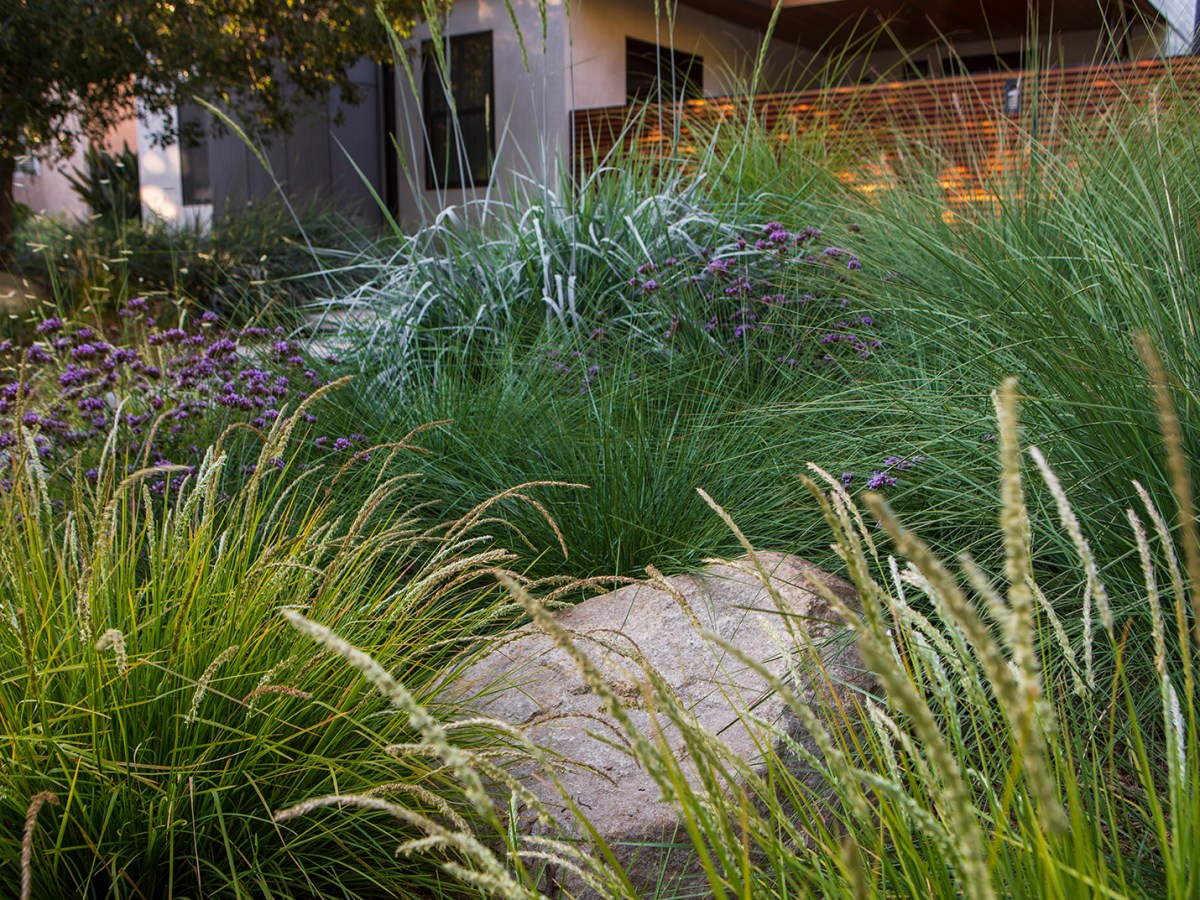
Walker favors natural stone, decomposed granite, and permeable materials that feel timeless underfoot while allowing rainwater to return to the soil. Water features, from a simple bubbling boulder to a reflecting basin, add another layer of sensory richness—bringing movement, attracting birds and pollinators, and reinforcing the feeling of sanctuary that defines a thoughtfully designed Western garden.
Art Gray
Think Like Nature, Not a Hedge Trimmer
One of the biggest misconceptions about fire-wise landscaping is that resilient gardens have to feel sparse. Walker believes the opposite: The most successful landscapes are not defined by what is removed, but by how thoughtfully everything is placed.
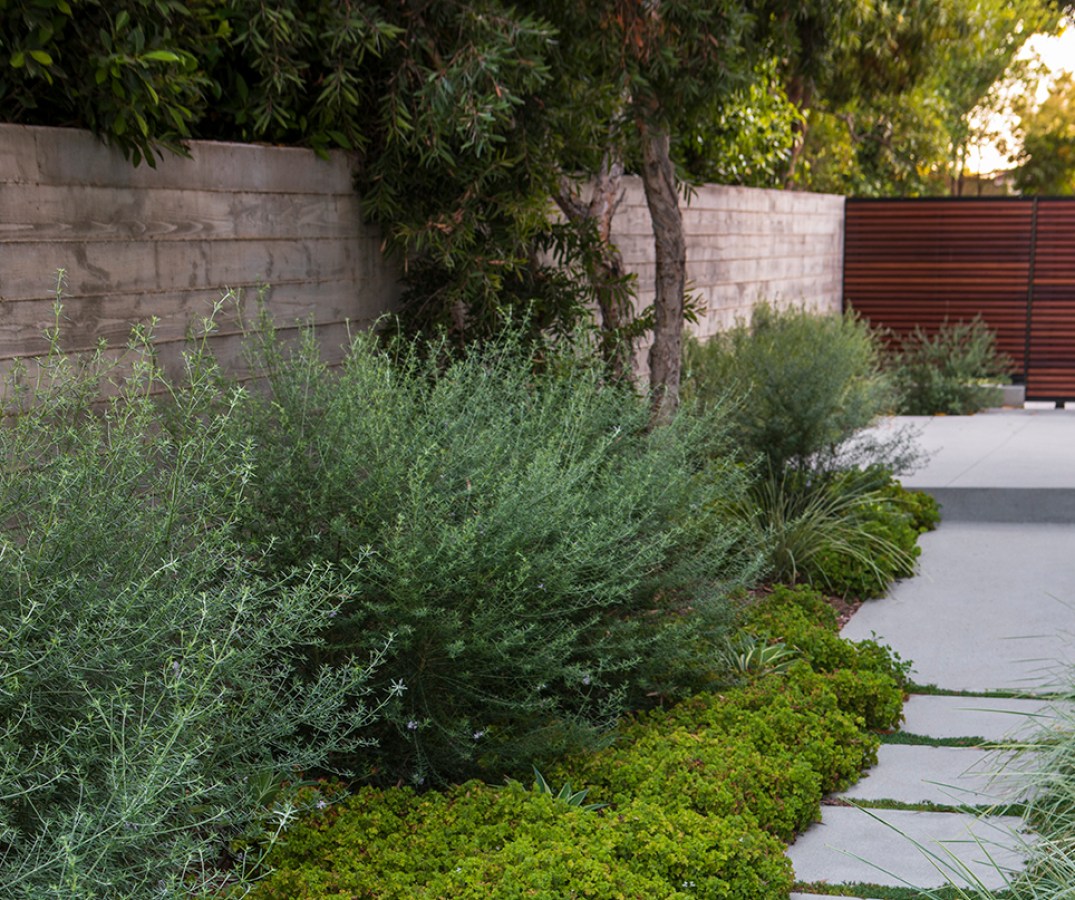
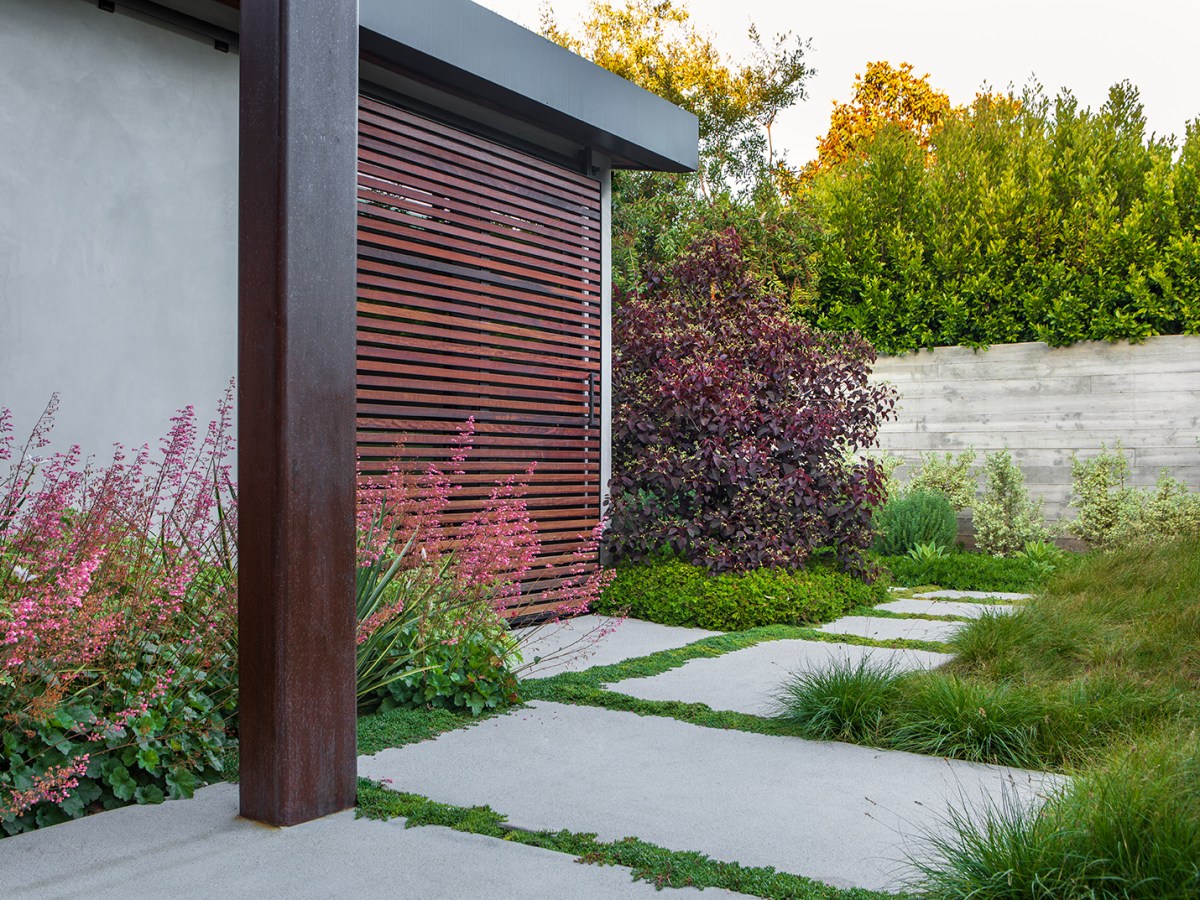
Rather than packing foundation plantings tightly against the home, he creates layered drifts of compatible species with intentional moments of open space. “Void, or empty space, is as important as filling up a space,” Walker says. “The intimacy comes from the relationship among the plants, the spaces between them, and the way the garden unfolds.”
A carefully edited palette of native grasses, flowering perennials, sculptural shrubs, and thoughtfully placed trees creates a landscape that feels immersive without becoming a continuous mass of fuel. Beneath it all, healthy, regenerative soil helps plant communities thrive with less water, fewer inputs, and greater resilience over time.
Art Gray
Choose Plants for How They Behave
There’s no such thing as a fireproof plant. Instead, Walker evaluates plants by how they perform over time—their moisture content, growth habit, mature size, maintenance needs, and the amount of dry litter they produce. “It’s all about plant choice, placement, and maintenance,” he says.
California natives remain foundational to many of his landscapes, but Walker cautions that native does not automatically mean low-risk. Likewise, succulents are not a universal solution simply because they store water. A resilient garden comes from thoughtful combinations: plants selected for the right place, maintained with intention, and arranged to create balance.
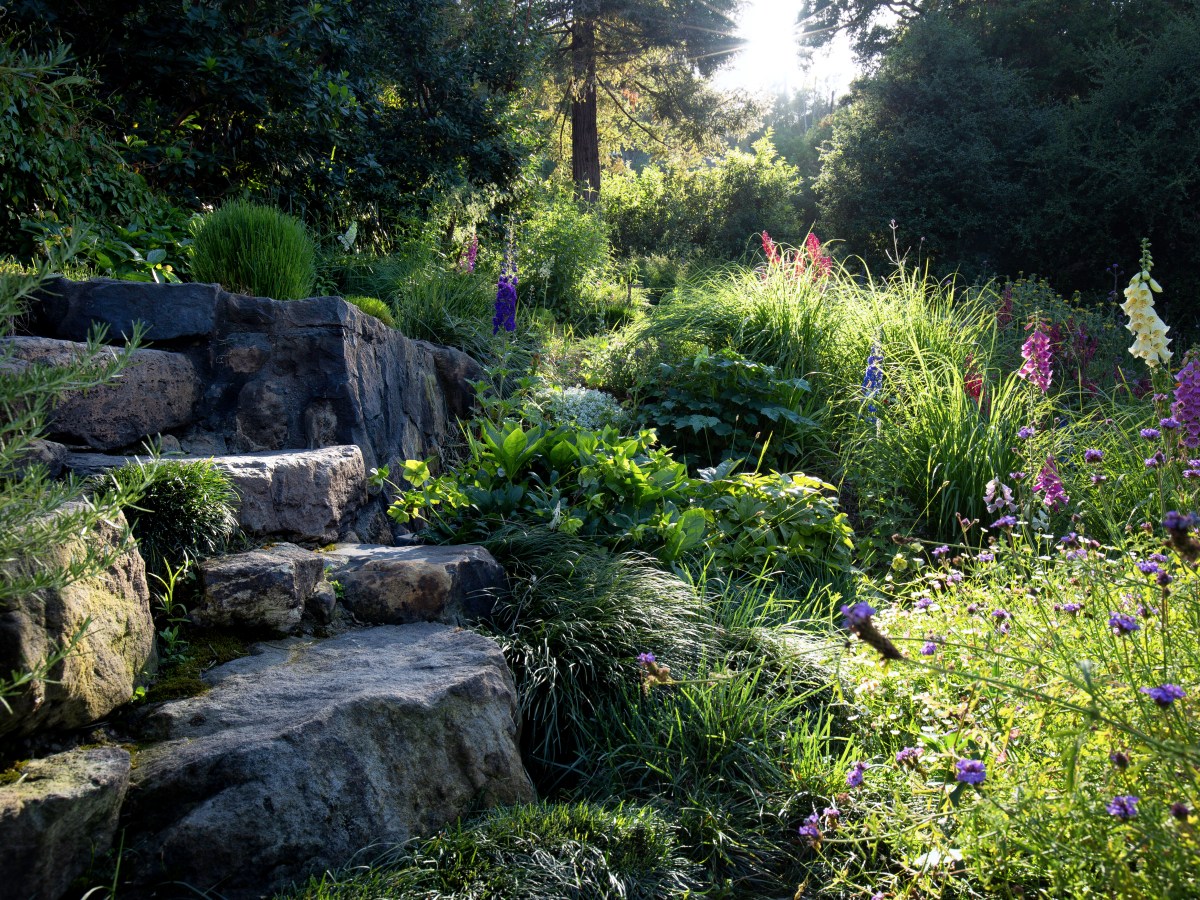
Near the home, Walker often incorporates moisture-rich plants like Dudleyas, agaves, aloes, and Aeoniums for their sculptural qualities and lower combustibility. Beyond that, coast live oaks, Ceanothus, manzanitas, Baccharis, native grasses, and Mediterranean-climate plants create landscapes that feel unmistakably Southern California. “The palette does not have to look like a desert,” Walker says. “With the right combinations, it can feel lush, layered, sophisticated, complex, and deeply connected to Southern California.”
© Lauranne Gy Renucci
Designing a Sanctuary
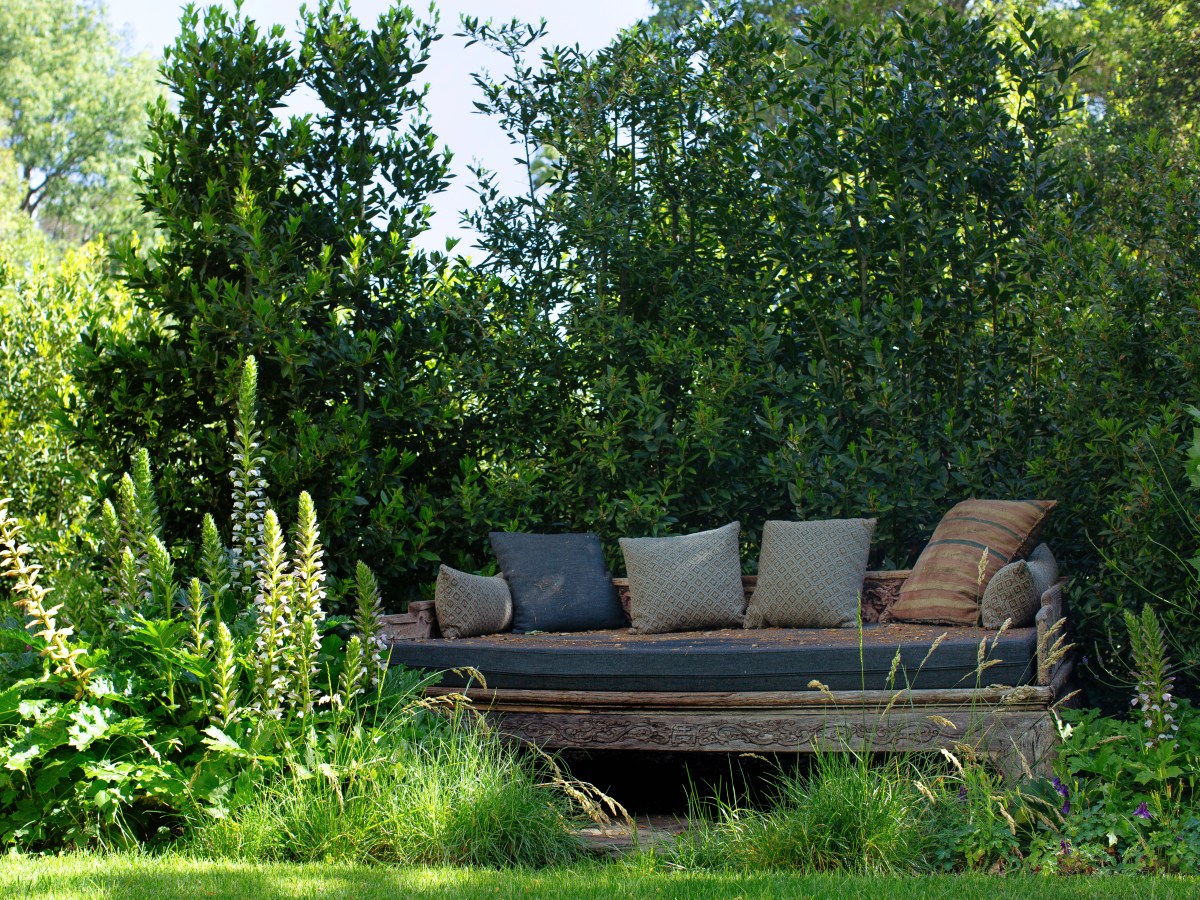
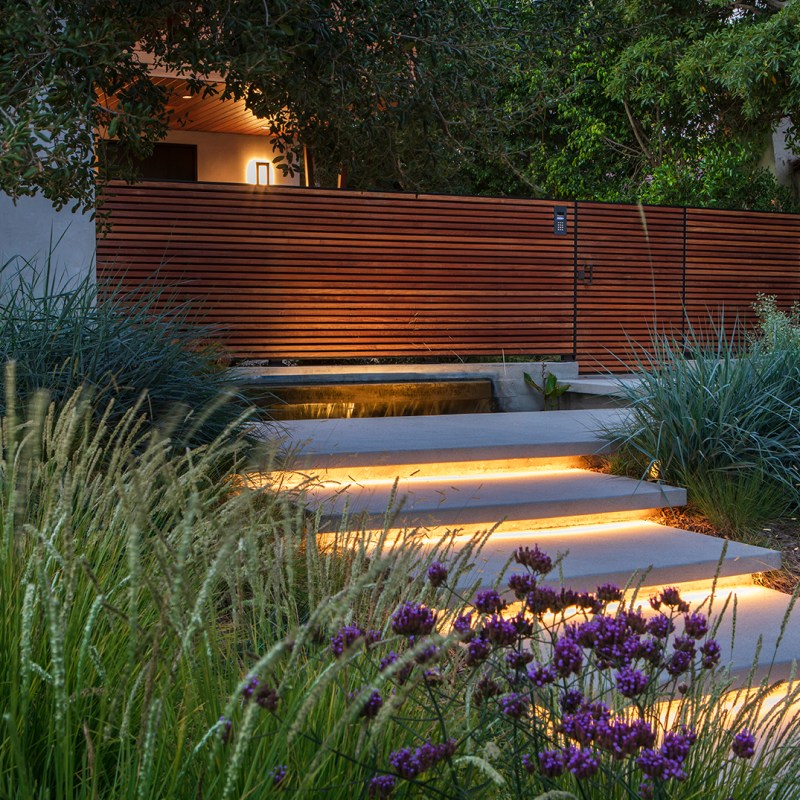
Walker’s projects demonstrate that defensible space isn’t a separate layer added after the design—it’s woven into the landscape from the very beginning. At Princeton Meadow Gardens, a mature coast live oak anchors the property, providing shade, habitat, and a distinctly California sense of place while guiding a restrained, regenerative planting palette. At Canyon Sanctuary, a homeowner’s desire to experience the garden barefoot inspired a tactile landscape of lawn, stone terraces, and thoughtfully choreographed circulation—elements that also serve as natural breaks within the defensible space plan.
In both gardens, the lesson is the same: Fire-wise design is not about removing character; it’s about editing with intention. Every path, planting, and material has a purpose, often serving more than one role. The result is a landscape that feels welcoming, resilient, and deeply connected to the place it inhabits.
Art Gray
Start Here This Weekend
If transforming your entire landscape feels overwhelming, Walker recommends starting with three manageable improvements: Edit what already exists by removing dead wood and overcrowded growth; catch up on deferred maintenance by pruning shrubs and clearing debris; and strengthen noncombustible breaks with stone pathways, decomposed granite, gravel bands, or other hardscape near the home.
Fire-wise gardening, he believes, isn’t rooted in fear but stewardship. A resilient landscape doesn’t ask us to abandon beauty, it asks us to design with greater intention.