Your Favorite Foods Are Having an Identity Crisis—and It’s Actually the Next Biggest Trend
From birria soup dumplings to cinnamon roll focaccia, familiar dishes are getting unexpected makeovers. Here’s why Whole Foods predicts these playful food mashups are here to stay.
Thomas J. Story
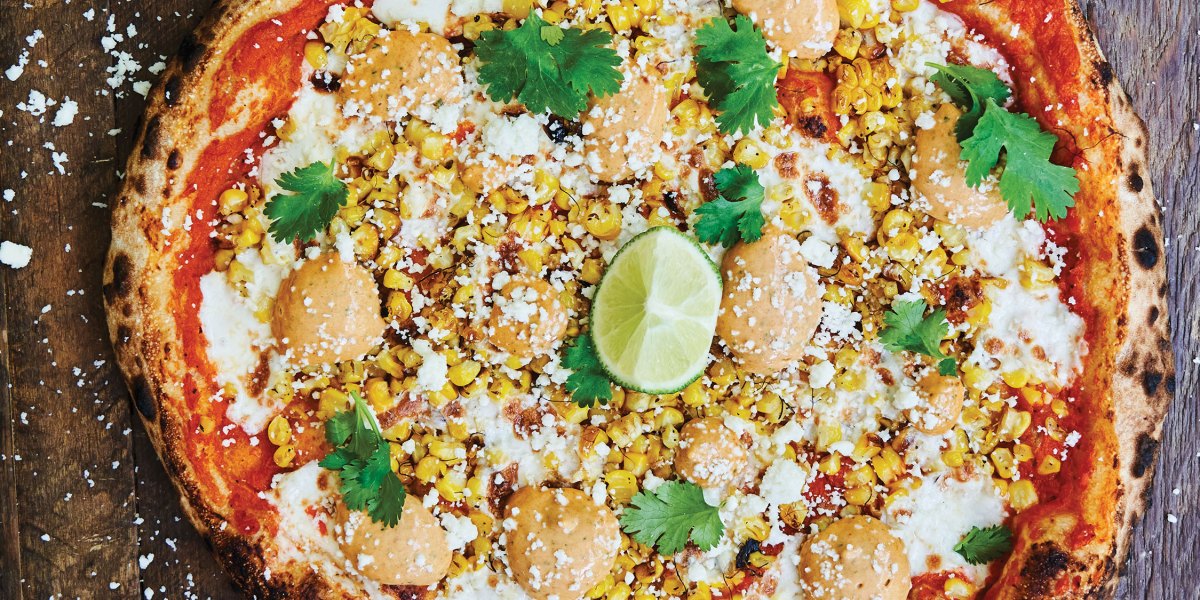
What happens when Buffalo chicken meets lasagna? Or when a classic BLT trades its bread for a scallion pancake? From elote pizza to crab rangoon dip, familiar foods are taking on new identities. And according to Whole Foods Market, these unexpected combinations are only getting started.
In its annual food trend prediction report, released in October, Whole Foods Market identified eight emerging trends expected to influence what we eat, cook, and buy in 2027. One prediction in particular stands out: “Dish Reinvention,” a trend that’s giving familiar favorites unexpected twists.
Behind the predictions is Whole Foods Market’s Trends Council, a team of foragers, buyers, and culinary experts who analyze consumer preferences, emerging products, and industry developments to predict what’s next in food.
But what drives us to combine two familiar foods into something entirely new? As it turns out, there’s more to these mashups than simply going viral.
Brandon Purnell/Getty Images
A Little Nostalgia, a Lot of Reinvention
For Paul Young, Senior R&D Innovation Kitchen Manager for private brands at Whole Foods Market and a member of its Trends Council, the appeal lies in combining comfort with creativity.
“Dish reinvention means taking a dish people already love and serving it in a new form,” Young says. “The flavor is familiar, but the format is a surprise. That mix of nostalgia and novelty is why we think it will last.”
Imagine your favorite dish served in an entirely new format. The flavors are familiar, but the presentation creates a whole new experience. It’s a chance to try something new without stepping too far outside your comfort zone. That craving for familiarity—just with an unexpected twist—is part of a bigger movement across the food industry.
The 2026 What’s Hot Culinary Forecast by the National Restaurant Association—which surveyed almost 300 chefs and industry professionals—identified nostalgia, comfort foods, and globally inspired flavors as major influences on restaurant menus. Comfort foods ranked second and global comfort foods seventh in the association’s top 10 overall trends for 2026.
While these findings don’t directly measure dish reinvention, they reflect a broader appetite for familiar favorites with creative twists. People aren’t turning their backs on the foods they love, but are finding new ways to enjoy them.
LauriPatterson/Getty Images
From Viral Videos to Restaurant Menus
Social media has helped bring attention to unexpected food combinations, but Young says the Trends Council noticed dish reinvention beyond viral recipes.
“We saw it everywhere,” he says. “On social media, people are mashing up their favorite dishes. Restaurants are reworking classics into new formats. Packaged foods have now followed.”
Whole Foods’ report lists Korean BBQ-inspired duck confit as an example of chefs putting surprising spins on familiar foods. The dish combines a French cooking technique with Korean flavors, showcasing how culinary traditions can come together in unique ways.
Such reinventions give restaurants opportunities to revamp familiar menu items while introducing diners to new culinary influences.
“Chefs can get guests excited about a menu without asking them to try unfamiliar flavors,” Young says. “Instead of asking ‘why?’ diners start asking ‘why not?’”
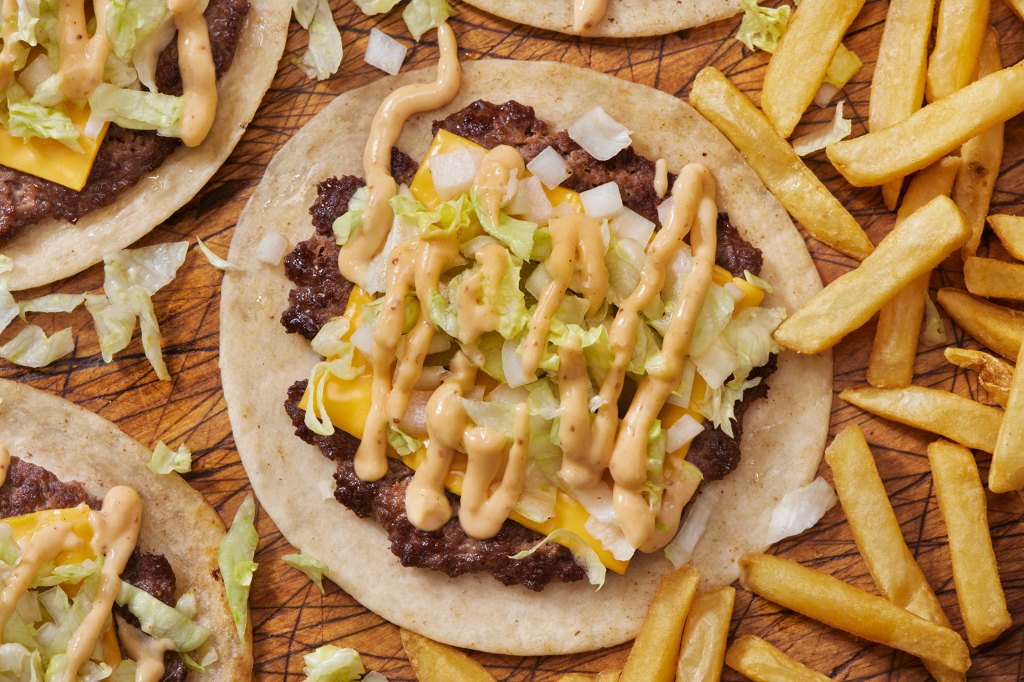
The National Restaurant Association mentions smashed burger tacos in its 2026 food trends analysis, yet another example of a familiar favorite taking on a new life.
Nevertheless, there’s a difference between the creative combination and one that actually tastes good. While an unexpected combination might grab one’s attention, complementary flavors are what keep people coming back.
Your Grocery Cart Is Getting a Makeover, Too
Dish reinvention isn’t restricted to restaurant kitchens. Food manufacturers are experimenting with familiar flavors in unexpected formats.
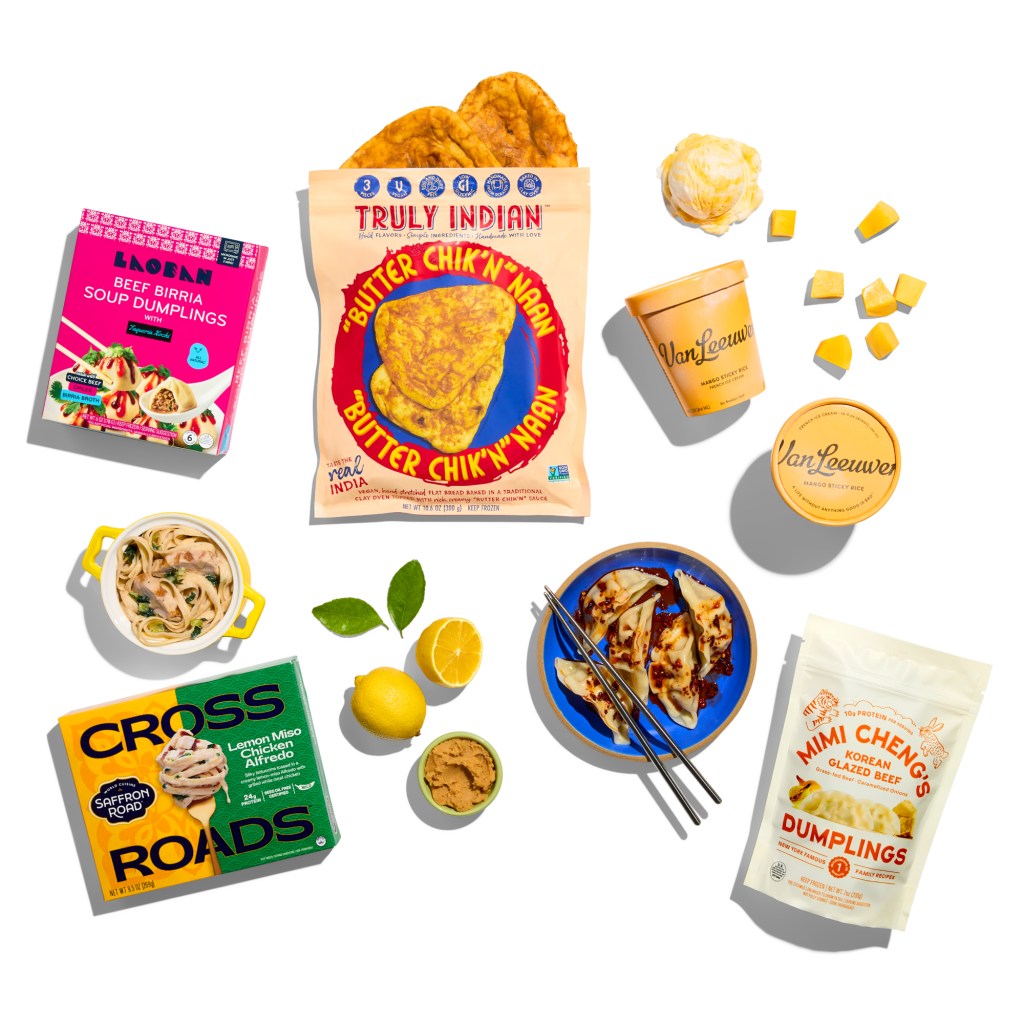
Young mentions Saffron Road’s Lemon Miso Chicken Alfredo, a combination of the Italian-American pasta favorite with Japanese flavors, and Van Leeuwen’s Mango Sticky Rice Ice Cream, inspired by the popular Thai dessert.
Whole Foods Market is embracing the trend through its own prepared foods, bakery, and coffee bar offerings, with more combinations coming out soon.
Courtesy of Whole Foods Market
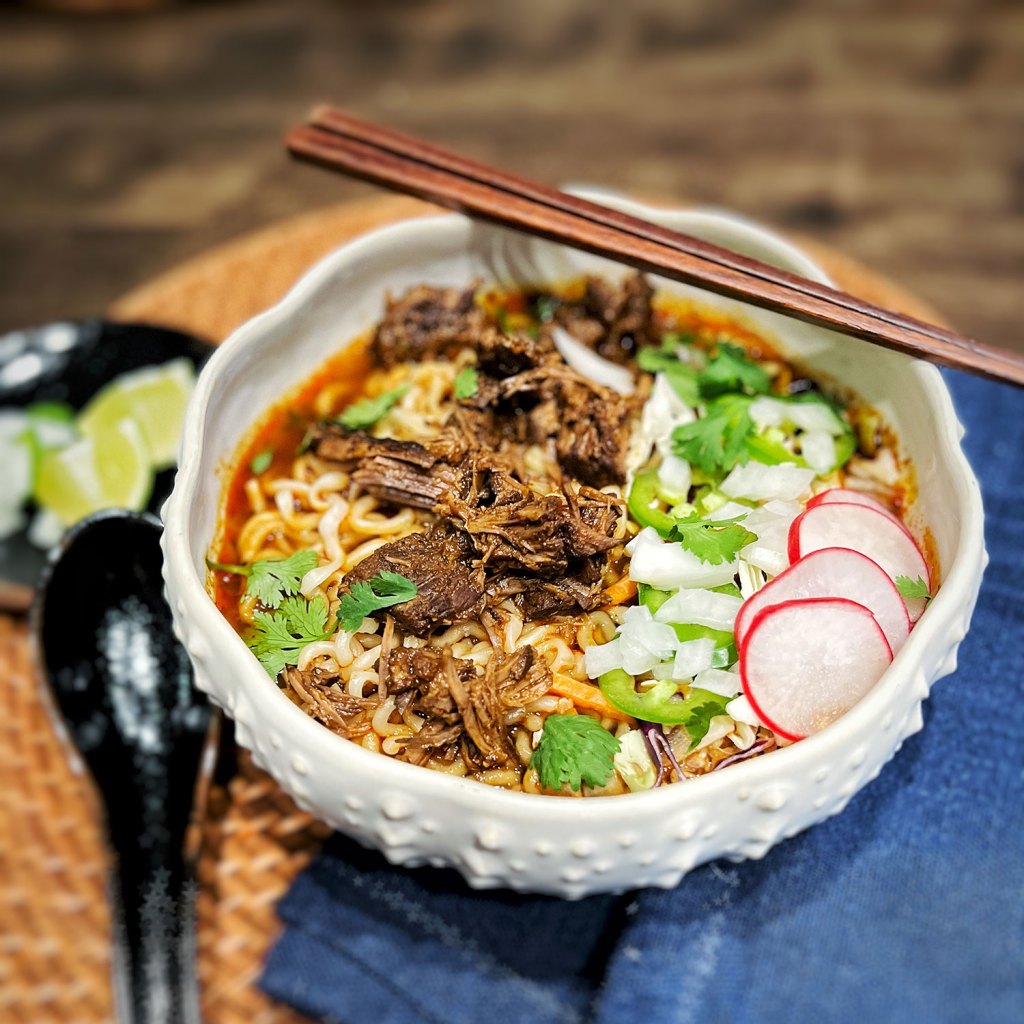
Among its upcoming products are Whole Foods Market Kitchens Zuppa Toscana Take-and-Bake Pizza, Whole Foods Market Kitchens Beef Shawarma Soup, and Laoban Birria Soup Dumplings.
For Young, seeing these combinations across all areas of the food industry is a sign of the trend’s longevity.
“When a trend bubbles up in home kitchens, restaurants, and grocery shelves at the same time, we know it’s real,” he says.
And as these products reach grocery shelves, trying an unexpected combination doesn’t mean visiting a specific restaurant or attempting a viral recipe. It could be as easy as picking up dinner.
Bring the Trend Into Your Kitchen
Being a professional chef isn’t a requirement for dish reinvention. Young believes the trend will inspire people to get creative and make use of ingredients they already have, especially leftovers.
“At home, the trend encourages people to experiment and use up leftovers,” he says. “A takeout favorite can become tomorrow’s pasta night.”
For instance, turn leftover roasted chicken into filling for Taco Tuesday, or yesterday’s vegetables into a breakfast quesadilla. The goal isn’t to make the most ridiculous combination possible. It’s about discovering new uses for familiar ingredients, whether you’re experimenting with leftovers or putting your own spin on a favorite recipe.
And Young expects more opportunities to explore the trend outside the kitchen: “Expect more mash-up products in prepared foods and the frozen aisle.”
Ultimately, dish reinvention is a reminder that sometimes, the most exciting culinary discoveries start with foods we already know.
The Yōshoku Effect: A Different Kind of Reinvention
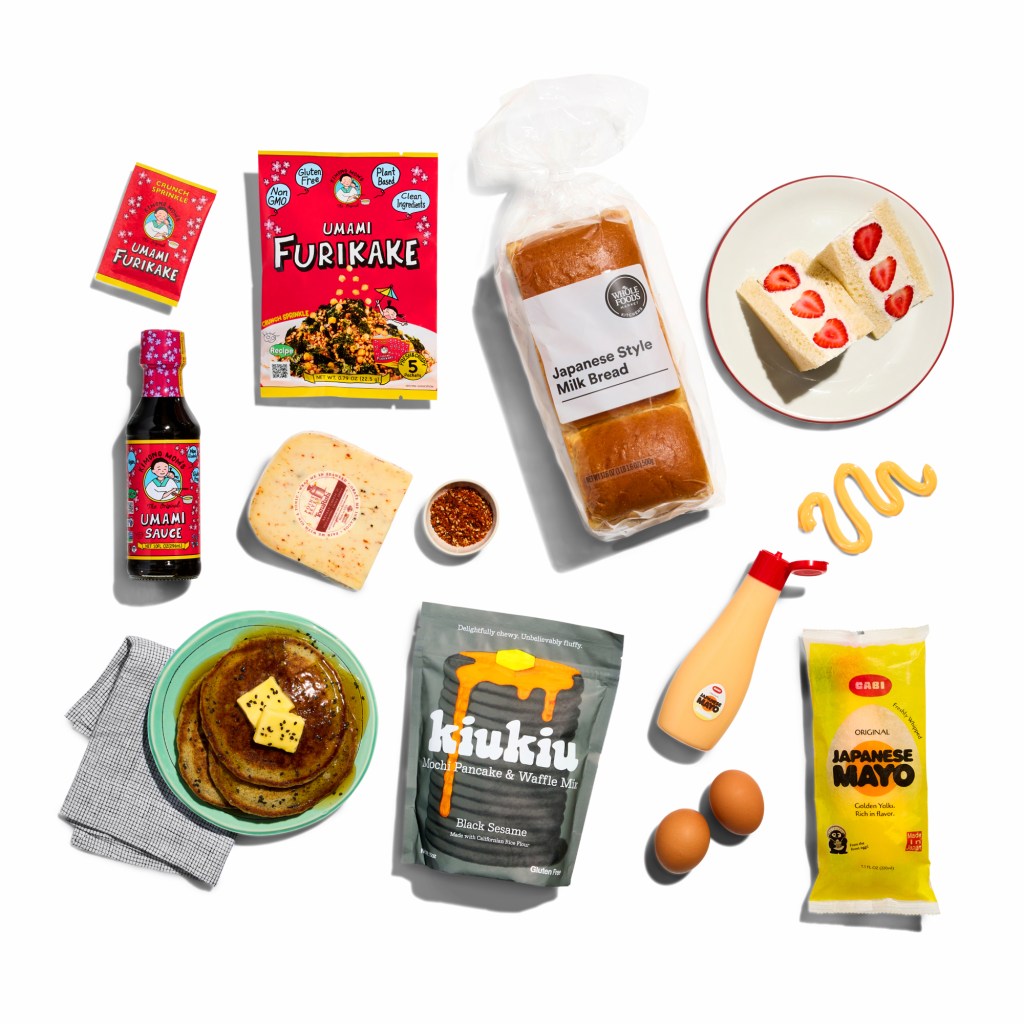
Dish reinvention isn’t the only trend Whole Foods Market anticipates for 2027. “The Yōshoku Effect,” another of their predictions, shares a similar spirit of culinary creativity, highlighting Japanese comfort foods that reinterpret Western dishes using Japanese cooking traditions and ingredients.
Courtesy of Whole Foods Market
Referring to the Japanese adaptation of Western cuisine, yōshoku includes favorites such as hambagu, Japanese curry rice, and tonkatsu. Like dish reinvention, this trend showcases how familiar foods can take on new identities when culinary traditions meet.
“Yōshoku without question,” Young says when asked which other prediction excites him most. “Japanese comfort foods like omurice, katsu sandwiches, and milk bread are taking off, and I don’t see that slowing down.”
Want to know more about what might be on the menu next year? Check out Whole Foods Market’s full list of eight food trend predictions for 2027.
Keep Reading:
The Latest