You’re Storing Leftovers All Wrong. Here’s How Professional Chefs Make Their Meals Last
Extend the lifespan of your favorite holiday dishes with these expert-approved tips.
Yuliya Furman/500px/Getty Images
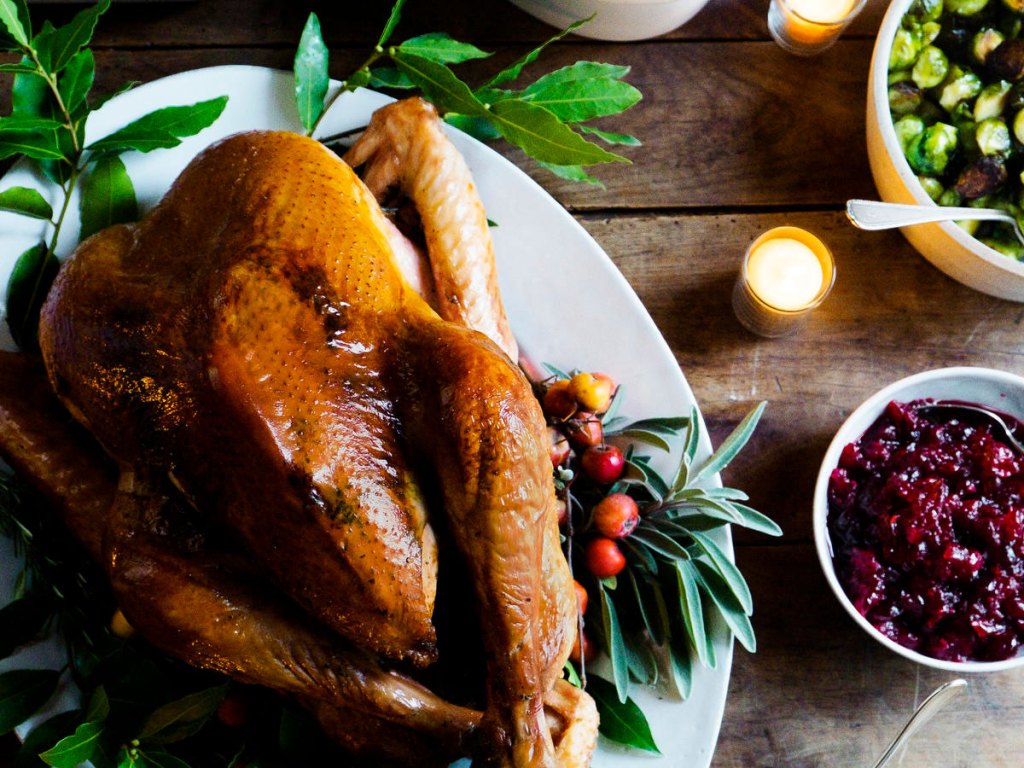
After the pumpkin pie has turned into a pan of crumbs and the last guest leaves, there’s one thing to look forward to after a tryptophan-induced slumber: the leftovers. But what happens when your turkey’s tough and dry and the mac and cheese is more mac than cheese? To determine the best way to preserve your Thanksgiving dinner, plus more everyday dinner staples, we spoke with two West Coast chefs: Josh Hood of Champagne Tiger in Denver, Colorado, and Alex Jackson of RUBYS in Seattle’s historic Pike Place Market.
Below, what you’re getting wrong with meal storage—and how to do it right, just in time for Turkey Day.
Waiting Too Long to Store Your Food
Oftentimes, your worst offense happens before you even break out your storage containers. Jackson says to take action when your food reaches room temperature. “Then get them covered and in the fridge to preserve all that hard work you did!” he advises. “We too often let the meal sit out for many hours while we rest and catch up with guests. Get them consolidated in your storage containers sooner and enjoy better leftovers!”
Thomas J. Story
Switching Containers for Baked Goods
Here’s a shockingly low-maintenance tip from Hood: Don’t give yourself extra work storing dinner rolls and non-perishable pastries you’re planning on eating in the morning. Those can stay in their original brown paper bag. “The paper bag allows some airflow so the pastry won’t get soggy but it also won’t dry out,” he explains.
Putting Everything in Plastic
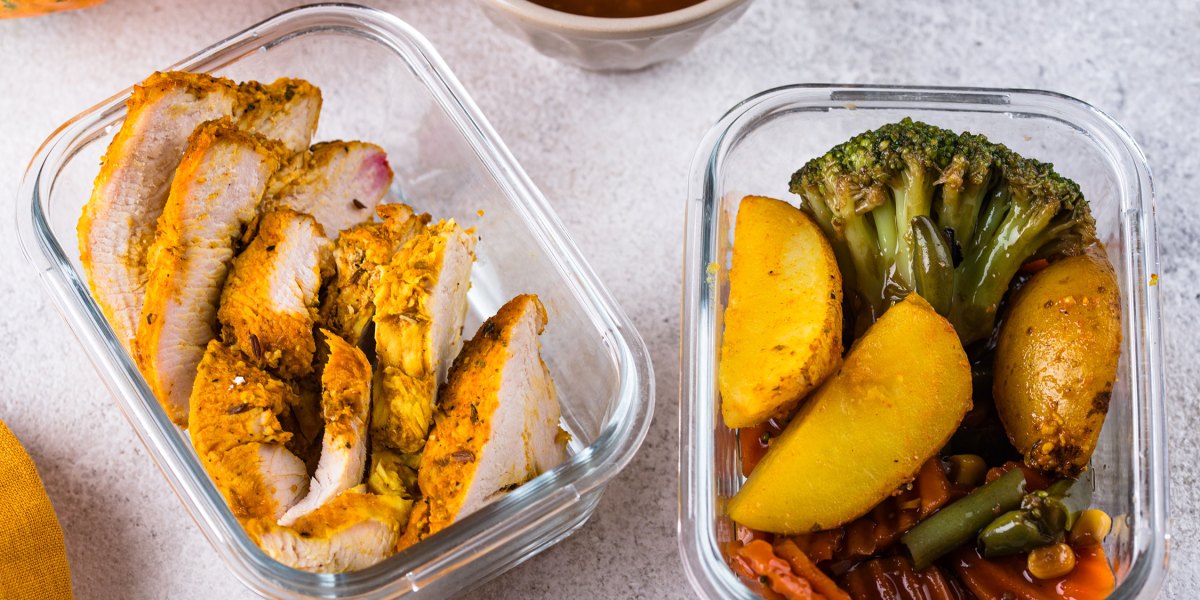
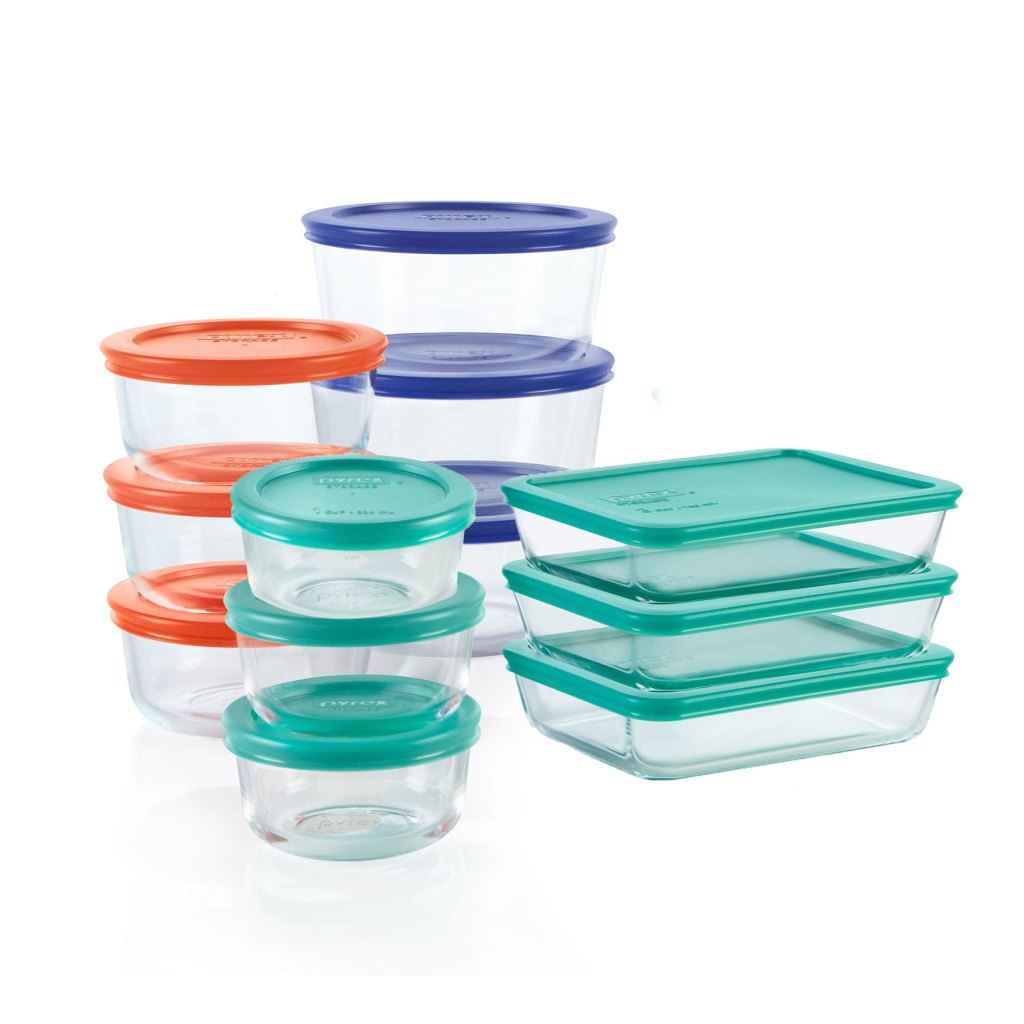
Aside from baked goods bags, you should place everything else in airtight containers. “I avoid flimsy plastic containers in general at home,” Jackson says. “I prefer to use ceramic or oven proof glass dishes for storage with snug fitting lids. Pyrex are my go-to containers, as they are durable and easy to clean.”
Courtesy of Amazon
Storing a Constructed Sandwich
Is there anything more popular than a post-Thanksgiving turkey cranberry sandwich? If that’s on the menu for day two and day three leftovers, Hood says there’s a strategy to preserve the qualities and flavors of your sub ingredients. “I take out all the cold components and store them in a container separate from the parts I want to reheat.”
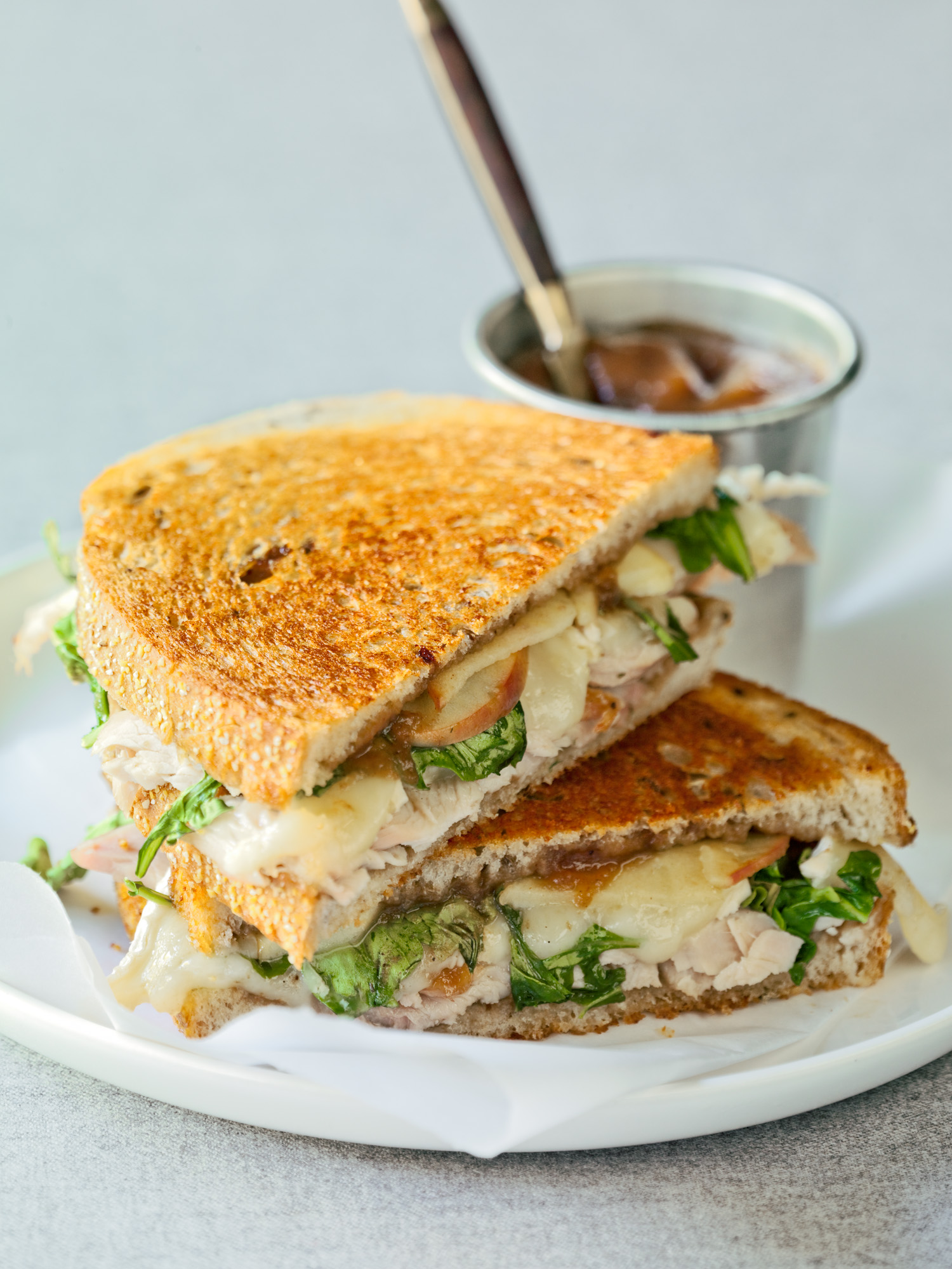
Photo: Thomas J. Story; Styling by: Karen Shinto
Skimping on Pasta Sauce
If your pasta leftovers are dry or lackluster, it’s probably because your sauce ratio is off. “I always store it in the fridge with more sauce than I would originally serve with it,” Hood says. “The cooked pasta will absorb the extra sauce, resulting in a more flavorful second or third meal and it also helps it reheat better. Pasta leftovers can be even more delicious on day two or three.”
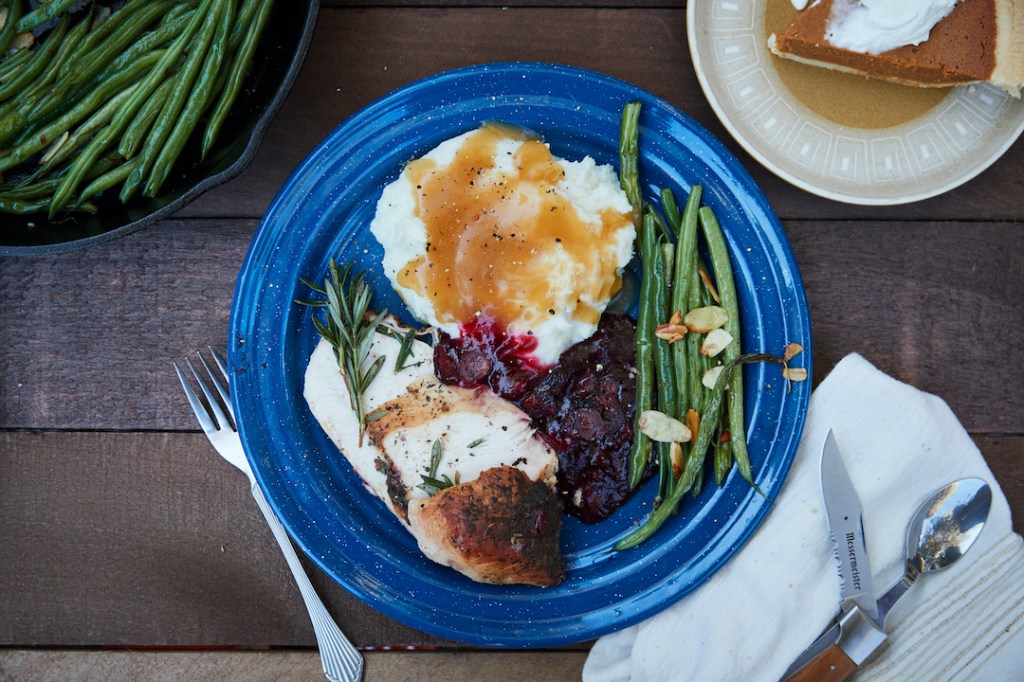
The same rule applies to Thanksgiving goods like stuffing, mac and cheese, and mashed potatoes: “I store these in the fridge with more gravy or sauce,” Hood adds.
Drying Out Your Meat and Herbs
“The fridge is already a dry environment so I wrap any leftover meat tightly in tin foil to keep it from drying out further,” Hood says, adding that herbs like parsley or cilantro tend to dry out even faster if they’re left on the counter. “I chop it finely and keep any unused portions in an airtight container in the fridge. It lasts more than a week and still tastes fresh.”
Thomas J. Story
Reheating in a Rush
If there’s one thing to remember, it’s to slow down the reheating process. To maximize on flavor, here’s Hood’s step-by-step process: “If I’m reheating a sub, I take all the cold stuff out, wrap the sandwich in foil and heat it up gently in the oven at 350 degrees for about 20 minutes. Then, I open the sandwich and heat it for another 10 minutes so things can actually toast, after which I reintroduce my cold components and enjoy. I think taking the time to reheat almost any leftovers in an oven, not a microwave, is crucial for good leftovers.”
The Latest