The Ingredients You Should Always Have on Hand, According to Chefs
Perishable and shelf-stable must-haves for the ultimate “ingredient household.”
cemagraphics/Getty Images
There are fridges stocked with pre-cooked or frozen meals (guilty), and there are others that are part of “ingredient households.” Loaded up with items you can use to whip up a homemade meal, these homes—typically occupied by budding and experienced chefs—have almost everything you need to make almost anything.
“Honestly, I didn’t know there was a term for it,” says George Duran, a chef and entertainer. “According to my wife it’s more like a ‘why-are-there-so-many-ingredients?’ household.”
For Duran and many other chefs all over the country, there are a selection of basic ingredients they keep in their pantry, fridge, or freezer so they can skip a trip to the grocery store.
“To me that’s one of the most useful cooking skills someone can have,” Duran continues. “You stop thinking, ‘I need the ingredient for this recipe,’ and start thinking, ‘What can I make with the ingredients I already have?’” Below, Duran and more professional chefs share what they always have ready to cook at home.
Thomas J. Story
Eggs
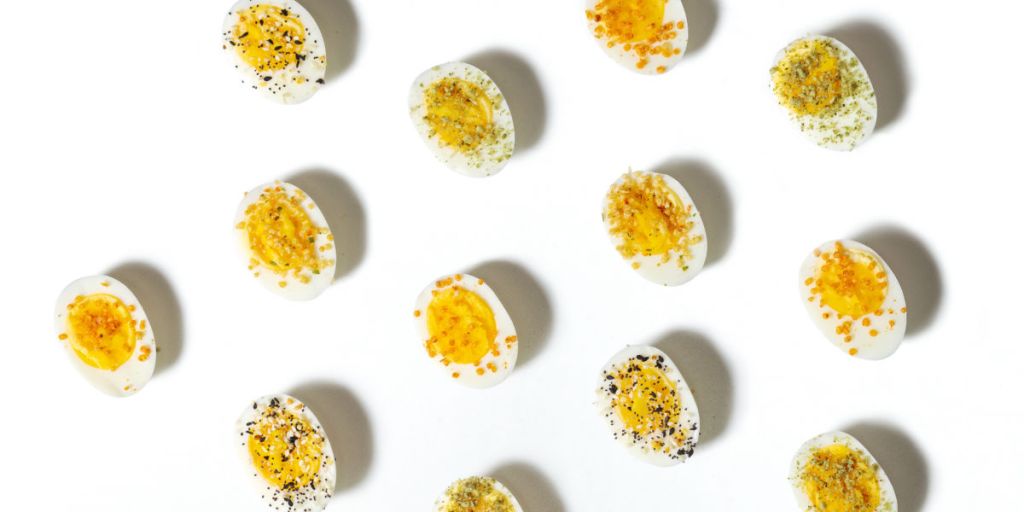
Poached, scrambled, hard-boiled, baked, or whisked into a meal or treat, eggs are universally beloved for a reason. “Eggs are probably the ultimate emergency food as they make an instant breakfast, lunch, dinner and even dessert in a pinch,” says Duran.
We’re partial to the classic scramble, and we’ve found that adding a few tablespoons of skimmed chicken broth can pack in extra flavor. Pair it with fruit and bacon to complete your breakfast (or breakfast for dinner).
Onions and Garlic
Duran says these are his starting lineup for virtually all meals: “If your kitchen smells like onions and garlic cooking in olive oil, people already assume you know what you’re doing.”
Parmigiano Reggiano
These are stars of our lemon-rosemary roasted onions and garlic recipe, which are best served with turkey and potatoes. Thanksgiving leftovers with a twist! Several chefs wax poetic about parm, but Michele Casadi Massari says to remember one thing: the rind. “The rind is not waste,” says the chef-owner of Lucciola NYC. “It goes into broth, soups, [and] beans. It’s where much of the flavor of the wheel is concentrated.”
Balsamic Vinegar
Massari warns that you shouldn’t confuse three different types of balsamic: traditional balsamic, IGP (short for Indicazione Geografica Protetta, or Protected Geographical Indication), and condimento. “A few drops of the right one changes a dish,” he says. For a dense, unsweetened alternative to balsamic glaze, try this IGP option. And to finish a meal, Massari prefers this white balsamic, which he says works well with risotto, raw and cooked vegetables, fish, crudo, and even as an acidic swap for lemon or rice vinegar.
Thomas J. Story
Lemons
Speaking of acid, Duran ascertains that lemons and vinegar are important, especially for amateurs. “Home cooks tend to think a dish needs more salt when what it actually needs is more acid,” he says. “A squeeze of lemon can wake up an entire meal!”
Fennel
Calling it remarkably versatile, Michelin-starred chef and owner of Le Sixth Philippe Orrico says you should always have some fennel in the fridge. “Depending on how you prepare it—whether raw, roasted, braised, or grilled—its character completely transforms, offering everything from a clean, crisp crunch to an intense, comforting warmth.”
Orrico encourages us to finely slice it, and combine with olive oil, dill, lemon, and white pepper. If you have any left over, pan-fry it and serve with grilled fish. “It will be amazing,” he says.
Iain Bagwell
Pasta and Rice
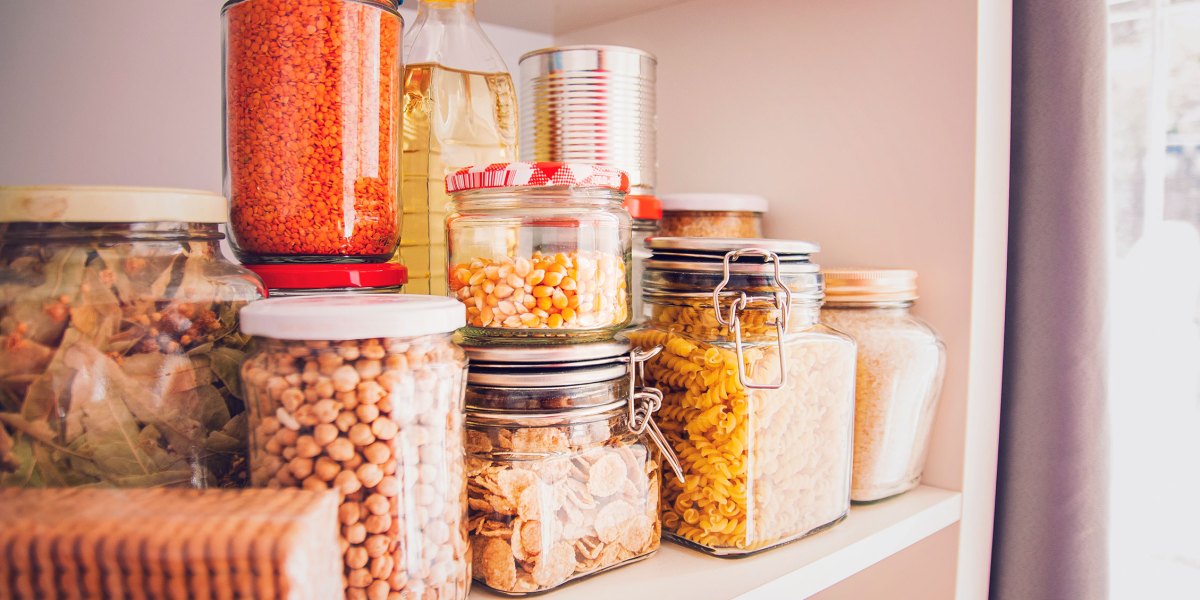
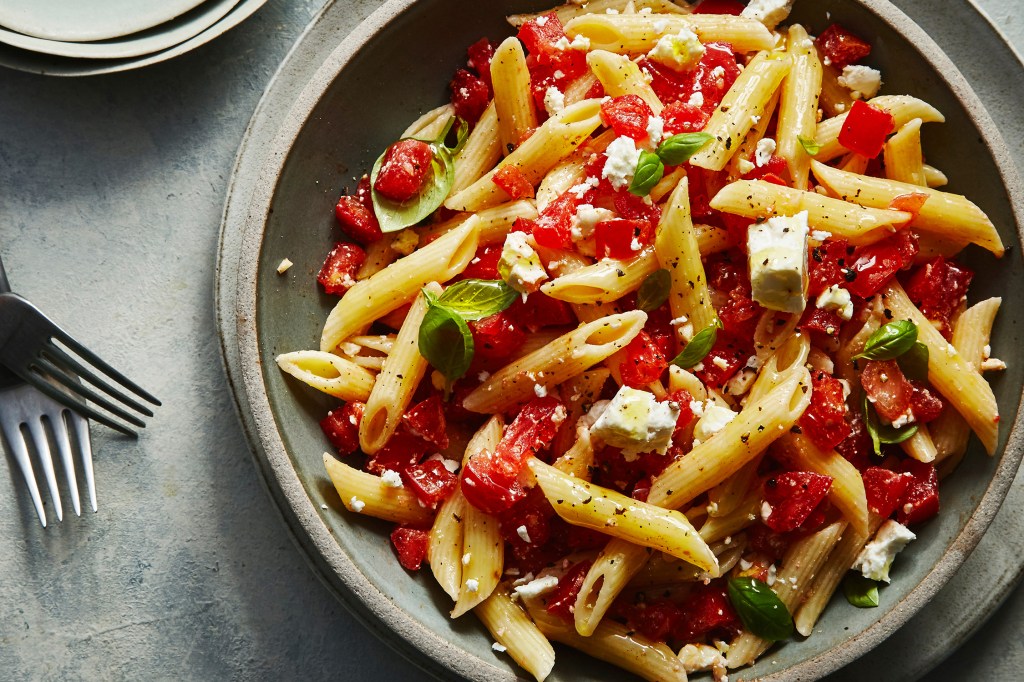
“Pasta and rice are your blank canvases,” says Duran. “They turn whatever random things are hanging around the fridge into an actual dinner.” If you need a bit more direction, we’ve curated a definitive list of our team’s go-to pasta dishes. And if you’re looking for a specific dry pasta recommendation, Massari recommends bronze-die dried pasta, in particular.
Extra Virgin Olive Oil
Affectionately called EVOO, this pantry staple is a must for Massari as a finishing tool versus cooking oil. “Buy it close to harvest and use it within the year,” he advises. “Olive oil is fresh produce, not a shelf item.”
Dried Spices and Salt
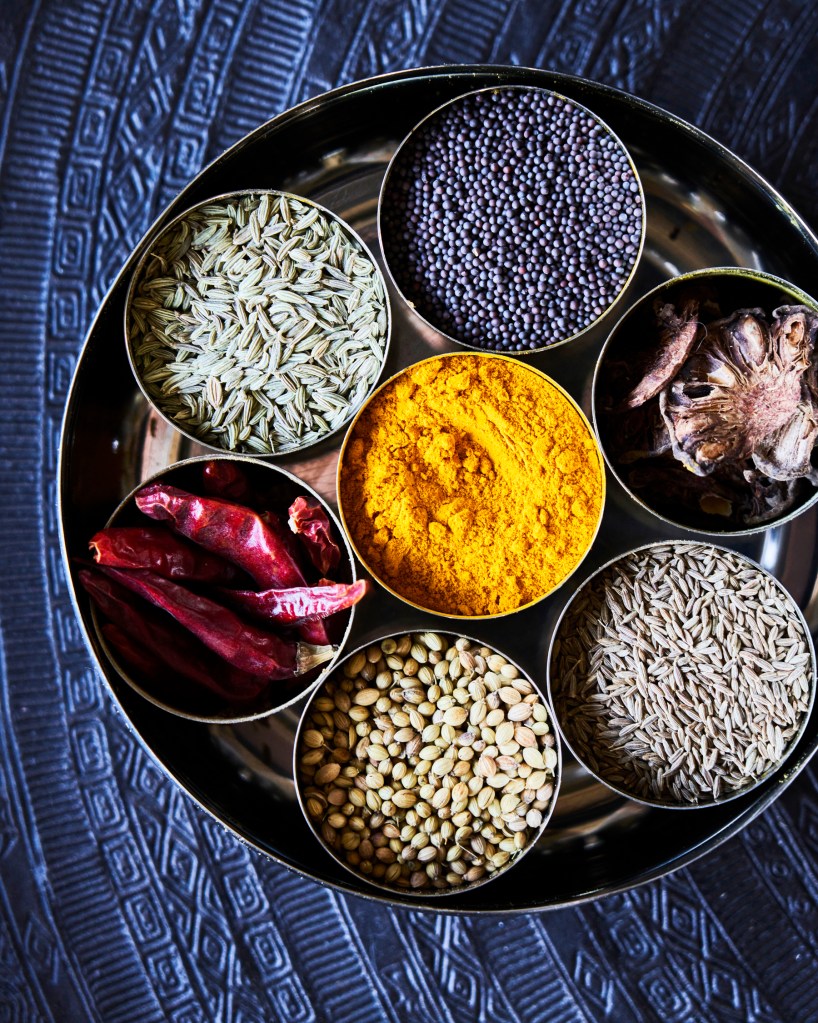
Chef Michael Bryant of Decant, a farm-to-table restaurant in Medford, Oregon, says these are his favorite ingredients. “One could do so much and explore different cultures to transport themselves into an immersive dining experience by utilizing salts and spices from different regions,” he says.
Thomas J. Story
“Flavor Boosters”
Duran’s lineup also features dijon and soy sauce, which he refers to as “flavor boosters.” “They can turn any bland meal into a work of art,” he says.
Frozen Essentials
If you’re overwhelmed by the perishables mentioned above, focus on the freezer. “Your freezer is one of your best friends for keeping ingredients on hand,” Duran says, sharing that he stores anything from frozen garlic and ginger to chicken stock in there. “As long as you have the space, you can turn your freezer into an ingredient-mecca and be ready for almost any recipe.”