The Unexpected Pantry Essentials Chefs Always Have on Hand
Add these to your grocery list.
cemagraphics/Getty Images
Take a peek inside the average person’s pantry and you’ll probably see the usual suspects of perishables: Olive oil, rice, canned beans, and maybe a bag of sugar. But if you ever wander into a professional chef’s home kitchen, you might be in for a surprise. As people who create mouth-watering, and often magical, meals for a living, professional chefs spend a lot of time thinking about what goes into each dish. So why settle for the basics?
There will always be a time and place for the basics, but many chefs think outside of the box and stock their pantries with off-the-cuff ingredients. “Having versatile pantry items is the best,” says Chef Kari Shaughnessy of Hayward in Carlton, Oregon. “They have a way of turning the most straightforward meal into something special.”
With their permission, we peeked inside a few West Coast chefs’ kitchens to see the unassuming items they always have on hand. Though their must-haves range from less-predictable pepper to unexpected canned goods, they all manage to elevate everyday dishes. Translation: You’re just a supermarket trip away from turning your basic recipes into chef-approved cuisine.
Togarashi
Brent Hofacker/500px/Getty Images
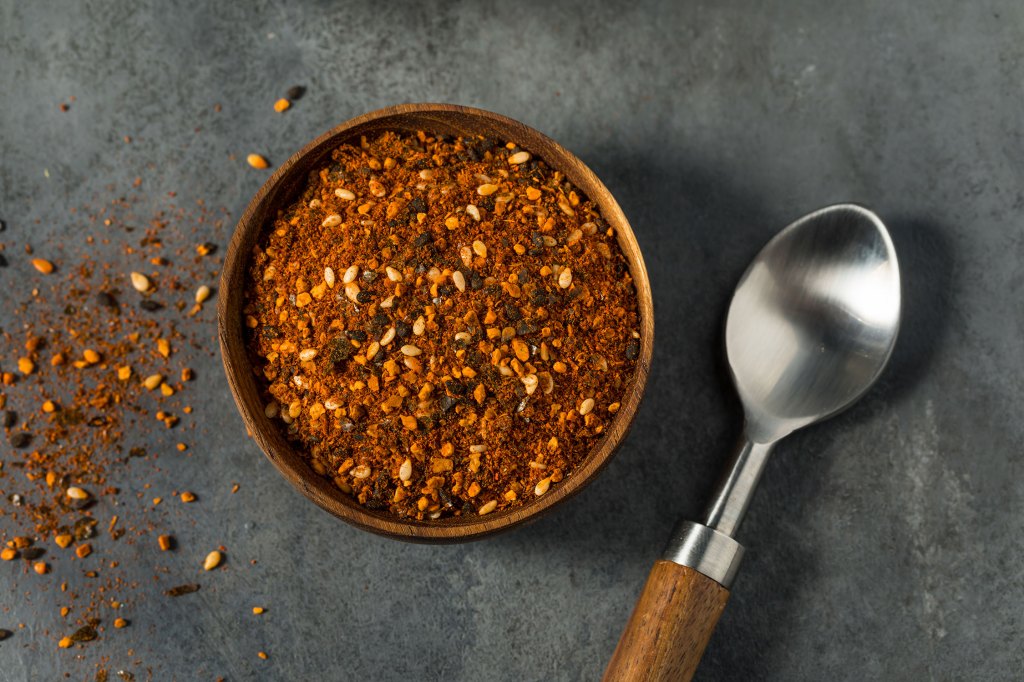
Want to add a kick to your course? Chef Mika Paredes of L’Échelle swears by togarashi, a Japanese spice mix that usually contains a few types of peppers, ground ginger, and poppy seeds, among other elements. While the Portland-based chef loves to add this to his udon during the colder months, he says togarashi can enhance even the most basic bites.
“I don’t get much time away from the restaurant and custard shop, so when I have a Sunday off, I’m all about making breakfast or brunch at home,” Chef Paredes says.“A little togarashi or chili crisp makes even a simple, soft-boiled egg feel special.”
If you can’t find togarashi at your local grocery store, he also recommends S&B Umami Topping Crunchy Garlic. “I usually have three or four bottles of La Yu chili oil around,” he adds. “The little press-tab bottle lets you add just the right number of drops, and I’m honestly charmed by the design.”
Dolmades

imagebroker/Elena Hramova/Getty Images
“This may be a controversial choice, but canned dolmades were one of my favorite snacks growing up,” says Chef Spencer Horovitz, who is opening California-Jewish eatery Hadeem in San Francisco in 2027. “I’ve recently been finding even more uses for them.” Chef Horovitz says dolmades, especially the ones from Athena, are delicious straight out of the can; however, they can easily be transformed into a sophisticated snack.
“Open a can and lightly broil them before serving with a few thick slices of feta, bake them on the same tray as salmon for an easy weeknight dinner, or nestle them into a pot of simmering tomato sauce,” he suggests.
Preserved Lemons
Lisa Romerein/Getty Images
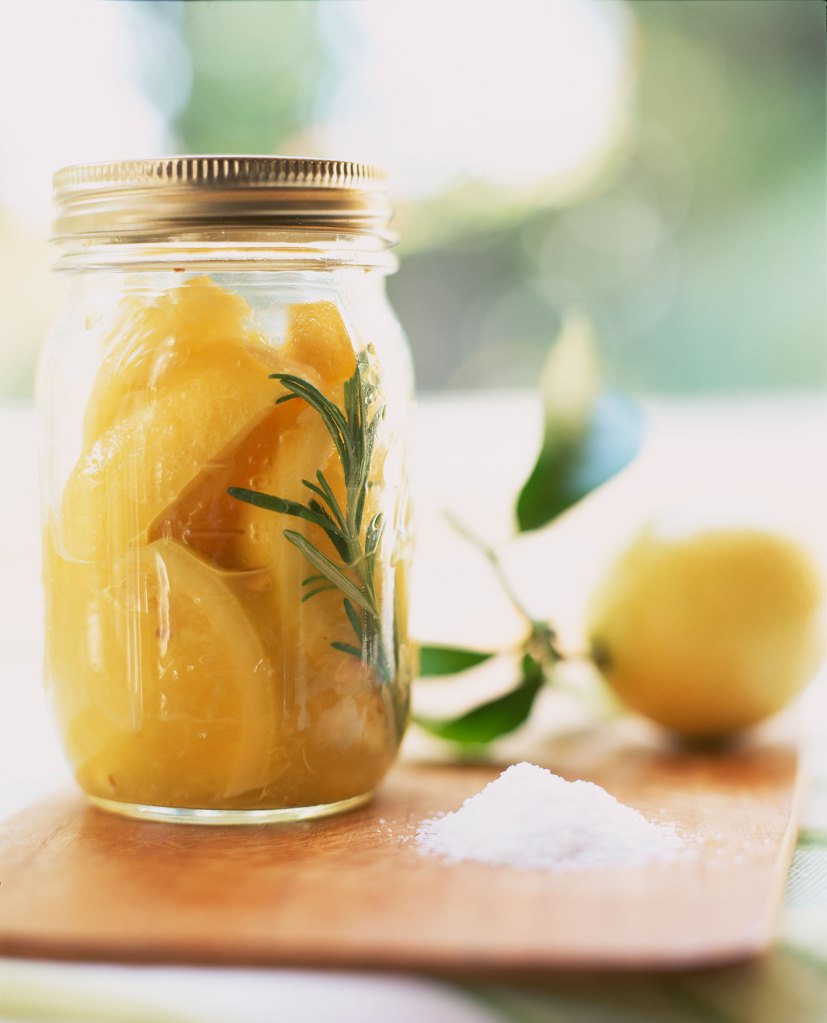
Move over, pickles and olives: The next time you’re in the condiment aisle, grab a jar of preserved lemons. If you ask Chef Paredes, the opportunities are endless. “I like to chop a little into a vinaigrette or add it to beans, vegetables, or even muddled in a tonic water when I want something bright and savory,” he says. Psst… some people even add it to pasta dishes, stews, and whole chickens for a fruity flavor-booster.
Verjus

Courtesy of Amazon
Chef Shaughnessy has never met a bottle of verjus she didn’t like. “We are best friends,” she quips. “It’s a bit of a joke at Hayward how often I use it, but it is that special to me.” In its most basic form, verjus is an unfermented grape juice that kind of tastes like a mild vinegar.
“It provides some acidity, some sweetness, and a little balance to whatever you are making,” she shares. “When I am looking for something with more flavor than water and with a little acidity and sweetness—versus, say, vegetable stock—this is what I grab.”
This ingredient knows no bounds: Chef Shaughnessy uses it on everything from salad dressings, to pastas, to syrups for dessert.
Dried Californian Nori Seaweed
ahirao_photo/Getty Images
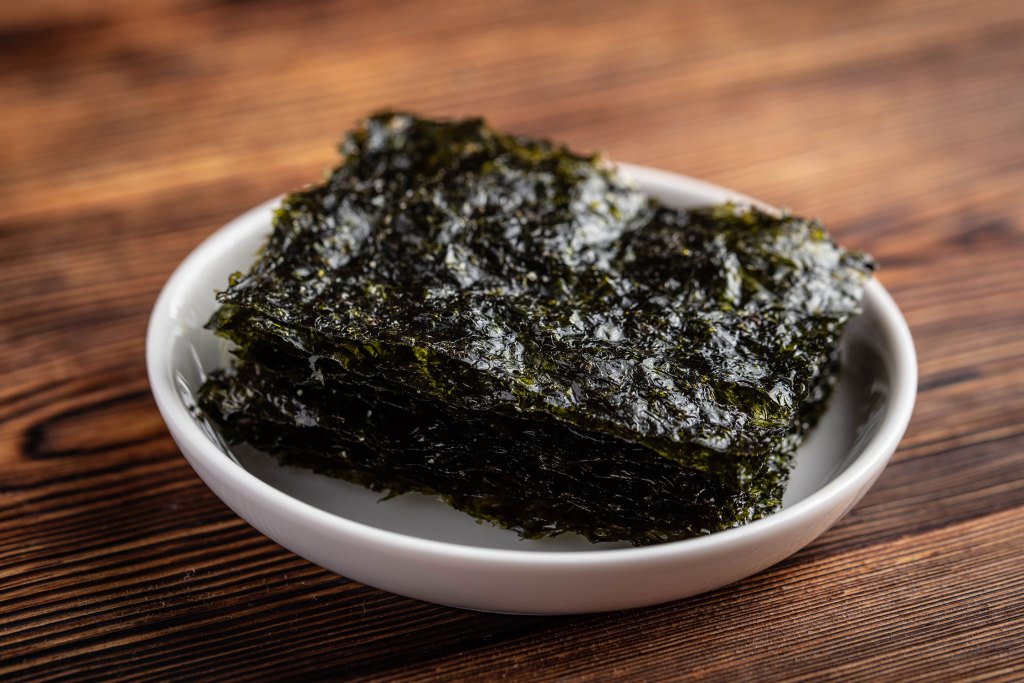
If you love ramen, nori will make your noodles next-level. “For me, nori embodies the smell and taste of the ocean when you breathe in the air at a nice beach,” says Chef Nik Neuwirt of Kappo in Palo Alto. “Nori brings those same umami-rich glutamates to a dish, while also being a delicious ingredient that you can leave in and eat.”
A sprinkle of seaweed can zhuzh up your takeout order—or even instant noodles—but Chef Neuwirt says it’s also pretty versatile. “You can make handrolls, use it as a vessel for sushi bakes, or powder it to use as an umami booster,” he adds.
Blue Corn Masa Harina
Charlotte Lake/500px/Getty Images
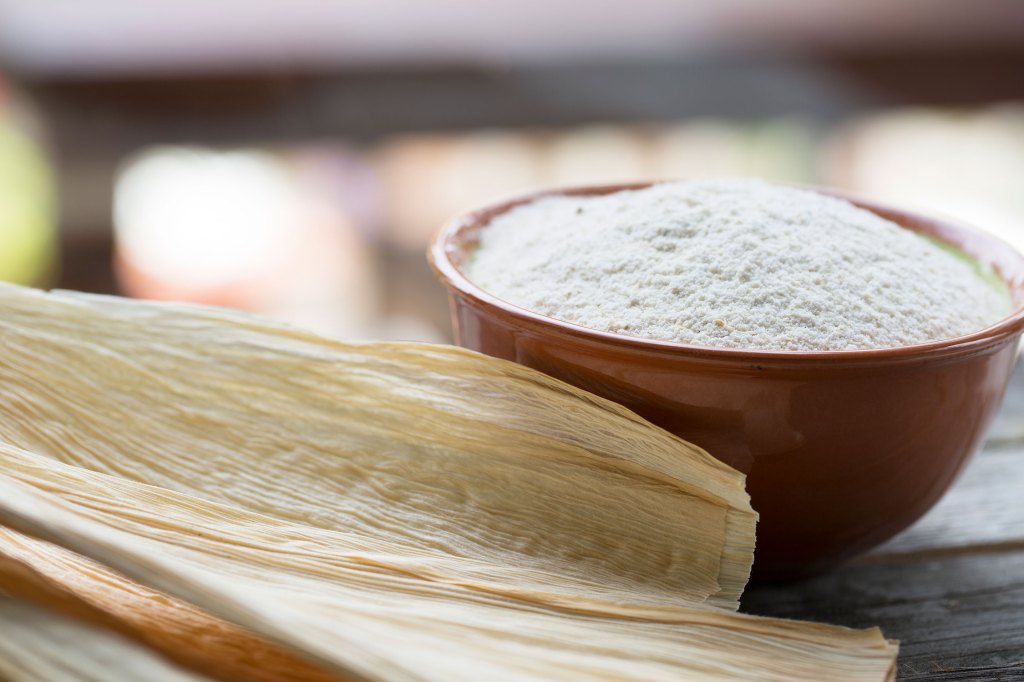
Move over, flour and cornmeal: Masa harina can be the unsung hero of your pantry. “Masa harina is something I always want in my pantry,” says Laura Ozyilmaz, executive chef at Maria Isabel. “Corn is at the center of so much of what we cook at Maria Isabel, and good masa harina gives you that beautiful nixtamalized corn flavor with very little effort.”
Made from ground nixtamalized corn, masa harina is integral in everything from tortillas to tomales, but don’t worry: It’s pretty easy to use. “Just add water, press, and cook,” says Yesenia Castañon, executive pastry chef at San Francisco’s Jou Jou and Lazy Bear. “It is the fastest way to turn a late-night snack into a taco.”
We only recommend things we love. If you buy something through our site, we might earn a commission.