
The Guest Room Details You Might Overlook—But Visitors Will Notice
Designers share the bedside essentials, bathroom basics, and thoughtful additions that help overnight guests feel at home.
Thomas J. Story
We’ve all had a moment like this while staying at someone else’s place: It’s 2 am, the toilet paper has run out, and you’re stealthily opening bathroom cabinets looking for a spare roll. Do you wake your host, go down the hall to another bathroom, or keep looking and hope for the best?
You conducted a similar search earlier for an outlet to charge your phone. And when heading for bed, you wonder if the blanket draped over the reading chair is there for you to use or if it’s simply decorative. While it’s great hanging out with friends and family, being a guest can require a surprising amount of guesswork.
“While hosting guests can be stressful, so is traveling and staying somewhere you are unfamiliar with,” says Samantha Tosti, head designer and founder of Tosti Design. “Having a bathroom that is equipped with all of those things I may have forgotten—toothpaste, razor, tampons, soap—makes such a difference in a guest stay for me.”
When it’s your turn to host, recalling past stays is a great place to start. What did you find yourself wishing was there? A spare roll of toilet paper within reach, an easy-to-find charging outlet, or an extra blanket you knew you could use? Having these little things ready can help visitors settle in without feeling like a bother.
Here’s what interior designers say to check, clear out, and keep close before guests arrive.

Thomas J. Story
Start with a Quick Check-In
Before buying snacks or adding a scented candle, ask your guests what would make their stay more comfortable. Do they like sleeping hot or cold? What’s their morning drink of choice? Any food restrictions or allergies?
“Check in with your guests ahead of time to find out what some of their favorite items or fragrances are,” Tosti says, adding a nice hotel touch to your guests’ stay.
A quick text or call helps you better prepare for those staying over. Also, it’s a great opportunity to ask whether they need anything in particular, or if you need to move the room around to better accommodate.
Go Beyond Fresh Sheets
Start preparations early enough that laundry doesn’t become another arrival-day chore. Designer Sophia deDomenico, founder of Los Angeles-based Et Sal Interiors, suggests preparing at least a week before guests arrive, leaving enough time to wash linens and gather all necessary items.
“Prepping the linens should come first,” Tosti adds. “That is the most important and also the most time-consuming.”
While the bedding is in the wash, check the mattress and pillows. Lie down for a few minutes: Does the mattress sag? Are the pillows soft and flat? San Diego-based designer Diane Luna says adding a plush mattress topper is the easiest way to improve one’s sleep without replacing the entire mattress.
Then give your guests some options. deDomenico recommends at least four bed pillows along with sheets, a duvet, and a throw blanket, allowing visitors to arrange the bedding to their liking.
Kilian Camp of San Diego’s Élan Design House agrees with deDomenico, recommending “layers of pillows and blankets so guests can adjust to their preferences.”
Make sure to keep an extra blanket in plain sight, folded up at the foot of the bed or on an easy-to-reach shelf. Guests shouldn’t have to go through your closets when they get cold.
Courtesy of Amazon
Keep the Essentials Within Reach
Think of what you reach for after getting into bed: your phone, water, glasses, or a book. Make sure to clear the nightstand so your guests can keep these things nearby.
Among the details hosts overlook, Camp points to “an outlet near the bed for charging a phone, a full-length mirror, a decanter and glass of water for the nightstand.” For a hotel-inspired touch, Camp suggests a small dish or tray to put jewelry, along with eye masks and earplugs.
A small tray can ensure no small earrings go missing, while a water jug saves your guests from a late-night trip to the kitchen. Don’t over-decorate, so that guests will have room for their belongings.
Camp’s bedside outlet needs a trial run: Can guests actually reach it without moving furniture or unplugging a lamp?
“Not every room will have outlets in the right location, but do make sure there are enough outlets and that they all work for charging,” says Tosti.
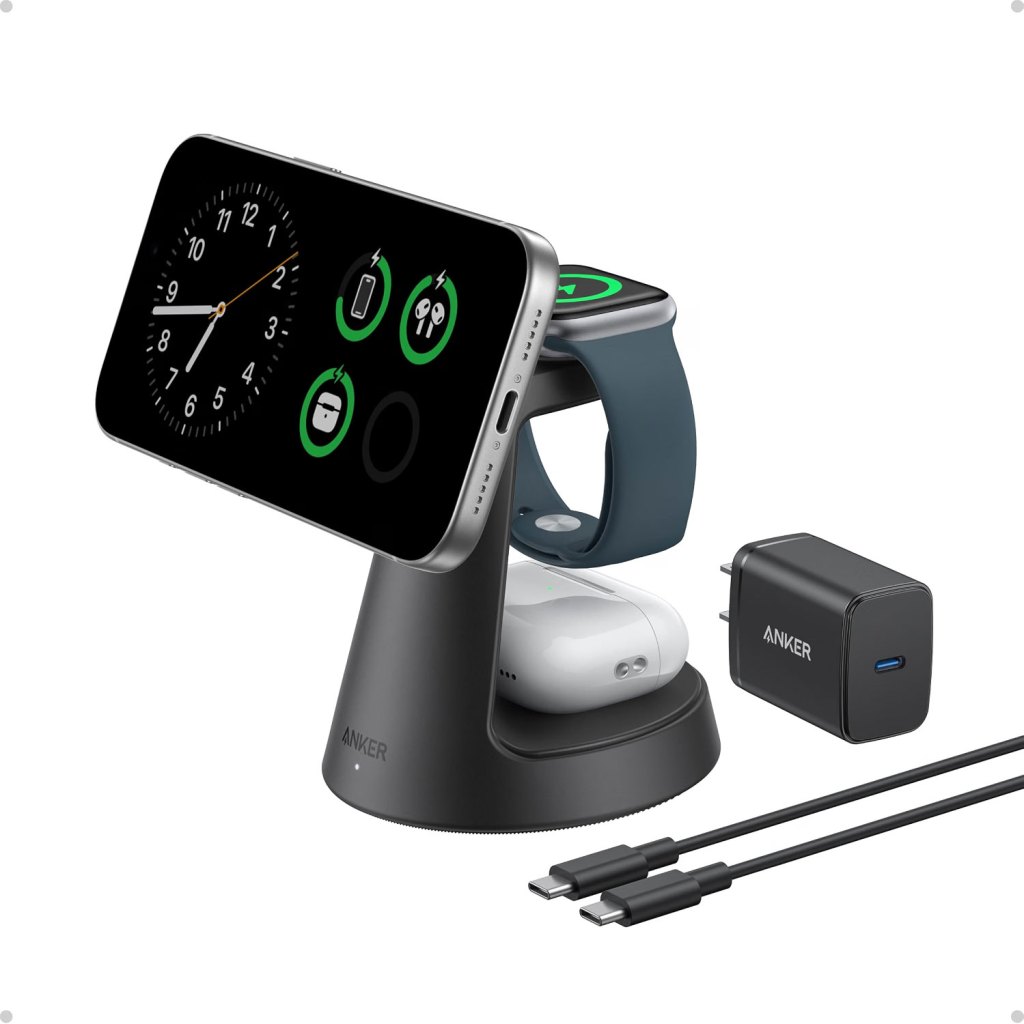
If you leave a charging cable or wireless charger, make sure it’s compatible with your guest’s devices. If two people are sharing the room, make sure each has a convenient place to charge their phone.
Get the Lighting Right
A bedside lamp lets visitors turn off the light and read without having to cross an unfamiliar room in the dark.
Camp suggests both bedside lamps and overhead lighting “to create ambiance with switches that are easy to use.” Test bulbs before guests arrive, and make sure all lighting is plugged in and controls are easy to reach.
“Lighting should be layered, ambient, and task-lighting,” says Jenny Williamson, founder and chief creative officer of West Rose Design. “Add window treatments as well for light control and privacy.”
Think about where your guests will unpack, read, and get dressed. If switches, dimmers, or lamp controls need a bit of figuring out, show your visitors right as they arrive.
Help Guests Sleep Comfortably
Your ideal sleeping temperature may leave guests reaching for another blanket.
“If there isn’t an additional thermostat in the guest room, provide fans and additional blankets so guests can warm or cool themselves appropriately,” says Williamson.
Set those options out before bedtime, and show guests how to use any fan controls. Check the shades as well. Camp recommends window treatments that “provide privacy, block morning light, and are easily operable.”
Luna suggests hanging blackout curtains on a double rod. If guests want to dull out noise, a portable sound machine is a great option, recommended by both Camp and Williamson. For some added luxury, Camp suggests slippers, robes, a soft throw—or, for a bigger investment, automated blackout window treatments.

d3sign/Getty Images
Give the Suitcase a Place, Too
If your guest room doubles as storage or office, clear enough space for guests to settle in.
“I’ve found that leaving some empty hangers in the closet, a couple dresser drawers vacant, and a luggage rack to hold a suitcase typically do the trick even if the owner is storing items in the same room,” says Williamson.
Provide a folding luggage rack or sturdy bench so guests have a place to open their bags without putting them on the bed. Show them which drawers and hangers are theirs to use, especially if they’re bringing clothes for a special occasion.
Camp’s earlier suggestion of a full-length mirror is a great addition to consider, providing guests somewhere to check their outfit without waiting for the bathroom.
Cover the Bathroom Basics
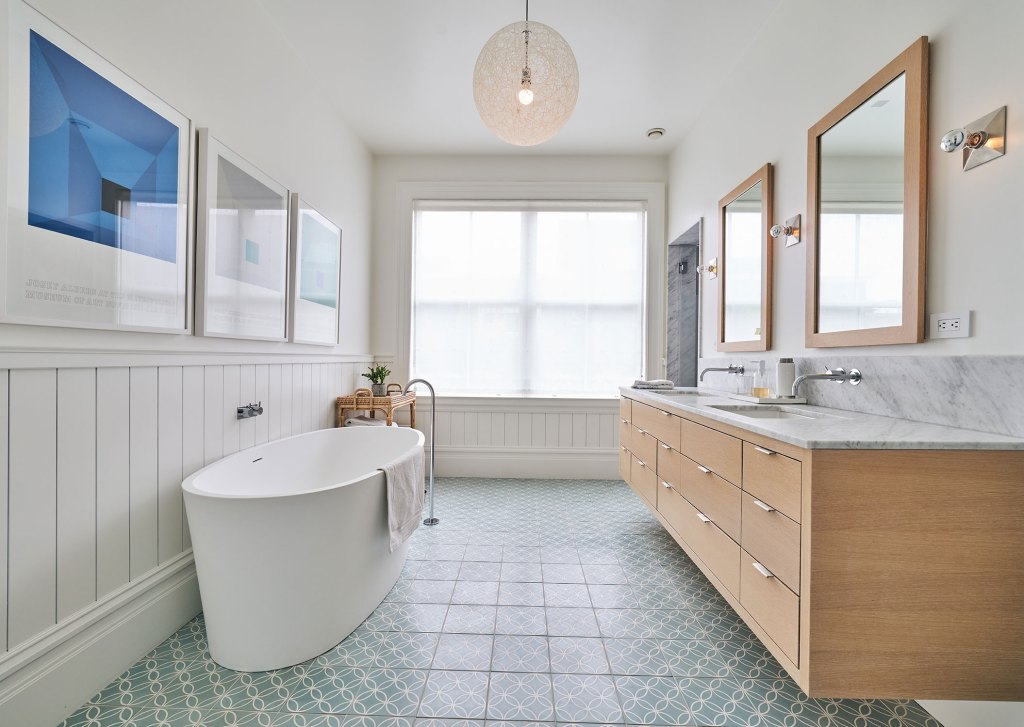
Each guest should have their own bath towel, hand towel, and washcloth, as deDomenico recommends. Leave hooks to hang damp towels and other personal belongings. Add a fresh bath mat, and make it clear which towels are theirs.
“Make sure the quality of the towels is the same as you would want in your bathroom, not threadbare rejects,” says Tosti.
Next, check the toiletries. Alongside soap, shampoo, conditioner, and body wash, Williamson suggests adding tissues, cotton swabs, disposable razors, and new toothbrushes and toothpaste. Tosti also recommends including menstrual products.
“Travelers have a lot to remember to bring on a trip, and it’s easy to forget some of the necessities,” says Williamson.
Set aside extras in a visible basket, leaving spare toilet paper within reach, and space for guests’ toiletries. Having backup supplies can also make restocking between visits easier.
Design by Feldman Architecture. Photo by Thomas J. Story.
A Fresh Room Comes First
If your guest room spends most of the year closed and unused, give it some time to air out before adding a scented candle or spray.
“The main thing would be to air out the room,” says Tosti. “Candles and air fresheners are great, but a stuffy room is still a stuffy room even if it smells like coconuts.”
Williamson likes having a scented candle warmer to welcome guests and offer them a choice of scents. “My favorite might not be their favorite,” she says. “Scent is so subjective.”
Let that initial check-in guide your decisions. If guests enjoy fragrance, offer them a scent they’ll like. If they prefer a fragrance-free room, avoid scented candles, diffusers, and room sprays.
Add a Personal Touch—and a Few Helpful Instructions
DeDomenico suggests putting the Wi-Fi network and password in a picture frame. A short written welcome note could include other useful details, such as where to find extra towels or how to make a morning brew.
Luna recommends having a coffee setup that features cups, water, coffee supplies, and breakfast snacks. Having them on the kitchen counter works, too—just show guests how the machine works and what they can make.
For downtime, Camp suggests a “lounge chair and ottoman for relaxing away from the rest of the house,” alongside a book of poetry or short stories. If space is tight, keep the bed free of excessive decorative pillows so guests can comfortably sit and relax.
Finish with something personal: Williamson likes fresh flowers, snacks, and a thoughtful card, while deDomenico puts together a goodie bag with refreshments and a local memento. Pick a few things your guests will enjoy.
“A prepped, clean room and bed count for a lot in the world of hosting,” says deDomenico. “Everything else is just an added nice-to-have.”
We only recommend things we love. If you buy something through our site, we might earn a commission.
The Latest