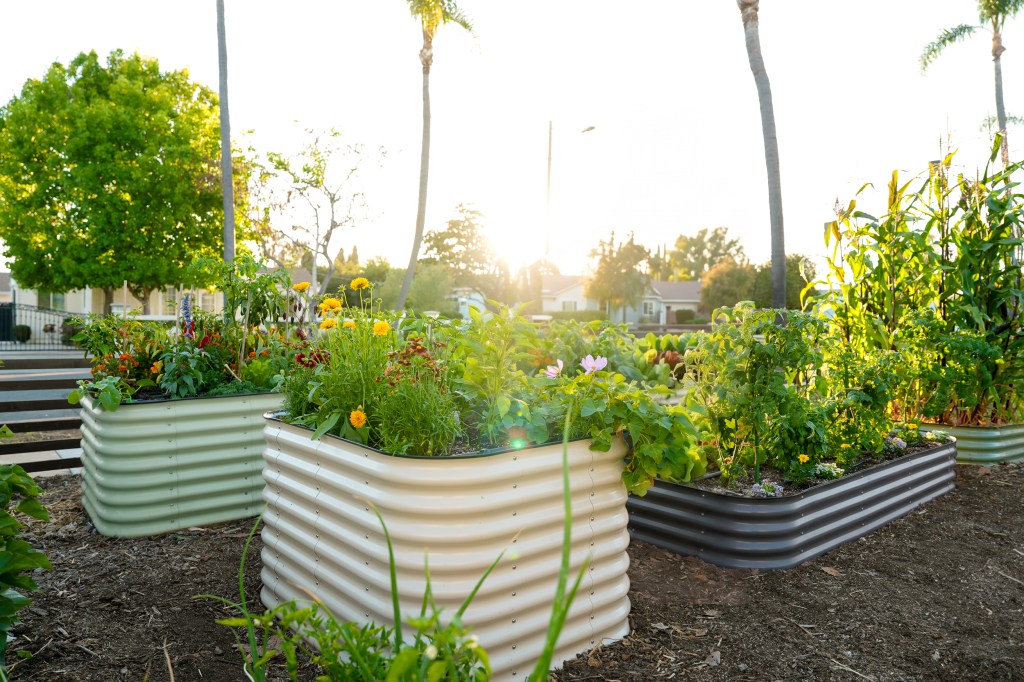
Refresh your soil, rethink your materials, and set your edible garden up for a more productive spring.
Courtesy of Epic Gardening
Written byKristin Guy
October 22, 2026
Share this story
Fall may signal the end of summer’s tomato bounty, but for raised-bed gardeners, it’s also an opportunity to set the stage for next year’s harvest. From replenishing tired soil to replacing weather-worn materials, a little maintenance now can save time, money, and frustration when planting season rolls around again.
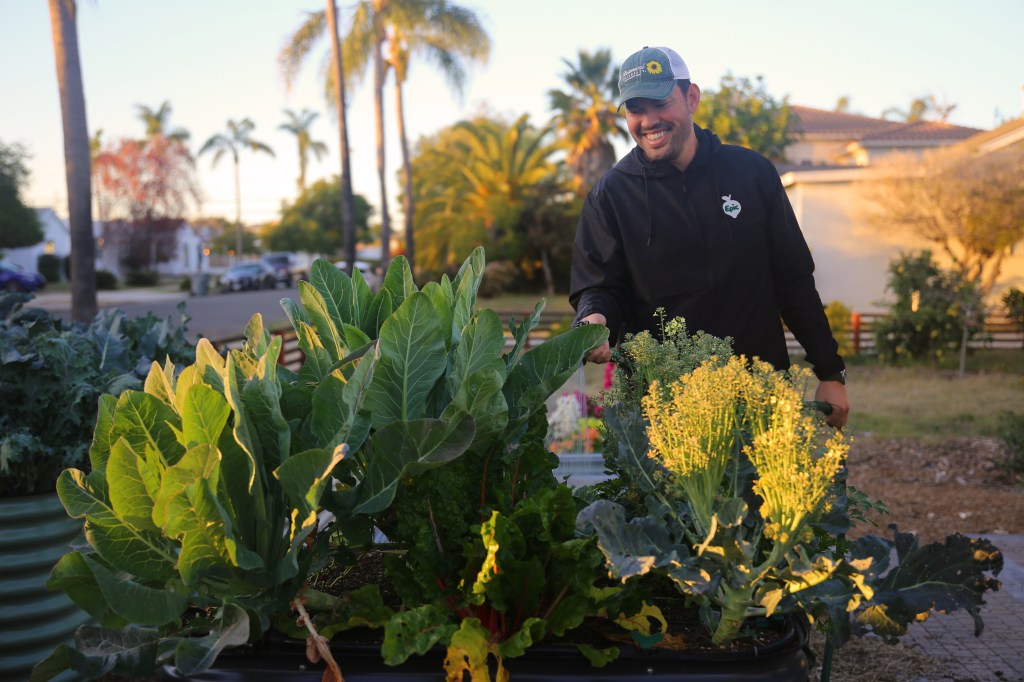
Kevin Espiritu, founder and CEO of Epic Gardening, has spent years helping gardeners grow smarter. Now, he’s rethinking the raised bed itself, with a new line designed to address some of the most common frustrations gardeners face. Here’s how to give your edible garden a fall refresh that pays dividends well beyond the season.
Courtesy of Epic Gardening
1. Give Your Garden a Fall Checkup
Before you start digging, take a walk around your raised beds. Look for rotting wood, rust, bowing walls, loose fasteners, or corners pulling apart. Then assess the growing season: Which plants thrived, which struggled, and what might need to change? Poor drainage, inconsistent irrigation, or insufficient sunlight could all be contributing factors.
“Fall is when I take stock of what worked, what didn’t, and what I want to fix before next season,” Espiritu says. Use that assessment to rethink your layout, make repairs, and address irrigation or drainage issues before spring’s planting rush. And don’t assume the garden is finished for the year. Cool-season crops like bok choy, cabbage, and carrots can keep your beds productive well into fall.
Courtesy of Epic Gardening
2. Treat Your Soil Like the Garden’s Foundation
Healthy soil is more than a place to anchor roots. It’s a living ecosystem that supports plant growth, holds moisture, and helps regulate drainage. Dig in and look for earthworms, fine roots, and fungal threads. Soil should be dark and crumbly, holding together loosely when squeezed but breaking apart with a gentle poke. An earthy, slightly sweet smell is another good sign.
To give that ecosystem a boost, start with organic matter. Espiritu recommends topping beds with a couple of inches of compost after cleaning up spent crops. Rather than pulling plants out by the roots, cut them at soil level and let the roots decompose in place, returning organic matter to the soil.
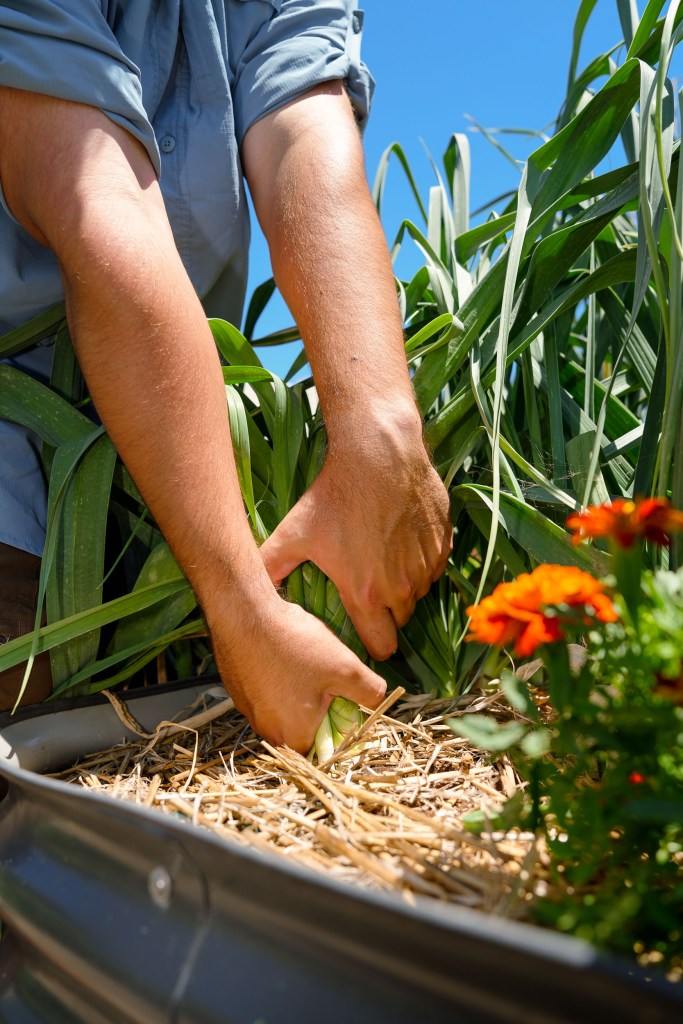
Shredded leaves, straw, or wood chips can also help protect beds from winter erosion and compaction as they break down. For another option, plant a cover crop such as vetch or winter rye, then chop and drop it in spring. In milder Western climates, cool-season crops like kale and spinach can do double duty, providing both a harvest and living soil cover.
Courtesy of Epic Gardening
3. Think Beyond the First Growing Season
A raised bed is a long-term investment, so look beyond its initial price tag and good looks. Constant contact with wet soil, along with exposure to rain, heat, and freezing temperatures can take a toll on materials. Wood may rot or warp, while metal beds can rust, particularly around fasteners and joints.
“Almost everyone shops on price and looks first,” Espiritu says. “A bed that looks great out of the box can warp, rot, or rust after a few seasons exposed to the elements and in constant contact with wet soil.”
Prioritize durable materials, corrosion-resistant hardware, and a food-safe interior coating designed to withstand years of use. Ease of assembly and the ability to repair or replace individual parts matter, too. A bed that’s simple to maintain is more likely to earn its place in the garden for the long haul.
Courtesy of Epic Gardening
4. Set up Now for a More Productive Spring
Think of fall as your garden’s maintenance window. With fewer crops in the way, it’s easier to tighten fasteners, reinforce shifting structures, install drip irrigation, and add trellises or hoops for row covers. Espiritu’s top priority? “Feeding your soil, hands down.” Beds with healthy, well-prepared soil will be ready to plant as soon as temperatures cooperate.
This is also the time to sketch out next season’s planting plan. Rotating crops helps disrupt the life cycles of overwintering pests and diseases, especially when you avoid planting the same crop family in the same spot year after year. And if garlic is on your garden wish list, fall is the time to get it in the ground.
Courtesy of Epic Gardening
5. Rethink What a Raised Bed Can Be
A raised bed seems like a straightforward garden purchase, until you’re wrestling with assembly, watching wood rot, or wondering what’s in the coating surrounding your homegrown tomatoes. After years of helping gardeners navigate these frustrations, Epic Gardening founder Kevin Espiritu decided it was time to rethink the design.
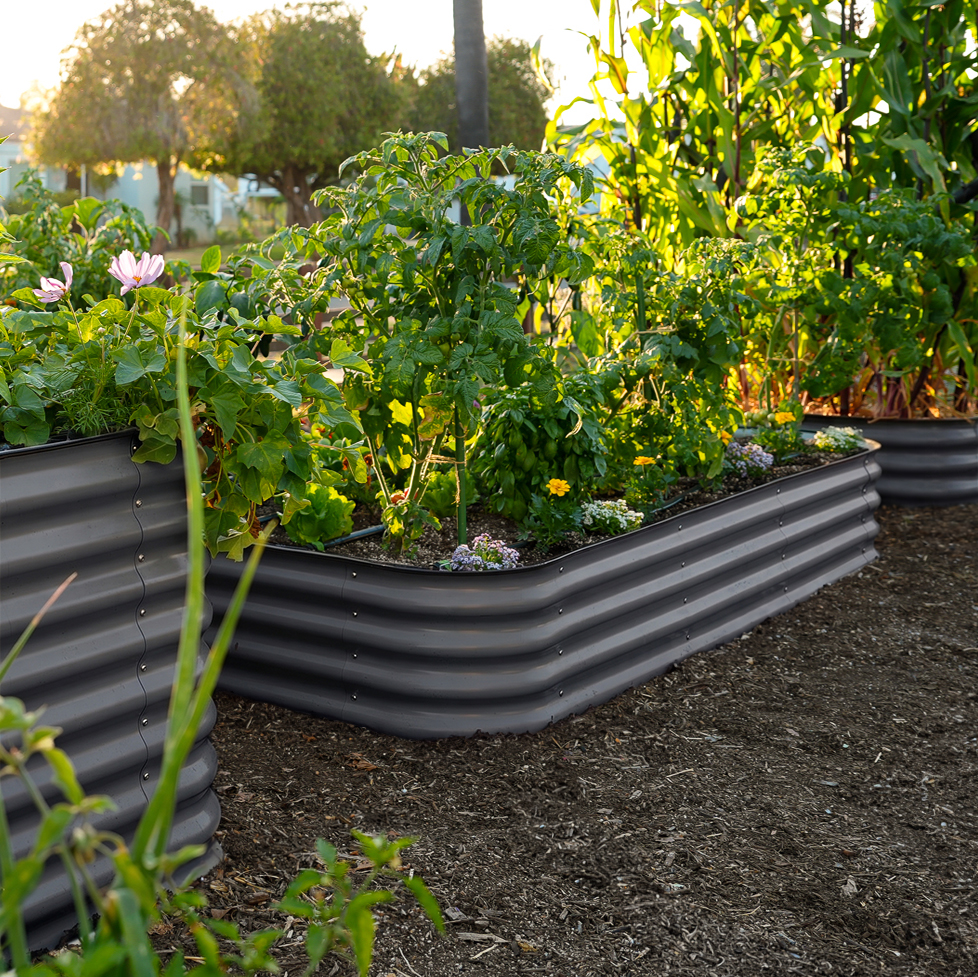
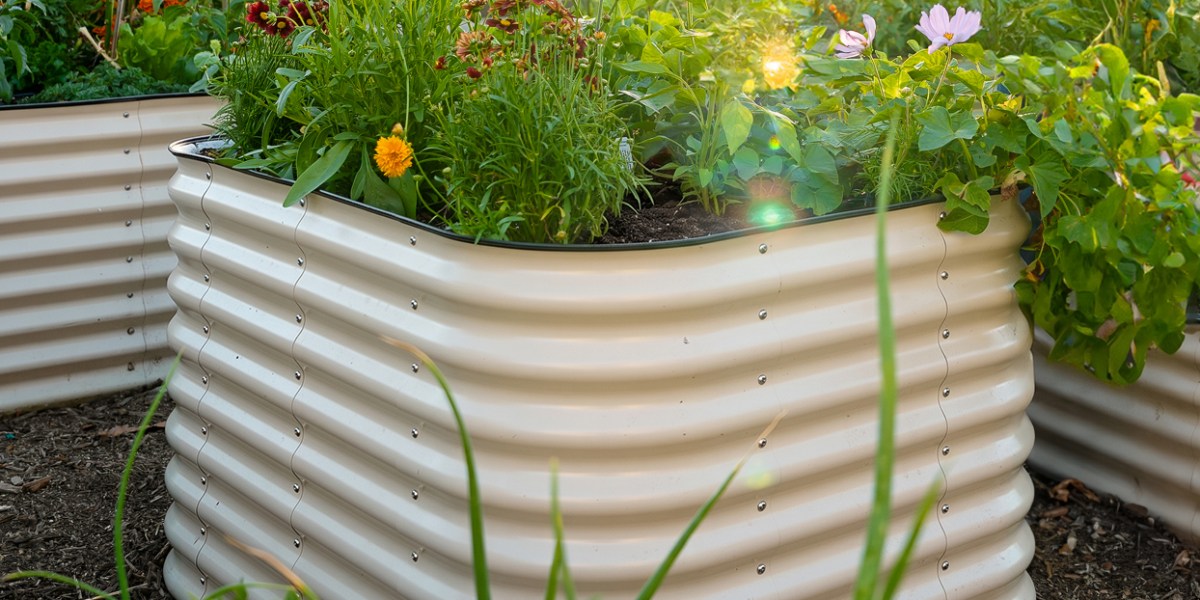
The company’s new raised beds mark its first house-designed physical product, with a focus on durability and materials that come into contact with edible crops. “As a distributor, we had no window into the manufacturing process or control over what went into the coating,” Espiritu says. “That’s a tough spot for a brand built on trust, especially when people are growing food in these things.”
Epic Gardening sent the beds to eight independent labs to screen for more than 240 substances. Weathering tests also found that the aluminum-zinc alloy coating lasted two to four times longer than bare galvanized steel, according to the company.
Designed for straightforward assembly, the beds also come with customizable accessories, a limited lifetime warranty, and a 120-day trial. It’s a reminder that the best garden upgrades aren’t always about growing more. Sometimes, they’re about building a better foundation for everything you plan to grow.
Courtesy of Epic Gardening
6. Make Your Raised Bed Work Harder
Once your bed is in good shape, look for ways to grow more without expanding your garden’s footprint. Espiritu recommends going vertical with trellises for cucumbers, peas, pole beans, and even small squash. Succession planting keeps the harvest coming as one crop finishes and another takes its place, while interplanting quick growers like radishes and lettuce between slower-growing tomatoes or peppers makes better use of available space.
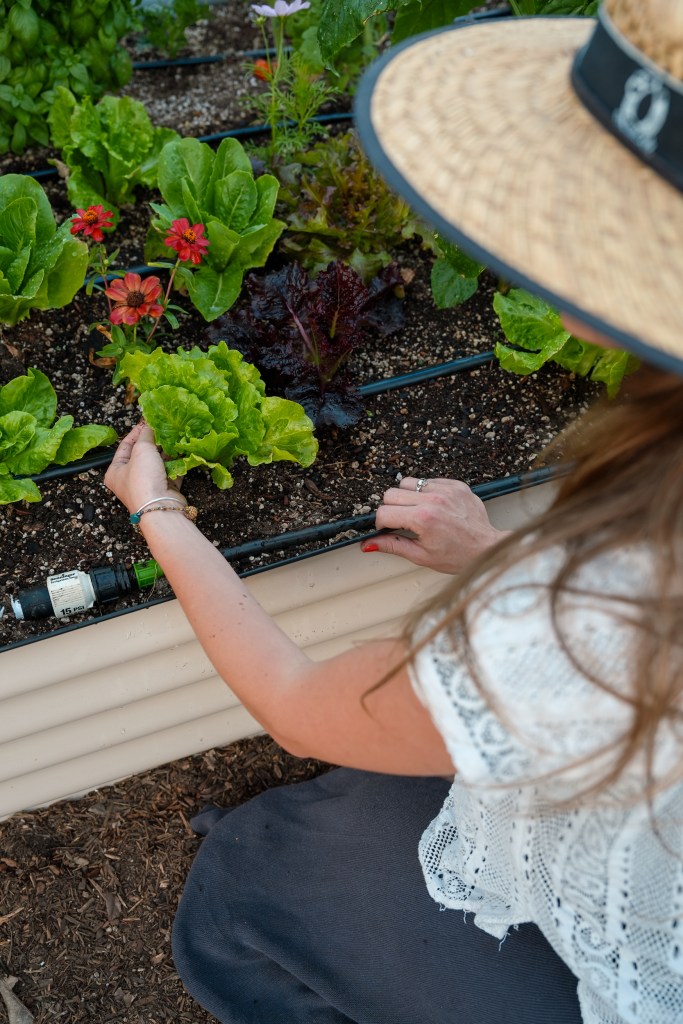
If you have budget for just one upgrade this fall, consider drip irrigation. By delivering water directly to plant roots, drip systems help maintain consistent moisture while reducing water waste and keeping foliage dry.
“Drip puts water right at the roots, where plants can use it, instead of spraying leaves and paths,” Espiritu says. “You get steady moisture and healthier plants, and it uses up to 50% less water than you would with a sprinkler.”
With soil refreshed, structures sound, and irrigation ready to go, your raised beds will be poised for a productive spring. And you’ll have more time to enjoy the best part of gardening: watching it all grow.
Want to purchase an Epic Gardening Raised Metal Garden Bed for yourself? Click here for 5% off (or use the code SUNSETMAG)
We only recommend things we love. If you buy something through our site, we might earn a commission.