
Here’s What Actually Happens to Your Body During a Long-Haul Flight
We called the doctor, and here’s what she said.
wera Rodsawang/Getty Images
Sure, jetting off to far-flung corners sounds glamorous, but the trip there seldom is. (Yes, that also applies to those who managed to score an upgrade.) Jetlag alone is enough to get your trip off on turbulent footing, but have you ever wondered what sitting on a plane for hours on end does to your body? After all, those post-flight aches and pains don’t just magically appear.
Since traveling anywhere from the West Coast is a schlep, we wanted to get to the bottom of it.

izusek/Getty Images
What Happens to Your Body on a Flight
According to Dr. Laleh Gharahbaghian, M.D., clinical professor of emergency medicine at Stanford School of Medicine, the effects start from the moment you take off.
“Cabin pressure changes during take off and descent, which impacts the ears and lungs,” she says. “If you’re congested, there is ear pain upon ascent and mostly descent—and a collapsed lung can collapse further.”
Mid-flight, oxygen absorption is less efficient, which is usually not a health concern, but it can make you feel more tired. Speaking of being tired, a big flight can mess with your sleep. “Longer flights likely means you’re going to different time zones, which can disrupt sleep and the circadian rhythm,” Dr. Gharahbaghian. “Brain fog can occur.” Other noticeable inconveniences are stiff joints and dehydration, the latter of which is caused by a plane’s dry air.
But the most important thing to consider? Your blood. Dr. Gharahbaghian says gravity makes your blood pool down to your legs and feet, which can create blood clots, or deep venous thrombosis.
“They can cause life-threatening pulmonary embolism,” she cautions. “Clots move from your legs to your lung vessels and cause a change in oxygen delivery and breathing.”
While anyone can develop blood clots, the risk is higher for people who are pregnant or postpartum; taking hormone therapy or birth control; diagnosed with cancer; or recovering from major surgery. And sometimes? Those who have been sitting for extended periods of time, like passengers of a long-haul flight.
Chalabala/Getty Images
How to Stay Healthy on a Long-Haul Flight
Flying from the West Coast to Europe—or even Hawaii—can come with some physiological effects, but there’s a lot you can do to minimize risks. To keep blood clots to a minimum, slip on some compression socks and get up every few hours. Walk up and down the plane’s aisle between in-flight movies, or stay by the lavatory for a few extra minutes and do some calf pulses.
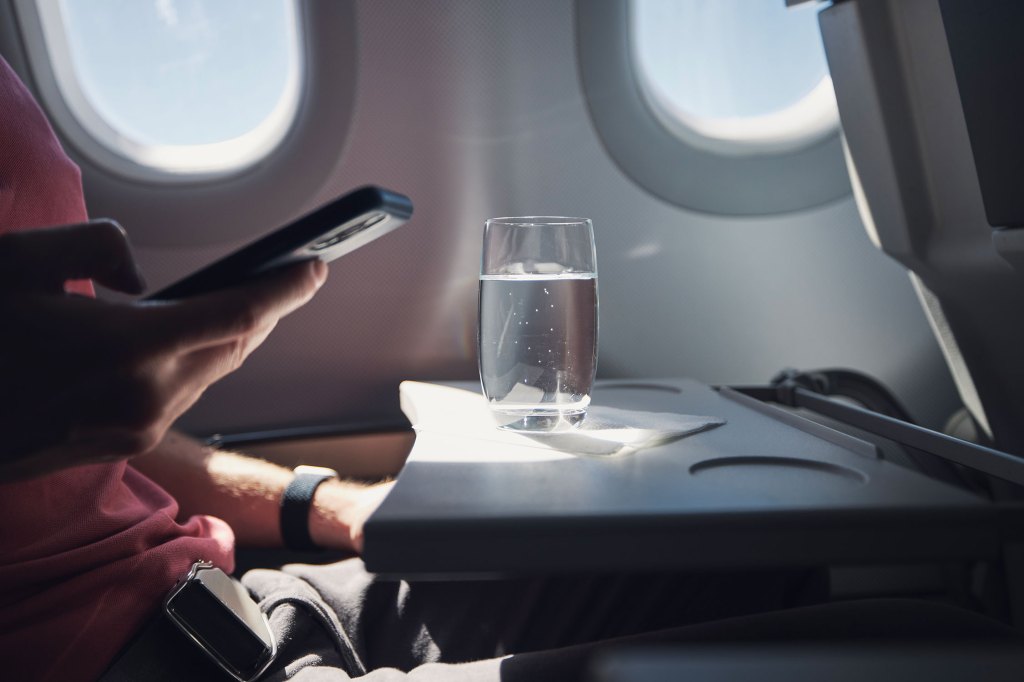
Otherwise, she recommends boarding a plane as your best, healthiest self. Since caffeine and alcohol are notoriously dehydrating, Dr. Gharahbaghian encourages you to stick with water. Also, if you have a cold, take a decongestant while you’re waiting at the gate.
Courtesy of Amazon
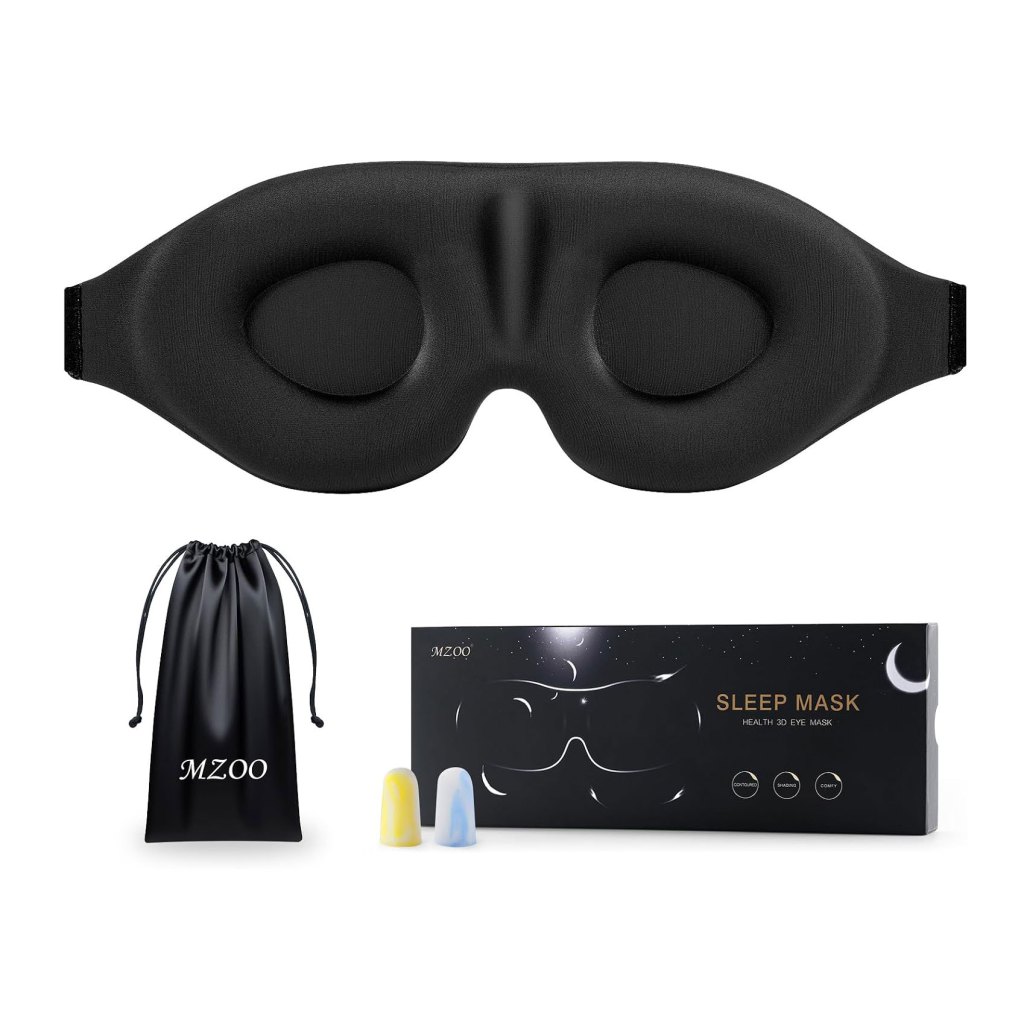
And, oh, don’t deprioritize rest. “Sleep when able to correct for their future time schedule,” suggests Dr. Gharahbaghian. “Eye covers to allow for better sleep.”
Psst… if you need more in-flight essentials, check out what professional travelers add to their carry-ons.
We only recommend things we love. If you buy something through our site, we might earn a commission.