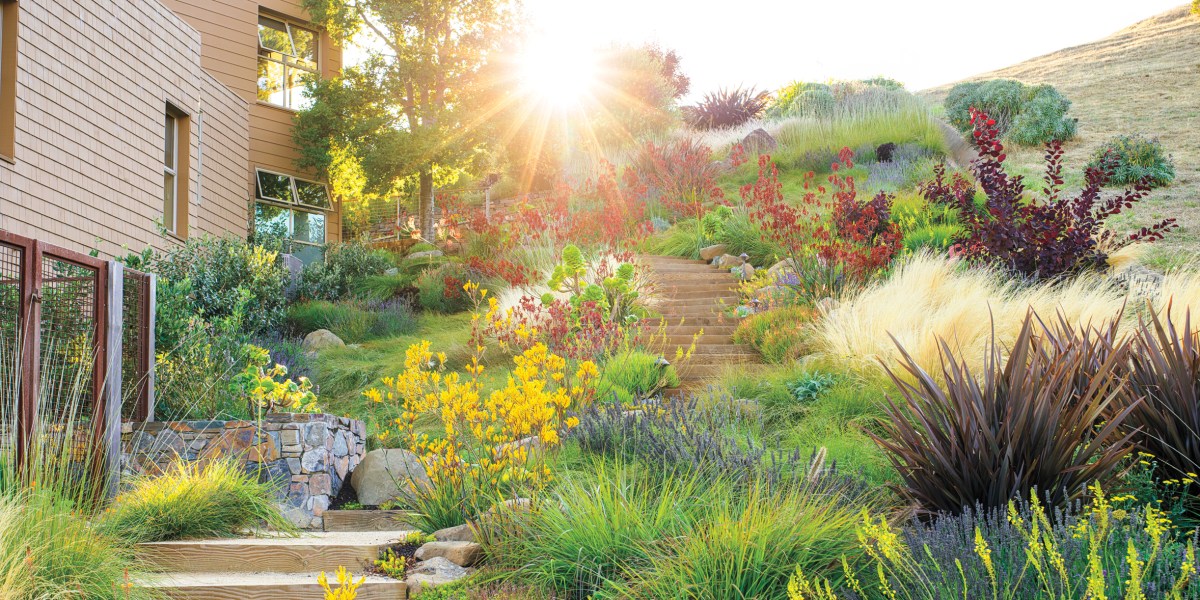
How to Keep an Outdoor Room Cool All Summer
These expert landscape design tips will help you create a backyard that stays cooler, uses less water, and feels like an extension of your home.
Marion Brenner
There’s a reason the best summer memories happen outside. Morning coffee beneath a leafy canopy. Lingering dinners that stretch well past sunset. A quiet afternoon spent with a good book and the soundtrack of buzzing bees. But when the thermometer climbs into the triple digits, even the most beautiful backyard can become a place you rush through instead of settling into.
The good news? Creating a cooler outdoor space isn’t about adding more gadgets or bigger shade structures, it’s about designing with nature instead of against it. By layering trees and planting beds, encouraging natural airflow, and choosing materials that temper the heat, your landscape can become a backyard that feels noticeably cooler all season long.
To better understand how these climate-smart spaces come to life, we turned to the design team at Surfacedesign, the award-winning landscape architecture studio known for creating immersive gardens that blur the line between architecture and nature. Their work begins long before the first plant goes into the ground, studying sun, wind, water, and the rhythms of the surrounding landscape to create outdoor rooms that are as comfortable as they are beautiful. Here’s how to borrow a few of their favorite strategies to create a backyard you’ll actually want to spend time in… even during the hottest days of summer.
Marion Brenner
Think Like an Interior Designer, but Outdoors
Just as you’d consider lighting, layout, and function inside your home, the same principles should guide your landscape design. Before selecting a single plant or paver, think about how you want the space to feel and how you’ll actually use it.
“Before we even start thinking about plants and materials, we always want to get a better sense of how the garden will be used, so we encourage our clients to ask themselves what this garden would look like for them. Will you spend your mornings outside with a cup of coffee, or do you envision the garden as a place for gathering with friends in the evening? Understanding how you wish to inhabit the space helps establish the framework for designing an outdoor environment that is both comfortable and suited to your lifestyle,” say the design team at Surfacedesign.
When you’ve envisioned how the space will function, study your site’s sun patterns. Morning light, harsh western exposure, and dappled afternoon shade all create dramatically different experiences—and influence everything from plant selection to seating placement.
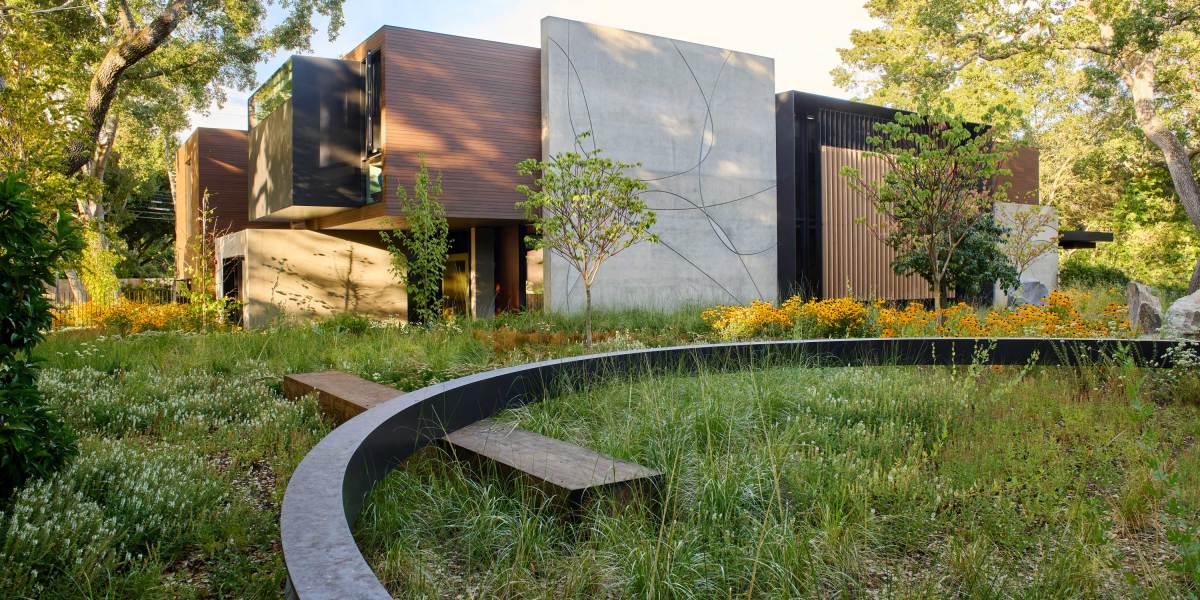
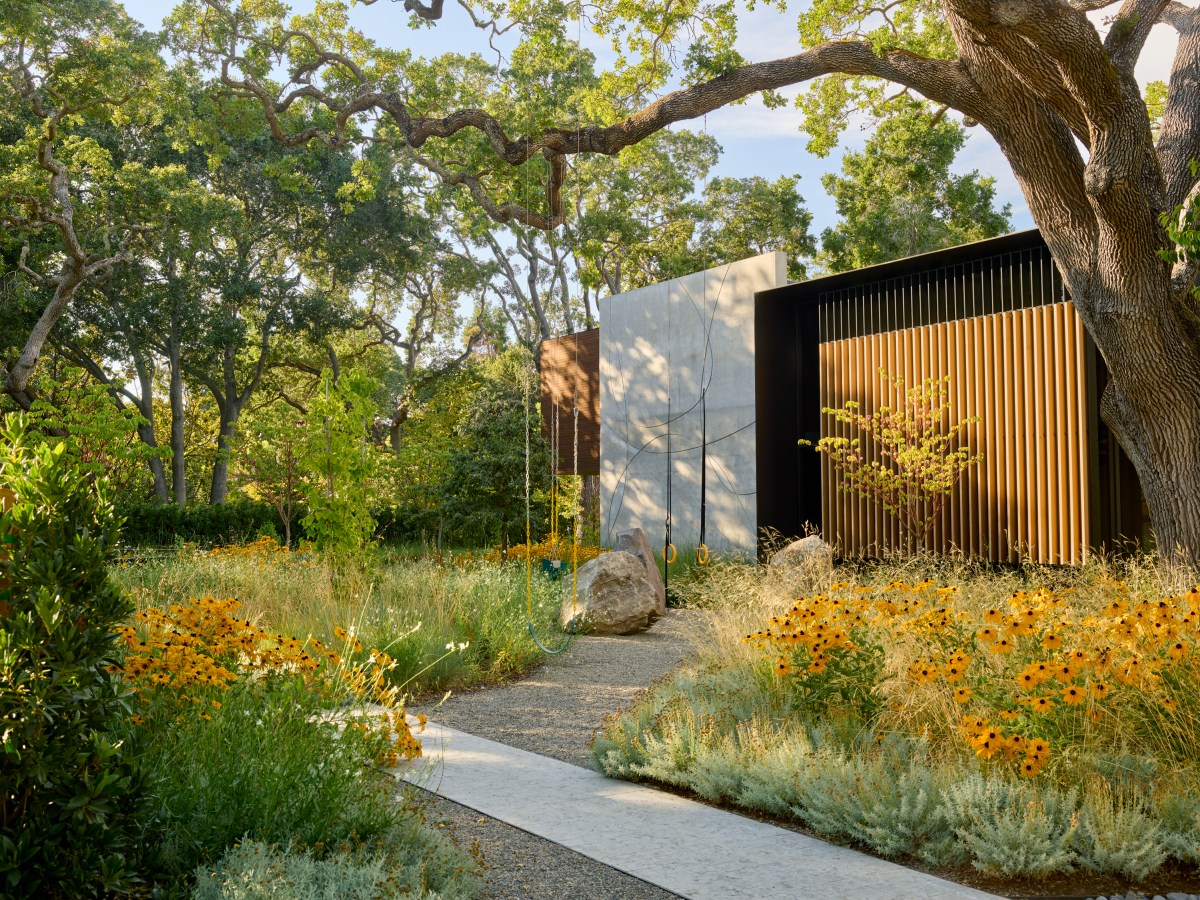
“Once there is clarity about how the site will be used, we always recommend getting familiar with the site’s solar orientation. Remember: Not all shade is created equal! Knowing how the sun moves across the site helps determine sun and shade patterns throughout the day and informs which plants and materials will be most appropriate. It also helps you think about the quality of shade you want to create—whether it’s the soft, dappled light filtered through a tree canopy like in our Oaks Garden [featured in this article], or the deeper shade created by a palette of layered plantings with denser foliage.”
The team also recommends getting to know your neighborhood nursery before making major decisions. “We always begin with the regional landscape as a source of inspiration. We prioritize regional specificity because it supports ecological and climate resilience, functional sustainability, and a stronger sense of place. It’s a bit like thinking about produce: Eat what’s in season and what’s naturally suited to your region, and the results are almost always better.”
Marion Brenner
Build Shade in Layers, Not Just Overhead
While pergolas and umbrellas provide welcome relief, the coolest gardens rely on something even more effective: living shade. Layering trees, shrubs, vines, and groundcovers creates a landscape that cools the air naturally while protecting the soil below.
“There’s no one-size-fits-all formula because it really depends on where you live and the unique microclimate you’re working with. But one thing that holds true almost everywhere is that layering your planting makes a big difference. A combination of trees, shrubs, and vines will have a much greater cooling effect than relying on just one type of planting, like shrubs alone,” says the design team at Surfacedesign.
One technique they often employ is what they call “green mulching”—using dense perennials, ornamental grasses, and groundcovers to carpet the soil rather than leaving it exposed. “Healthier, cooler soils lose less water to evaporation, which means the garden will require less irrigation while also creating a cooler, more comfortable environment.”
For homeowners, that could mean tucking low-growing groundcovers between shrubs, planting layered borders instead of isolated specimens, or allowing vines to soften pergolas and fences. The more vegetation works together, the greater the cooling effect.
Marion Brenner
Let Airflow Do the Work
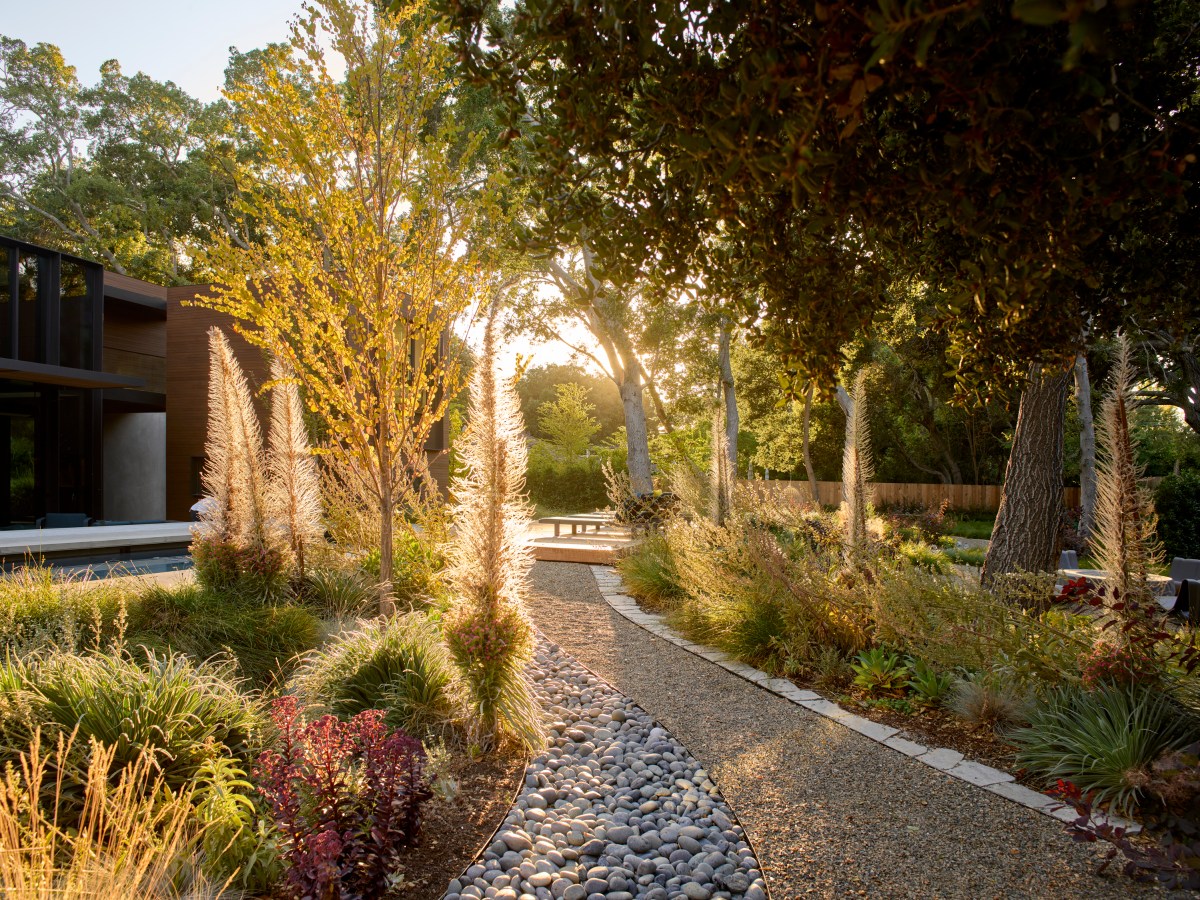
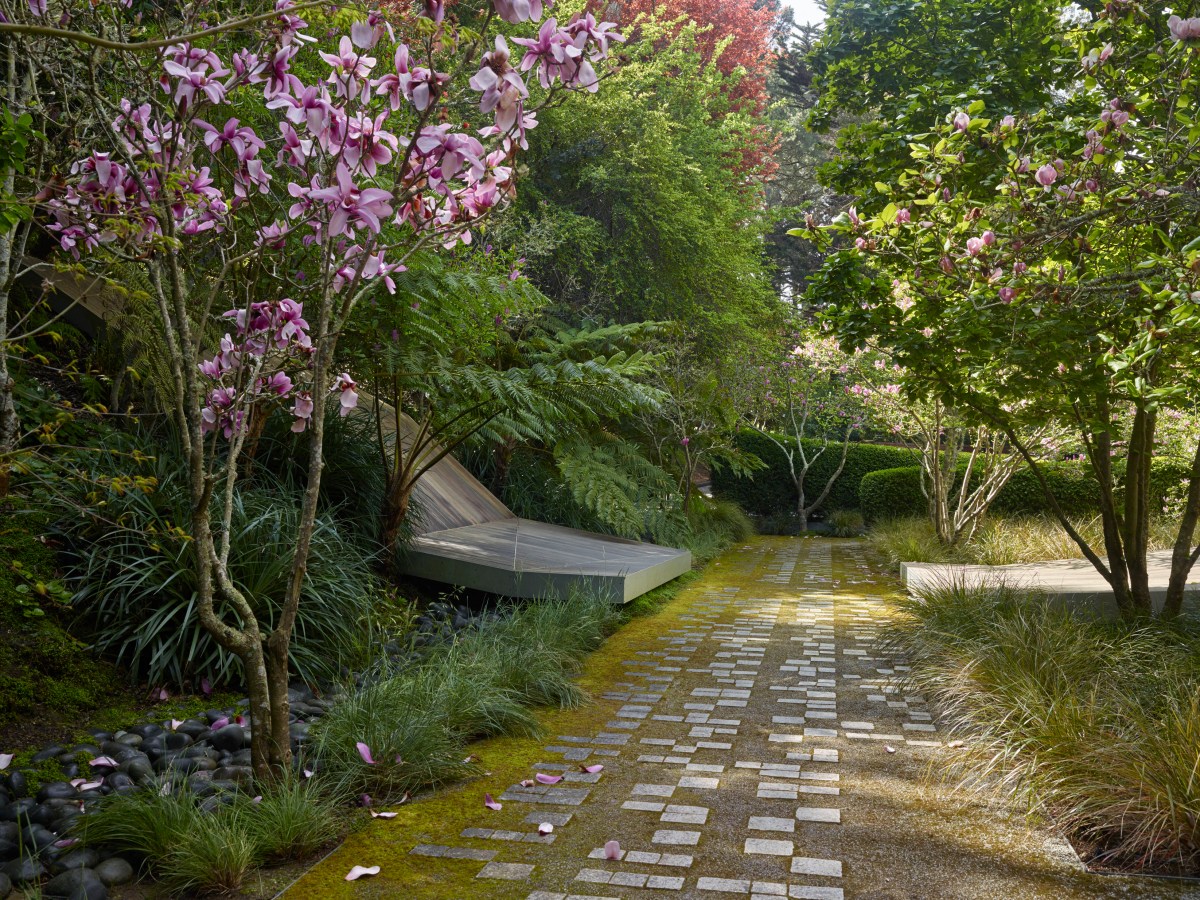
Shade is only half the equation. Air movement can make an outdoor room feel dramatically cooler, especially during long summer evenings. Rather than blocking every breeze with fences or dense hedges, pay attention to how wind naturally moves through your property. Position seating where cross breezes occur naturally, and use trees and layered plantings to filter—not stop—the airflow.
“A big piece of this is really understanding your site and thinking about its relationship to the broader landscape. Just noticing things like how and where the wind blows, how the sun moves, etc., offers insights that provide opportunities to work with these existing conditions rather than trying to force a particular design,” the team explains.
They’ve used this strategy in projects where carefully positioned planting helps cool both the landscape and the home itself. “Thoughtfully placed trees and layered planting can create shade that naturally cools the air around your house, so that when you open your windows, you can take advantage of natural cross breezes and bring some of that cooler air from the landscape into your home.”
Even a modest water feature can make a noticeable difference. “It doesn’t have to be elaborate; even a simple reflecting pool or other modest water feature can help cool the surrounding air while creating a more comfortable microclimate.”
Marion Brenner
Design for Comfort—and Resilience
The most successful outdoor rooms don’t simply respond to today’s weather; they’re also designed for tomorrow’s climate. As hotter summers, drought, and wildfire reshape the Western landscape, resilient gardens are becoming places of refuge as much as recreation.
“With COVID and the increasingly visible effects of climate change, we’ve become much more attuned to our outdoor environments, fundamentally changing the way we think about outdoor spaces. People are prioritizing spending more time outside, and gardens are increasingly seen as more than just amenities—they’ve become places of respite and refuge, immersive environments that support our everyday lives.”
The design team adds, “Rather than thinking about outdoor rooms as individual programs, we’re designing immersive landscapes where heat, water, and planting all work together to create comfortable, resilient environments.”
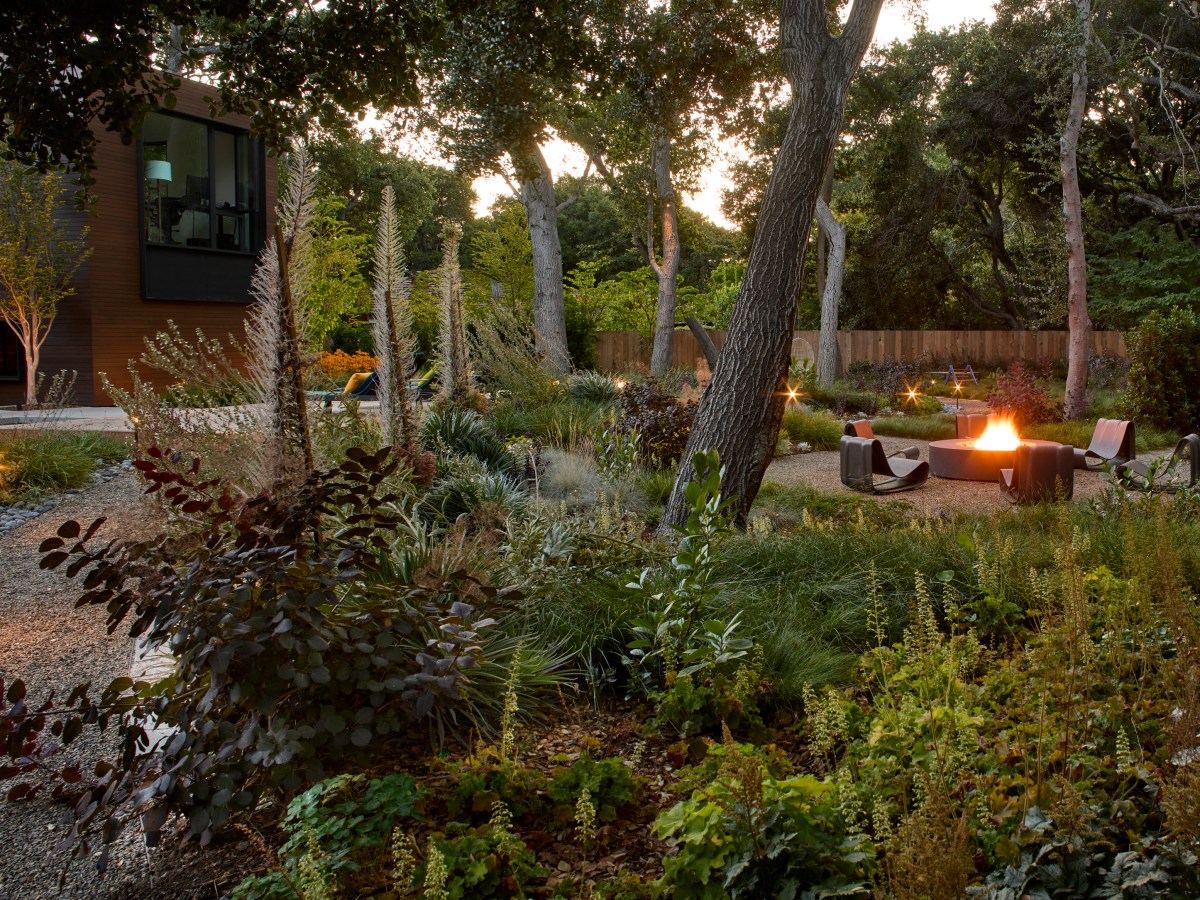
That often means selecting regionally appropriate plants, embracing layered planting, and allowing the landscape to respond naturally to its environment rather than fighting against it. In fire-prone regions, it also means balancing defensible space with the cooling benefits of carefully selected trees and planting layers, creating gardens that are both beautiful and resilient.
Marion Brenner
Choose Materials That Beat the Heat
Plants may do much of the cooling, but the surfaces beneath your feet matter just as much. Large expanses of dark paving absorb and radiate heat well into the evening, while thoughtfully breaking up hardscape can make patios noticeably more comfortable.
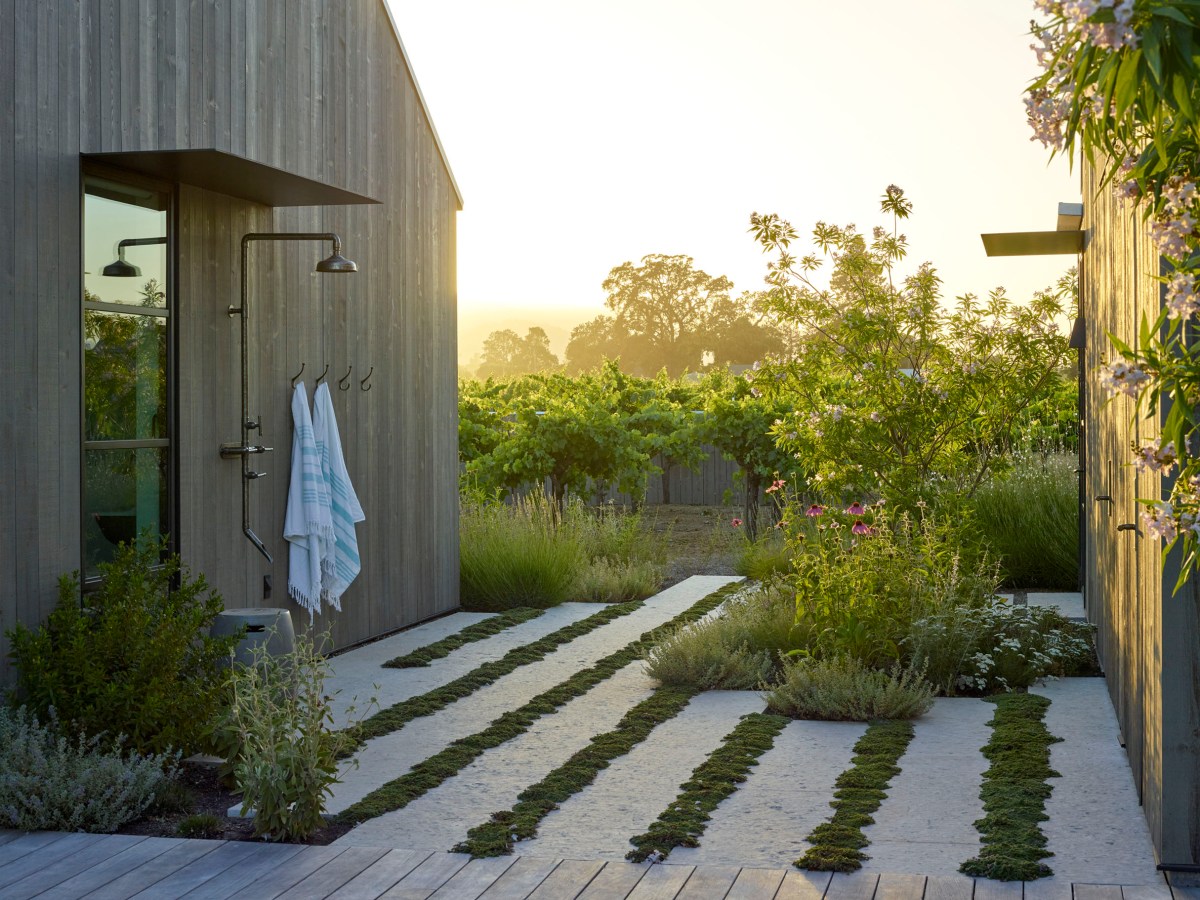
“One of our favorite, and perhaps also one of the simplest, things you can do to help naturally cool a landscape while also adding dimension and interest is to break up the hardscape. You can mix in groundcovers or perennials, or even use lighter paving materials, to create more variation and texture, especially if you’re not looking for a full landscape renovation,” says Surfacedesign.
Instead of treating patios as uninterrupted slabs, weave in steppable groundcovers, planting pockets, or lighter-colored paving to soften the space and reduce heat buildup. “These strategies are doing more than just creating beautiful or thoughtful landscapes; they’re allowing landscapes to work more actively with natural systems and ultimately inspire new designs for more climate-resilient outdoor living.”
Ultimately, the coolest outdoor rooms are powered by thoughtful design. By layering shade, embracing your site’s unique microclimate, and allowing plants, materials, and airflow to work together, your backyard can become the most comfortable room of the house all summer long.