Spring Means It’s Go-Time in the Garden. Here Are 11 Things to Do Now.
Now is the time to plant with purpose, harvest lightly, and set your garden up to thrive through the busy growing season ahead.

Thomas J. Story
Things move fast in your garden in the spring. Read on for tips on how to keep up.
Plant
Thomas J. Story
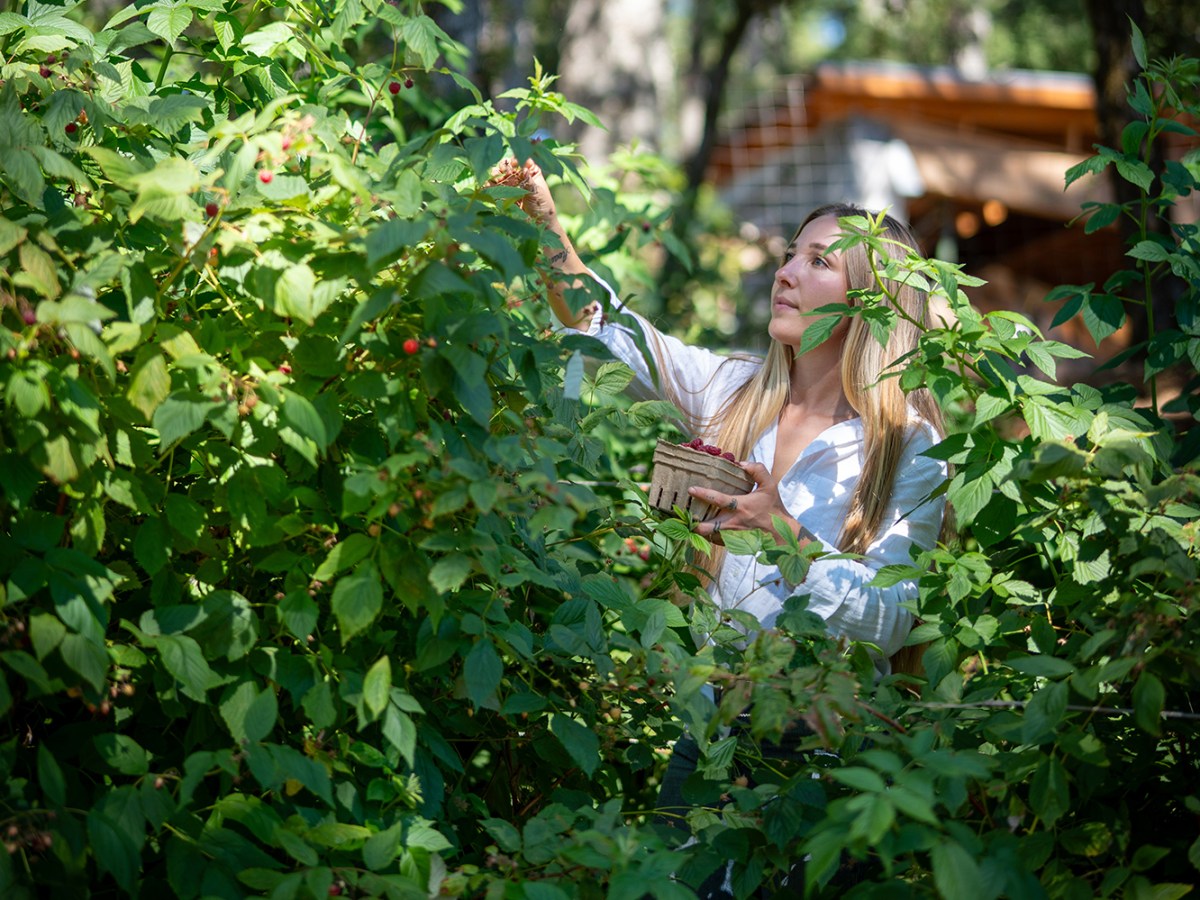
Swap a section of lawn for a mix of native flowering plants, like California poppies, desert milkweed, or penstemon, to support bees and butterflies.
Plan for shade with vertical greenery and experiment with trellises, living walls, or espaliered fruit trees to maximize small urban yards.
Add edible hedges for foraging throughout your landscape. Blueberries, currants, goji berries, dwarf pomegranate, and feijoa all make for a living screen that offers both privacy and a delicious harvest.
Harvest
Thomas J. Story
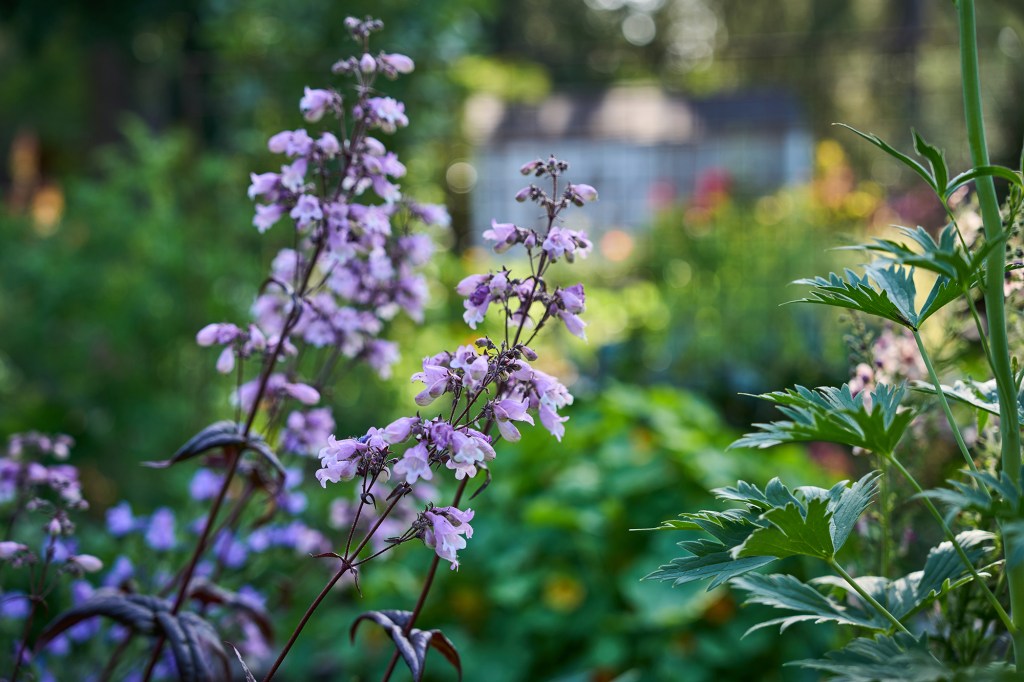
Create a new kind of cutting garden by mixing in drought-tolerant natives, like Clarkia, blanketflower, desert marigold, and penstemon, for eco-friendly bouquets that will also benefit pollinators and your overall garden health.
Hunt for miner’s lettuce, wild arugula, or dandelion greens in open spaces or low-traffic areas for vibrant early-season greens.
Gather sage, yerba santa, or wild mint to dry for herbal infusions. This is the perfect time to also forage young ponderosa or sugar pine tips for syrups or aromatic teas.
Maintain

Thomas J. Story
Consider a low-lift, drought-wise patio. Install gravel or decomposed granite pathways edged with lavender, sage, or ornamental grasses for texture and low-water interest.
Mulch for micro-climates by using leaf litter, straw, or shredded bark to protect roots, retain water, and encourage beneficial insects.
Prune spring-flowering shrubs after bloom for shape and vigor, and thin blossoms on citrus and stone fruits like peaches and plums to encourage larger, juicier fruit later in the season.
Protect
Halfpoint Images/Getty Images
Reduce wildfire risk and get ahead on growth by clearing dead branches and planting low-flammability natives to create a defensible space around your home.
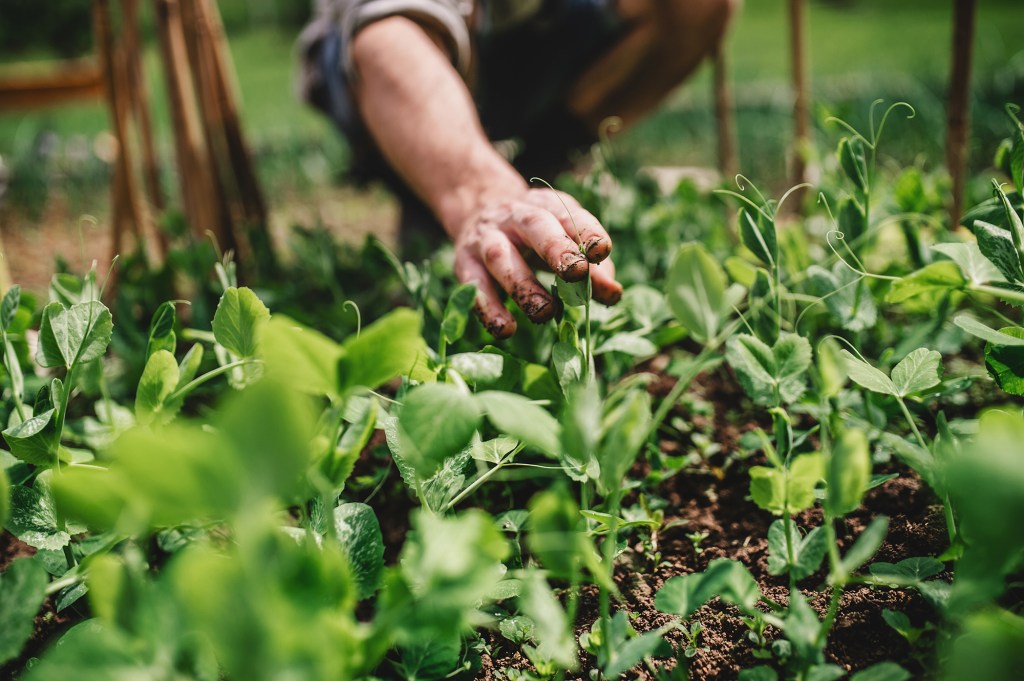
Track what thrived last year and rotate crops to keep soil healthy, reduce pests, and prevent disease buildup, then plant nitrogen-fixing legumes or cover crops in empty beds to recharge the soil.