
How to Grow Your Own Wellness Garden This Spring
Plant picks and design ideas for medicinal gardens that nourish body, mind, and habitat.
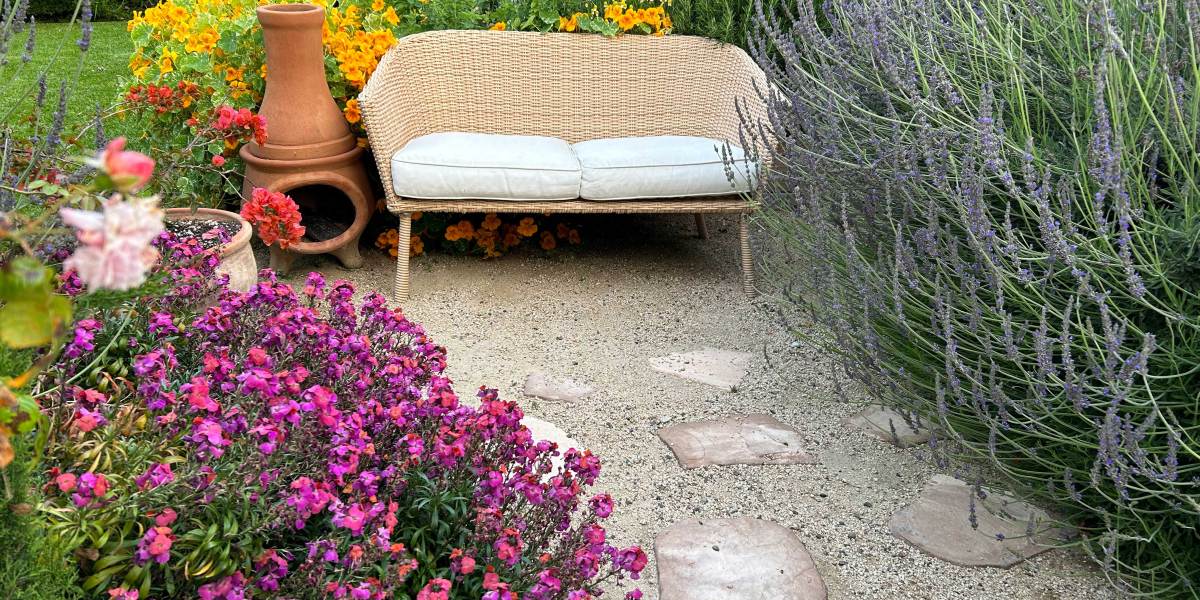
Briana Lyon/California Wild Gardens
There’s a quiet rebellion happening in Western gardens. Lawns are loosening their grip. Hedgerows are softening. And in their place, something more human and more alive is taking root.
A wellness garden isn’t about perfection or productivity alone. It’s about creating a space that restores you while repairing the land beneath your feet. Briana Lyon, founder of California Wild Gardens, describes a wellness garden as “somewhere you can hang out, snack, commune with nature, and otherwise let go of your worries for a little bit.” That sense of ease is intentional.
If you’re looking to create a garden buzzing with life, one that invites birds and butterflies, feeds soil microorganisms, and offers herbs for tea or remedies along the way—you’ve come to the right place. Read on for all Briana’s tips to cultivate a space that asks less of us and gives back far more. A little wild, it turns out, might be exactly what we all need.
Starting with the Senses

Briana Lyon/California Wild Gardens
For Lyon, wellness gardening begins long before plants go in the ground. It starts with intention. Gardens can mark transitions, hold memory, or offer a place to breathe when the world feels heavy. She often designs spaces that quietly support people through grief or change, where hummingbirds, butterflies, and seasonal rhythms become part of the healing process.
Designing for wellness also means designing for the senses. Sight, smell, touch, and taste all matter, especially when a garden is meant to soothe rather than stimulate. Lyon pays close attention to who will be using the space, adjusting color, texture, and plant choices accordingly. When working with people who have sensory sensitivities, she explains that muting color palettes and reducing anything that feels aggressive can be deeply meaningful.
Briana’s Sensory Plant Picks to Explore
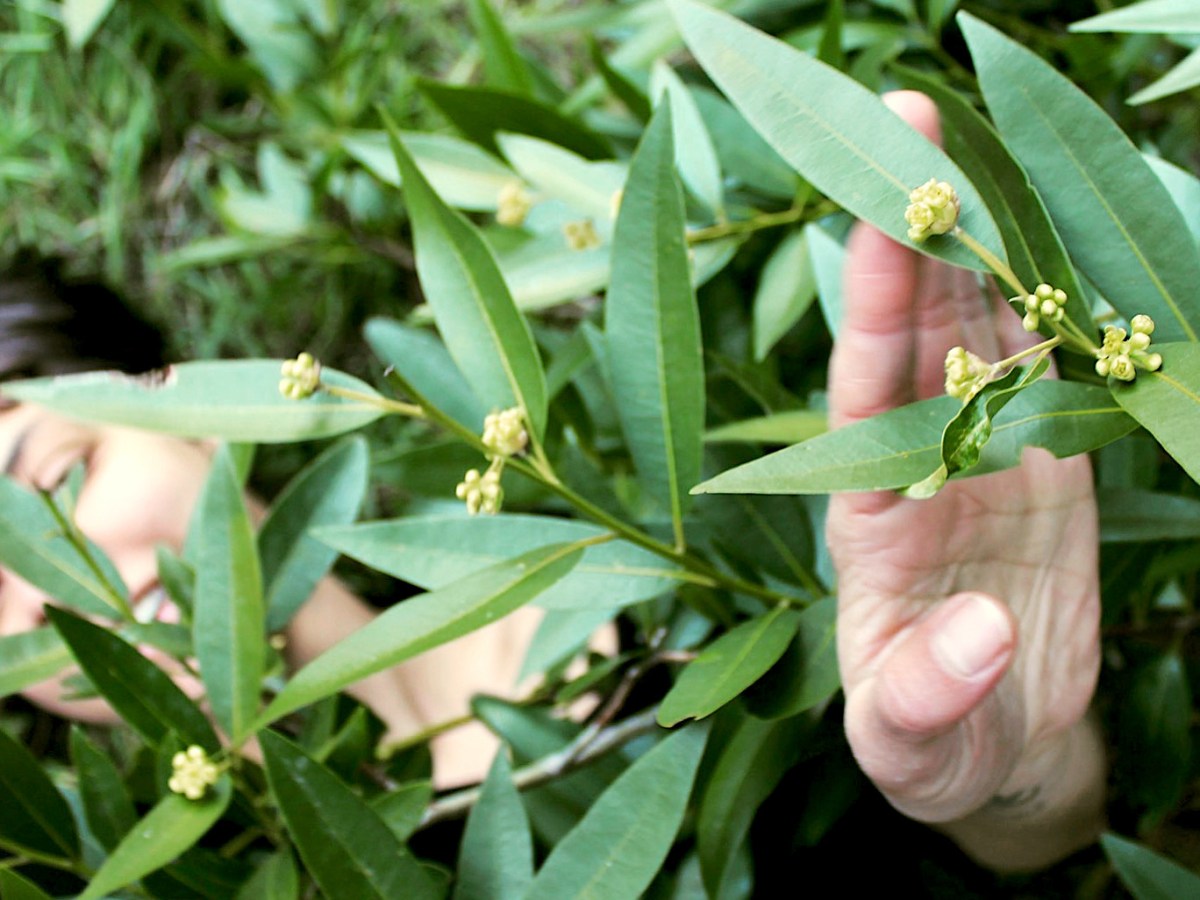
Aromatic: California bay laurel, white sage, lavender
Edible and powerful: Thyme, parsley, rosemary
Tactile along paths: Violets, blue-eyed grass, coast daisies
Swish-worthy grasses: Pink muhly, Cape Mendocino reed grass, switchgrass
Balancing Wild with Intentionality
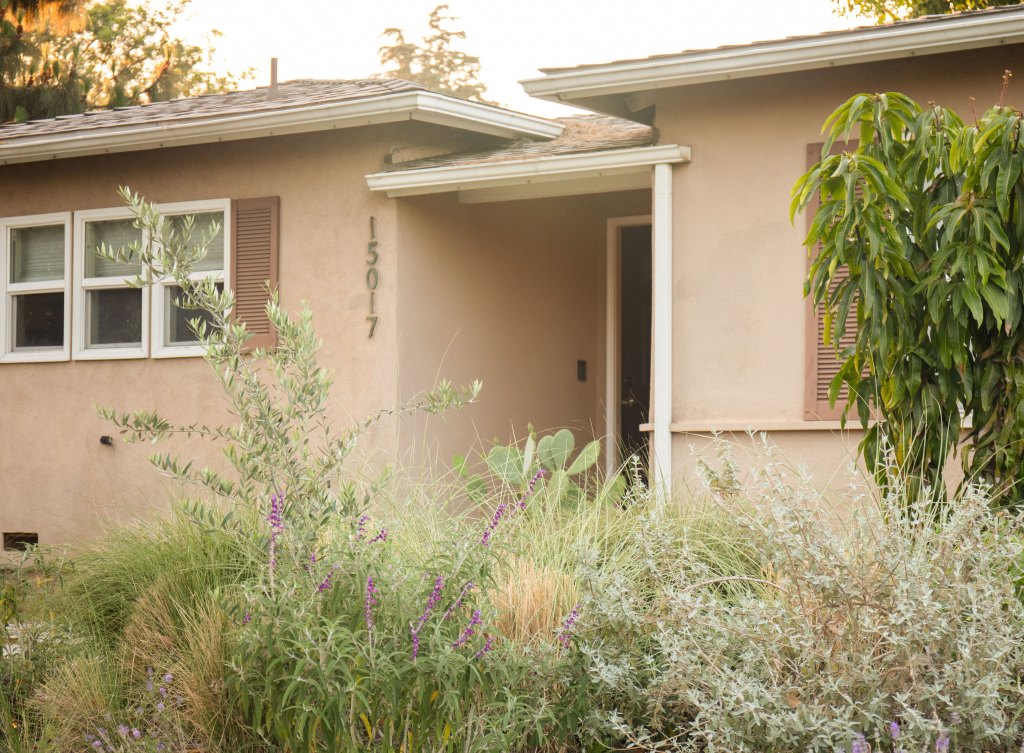
Briana Lyon/California Wild Gardens
Wild gardening, Lyon explains, isn’t about letting things go feral. It’s about shifting your mindset from control to collaboration. Instead of forcing plants to perform, wild gardens work with what already thrives in a given climate.
Even subtle changes can make a meaningful difference. Mixing two or three species instead of repeating a single hedge plant increases resilience and habitat value. Paying attention to volunteer plants, from self-sown herbs to fruit trees, can reveal what the land is already offering freely. “Wild gardening is more of a philosophy than an aesthetic, so it can be worked into almost any style of garden,” Lyon says. The result is a space that feels alive, adaptable, and far less demanding.
Choosing Plant Palettes That Multi-Task
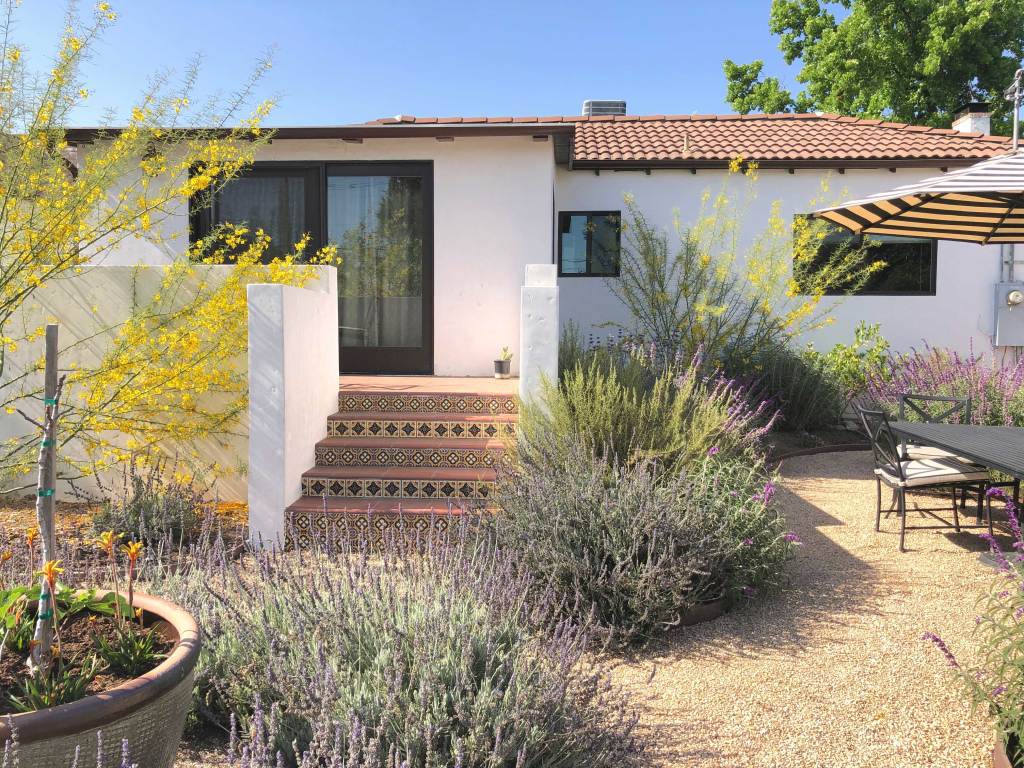
Briana Lyon/California Wild Gardens
One of the guiding principles of a wellness garden is stacking functions. The goal is to choose plants that are beautiful, useful, and ecologically hardworking at the same time. The more roles a plant plays, the easier the garden becomes to care for over time.
Lyon encourages gardeners to think beyond ornamental landscaping and ask what each plant can do. Can it feed pollinators, build soil, provide shade, or support the nervous system through scent and harvest? “The more we stack functions with our plants, the easier and more self-sustaining our environments become,” she says.
Starter Palettes to Try This Spring
Mediterranean Magic (sensory and pollinators): Palo verde, California purple sage (Salvia ‘Winnifred Gilman’), Mexican sage, lavender
Wild Child Edibles: Nasturtium, bee balm, dill, purple orach, or shiso
Sacred Herbs and Teas: White sage, lemon verbena, oregano, goji berry, or sea buckthorn, with larger statements such as elderberry, bay laurel, passion fruit, grape, or woodland strawberry where space allows
Focusing on the Foundation

Briana Lyon/California Wild Gardens
If wellness gardening has a true starting point, it’s below ground. Healthy soil supports healthier plants, and healthier plants support healthier people. Lyon often reminds clients that struggling gardens are usually suffering from a soil issue rather than plant failure.
She encourages rebuilding soil with mulch, compost, drainage strategies, and patience. Even weeds have a role to play, often arriving to repair compacted or depleted ground. Trees, too, are central players in wellness gardens, cooling microclimates, cleaning air, and stabilizing soil. As Lyon puts it plainly, “If your plants are all dying, it might be because your soil is dead.”
Soil- and Habitat-Building Plant All-Stars
Palo verde, mimosa, acacia, calliandra, Mexican bird of paradise, citrus, redbud, ash, honey locust, nettles, nasturtiums, agave, prickly pear, and aloe.
Restoring Through Seasonal Rituals
Briana Lyon/California Wild Gardens
Wellness gardens thrive on gentle routines rather than rigid schedules. Lyon favors wandering harvests, shared abundance, and seasonal pauses. Harvest herbs casually. Invite neighbors to share extra fruit. Prune twice a year. Let grasses sway and trees change color without rushing to tidy them away.
These visible shifts act as cues for our own nervous systems, reminding us when to slow down and when to begin again. For Lyon, even maintenance can be restorative. She describes weeding as “the ultimate meditation.”
Laying the Groundwork
Briana Lyon/California Wild Gardens
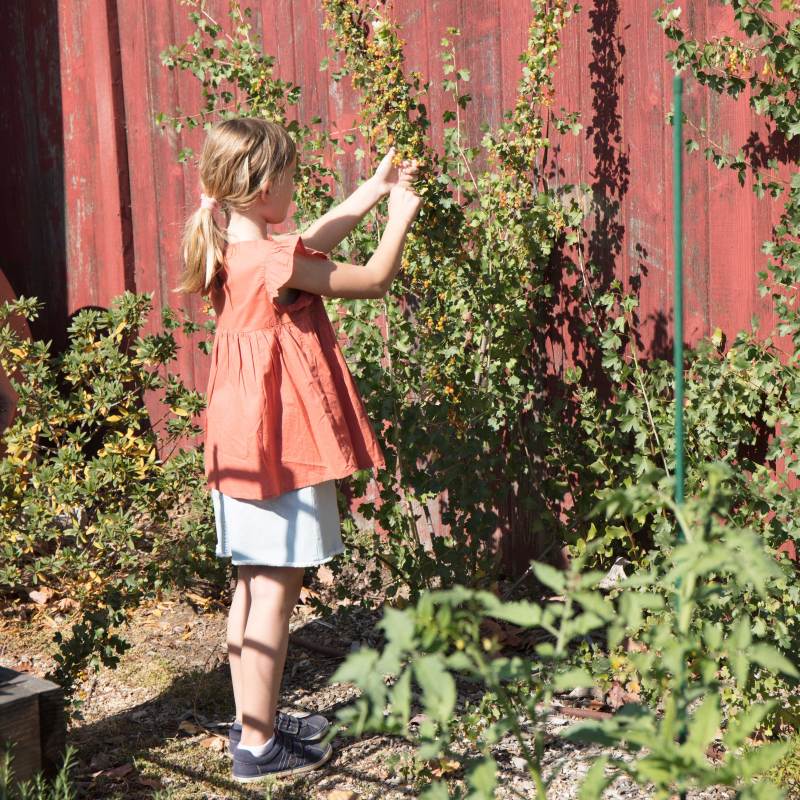
For beginners, the most important step isn’t planting. It’s noticing. Spend time in your space. Sit, observe, and learn where the sun falls, how the wind moves, and what already grows well.
Even small gardens, or just a few pots, can support wellness. A pollinator plant, an edible, and a medicinal succulent are enough to begin building a relationship.
In the end, the goal isn’t mastery. It’s a connection. “What’s in front of you is so much more important when it comes to gardening than what’s in your imagination,” Lyon reminds us. “Always enjoy the little wins.”