What Is an AVA? This Key Detail Will Make Buying Wine So Much Easier
It’s all about location, location, location.
King Lawrence
Conventional wisdom says you should never judge a book by its cover—and the same sentiment can be applied to buying wine. There are so many brands, varietals, and price points out there, but a pretty label or buzzy social media presence isn’t exactly the way to whittle down your search. What can help, wine insiders say, is an understanding of American Viticultural Areas, or AVAs.
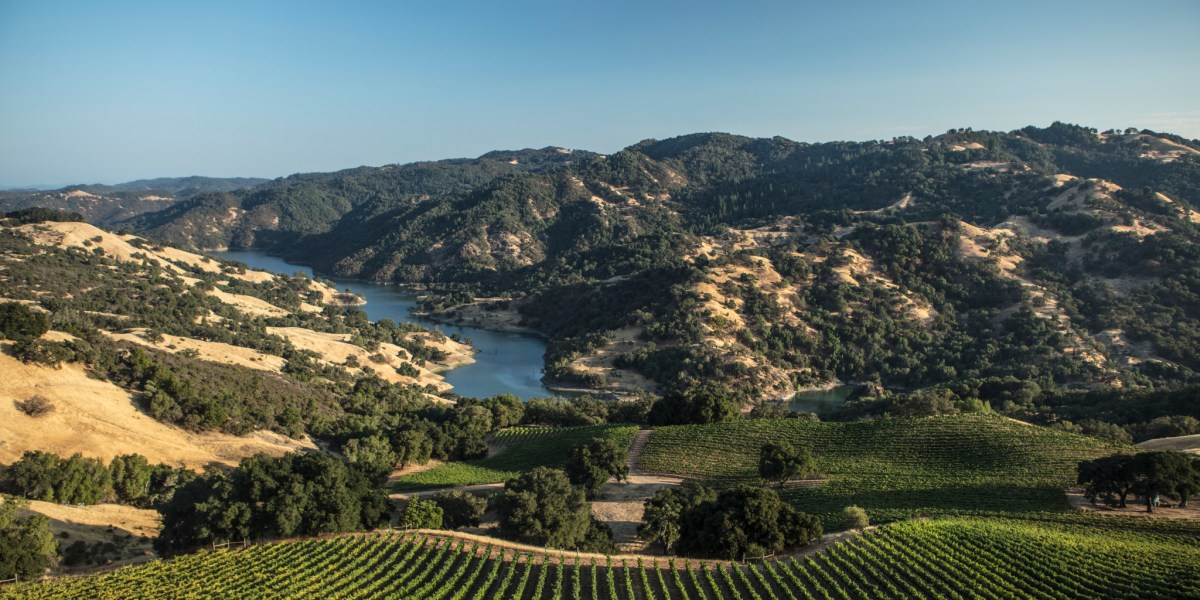
We know what you’re thinking: A what?! Simply put, an AVA is a designated region in the United States, often with a unique microclimate and terroir. Sure, everyone might know Napa Valley, but did you know the area boasts 16 diverse AVAs?
Rocco Ceselin
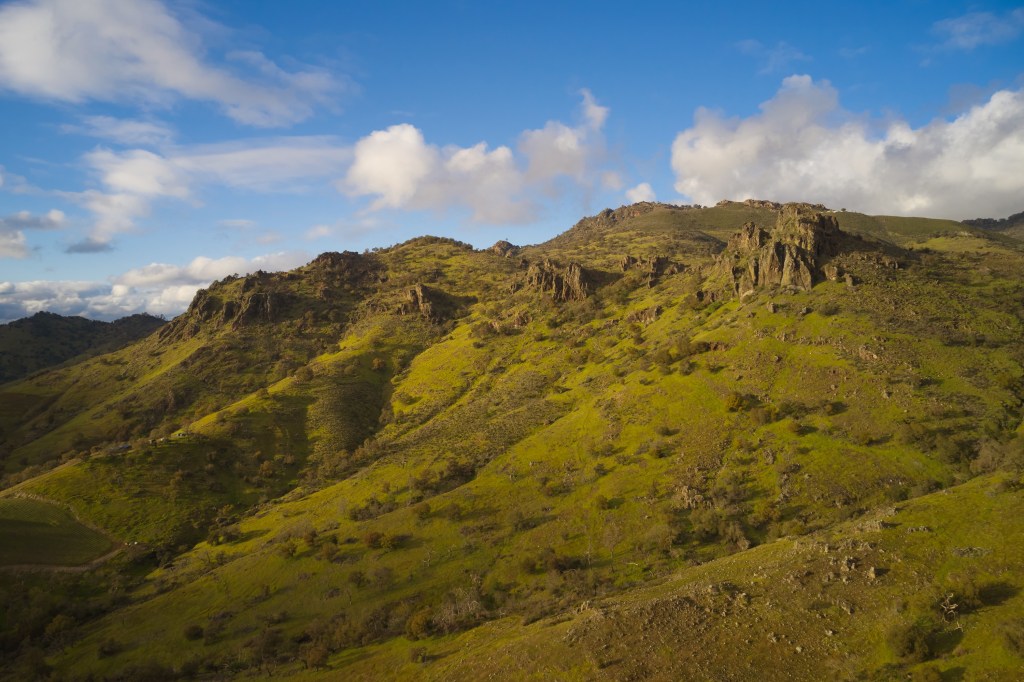
“There is incredible diversity in the soils, climate, geography, and geology across every corner of Napa Valley,” says Elizabeth Vianna, winemaker and general manager of Chimney Rock Winery and board vice president of Stags Leap District Winegrowers Association. “These differences result in wines with vastly different personalities. One of the most fascinating aspects of wine is the reflection of place, how geography, geology, and climate shape the character of the wines produced.”
Nestled in Napa Valley, Vianna calls the Stags Leap AVA “a valley within a valley.” Here, cooler mornings and evenings as well as ancient volcanic soil create an optimal area for Cabernet Sauvignon to thrive. “These conditions give us wines with beautiful black fruit tones and freshness, great acidity, and elegant tannins and structure, wines built to age yet approachable in their youth,” she says. Cab might be king in Stags Leap, but Vianna says the area also has solid Cabernet Franc, Merlot, Petit Verdot, and Malbec.
Clay Mauritson
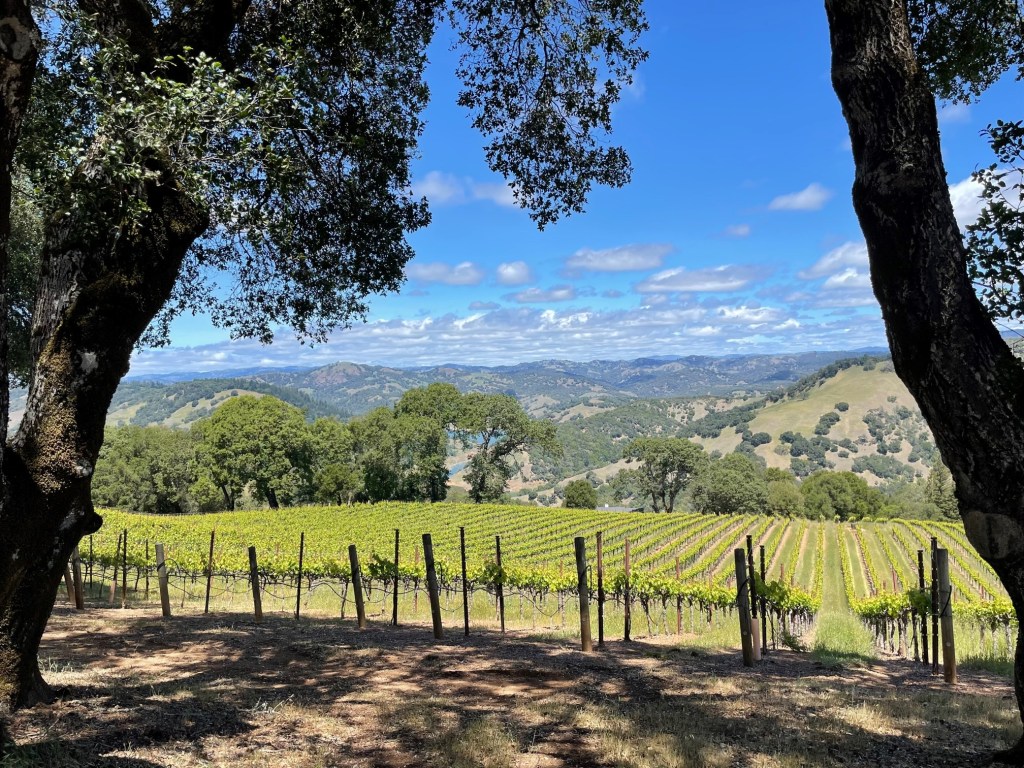
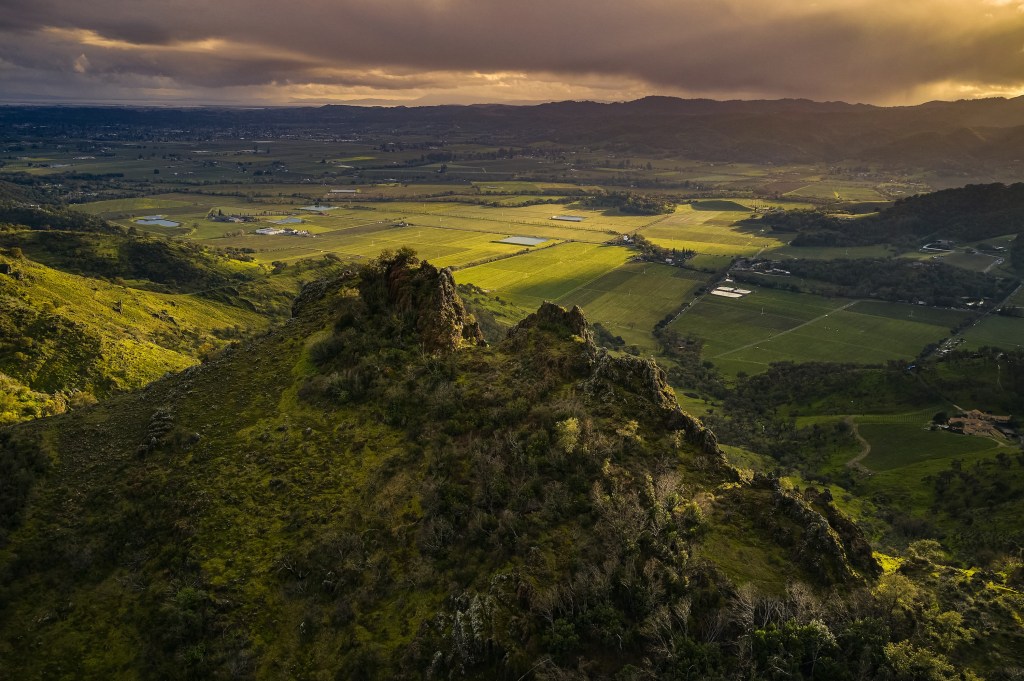
Meanwhile, less than 50 miles north of the Stags Leap AVA is Rockpile. With sweeping elevations, temperate climates, and coastal breezes, Rockpile is best known for supplying vineyards like Mauritson Wines with excellent Zinfandel. “It’s an often-overlooked aspect of wine, but the best AVAs have a signature style that the consumers come to know and trust,” explains Clay Mauritson, founder and owner of Mauritson Wines. “There is, and should be, an expectation of quality from a great AVA like Rockpile.”
It’s those great expectations that can be your failsafe strategy for buying a great bottle. “If a consumer can identify wines they like—and, more specifically, varietals they like from specific AVAs—it can greatly increase their overall enjoyment of wine,” Mauritson explains. “It takes the guesswork out of ordering and purchasing wine.”
Vianna agrees and says in a world of seemingly endless options, location matters. “If [you] enjoy big, tannic wines that require many years of cellaring, look to mountain AVAs,” she adds. “If [you] seek freshness, acidity, and elegance, Stags Leap District is a strong AVA to consider.”
Rocco Ceselin
So, the question everyone’s asking now: How do you discover your favorite AVAs? While nothing beats a trip to a region that piques your interest (Vianna says it’s “an endless opportunity to learn”), there are plenty of alternatives for those who can’t swing a dreamy wine country getaway.
“The most important thing to know about wine is simply what you like,” Mauritson shares. “Once you understand what you like, then you can begin to uncover why you like it. Often, taste preferences follow AVA boundaries.”
The next time you uncork a bottle of vino, take a few moments to reflect. What does it taste like? Where does it come from? And, of course, do you like it? Once you get a better sense of the AVAs you love, you can bring that insight to the pros. “The sommeliers and wine stewards have vast knowledge of every wine on their list or shelf, and are generally excited to share their passion for a particular region,” Mauritson says.
If you want to learn more about how to order wine like a true insider, we have you covered with these helpful pointers.