The 6 Backyard Design Mistakes People Make Far Too Often (and What to Do Instead)
Two landscaping experts share their tried-and-true methods.
Wirestock/Getty Images
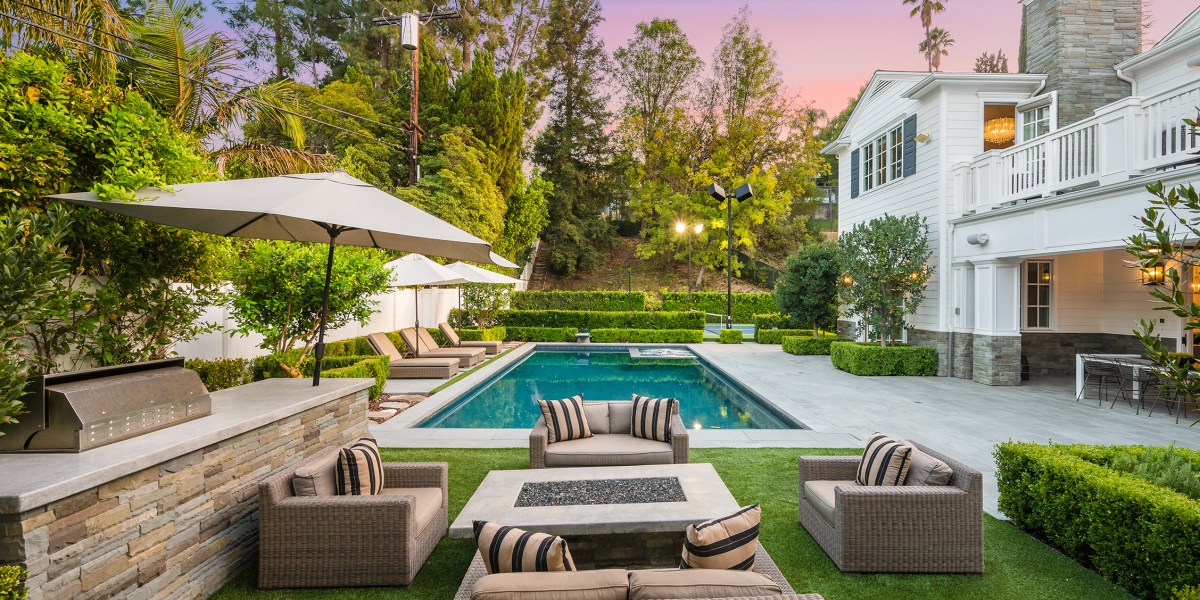
Backyard season is upon us, which means alfresco dinners, sun-soaked reading sessions, and outdoor lounging are all on the horizon. And if you’re updating your exterior or working on a new build, you don’t want to fall victim to common mistakes that affect the look and indoor-outdoor flow of your home. To break it all down, we tapped two experts: Shane Brown, founder of Big Daddy’s Antiques and The Well, and Kevin Lenhart, a landscape architect and the design director at Yardzen.
“Backyards are spaces for living, or at least they should be,” Lenhart says. “As a species, humans are meant to spend time outdoors, ideally in nature. For most homeowners, the backyard is their best opportunity to facilitate outdoor living.”
Thomas J. Story
Mistake 1: Thinking of Your Backyard as an Isolated Area
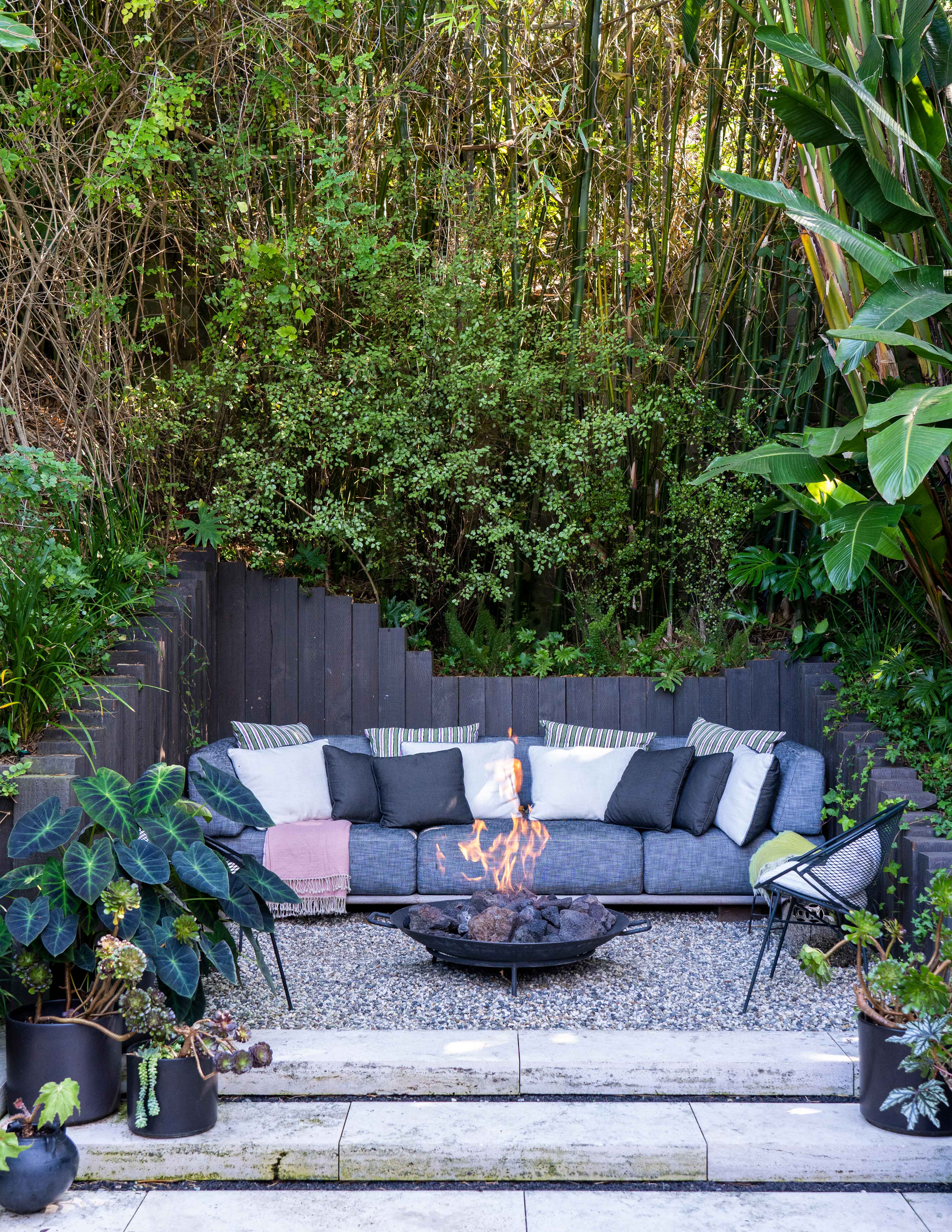
“The exterior should be an extension of the interior, so there should be complements and not contrasting elements,” Brown says. Creating this flow requires thoughtfully selected pieces and elements that coordinate with the rest of your environment. Brown adds you want to factor in the views from inside your home before making any big decisions.
Mistake 2: Focusing on the Means, Not the Ends
Lenhart says it’s common for people to get caught up in one specific feature, such as a pergola, outdoor kitchen, or built-in bench.
“These elements are means, not ends,” he says. “Too often, people insist on shoehorning these features into designs where they don’t fit. I encourage clients to focus on the ends, not the means. When you let big-picture goals drive a project, you adopt a much more nimble approach and allow for greater creativity in the design process.”
Same goes for planting prior to framing. Though planting is essential, Brown says it’s best to establish the framework (or “bones”) of your project before moving on to flowers and greenery.
Mistake 3: Leading with Aesthetics over Function
“This is not to say that aesthetics should be ignored; they shouldn’t!” Lenhart says. “Beauty itself is a function. Spaces we dislike the look of get changed, or don’t get built at all. Function alone isn’t enough. A functional goal can only be achieved if the space is attractive enough to endure.”
If you focus too much on looks, you also risk the health of your plants, since sunlight exposure and other site conditions could affect their growth and viability. As you review which plants you hope will grow in your new backyard, both Brown and Lenhart say to evaluate if your exterior can support your favorite species.
Plus, you’ll want to make sure you (or your landscaping expert) knows about the maturity of these plants. Brown says some people don’t always understand the mature size of the plants and trees, and later find out their space can’t accommodate them.
Thomas J. Story
Mistake 4: Leaning into Trends
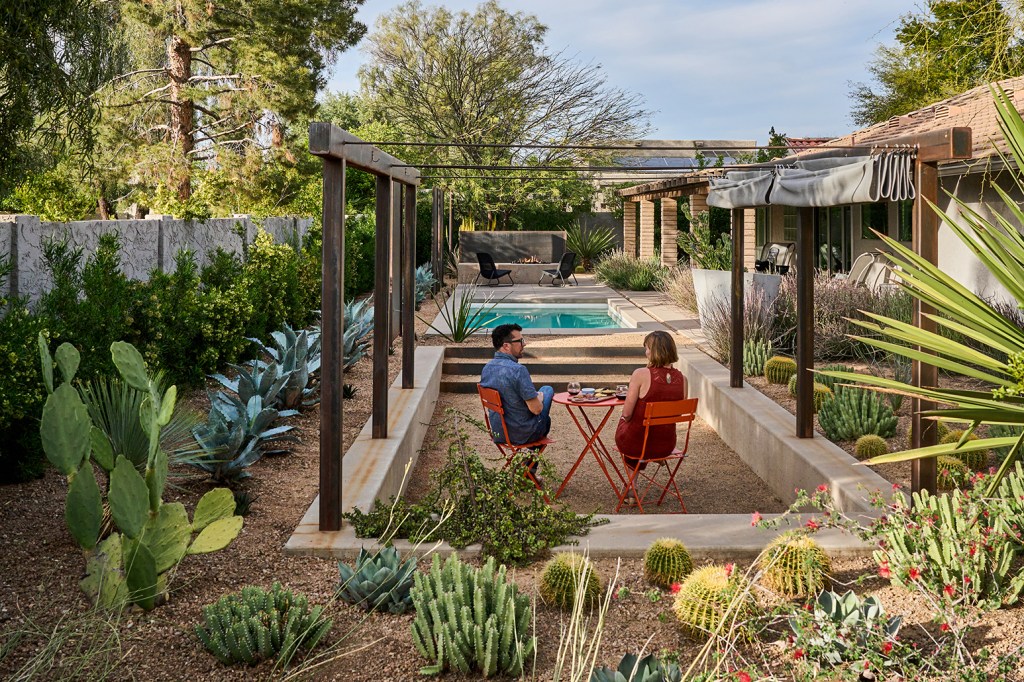
Lenhart says to beware of buzzy design ideas, but have fun with your yard: “Look to nature rather than trends. Consider the region where you live: its colors, plants, materials, and formal language. Match, contrast, or abstract those elements as little or as much as you like, just be intentional about it.”
Mistake 5: Placing Too Many ‘Big Features’
Sometimes, there’s simply not enough space to pack in all of your ideas. Pare down your need-to-haves and leave open areas throughout, which Brown says will “bring in the calmness and opportunities to discover.”
Mistake 6: Assuming You Need a Big Budget
“A limited budget can be a gift in many ways,” Lenhart says. “It actually gets you lean into multi-functionality, designing spaces to comfortably accommodate a wide range of functions and user groups.”
Thomas J. Story
What to Do Instead
Map It All out First
Before adding anything to your cart or whipping out your gardening tools, take a tour and develop your overall vision, Brown advises. Lenhart agrees, adding that you should start broadly, considering how the yard can benefit you, and how you hope to use the exterior space.
Identify Tactics
Lenhart says this is where you factor in more details, such as indoor-outdoor plant views, underutilized areas or blockers, and your desired budget.
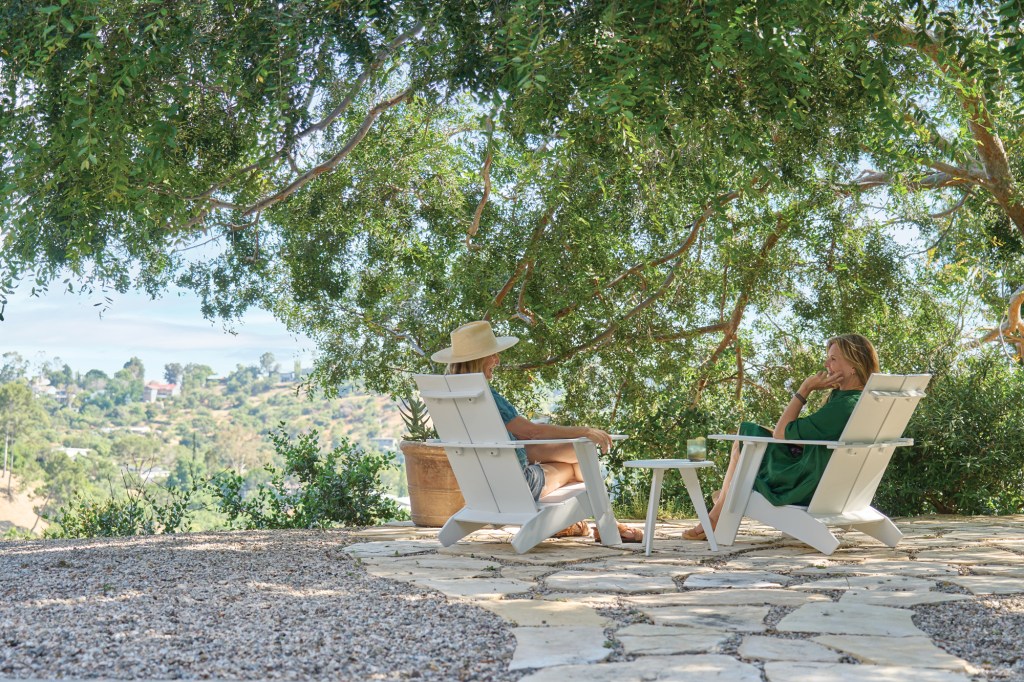
Create distinct zones. “Use pergolas, patios, and pathways as elements to begin the story,” Brown says. “Offer one main feature, such as a mature tree, a fire feature, or a fountain. Then, layer in the plant varieties, hedging, lawn space, and leave some open areas.”
Look to Nature Rather Than Trends
“Consider the region where you live: its colors, plants, materials, and formal language,” Lenhart says. “Match, contrast, or abstract those elements as little or as much as you like, just be intentional about it.”
Plant Trees
Lenhart calls these looming fixtures “the single most powerful landscape design element.” “They’re the simplest, most effective way to establish those critical sightlines within a design that help spaces feel larger, greener, and more interconnected,” he adds.
The key takeaway here? Work with the site you have. “The land will always win. You want the land on your team,” Lenhart says. “Design doesn’t need to be passive, but it should respect the power of the site and the natural processes that unfold there. It’s a far more peaceful situation to work with the site than against it.”