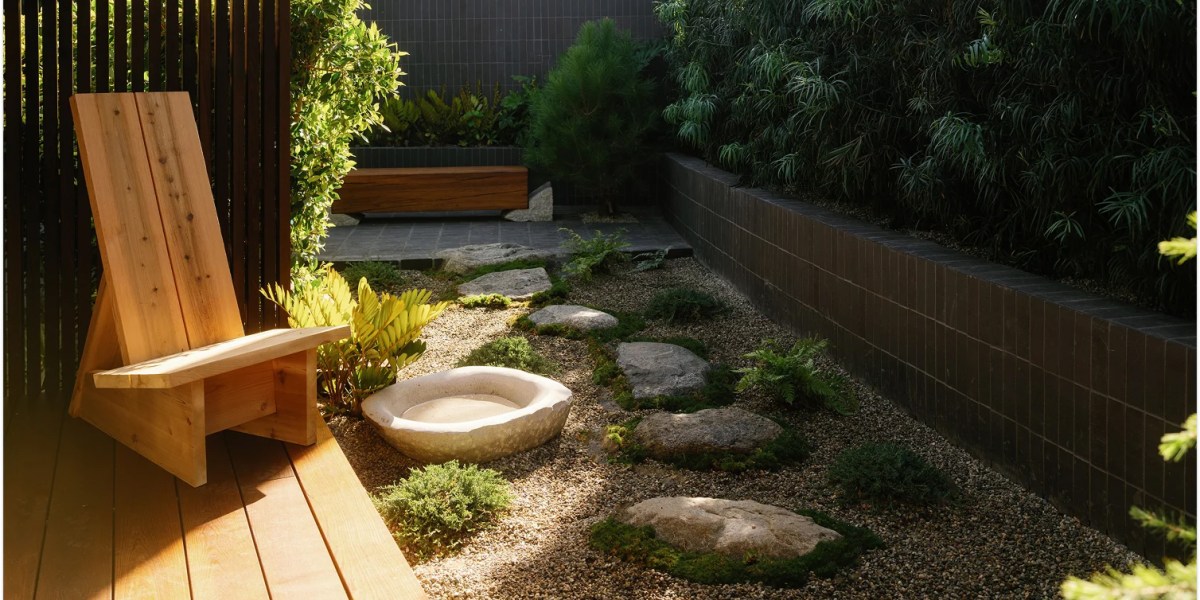
The Late-Summer Reset: 10 Weekend Projects That Will Make Your Garden Thrive This Fall
Late August is the garden’s great in-between. Here’s how to use a weekend or two to reset what’s tired, make room for what’s next, and set your garden up for a beautiful fall.
Thomas J. Story
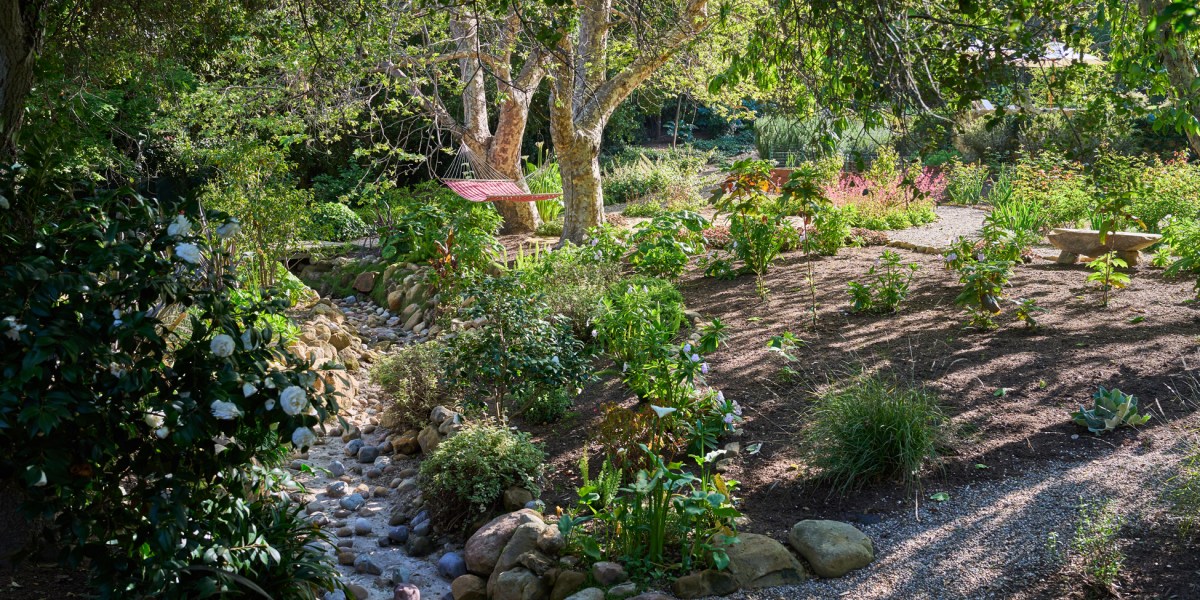
There’s something about late summer that makes you notice your garden differently. The exuberance of June and July has started to settle, containers are looking a little tired, and the soil has been working overtime. But this isn’t the moment for a garden overhaul. Think of it as an edit.
A few strategic projects now can make a surprising difference come fall: Consider refreshing tired soil, tucking cool-season crops into empty spaces, dividing plants that have outgrown their spots, and giving containers a second act. The goal isn’t a perfectly manicured garden. It’s a garden that feels intentional, alive, and ready for what comes next.
The best part of a late-summer reset is that you don’t have to start over! Your garden has already done the hard work. Now it’s simply asking you to pay attention. Pull what’s finished, leave what’s useful, plant into the gaps, feed the soil, fix the irrigation, and let the garden keep changing.
Thomas J. Story
1. Edit, Don’t Erase
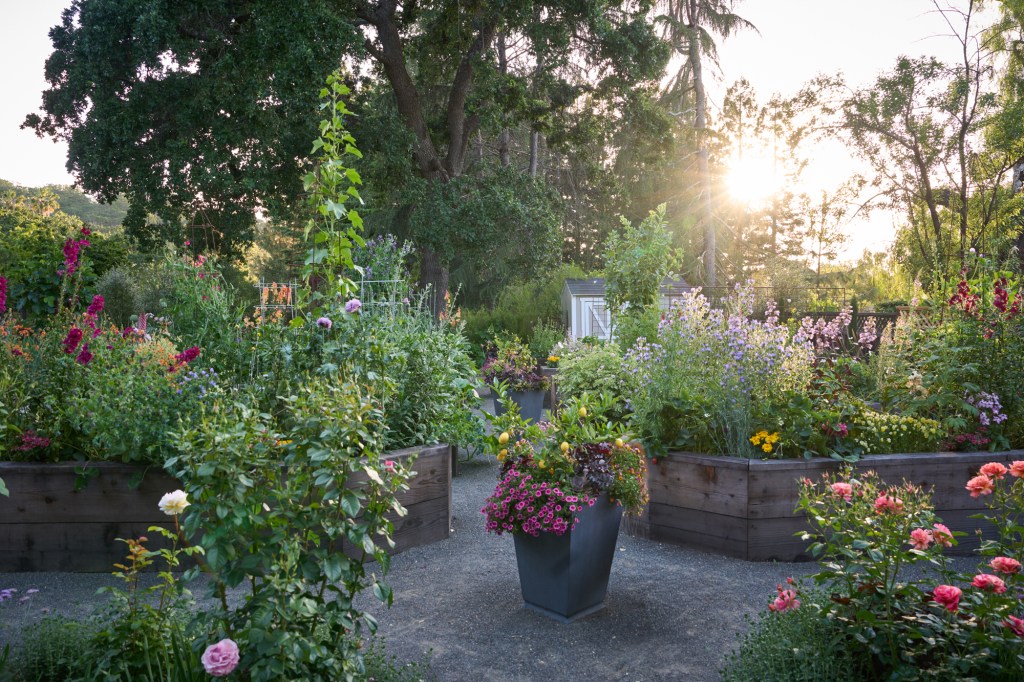
Before you start pulling things out, take a walk. Identify what’s truly finished, what’s still producing, and what simply needs a trim. Remove spent or diseased plants, but leave anything still flowering, fruiting, or feeding wildlife. Then look at the gaps you’ve created: An empty patch might be the perfect place for a few fall vegetables or flowers.
Keep exploring: A Late Summer Garden Checklist
Thomas J. Story
2. Give Your Soil a Refresh
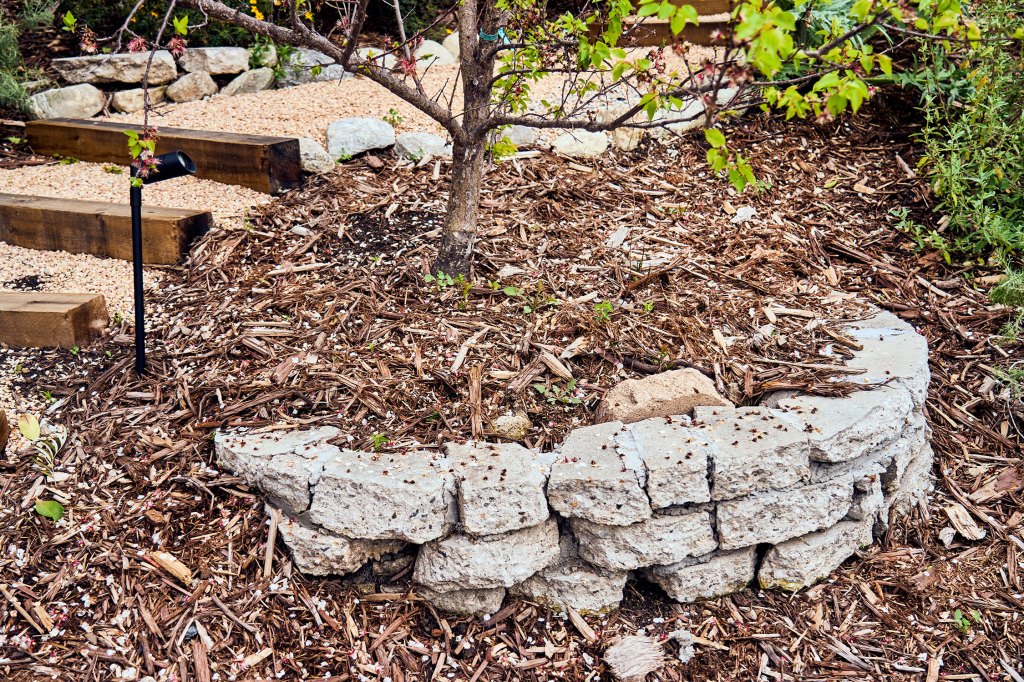
After months of growing and harvesting, your soil deserves a little love. Top-dress garden beds with finished compost and check your mulch before automatically adding more. For containers, replace the tired top layer of potting mix with fresh mix and compost. Think of it as a garden facial: A little refresh now sets everything up for another round of growth.
Keep exploring: Mulch Basics
Thomas J. Story
3. Plant Your Second Summer
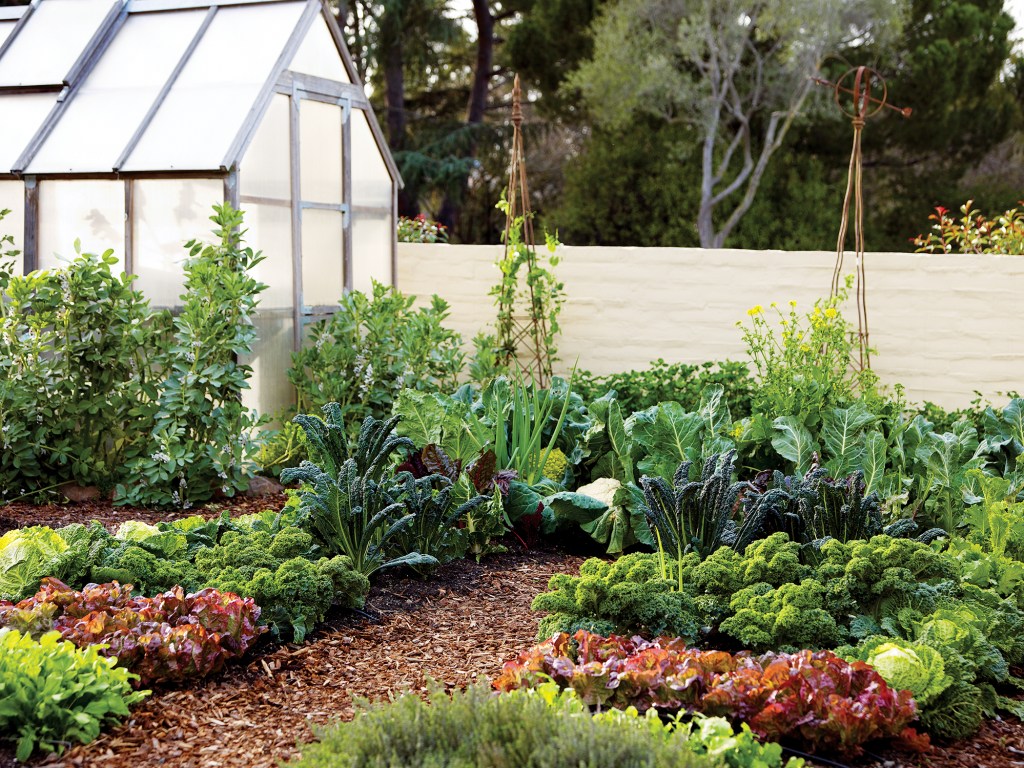
In much of the West, August isn’t the end of the vegetable garden—it’s the beginning of round two. Depending on your region, tuck in kale, lettuce, arugula, carrots, radishes, beets, broccoli, cabbage, spinach, and herbs. And don’t wait for a perfectly empty bed: Planting between still-producing summer crops lets the seasons overlap.
Keep exploring: Here’s What to Plant and Prep Right Now for a Thriving Fall Garden
Thomas J. Story
4. Do Some Garden Math
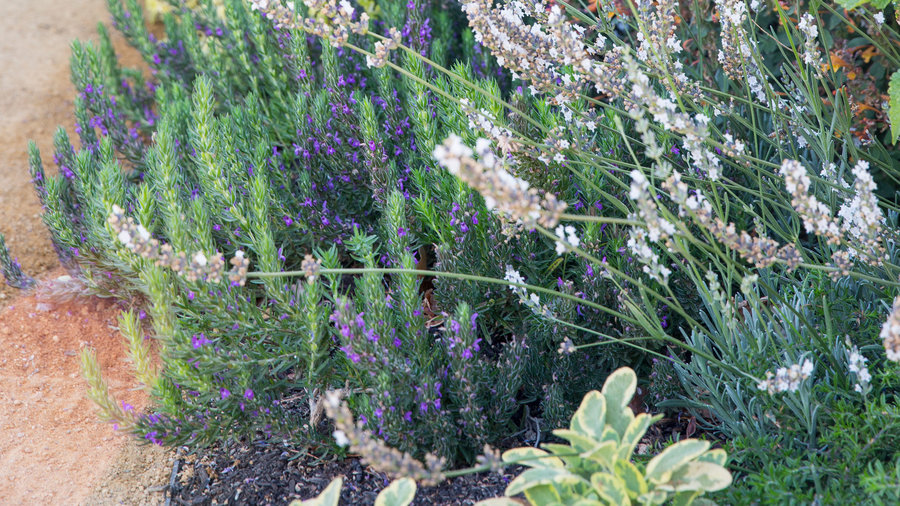
Have a perennial that’s become crowded or developed a dead spot in the center? It may be ready for division. Depending on the plant and your region, late summer can be a good time to dig, divide, and replant all the segments—turning one established plant into several. It’s one of the easiest ways to fill gaps in the garden without buying anything new.
Keep exploring: How to Divide Perennials
Thomas J. Story
5. Give Containers a Fall Reset
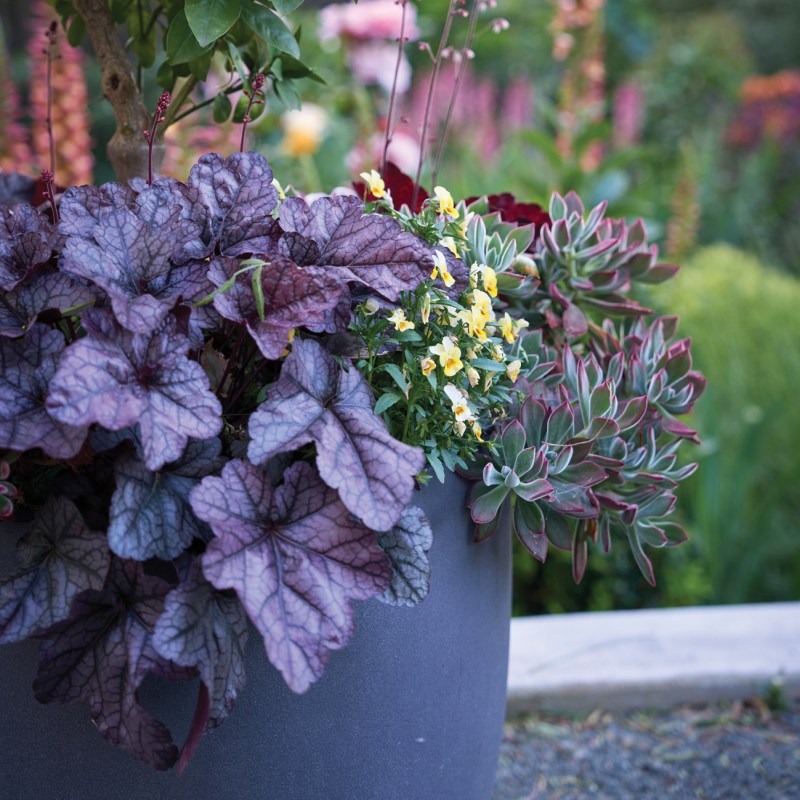
Before replacing tired containers, shop your own garden. Pull plants that have truly peaked, prune what can be rejuvenated, refresh the soil, and rethink the composition. Try combining one structural plant with something soft and textural and something that trails or flowers. Then move pots around—the simplest way to make an old container feel new.
Keep exploring: These Are the 4 Commandments of Container Gardening
Reed Davis
6. Tune up Your Irrigation
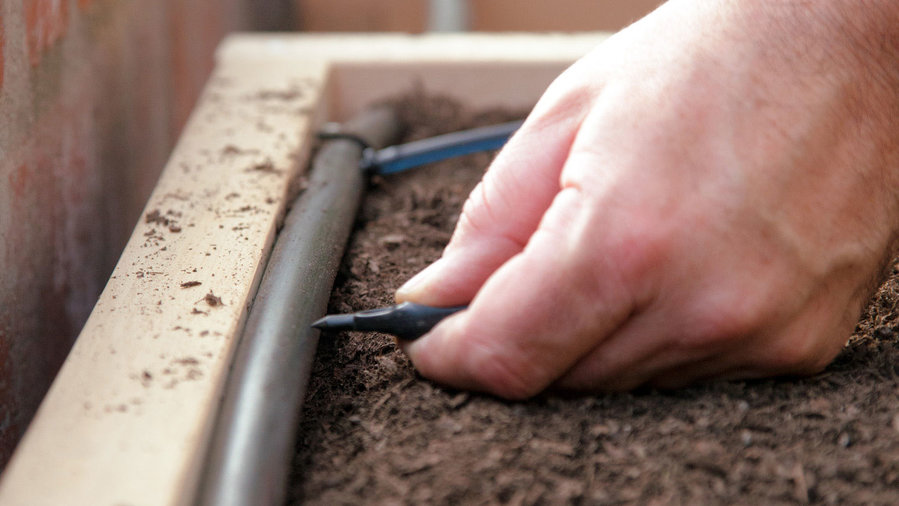
Turn on the system and walk away for 30 minutes. When you return, look for clogged emitters, leaks, broken lines, overspray, and dry spots. Pay attention to plants that suddenly look thirstier than their neighbors; they may be telling you exactly where the system needs attention. Fixing small problems now is far easier than nursing stressed plants later.
Keep exploring: Drip Irrigation
Thomas J. Story
7. Leave Some Mess for Wildlife
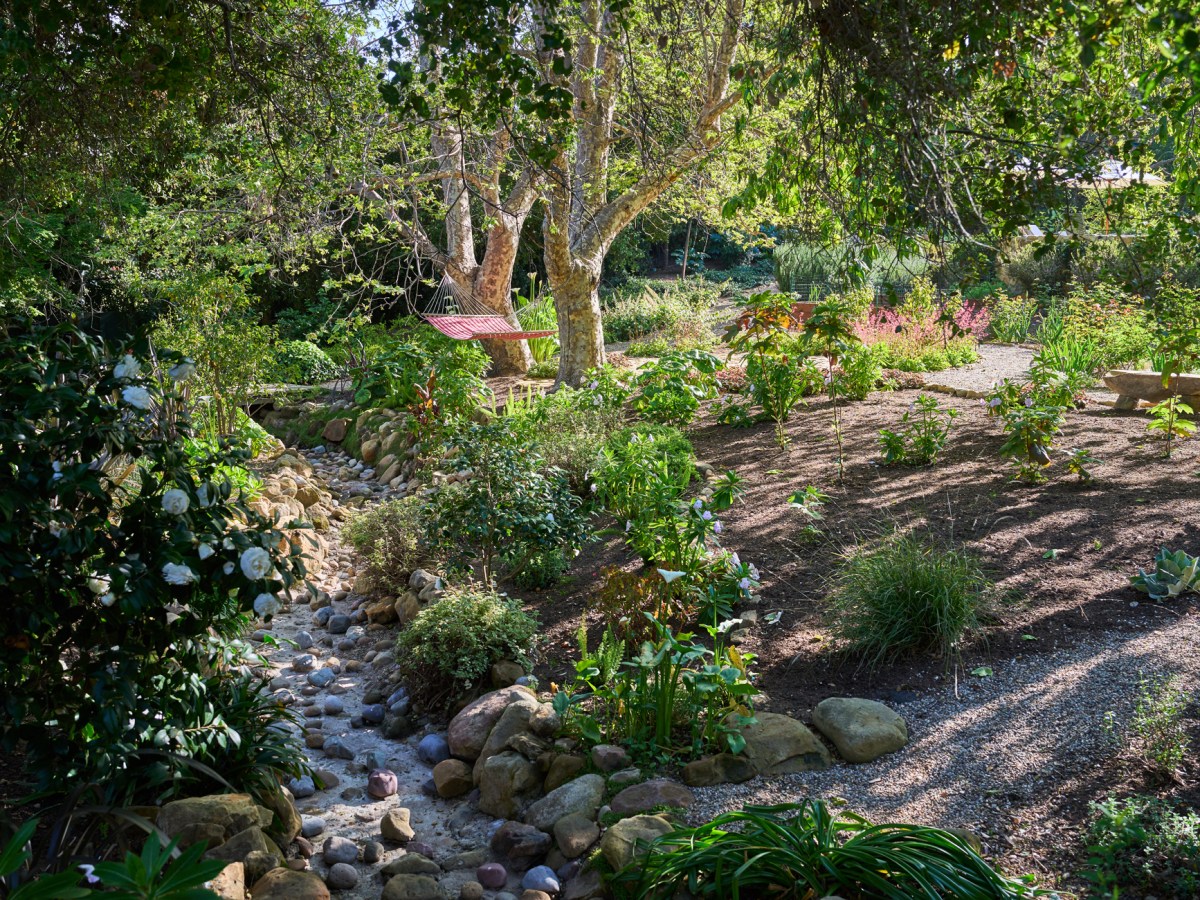
A garden reset doesn’t mean cutting everything back. Seed heads, berries, stems, and spent flowers can provide food and habitat for birds and beneficial insects. Before deadheading everything, choose a few plants to leave standing through fall and winter. A little intentional mess makes the garden more resilient—and more interesting.
Keep exploring: 5 Ways to Create a Wildlife-Friendly Garden with Fall Plantings
Thomas J. Story
8. Prep a Garden You Haven’t Planted Yet
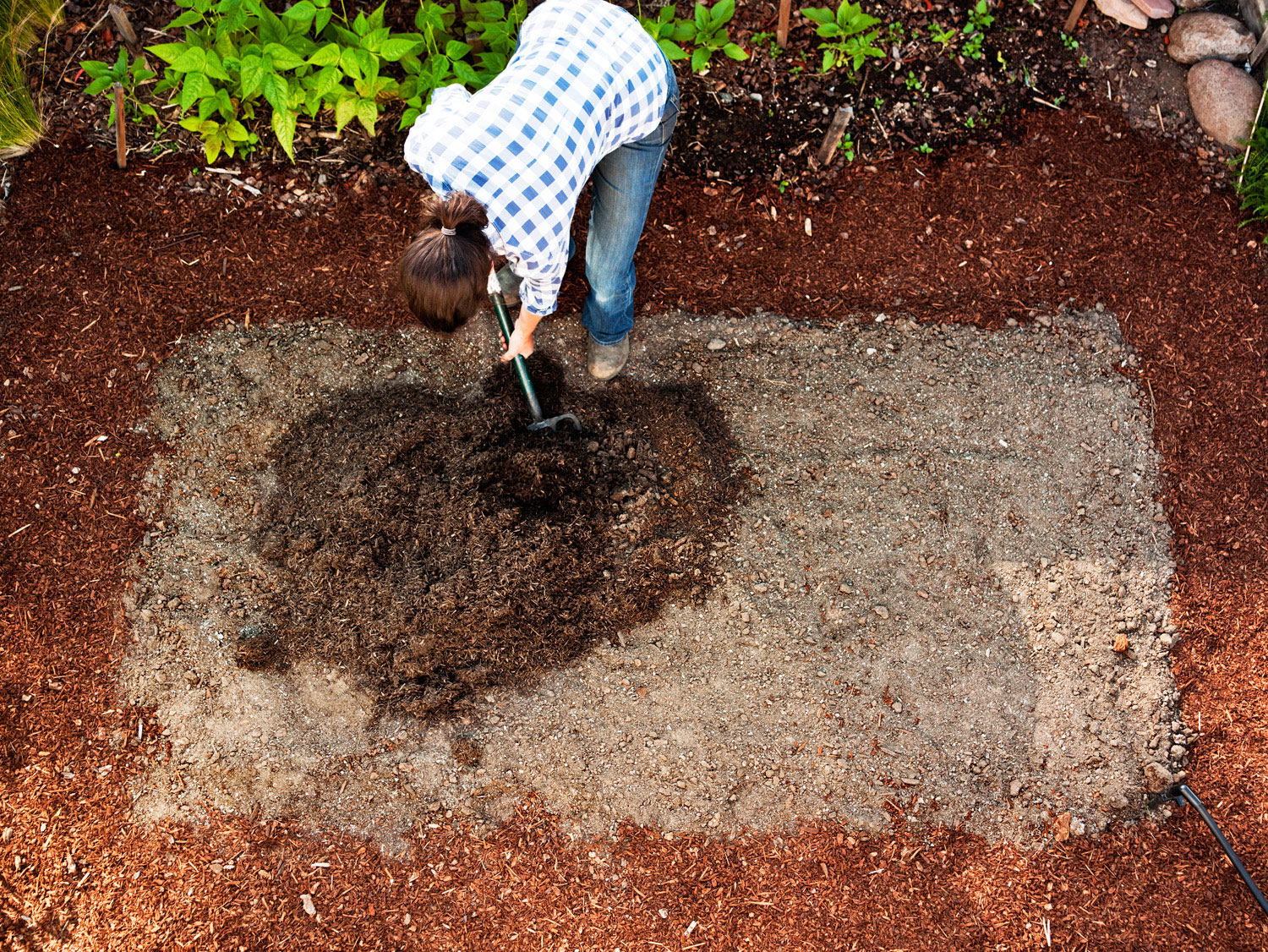
Choose one neglected patch and start preparing it for the future. Smother weeds with sheet mulch where appropriate, add organic matter, or plant a cover crop suited to your climate. You don’t have to finish the project this weekend; you’re simply giving Future You a head start.
Keep exploring: Fall Lawn Care & More Garden Chores to Prep for Winter
Troy Meikle
9. Plant Spring Before You Forget
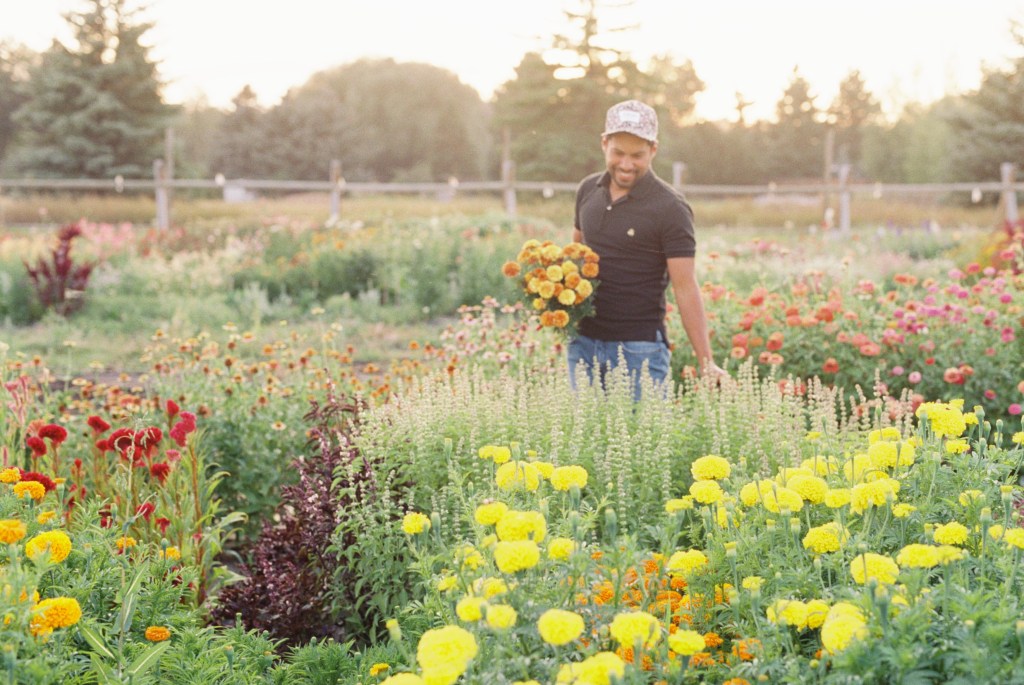
Spring bulbs have a funny way of sneaking up on us. Use late summer to decide where you want spring color, then start shopping with a plan. Photograph bare or newly cleared areas now so you’ll remember what needs filling when fall planting season arrives. Your spring garden starts with decisions made long before the first flower appears.
Keep exploring: Fall Is Bulb Planting Season—Here’s How to Guarantee a Successful Flower Garden
Thomas J. Story
10. Photograph Your Garden
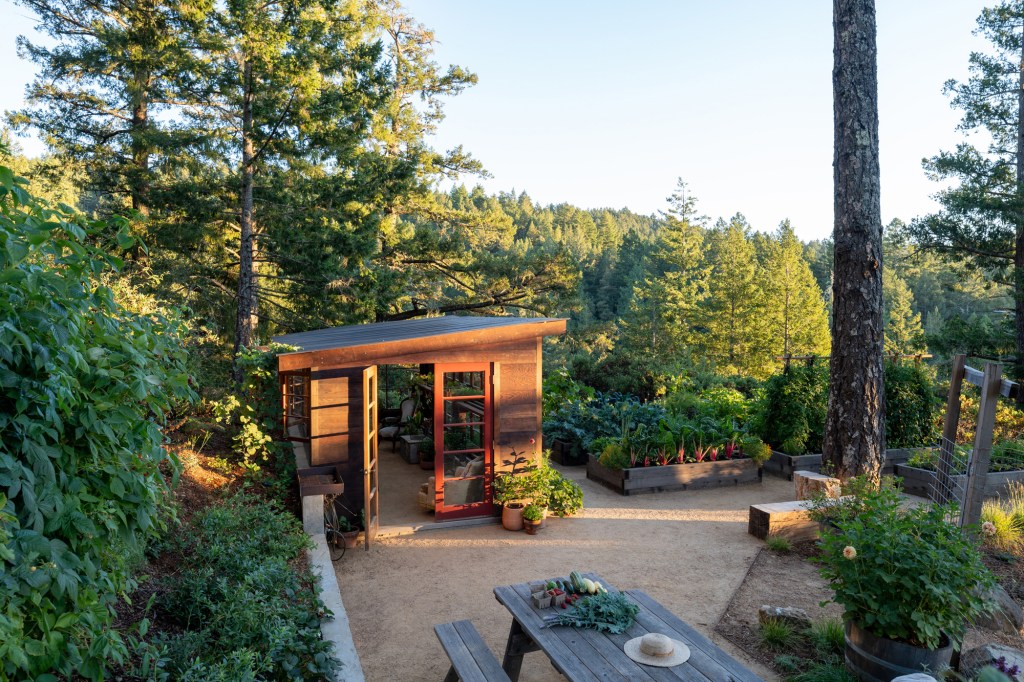
Before you make your final cuts, take pictures of every part of your garden—not just the pretty ones. Photograph the spots that worked, the combinations you loved, the plants that took over, and the areas that need something more. Then make one of three quick notes on each: Do more. Do less. Move this. Evaluating each garden area like this is a simple way to turn this season’s successes and failures into next year’s garden plan.
Keep exploring: How to Design a Photogenic Garden, According to a Pro Photographer
The Latest