This Stunning and Intimate Public Garden Is Beverly Hills’ Best-Kept Secret
The Virginia Robinson Gardens, one of Beverly Hills’ earliest estates, preserves a lush and ultimately intimate vision of Southern California elegance.
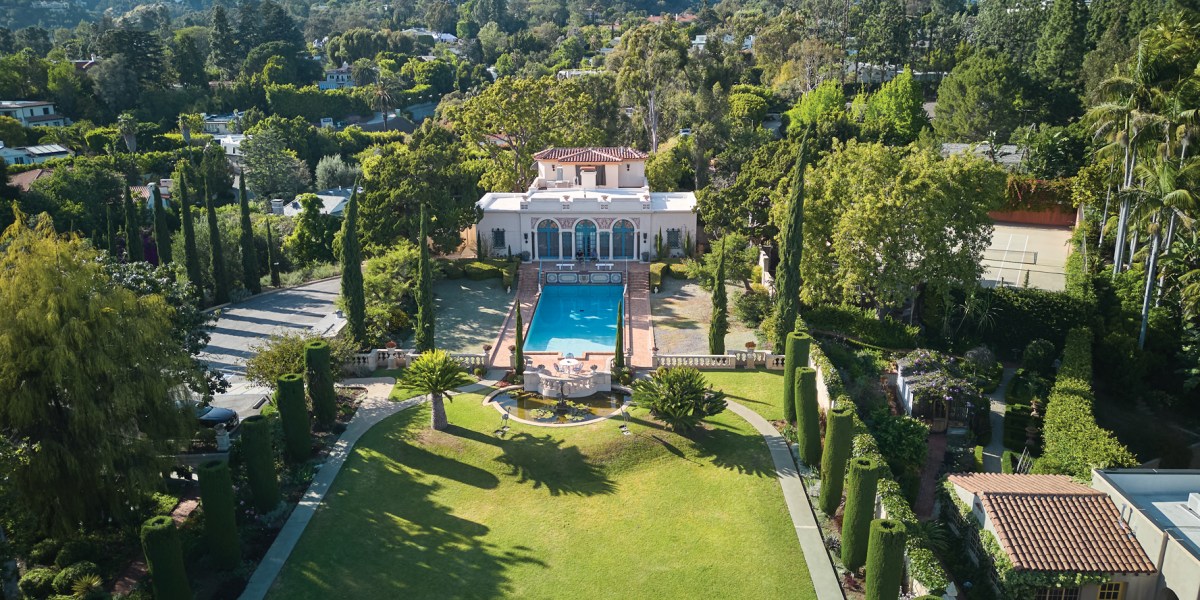
Aerial view of the Great Lawn, Pool, and Pool Pavilion. Photo by Thomas J. Story.
Aerial view of the Great Lawn, Pool, and Pool Pavilion.
It’s impossible not to be swept away by the beauty of The Virginia Robinson Gardens. Situated just north of Sunset Boulevard in Beverly Hills, it is one of the most stunning properties in this rarefied neighborhood—and an exquisite example of a private garden lovingly preserved so the public can experience its botanical riches.
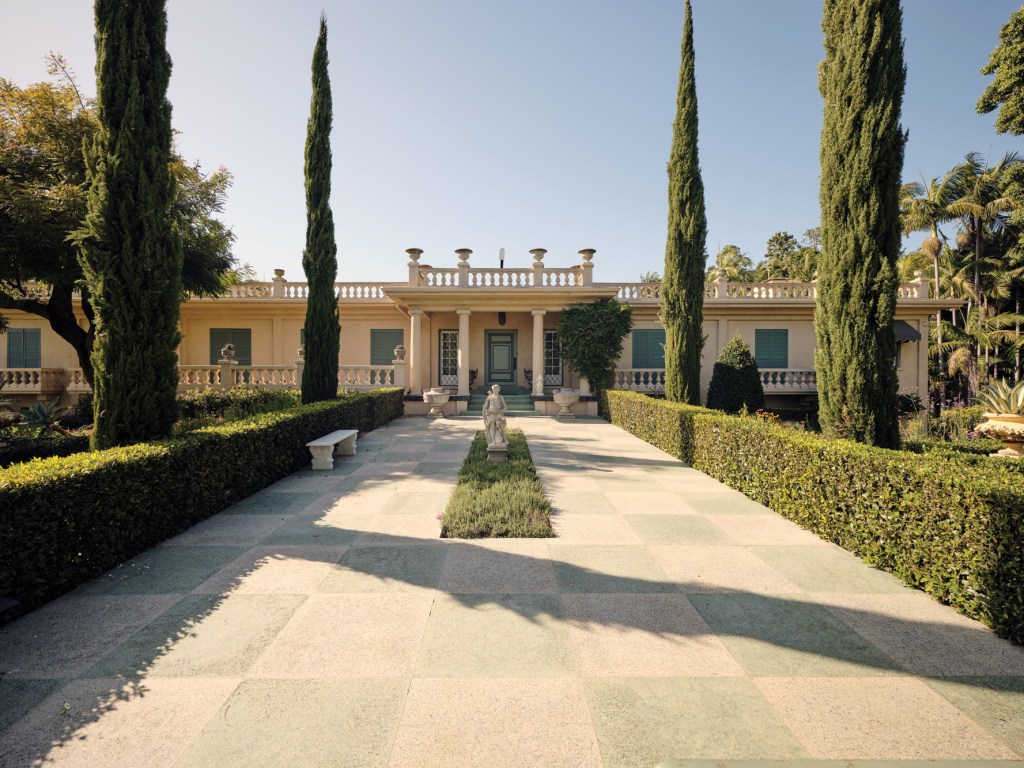
The 6.2-acre property, revered among garden insiders, includes a classically styled mansion and a neoclassical pool and pool pavilion, but its heart and soul are seven lushly planted gardens threaded with terraced walkways, tucked-away courtyards, and intimate patios. Listed on the National Register of Historic Places, it is a true horticulturist’s delight.
Thomas J. Story
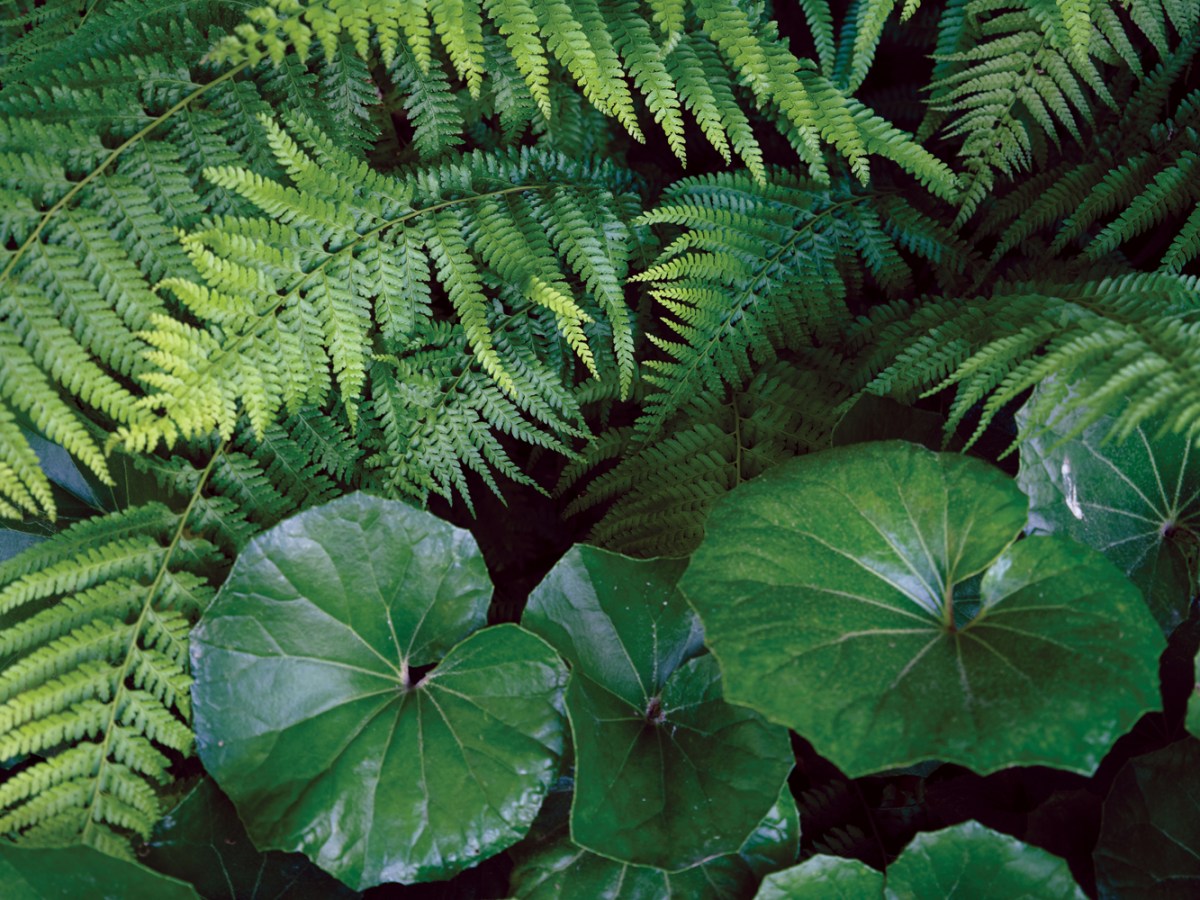
While neither as extensive nor as famous as Descanso Gardens or the Huntington, The Virginia Robinson Gardens complex is distinguished by its intimacy and integrity. It still reads as the cultivated private world of a wealthy Los Angeles hostess. Its sequence of Italian terraces, rose gardens, tropical plantings, palm forest, house, and pool pavilion preserves the social and domestic character of elite early Southern California life exceptionally well.
Thomas J. Story
The property was acquired and transformed into the wonderland it is today by Harry and Virginia Robinson, with Virginia taking the lead in its evolution. Harry’s father, Joseph Winchester Robinson, founded what would become J.W. Robinson Co., Los Angeles’s most prestigious and fashionable department store. Nearly eight years after their marriage in 1903, the couple stumbled upon the then-empty lot while searching for the Los Angeles Country Club. As Virginia later recalled, “Just like that, my husband said, ‘This is where we’re going to live.’ By 10 a.m. the next morning, Thursday, January 12, we had already bought it.”
Thomas J. Story
The Robinson residence was among the first houses built in Beverly Hills and remains a time capsule of the city’s early life. When Virginia and Harry moved into their new home, the area was still dotted with trees and vacant lots. To put it in historical context, this was some eight years before Douglas Fairbanks moved into the neighborhood.
Thomas J. Story
The house occupied the highest point on what is now a cul-de-sac on Elden Way. The Beverly Hills Hotel opened below it the following year, in 1912. Beverly Hills had been developed by Burton Green of the Rodeo Land and Water Company, and the Robinson house was designed by Virginia’s father, Nathaniel Dryden. It was completed in seven months, with the couple spending the final two months of construction at the Los Angeles Country Club.
When the Robinsons acquired the property, it held little more than a small Mexican elderberry and a field of barley. But Virginia had such a deep fascination with nature that she eventually surrounded the estate with hundreds of additional trees and plants from around the world. Harry and Virginia collected exotic plants, ferns, and palms, and sometimes even traveled with a botanist.
Thomas J. Story
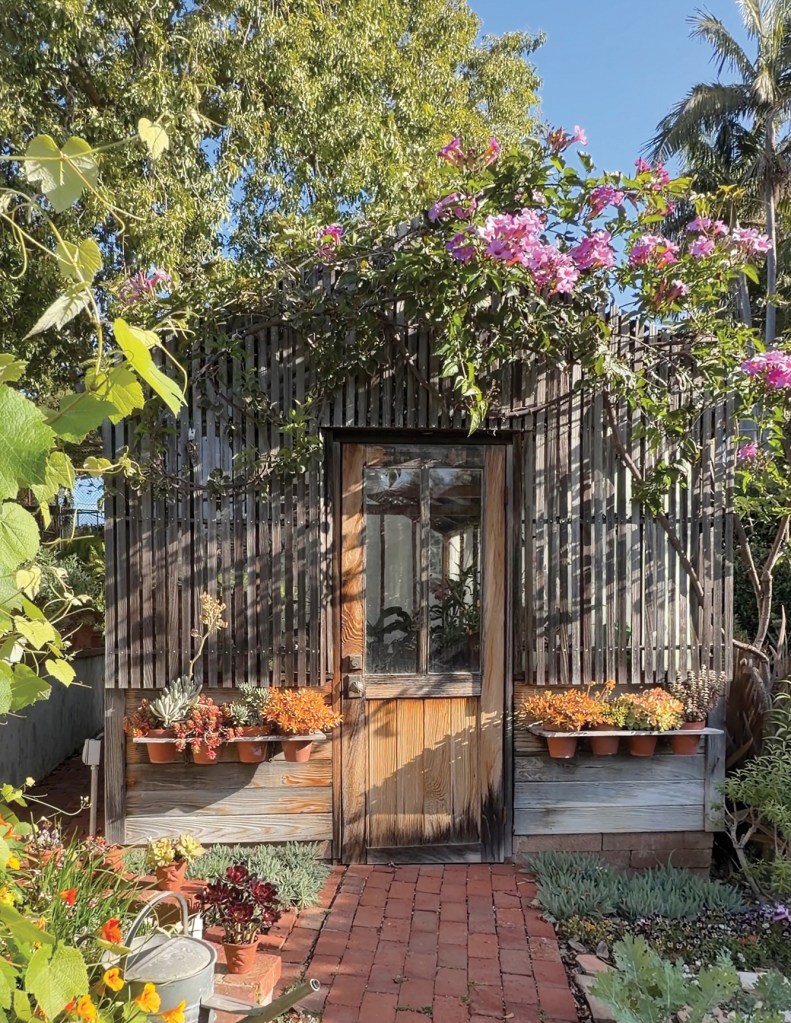
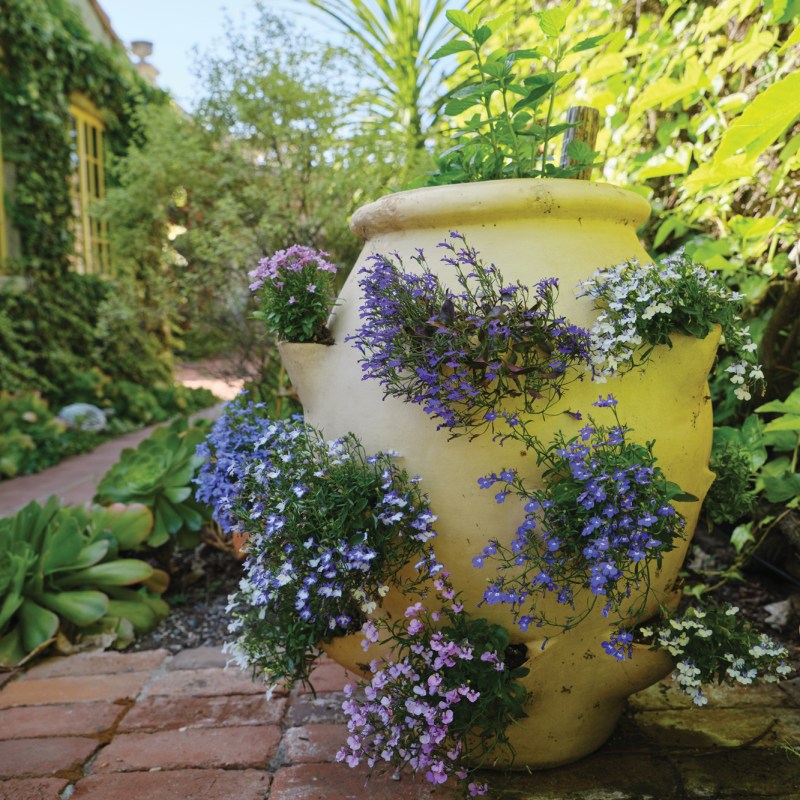
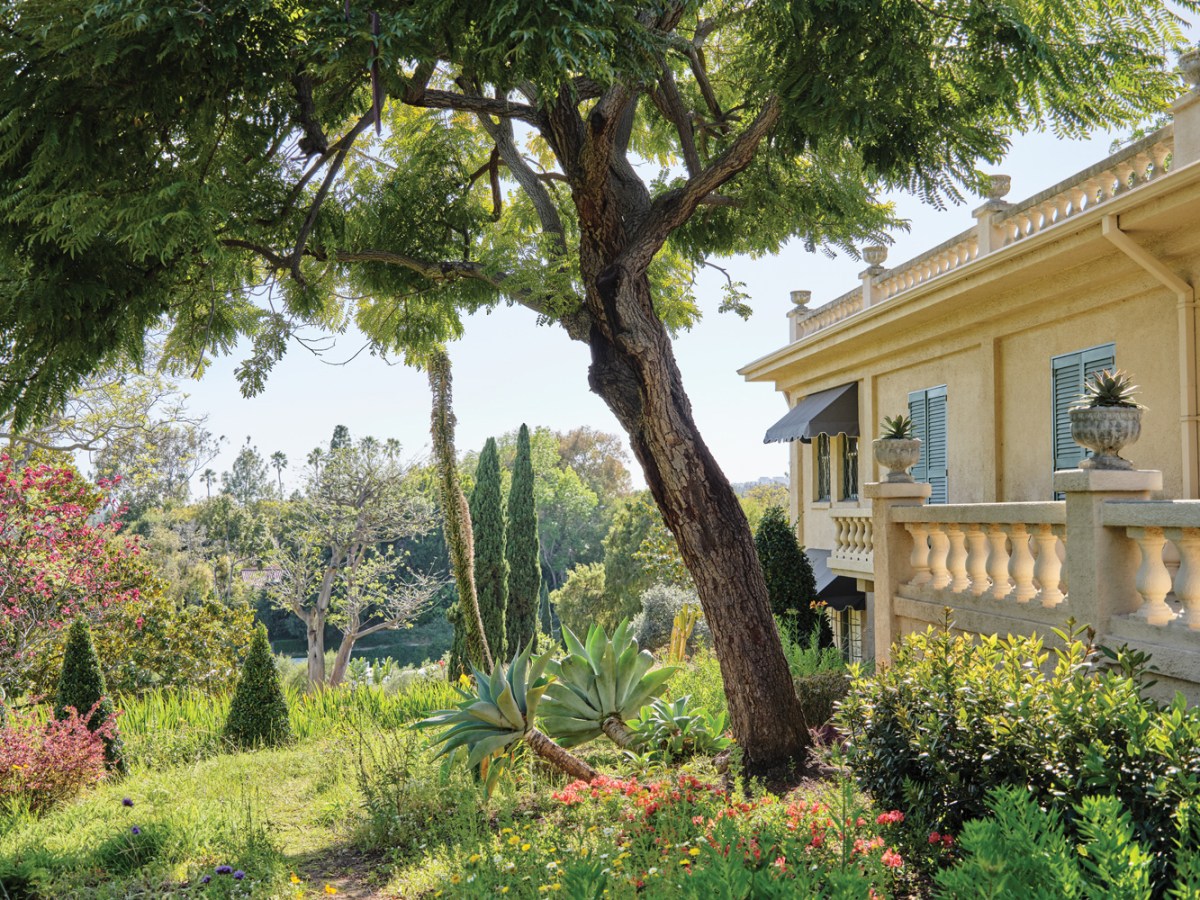
Virginia initially wanted a “typical California garden” and planted olive, pomegranate, and persimmon trees. But after some of the early plantings began to wither, she started collecting more tropical species and creating a series of patio gardens along the property’s terraced hillsides. Over the years, she transformed the sparse slope into an inviting tropical and subtropical paradise.
The gardens eventually came to encompass a remarkable international collection: silk floss trees from South America, blue gums from Tasmania, Italian cypresses, Jamaican earpod trees, citrus, persimmons, eucalyptus, camellias, roses, and numerous species of palms.
Thomas J. Story
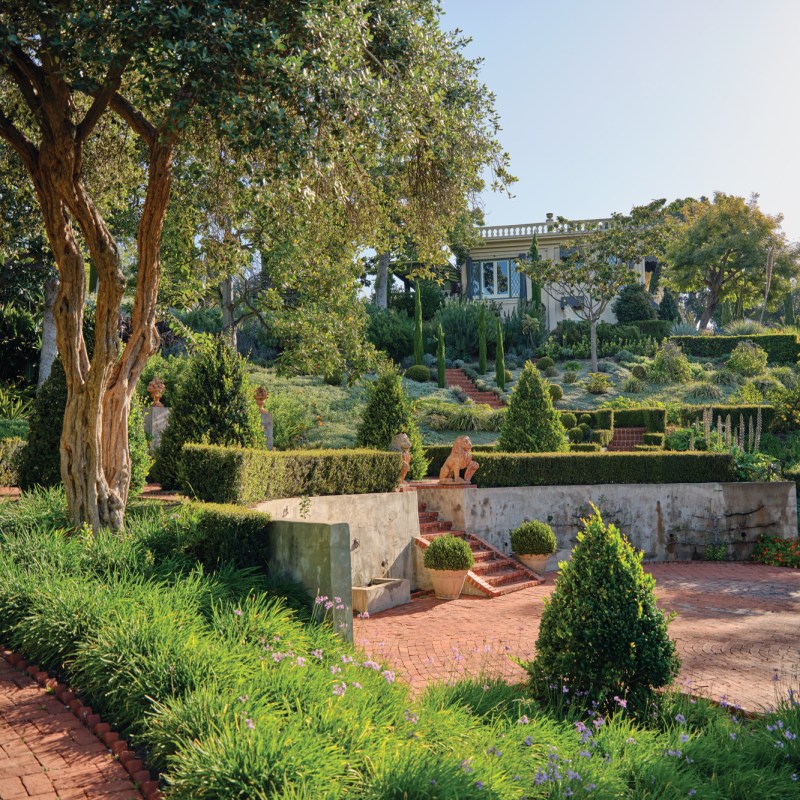
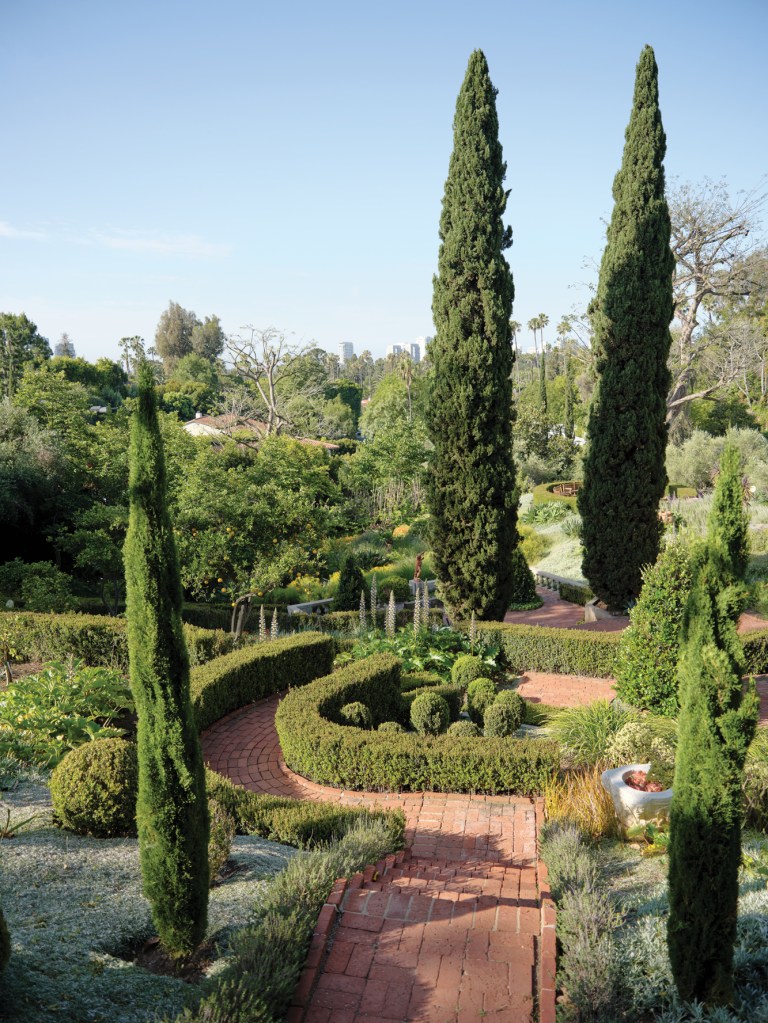
In the Italian Terrace Garden, begun by Virginia in 1934, visitors will find citrus, persimmons, Italian cypresses, a coral tree, camellias, lavender, Southern magnolias, olive trees, ginkgoes, and deodar cedars, among many other Mediterranean plantings. The garden is also known as the Mediterranean Garden because of the breadth of its collection.
Thomas J. Story
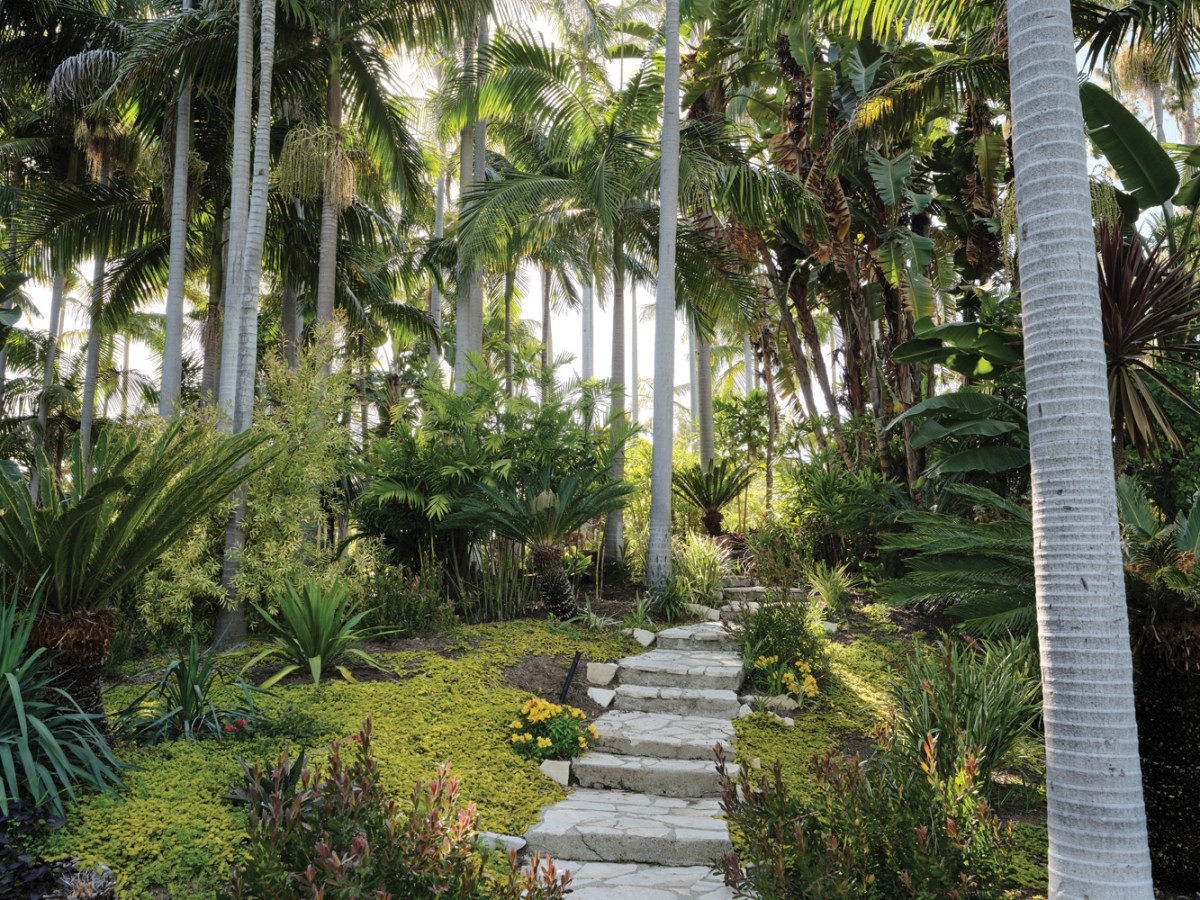
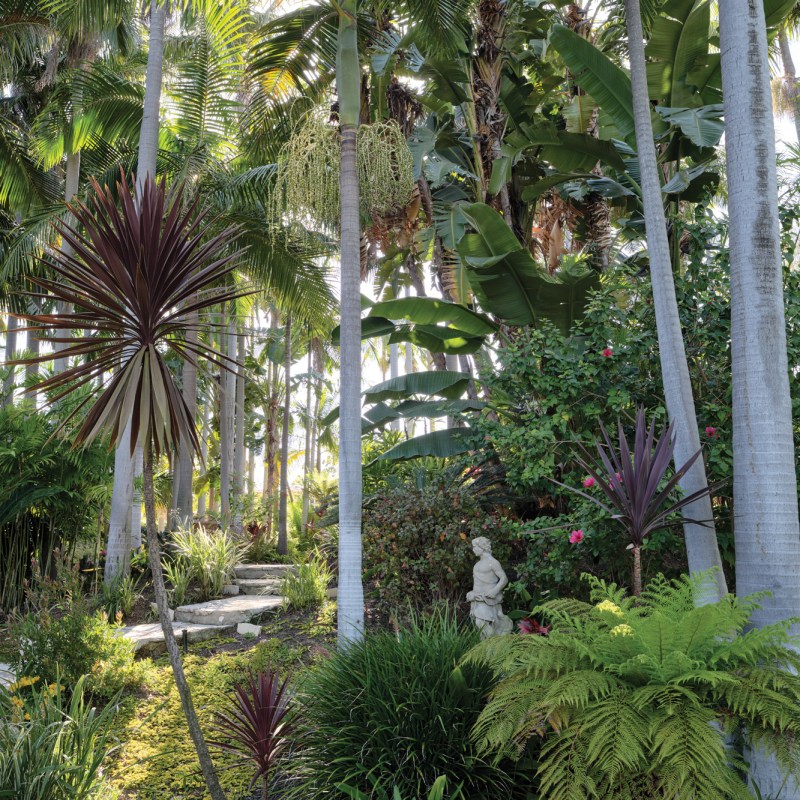
The Palm Garden, on the northeast slope on the other side of the house, contains the property’s largest collection of a single palm species: more than 1,000 Australian king palms. It is also home to a banyan, sometimes called the “walking tree,” along with silk floss trees, Jamaican earpod trees, and a Moreton Bay fig. Beneath them grow clivia, bamboo, ferns, bananas, and birds of paradise. Harry, for his part, was known for his rare fern collection.
Thomas J. Story
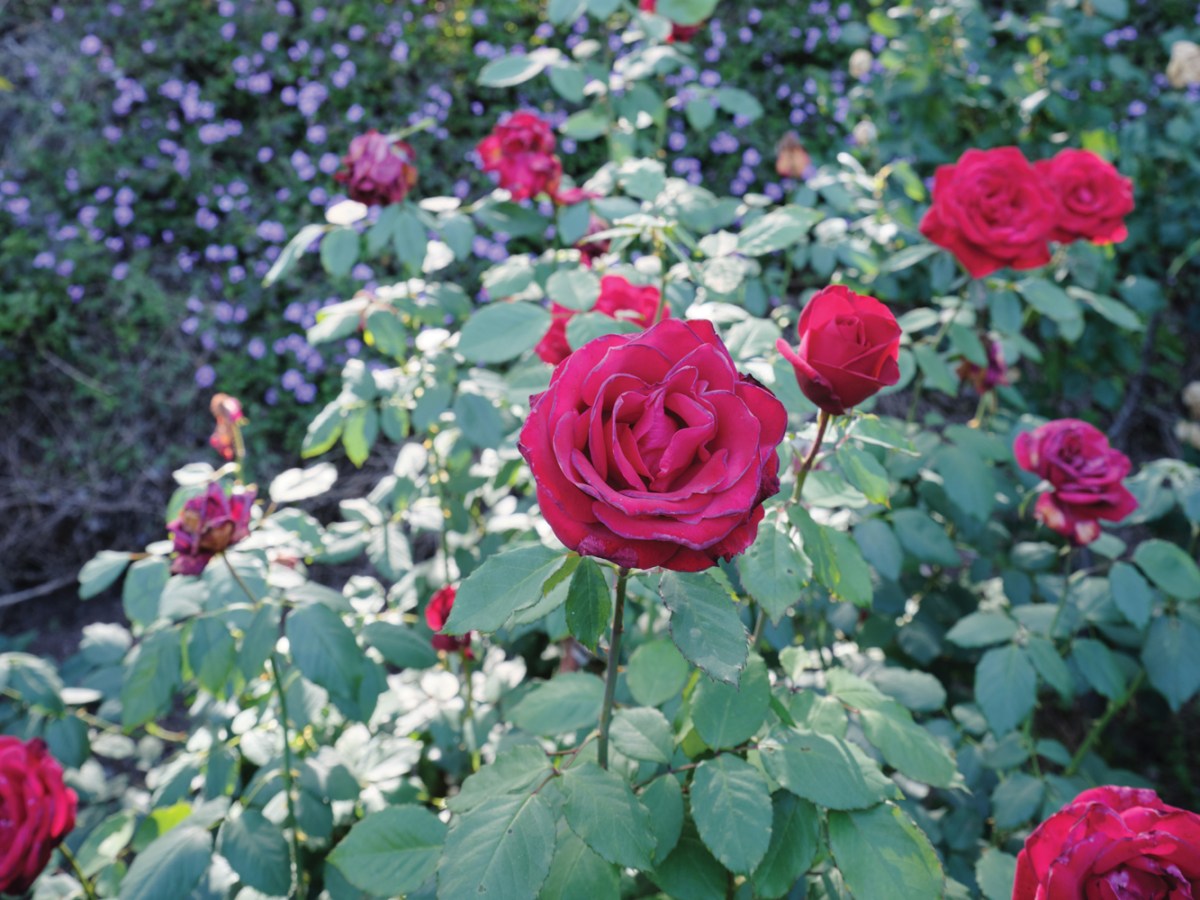
Despite their deep resources and grand vision, the Robinsons faced challenges any gardener can sympathize with. Charles Gibbs Adams, the influential landscape architect whose work included projects at USC and Hearst Castle, is believed to have advised Virginia on the Palm Garden around 1925. His involvement apparently followed several unsuccessful attempts to combine Mediterranean and tropical plants on the northeast slope. Runoff from the new tennis court, combined with the eastern exposure, cool morning sun, and late-afternoon shade, conspired against the Mediterranean planting scheme. Virginia also planted eucalyptus throughout the property, but roses remained among her greatest loves. She maintained both a cutting garden off the Palm Garden and a formal display rose garden beside the tennis courts.
Thomas J. Story
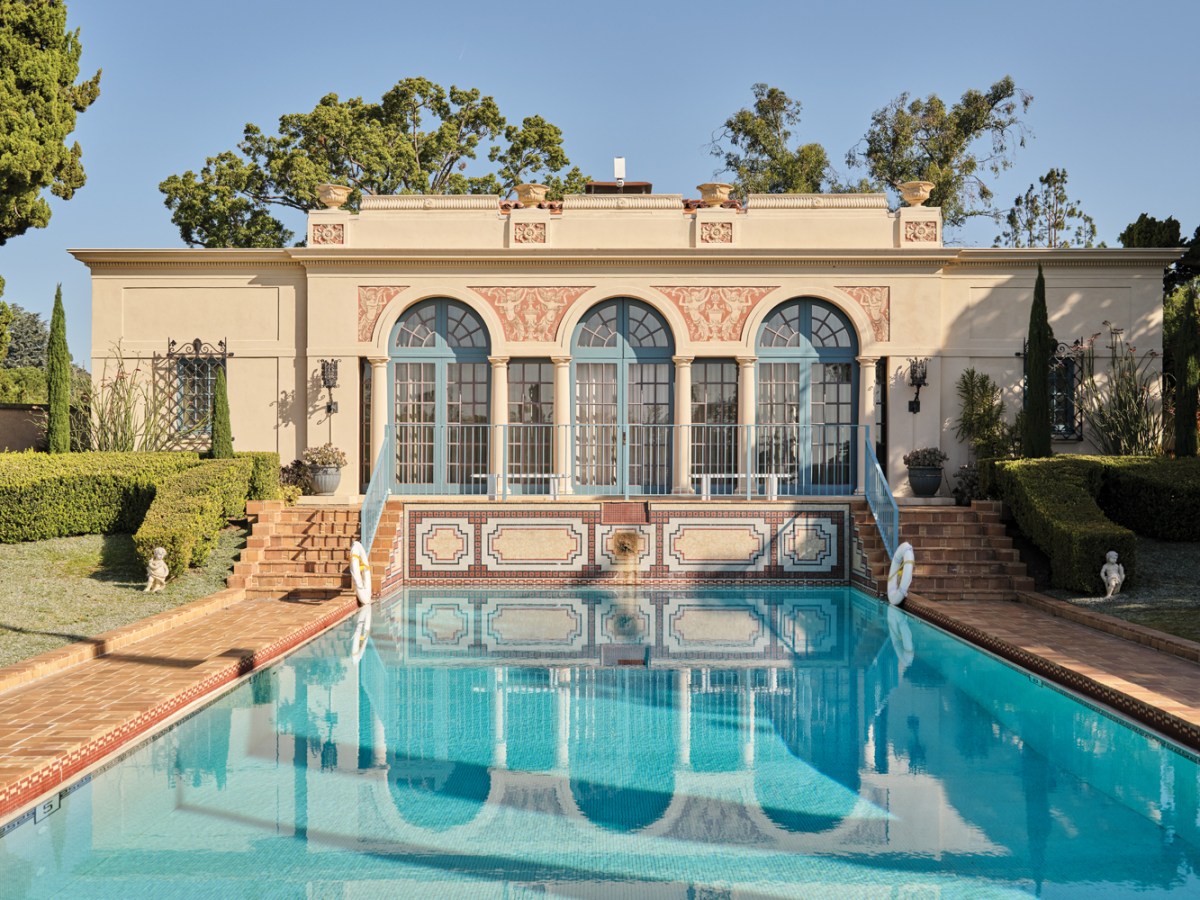
Behind the house lies an expansive lawn, a mosaic-tiled neoclassical pool, and a Renaissance-style pavilion where Virginia played cards and entertained guests. She was known not only for her extravagant taste but also for her high-profile social gatherings and guest lists. Dryden appears to have anticipated his daughter’s appetite for entertaining when designing the house.
After its completion, the estate was frequently visited by movie stars, philanthropists, and foreign dignitaries. Virginia became a formidable hostess in her own right and was widely known as the First Lady of Beverly Hills. Over the decades, a household staff that at times included eleven live-in servants attended to Virginia and her celebrated guests. Her carefully planned dinner parties drew figures such as Mary Pickford, Ethel Barrymore, Mae West, Ginger Rogers, Charlie Chaplin, George Cukor, Marlene Dietrich, Agnes Moorehead, Lillian Disney, and Fred Astaire, who occasionally played tennis in the backyard.
Thomas J. Story
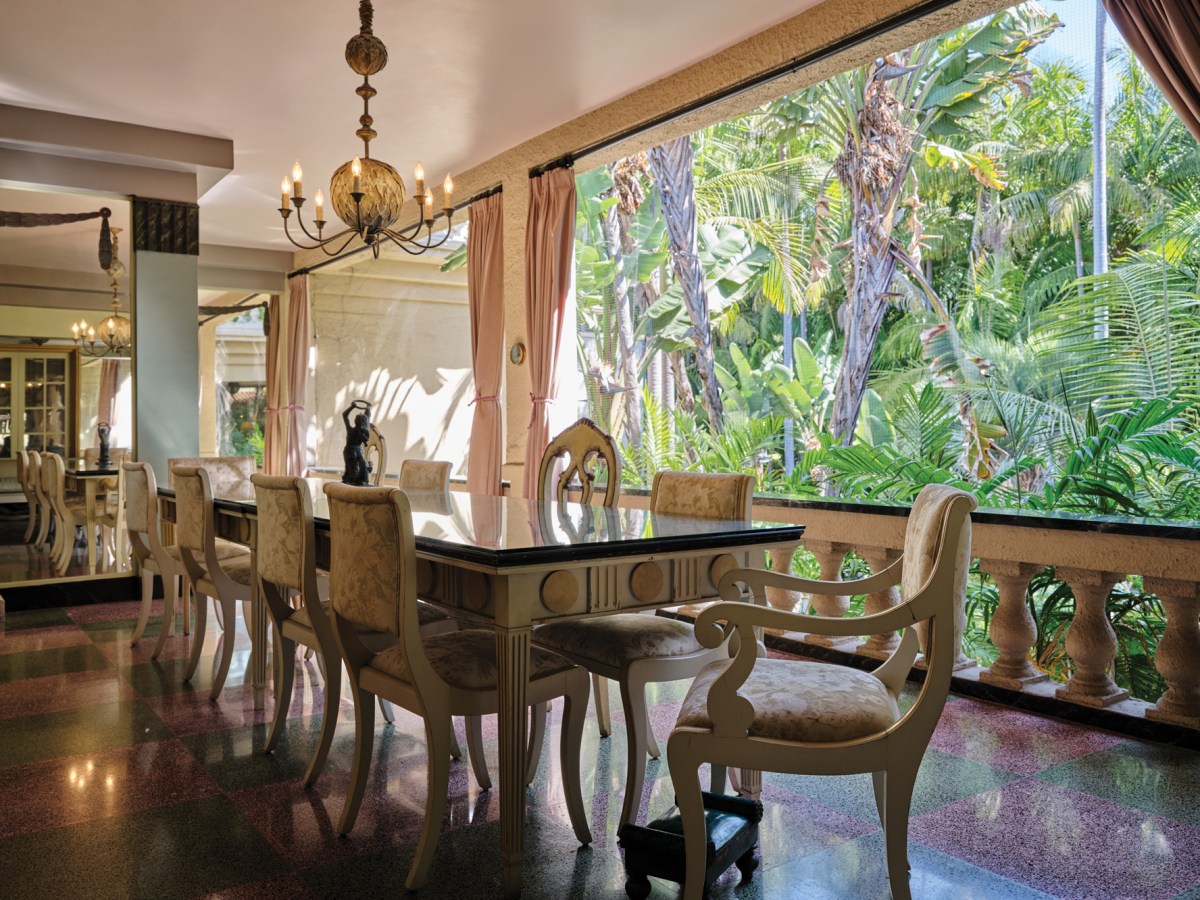
Built in 1924, the Pool Pavilion was expanded five years later with a billiard room, spiral staircase, and a small upstairs card room for Virginia’s frequent bridge games. “I guess everybody in Beverly Hills has been here,” she once said of her estate. Virginia became one of the most sought-after figures in Los Angeles society. The lawn and pool areas frequently flickered with candlelight, and every detail—from the flowers to the china and crystal—was coordinated by her majordomo to complement Virginia’s clothing, which was invariably designed by a leading couturier, from James Galanos to Jacques Griffe.
Thomas J. Story
For her most lavish parties, Virginia planned far in advance. She sometimes ordered custom gowns from Griffe nearly a year ahead, coordinating their colors with the flowers, linens, china, and crystal selected for events such as the Hollywood Bowl Patroness Party, the August Moon Party, the estate’s 50th and 60th anniversaries, and her famous New Year’s celebrations. To say Virginia was the center of the party would be an understatement. She was the party. She entertained so frequently and elegantly that local society editors labeled her “the Grande Dame of Southern California.” Although most of Virginia’s parties were purely social, she also hosted numerous charity benefits. Among her favorite organizations were the California Institute of Technology and the Hollywood Bowl, though animals and horticulture remained her lifelong passions.
Thomas J. Story
In 1974, four decades after Harry’s death, Virginia bequeathed her Beverly Hills estate and gardens to Los Angeles County for preservation as a public botanical garden. She died on August 5, 1977, just 46 days before her 100th birthday. Visitors have been able to tour this singular and still little-known Southern California estate since 1982. Access remains unusually intimate: The grounds can be experienced only on docent-led tours offered throughout the week. I have taken the tour several times, and each time Virginia seems to come alive through the trees, flowers, and garden rooms she left behind. What a marvelous—and generous—legacy.