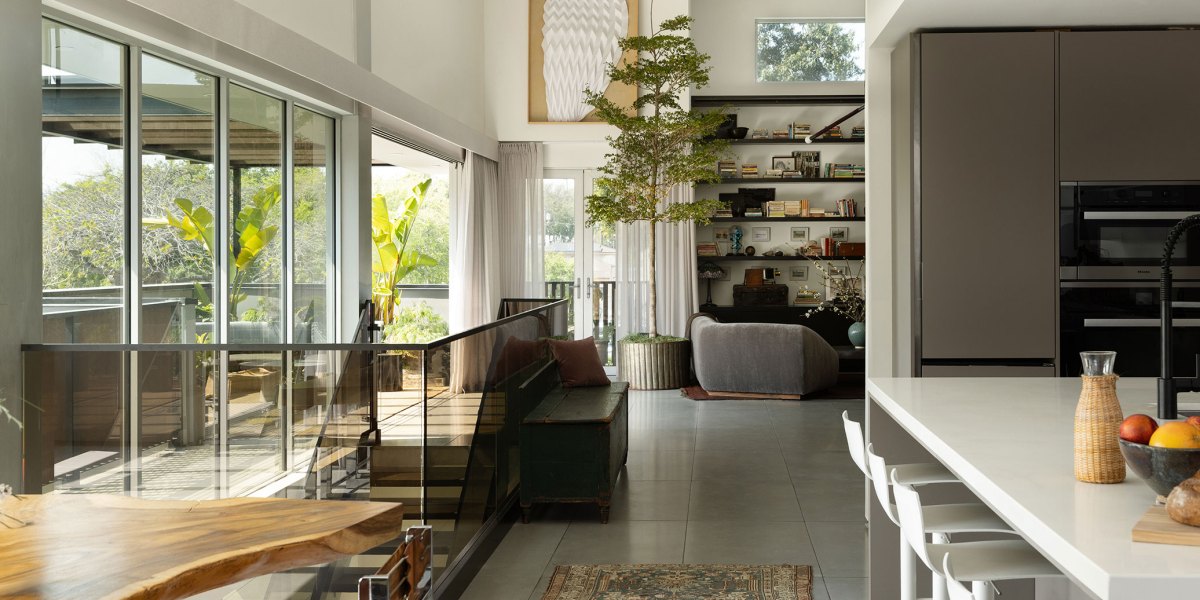
It’s Time to Give That Tired Retaining Wall a Fall Upgrade
Retaining walls may be built to hold things up, but they don’t have to look like an afterthought. Here’s how to make yours feel more at home in the garden this fall.
Courtesy of ORCA
A retaining wall is rarely the most glamorous part of a garden. It’s there to hold a slope, manage the grade, or keep soil where it belongs—and then, ideally, disappear into the landscape. But when its materials feel disconnected from their surroundings, that hardworking infrastructure can become the visual equivalent of a brick wall in the middle of a conversation. In both my previous home and my new one, retaining walls have been prominent features, so I’ve spent plenty of time looking for ways to make them feel less like infrastructure and more like part of the garden.
For landscape designer Molly Sedlacek, founder of ORCA, the answer isn’t necessarily to tear it out. Because, let’s face it, on most properties, that simply isn’t realistic. Instead, she’d rather work with what’s already there. “If it isn’t broken, we aim to not fix it or renovate it, as retaining walls are costly and if they are doing their job, I say best keep it.”
This fall, instead of rebuilding, consider a few strategic updates that can make an existing wall feel like it belongs.
Courtesy of ORCA
1. Start with the Wall
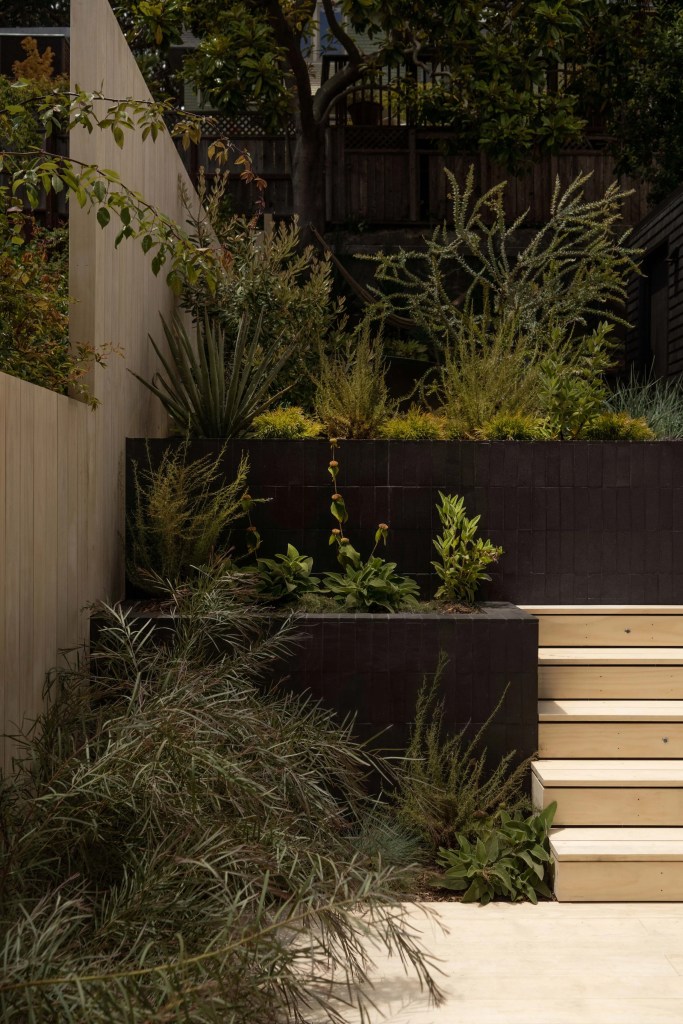
First, determine whether it’s ugly, or actually broken. Retaining walls are expensive to replace, and if yours is structurally sound, a cosmetic intervention can go a long way. Step back and look at the wall as part of the entire garden. Does its color or texture clash with the planting? Does it create a hard visual stop?
“Materials that don’t sit in harmony with nature take you out of the experience of sitting in a garden,” says Sedlacek. Stucco, CMU, and concrete can create a visual barricade when they aren’t thoughtfully integrated.
Try this: If the structure is sound, spend your budget on the surface and surrounding planting rather than a full rebuild. Keep a good wall and rethink how it meets the garden.
Courtesy of ORCA
2. Rethink the Surface
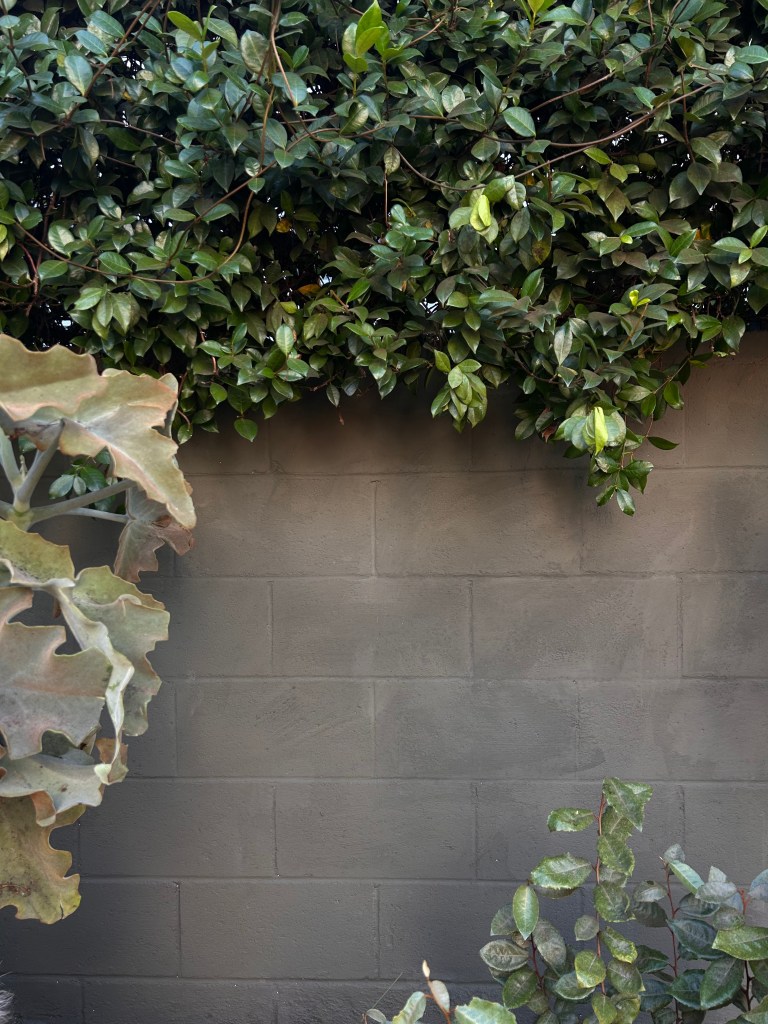
A new finish can change the mood without changing the wall. Sedlacek developed ORCA’s Earth Coat after repeatedly looking for a better way to work with existing retaining walls in urban gardens. Instead of defaulting to paint, she wanted a mineral finish with more texture and a stronger connection to the natural landscape. The idea has deep roots: “Mineral finishes and plasters are a very old concept and can be seen all over the world, aging magnificently—capturing patina and time just as nature intended.”
When choosing a finish, start with the garden rather than the color chart. “Color, for me, stems from the landscape’s foliage. What is the bark saying? What are the leaves saying? And how do they appear at dusk or dawn?” From there, consider the warmth and coolness of the landscape and choose hardscape tones accordingly.
Earth Coat’s shades can either blend a wall into its surroundings or provide contrast. Camouflage can recede into green planting, Dusk can make silvery foliage more dramatic, and Canvas offers a lighter backdrop.
Try this: Look at the wall at different times of day before choosing a finish. The colors around it can shift dramatically from morning to dusk. Let the foliage, bark, and surrounding landscape determine the wall color.
Courtesy of ORCA
3. Build a Material Palette
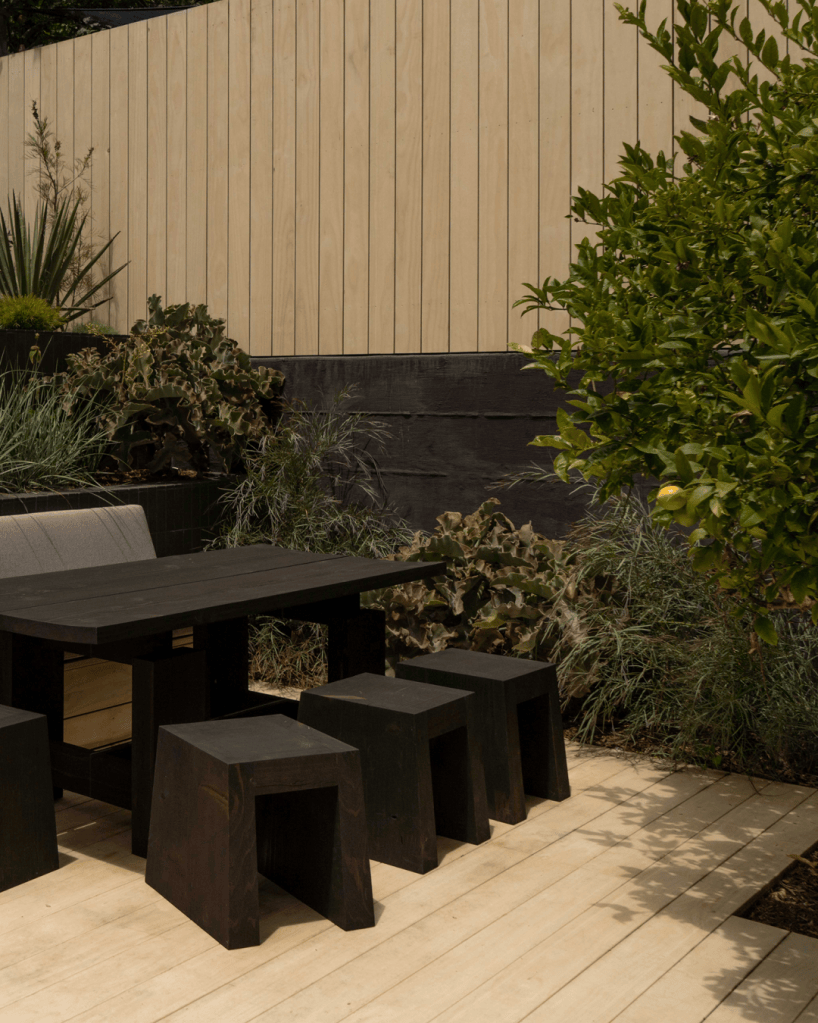
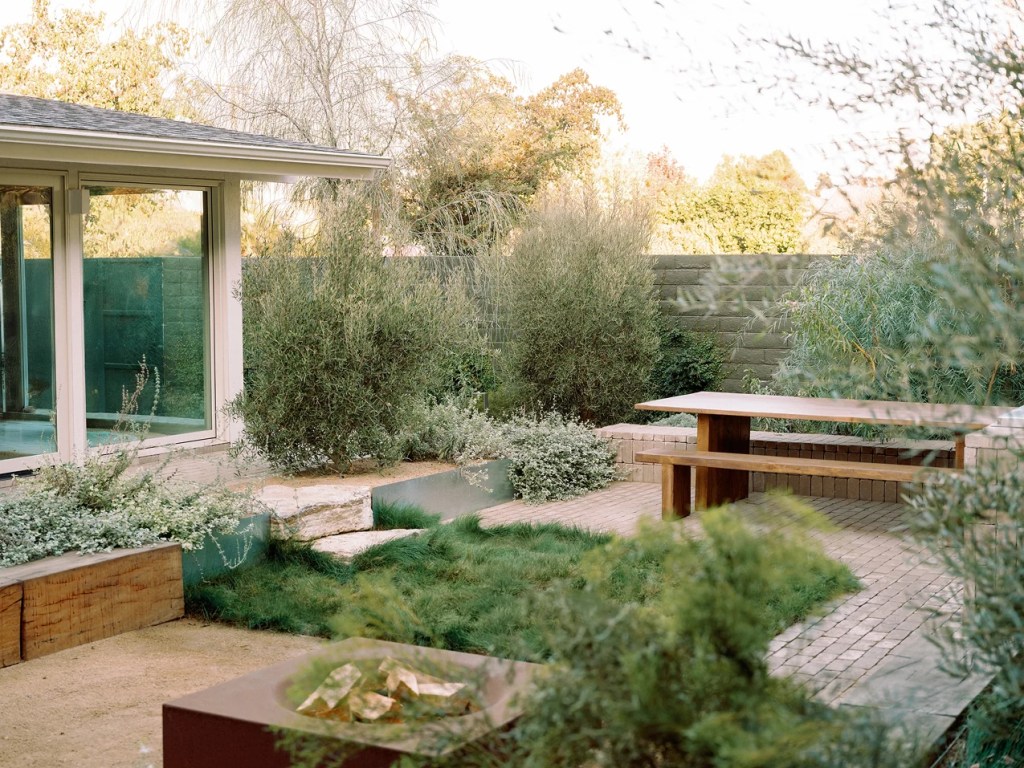
Repeat materials so the wall feels connected to the rest of the garden. A newly finished wall can still feel tacked on if it’s the only element speaking a different design language. Look to nearby pavers, stone, gravel, fencing, and steps for cues.
“It’s all about cohesion in materials. Fewer moves so the eye doesn’t get distracted and can focus on how the garden feels as a whole,” says Sedlacek.
That doesn’t mean everything needs to match. A dark Dusk wall paired with silvery-blue foliage creates drama, while Camouflage with bay laurel can make a garden feel expansive. The goal is to make the materials feel as though they came from the same place.
For an extra layer of texture, Sedlacek suggests using raw clay tile as a feature or bringing stone up against the wall. “I also love using rock, preferable in drystack applications so boulders could go up against the retaining wall to give it more dimension.”
Try this: Pick two or three existing materials in the garden and repeat their tones or textures around the wall. Fewer, related materials will make the entire landscape feel more intentional.
Courtesy of ORCA
4. Soften the Edges with Plants
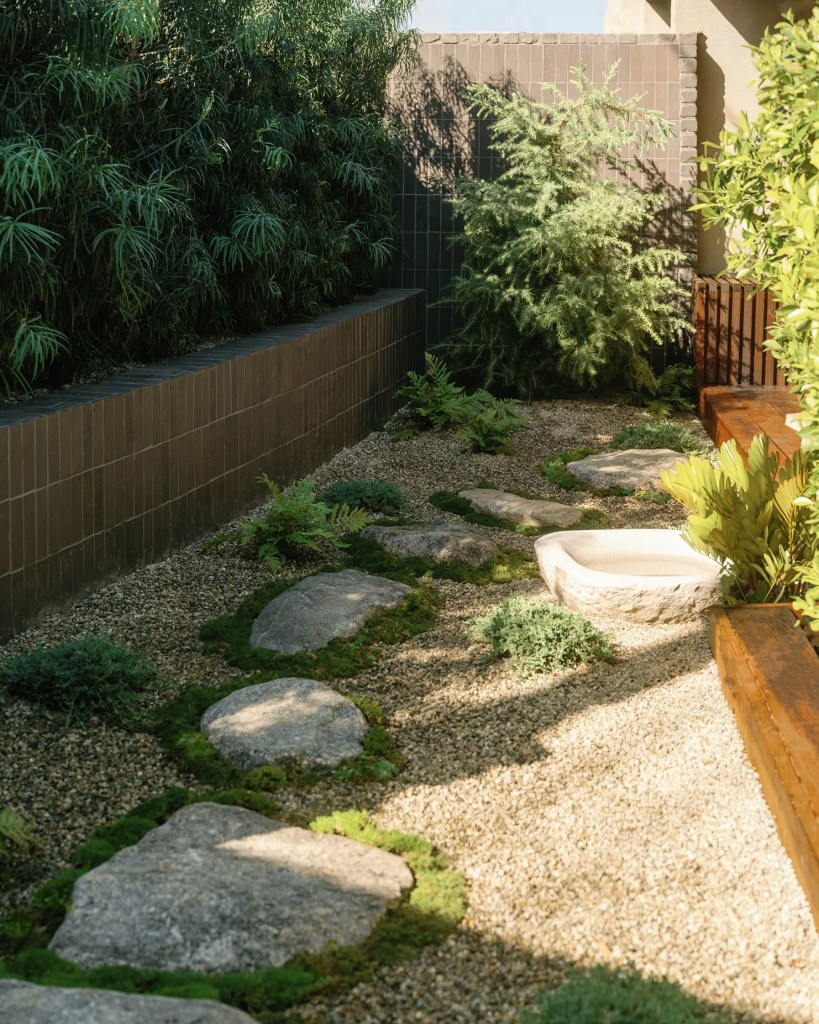
Let planting blur the line between hardscape and garden. Once the wall has a finish and material palette that works with the landscape, plants can do much of the visual softening. Sedlacek likes vines, native hedging, and shade-loving understory plants, including California bay laurel, ceanothus, toyon, mallows, and ferns.
For a layered Western planting palette, she suggests California holly cherry for height, coast ceanothus for a flowering middle layer, Japanese anemone for seasonal softness, giant chain fern for the understory, and yerba buena as a spiller or groundcover.
The trick is not to create a wall of plants, but to create variation. “Using a palette of 3-4 materials at the base of a wall, and 2-3 at the top of a wall allows the planting design to feel incredibly natural against a human-made element.”
And when planting space is tight, go vertical. “Vines are also such a great tool to get more green in tight spaces. My favorite vine to use is honeysuckle!”
Try this: Layer plants by height and texture rather than lining the entire wall with one species. A limited palette with varied heights will make a hard edge feel much more natural.
Courtesy of ORCA
5. Make Fall the Moment to Do It
Tackle the projects that will benefit from cooler weather and winter rain. Fall is an ideal time to add screening and perimeter plants so they can establish before the growing season really gets going. It’s also the moment to address drainage before winter storms put your hardscape to the test.
Sedlacek’s fall list is refreshingly practical: Unify your walls, plant for screening and depth, and repair patios that aren’t draining properly. “Permeability and good drainage is a north star for the garden prior to winter.”
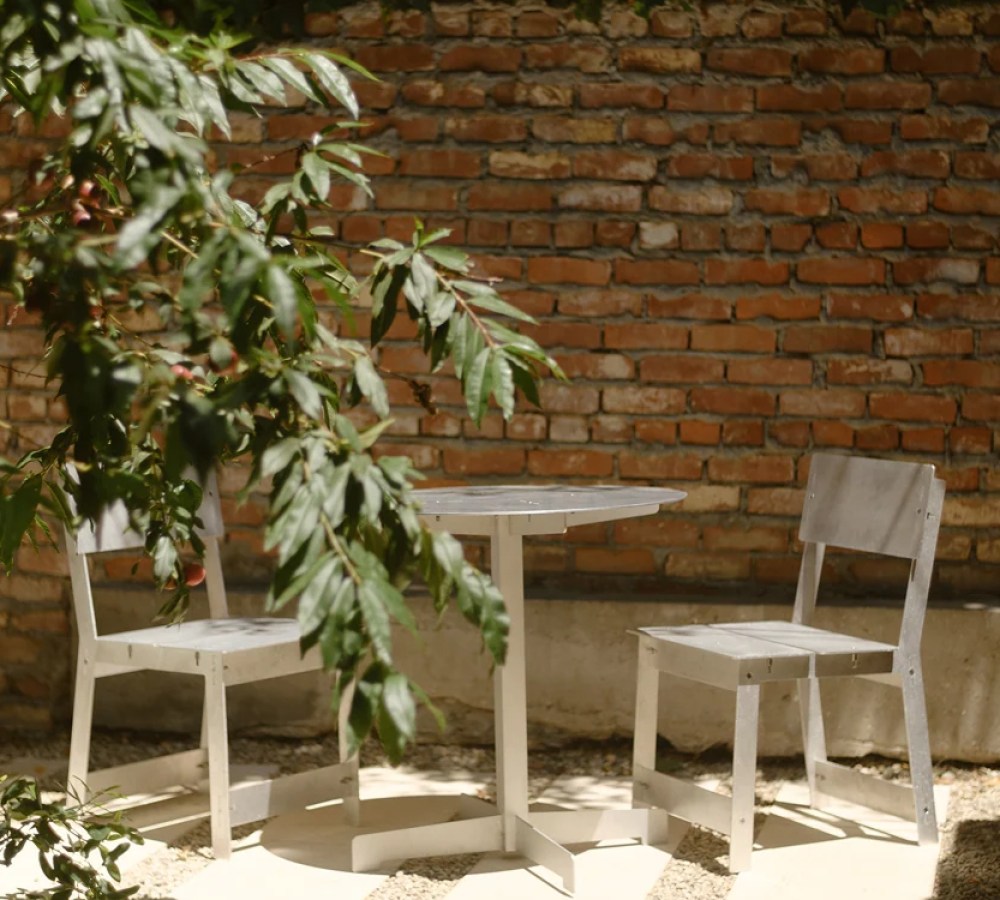
Have one weekend and a modest budget? Start with the wall. A mineral finish such as Earth Coat can make a noticeable difference without a full landscape renovation. It can also be a particularly useful solution where a wall’s footing leaves little room for planting.
Try this: Walk your property before the first major rains and look for pooling water, poorly draining patios, and bare retaining walls that could use a visual reset. Prioritize surfaces, planting, and drainage now so the garden is ready for winter.
Courtesy of ORCA
6. Let the Garden Lead
Make functional elements feel like part of the landscape—not something to hide. The same principle applies beyond retaining walls. Steps, paths, drainage, fences, and other practical elements can all become part of the garden’s design when their materials feel rooted in the surrounding landscape.
“Materials should come from the earth native to the landscape they are existing in. Lean into what the soil already wants to be,” says Sedlacek.
That might mean choosing a gravel that echoes nearby stone, a wall finish that picks up the foliage, or plants that soften a hard edge instead of trying to disguise it entirely. In Sedlacek’s view, retaining walls can become an anchor or backbone to the design, making their integration into the overall material palette especially important.
Her bigger lesson is one worth applying throughout the garden: “Use materials that work with nature and age well. This invites us to enjoy surfaces and our surroundings versus feeling the need to ‘maintain them’ and protect them from nature/life.”
Try this: Before adding a new material, look at what the garden is already giving you—soil, stone, foliage, bark, and light—and use those cues as your starting point. Don’t fight the landscape. Choose materials that can age with it.
Keep Reading:
The Latest