Exploring Seattle’s Past and Present, from the City to the Forest and Mountains
From Pioneer Square to Penn Cove to the Olympic rainforest, a Northwest journey into the food, forests, and grit that shaped Seattle’s enduring identity.
Thomas J. Story
If you’ve ever flipped through vintage issues of Sunset from the early part of the twentieth century and beyond, you’ll find stories and advertisements celebrating one Western utopia or another, a formula you’ll still see today. In one issue from 1925 there’s an abundance of content about the Pacific Northwest, and the Seattle area in particular: Olympia oysters, travel to Puget Sound, Rainier apples, a profile of a photographer who summited Mount Rainier to get the perfect shot. It’s a mosaic of ideas and imagery of adventure, opportunity, and industry.
Thomas J. Story
While we’ve covered the area hundreds of times in the century since, we decided to revisit Seattle with that early wide-eyed enthusiasm. We wanted to experience the nature and topography, and savor the oyster that is Seattle and surrounds. Rather than look to the new first, we looked to the timeless, and then looked for the people who are keeping that spirit alive. We met the makers, restaurateurs, and artisans who mine the past to give weight to the present, and in turn help build the foundation for what comes next. This isn’t a travel story. It’s a time-travel story.
The City
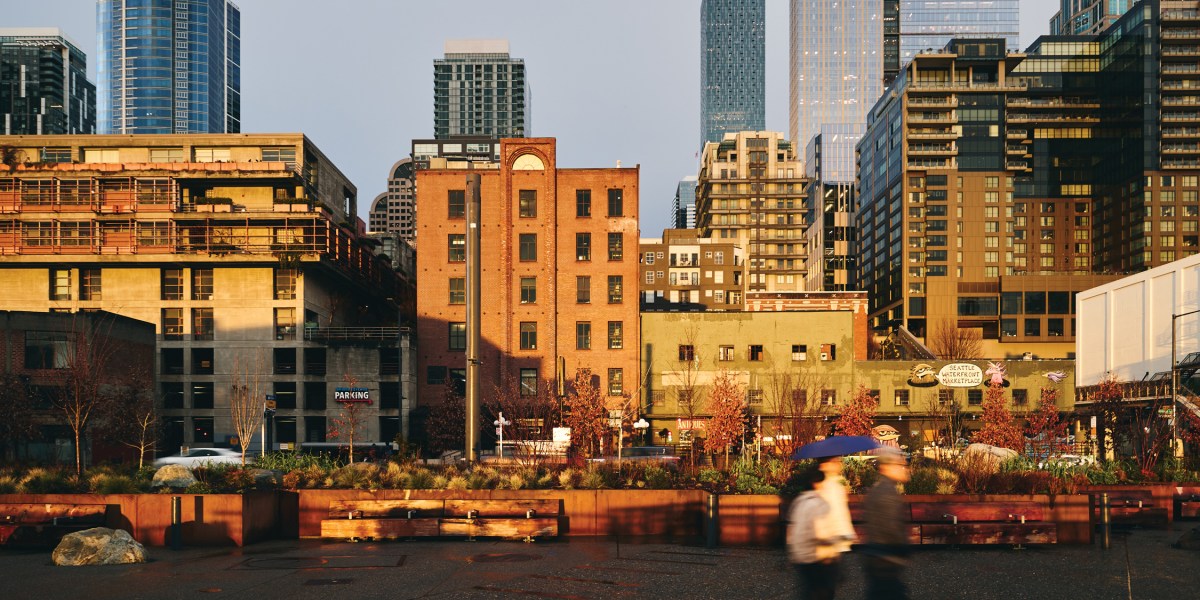
We arrived in Seattle on a rainy day, which can be any day. That was just fine with us, because the clouds created a vivid sunset as we wandered the waterfront that’s been revitalized in recent years. The rain doesn’t soak you there so much as aggressively mist.
Thomas J. Story
I was joined by staff photographer Thomas J. Story and travel editor Krista Simmons, and the city was the first stop on our mission to seek not only what remained permanent in spirit, grit, and entrepreneurship, but also for progress. Shipping still thrives here, but so does tech. Grunge may be a past influence rather than a thriving scene, but that make-up-the-rules ethos still prevails.
Thomas J. Story
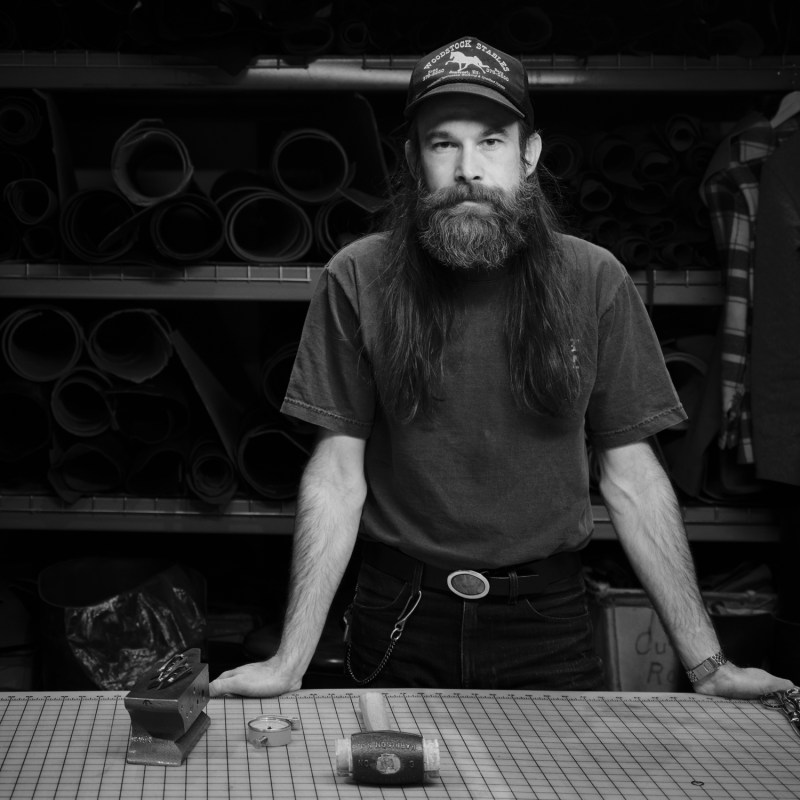
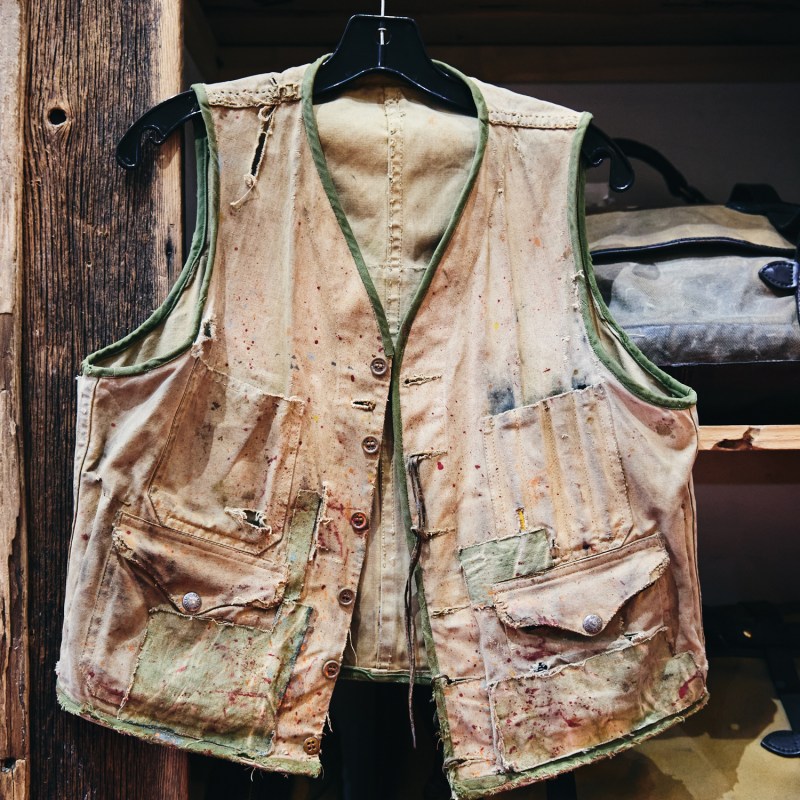
We visited the factory and store of Seattle outfitter Filson, where bolts of cloth, battered archive pieces, and the steady choreography of sewing machines stitch together past and present. In those early issues of Sunset, you’ll frequently find ads for Filson, most often extolling the toughness of the Cruiser: a sturdy article of clothing that became one of the most iconic garments to come out of the West. Filson was born in 1897, one year before Sunset. It began as an outfitter for prospectors heading north during the Klondike Gold Rush and became synonymous with the loggers, foresters, and manual laborers of the region. The Mackinaw Cruiser, patented in 1914, became the foundational piece: cut to allow movement, built with pockets for tools and maps, and, in its vivid black-and-red check, eventually synonymous with weather, work, and the great outdoors.
Thomas J. Story
Here we outfitted ourselves in waxed tin cloth, wool, windbreakers, totes, canvas bags, and technical sacks to protect ourselves and our gear, and hit the road over two tempestuous weeks as rain gave way to warm days and then back again.
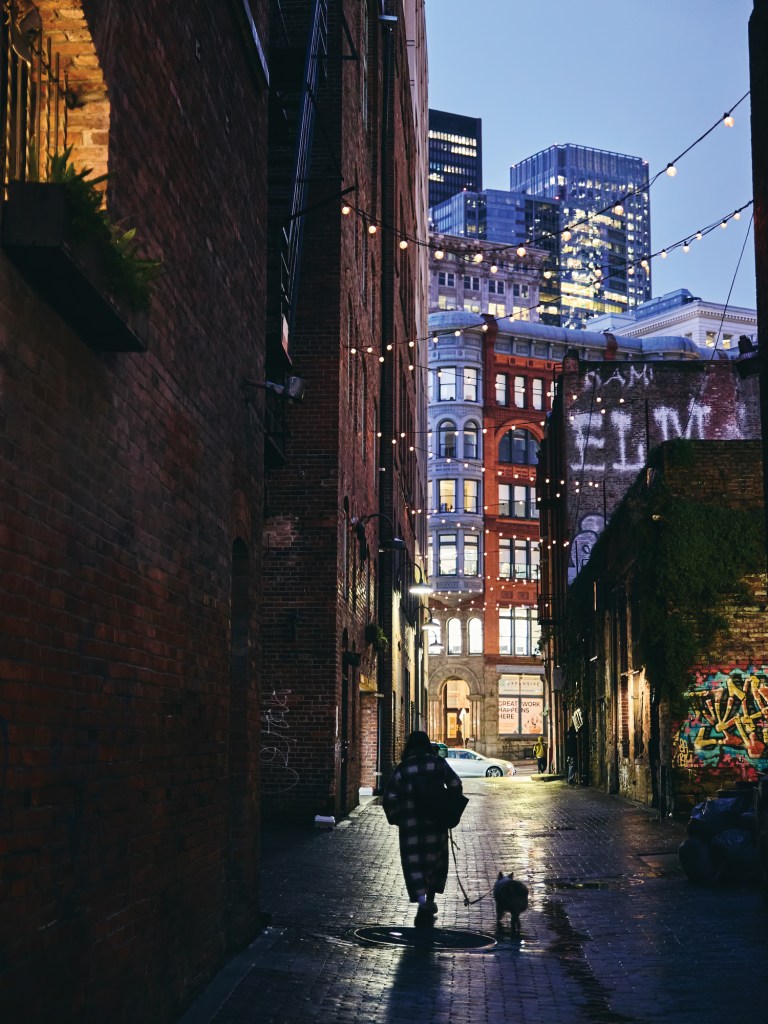
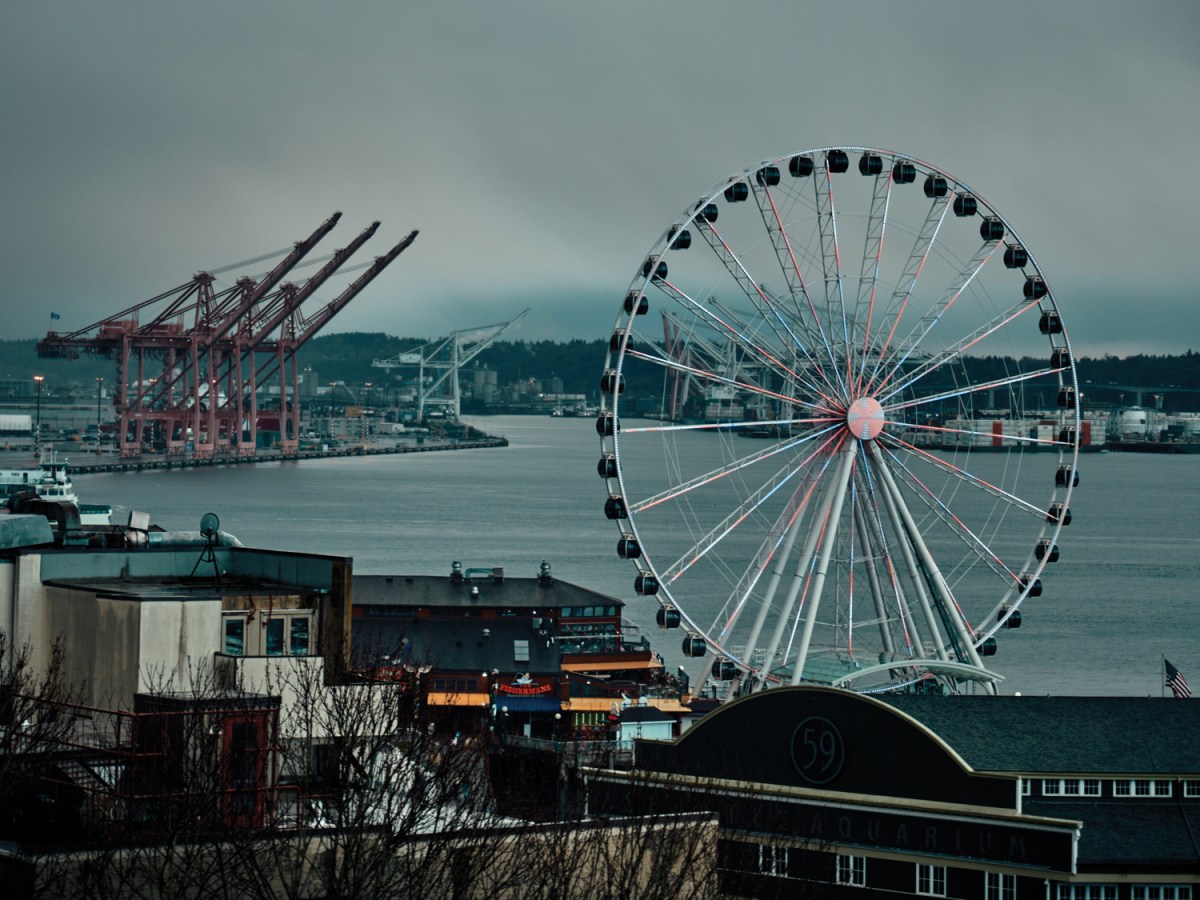
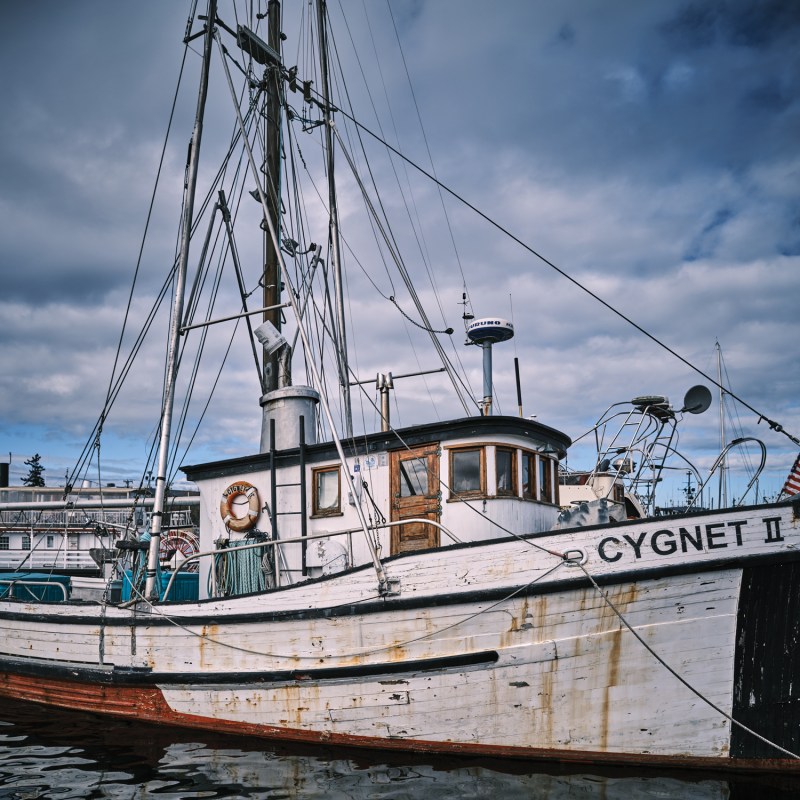
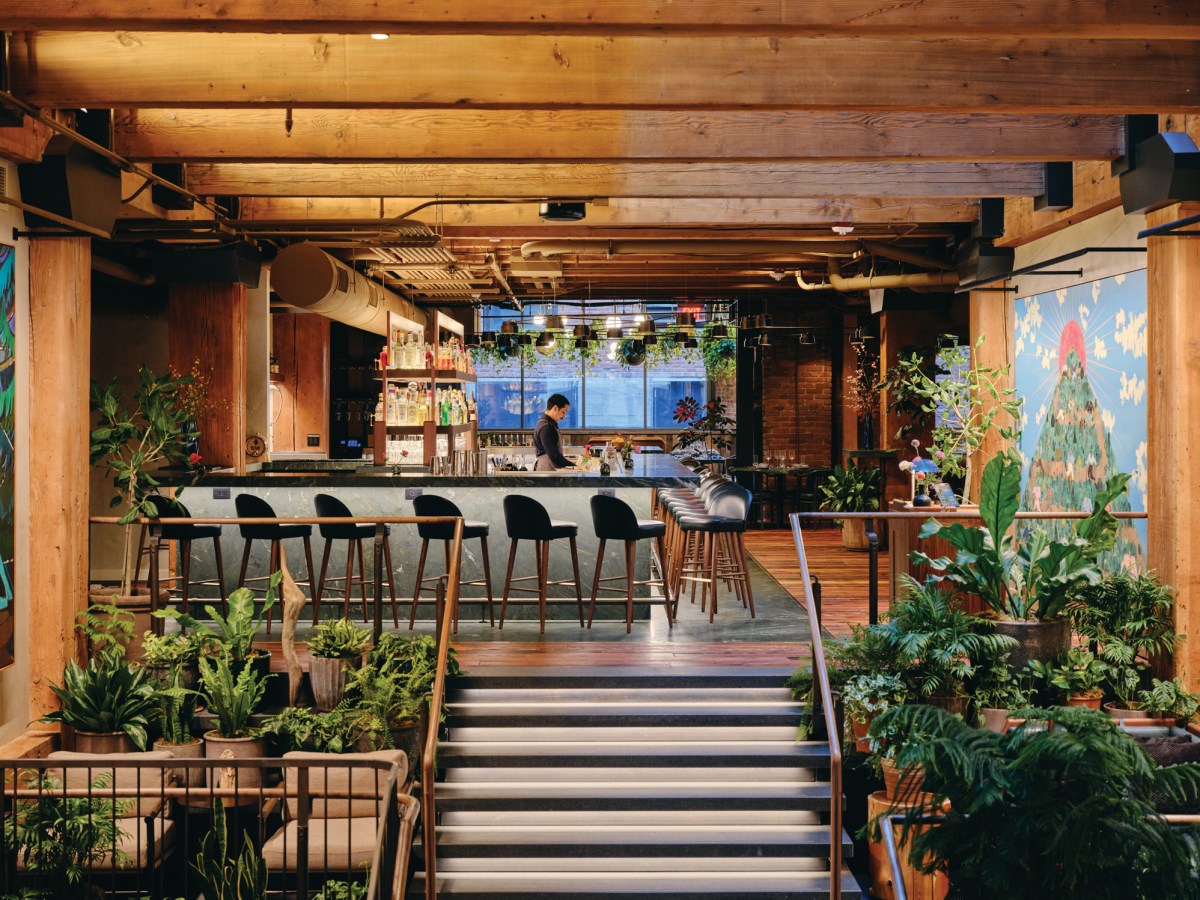
On the bay, the Great Wheel spun and glowed electric as, for the first time all day, the sun—sinking low across the islands in the Sound—punched through the clouds and cast a lavender and orange glow over the waterfront, reflected in the water and in the skyscrapers just up the hill. In the Sound, boats just in from Alaska could be seen hauling in the catch. That’s the truth of this city: It wears its industry on its sleeve, and on its sea. You can see it everywhere. In the former tracks and loading zones, in the cobblestone streets of Pioneer Square, where we made our home base at Populus Seattle. Housed in the restored 1907 Westland Building, Populus typifies a very Seattle philosophy of combining creature comforts, artistry, and sustainability. With a cozy little reading room off the main entrance, an excellent restaurant and bar, exposed brick, original Douglas fir beams, abundant plantings, and local art, the property has a cosseting and organic feel that is unpretentious and deeply comfortable in the middle of the city. It avoids the “concept” feel of so many new hotels and is ridiculously well sited: a few minutes in one direction to the city’s two major stadiums; in the other, the ferry, waterfront, Pike Place Market, Pioneer Square, and downtown.
Thomas J. Story
We wandered past the old missions and hotels and into Pioneer Square for a drink and a bite at Damn the Weather, a decade-plus-old cocktail bar and restaurant that helped define a new formula for how the foodier, cozier restaurants in Seattle do their thing: locally sourced produce, craft cocktails, service that’s somehow both casual and refined. It was a baseline reference visit for a number of incredible meals. In Ballard, Little Beast offered proper British-ish pub food with exceptional butchery and charcuterie. There’s Scotch eggs, head cheese, and bracing briny martinis. At Populus, Salt Harvest offers all-day dining, capped off with the option of an excellent prix fixe chef’s tasting menu at the open kitchen.
The next day there was a break in the rain and we walked the length of the new Waterfront Park, a civic reimagining that replaced noisy roadway with thousands of native plantings, new trees, public piers, bike lanes, play spaces, benches, overlooks, and stairs that reconnect the promenade by the water to Pike Place above it. If it reminds you of the Seattle version of the paradigm-shifting High Line in New York, there’s good reason. It was designed by the same landscape architect: James Corner Field Operations. Spending time there, the beating heart of this port city feels alive and well, with ferries shuttling workers, cargo ships moving goods, fishing vessels coursing the waters in the distance, and the thrum of the city behind you.
The Island
Thomas J. Story
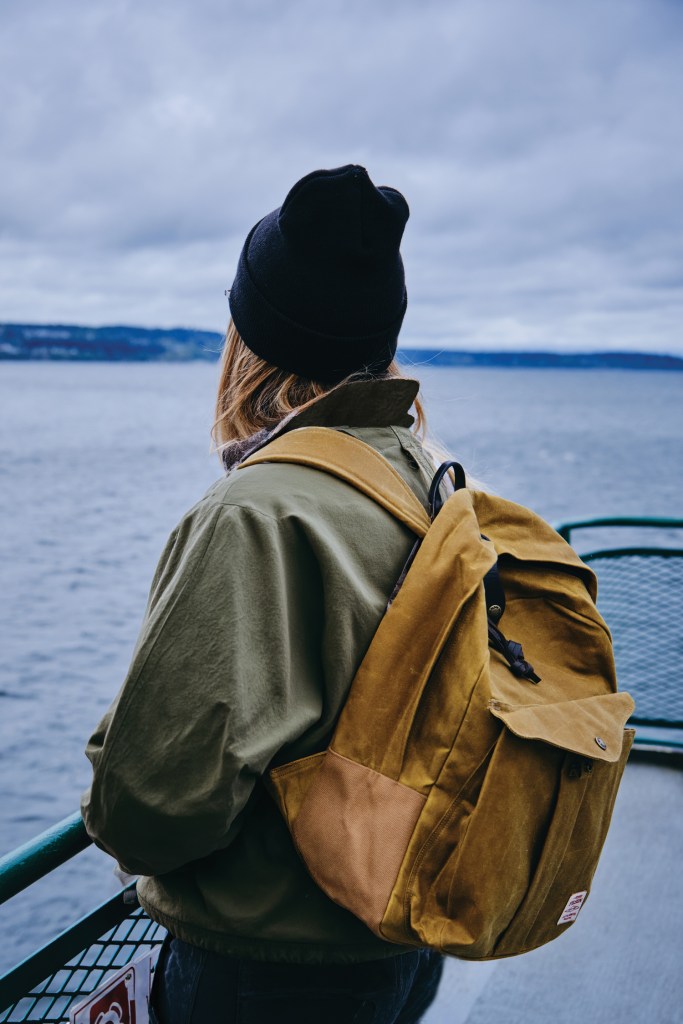
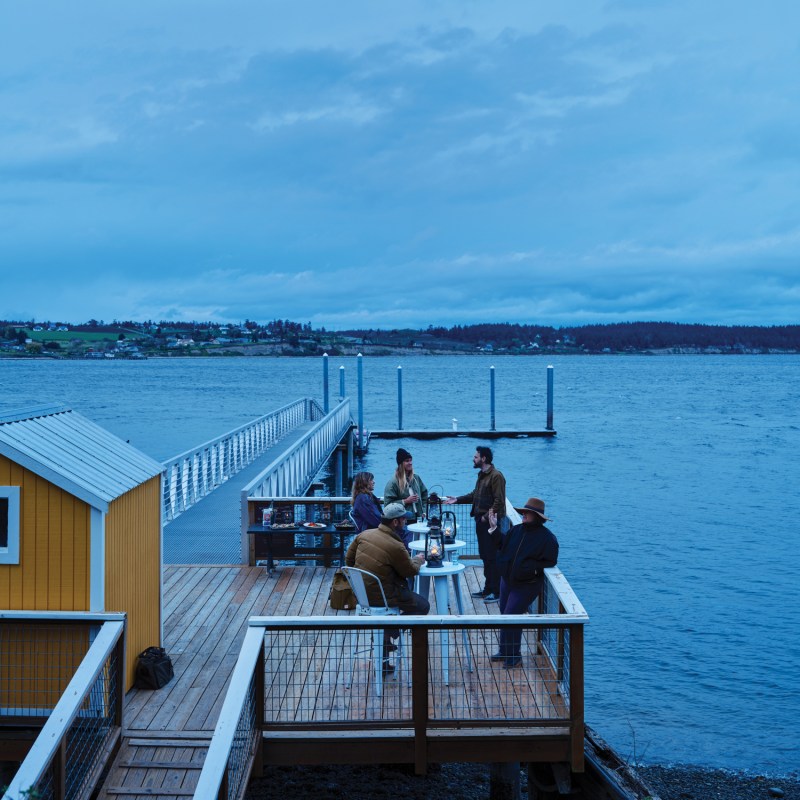
For a deeper look at the area’s maritime and military history, we took the ferry to Whidbey Island, home to farms, vacation houses, windswept beaches, rich forests, and Fort Casey, once part of the “Triangle of Fire,” a defensive network with Fort Worden and Fort Flagler that guarded the entrance to Puget Sound in the late 19th and early 20th centuries. You can now tour the abandoned batteries and guns at Fort Casey, which we did, but mostly we were there to soak up the nature and hospitality that draw thousands of visitors seeking escape from the city.
Thomas J. Story
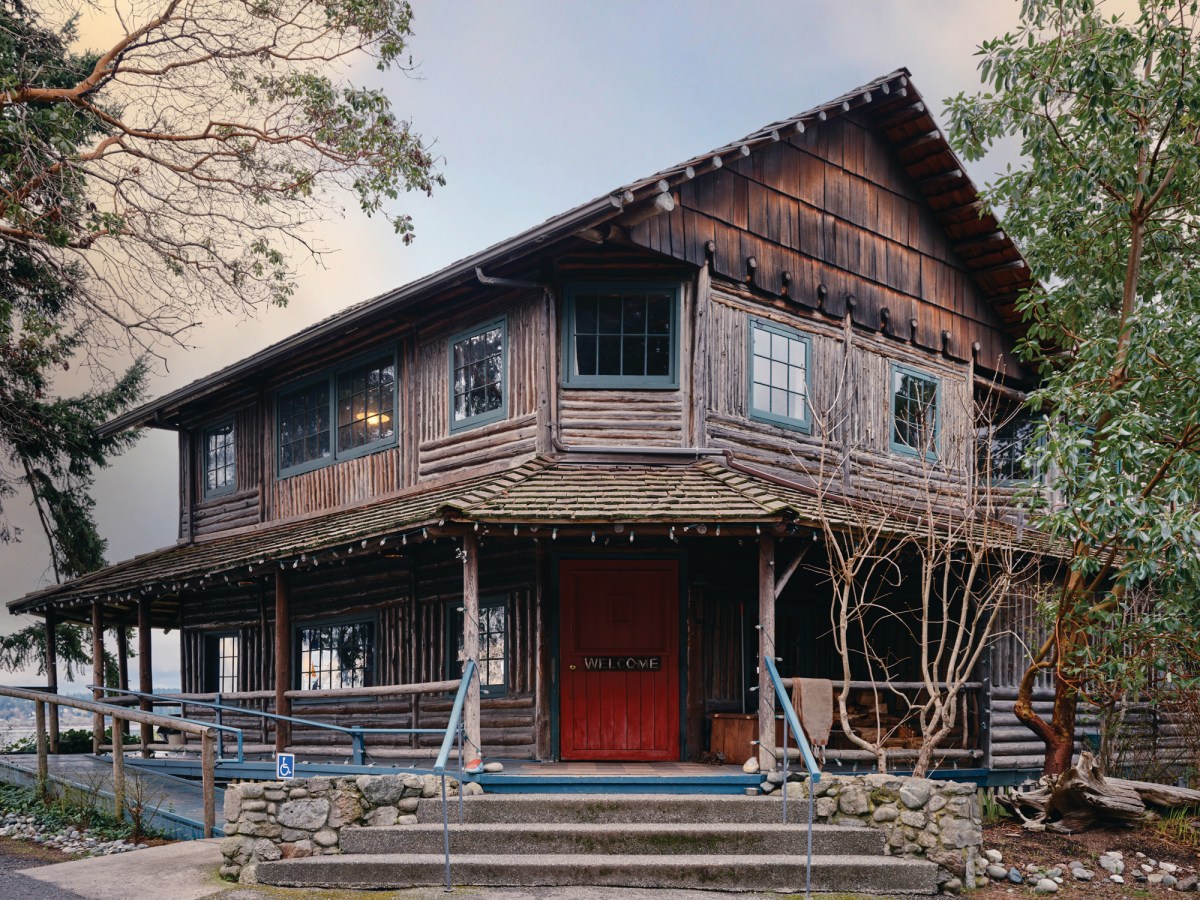
We booked into Captain Whidbey, which might just be the coziest cottage-core Pacific Northwestern redoubt around. Here we were joined by Renee Erickson, the James Beard Award-winning chef behind some of Seattle’s most beloved restaurants, including the oyster Valhalla that is The Walrus and the Carpenter, Lioness, and the new Mio Oh Mio. Captain Whidbey was built in 1907 on Penn Cove from logs and stone gathered on-site, and it still has a handmade, storybook feeling. Now reimagined across a six-acre waterfront property with cabins, a private dock, a lagoon, a chef’s garden, and Adirondack chairs and blankets on the porch, it holds both the old romance of the island and the new polish of Pacific Northwest hospitality.
Thomas J. Story
Whidbey itself has that same duality. It is close enough to Seattle to feel easy, and far enough away to feel transformational. Deception Pass, with its bridge and churning waters, helps frame the island as both a getaway and a threshold. The forts remind you that this serene vacation landscape was once militarized. The farms remind you that it is still a place of production and provision. At Toby’s Tavern in Coupeville, we had Penn Cove mussels and beer under taxidermy and a vintage racing hull suspended from the ceiling while locals told us about their favorite beaches and hikes. Back at Captain Whidbey, a bald eagle watched from the trees as we ate breakfast on the deck overlooking the water. Families came and went. Locals slipped in for drinks. A house-flipper at the bar talked up the region with the zeal of someone who had already convinced himself and was now working on everyone else. The French brothers, who helped revive the property, clearly understood the assignment: Don’t erase the old magic, but upgrade the menu and the top shelf.
Thomas J. Story
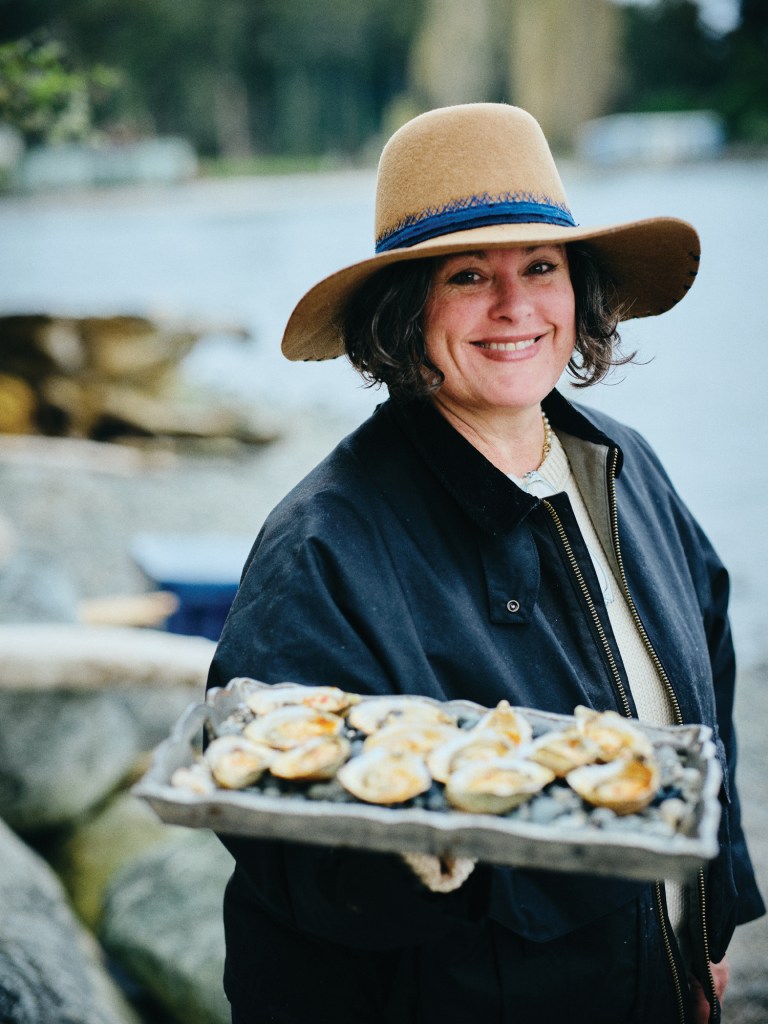
That evening, on the rocky beach, Erickson lit a fire and cooked the way chefs do on their day off. Everything was prepped, and ingredients were impeccable; a few simple sauces and garnishes took it to the next level. Oysters went on the grill topped with chile-spiked compound butter, their shells opening slowly in the heat. Grilled salmon followed, of course, sauced with zippy stewed peppers. Jets passed overhead from the nearby naval air station, still holding down the fort, so to speak, while below us the fire popped, and we watched the tide slowly rise on the stone beach as we toasted the setting sun just barely peeking through the gray, the ocean air the final perfect garnish for our feast.
The Forest and the Mountains
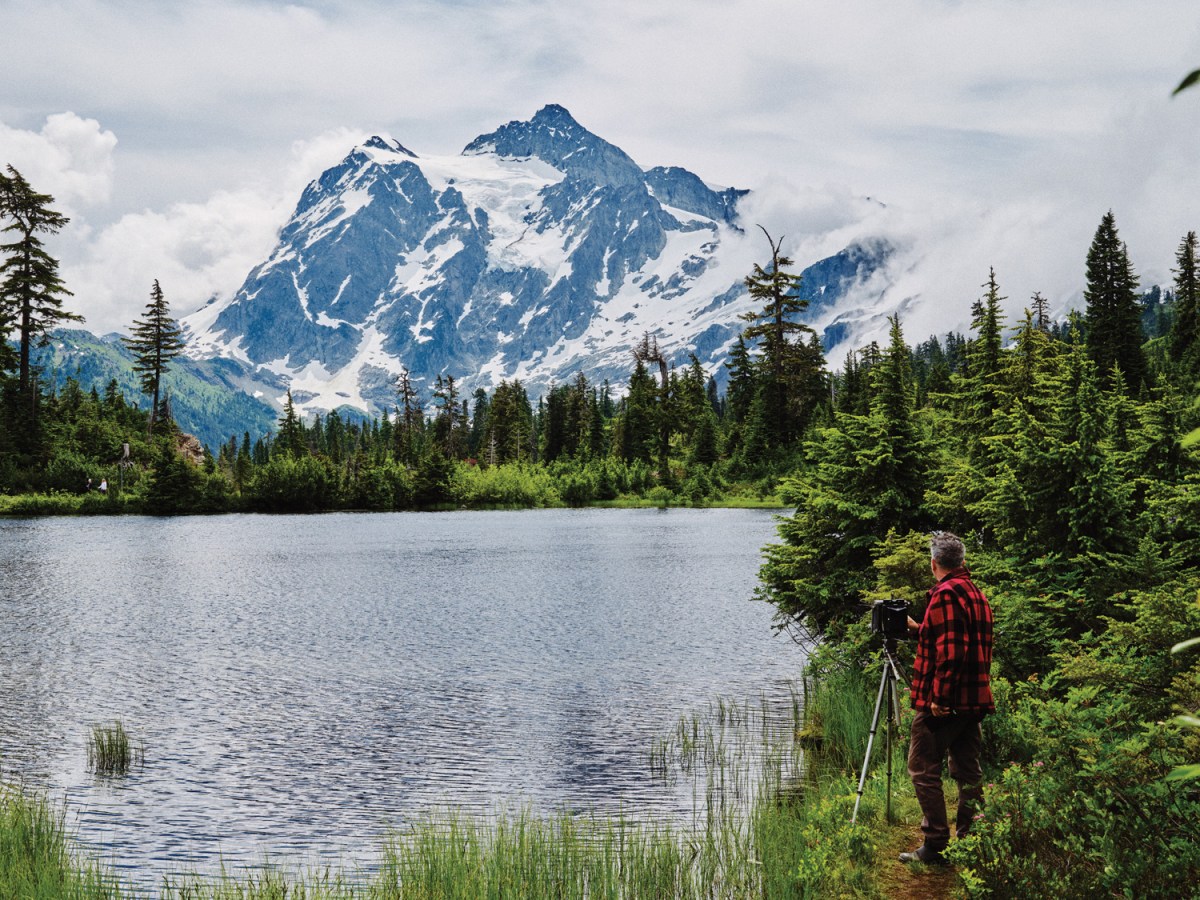
Thomas J. Story takes a photo of Picture Lake with his 4×5 camera. Tom wears mackinaw Wool Cruiser Jacket in red/black plaid.
Thomas J. Story
On a near-record-breaking, bone-chilling day, we hit the road early for the Olympic Peninsula, which everyone told us was a must-visit, and we were not disappointed. Rain turned to snow turned to sleet as we made our way deeper into the peninsula, the roads growing greener by the mile. Logging trucks trundled by. We kept our eyes peeled for deer. The whole landscape felt Middle-earth in its mossy verdant timelessness.
We stopped at Lake Quinault Lodge, built in 1926 on the shores of the lake, a grand and rustic wood-framed hotel that once hosted Franklin D. Roosevelt and boasts one of the coziest fireplaces around. The lodge sits within the Olympic National Forest, near one of the rainiest regions in the contiguous United States. From the lodge, we walked into the rainforest. We traversed mossy logs and found an enchanted emerald forest where we broke out the large-format camera and breathed in the quiet. You can’t shake the knowledge that logging shaped this peninsula as powerfully as preservation did. This is the West in its clearest tension: extraction and awe. The cut smack dab against the untouched.
Thomas J. Story
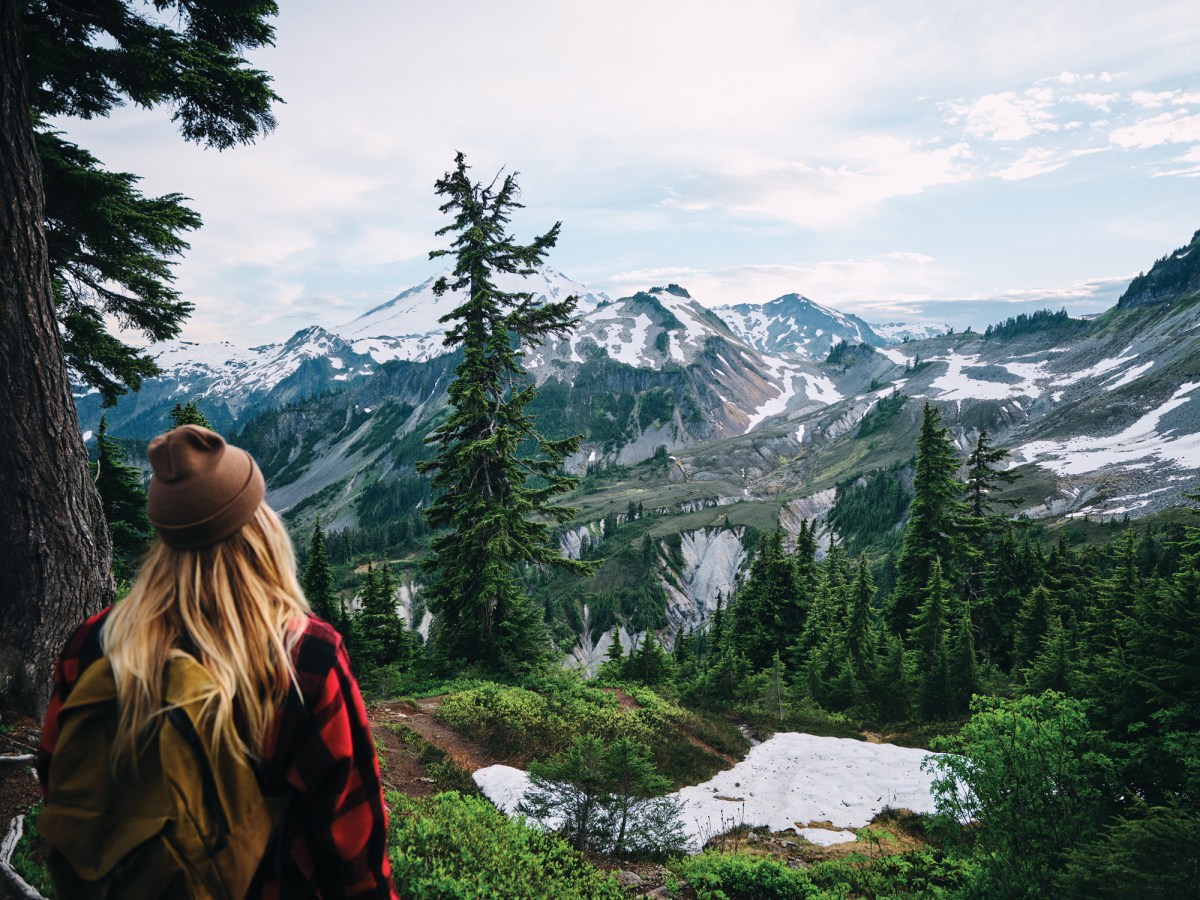
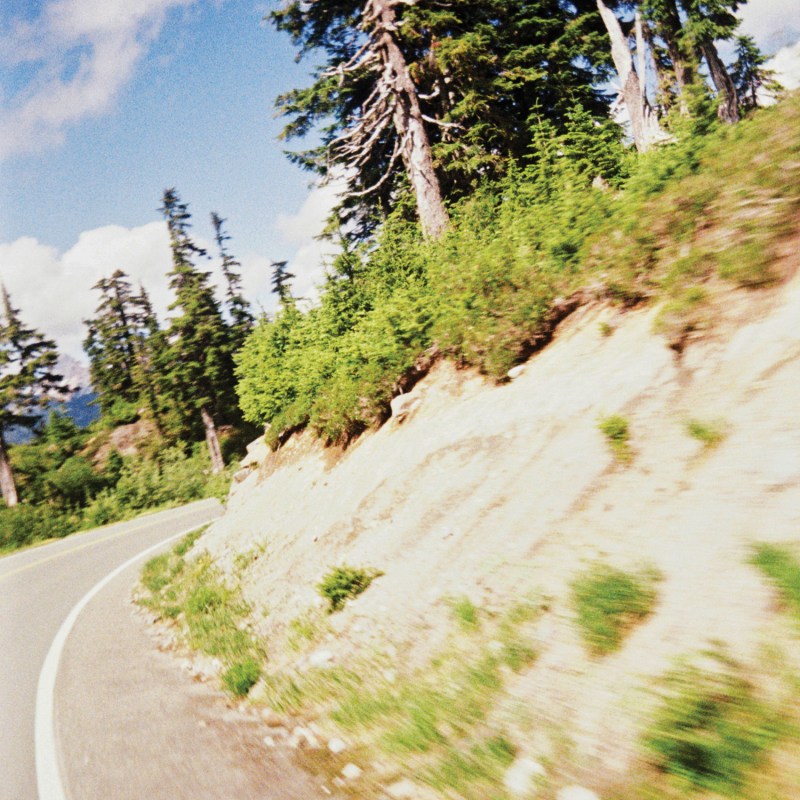
On a return trip, in briefly fairer weather that quickly turned foul, we drove three hours north of Seattle to Mount Baker and Mount Shuksan to experience the Alpine side of the area. Here a fellow traveler told us to take our cameras to Artist’s Point, and there we found the epic view that you’ll find on the cover of our October/November issue. Then we took our own advice and put down our digital cameras and took the photograph below with an old film camera. It anchored us in the moment, if only briefly, before we headed down the mountain one last time.
Thomas J. Story
The Makers
Thomas J. Story
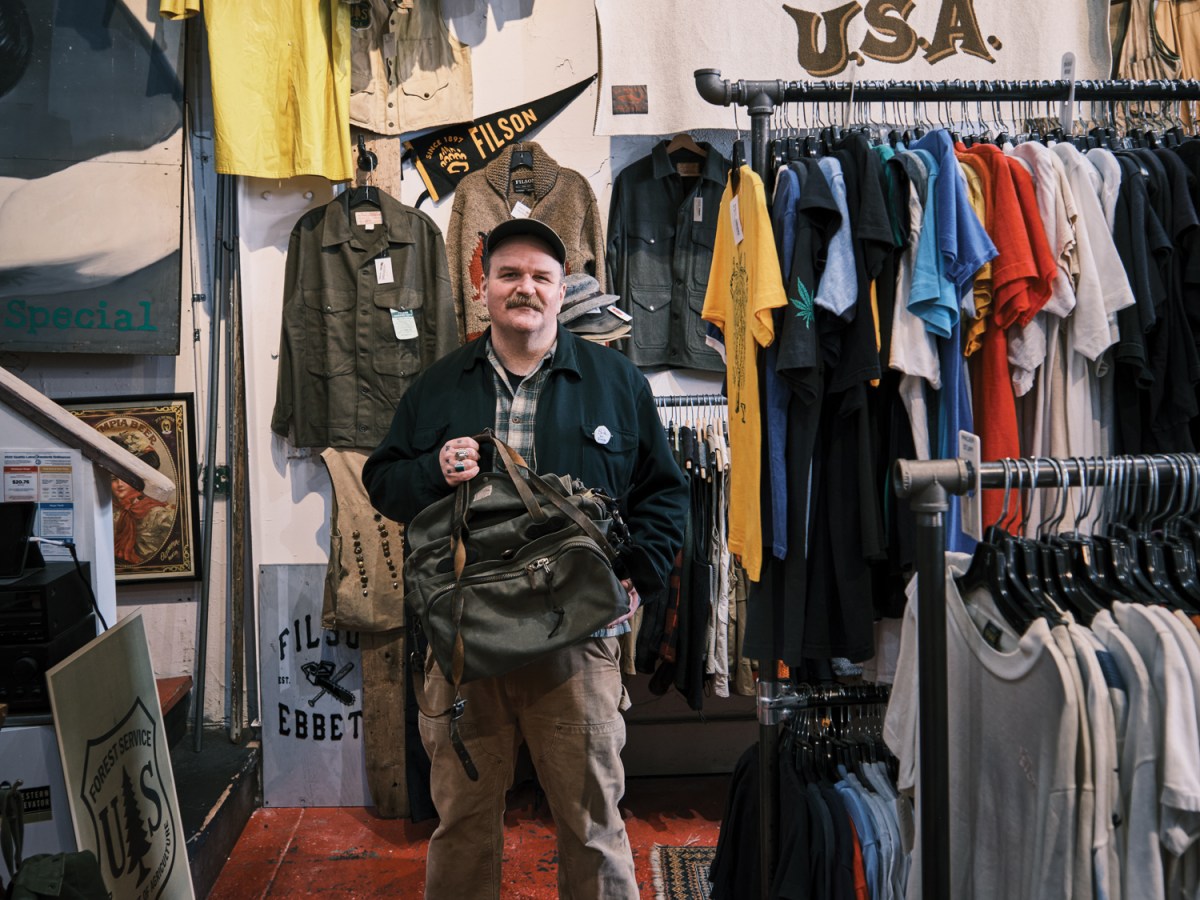
Before we departed the Seattle area for warmer climes, we headed to Georgetown, where the industrial bones of Seattle are still visible and where old things find new lives. There we met Josh Dand, the vintage-hunter and self-styled Filson-obsessed historian behind Barn Owl Vintage, who has made a practice of finding pieces that already have a story. Here you’ll find bags worn soft by use, work vests with faded names and stains, and mythical rare pieces, like a yellow “Golden Cruiser” that sold for thousands. He understands that the patina people pay for is a historical narrative. Another sort of time travel. He showed us a weathered bag that still held the ID of a traveling salesman and quipped that you could have this stolen valor for $250.
Thomas J. Story
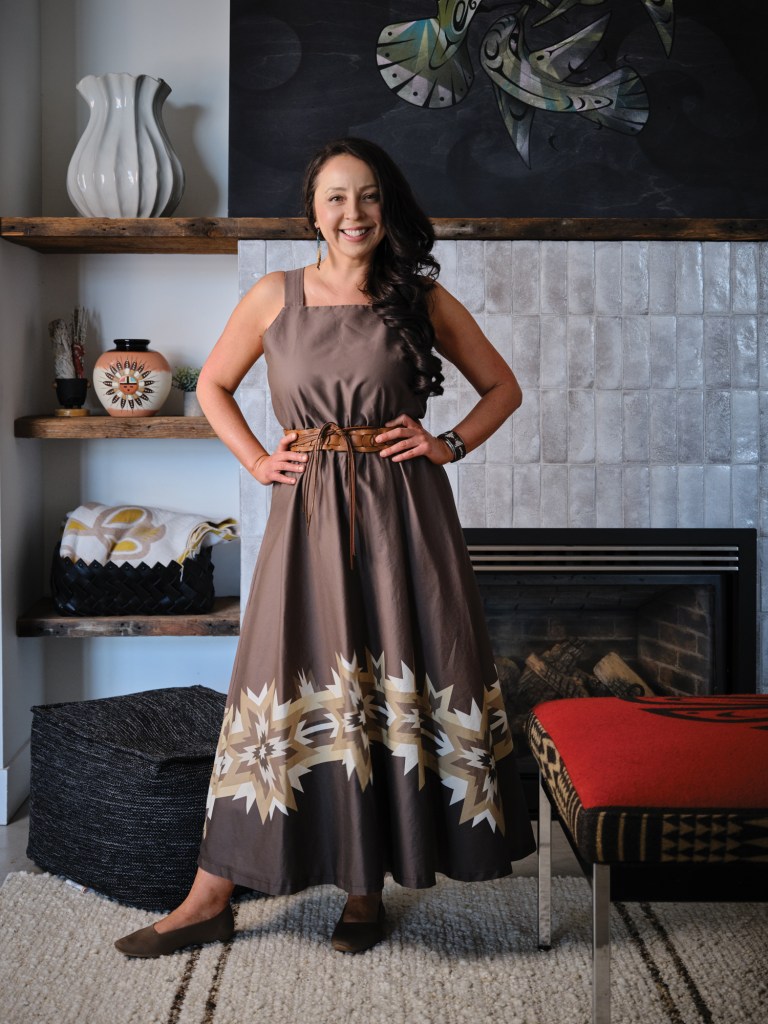
We also met holistic mind-body practitioner and educator Tessa Sayers, who designs blankets sold by Eighth Generation, the Seattle-based Native-owned art and lifestyle brand whose mission pushes back against the old extractive pattern of “Native-inspired” design. In a city and region built atop Indigenous land and imagery, it is one thing to borrow symbols and quite another to support Native artists telling their own stories. Sayers’ work carries memory, geometry, autobiography, and reclamation.
On this deep dive into the city, we had only scratched the surface. That is the problem and the gift of a place like Seattle. Every answer becomes a door to another question. Do we go next to Ballard for boats and bars? To the International District? To the shipbuilding school? To another island? The list is infinite, like time, like a great city, like the West.
Seattle Sourcebook
Where to Stay
Thomas J. Story
Populus A design-forward, sustainability-minded hotel whose tree-like architecture and Pioneer Square setting make it feel like a new Northwest landmark.
Lotte Hotel Seattle Grand, polished, and quietly glamorous, Lotte brings big-city luxury to a historic downtown Seattle setting.
Thompson Seattle Sleek, central, and steps from Pike Place, Thompson is the easy choice for travelers who want the city at their doorstep.
Captain Whidbey A romantic, timeworn waterfront lodge on Penn Cove with cabins, a private dock, deep Northwest character, and a sense of escape just beyond Seattle.
Lake Quinault Lodge A classic 1920s lakeside retreat in the Olympic rainforest, all crackling fireplaces, deep-green views, and old-park-lodge atmosphere.
Where to Eat
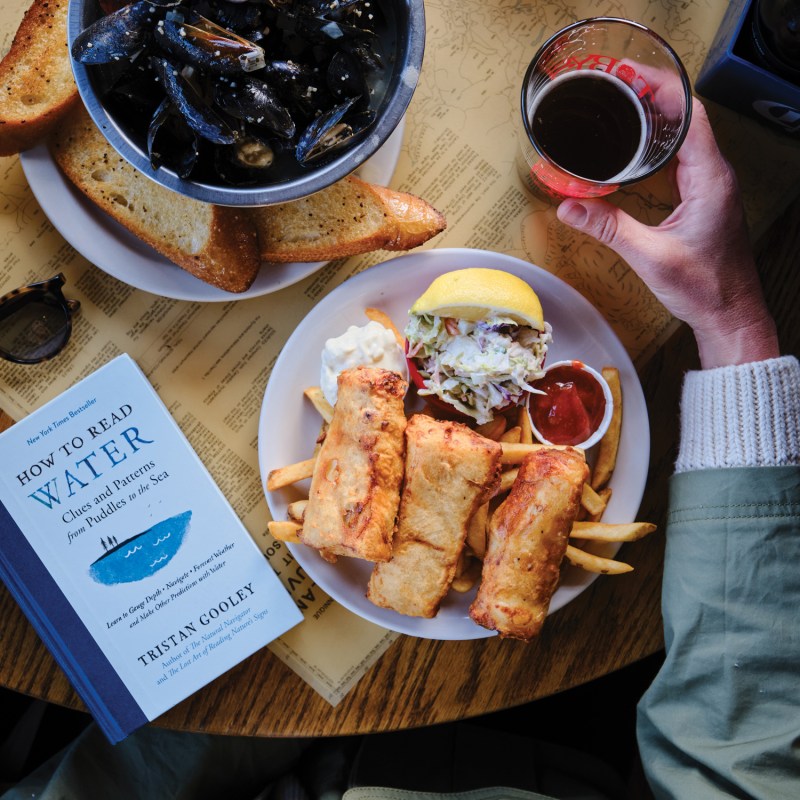
Fish and chips and mussels at Toby’s Tavern.
Thomas J. Story
Little Beast A bold Ballard gastropub from the Beast & Cleaver world, with whole-animal butchery and English-pub soul.
Damn the Weather A Pioneer Square staple where sharp cocktails and hearty, clever food make a strong case for lingering.
The Sunset Tavern A low-key Ballard classic with the right mix of music, drinks, and worn-in Seattle soul.
Lioness A stylish, intimate Phinney Ridge restaurant with Italian wines, cocktails, pasta, oysters, and a room that hums after dark.
The Walrus and the Carpenter The city’s essential oyster bar, equal parts briny, convivial, and unmistakably Northwest.
Salt Harvest at Populus A hearth-driven restaurant inside Populus that channels the seafood, produce, smoke, and seasonality of the Pacific Northwest.
Mio Oh Mio A lively Pioneer Square newcomer celebrating Pacific Northwest shellfish, pork chops, pasta, and seasonal ingredients.
Toby’s Tavern A Whidbey Island institution in Coupeville, where Penn Cove mussels, cold beer, and weathered waterfront charm deliver the full island experience.
Where to Shop
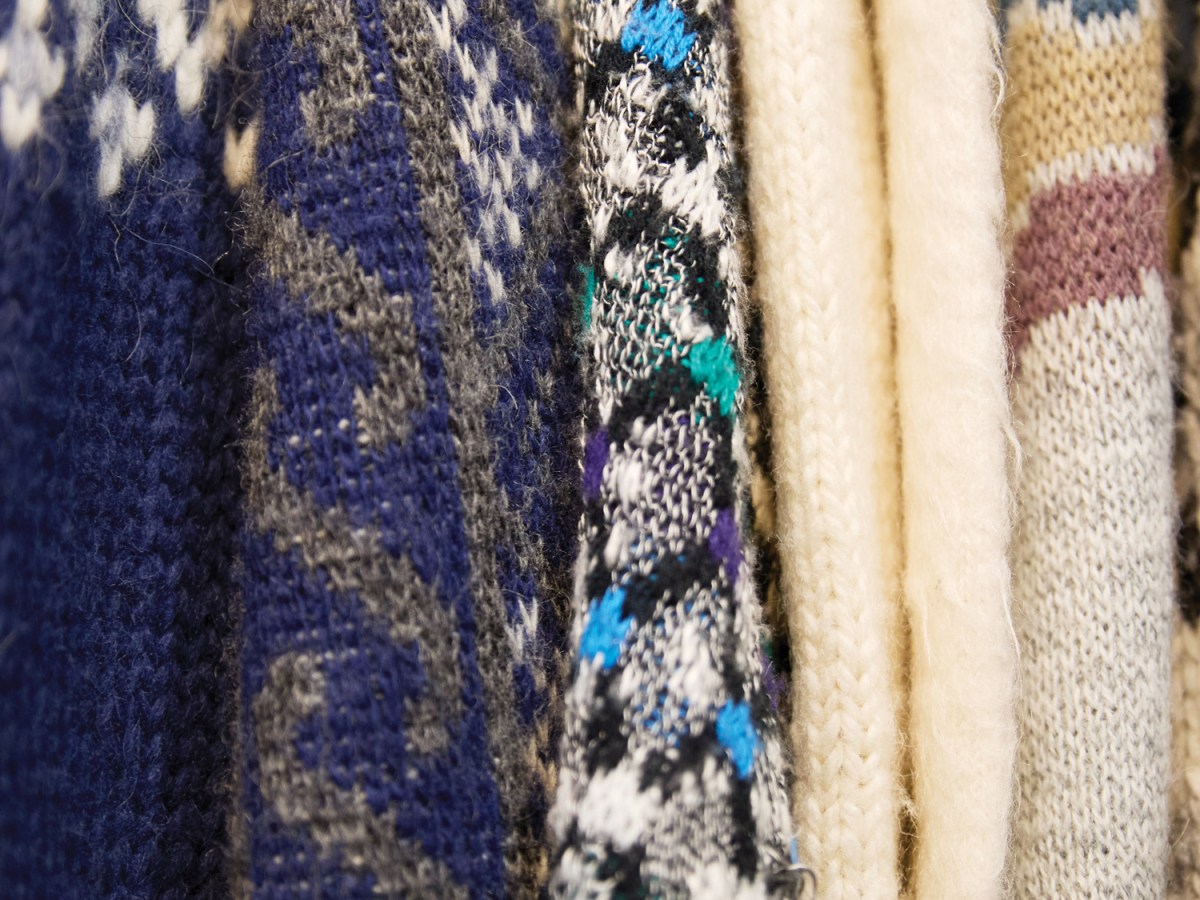
Sweaters at Barn Owl Vintage.
Thomas J. Story
Eighth Generation Indigenous-owned and artist-centered, Eighth Generation is the place for blankets, textiles, and gifts with real cultural grounding.
Barn Owl Vintage A tightly edited vintage shop with the patina, utility, and character that define great Western style.
DeLaurenti at Pike Place The old-school Italian market at Pike Place for salumi, cheese, pasta, wine, and suitcase-worthy provisions.
The Delights of Dining Solo
Thomas J. Story
The best table in the house is often the one set for one. Here’s how to own it.
By Krista Simmons
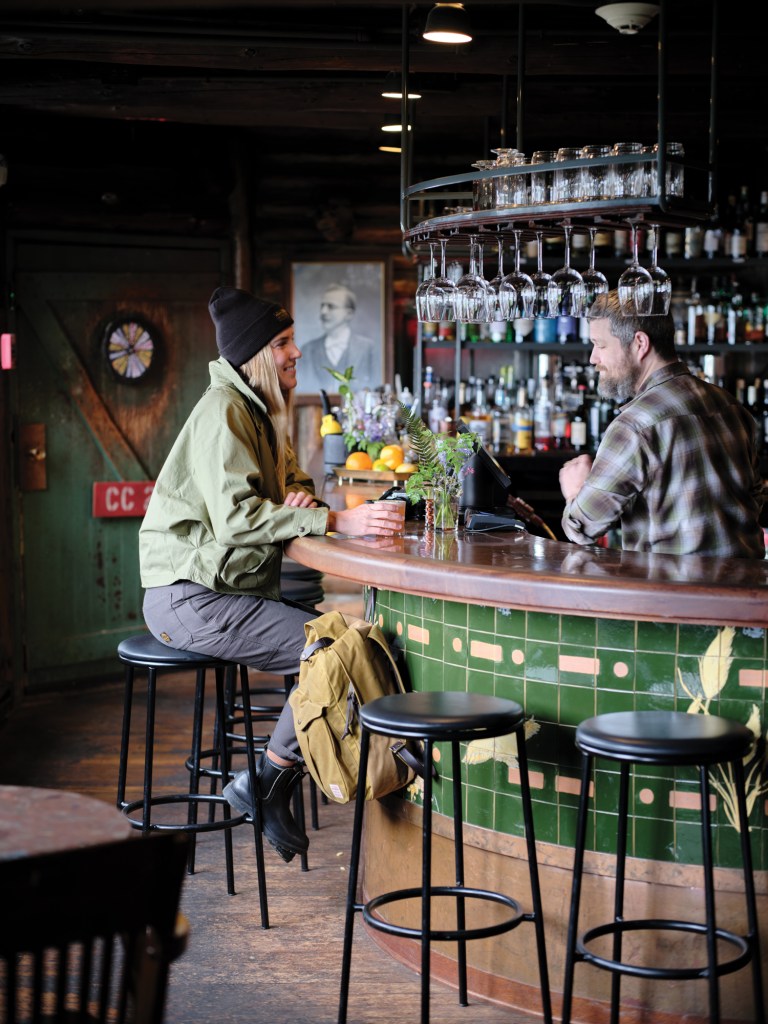
Sit at the bar. It’s the social hub of any restaurant. The energy makes solo dining feel intentional, not lonely. Plus, it’s a seamless spot to strike up conversations with locals to get recs and learn about town. (I pulled up a stool at the bespoke cocktail bar at Captain Whidbey on Whidbey Island, ordered a Negroni, and didn’t want to leave.)
Go early. Off-peak hours belong to the solo diner. Beat the reservation crush, snag the best seat, and settle in before the room fills up. Do the fancy lunch, keep dinner simple. Midday is when chef’s specials and tasting menus are both more affordable and the dining room is less charged. Ask what the kitchen is most excited about and order that. Charlotte Restaurant & Lounge on the 16th floor of the Lotte Hotel Seattle is exactly the kind of place worth splurging on at lunch.
Preview the menu. A quick scroll before you arrive means you walk in with a plan, which frees you up to actually be present once you’re there.
Happy hour is your friend. Lower stakes, lighter spend, livelier room—a perfect entry point if solo dining still feels like a stretch. Toby’s Tavern on Whidbey Island does it right and has a happy hour vibe almost any hour of the day.
Bring a book. Tuck it in your pack and give yourself permission to disappear into it between courses. A good bag and a good book are all the company you need.
Write it down. A field journal turns a meal into a memory: the dish, the room, the stranger two seats over. Pack one every time and doodle to your heart’s content. (I also love saving stickers, receipts, and flyers to make collages from destinations I visit.)
Make friends with the bartender. Ask what they’d order, where they’d eat tomorrow, what they’re drinking after their shift. Solo dining unlocks a kind of access a table of four never gets. James Beard Award-winning chef Renee Erickson’s wine bar Lioness in Seattle, whose bar is standing-room only, is the kind of place where that conversation could last all night.
A Guide to Mindful Photography
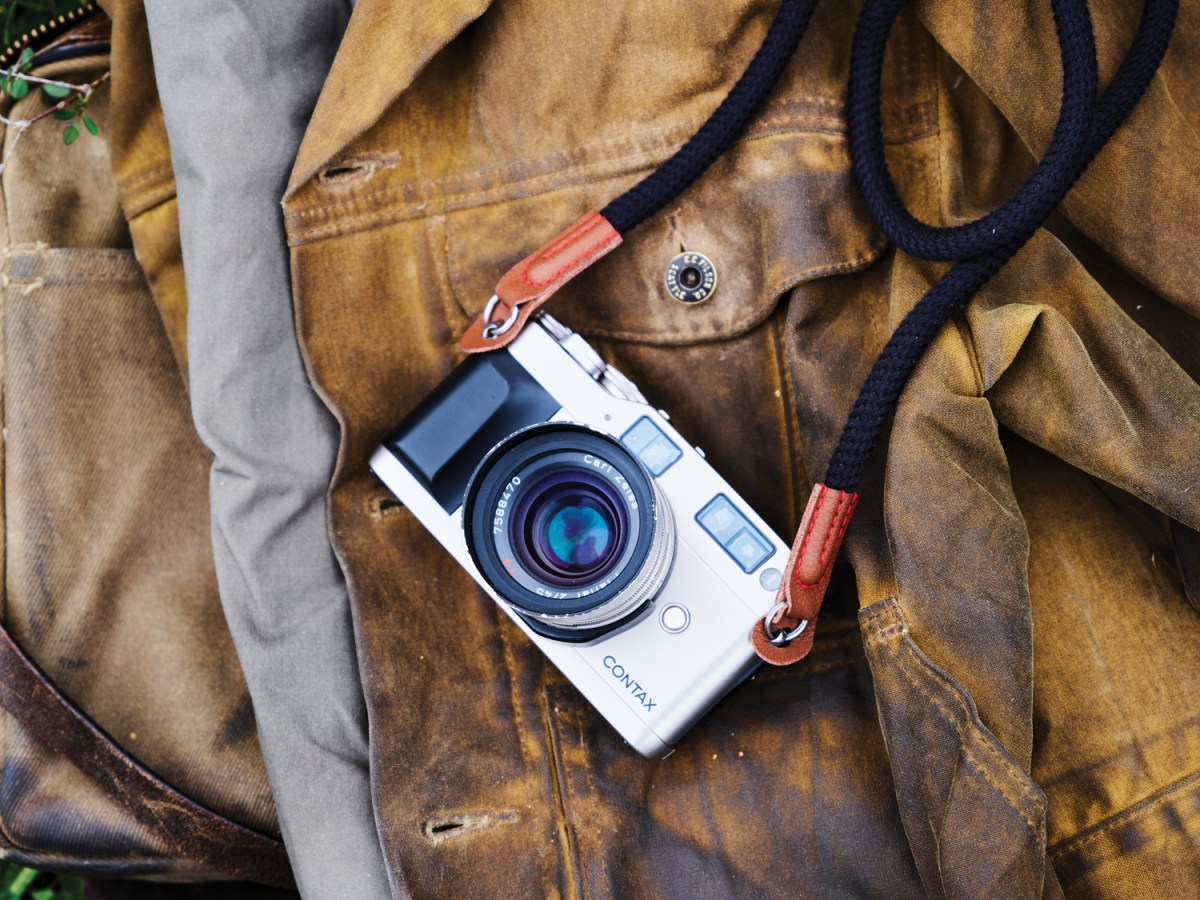
Thomas J. Story
The best photographs happen when you put down the smartphone.
By Thomas J. Story
Bring a film camera. Limitation breeds creativity. A single film camera can force you to work with what you have instead of wondering what you’re missing. Less gear means less distraction and more attention.
Leave the screen behind. Film removes the urge to constantly review, edit, and share. Without a glowing rectangle competing for your attention, you’ll be more aware of your present moment.
Slow down before you shoot. Before pressing the shutter, ask yourself why the scene matters. A thoughtful frame is worth more than ten hurried ones.
Walk without a destination. Some of the best photographs are found when you’re not looking for them. Turn down the side street. Take the long way back. Follow the light.
Shoot fewer frames. Digital encourages abundance; film encourages intention. Twenty-four or thirty-six exposures are often more than enough for a day if you’re paying attention.
Travel early and stay late. The hours around sunrise and sunset offer softer light, quieter streets, and fewer people. Carry a notebook. Record locations, conversations, weather, and the stories behind the images. Months later, the notes often become just as valuable as the negatives.
Accept the unknown. Film asks for trust. You won’t know exactly what you captured until the roll is developed. That uncertainty is part of the magic. The photograph becomes a memory first and an image second.
Talk to people. A camera is often an invitation. Ask questions, listen to stories, and stay curious. The best travel photographs usually come from genuine connections rather than perfect compositions. Remember why you started. Travel photography isn’t about collecting content. It’s about collecting experiences. The camera is simply a tool for paying closer attention to the world around you.
The Latest