
California’s Hidden Abalone Farm Is the Most Unexpected (and Unforgettable) Road Trip Must-Do
Set along the rugged Gaviota Coast, The Cultured Abalone Farm offers an unforgettable look at one of California’s oldest culinary traditions, and the future of ocean conservation.
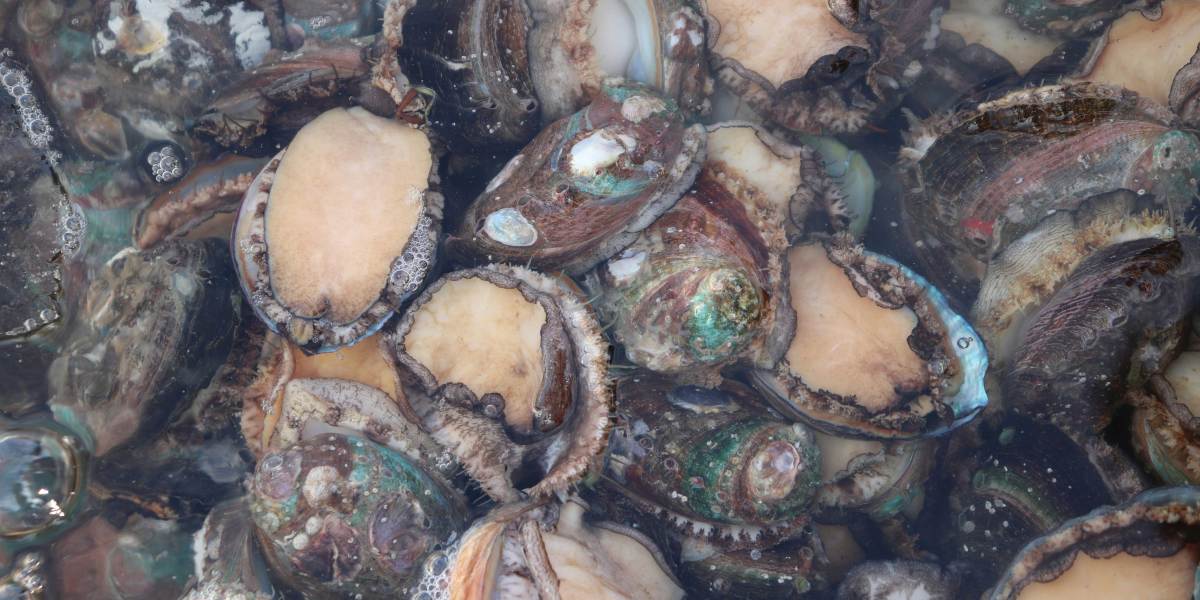
Photo by 晓 和 on Unsplash
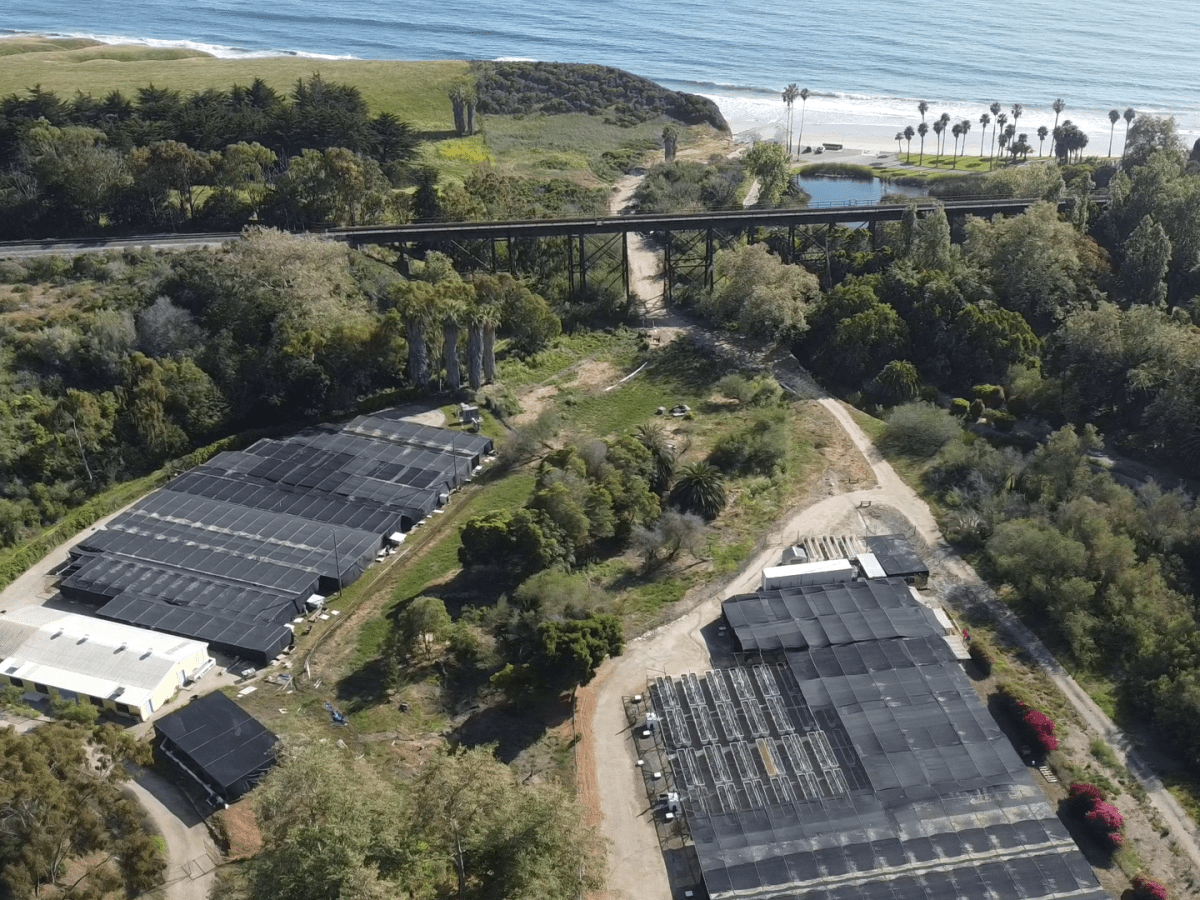
Just 20 minutes north of Santa Barbara, where the Santa Ynez Mountains tumble toward the Pacific, sits one of California’s most unexpected travel experiences. Established in 1989 at historic Dos Pueblos Ranch, The Cultured Abalone Farm is one of only two farms in California raising the state’s iconic red abalone, welcoming visitors behind the scenes for an immersive look at sustainable aquaculture, marine ecology, and coastal history.
Whether you’re a nature lover, seafood enthusiast, or are simply looking for an unforgettable stop along Highway 101, here’s why this hidden gem deserves a place on your itinerary.
Courtesy of The Cultured Abalone Farm
1. You’ll Experience a Side of California Most Travelers Never See
The drive alone is worth the detour.
As Highway 101 hugs the Gaviota Coast, dramatic ocean views give way to rolling ranchland before arriving at a working seafood farm that feels worlds away from Santa Barbara’s bustling waterfront.
During the 90-minute guided walking tour, guests follow the journey of an abalone from hatchery to harvest while learning how the farm’s unique seawater system brings 2.3 million gallons of cool, clean water from the Santa Barbara Channel through more than 400 tanks before returning it to the ocean.
“I hope they leave with an appreciation for abalone, whether that be for the beauty of their shells, their cultural significance, or their delicious taste, and an understanding that California abalone is still available to them through sustainable aquaculture,” says Andie Van Horn, Cultured Abalone’s Farm-to-Fork Manager. “I also hope they leave with a sense of wonder for California’s coast. After seeing the young abalone in the hatchery, guests are often shocked to see how small life starts out in the ocean. I hope this feeling is something they carry with them and that it deepens their connection to our oceans.”
Courtesy of The Cultured Abalone Farm
2. It’s Like Touring a Living Marine Ecosystem
One of the most memorable stops isn’t the largest tank—it’s the brood tanks.
Home to some of the farm’s oldest breeding abalone, these pools have evolved into thriving miniature ecosystems where anemones, seaweed, nudibranchs, and countless marine organisms naturally settle after arriving with fresh seawater from the Pacific.
“I would love for guests to take a minute to gaze into our brood tanks,” says Van Horn. “These tanks are teeming with life… To me, these tanks highlight the pristine conditions our abalone are raised in. And you truly never know what you’re going to find!”
It’s a reminder that even inside a working farm, nature continues to do what it does best.
3. You’ll Never Look at an Abalone the Same Way Again
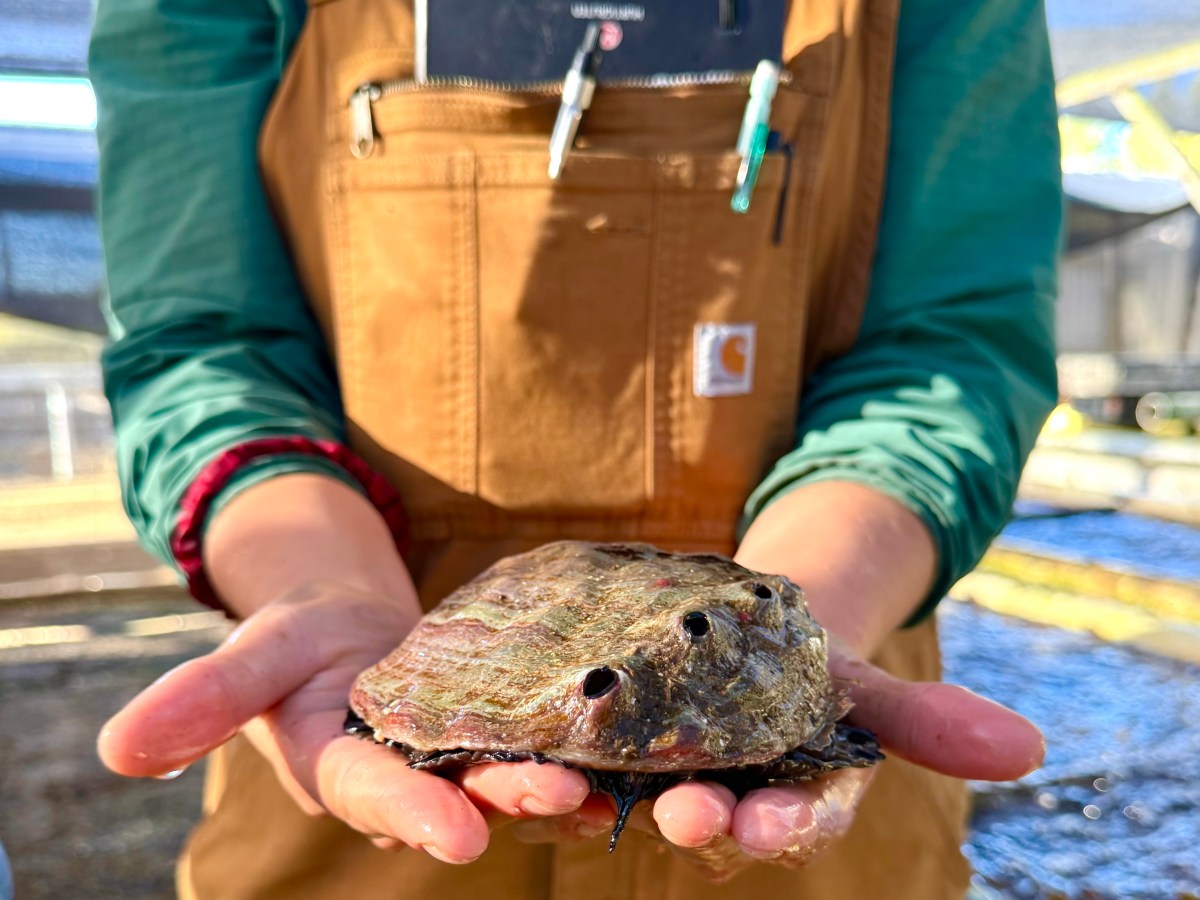
Many visitors arrive expecting shellfish that resemble clams. They leave knowing abalone are actually marine snails, and surprisingly charismatic ones.
“There’s nothing like gazing into the eyes of an abalone for the first time!” says Van Horn. “They’re not too obvious at first, often safely tucked under their shell for protection. But once the abalone peeks its little face out, guests are delighted (and often surprised) to be making eye contact with an abalone.” That simple moment often becomes the highlight of the tour, transforming an unfamiliar ingredient into a living California icon with a story stretching back thousands of years.
Courtesy of The Cultured Abalone Farm
4. Every Tour Is Also a Lesson in Ocean Stewardship
Sustainability isn’t a buzzword here; It’s built into every part of the farm.
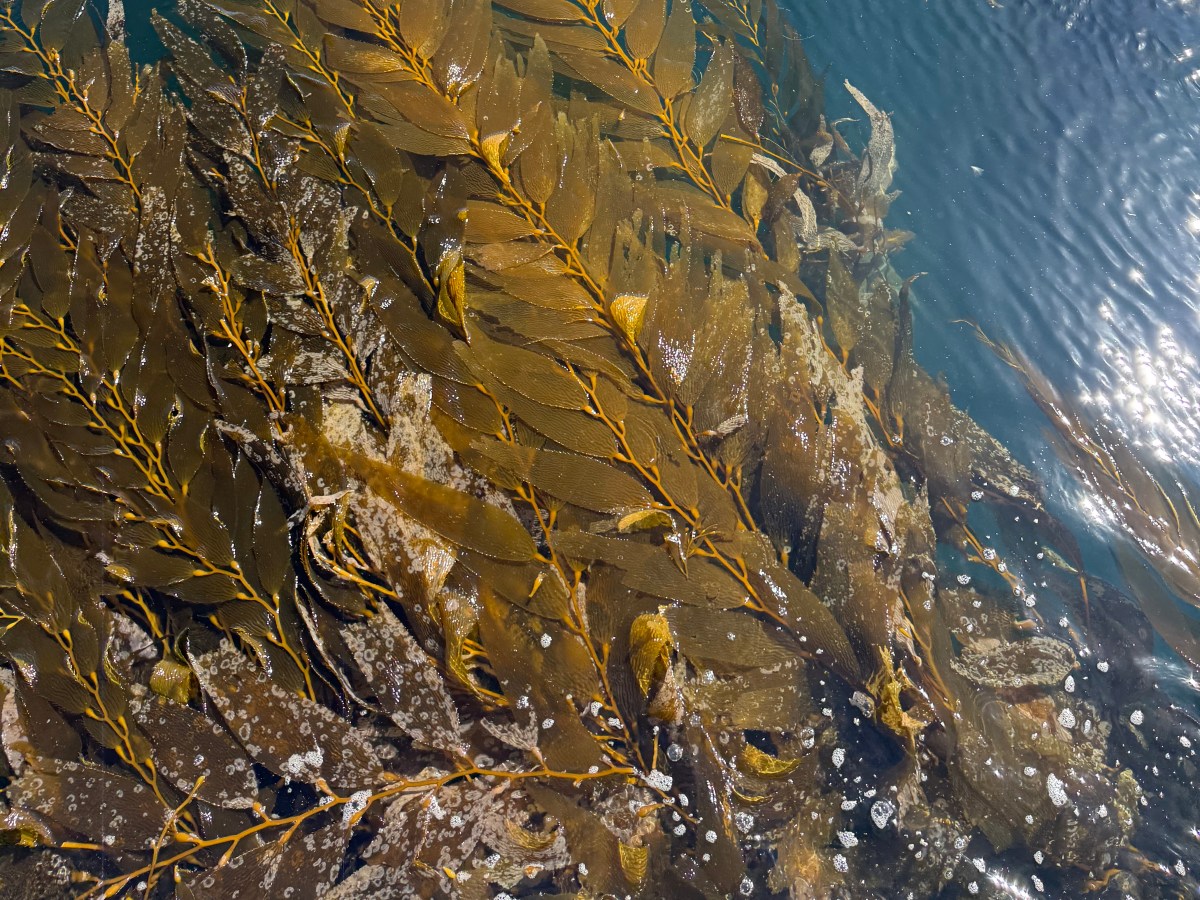
Each week, the team feeds more than one million abalone and thousands of purple sea urchins with 15 to 20 tons of sustainably harvested giant kelp. Rather than removing entire kelp plants, crews carefully trim only the upper canopy before rotating harvest locations, allowing underwater forests to regenerate naturally.
“Our farm is motivated by our mission to restore abalone as a California icon,” says Van Horn. “Throughout time, people living on California’s coast have had a deep connection to abalone. We think this relationship matters and aim to perpetuate it by keeping California abalone available on our plates and restoring wild abalone populations along the coast of Southern California.”
Visitors also leave with simple ways to support healthier oceans at home. “One of the biggest ways to protect our coastal waters is to support your local fishers and seafood farms!” Van Horn says. “By supporting local seafood producers, you not only reduce your carbon footprint and support sustainable food systems, you also keep money in your local community.”
Courtesy of The Cultured Abalone Farm
5. The Experience Doesn’t End When the Tour Does
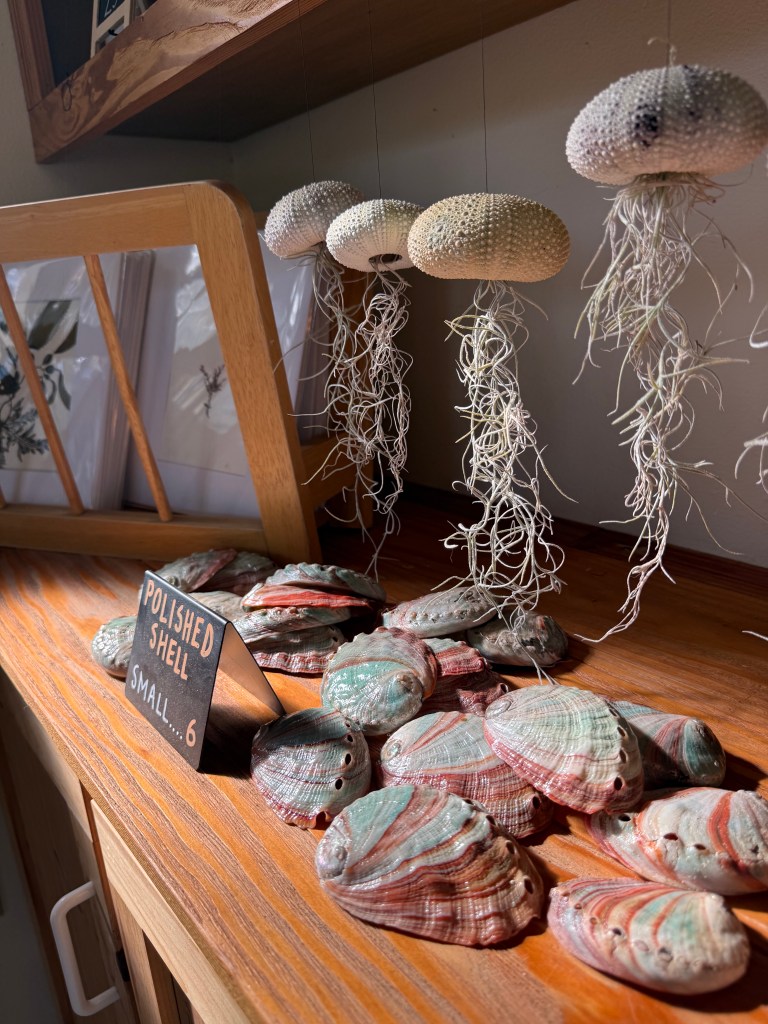
Before heading home, spend a little time browsing the Farm Shop, where you can purchase fresh California red abalone, ranched purple sea urchin, and the farm’s cultivated seaweeds—including delicate ogo and savory dulse—to bring a taste of the California coast home. The shop also stocks a playful collection of “ab-parel,” polished abalone shells, and thoughtfully curated goods from local artisans and makers, making it easy to leave with a meaningful souvenir beyond the seafood.
If you’re ready for lunch, Van Horn recommends continuing your seafood education with a visit to Santa Barbara Fish Market in nearby Goleta.
“My favorite thing to recommend folks do is visit Santa Barbara Fish Market’s restaurant in Goleta for lunch or dinner!” she says. “I love sending folks to Fish Market because I know they offer a variety of the best fresh, local seafood.” It’s a fitting finale to an experience that connects California’s landscapes, history, and food traditions in one unforgettable stop.

Courtesy of The Cultured Abalone Farm
Plan Your Visit
Public guided tours are offered on Saturdays and last approximately 90 minutes, with private tours available throughout the week by reservation. A handful of Tour & Tasting experiences are also offered each year, pairing the walking tour with freshly prepared abalone and local wines.
Whether you’re driving north toward the Central Coast or exploring Santa Barbara for the weekend, The Cultured Abalone Farm is the kind of hidden destination that reminds you the best travel experiences often happen just off the beaten path.