People Are Apartment-Maxxing—Here’s Why It Works in Any Space
The dos and don’ts of outfitting a small space with plenty of personality.
Design by Max Humphrey; Photo by Sarah Dorio
There’s space-saving, and then there’s apartment-maxxing. The emerging suffix -maxxing has attached itself to a number of words—shine-maxxing, sleep-maxxing, and now, apartment-maxxing. A new approach to interior design in tight quarters, this concept speaks to expressing yourself through home decor, regardless of the square footage you’re working with.
To talk about maximizing (and maximalizing) in a smaller space, we tapped experts from two bustling metros in the Pacific Northwest: Max Humphrey, a Portland-based interior designer and author of Yellowstone National Park and Great Smoky Mountains National Park; and Becky Ducsik, president and creative director of The Phinery in Seattle.
“Our clients often ask us, ‘Can you make my space bigger?’” Ducsik says. “We respond that with the right furniture pieces, organizing solutions, and decluttering techniques, we can absolutely maximize the space to make the home feel bigger. Apartment-maxxing is a practice of designing a home to maximize every square foot through smart storage, flexible furniture, and intentional organization. It’s about creating a home that works harder, making a smaller space feel larger, more functional, and better suited to the way you live.”
Below, Humphrey and Ducsik share the rules to personalizing a smaller space.
See Opportunities Where Others See Limitations
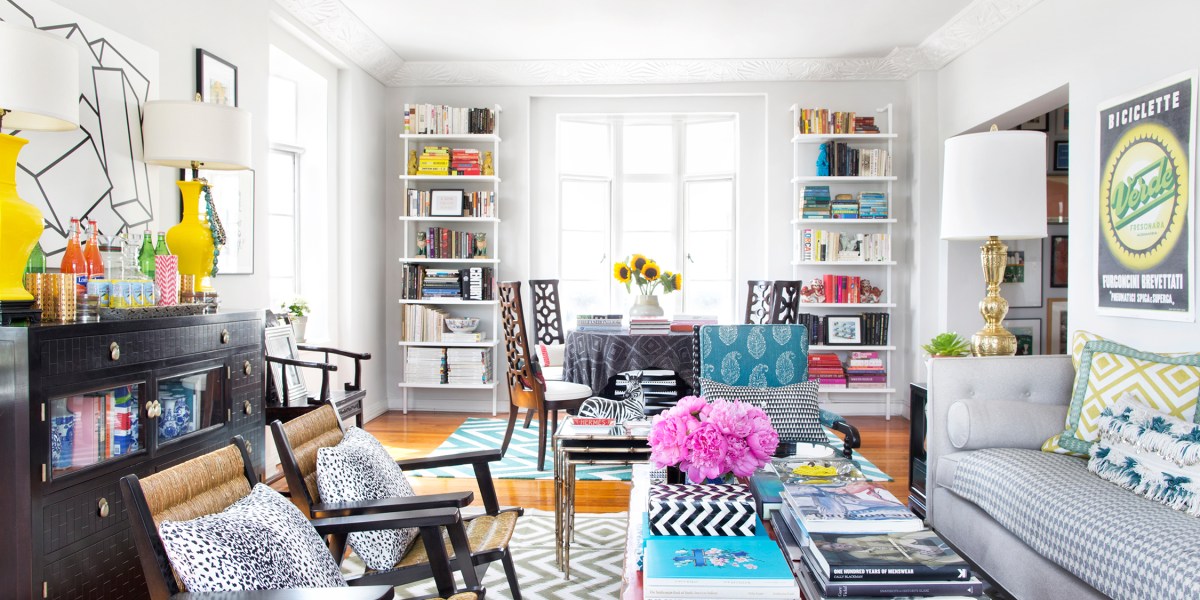
Big city apartments and tiny homes share one common priority: furniture that serves at least two purposes. Humphrey loves nesting tables you can bring out when necessary, ottomans with storage, and tall bookshelves that take advantage of vertical space versus floor space.
Ducsik recommends sofa beds, expandable dining tables, storage ottomans, and desks that can double as dining tables. Plus, she adds, “Lightweight or movable pieces allow a room to quickly transition from a home office to a dining room, workout space, or entertaining area.”
Design by Max Humphrey; Photo by Sarah Dorio
Don’t Fear Full-Size Furniture
Living in a smaller home doesn’t mean you have to purchase miniature furniture items. “Use full-size furniture, even if it seems counterintuitive,” Humphrey encourages. “One proper sofa and a big rug will make the room more comfortable and usable than a bunch of undersized pieces. No one likes trying to nap on a loveseat.”
Deck the Walls
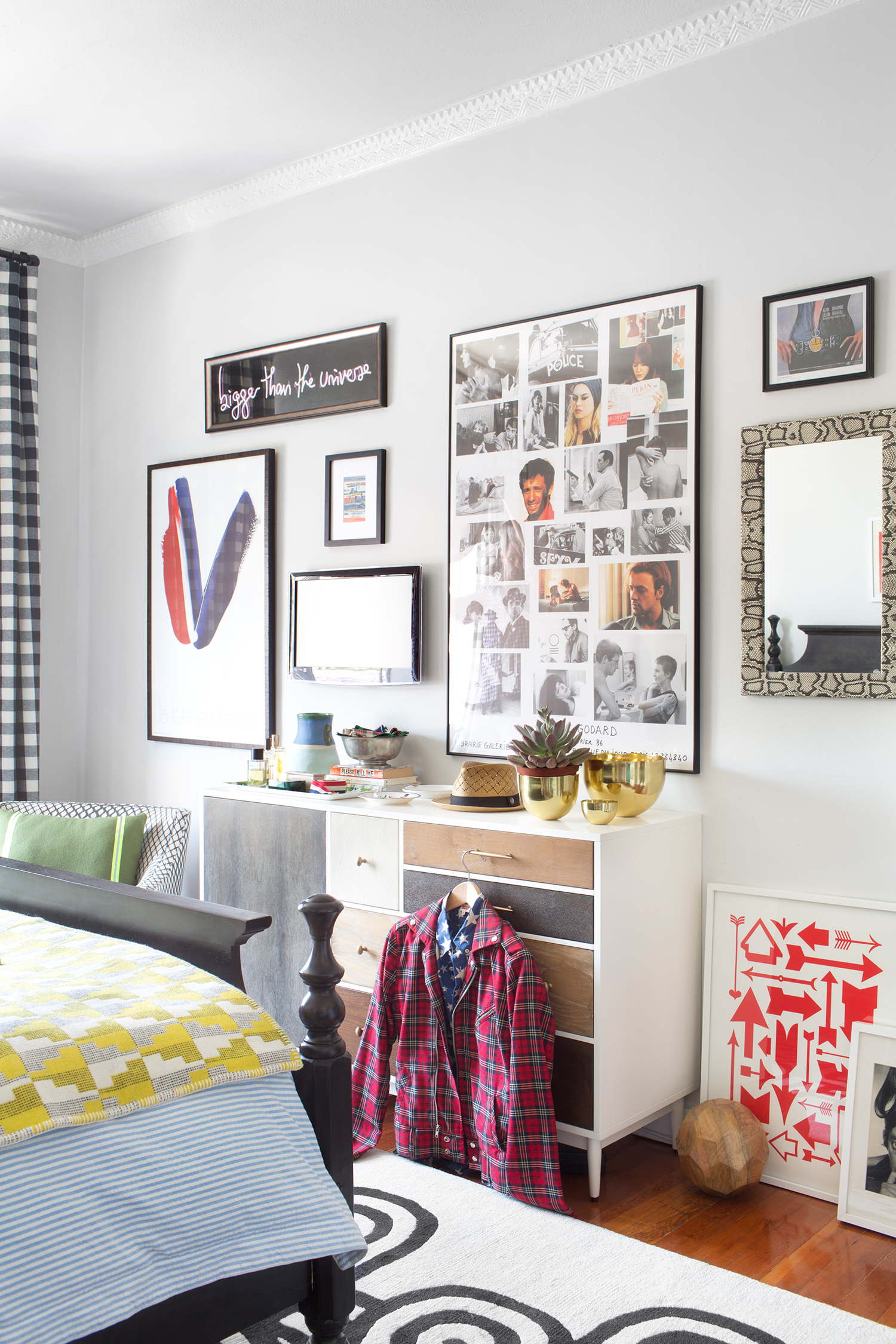
It’s easy to eat up floor space, but fortunately, there’s lots of real estate on your walls. Both experts suggest swapping table lamps with wall-mounted sconces, which will give you more room on nightstands or side tables.
“A small apartment can handle more than people think,” Humphrey says, adding, “Temporary peel-and-stick wallpaper is also an easy way to spice up a blank wall without making a permanent commitment.”
Design by Max Humphrey; Photo by Sarah Dorio
Take Advantage of Space Above Eye-Level
Speaking of walls, this specific spot deserves a little extra TLC, according to Ducsik. “This area is often overlooked as rooms fill with furniture, but tall bookcases, armoires, and cabinetry can provide valuable storage for items you don’t use every day,” she says.
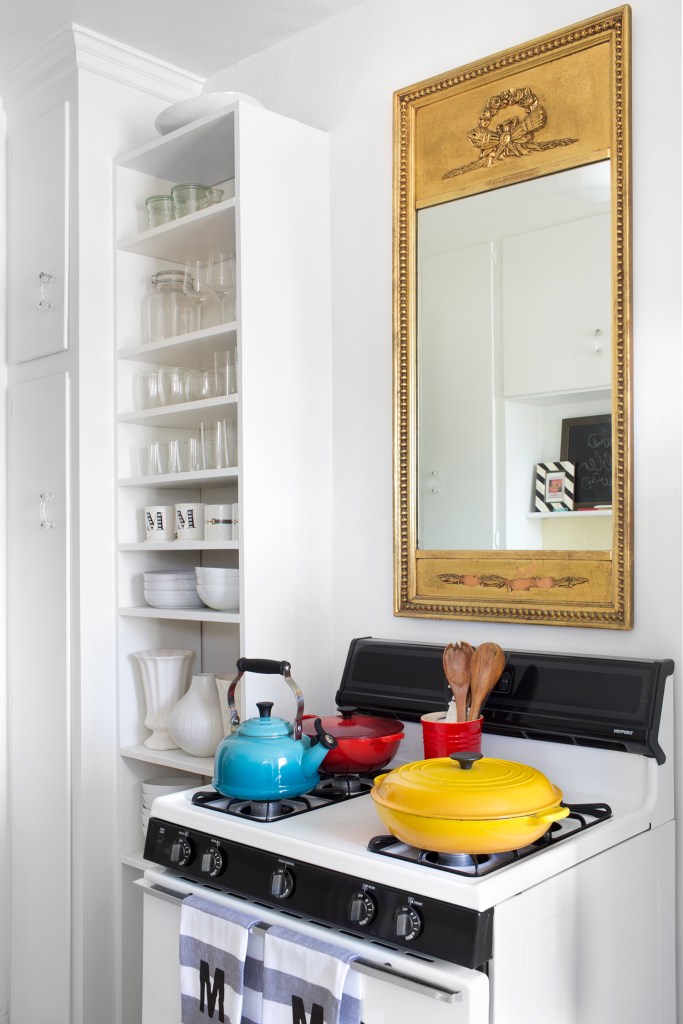
Design by Max Humphrey; Photo by Sarah Dorio
Swap out Boring Details
Good news for renters: There are so many safe design choices you can make that won’t break your lease agreement. “You can swap out the kitchen cabinet hardware and replace the ceiling ‘boob’ lights with something you actually like,” Humphrey says. “Just remember to put the originals back when your lease is up so you do not lose your security deposit.”
Maximalists, rejoice. This design trend calls for a curated, personality-driven home. “Ultimately, apartment-maxxing is about creating a home that feels comfortable, organized, spacious, and adaptable,” Ducsik says. “An apartment maximalist doesn’t simply fit into a small space; they design it to support every aspect of daily life with intention, efficiency, and style.”
We only recommend things we love. If you buy something through our site, we might earn a commission.