Tomato Prices Are Soaring. Here’s Which Ones to Plant Right Now—Based on Your Region
There’s still time to grow your own tomatoes for a late-summer and fall harvest.
Thomas J. Story
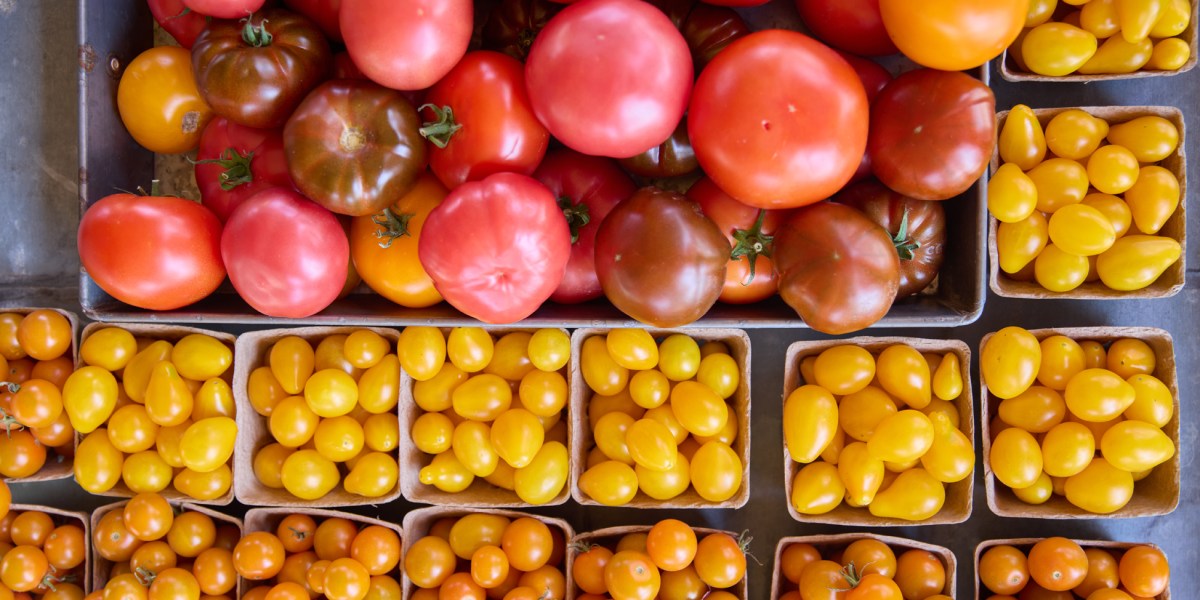
If you’ve done a double take in the produce aisle lately, you’re not alone. Tomato prices have climbed sharply this season (with some varieties increasing by more than 40% compared to last year), making everything from BLTs to caprese noticeably more expensive.
A combination of new import tariffs, rising transportation costs, weather-related crop losses, and ongoing supply chain disruptions has tightened supply and driven prices higher. But for gardeners, there’s a silver lining hidden in the season: Much of the West still has time for a productive tomato crop. Yes, even in Mid-June.
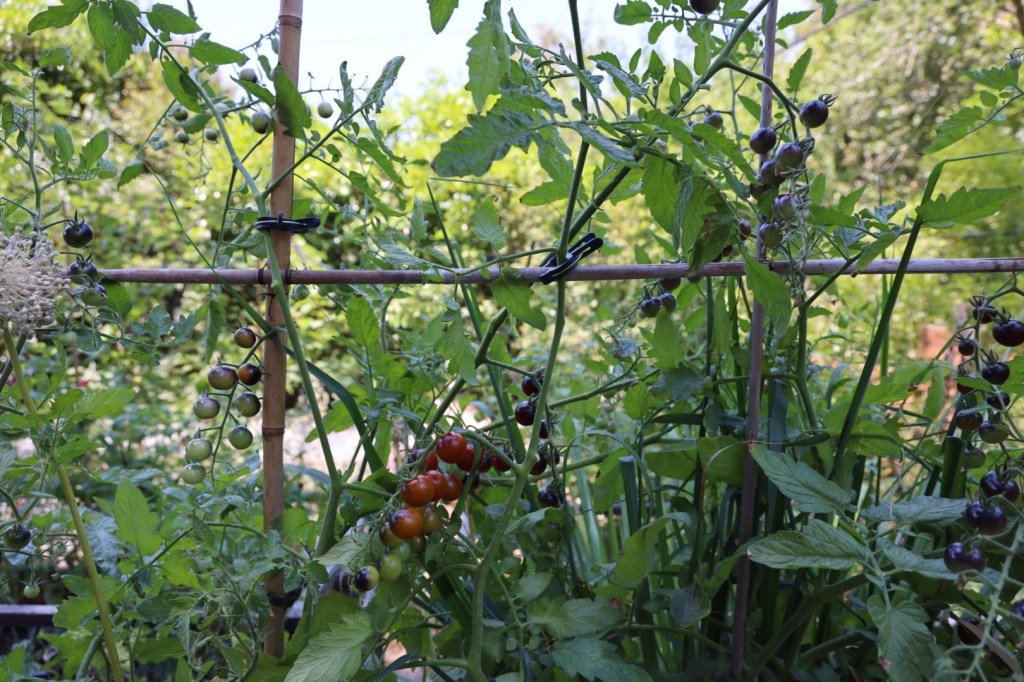
While many gardeners think tomato planting season ends in spring, warm soil and long summer days create an opportunity for a second round of planting. Start with healthy transplants, choose varieties suited to your region, and you could be harvesting homegrown tomatoes by late summer.
Here are the best varieties to plant now.
Kristin Guy / @tendingwest
Southwest
Arizona, Southern California, Nevada, and New Mexico
When temperatures soar, choose varieties that can handle the heat.
Plant now:
- Beefmaster (60 days): Large, flavorful slicing tomatoes that keep producing through fall.
- Aztec (68 days): A meaty paste tomato perfect for salsa and sauce.
- Red Horizon Huge (69 days): Early-producing, heart-shaped slicer with impressive size.
- Gold Nugget (60 days): Sweet golden cherry tomatoes that resist cracking.
- Husky Gold (70 days): Reliable golden-orange slicer bred for challenging conditions.
Garden tip: Provide afternoon shade during extreme heatwaves to prevent sunscald.
Thomas J. Story
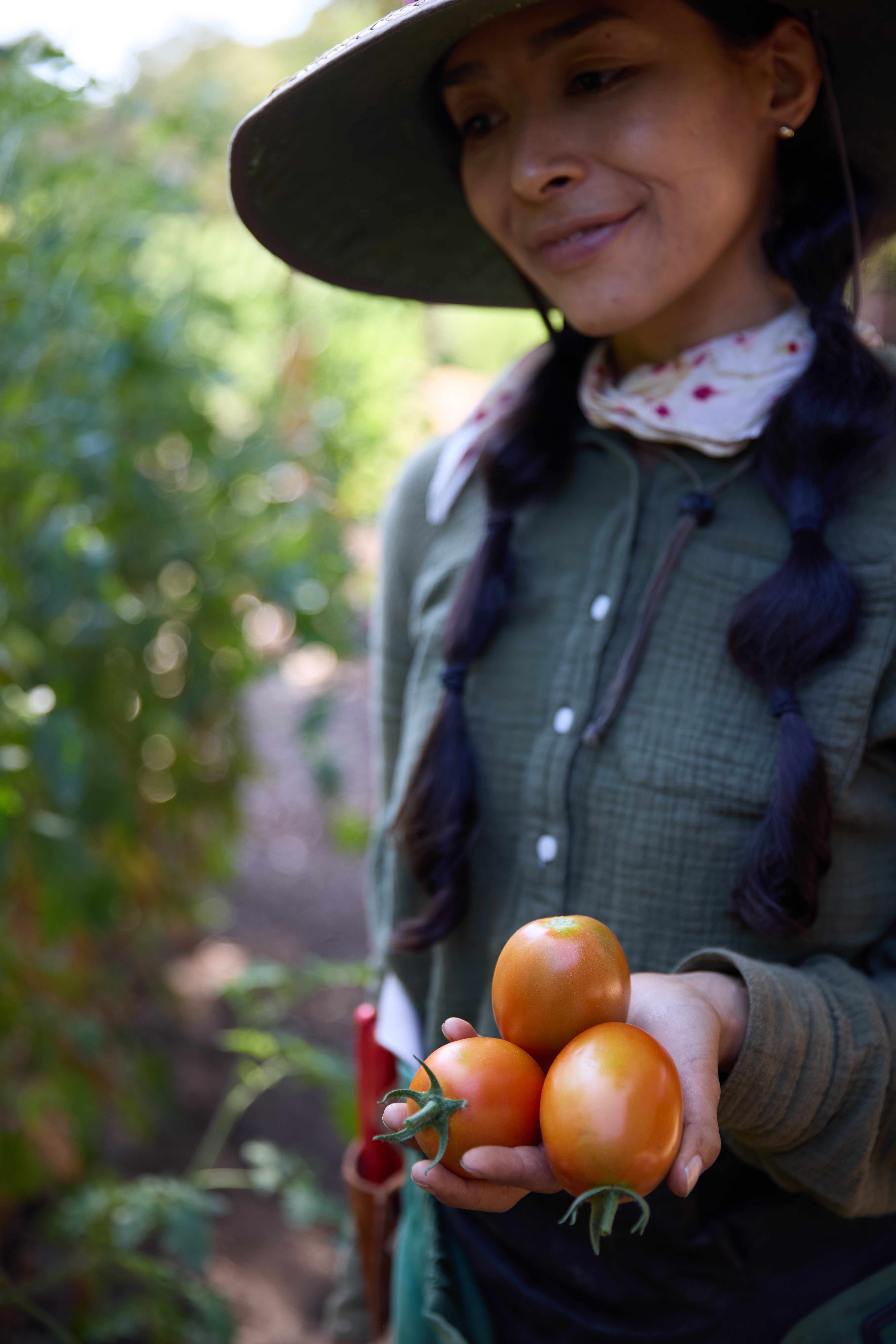
High Desert & Mountain West
Colorado, Utah, Montana, and higher elevations of California and New Mexico
Shorter seasons call for varieties that mature quickly.
Plant now:
- Early Girl (50–55 days): A Western classic for dependable early harvests.
- Siberian (60 days): Cold-tolerant and productive even in cooler conditions.
- Oregon Spring (58–70 days): Compact plants with reliable fruit set.
- Glacier (55–60 days): An heirloom known for thriving in cool weather.
- Sweet Olive (under 60 days): A prolific cherry tomato ideal for containers.
Garden tip: Start with transplants and use mulch to warm soil and conserve moisture.
Thomas J. Story
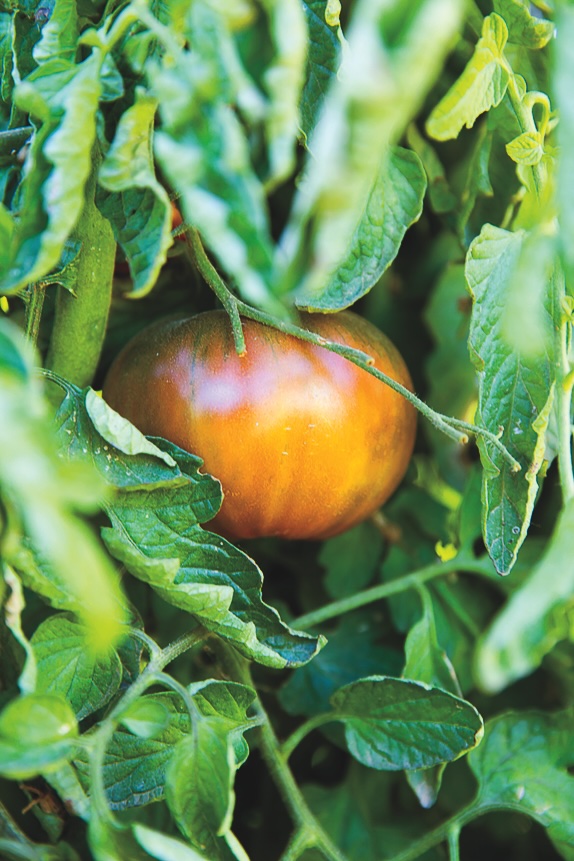
Pacific Northwest
Washington, Oregon, and Northern California’s coast
Cool nights and damp conditions favor early varieties with strong disease resistance.
Plant now:
- Stupice (55–60 days): An early heirloom that performs beautifully in cool weather.
- Legend (68 days): Excellent disease resistance and dependable yields.
- Black Cherry (65–70 days): Rich, complex flavor and continuous harvests.
- Valencia (76 days): Orange heirloom fruit with exceptional taste.
- Jetsetter (64 days): Dependable hybrid slicer for unpredictable weather.
Garden tip: Maximize sunlight and airflow to help prevent fungal issues.
Thomas J. Story
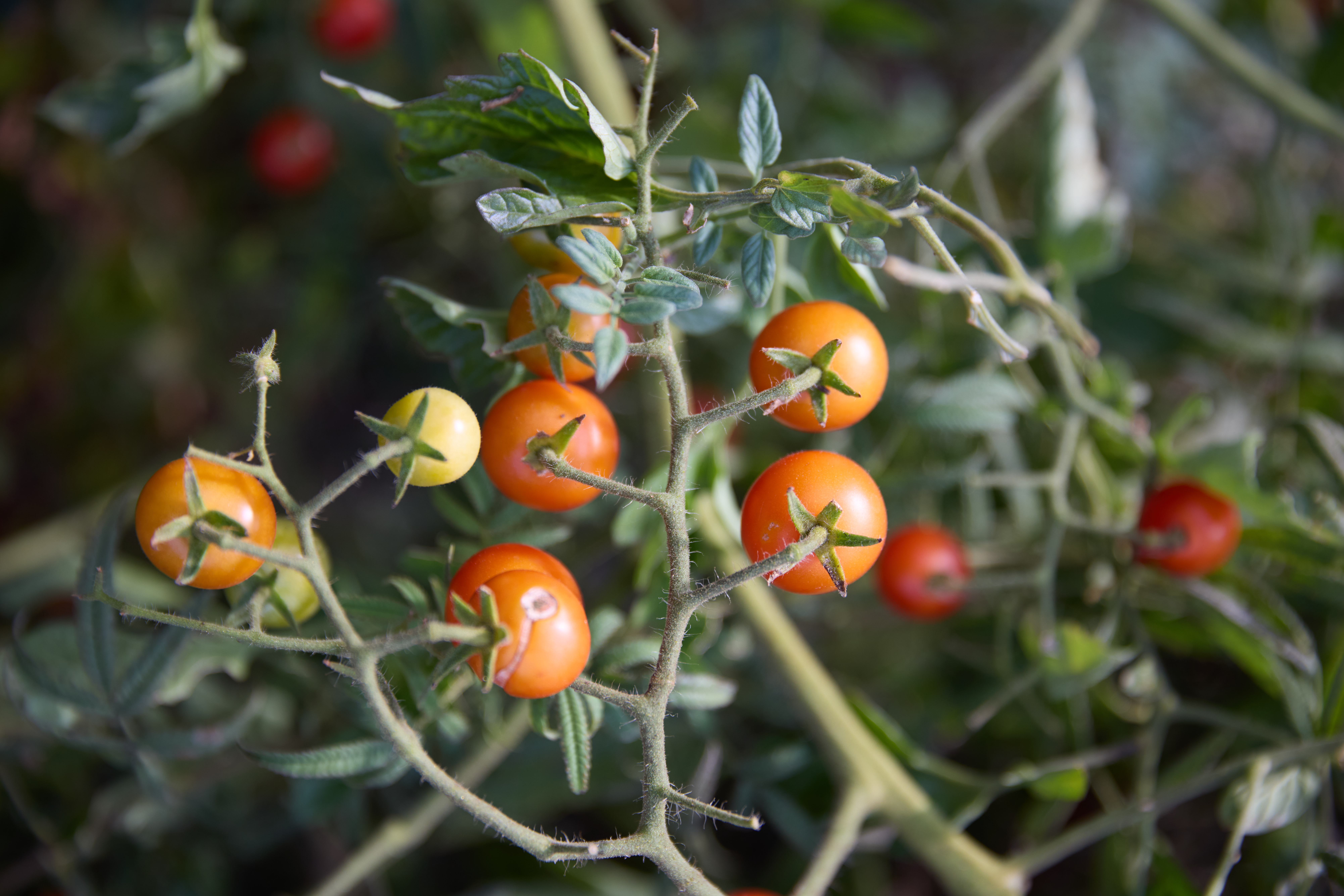
Central Valley & California Foothills
With warm days and a long growing season, this region is well-suited to late tomato planting.
Plant now:
- Early Girl (50–55 days): Fast, productive, and dependable.
- Fireworks (60 days): Flavorful heirloom slicer.
- Juliet (60 days): Sweet, crack-resistant grape tomatoes.
- Orange Roma (68–70 days): Excellent for roasting and sauce-making.
- June Pink (68 days): Large heirloom fruits with classic tomato flavor.
Garden tip: Deep mulch and consistent irrigation will help plants thrive through late-summer heat.
Thomas J. Story
Five Ways to Set Yourself Up for Success
- Buy transplants, not seeds. You’ll gain several weeks of growing time.
- Give tomatoes full sun. Aim for at least six to eight hours daily.
- Choose varieties under 70 days to maturity. Faster harvests mean better odds of success.
- Water deeply and consistently. This helps prevent cracking and blossom-end rot.
- Go easy on fertilizer. Too much nitrogen encourages leaves instead of fruit.