The Smart Zucchini Planting Strategy Gardeners Swear By
Tired of powdery mildew, vine borers, and blossom end rot? Here’s the mid-June strategy that delivers abundant zucchini all through fall.
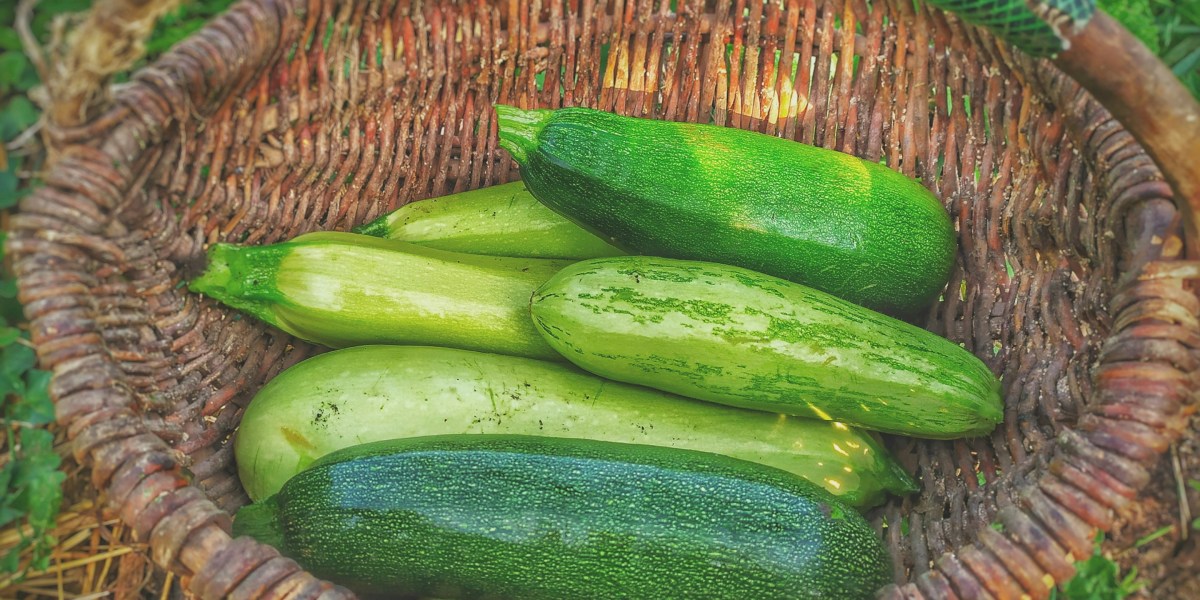
Photo by Igor Osinchuk on Unsplash
July and August should be zucchini’s victory lap. Instead, for many Western gardeners, it’s when everything falls apart. Plants that looked unstoppable in June suddenly wilt overnight. Powdery mildew creeps across leaves like a dusting of flour. Fruits rot before they mature. And just when you start imagining zucchini bread, zucchini fritters, and zucchini gifts for every neighbor on the block, the harvest disappears.
The problem isn’t you, it’s that most zucchini advice wasn’t written for the realities of low-elevation Western gardens. Across the West, summer brings a perfect storm of squash vine borers, powdery mildew, heat stress, and inconsistent moisture. Fortunately, extension experts have landed on a surprisingly simple solution: succession planting.
Instead of planting zucchini once in spring and hoping for the best, plant it three times—mid-June, mid-July, and late July or early August. This strategy spreads risk, sidesteps peak pest pressure, and keeps fresh plants coming online all season long.
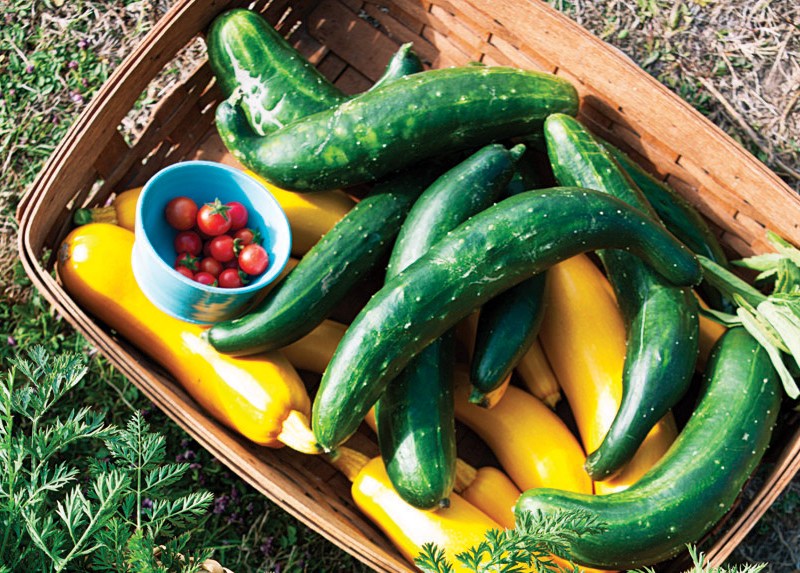
Thomas J. Story
Why Western Summers Play by Different Rules
Many traditional gardening guides recommend planting zucchini in May and calling it done. In much of the West, that’s exactly when trouble begins. Squash vine borers typically hit peak egg-laying during May and June, targeting young plants just as they’re getting established. By July and August, powdery mildew moves in. Counterintuitively, our hot, dry conditions are ideal for this fungus, especially when warm days are followed by cooler nights.
Then there’s blossom end rot, often triggered by inconsistent moisture during heat waves, and heat-stressed pollen, which can make flowers opening during triple-digit temperatures fail to set fruit altogether.
The Western fix is refreshingly straightforward: Plant later, plant multiple times, and use drip irrigation from the start.
The Three-Planting Strategy
Think of zucchini as a relay race, not a marathon.
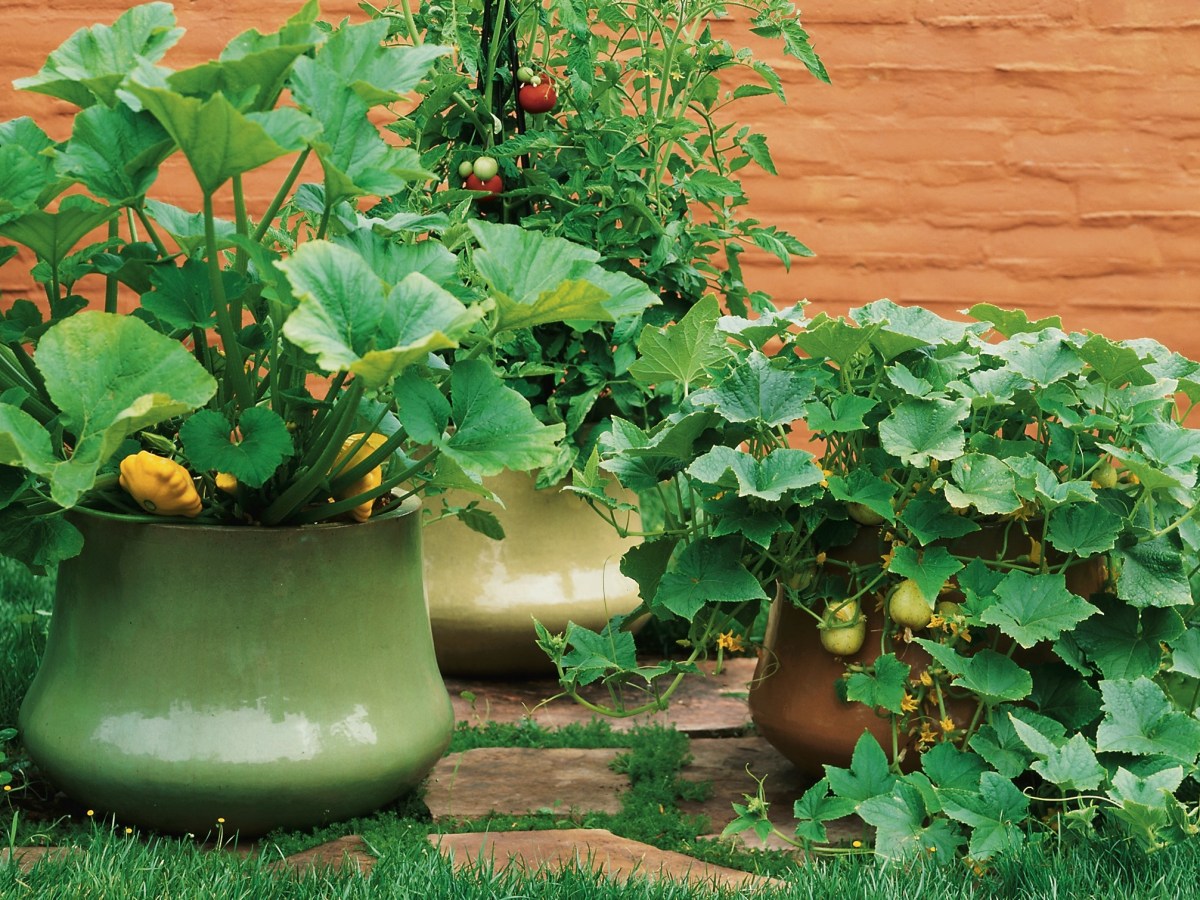
Your first planting goes in around mid-June. These plants establish quickly, produce by late July, and often grow large enough to tolerate some vine borer pressure. Around mid-July, plant again. This second round is the insurance policy. By now, vine borer activity has largely passed its peak, giving young plants a much better chance of escaping damage. Choose fast-maturing varieties that begin producing in 45 to 50 days.
The final planting happens in late July or early August. For most low-elevation Western gardens, this third wave keeps harvests coming into early fall. The math is simple: One or two plants per planting, repeated three times, creates a steady supply of zucchini without the dreaded glut. If pests wipe out your first planting, you’ve already got reinforcements on the way.
Thomas J. Story
Choose Varieties That Can Take the Heat
The best heat-tolerant zucchini varieties do two things well: resist powdery mildew and keep producing through summer heat.
For reliable performance, start with Payroll and Sebring. Both offer strong mildew resistance and good heat tolerance, making them dependable choices for Western gardens. Gardeners in Arizona, Southern California, and other hot inland regions should also look at Tatume, a traditional Mexican squash prized for its drought tolerance and resilience during heat waves. Calabacita is another Southwestern favorite worth seeking out from specialty seed companies.
If squash vine borers are a recurring problem, Tromboncino offers a clever workaround. This vigorous vining squash has natural resistance to vine borer damage and produces long, curved fruits that cook much like zucchini.
A smart strategy is planting two varieties each round: one proven performer and one experimental choice. Over time, you’ll discover what thrives in your specific microclimate.
Thomas J. Story
The Watering Formula That Solves Most Problems
If succession planting is the secret to zucchini success, drip irrigation is the infrastructure that makes it possible.
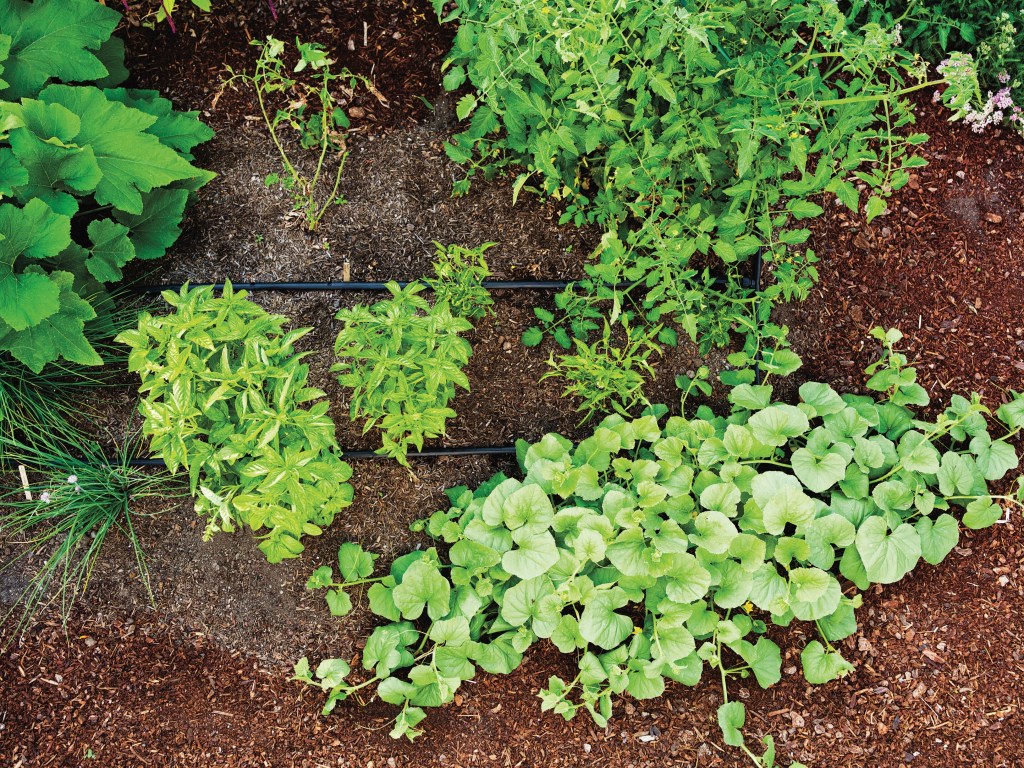
Consistent soil moisture helps prevent blossom end rot by supporting steady calcium uptake. At the same time, drip systems keep foliage dry, reducing conditions that encourage powdery mildew. Place drip lines one to two inches from plant stems and cover them with two to three inches of organic mulch.
During peak July and August heat, water deeply two to three times per week. Sandy soils may need more frequent irrigation, while clay soils usually need less. The goal is soil that feels like a wrung-out sponge—not dry, not saturated.
No drip system yet? A soaker hose buried beneath mulch is a close second. What you want to avoid is overhead watering during midsummer.
Thomas J. Story
Managing Powdery Mildew and Vine Borers
Powdery mildew is less a question of “if” and more a question of “when.”
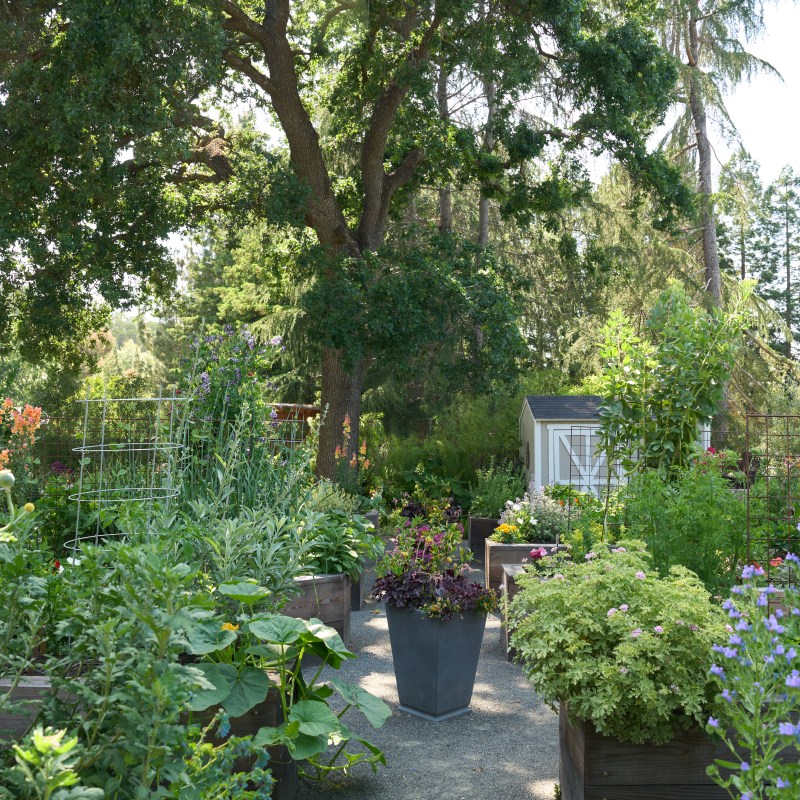
Start with resistant varieties, space plants three to four feet apart, and remove lower leaves as plants mature. Combined with drip irrigation, these practices significantly slow disease spread.
If mildew appears, remove affected leaves promptly. Sulfur sprays or a weekly application of baking soda and horticultural oil can help when symptoms are caught early. Late in the season, it often makes more sense to focus on harvesting existing fruit rather than trying to save every leaf.
Vine borers require a different strategy. Adults typically lay eggs during May and June, and once larvae tunnel into stems, plants can collapse seemingly overnight. For June plantings, wrapping stems with aluminum foil several inches above and below the soil line can provide protection. By July and August, borer pressure is usually much lower.
And if a plant suddenly wilts despite moist soil? Pull it and move on. That’s exactly why you planted another round.
Thomas J. Story
Tips for Bigger Harvests
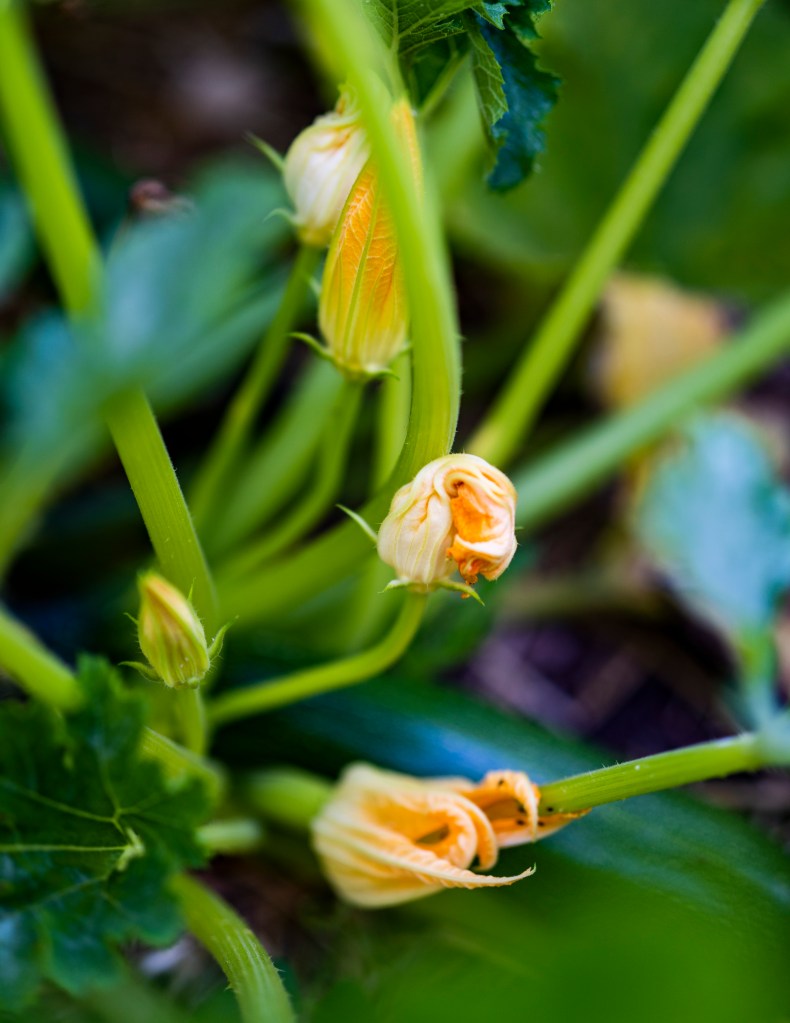
Seeing flowers but no fruit? Heat-stressed pollination is often the culprit. A quick morning pass with a soft paintbrush can dramatically improve fruit set by transferring pollen from male flowers to female flowers.
Male flowers grow on thin stems and eventually fall off. Female flowers have a tiny squash already forming behind the blossom.
Finally, harvest early and often. Zucchini tastes best at six to eight inches long, when the texture is tender and the seeds are barely noticeable. Frequent harvesting also encourages plants to keep producing.
Plant some zucchini now, and then mark your calendar for July 15 and August 1. Order seeds while the best varieties are still available. Install drip irrigation before your first planting.
See you in August, when you’re wondering how many zucchini a person can reasonably leave on a neighbor’s porch before it becomes suspicious.
Keep Reading:
The Latest