
This National Monument Is the Closest Thing to a Real-Life Jurassic Park
Discover the place where dinosaurs once roamed.
Sierralara/Getty Images
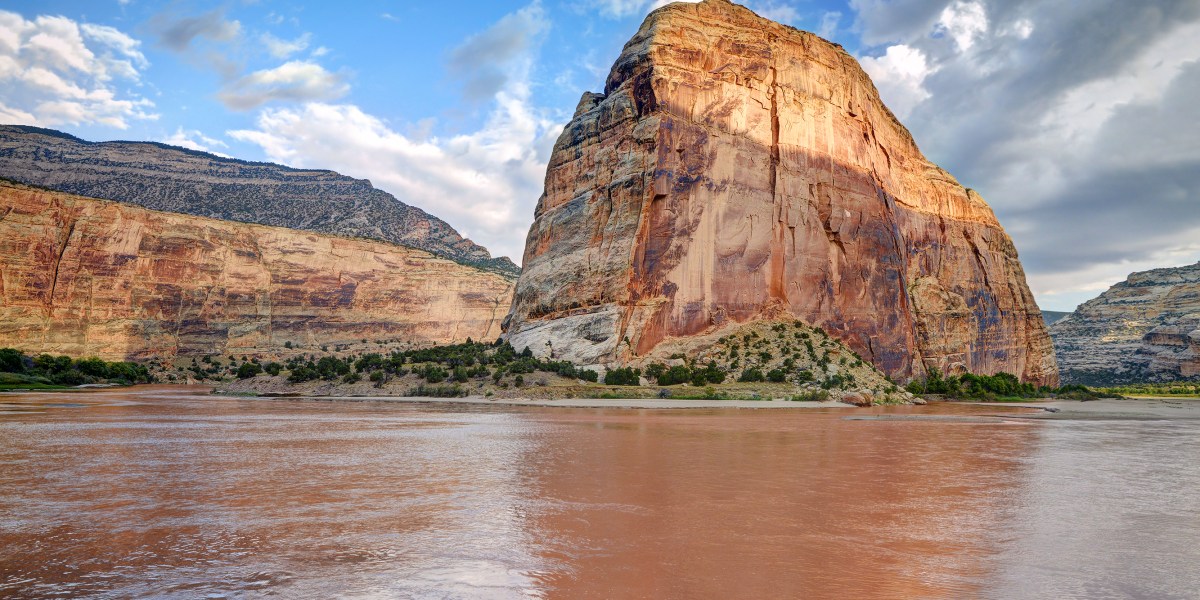
Stretching across the border between Colorado and Utah, Dinosaur National Monument is home to one of the country’s most significant Jurassic fossil sites. Beyond fossils and paleontological highlights, the monument has nationally recognized rapids for rafting, kayaking, and canoeing; stunning canyon views; beautiful beach campgrounds; and unpolluted skies for stargazing that make it such a rewarding place to visit.
Paleontology
Courtesy of Unsplash
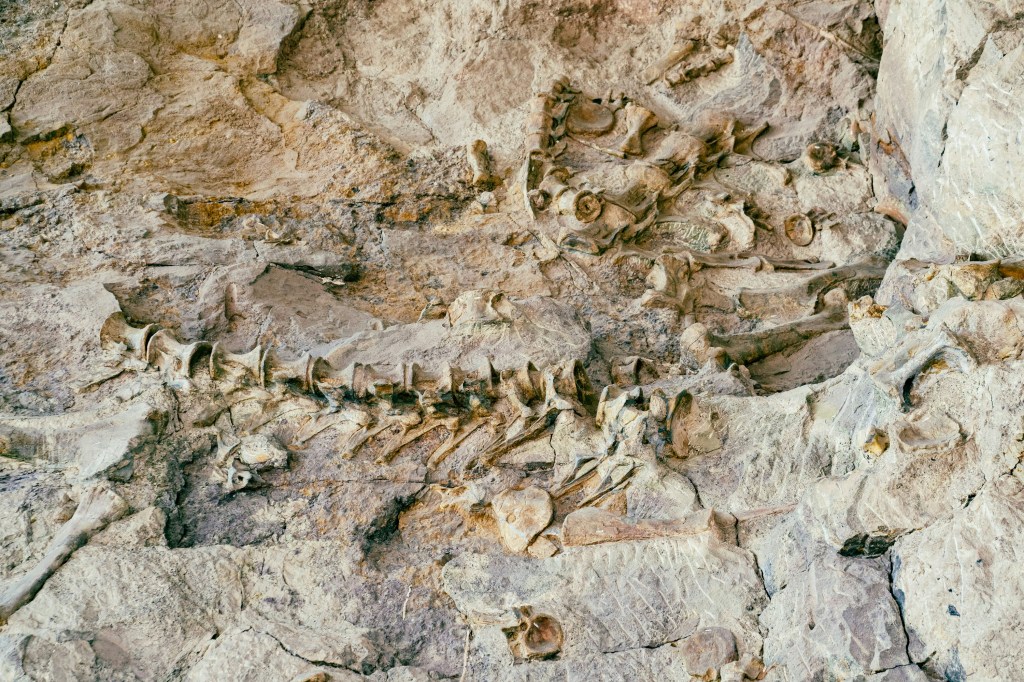
Driving through Dinosaur National Monument, you are sure to see giant statues, murals, and signs of dinosaurs everywhere. The area is proud of its prehistoric history, and it shows. That being said, the Quarry Exhibit Hall is probably the greatest attraction of the area. There are around 1,500 dinosaur bones to see and over 100 dinosaur fossils that visitors can touch. The area where Dinosaur National Monument sits was once home to some of the world’s most iconic dinosaurs, from Brontosaurus to Diplodocus.
Hiking
Courtesy of Unsplash
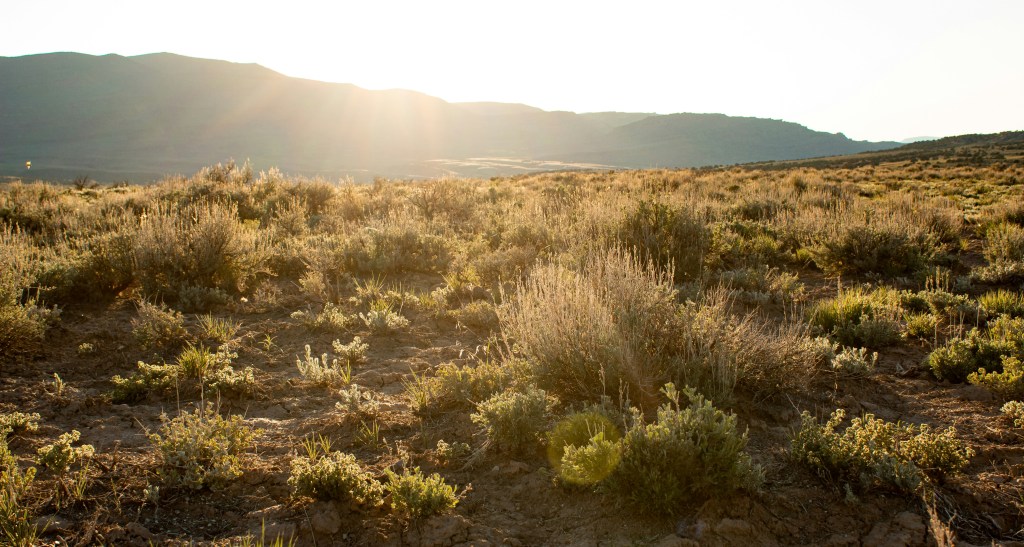
Pets are welcome in some areas, and the monument offers several trails, such as the Jones Hole Trail or the Desert Voices Trail, which vary in difficulty and distance.
Whitewater Adventures
I whitewater-canoed through Dinosaur National Monument, starting at the Gates of Lodore, and it was one of the most beautiful, life-changing experiences I’ve ever had. The canyon and desert landscapes are an unmissable experience. There are rapids of varying sizes and class throughout the river and plenty of options for commercial guides that you can book. Beach camping along the Green River is an experience in itself, and stargazing so far from main roads and light pollution is something you’ll never forget.
Petroglyphs
Much of the land surrounding the Green River is Ute land, and the area has a long history of Native Americans living along the river. The monument’s petroglyph and pictograph sites are worth taking the time to see, with rock carvings and paintings depicting people, animals, and designs. Many were created by the Fremont people hundreds of years ago and show the human history along the river. I’ve never seen anything like them, and although they’ve weathered over time, the area’s low levels of human traffic have helped preserve them well.