
Spring Is the Best Time to See Baby Animals in the Wild. Here’s Where to Spot Them Safely.
Use these tips to mindfully view newborn wildlife in the West.
Getty Images
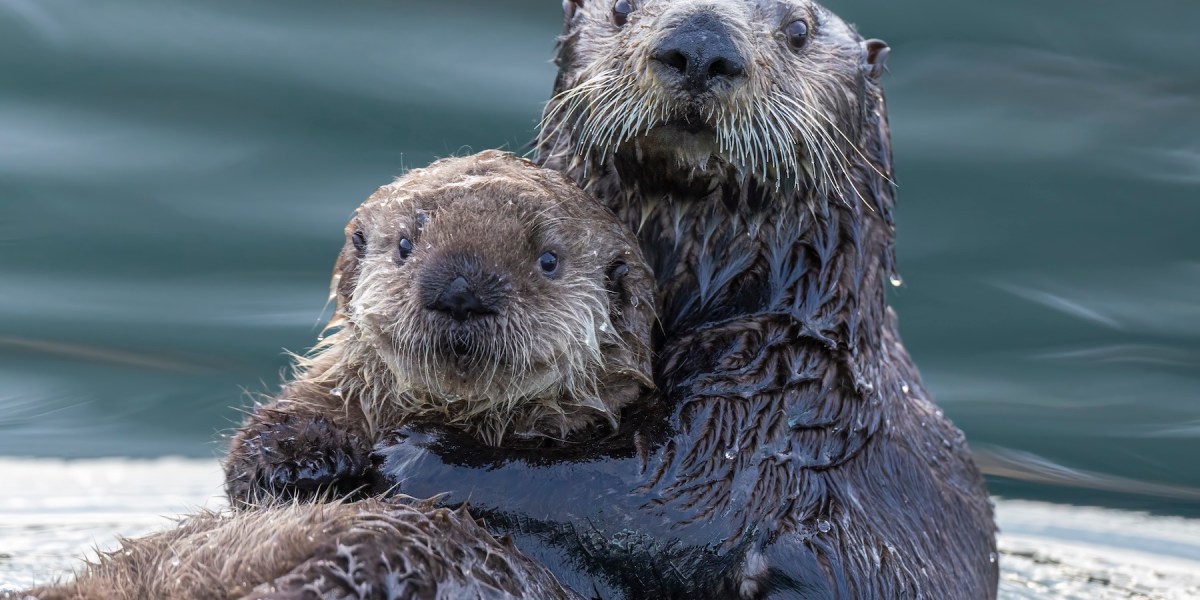
Sea Otter taken in Homer AK
Spring in the West is peak squee season. As the weather warms, adorable otter pups, bear cubs, and shorebird chicks come to life. It’s an incredible time to view wildlife at their most tender, but it’s imperative to be conscious of the little critters and their ecosystems.
The first rule of thumb is to keep your distance—at least 25 yards from most wildlife, and 100 yards from larger animals like bears and wolves, which you may encounter in the wild. Rather than approaching animals, bring binoculars or a great zoom lens, observing mindfully from afar. (We’ve all seen the viral videos of unhinged tourists in the National Parks. Don’t be that guy.)
While it’s easy to get absorbed in the experience (or capturing content), it’s important to keep an eye out for any changes in animal behavior, a clear signal that you’ve come too close. Never touch, feed, or disturb them. If you’re heading out with your pooch, be sure to keep your dog leashed. And be mindful of signage within the parks, which could indicate impacted hatcheries and wildlife areas to avoid, and should always be heeded. As always, “leave no trace” is the golden rule of the outdoors. With that in mind, here are some of the adorable animals you can hope to catch sightings of this season.
Kristian Bell/Getty Images
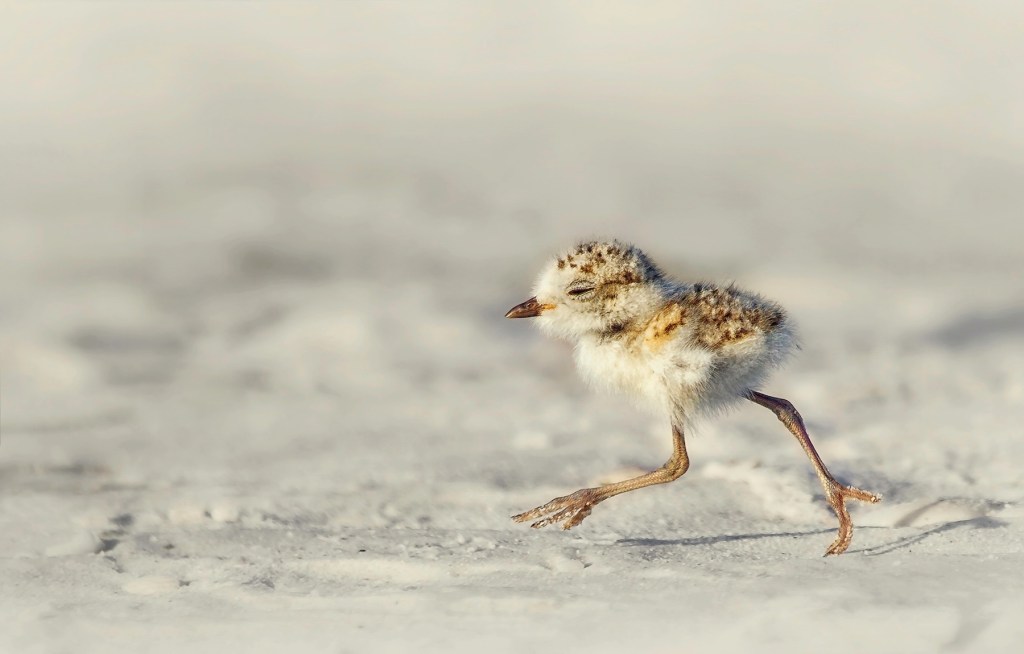
Snowy Plover Chicks (Point Reyes, California)
There are few birds more locally loved than the snowy plover—so much so that they even have their own delicious drink at Andytown Roasters. While snowies can occasionally be spotted along San Francisco’s Ocean Beach, nesting areas there are protected, making Point Reyes National Seashore a better place to witness the magic. (It’s also home to an elephant seal hatchery at Drakes Beach). The fluffy white chicks hatch from early April to mid-August and blend into the sand, making it essential to respect roped-off areas and watch your step. It’s also worth noting that from Memorial Day through Labor Day, there’s a weekend closure of the Point Reyes Beach to better ensure the survival of the threatened snowy’s nests and chicks.
Beaver Kits (Jackson Hole & Greater Yellowstone, Wyoming)
In places like Grand Teton National Park and along the Snake River, beaver kits emerge in late spring, and spotting them at dusk offers a glimpse into the wetland ecosystems they help restore and sustain across the West. Look for freshly gnawed trees and branches and small dams as signs of activity, and watch quietly from the shoreline to avoid startling them.
Creative Commons photo by James Brooks
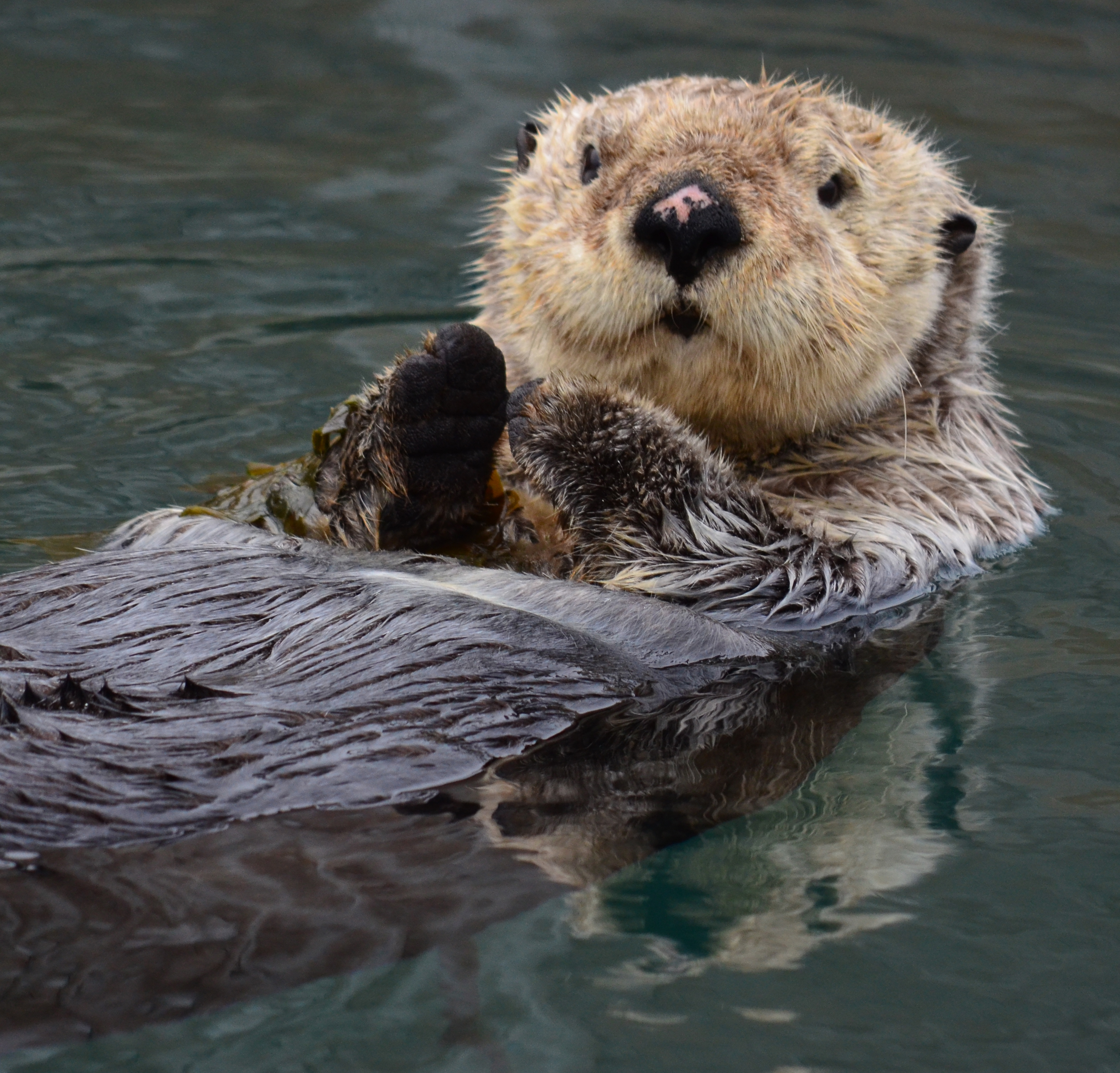
Sea Otter Pups (Monterey Bay, California)
Sightings of pups peak in spring in the chilly waters surrounding the Monterrey Bay Peninsula. Sea otters can be seen in some of our favorite spots like Santa Cruz, Pacific Grove, and Carmel, floating on their mothers’ chests in kelp-filled waterways. A particularly beautiful paddle can be taken in Elkhorn Slough, an excellent spot for kayaking and sighting the tightly bonded pairs once endangered by the fur trade.
Black Bear Cubs (Yosemite, California)
As snow melts, black bear cubs and their mothers begin emerging from their dens in places like Yosemite and the Sierra, where they’re often seen playing in wildflower-strewn meadows. While they may seem like cuddly teddies, be sure to stay at least 100 yards away if possible, and never position yourself between a mom and her cubs. Be bear-aware on hikes, too: Store food properly and never leave it in your car or at campsites, as bears that access human food can quickly become food-conditioned.
Bison Calves (Yellowstone National Park, Wyoming/Montana)
Bright orange “red dog” calves arrive each spring in Yellowstone’s Lamar and Hayden valleys, where they stay close to the herd. Though these rust-colored furry beasts can look benign, adult bison can weigh up to 2,000 pounds. Due to their speed and unpredictable nature, they should be viewed from at least 25 yards away.
Courtesy of Alaska SeaLife Center
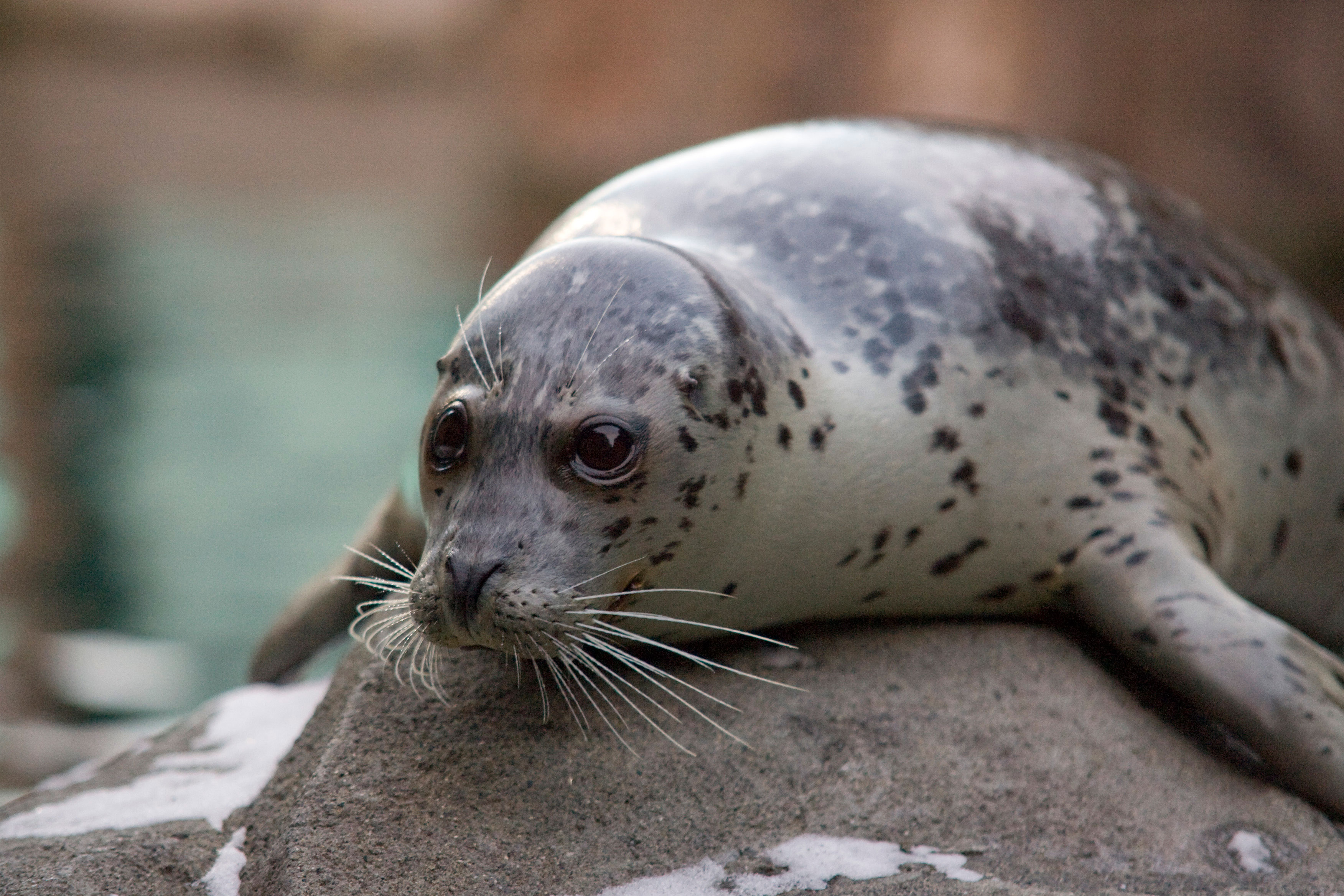
Harbor Seal Pups (La Jolla, California)
Born from March through June, harbor seal pups are often seen resting alone on San Diego beaches like La Jolla Cove, and should be left undisturbed since their mothers are typically hunting nearby. Give them plenty of space and keep noise levels low. Mothers and pups use distinct vocalizations to find each other, and you’ll often hear a mix of bleating, barking, and growling sounds echoing throughout the Cove.
Elk & Deer Fawns (Rocky Mountains, Colorado)
Keep Reading:
The Latest