Astrotourism Is Trending—Here’s How to Shoot the Stars, According to a Professional Photographer
Plus, the gear you’ll need to pack before your trip.
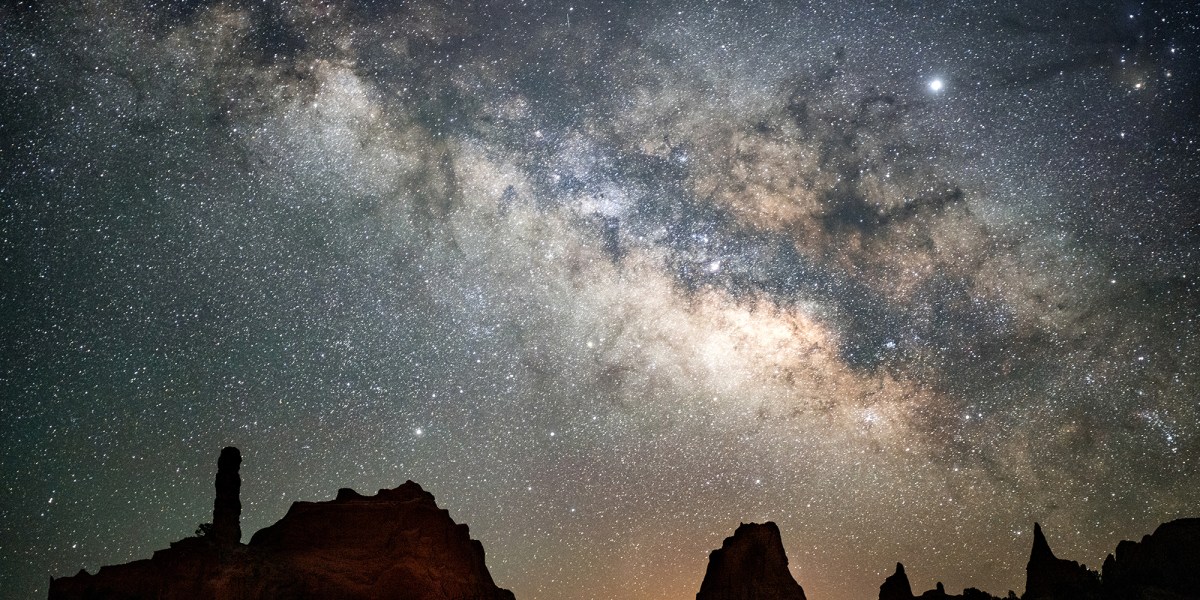
Austen Diamond Photography/Utah Office of Tourism
Utah’s Kodachrome Basin State Park.
In an age of constant contact and always-on connectivity, more travelers are diverting their attention from Insta-worthy bucket list trips to total darkness. Across the West, dark sky parks and remote landscapes with limited light pollution are becoming dream destinations for people craving stillness, perspective, and a front-row seat to the universe. Not so surprisingly, astrophotography is piquing travelers’ interests, too. But as anyone who’s pointed their phone up at a full moon can attest, shooting stars isn’t so simple.
“If you just point your camera at the stars and take a picture, it’s not as amazing as when you’re standing there looking at them,” Daniel Norton, photographer and editorial manager at Adorama explains. The magic comes from grounding that vastness in your framing as a photographer—a tree, rock formations, dunes, even a person. “When all you see is the dots, you have no way to feel the vastness.”
Norton emphasizes that preparation matters just as much as gear. Working at Adorama, which has been around since the 70s, means he’s seen it all. Before getting into buying bunch of new equipment, though, he recommends focusing on production and technique. His first round of tips: Visit locations during the day to scout angles, arrive early to set up, and most importantly, work with a heavy-duty tripod.
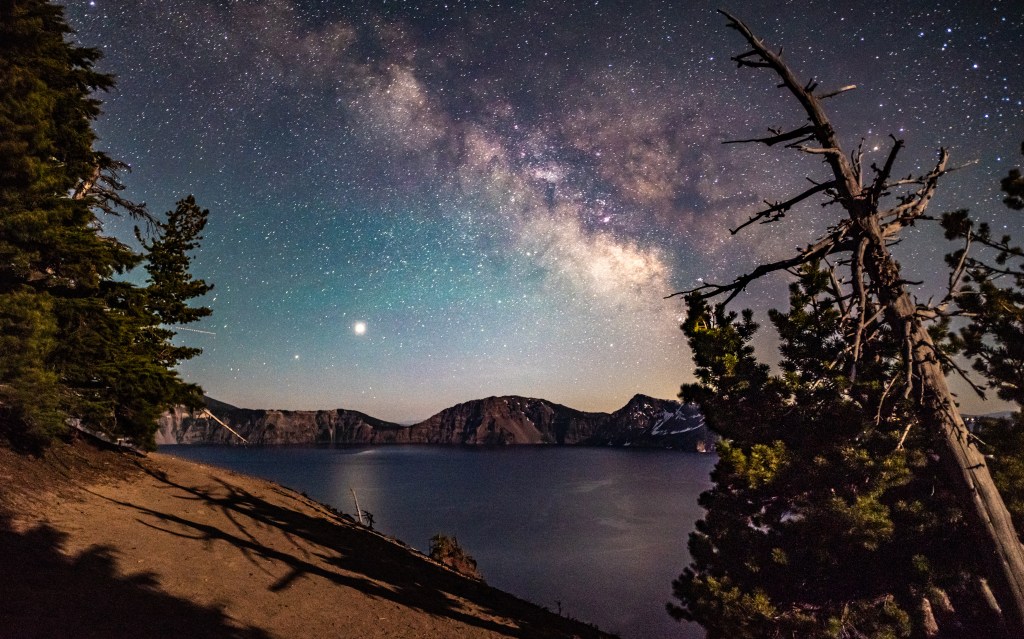
J.D. Simkins
More Videos From Sunset
One of his favorite beginner techniques is shooting landscapes during blue hour, the time right after the more commonly known golden hour after sunset. He suggests capturing your foreground at that time, then capturing the stars later and compositing the two images. “It’s a simpler technique,” he says, and one that won’t disturb others with artificial light.
Courtesy is huge in dark sky destinations, where photographers often gather together. “You’ve got to be really conscious of the fact that there are other people around,” Norton notes. Using headlamps with red light settings, turning lights and LED screens off whenever possible, and avoiding flash lighting and phone use near others will yield positive results for everyone’s shots and overall experience.
Planning tools also make a massive difference. Apps like PhotoPills can predict star positions, moon cycles, and exposure windows. It’s also important to bring extra batteries, a blanket and comfy chair to sit in while waiting for the magic moment, and even a small power bank if your camera can charge via USB. “Planning is a huge part of it,” Daniel says, especially when you’re traveling somewhere you may only visit once.
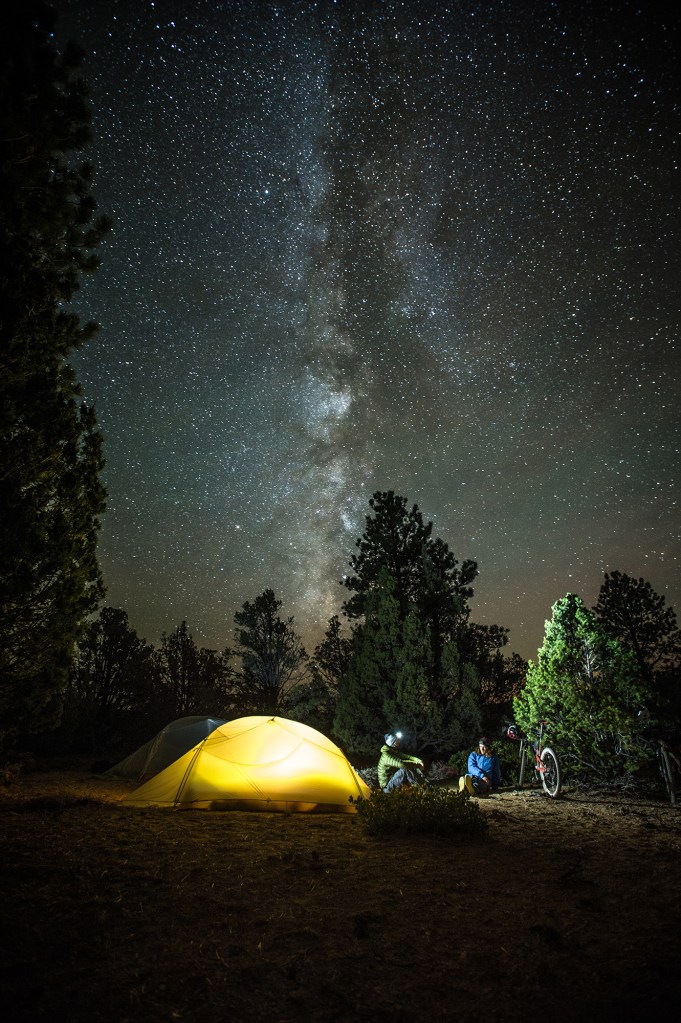
Scott Markewitz Photography/Utah Office of Tourism
When it comes to timing your trip, weather matters more than season—dry skies beat cloudy ones—and moonlight can either ruin a star shot or dramatically enhance a landscape. “The moon is significantly brighter than the stars,” Daniel explains, but its glow can create surreal, almost daylight-looking terrain during long exposures.
Above all, he emphasizes patience and experimentation. “Technique and knowing what you like is more important than anything else,” he says. And perhaps his best advice of all: “The best gear is the gear you’re actually going to carry with you.”
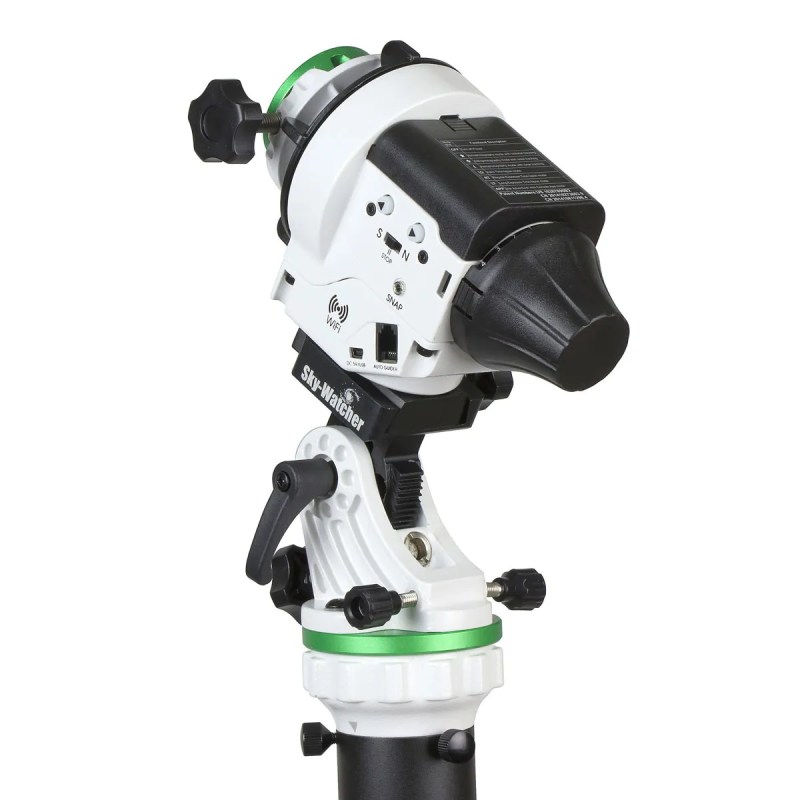
A Star Tracker
“If you want to use a longer lens or do longer exposures, a star tracker moves the camera very slightly with the stars so they stay sharp.” Norton recommends the Sky-Watcher Star Adventurer because it’s a smaller, more portable model.
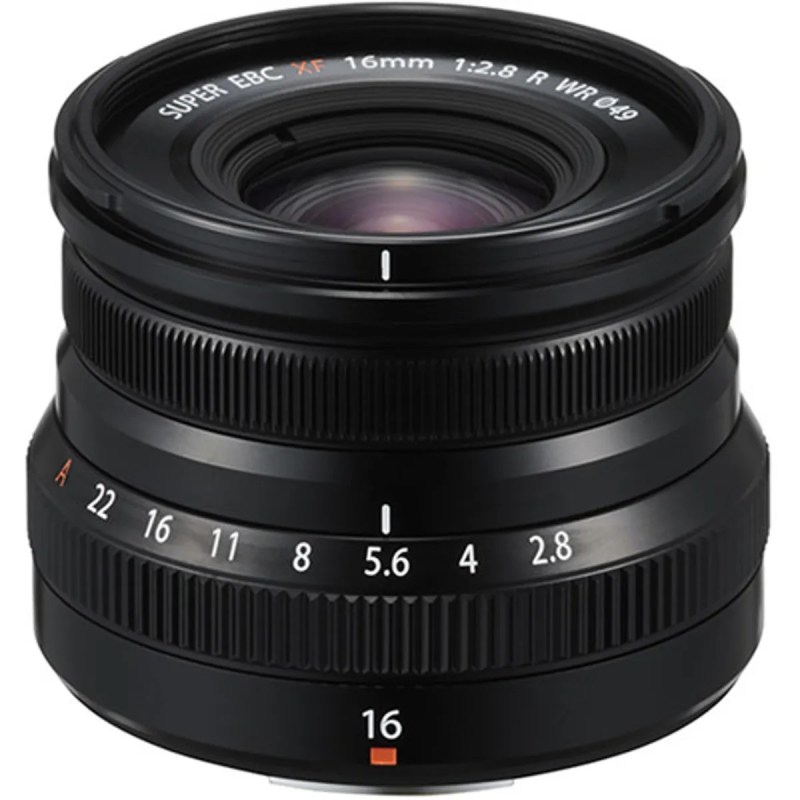
Fast Wide-Angle Lenses
“I wouldn’t go any slower than 2.8—ideally you want something in that 1.4 to 2.8 range so you can keep your ISO down, because most noise lives in the dark,” Norton says. In addition to the Fujifilm XF 16mm f/2.8, he also recommends the Sigma 12mm f/1.4 and the Sigma 17mm f/4.
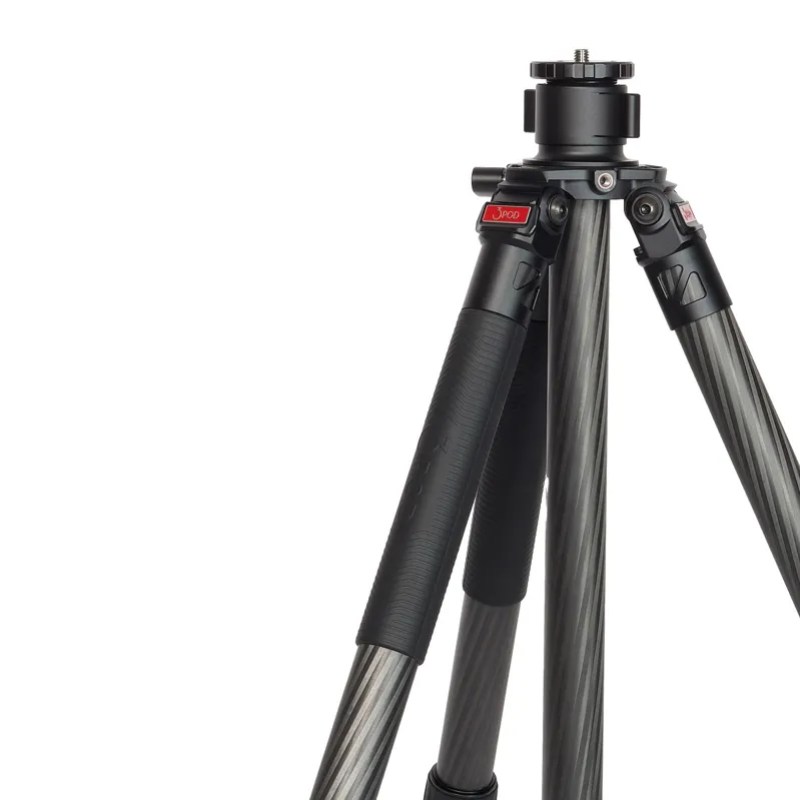
A Heavy-Duty Tripod
Norton calls the 3Pod Everest Carbon Fiber Tripod “a good, sturdy option,” and implores people to consider it the main accessory. “[It’s] something people usually skimp out on, but it’s what gives you the sharpest possible shots,” he says.
We only recommend things we love. If you buy something through our site, we might earn a commission.