
The Minimalist Garden Is Out. Here’s What’s Taking Its Place.
After years of restrained palettes and carefully edited plantings, Western gardens are embracing jewel-toned foliage, abundant borders, and unexpected plant pairings.

Thomas J. Story
For a while there, the ideal garden seemed to follow a familiar formula: gravel, a few sculptural grasses, an olive tree, and just enough negative space to make everything look intentional. Beautiful? Absolutely. But as we look toward 2027, the pendulum is swinging toward something a little more exuberant.
Garden maximalism is gaining ground, bringing saturated colors, layered textures, romantic blooms, and plants with plenty of personality into the landscape. The shift reflects a broader appetite for outdoor spaces that feel personal rather than prescribed. Pinterest reported a 940% increase in searches for “garden inspiration ideas” in its 2026 Spring Trend Report, while garden industry forecasts point toward richer colors, collectible plants, and more abundant planting schemes.
The good news? You don’t need an English estate or an army of gardeners to get the look. Here are six ways to embrace the more-is-more garden without letting practicality fall by the wayside.
Thomas J. Story
1. Trade Whisper-Soft Palettes for Jewel-Tone Drama
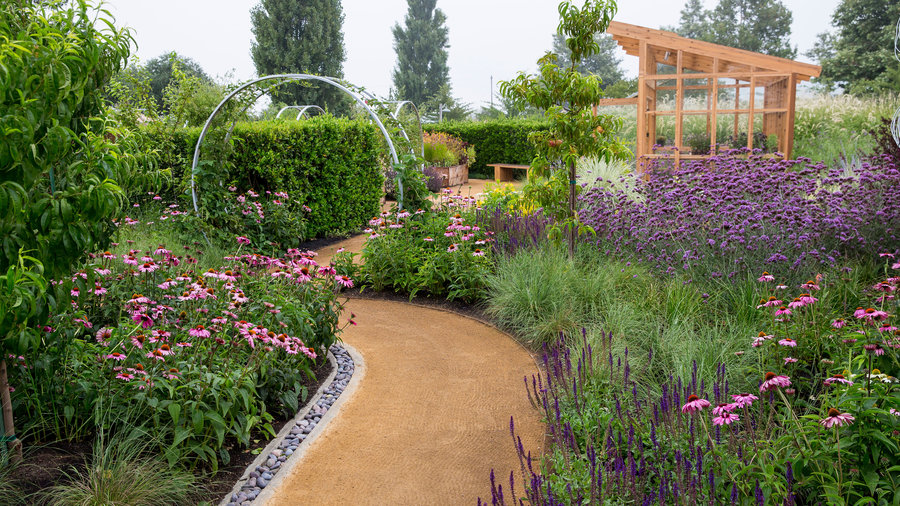
Muted greens and dusty pinks aren’t going anywhere, but they’re making room for a richer cast of characters. Think velvety burgundy, deep plum, electric magenta, and emerald foliage that holds its own against the Western sun. Garden Design’s 2026 forecast highlights jewel-tone planting as a rising trend, with saturated colors offering visual impact even in bright light.
For inspiration, look to burgundy penstemon, dark-leaved heuchera, purple salvias, and richly colored irises. In warmer regions, try heat-tolerant flowering salvias alongside silver-leaved plants for contrast. The trick is to give bold colors a supporting cast: A few deep, dramatic hues will feel more considered than a garden where every plant is competing for the spotlight.
Caitlin Atkinson
2. Layer Plants Like You Layer a Room
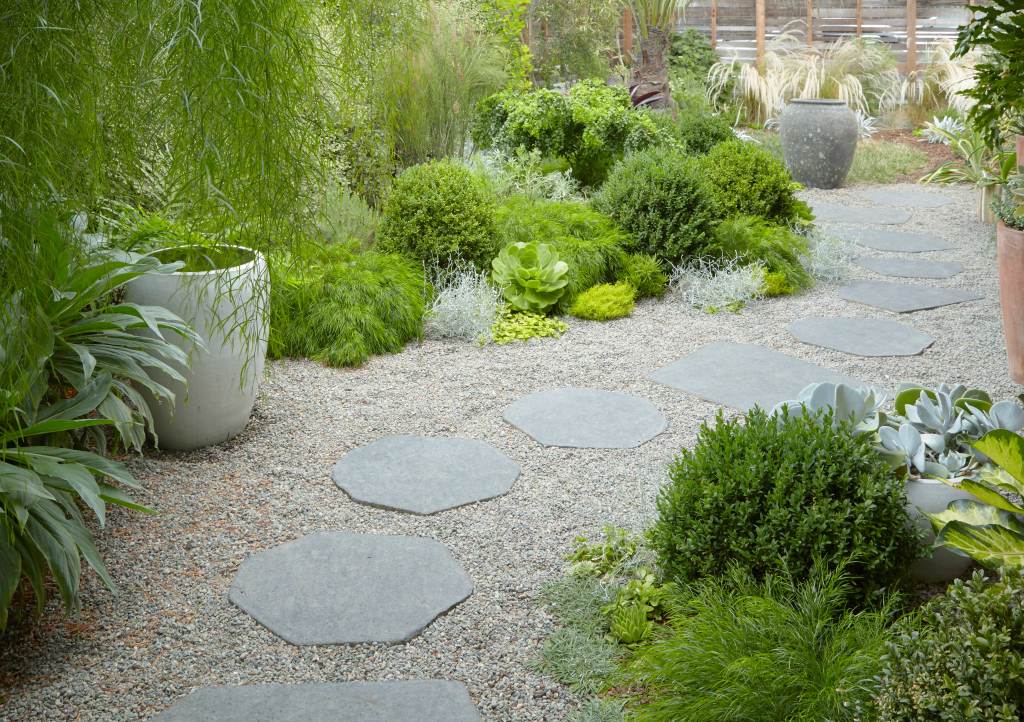
The secret to a garden that feels lush rather than chaotic is thinking in layers. Start with the bones: shrubs, small trees, or structural plants that provide year-round shape. Add mid-height perennials for color and movement, then weave in lower-growing plants to soften edges and cover bare soil.
This approach works particularly well in the West, where a thoughtfully selected mix of evergreen structure and seasonal bloom can keep a garden interesting beyond spring. Try pairing upright ornamental grasses with rounded shrubs, airy flowering perennials, and low-growing ground covers. The contrast in form makes the planting feel abundant without requiring every square inch to be filled with flowers.
A useful design rule: Repeat a handful of plants throughout the garden. Repetition creates rhythm, giving even an exuberant planting a sense of cohesion.
Thomas J. Story
3. Mix the Unexpected (Yes, Edibles Count)
The most interesting gardens don’t always respect traditional categories. Ornamental and edible plants are increasingly sharing space, bringing together beauty, biodiversity, and something delicious for the kitchen.
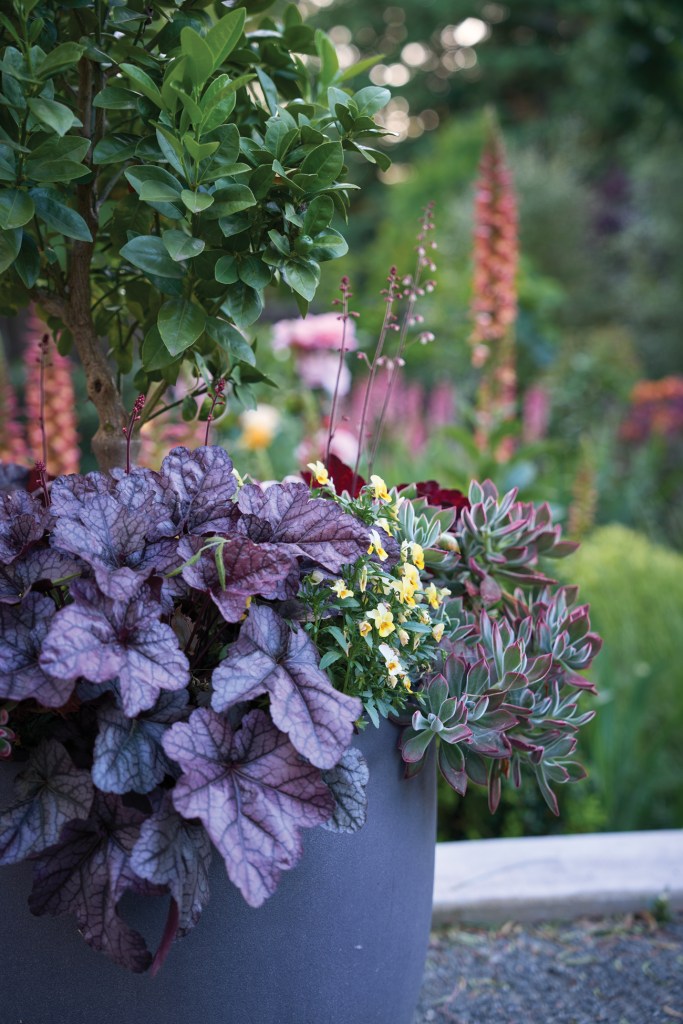
Imagine rainbow chard tucked beneath flowering perennials, rosemary spilling over a stone edge, or a pomegranate tree anchoring a border of ornamental grasses and pollinator-friendly blooms. In a smaller garden, a collection of terracotta pots can combine herbs, strawberries, and colorful annuals without requiring a dedicated vegetable patch.
Choose plants with compatible sunlight, water, and soil needs, and the combination becomes more than a pretty experiment. It becomes a garden that feeds you, attracts beneficial wildlife, and gives you another reason to head outside.
Thomas J. Story
4. Give Foliage a Leading Role
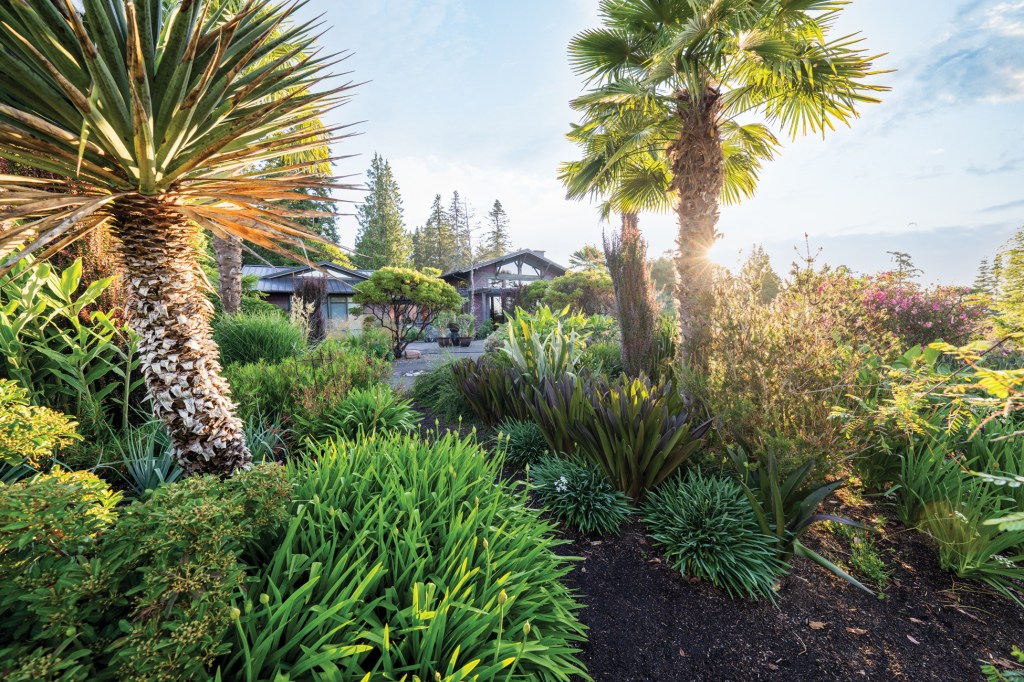
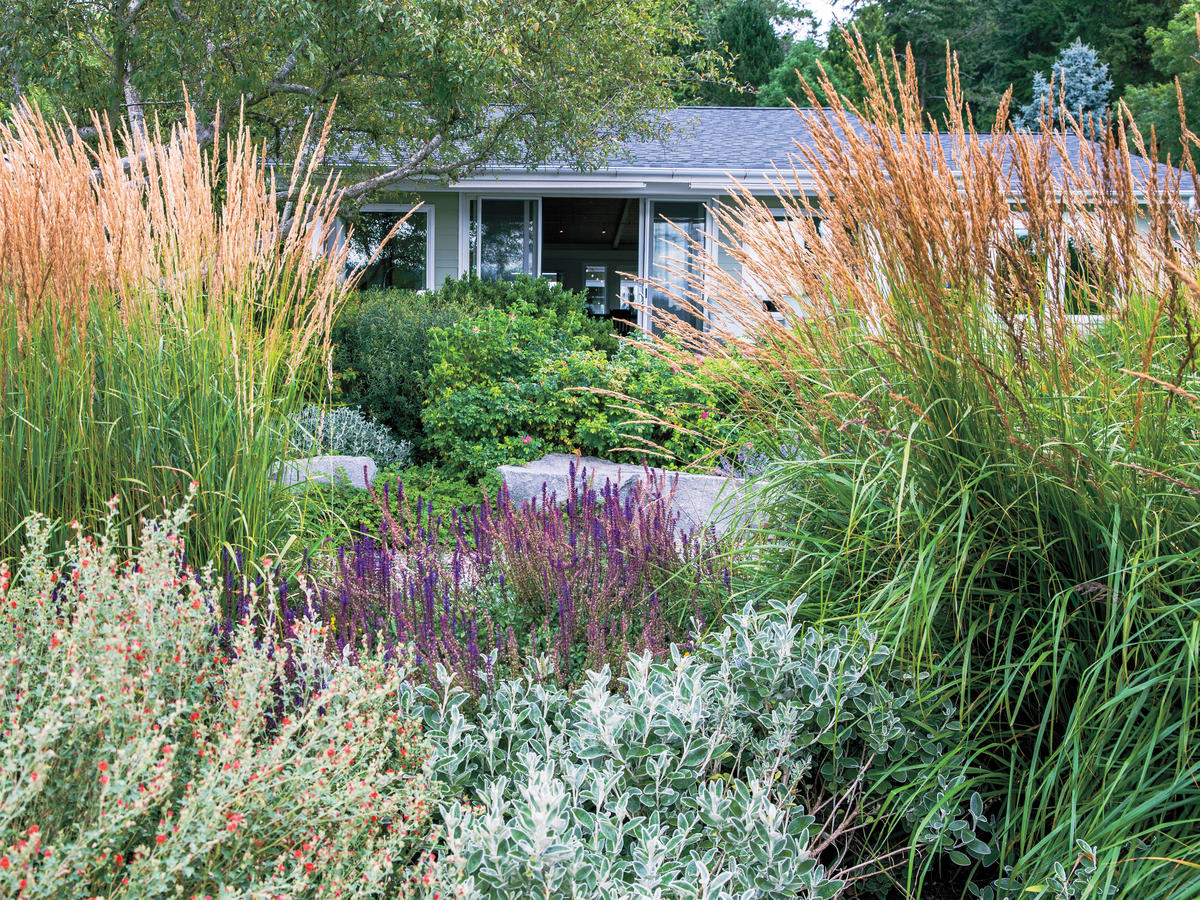
Flowers get plenty of attention, but foliage is what gives a garden depth long after the blooms fade. As Western gardens embrace a more layered, expressive look, native plants are bringing their own palette to the mix, from silvery sagebrush and blue-gray leaves to glossy greens, fine textures, and unexpected forms. The result is a garden that feels lush and full of contrast, while staying rooted in the rhythms of the region.
Consider California natives like island alumroot (Heuchera maxima), which brings sculptural, evergreen foliage to shady spots, or Catalina perfume (Ribes viburnifolium), with glossy, deep-green leaves and rosy blooms. For sunnier spaces, California fuchsia (Epilobium canum) delivers vivid red-orange flowers, while purple sage (Salvia leucophylla) adds silvery foliage and soft purple blooms. Pair these with contrasting leaf shapes, airy grasses, or bright-flowering perennials for a layered look that feels distinctly Western. In shadier gardens, foliage can do much of the heavy lifting when flowering options are limited.
In hot, dry Western climates, plant selection matters more than color alone. Match each variety to your microclimate, and remember that a dramatic foliage plant isn’t worth the look if it requires constant watering to survive.
Thomas J. Story
5. Embrace the Romantic Garden, Western Style
The cottage garden is getting a more polished, grown-up companion. Looking toward 2027, industry forecasts point to renewed interest in classic garden plants, including roses, peonies, hydrangeas, and artfully shaped hedges. Think romantic abundance with a little architectural discipline.
Western gardeners can interpret the look through climate-appropriate choices: climbing roses where conditions suit them, flowering salvias, native penstemons, and shrubs that offer both structure and seasonal interest. A winding path, a weathered pot, or a simple bench can make even a modest planting feel like a destination.
The goal isn’t to recreate an English garden in the desert. It’s to borrow the feeling of one, then let regional conditions determine the details.

Thomas J. Story
6. Make Room for a Little Beautiful Chaos
Perhaps the biggest shift is less about a particular plant or palette and more about permission. A garden doesn’t have to look finished, perfectly symmetrical, or perpetually camera-ready to be beautiful.
Let a few self-seeding flowers find their way into a border. Grow cut flowers beside vegetables. Collect unusual succulents in mismatched pots. Leave room for the plants that surprise you, provided they’re suited to your region and won’t become invasive.
Maximalism doesn’t mean abandoning maintenance or planting without a plan. It means designing for discovery, with enough structure to keep the garden functional and enough freedom to let it evolve.
After all, the best gardens aren’t static compositions. They’re living collections that change with the seasons, reflect the people who tend them, and reward a closer look. If the minimalist garden taught us the value of editing, this next chapter is an invitation to put a few things back in.
The Latest
