
How a Downsizing Couple Designed Their Floating Home to Embody Pura Vida
Losing square footage can actually be liberating.
Andrew Giammarco
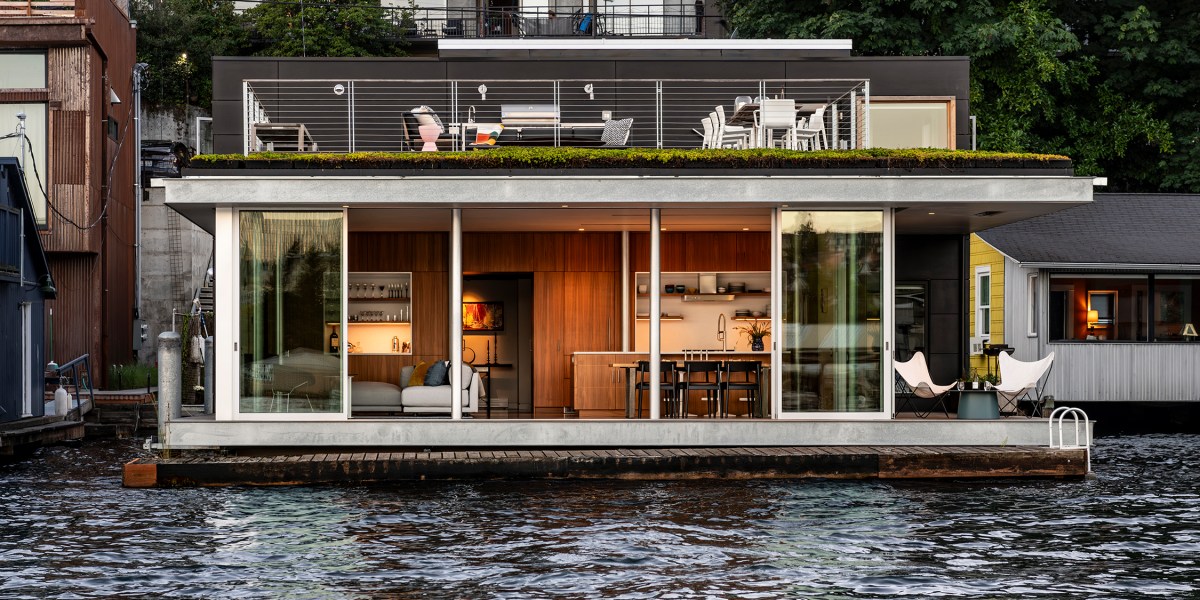
With their two adult children out of the nest, architect Paul Wanzer of Hoshide Wanzer Architects and his wife were looking to downsize. Enter an aging floating home on Seattle’s Portage Bay that sat on an old-growth log float. While the home and float needed to be replaced, they saw potential in the site.
Andrew Giammarco
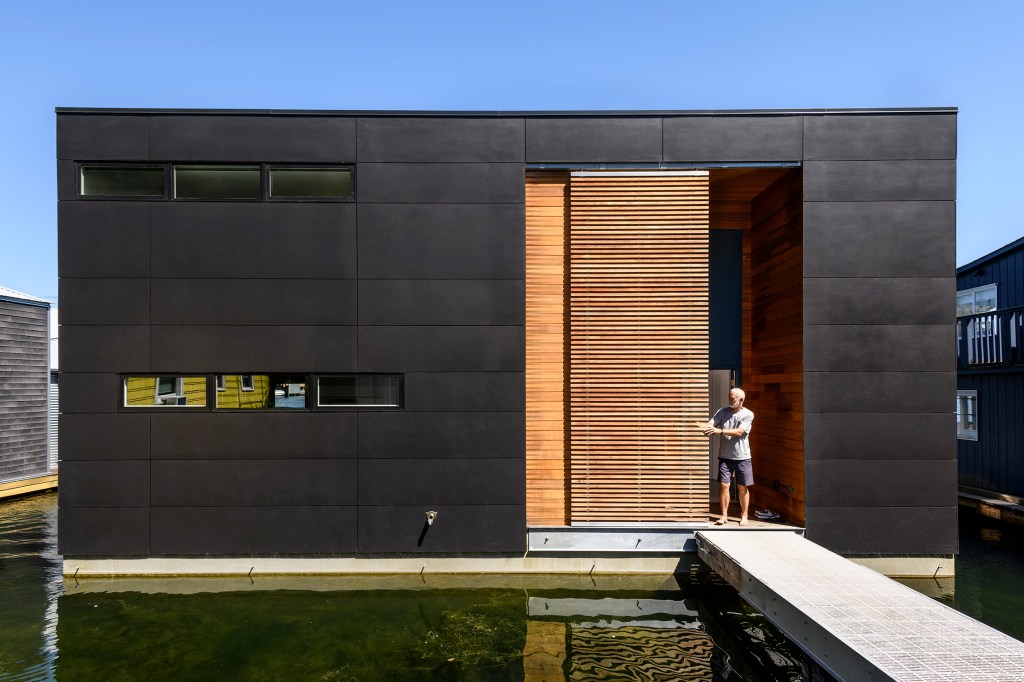
The inspiration for the new structure? Pura vida. Easy, unfussy, and welcoming.
“This floating home is based on the Costa Rican philosophy of pura vida. Pure life. No worries. Cherishing simple pleasures, spending time with loved ones, enjoying a relaxed pace of life, and remembering what is most important,” says Paul, who designed the home, while Dyna Builders brought his vision to life.
Andrew Giammarco
Andrew Giammarco
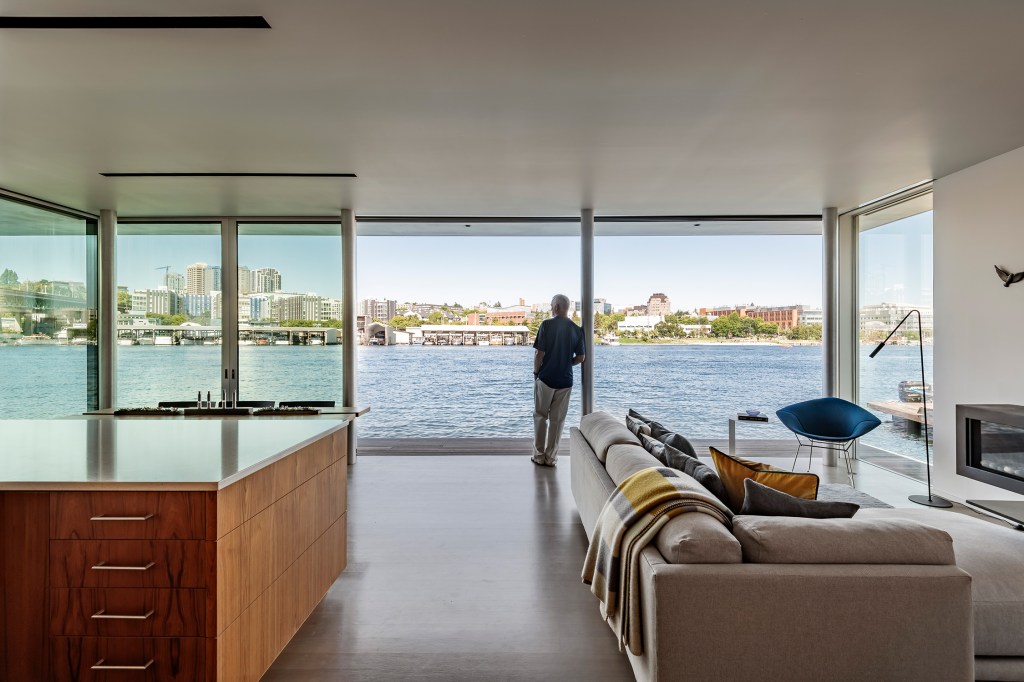
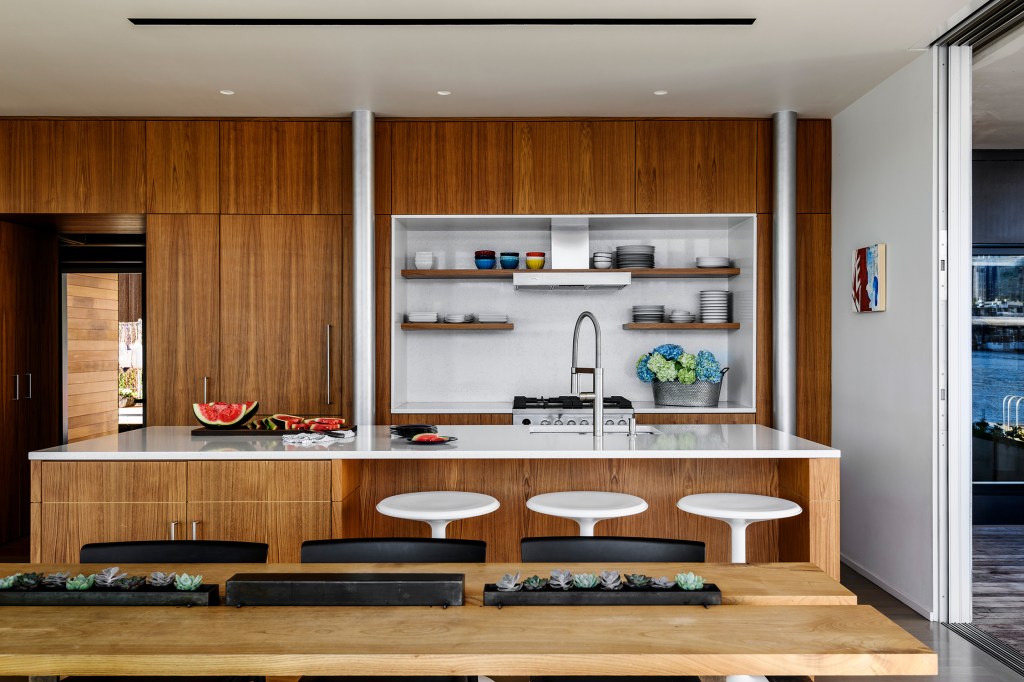
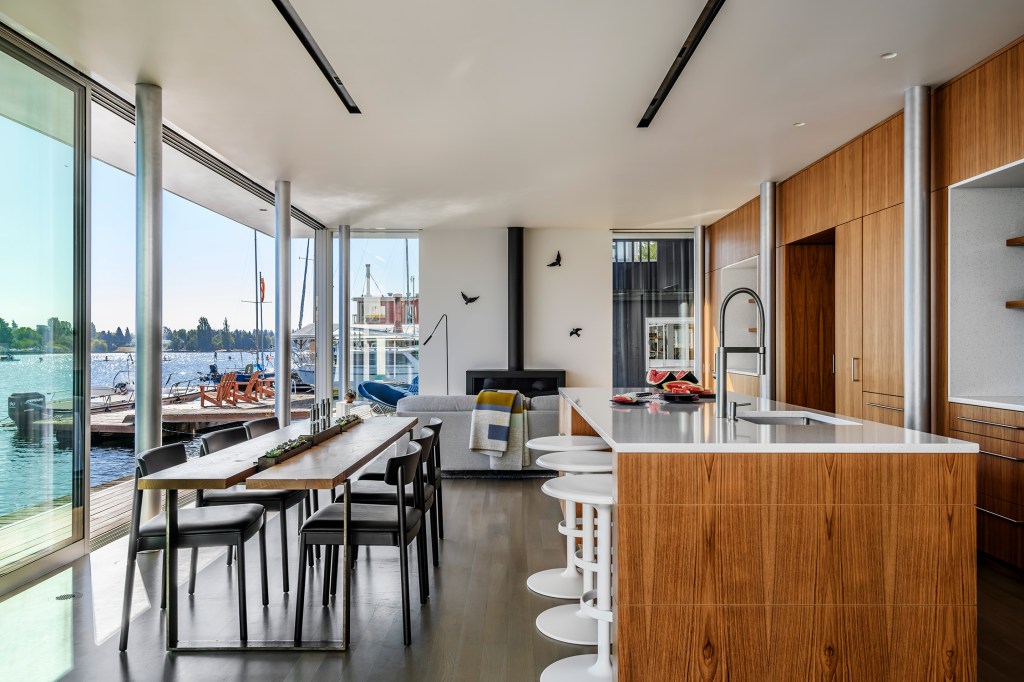
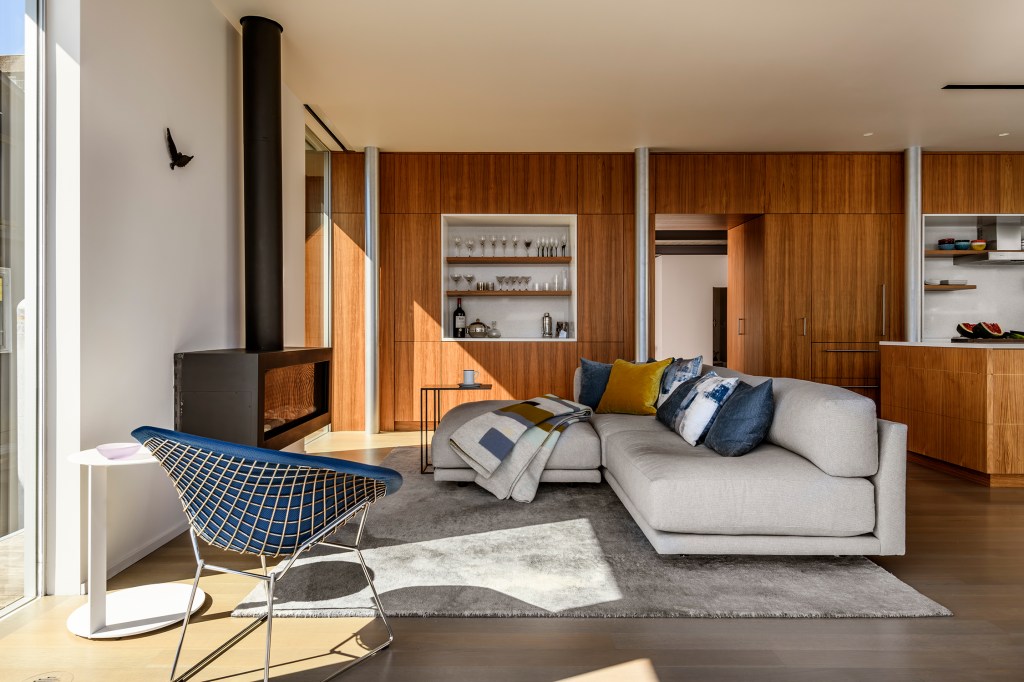
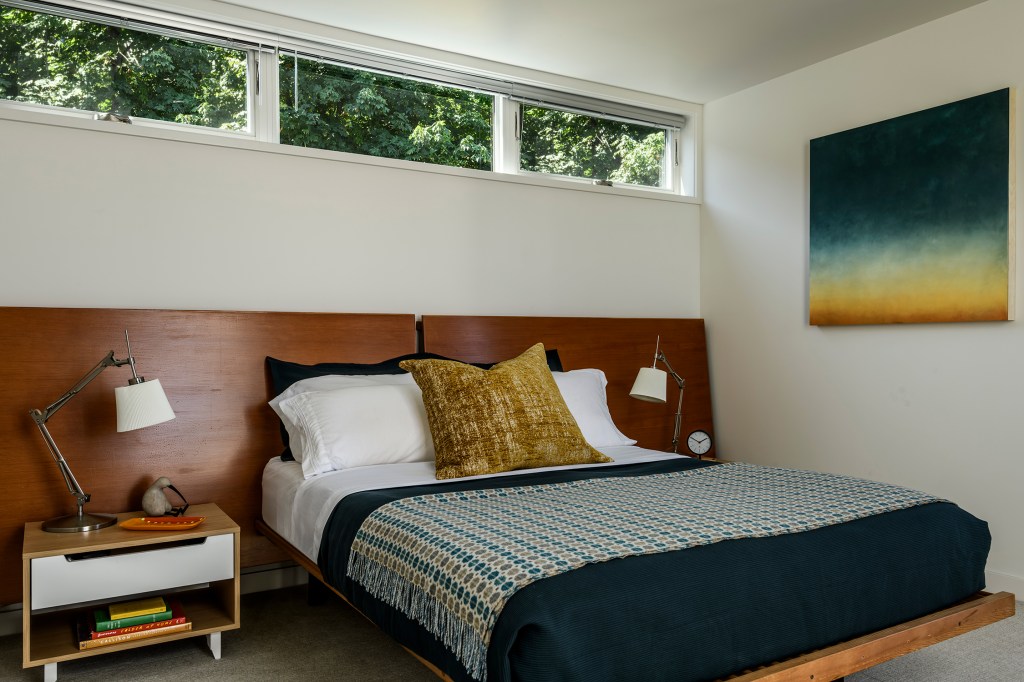
The two-level structure has 1,785 square feet of interior space and 820 square feet of exterior deck area. Inside is an open great room, library, laundry room, one bedroom, and two bathrooms. Keeping the space flexible was a goal.
Andrew Giammarco
Andrew Giammarco
“This is a responsive design that allows its inhabitants to adapt to both environmental and social conditions,” says Paul. “The house is designed to transform from an open volume (transparent and public) to a protective shell (private and cozy).”

Andrew Giammarco
A key feature of the floating home is its roof deck, Dyna Builders’ Ren Chandler, which is set back from the perimeter and bordered by a section of green roof. This design choice softens the edge and creates privacy for both the deck and primary suite.
Andrew Giammarco
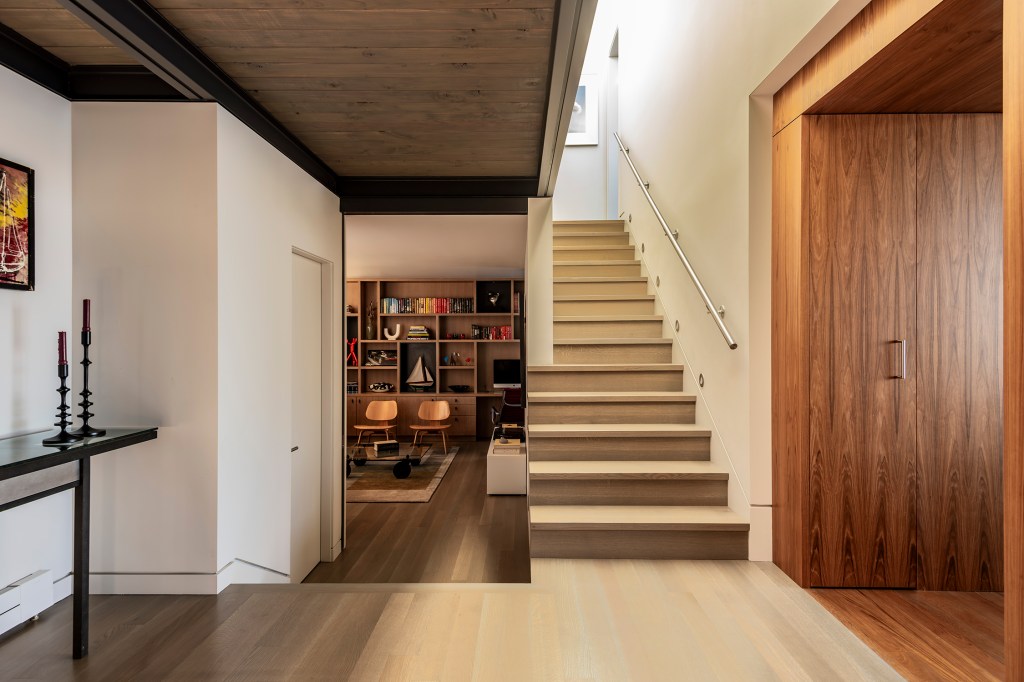
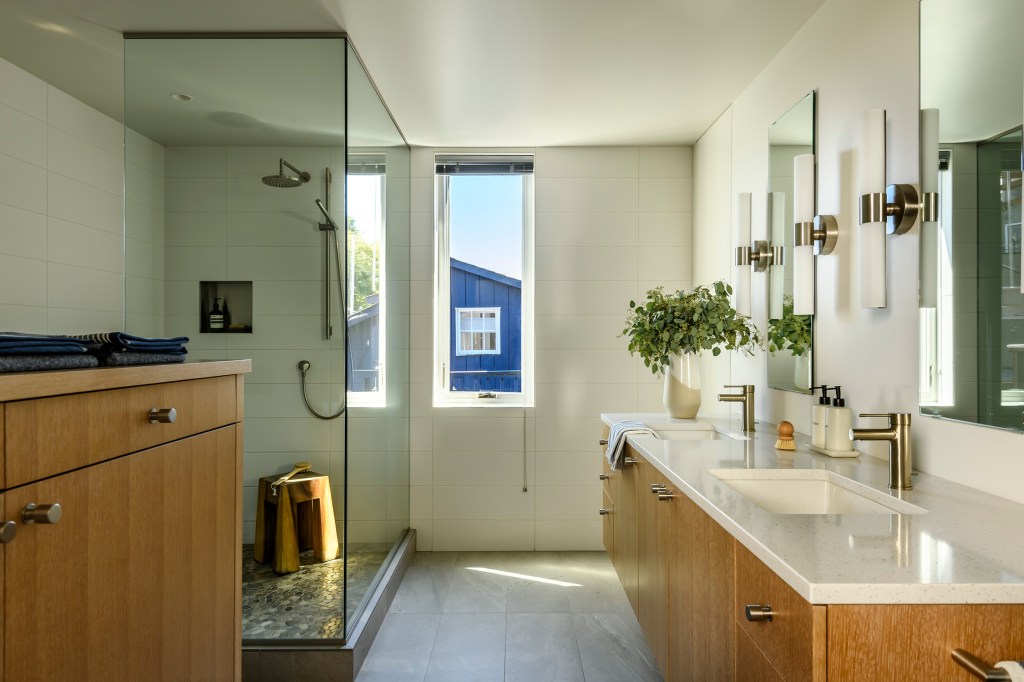
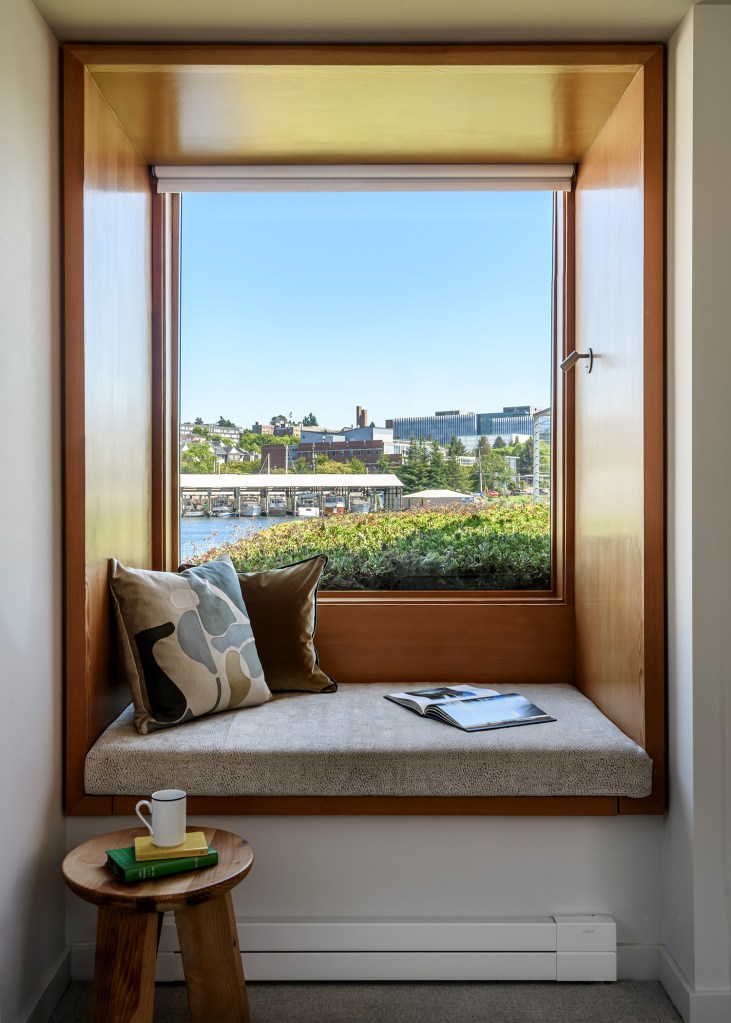
Design details like glass walls provide uninterrupted views of the water. The interior materials, like white oak floors and teak casework (a reference to the boating community), were chosen to give the home warmth and subtle nautical nods.
Andrew Giammarco
Andrew Giammarco
“This house has a strict height limit of 18 feet, so to stay within that envelope, we kept the structure as thin as possible to maximize the ceiling height, relying heavily on steel to carry the loads,” explains Ren. “The slim profile left little room for routing utilities, so every system—mechanical, electrical, and plumbing—had to be carefully planned and coordinated.”
Andrew Giammarco
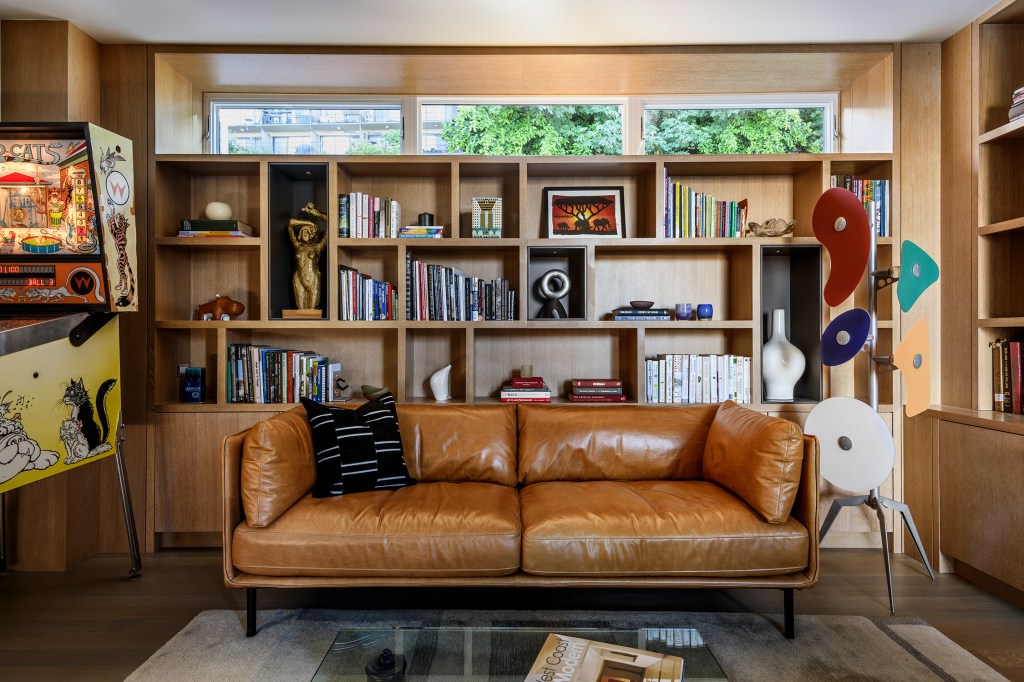
And because of its smaller profile and square footage, they had to be strategic about storage and layout. Built-ins and smart finishes were installed to maximize the space. “Designing a floating home is a lot like designing a boat—you have to take advantage of every available nook,” Ren adds.
Andrew Giammarco
The finished floating home is a real-life expression of pura vida: It honors simplicity while embracing its natural surroundings. Paul and his wife say they love living on the lake and are enjoying their new, well designed space—proof that downsizing can be an exciting new adventure.