
This Is How Long You Can Keep an Opened Wine Bottle, According to Sommeliers
Two wine insiders break it down.

Maria Korneeva/Getty Images
It doesn’t matter if you prefer red, white, or rosé, most wine drinkers have had to ask themselves the same daunting question: Did the bottle I opened up earlier this week go bad? Sure, you might’ve had the best intentions to polish off that vino within a day or two, but plans change. Problem is, by the time you reach for that bottle again, you can’t help but wonder if what’s inside belongs in your glass or in the trash.
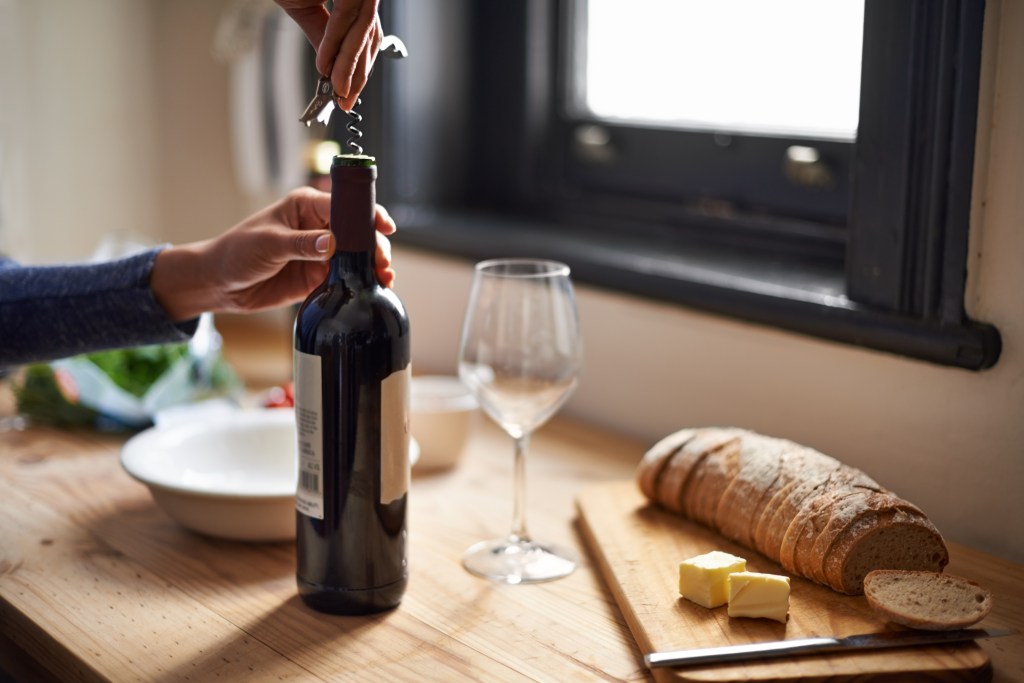
Unlike other beverages, boozy or sans spirits, wine undergoes a chemical reaction once it’s uncorked. “Oxygen is what causes wine to change once it’s opened, so over time you’ll notice the fruit starts to fade and the wine loses some of its freshness and vibrancy,” explains Jen Saxby of Benchmark Wine Group. “The sooner you enjoy it, the better it’s going to show.”

Maria Korneeva/Getty Images
However, if you know you’re not going to finish a bottle shortly after you open it, here’s what you need to know.
What Determines Longevity
According to Juan Pablo Trillo Molina, wine director and lead sommelier at Tasting House in Los Gatos, California, most bottles of wine will stay tasty two to three days after opening. That said, all varietals are not created equal.
“Sparkling wines have the shortest lifespan because they start losing their bubbles as soon as they’re opened,” says Saxby. “Even with a good sparkling wine stopper, they’re usually best within 1 to 2 days.” Rosé, white, and red blends can typically hold up for a few more days, while fortified wines like port can generally last longer due to their higher alcohol content.
Grape type might affect a bottle’s longevity, but what about its closure? Well, not necessarily. “Once a bottle has been opened, oxygen is the real factor, not whether it originally had a cork or a screw cap,” she adds. “As long as you reseal the bottle well, there’s very little difference in how long the wine will last.”
PeopleImages/Getty Images
How to Tell If Wine’s Gone Bad
Not sure if a wine is past its prime? Enlist your senses. “Usually your nose will tell you first,” Saxby says. “Fresh fruit aromas begin to disappear, and you may notice the wine smells flat, vinegary, or even like bruised apples or nuts.” If you take a sip, Saxby says you might notice a “dull” or “lifeless” taste.
Don’t worry: Just because your wine lost a little bit of edge doesn’t necessarily mean you have to dump it. As long as your blend doesn’t have a funky or vinegar-forward profile, it’s perfectly good for cooking. “It can add great depth to sauces, stews, braises, and reductions,” Saxby says, while adding the caveat that, “a good rule of thumb is if you wouldn’t enjoy a sip of it, don’t cook with it either.”
What You Can Do
Once wine is exposed to oxygen, it’ll eventually spoil; however, there are some things you can do to expand its lifespan. For starters, put it in the fridge. “The cooler temperature slows oxidation and helps preserve the wine,” Saxby says. “A lot of people think red wine should stay at room temperature, but once it’s been opened, every wine should go in the refrigerator.” When it’s time to enjoy your Pinot Noir or Cabernet Sauvignon again, take it out of the refrigerator and wait 20 to 30 minutes before serving.
Courtesy of Williams-Sonoma
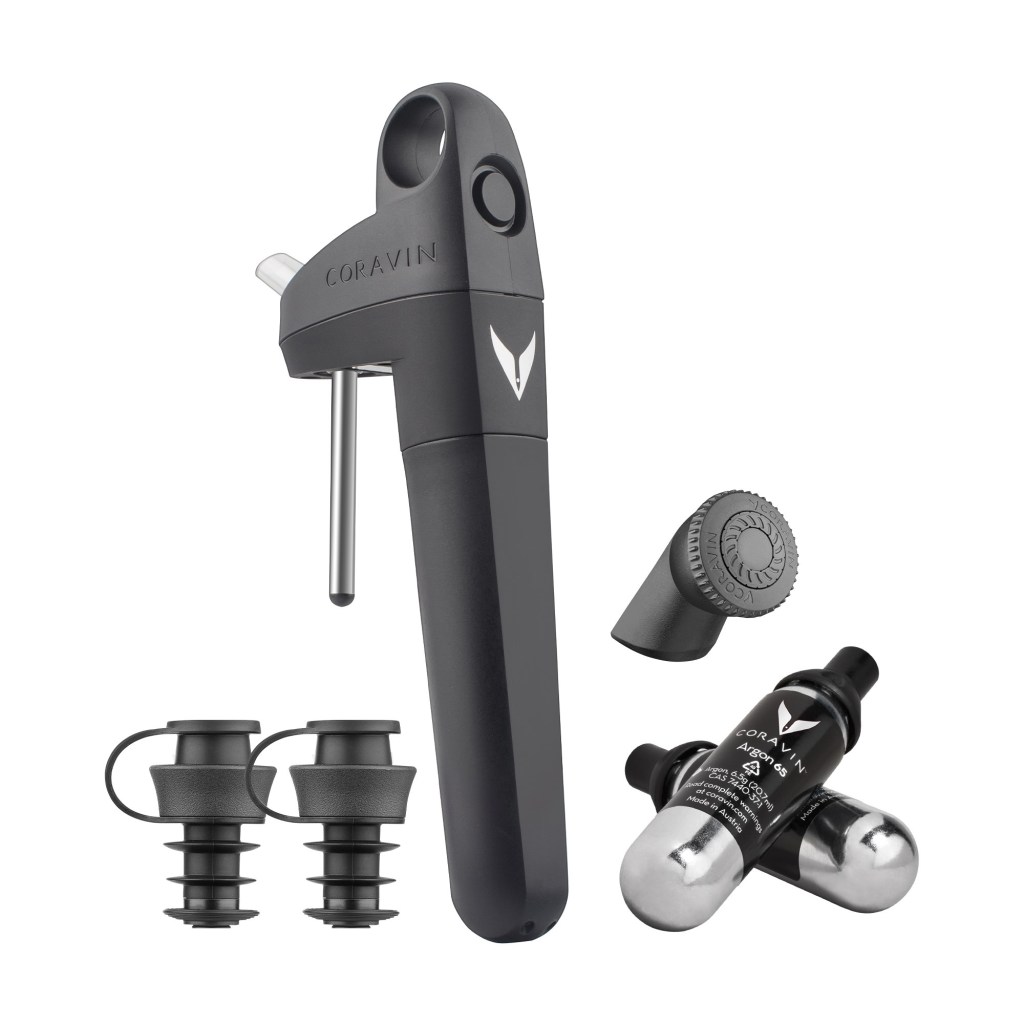
Meanwhile, Molina says the right accessories can help. Vacuum pumps can remove excess air to slow down the oxidation, while a gas spray with argon, nitrogen, or a blend of inert gases can create a protective barrier over your vino. Or, if you’re willing to invest a little more, he recommends a Coravin. “Pours wine without removing the cork by passing a thin needle through it and replacing the poured liquid with argon gas,” Molina adds. “Since the cork reseals naturally once the needle is withdrawn, the remaining wine stays completely protected from oxidation.”
According to the brand, a Coravin can keep wine fresh for up to four weeks—and will typically set you back a couple hundred dollars, depending on the exact model. However, if you’ve discarded way too many partially-consumed bottles, it might be worth the investment.
We only recommend things we love. If you buy something through our site, we might earn a commission.