
Here’s How to Make Overnight Visitors Feel Welcome Even If You Don’t Have a Guest Room
Designers share simple ways to create a comfortable sleeping space, carve out privacy, and make room for visitors—even without a spare bedroom.
Thomas J. Story
Dinner is over, everyone’s getting sleepy, and your living room is about to be turned into a bedroom. You’ll need to move the coffee table, unfold the sofa, and standing nearby is your guest with their suitcase, asking where they should put it.
Hosting overnight visitors but having no guest room often means playing some furniture Tetris. But before rearranging your whole space, think about what happens after you say goodnight. Does your guest have somewhere to change? Can they reach a light from the bed? Will you need to walk through their space to make coffee in the morning?
“Just because a space is doing double duty doesn’t mean that it can’t still offer your guests a quiet retreat from the day,” says Nureed Saeed, founder of NU Interiors.
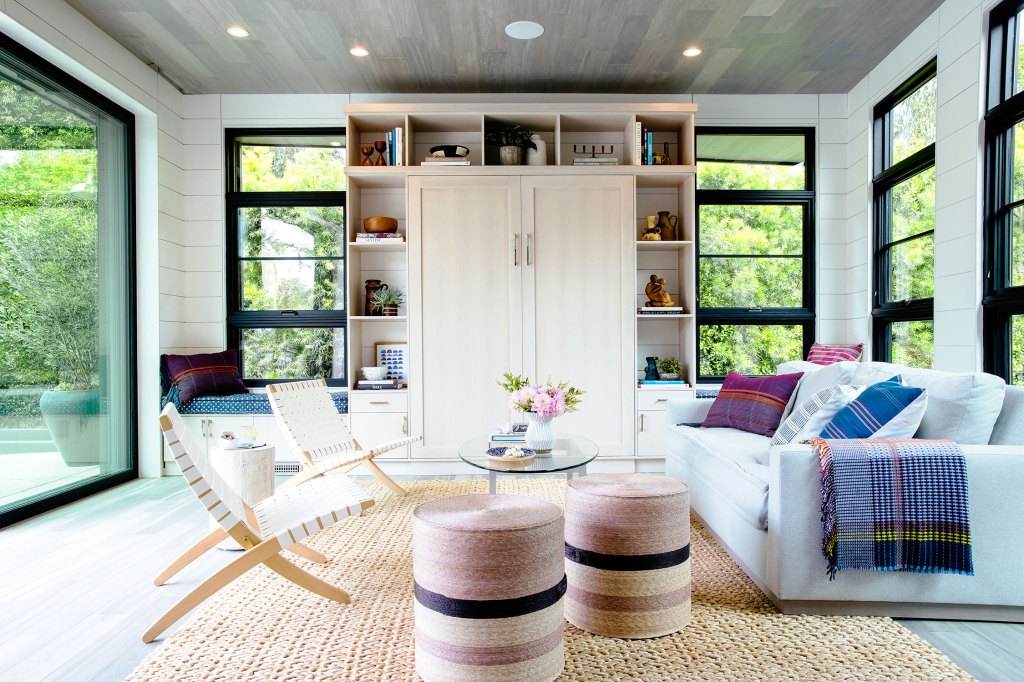
Here’s how designers advise turning your office, family room, or living room into a cozy place for your visitors with little planning.
Thomas J. Story
Pick the Space with Privacy in Mind
Before deciding where someone will sleep, think about how your family uses the available rooms. For instance, an office that has a door may offer more privacy than a living room everyone walks through to get to the kitchen.
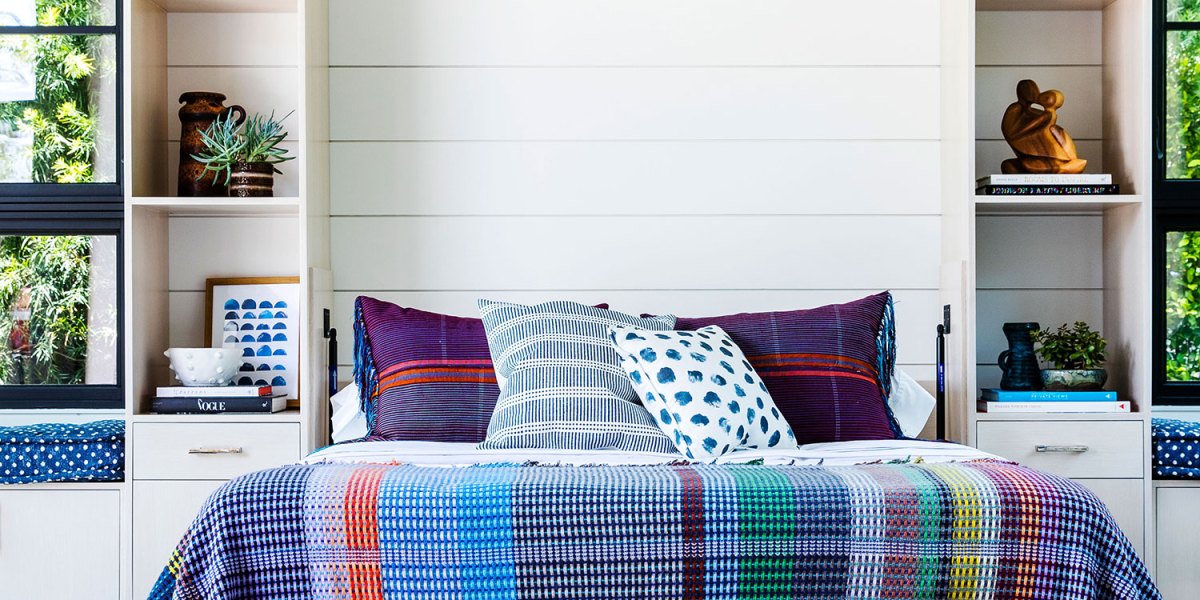
Over the years, Saeed has hosted guests in offices or a child’s bedroom thanks to a Murphy bed, and in a family room thanks to a sofa bed. While they might differ in size and comfort, what’s common about these spaces is the privacy a door offers.
Samantha Tosti, head designer and founder of Tosti Design, also looks to window coverings and bathroom access when choosing a space.
“I would say it’s not so much the room specifically that makes it a good fit, but what the room offers,” she says. “A good guest space shouldn’t be in a primary living space. While we don’t want our guests so comfortable they stay forever, we don’t want them so uncomfortable they feel underfoot.”
If the living room is your only option, it’s best to place the bed away from where everyone passes. A great first step is telling visitors about the sleeping arrangements before they arrive, allowing them to mention anything they need to sleep comfortably.
Everything Starts with a Good Night’s Sleep
Whether it’s opening a sleeper sofa or inflating an air mattress, try the sleeping setup before guests arrive. See how much space it takes up, whether the sheets fit, and if the path to the bathroom is clear.
For frequent hosts looking for a furniture upgrade, Saeed recommends looking at Murphy beds and sofa beds.
“Murphy beds can serve multiple needs in small spaces and offer the option of a true full-sized mattress,” she says. “But there are sofa beds out there that offer just as much comfort these days.”
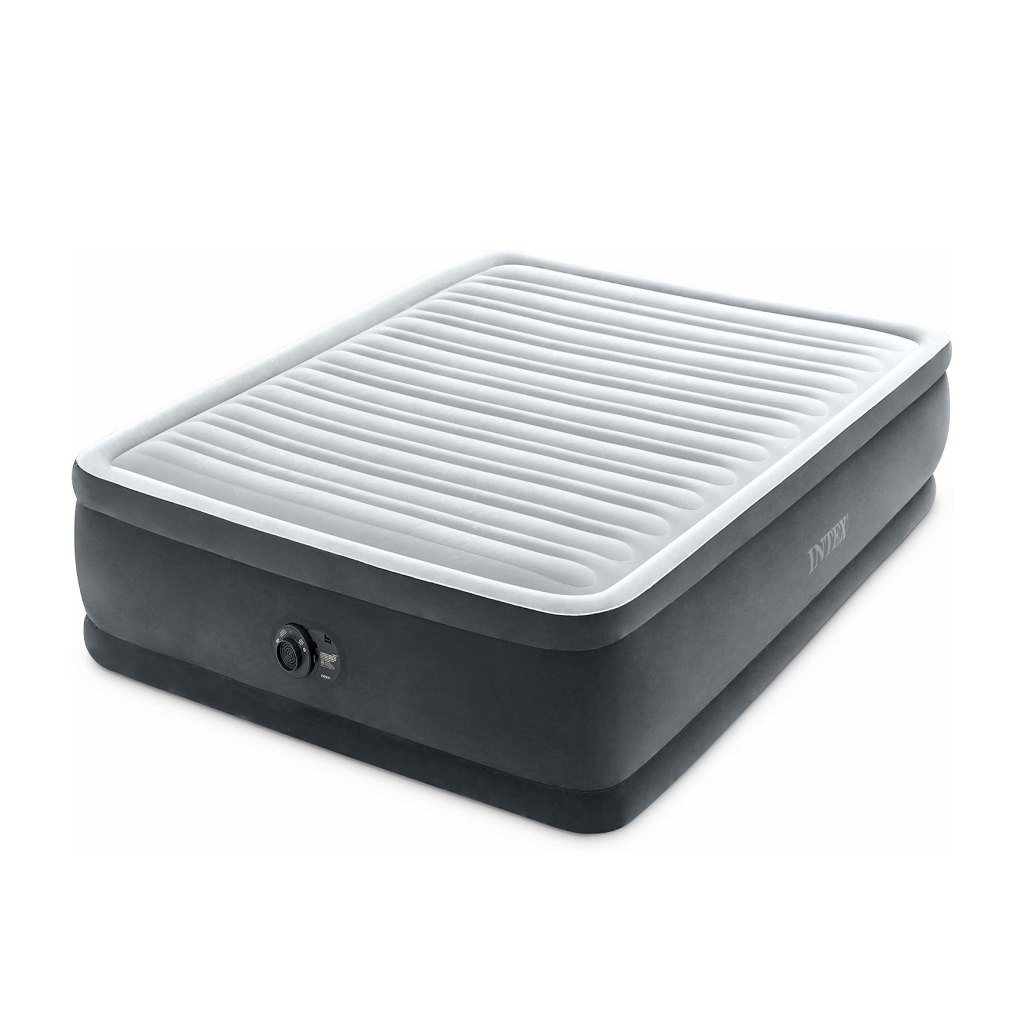
But before making a big investment, start with what you have and works for your guests. An air mattress is a great option when space is tight, says Sophia deDomenico, designer and founder of Los Angeles-based Et Sal Interiors.
“A quality air mattress, ideally in a queen or king size, is a must-have,” she says. “The flexibility of being able to set up a bed anywhere, from a closet to the corner of the dining room, allows for endless options.”
If you’re using one, inflate it ahead of time to check that it holds air, and ask guests whether they’re okay with this sleeping arrangement. Getting up from a low mattress proves to be difficult for some.
Whatever sleeping surface you have, it’s important to make it up with clean sheets, soft pillows, and enough layers so guests can adjust. DeDomenico recommends at least four bed pillows and several bedding layers, with Tosti emphasizing providing pillows you’d want to sleep on yourself.
“So often you are stuck with the mismatched linens and pillows no one else in the household actually wants, and that can make for an uncomfortable stay,” Tosti says.
Courtesy of Amazon
Make a Shared Space Feel More Private
A living room feels different when someone is changing clothes or sleeping in it. If a closed door isn’t available, a temporary divider can provide some privacy.
“Room dividers can add a charming separation and create a sense of privacy, as well as curtains if there’s not the option to actually shut a door,” says Tosti.
DeDomenico recommends tucking the bed in a hidden corner, away from direct sightlines and noises if possible. Also, keep walkways clear as you arrange the space.
Also consider what a screen can’t do. Agree on when the TV turns off, where guests can change, and whether anyone needs to enter or pass through the space after bedtime. It’s great to move your laptop, workout clothes, or other things you’ll need in the morning out of their sleeping area beforehand.
Give Their Belongings a Place, Too
With guests sleeping in a shared room, they’ll need a place for their suitcase, coat, and toiletry bag—especially if space is already tight.
“Clearing out a space in the closet for your guests to stow their luggage and a hook in the bathroom dedicated to a towel and their toiletry bag goes a long way,” says deDomenico. “Nothing says considered when traveling more than having a place to store your personal items out of sight.”
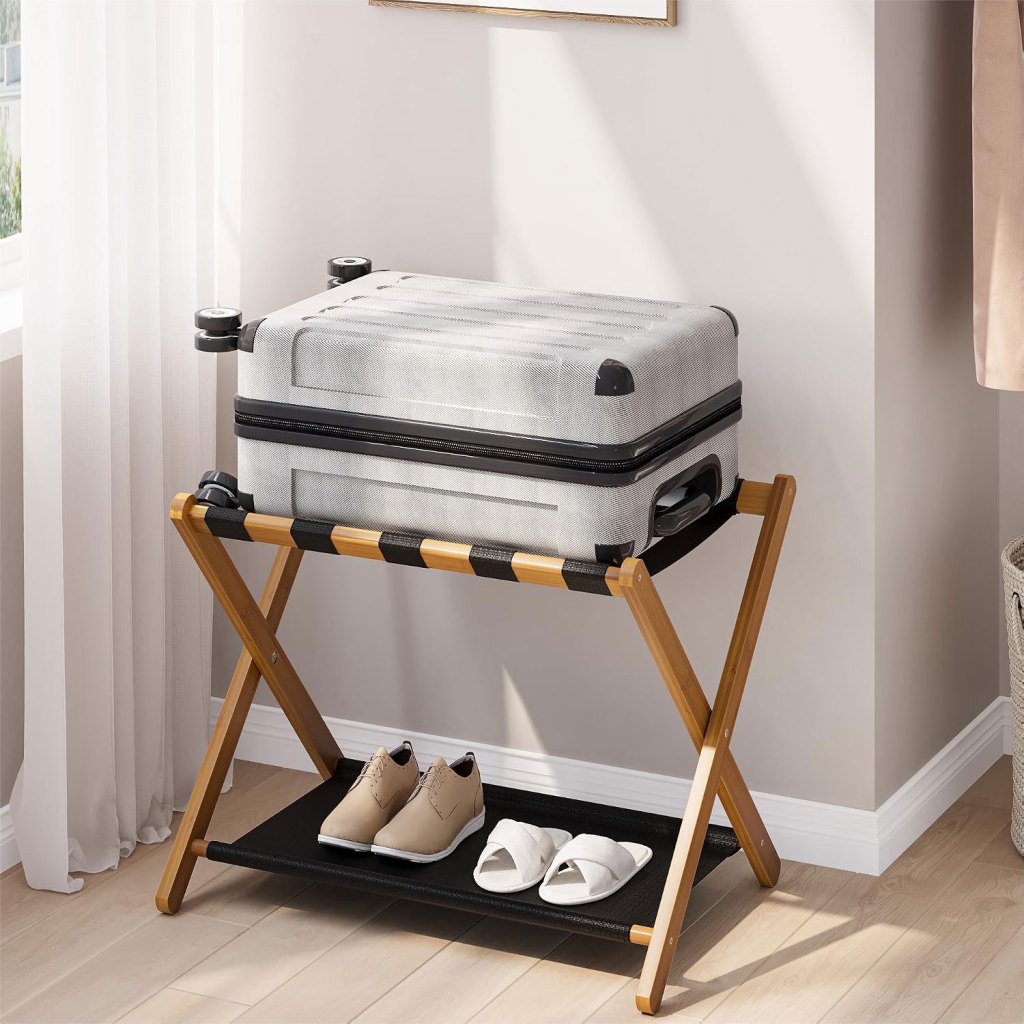
A folding luggage rack gives guests a place for guests to open their bags and can be easily stored after their visit. Clear out a few hangers for guests’ clothes, too.
Saeed moves a lightweight coat rack from the laundry room, typically used for drying clothes, into the family room when hosting. It gives guests hanging space without requiring a permanent furniture addition.
Show each guest where their storage space is so they can unpack without worrying about being in the way.
Courtesy of Amazon
A Little Table Goes a Long Way
Once the bed is done, see what guests can reach from it. Water, glasses, and their phone need to be close by.
“A small table wherever they’re sleeping can make the world of difference for a guest,” deDomenico says. “Decorate it with a coaster, small trinket dish, and ideally a small table lamp, and every basic need they have is considered.”
A side table or cleared shelf may already do the job. Saeed also suggests using an ottoman with a tray as a bedside surface. A storage ottoman can hold blankets and towels between visits, and also provide space for guests’ belongings during their stay.
For her setup, Saeed includes rechargeable bedside lighting, charging stations, water, and extra blankets within reach.
Consider placing these essentials on a stable surface, keeping water away from electronics and outlets. Test charging access before guests arrive, and check whether they’ll be able to switch off the bedside light without standing up.
Make Room in the Bathroom
Clear some space for guests’ toiletries, set out fresh towels, and designate a place to hang them up.
If shelves and towel bars are already occupied, use an over-the-door organizer for extra storage. Keep essentials like toilet paper, hand soap, and shower basics easy to find, and show guests how the shower works—we all know some have their own little tricks.
Tosti also suggests checking that your bathroom is working properly, especially if it goes unused most of the year. Run the shower and use the toilet beforehand.
And for guests sleeping outside a bedroom, a robe can be particularly thoughtful. Saeed provides robes and slippers so guests have something comfortable to wear if they need to step into the main part of the house.
If many people use the same bathroom, share schedules so everyone has time to get ready.

Thomas J. Story
Make Mornings Easier for Everyone
Think about the morning schedule before going to bed, and consider whether the bed can stay out while everyone has breakfast, or whether you’ll need to put it away.
Saeed’s approach to multipurpose furniture can help: a storage ottoman that can hold bedding keeps the morning reset contained. A cleared shelf or basket would have the same effect. You may want to give people a designated basket or empty shelf to use similarly. Keep luggage storage accessible even when the sleeping area is put away.
To make morning even easier, consider showing early risers where to find coffee, tea, mugs, and other breakfast supplies. If going into the kitchen requires stepping on someone’s sleeping area, discuss that ahead of time rather than start quietly tiptoeing.
The setup doesn’t have to be complicated.
“Overthinking what you are providing is the biggest common mistake,” says deDomenico. “Welcome is first and foremost a feeling.”
The Latest