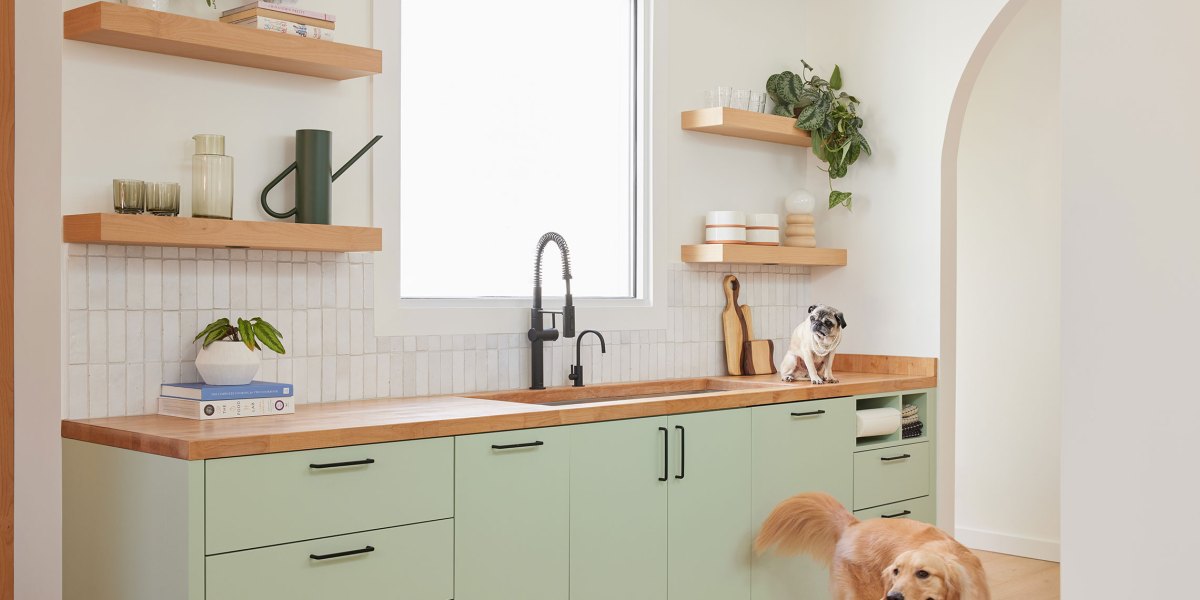
The Surprising Reason Why People Are Ditching Their Guest Rooms
When it comes to home projects, hobbies are getting priority.
Courtesy of Adobe Stock
People are building homes with zero compromise based on their own personal tastes.
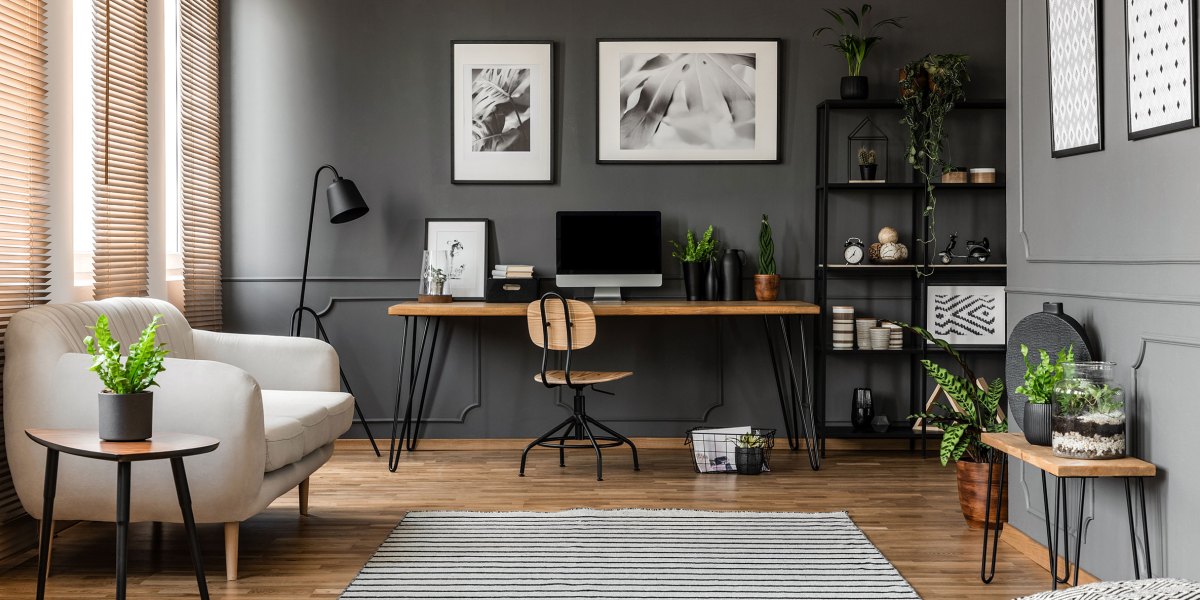
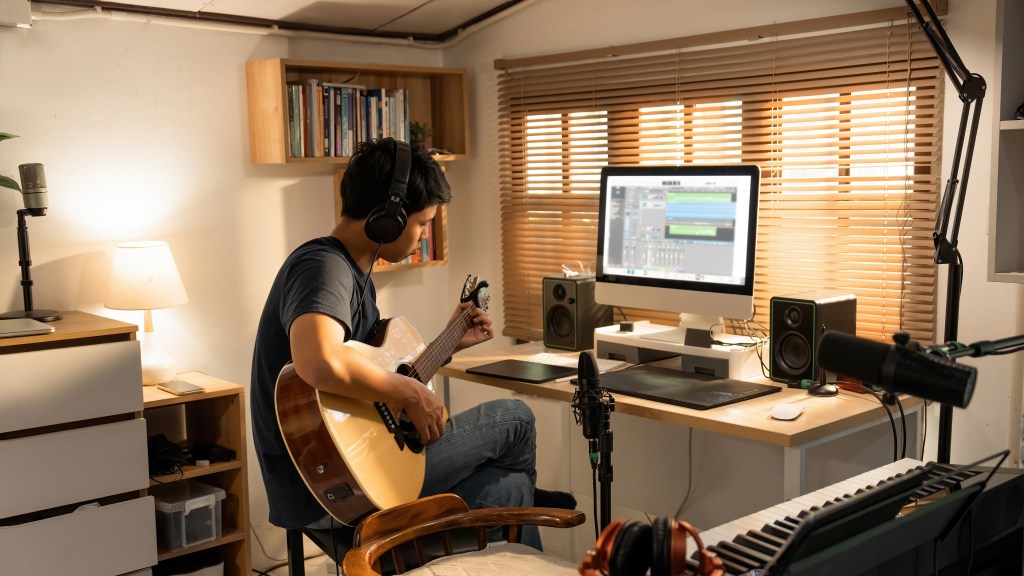
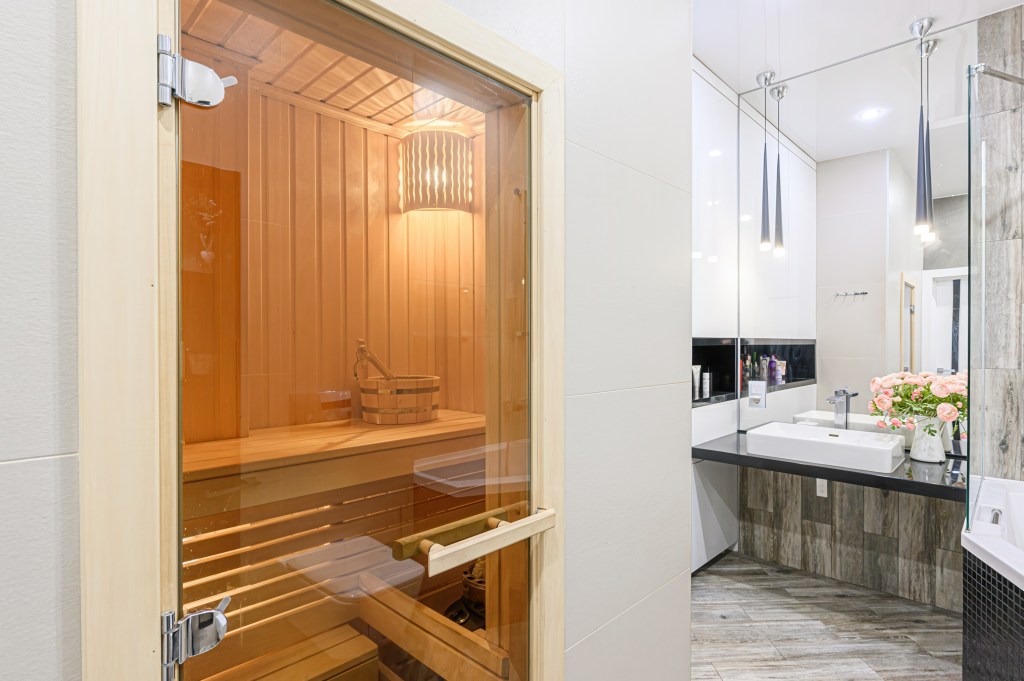
According to TaskRabbit’s new 2026 Trend Report, people are increasingly turning spare square footage into rooms designed around their hobbies, interests, and everyday routines. Craft rooms are up 33% year over year, home gyms have jumped 59%, saunas are up 35%, and podcast studios have skyrocketed to 90%. General decorating requests are also up 57%.
The findings, which compare TaskRabbit booking and search trends from January through July 2025 with the same period in 2026, are part of a larger trend the company calls “The Independent Home.” TaskRabbit found that living alone increased 58%, while searches and bookings for help moving alone rose 24%.
However, that doesn’t mean you can’t take something from this trend if you don’t live alone: stop saving valuable space for how you think a home is supposed to look and feel, and start thinking about how to use it to make your everyday life better.
“The traditional, unused ‘guest room’ that sits empty 350 days a year just in case an out-of-town relative stays over is officially losing its appeal,” Tamara Rosenthal, TaskRabbit’s SVP of Marketing, says. “People are realizing that letting an entire room sit idle for hypothetical guests doesn’t make sense anymore.”
Make Room for What You Actually Love
Instead of decorating homes around hosting traditions or what a future buyer might want, Rosenthal says people are prioritizing making their spaces enjoyable now.
“Instead of designing spaces to satisfy societal expectations, hosting norms, or resale anxiety, homeowners and renters are wanting to live now and are optimizing for their own daily joy,” she says. “People want their homes to support their wellness, creativity, and mental health.”
And people are letting their inventiveness flow.
Courtesy of Adobe Stock
TaskRabbit has seen clients turn spare spaces into everything from traditional craft rooms to full-blown personal arcades. In one project, a walk-in closet became a crafting studio, with a Tasker helping organize 25 boxes of yarn into bins by color and fiber type. Another client added a 278-pound pinball machine to her personal in-home arcade—her fourth pinball addition—while another project involved relocating an extensive model train collection from a basement into a dedicated hobby space in the home’s main living area.
The popularity in podcast studios, particularly, points toward homeowners redefining what a hobby is, and what a space for it can look like.
“The 90% spike in podcast studios certainly grabbed our attention, as did the 35% jump in home saunas and 59% rise in dedicated home gyms,” Rosenthal says. “Wellness has officially woven itself into every corner of daily living.”
These trends are evidence that homeowners increasingly expect a single home to fulfill many different parts of their lives.
“A home can now be equal parts creative production studio, recovery spa, and wellness sanctuary,” she adds.
So, What Should You Turn That Extra Room Into?
Before you order a pottery wheel or start dragging that treadmill upstairs, think about an activity you already do, just more often. Rosenthal suggests asking yourself this question: What hobby or ritual do you constantly say you want to do, but rarely actually start because getting everything out—and putting it away again—is too much work?
“If your sewing machine lives in a box under the bed or your painting supplies are stuffed in a closet, that friction kills the creative impulse,” she says. “A dedicated room eliminates setup friction.”
Courtesy of Adobe Stock
Certain activities are especially well suited to having their own space. Rosenthal divides them into three broad categories: messy hobbies like painting or ceramics, where projects and supplies may need to remain undisturbed; restorative activities, such as meditation or an infrared sauna, where lighting, scent, and temperature matter; and sound-sensitive activities, including podcasting, gaming, and listening to vinyl.
The best part: retiring your traditional guest room doesn’t necessarily mean telling your family to book a hotel for the holidays.
“If you truly still need to host family, don’t let that dictate the remaining 360 days of the year,” Rosenthal says. A Murphy bed, daybed, or sleeper sofa can allow the room to serve your interests most of the time and transform back into sleeping quarters when guests actually arrive.
No Spare Room… No Problem!
Of course, having an entire unused bedroom to transform is a luxury—especially in Western cities where every square foot comes at a price. However, you can still create a hobby space through what Rosenthal calls “intentional zoning.”
One option is the “cloffice”: Take an underused closet, remove the doors, and transform the interior using a floating desk, shelving, or even peel-and-stick wallpaper. TaskRabbit has seen these small spaces transformed into reading nooks, sewing stations, and crafting areas.
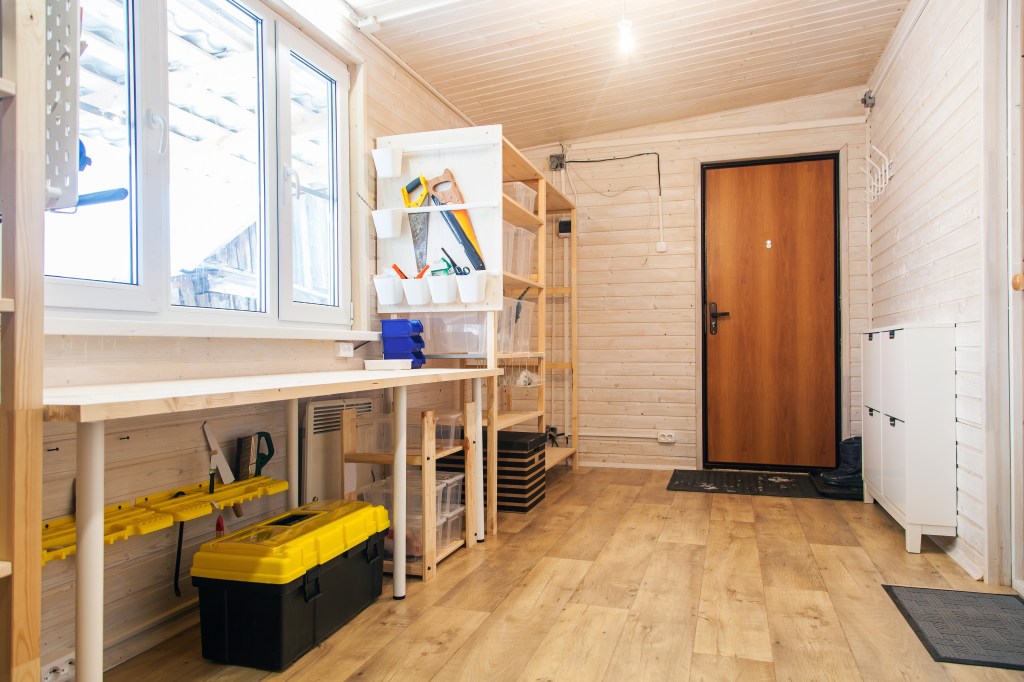
If floor space is limited, look up! Wall-mounted pegboards and modular storage can hold everything from weights and tools to craft supplies without taking up space. Curtains and intentional lighting can also establish a visual boundary between your hobby zone and the rest of the room without adding walls.
Out West, Hobby Rooms Look Different
What people are doing with those spaces also varies significantly depending on where they live. In Los Angeles and Orange County, Rosenthal says TaskRabbit is seeing a mix of fitness and artistic spaces. Some are building professional-style garage gyms with advanced equipment, while others are creating home studios with acoustic panels, custom bars, and other highly personalized design elements.
Courtesy of Adobe Stock
Space constraints are shaping the trend in the Bay Area, where homeowners are leaning toward multifunctional rooms. Game rooms might combine ping-pong, foosball, or mini pool tables with storage space that allows the room to serve multiple purposes.
Meanwhile, Seattle and Portland are leaning into wellness, with indoor greenhouses, personal wellness spaces, and dedicated vinyl-listening rooms among the trends TaskRabbit is seeing. And where there’s more room to spread out, people are using it. In Phoenix and Las Vegas, TaskRabbit has seen full-scale game rooms with pinball machines and pool tables, as well as dedicated fine-art studios.
“Across the entire Western region, the common denominator is intentionality,” Rosenthal says. “People are no longer letting spare rooms sit idle. Each corner of the home can be a high-utility extension of their daily lives.”
Design for Yourself, Not the Next Owner
Rosenthal doesn’t expect this personalization to disappear anytime soon. Hybrid and remote work have increased how much time people spend at home, giving those spaces greater emotional importance.
At the same time, she sees homeowners beginning to let go of what she calls “resale anxiety,” the impulse to make design decisions based on what a future buyer might prefer.
“For decades, homeowners were told: ‘Don’t paint that wall a bold color, don’t convert that closet, keep it neutral for the next buyer ten years from now,’” Rosenthal says. “Today’s homeowner is saying: ‘I live here today. I want to enjoy this home right now.’”
Courtesy of Adobe Stock
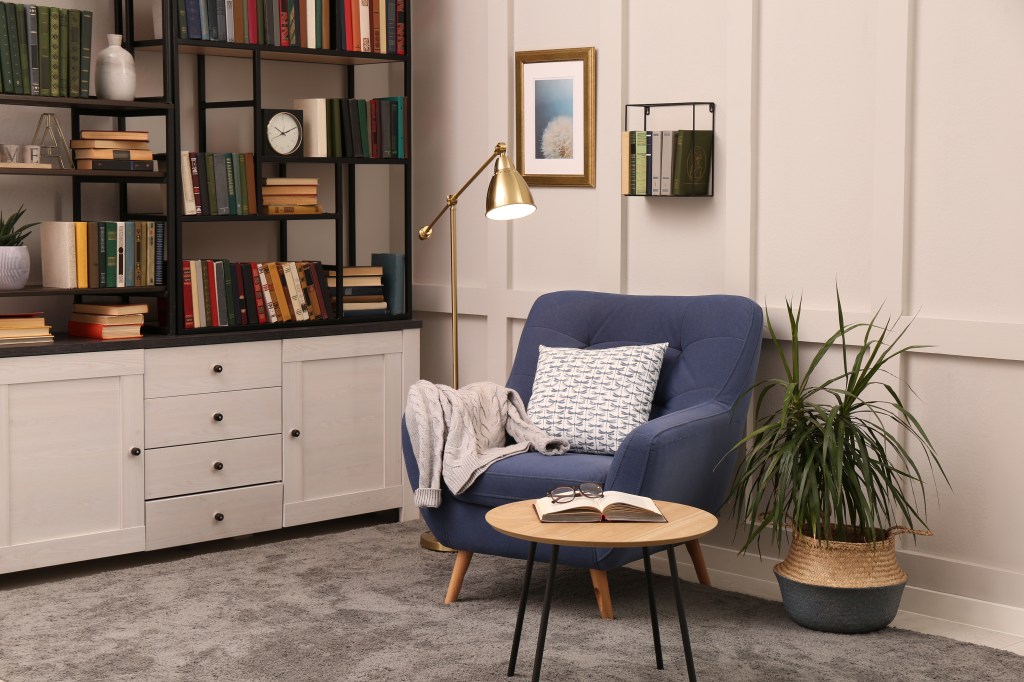
So perhaps your spare room doesn’t need to sit empty waiting for your next visit. Maybe it’s finally time for that home gym, listening room, or reading room makeover you keep saying you’ll get around to some day.
The Independent Home is only one of three major shifts TaskRabbit identified for 2026. Their report also digs into “The Solo Homeowner,” including a 74% jump in handyman bookings, and “The Post-Breakup Reset,” where searches and bookings associated with a “fresh start” increased 39%.
You can dig into those trends—and all the data behind them—in TaskRabbit’s full 2026 Trend Report.