How to Make the Most of Fall Harvest Season, According to Farmers
Juicy pomegranates, tart cranberries, and other seasonal produce deserve a place at the fall table. Western farmers and food experts share their favorite tips and tricks.
Thomas J. Story
Pumpkin spice has a way of taking over fall before the season truly starts. Starbucks has already released merchandise for its signature Pumpkin Spice Latte, and Krispy Kreme has brought back its Pumpkin Spice Cake Doughnut. From coffee cups to on-the-go snacks, pumpkin seems to follow us everywhere. However, fall cooking is so much more than just cloves and cinnamon.
Throughout the West, fall harvest brings tart cranberries, sweet-tangy pomegranates, and tender winter squashes, with sharp radicchio taking over as the weather cools. Ingredients like these bring new colors, textures, and flavors to your kitchen—but where does one start? Which varieties should you buy, and what’s the correct preparation?
Questions like these drive Lane Selman, director of the Culinary Breeding Network. Her work brings together farmers, breeders, and chefs to explore what makes a crop worth growing, cooking, and eating.
“There’s a genetic aspect to it, and then there also is an environmental aspect,” she explains. “So, in the breeding world, we call it G times E. So genetics and environment.”
Some tips from growers and food experts can help you maximize these ingredients, starting with a familiar fruit: cranberries.
Cranberries: Beyond the Thanksgiving Table
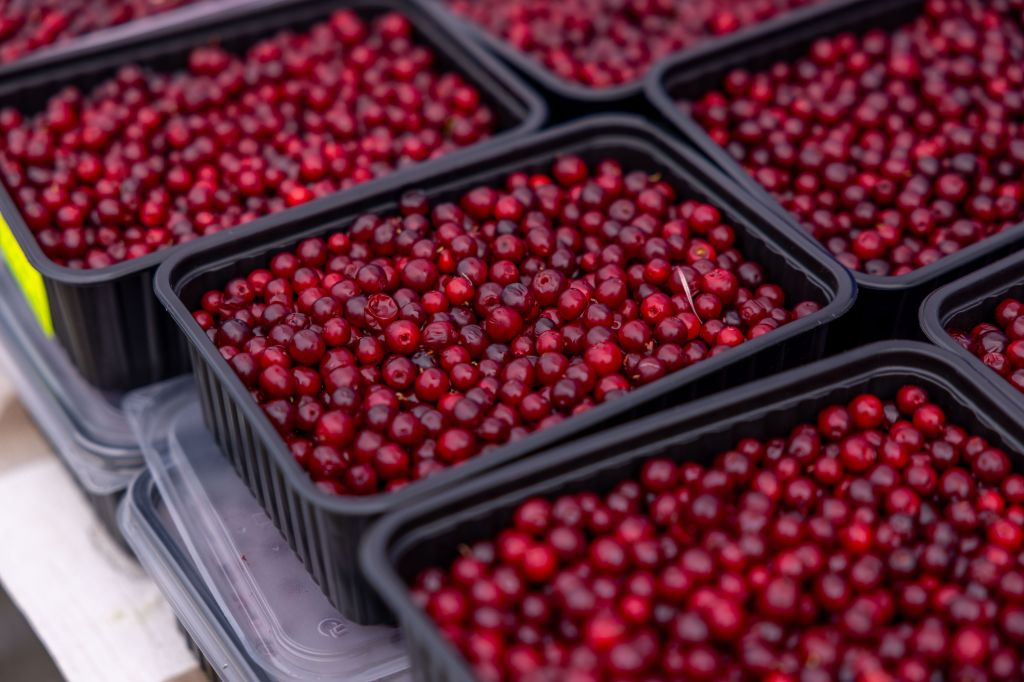
At Seaview Cranberries near Cape Blanco in southern Oregon, Scott and Carol McKenzie have been growing cranberries since 1996. Scott’s family has run the same land since 1874, raising sheep and cattle, operating a dairy farm, and growing artichokes and huckleberries over generations.
The area’s temperate coastal climate, its proximity to water, and the sandy-clay soil create a suitable environment for cranberries.
“The climate that we have allows us to harvest later in the season,” Scott says.
A common misconception is that cranberries grow in flooded bogs—they actually grow on vines. Flooding allows farmers to gather the fruit during harvest since “cranberries are hollow and they float, so they’re easier to gather up and get off the bogs,” Scott explains. Sometimes, they’ll flood them for a month in winter to control weeds or pests.
A favorite in the McKenzies’ kitchen is cranberry bread. “It’s a softer bread, great for breakfast, for coffee, snacks, or dessert, or whatever you want to do with it,” Carol says.
Sergei Starostin/Pexels
When harvest season arrives, Carol washes and thoroughly dries her cranberries before packaging them into the freezer. Sometimes, she’ll even slice them beforehand to ease prep for future recipes.
Kelsie Matteucci, Community Education Supervisor for the UC Master Food Preserver Program, recommends tray-freezing beforehand. Afterwards, make sure you put the berries in a freezer-safe, moisture-proof bag to maintain quality. Freezing them separately makes it easier to only take out the amount you need.
“Lay them flat on a tray to freeze first before you package them up,” Matteucci says. “I would say that’s the best method we recommend.”
Keep your freezer at 0°F or below, avoid adding too many items at once, and make sure there’s enough air circulating. For more information, consult UC’s cold storage publications and videos.
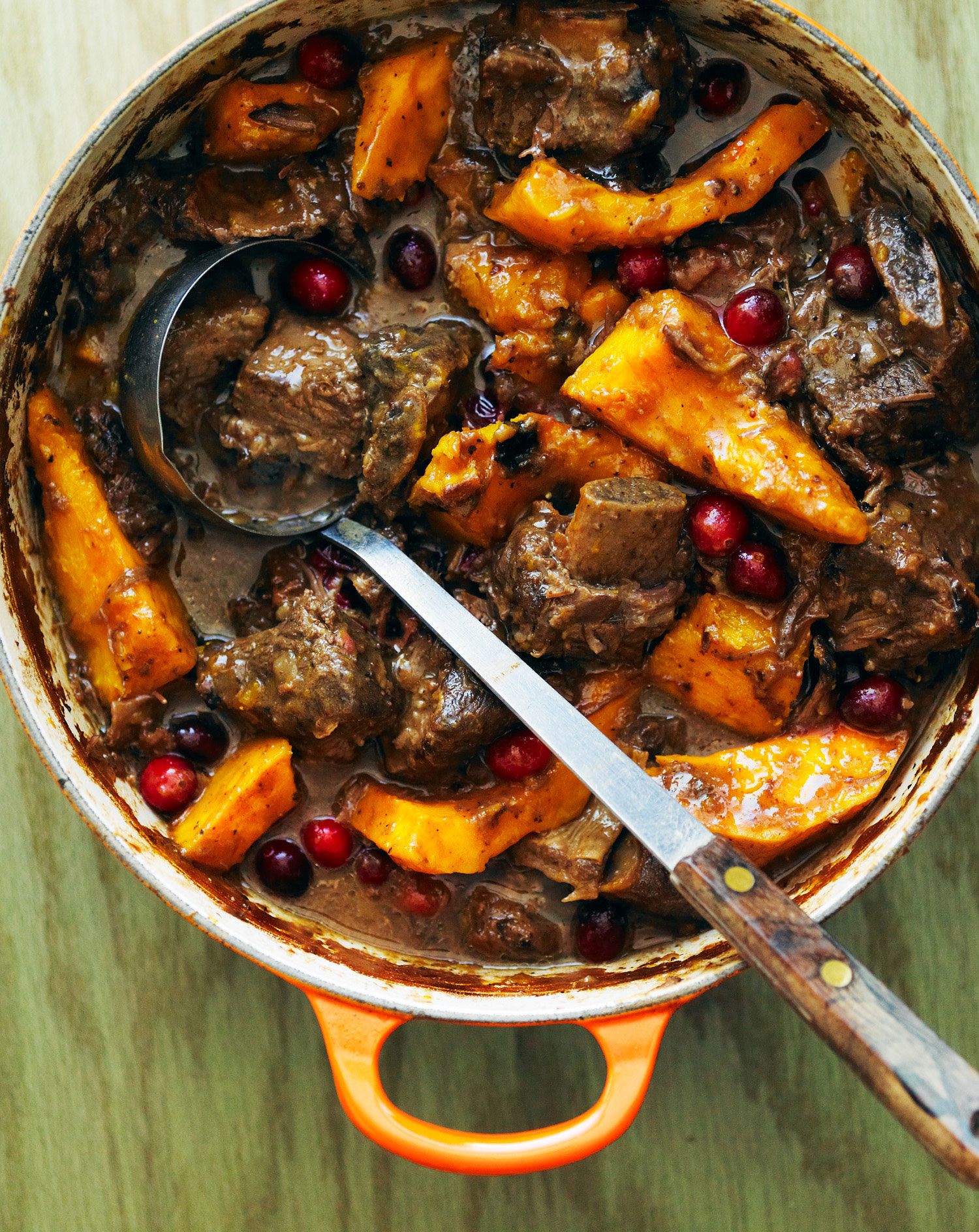
Whether they’re fresh or frozen, these recipes give cranberries a place outside of the holiday table.
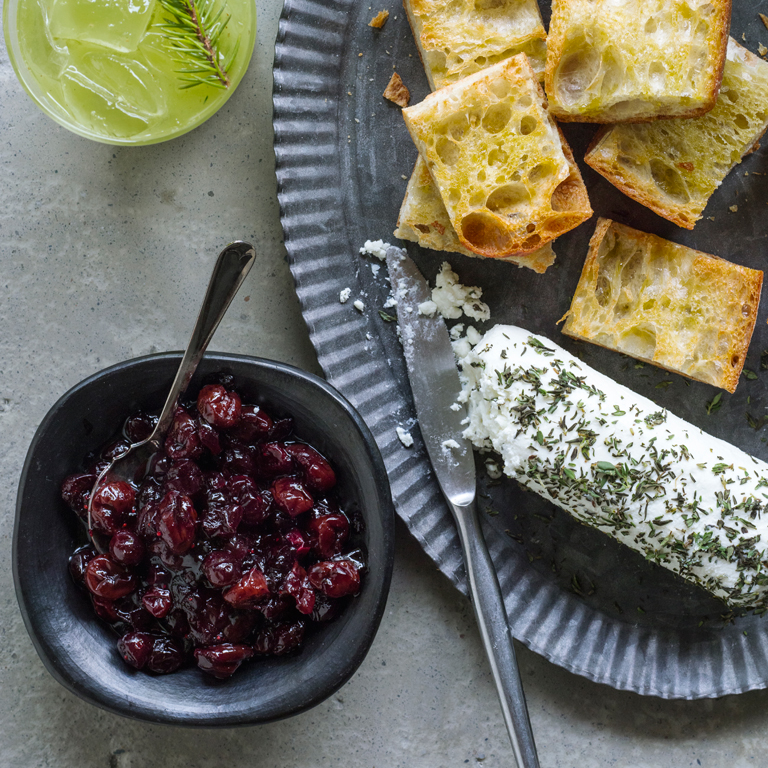
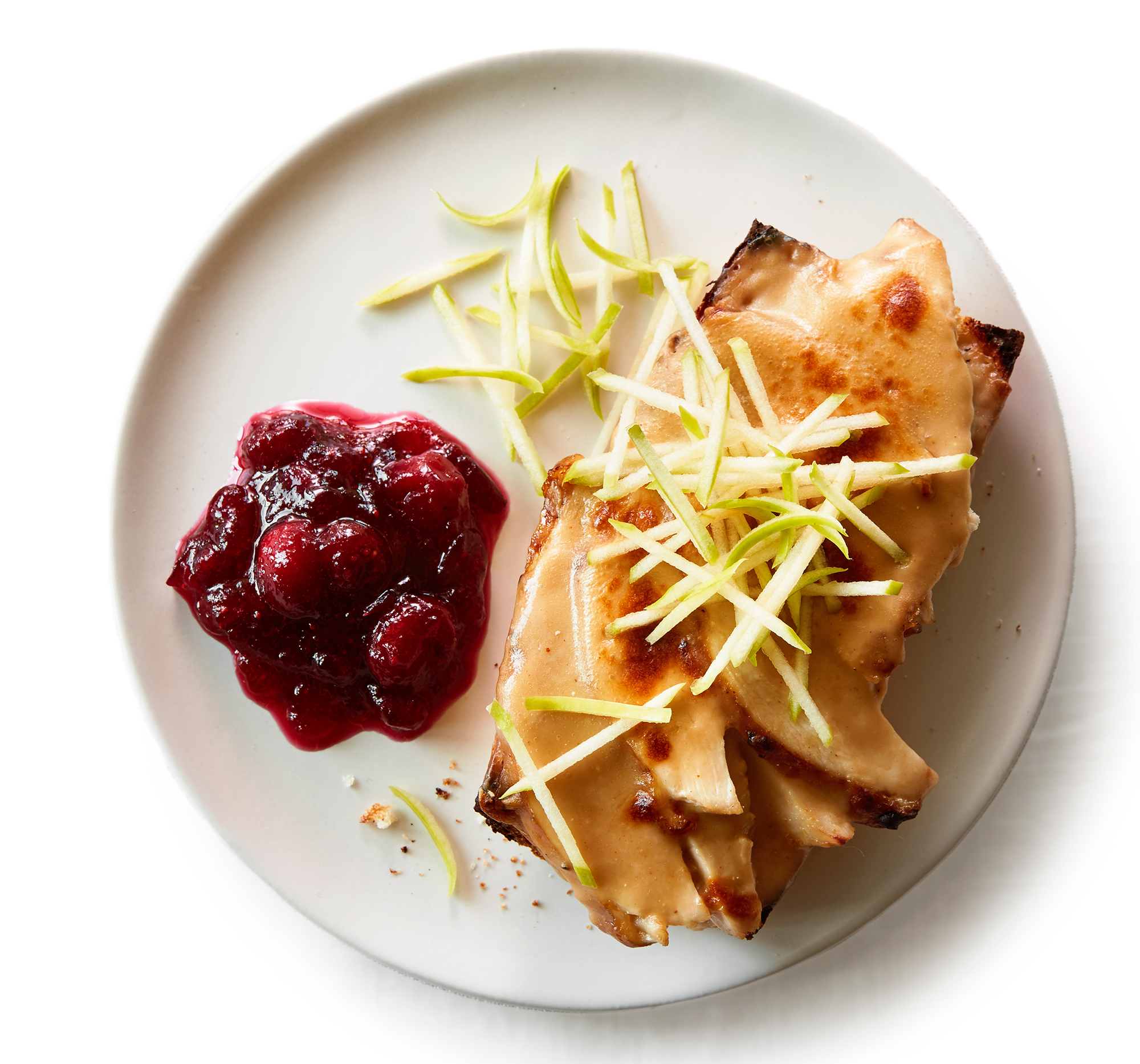
Five-Spice Cranberry Relish with Goat Cheese
The beauty of this appetizer is that guests assemble the toasts themselves—so it’s fuss-free for the host. Reader Rebecca Firth of Solvang, California, created the recipe, inspired by living in China for three years around the time of the Beijing Olympics. “We would try to do everything as close to our holiday traditions back home. On a whim, as I was preparing Christmas dinner, I threw in some five-spice powder to my usual cranberries, and I loved what it did to the flavor.”
Pomegranates: From Arils to Juice
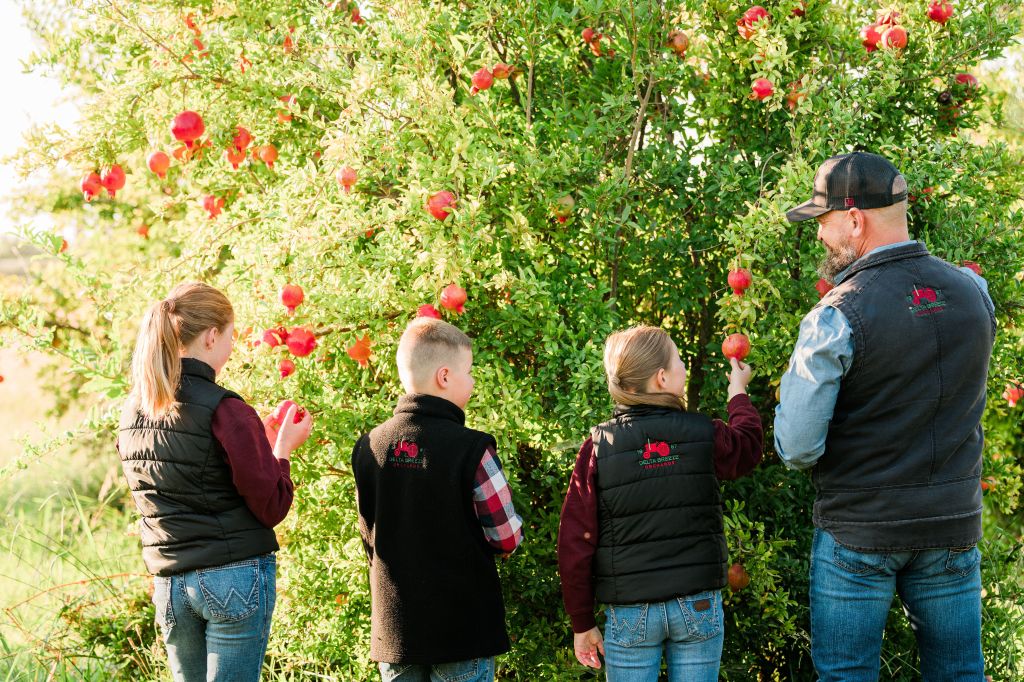
At Delta Breeze Orchards in Vacaville, California, 400 pomegranate trees keep Lauren and Eric Wagner busy. Lauren’s parents bought the land in 1987, and she helped her dad plant the trees. Today, she and Eric care for the orchard and bring the family every year to help harvest.
“We handpick them and put them into our bins and get them ready, and then we sell them here on property,” Eric explains.
Harvest starts around mid-October, going through November and sometimes into early December. The Wagners primarily grow the Wonderful variety.
“The taste is sweet, but not overly sweet, and tangy,” Eric says.
They’re also experimenting with the Granada and Utah varieties, having grown a few on-site, the former being a bit sweet for Lauren, who prefers the tangier Wonderfuls.
When choosing a pomegranate, Eric recommends focusing on firmness rather than color. At the orchard, uneven coloring or wind marks can still mean good arils–the juicy, outer covering of the seed.
Lauren Ann Photography
“It shouldn’t be soft, and so it should still hold up its structural value and be able to hold itself together,” he says.
To open a pomegranate, Eric starts by making a shallow cut around the crown, removing the cap. With the internal sections visible, he scores the rind along their edges and then gently pulls the pomegranate apart to reach its arils.
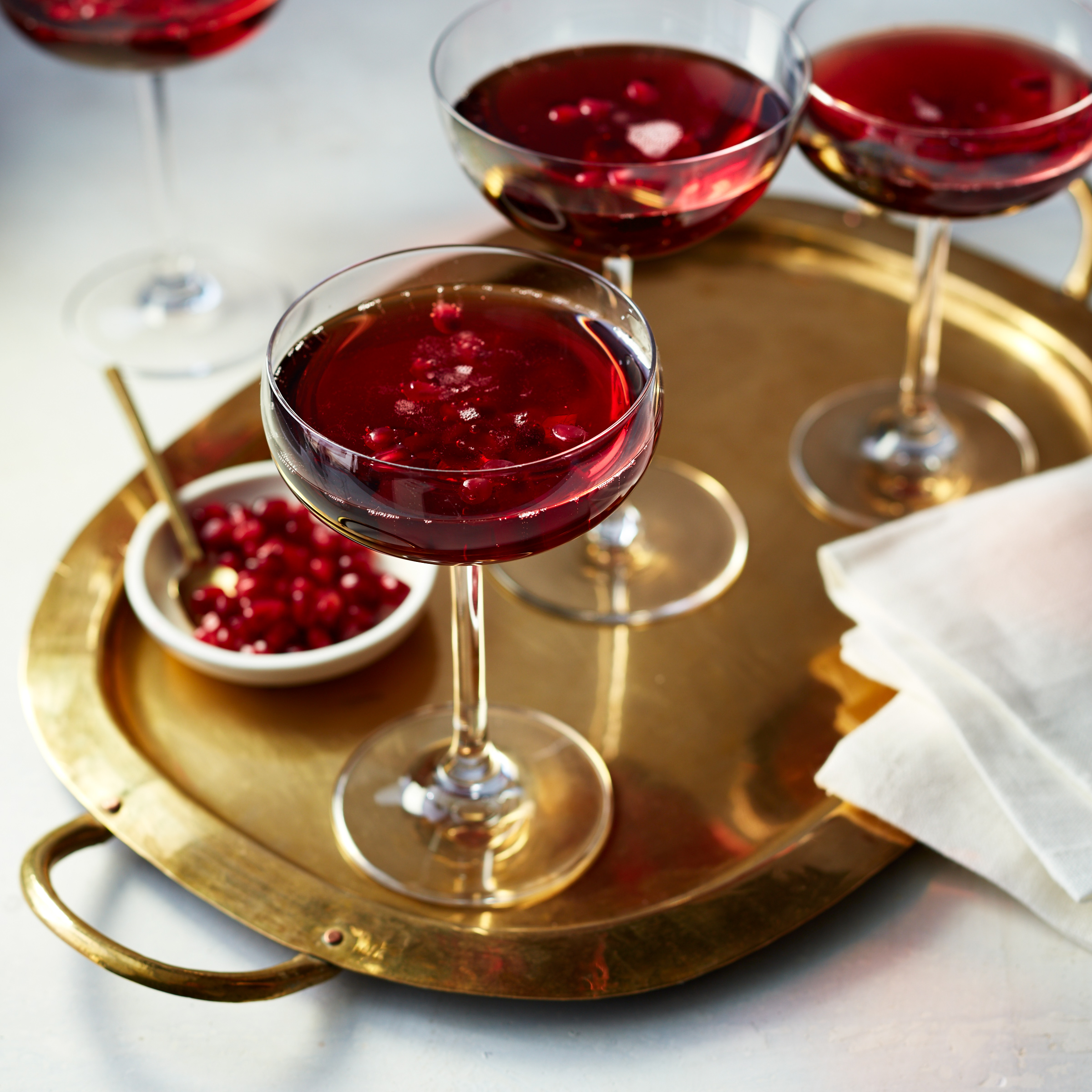
While those arils add great texture and flavor to salads, the Wagners also enjoy incorporating them into their chocolate bark and pressing them for juice.
“Ginger ale plus pomegranate juice is a good mixture as well,” Eric suggests.
As with cranberries, freezing is one way to later enjoy the harvest, though they may change given that the cell walls break once frozen.
“The texture might be a little squishier once you pull them,” Matteucci says.
Spread the arils on a tray to freeze, and then transfer to freezer-safe bags. If you’re more interested in making drinks, extract the juice first and then freeze it. UC’s guide to juicing and preserving pomegranates gives more detail on both options.
Consider any of these recipes that give pomegranate a more central role in savory cooking.
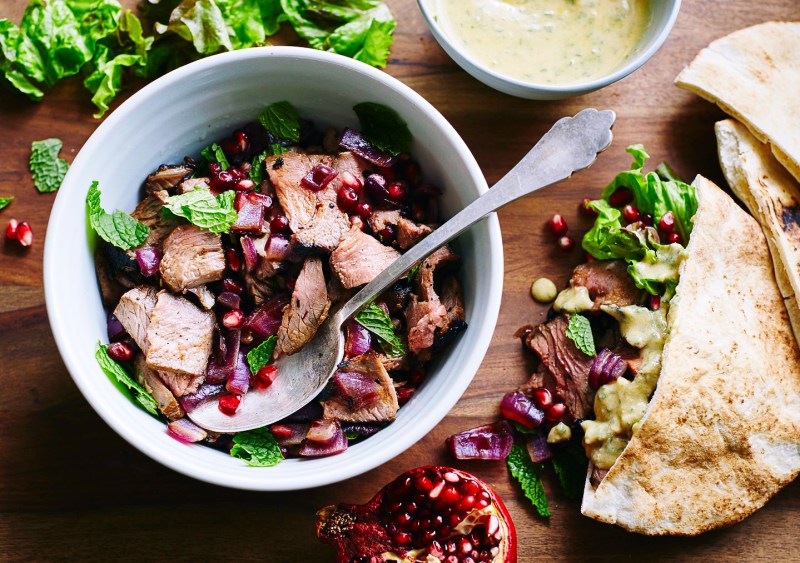
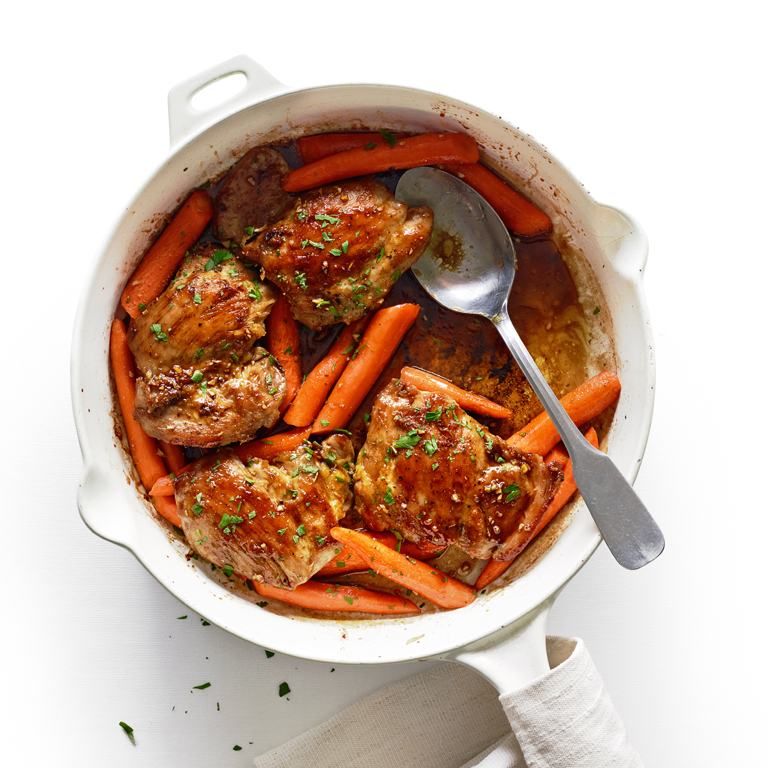
Lamb and Pomegranate Shawarma
For the easiest prep and biggest hit of flavor, slather the meat with tangy pomegranate-molasses marinade ahead of time; ditto for the tahini dressing. Then it’s quick to grill! Slice the lamb, mix it with mint, pomegranate seeds, and the dressing, and set it out with lettuce and warm pita breads.
Let Winter Squash Set the Pace
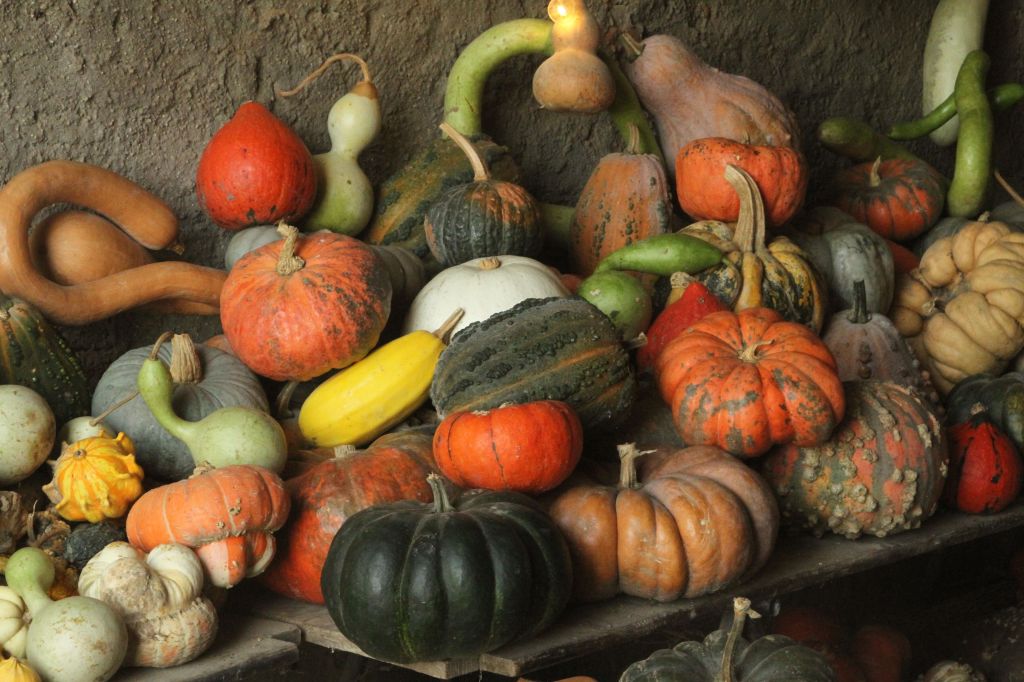
With winter squash, choosing a variety is just half of the equation. Knowing when to cook it matters, too.
“Winter squash is something you actually should be eating throughout the winter time,” Selman says. “Unfortunately, in the grocery store, they’re pushing it earlier and earlier.”
Selman explains that some longer-storing varieties benefit from time after harvest since their starches convert to sugars. Eating these varieties too early can leave some disappointed in their flavor because that conversion to sugar hasn’t happened yet.
Courtesy of Roberta Orli
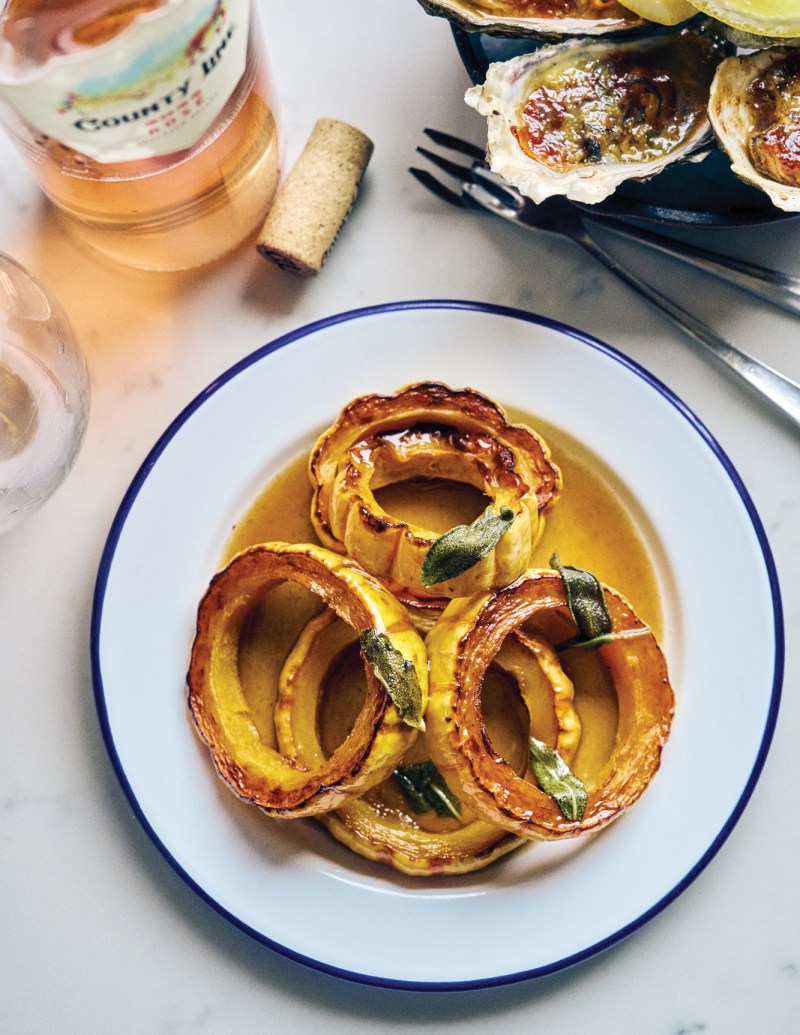
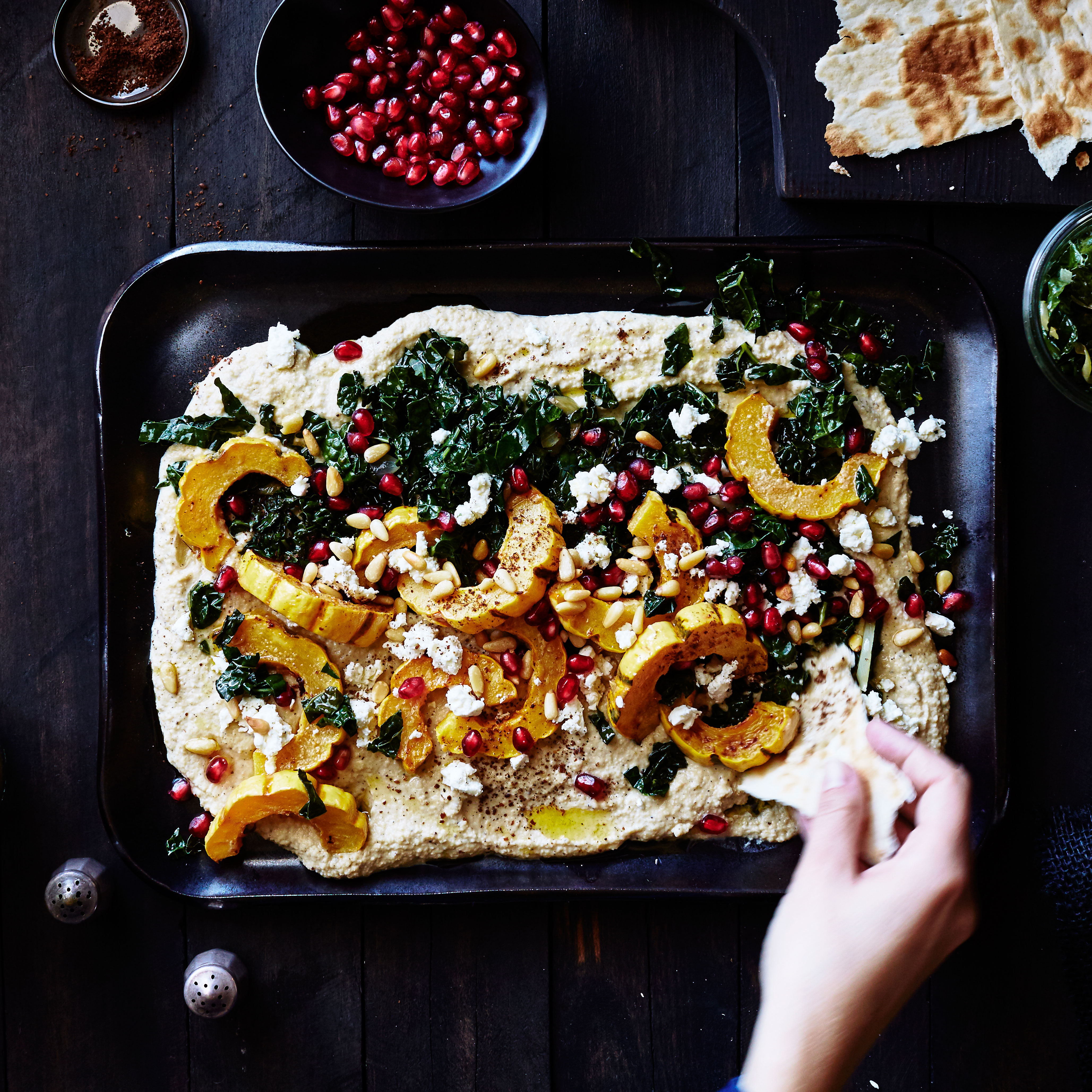
For those eager to enjoy squash early in the season, Selman recommends the delicata squash as a starting point.
“The delicata, they don’t have to cure really. They’re pretty much ripe right away, and you can start eating those,” she says. “Those are like the first squash for the season.”
Another reason for its popularity is its approachability, with cooks not even having to peel them.
Rather than treating all winter squash the same, ask your grower which varieties are ready and which are better saved for later. Selman highlighted the Black Futsu squash as best enjoyed raw, and the Winter Luxury as a great baking variety.
For delicata, these recipes offer options before making it into another side dish.
Leave Some Room for Radicchio
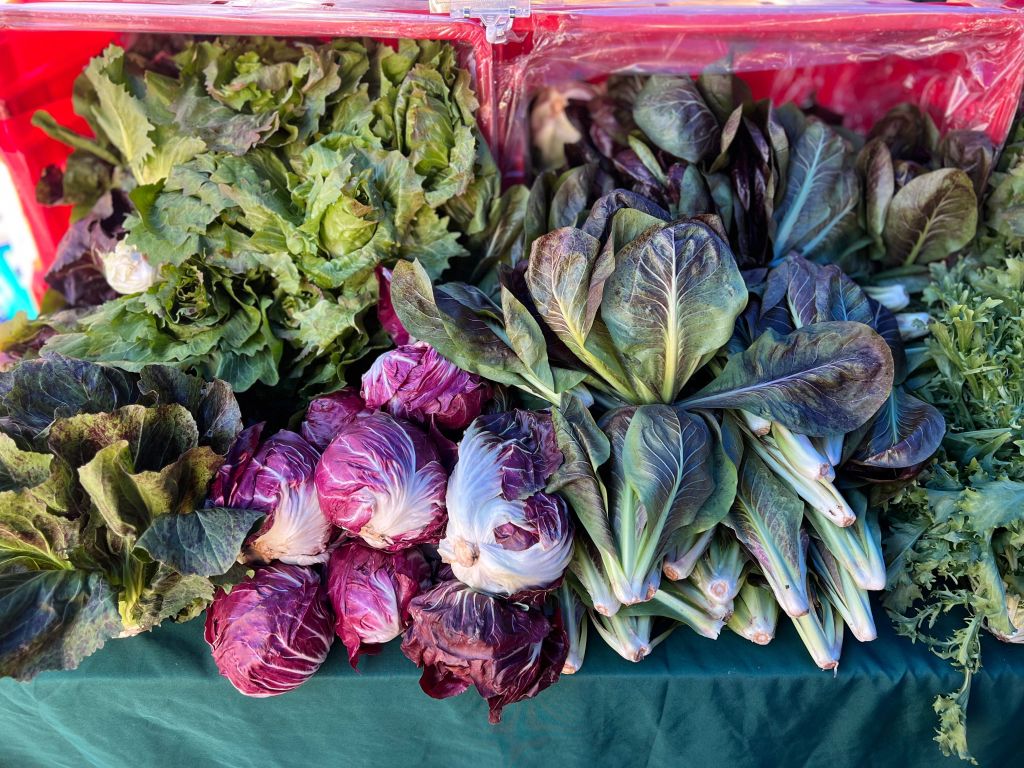
As fall slowly begins to transition into winter, Selman encourages cooks to experiment with radicchio—a leafy, cool-weather vegetable whose bitterness can add flavor to the seasonal table.
“This is the lecture of the winter time,” she says. “We should not be eating, if you ask me, iceberg and romaine and all the lettuces that do not grow in the winter time. We should be converting and eating our greens as radicchio.”
As with squash, timing and variety matter. Selman finds that radicchio’s flavor and texture become more appealing as it gets colder. For beginners, she recommends the Castelfranco or Lusia varieties.
“Those two are more mild in flavor, and so a little more approachable for people that don’t like bitterness,” she explains.
Natalia S/Pexels
While choosing a milder variety is a starting point, how you prepare the leaves can make a huge difference. Selman recommends cutting them, soaking them in ice water, and spinning the leaves dry to mellow their bitterness. Finding unique pairings can also help balance its sharper flavor.
“When you go out to a restaurant, and you eat a radicchio salad, a lot of times it’s paired with something creamy,” she says. “The creaminess complements and kind of mellows out the bitterness a bit.”
Selman’s newest book with Margaret Waterbury, Radicchio: A Celebration of the Beloved Italian Vegetable, highlights the vegetable’s culture and offers recipes that go beyond the salad bowl. These recipes also give you different preparations for it.
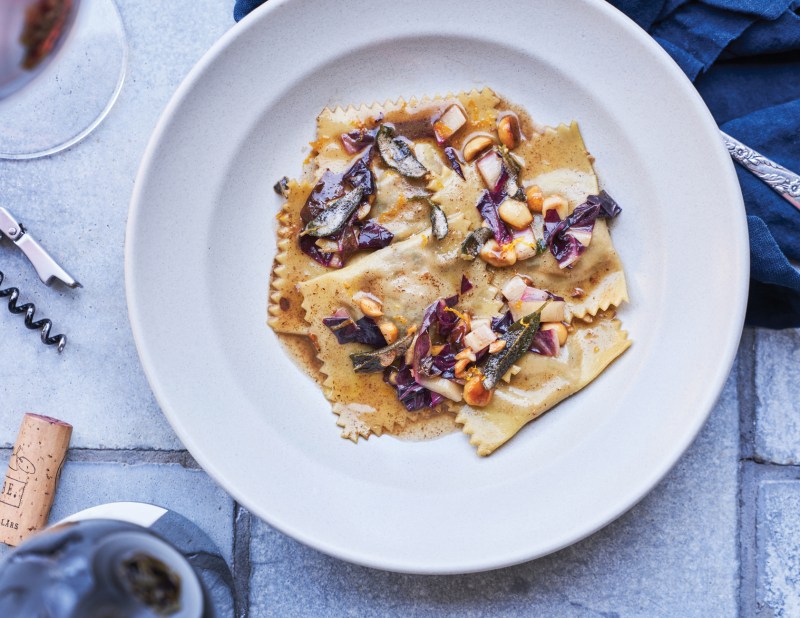
Tortelli di Radicchio with Brown Butter and Hazelnuts
Scribe’s Kelly Mariani says this pasta “feels like a hug on a cool day. The creamy radicchio filling is delicious with the nuttiness of brown butter and hazelnuts.” She suggests using a scale for the best results with the pasta.
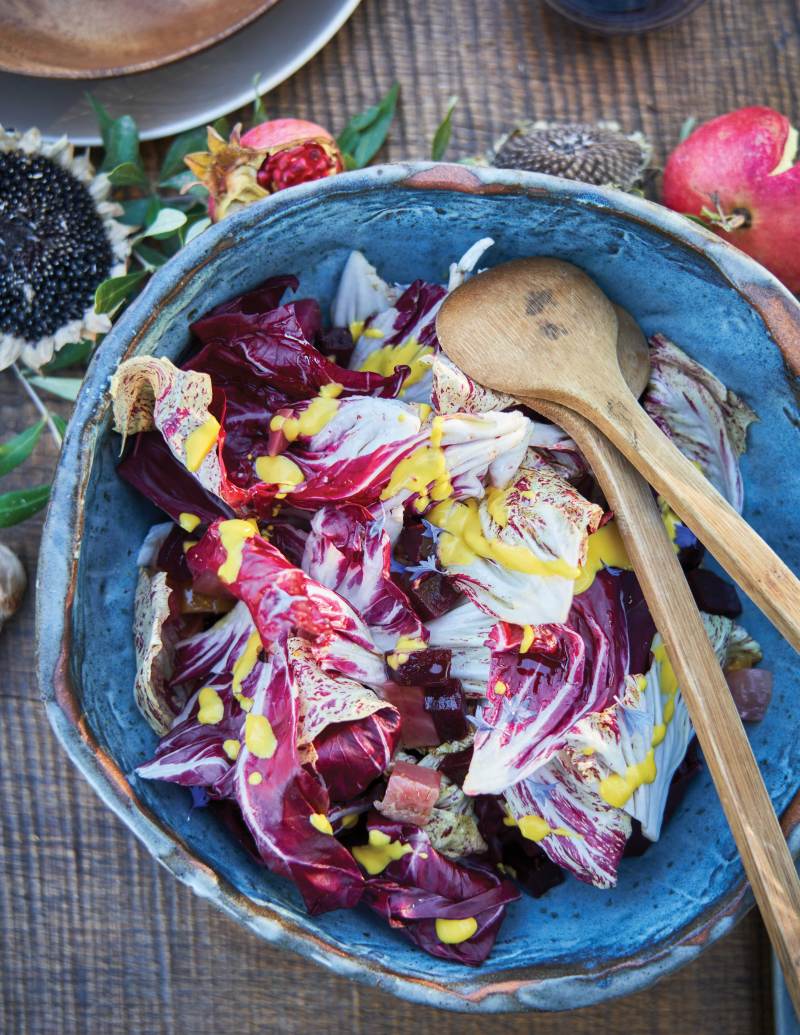
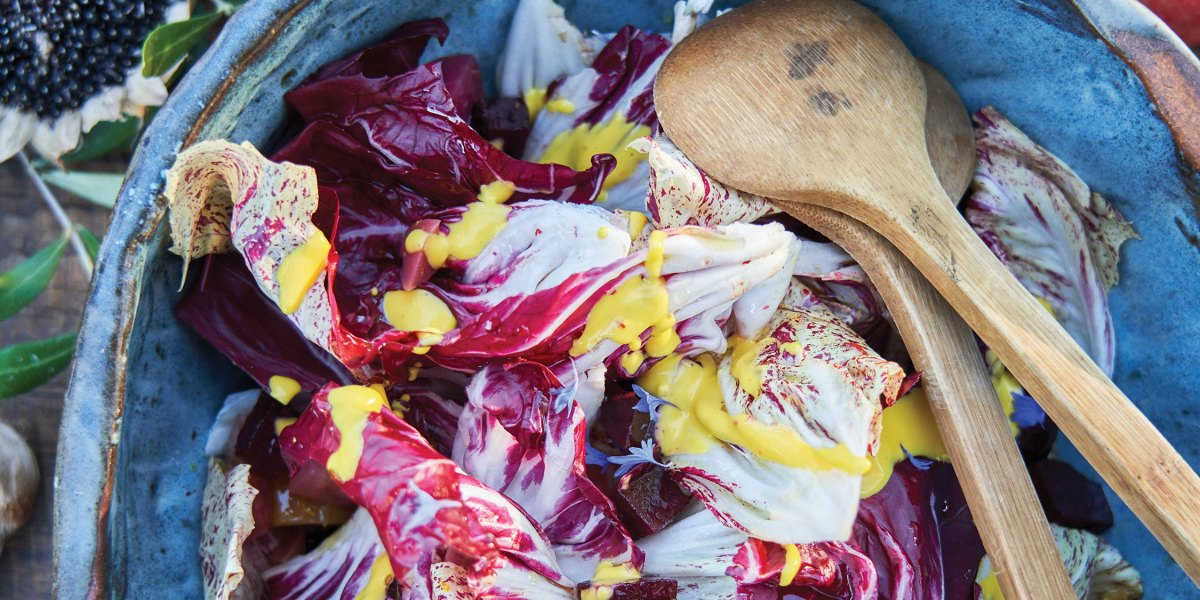
Chicory and Beet Salad with Champagne Vinaigrette and Saffron Aioli Drizzle
Bittersweet chicory and luscious beets are napped with saffron aioli.
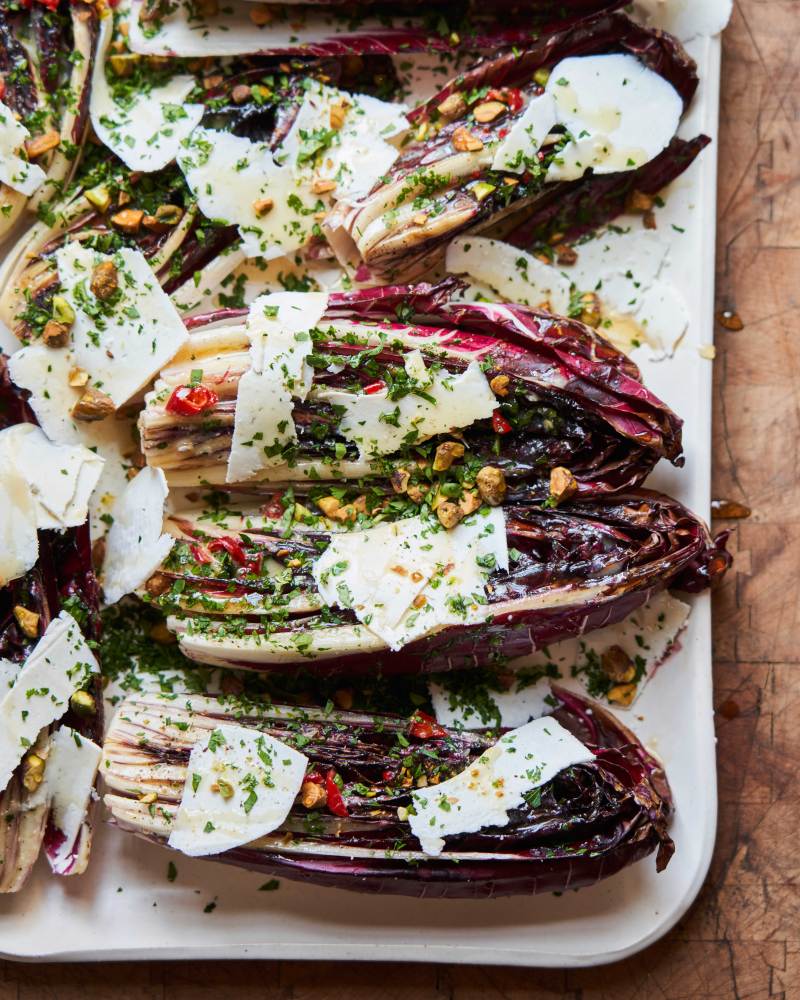
Grilled Treviso Radicchio Salad with Ricotta Salata, Pistachios, and Hot Honey
The bitterness of the charred radicchio is balanced with a generous drizzle of spicy-sweet honey and wisps of salty cheese. If you can’t find Treviso, use any kind of radicchio, hearts of romaine, endive, or escarole. More is more with this salad so go to town with the toppings.
Whether it’s roasting delicata, garnishing a salad with pomegranate arils, or freezing cranberries for another day, these simple tips from those who know the crops best can help you enjoy more of the West’s fall harvest.