How Kitchen Designer Caren Rideau Is Rebuilding After the Devastating 2025 Wildfires
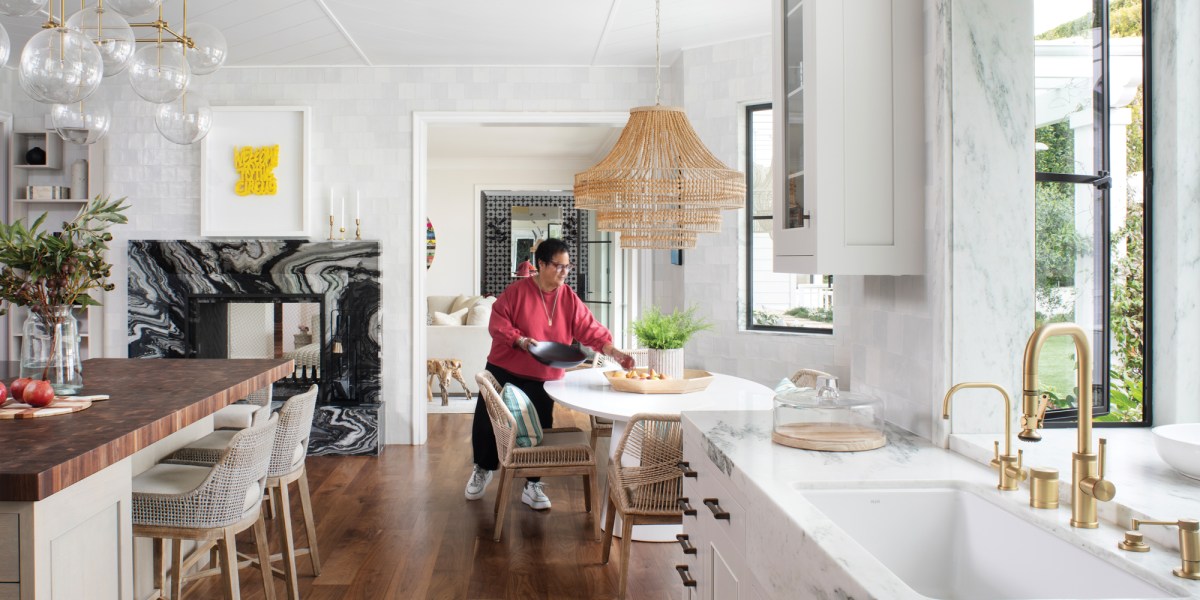
After losing her longtime Pacific Palisades showroom in the 2025 fires, designer, vintner, and author Caren Rideau opens a new chapter—with a vineyard dinner in Santa Ynez, a new Santa Monica showroom, and a lifelong belief that the kitchen is the heartbeat of the home.
Photograph by Thomas J. Story; prop styling by Merisa Libbey.
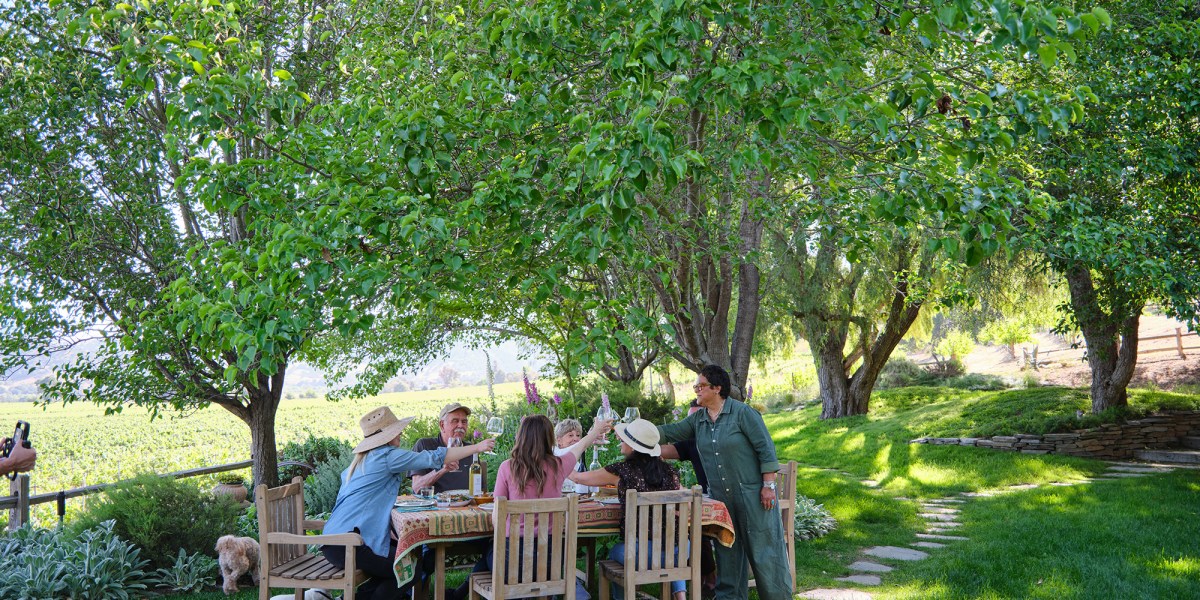
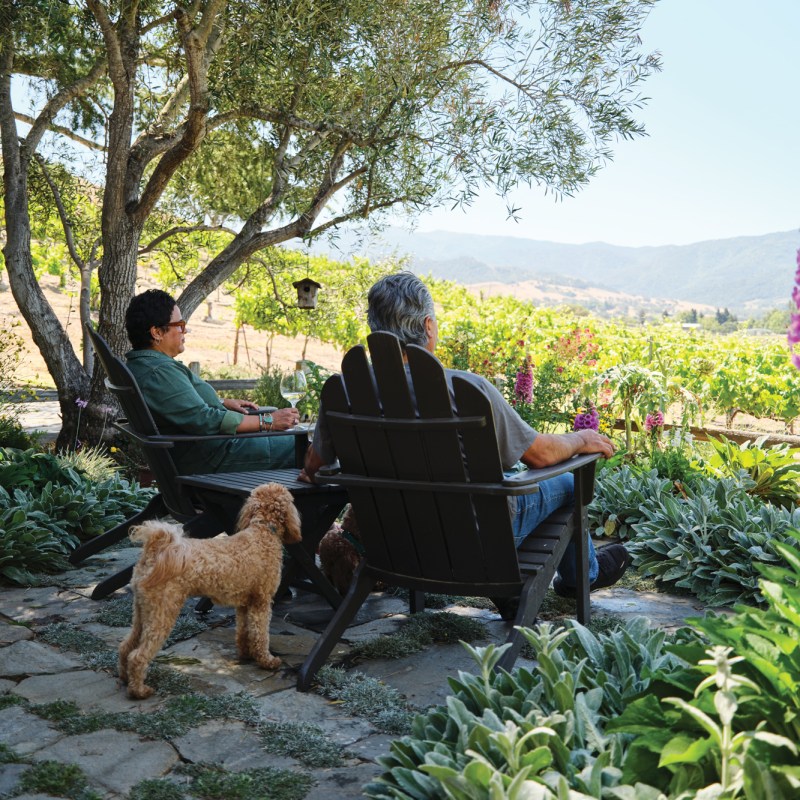
The road to dinner begins the way the best Central Coast evenings often do, with a turn off the main road, a slow dusty climb through vineyards, and the feeling that you have entered a private pocket of California. Beyond the farmhouse, vineyard rows pull the eye toward the oak tree-dotted Santa Ynez Mountains and a view that resets the nervous system before the first glass has been poured.
Photograph by Thomas J. Story; prop styling by Merisa Libbey
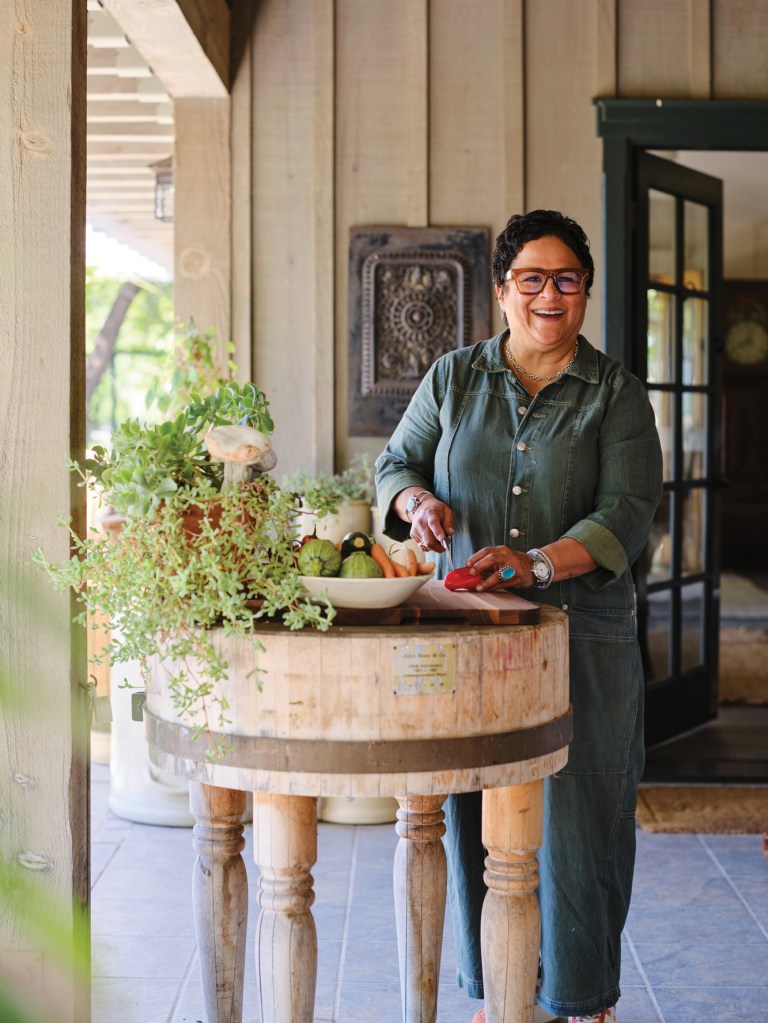
This is La Presa Vineyard, one of the first working vineyards in Santa Barbara County, and the home of its owners Eric and Carleen Caldwell. We’re here at the invitation of Caren Rideau, kitchen designer by trade, vintner by calling, an author by temperament, and a ceramic obsessive by the evidence gathered on the table. For more than three decades, through her Los Angeles firm Kitchen Design Group, she has designed rooms ostensibly about cabinetry, appliances, lighting, counters, and workflow. But to her, a kitchen is never only a kitchen. It is where a family’s real life reveals itself. “Everybody comes to the kitchen,” Rideau says. “It’s where people gather to feel, to love, to talk, to celebrate, to grieve. You’re probably not going to tell your mother the big problem in the bedroom or the living room. It happens in the kitchen.”
That belief has always animated her work, but after the January 2025 Palisades fire, it took on new urgency. Rideau’s longtime Pacific Palisades showroom and offices—the place she had built over 30 years—were lost. The loss was personal, professional, and communal. Clients, neighbors, and friends were confronting the same question: How do you rebuild not just a structure, but the feeling of home?
Photograph by Thomas J. Story; prop styling by Merisa Libbey
A year and a half later, Rideau is answering in the only way that makes sense for her. Her new Kitchen Design Group showroom on Ocean Park Boulevard in Santa Monica is conceived not simply as a design office but as a living, working gathering space. There is a fully functional kitchen for demonstrations and dinners, including Caren’s Table, an intimate workshop series Rideau hosts, inviting chefs for hands-on classes, conversation, and meals around the table. The series has featured chefs Kat Turner, Maria Mazon, and Claudette Zepeda, with Nyesha Arrington joining the lineup most recently.
“After the fire, my philosophy didn’t change,” she says. “It got stronger. The kitchen has to reflect who you are and what you value. Every choice matters more when you understand how fragile everything can be.”
Photograph by Thomas J. Story; prop styling by Merisa Libbey
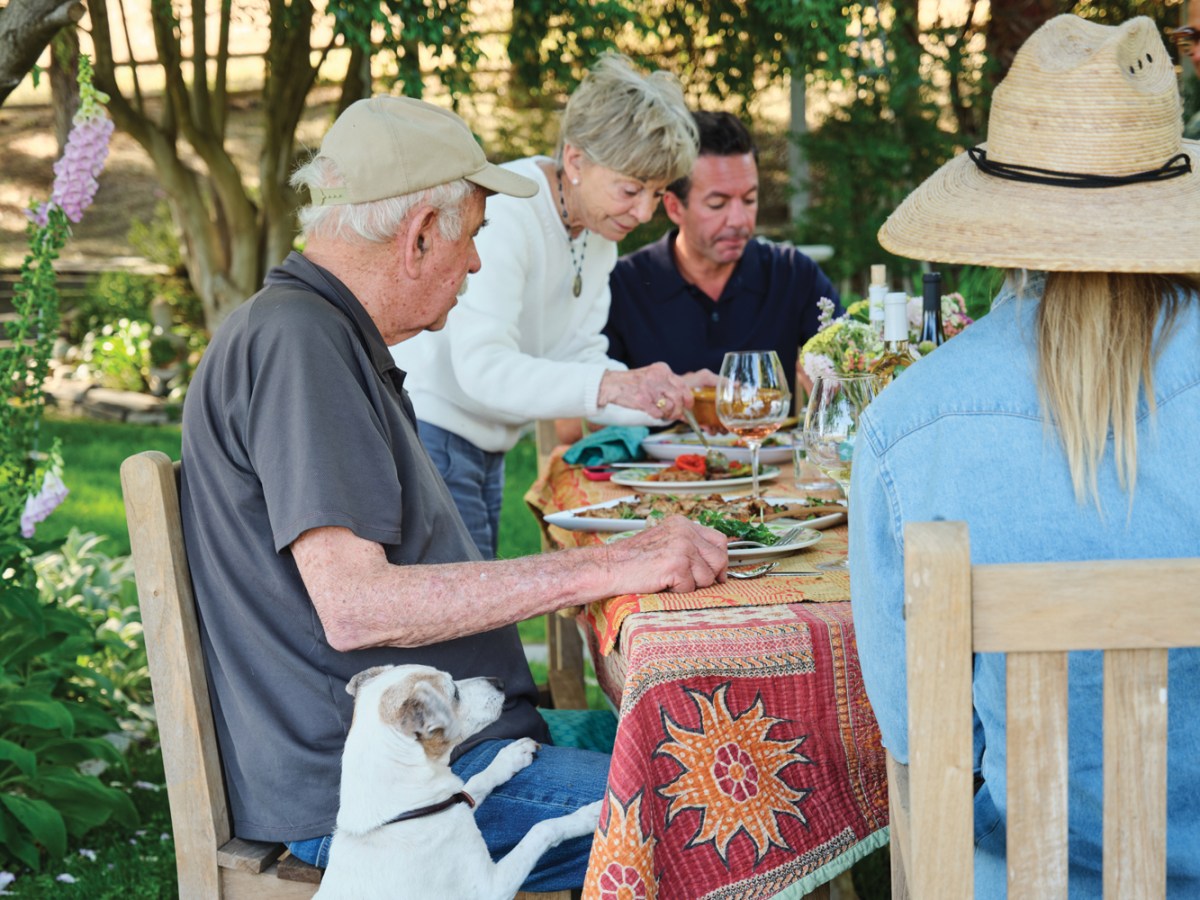
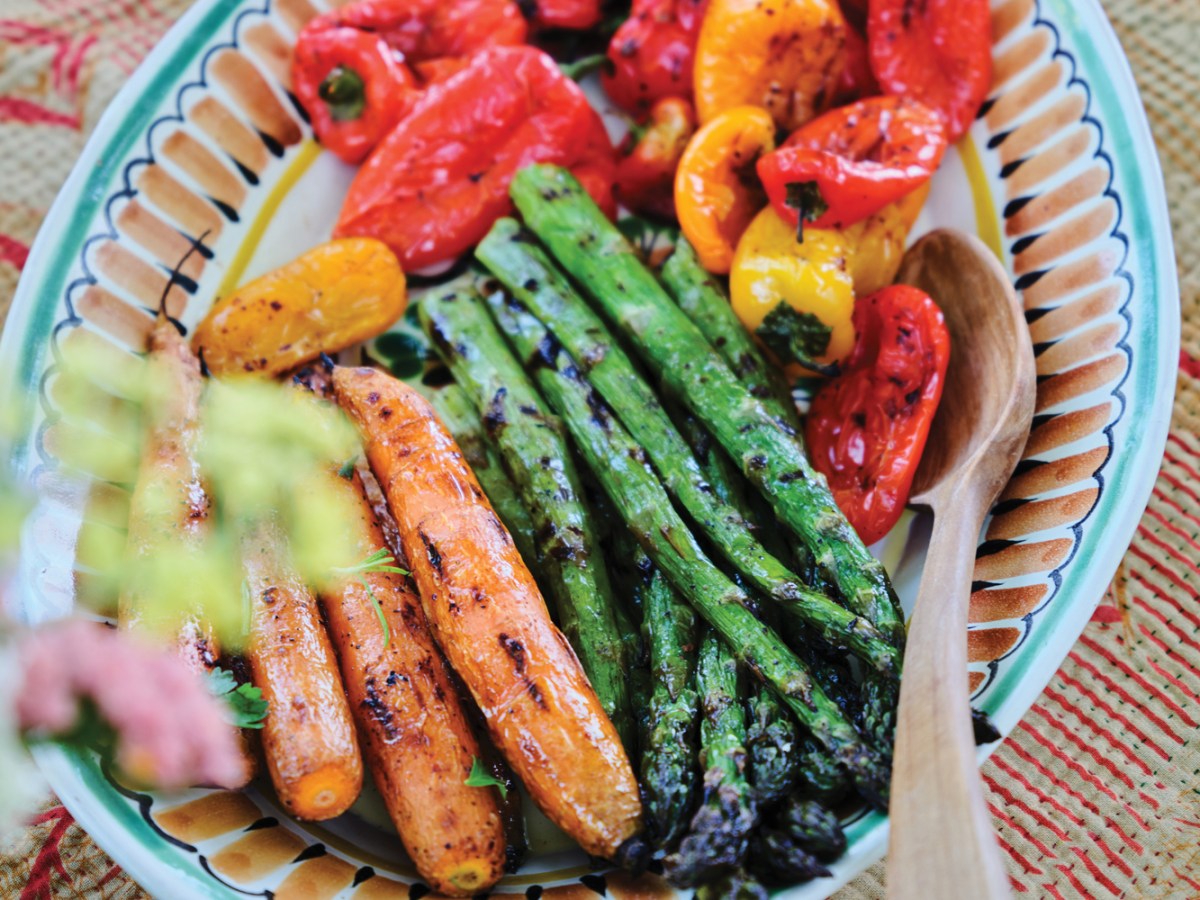
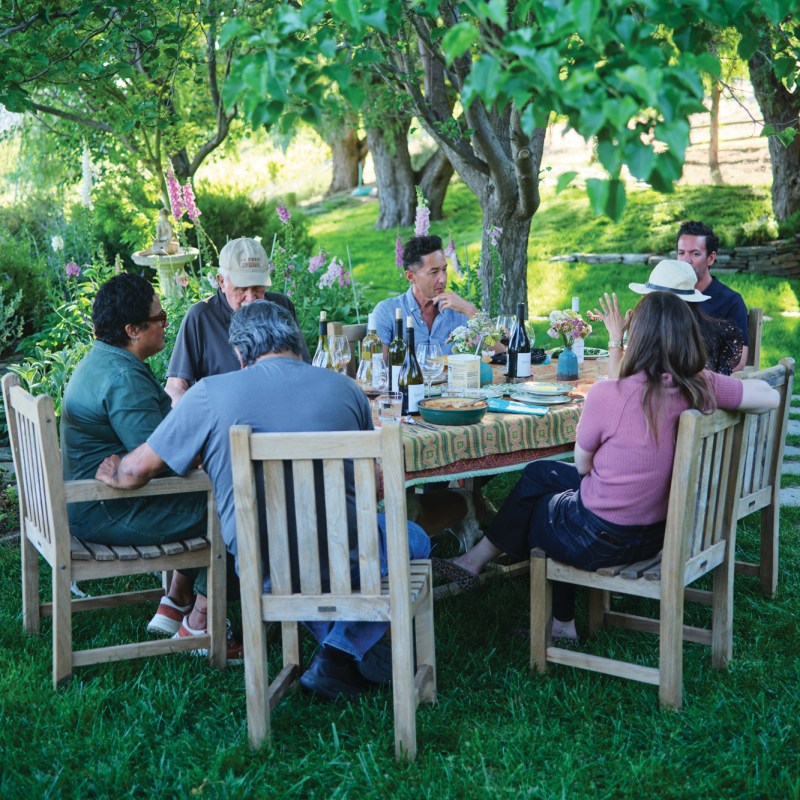
Which is how the new showroom story begins not in a showroom at all, but at La Presa Vineyard, the source of so much of Rideau’s second life. Here, at a farmhouse overlooking vines and valley, she gathers friends for a deceptively simple meal: market vegetables, steak marinated with lime, good bread, platters of color, and bottles that she had a hand in making.
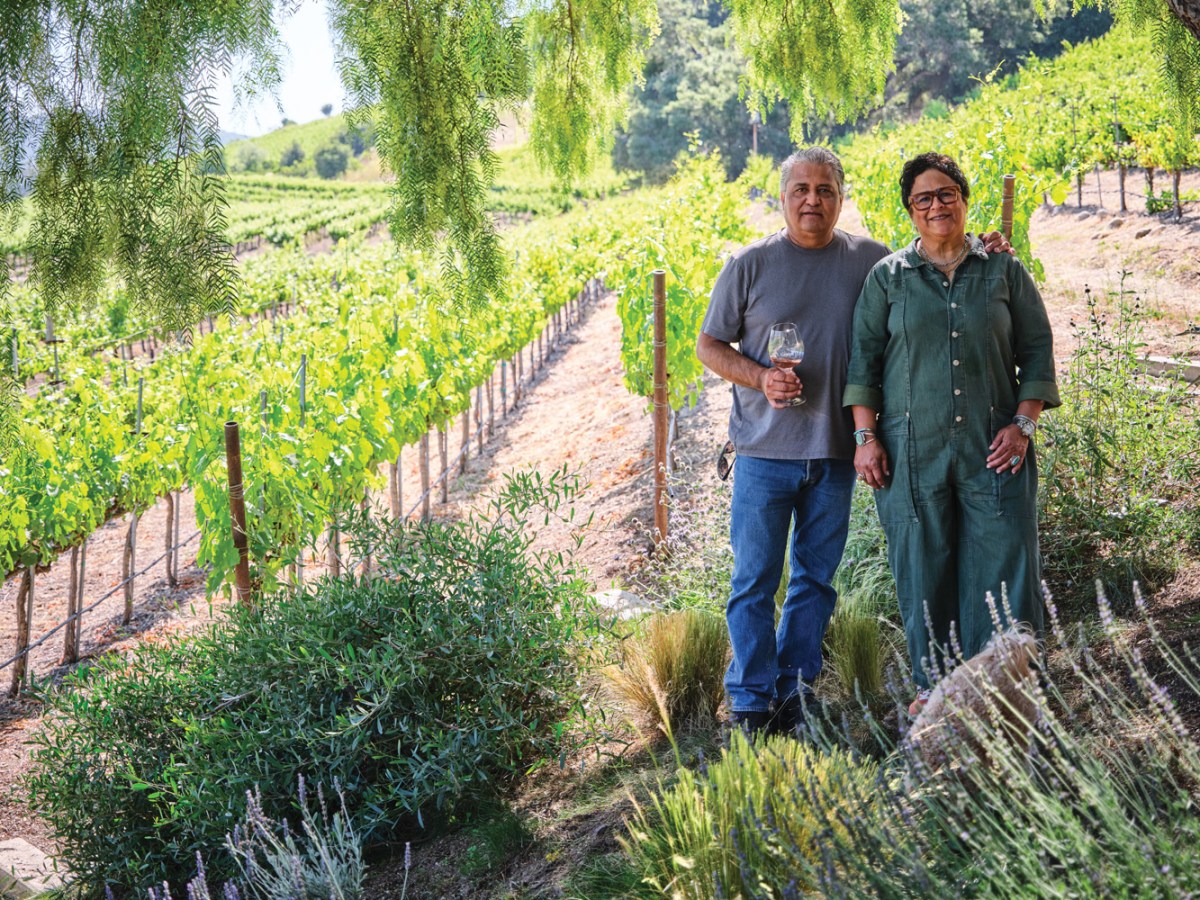
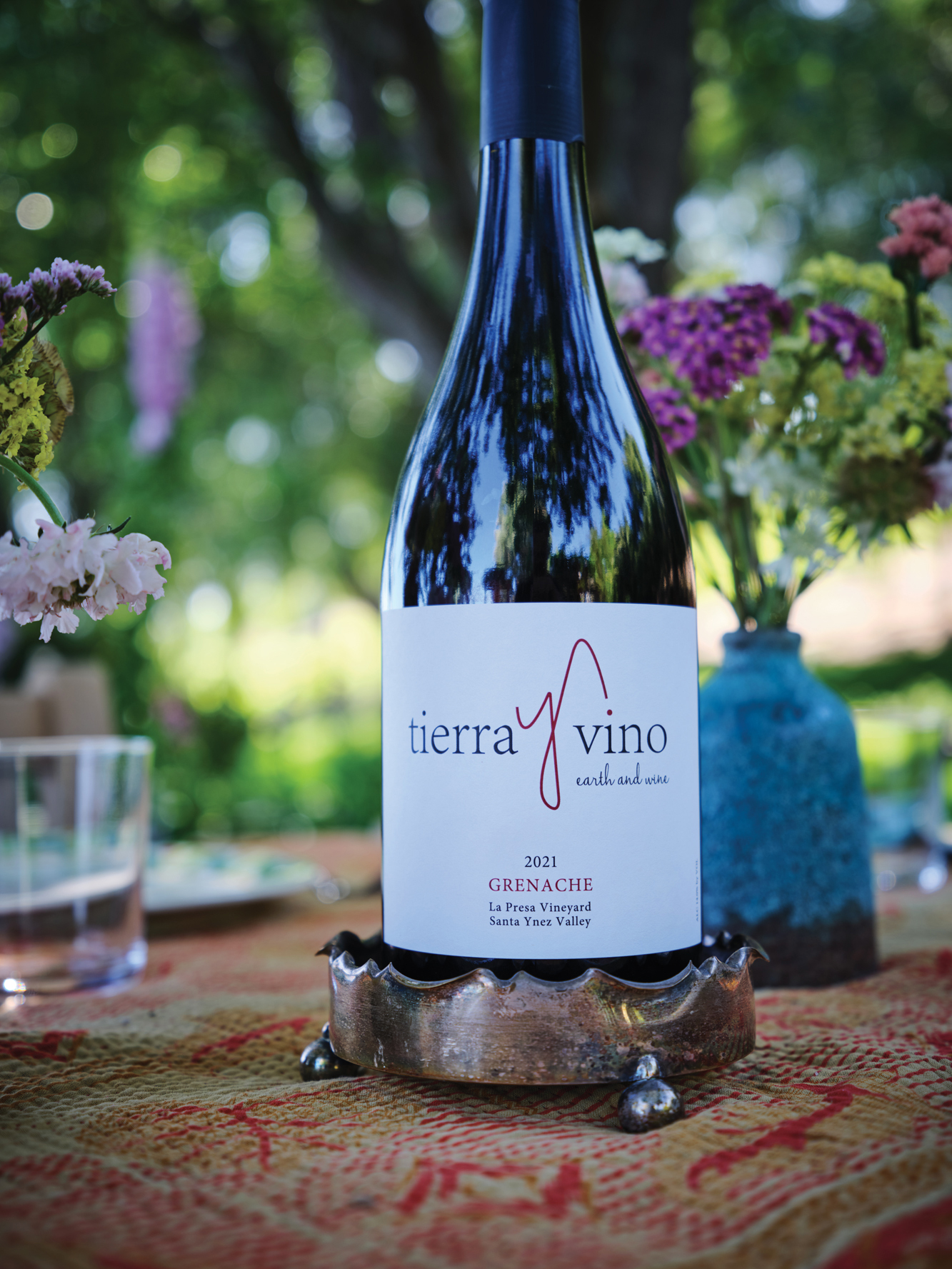
Rideau and her partner, winemaker Andrés Ibarra, founded their winery Tierra y Vino in 2012. Ibarra got his start in the wine industry as a teenager at this very spot, working for Eric Caldwell and learning the fundamentals of growing and making wine. Together, Rideau and Ibarra make delicious Albariño, Sauvignon Blanc, Chardonnay, Grenache Rosé, Grenache, Syrah, Tempranillo, Petite Sirah, and Rhône-style blends.
Photograph by Thomas J. Story; prop styling by Merisa Libbey
“Andrés understands land in a way that I understand rooms,” Rideau says. “He knows what a place can give you if you listen to it. That’s what I try to do with a kitchen. I listen first.” On the table are Rideau’s ceramics, made in collaboration with the celebrated Guanajuato studio of Gorky Gonzalez. Painted with cactus, sunflowers, and motifs that mix Mexican craft tradition with Rideau’s exuberant sense of color, the pieces are playful and rustic. “I never want a table to feel precious,” she says. “I want it to feel like you can sit down, pass the platter, spill a little wine, tell a story. The plates should bring joy, not anxiety.”
That ease is the point. Rideau’s book, Caren Rideau: Kitchen Designer, Vintner, Entertaining at Home, gathers the strands of her life—design, wine, travel, cooking, heritage, and family recipes. In Rideau’s world, a kitchen earns its beauty through use.
Photograph by Thomas J. Story; prop styling by Merisa Libbey
Raised in Phoenix, trained in interior architecture, and shaped by Mexican and Louisiana Creole roots, Rideau arrived in Los Angeles with a love of color, food, and cultural layering. Her design process is less about imposing a look than uncovering a rhythm. Do the clients cook nightly or gather around takeout? Do children do homework at the island? Is there a back kitchen for mess, a coffee station, a wine bar, a place for devices and bags? What looks effortless in the finished room is often the result of exact choreography.
“I’m a zone person,” Rideau says. “I don’t believe in giving everybody every appliance just because it exists. I want to know how the family moves. Where does the daughter do homework? Where do the laptops charge? Where does the platter land when guests arrive?”
Photograph by Thomas J. Story; prop styling by Merisa Libbey
Recent years have only intensified that thinking, forcing kitchens to perform as offices, classrooms, restaurants, charging stations, and refuges. In California, the conversation around gas, induction, and all-electric construction has added another layer, especially for clients rebuilding from the ground up. Rideau refuses dogma. “I love induction cooking,” she says. “It’s precise, it’s powerful, and you can get a great sear. But I also understand the romance and familiarity of flame. My job is to introduce people to both practices and help them make the right decision for the way they live.”
Outside, Ibarra pulls the steak from the grill. The plates fill. Someone pours more wine. In the distance, the vineyard holds the last light. For Rideau, the evening is a reminder of what abundance is made of: friends who show up, food cooked simply, wine from a place you know, and a table that makes room for everyone.
In Santa Monica, that idea is being rebuilt as a showroom that is as much for living as it is for working. In the homes Rideau is designing now—including for clients rebuilding after the fires—it is becoming cabinetry, stone, light, islands, and rooms capable of holding a family’s next chapter. “The kitchen is the one room where joy and sorrow can sit together,” Rideau says. “That’s why I do this. I want to ask: What does this room really mean to you?”
Photograph by Thomas J. Story; prop styling by Merisa Libbey
By the time dinner is over, the answer is everywhere: in the empty plates, the wine rings on the table, the hands reaching for one more pour, and the way no one seems eager to leave. The kitchen may be the heartbeat of the home, but on this night in the vineyard, it’s the people who gather who keep the time.
Caren Rideau’s Kitchen Design Philosophy
Photograph by Thomas J. Story; prop styling by Merisa Libbey
Start with How People Live
Rideau begins every project by listening. Before she talks about finishes, she wants to understand the household’s real daily choreography: who cooks, who gathers, who works at the island, who does homework there, where the bags land, where the wine gets poured. “I always start with function,” she says. “The beauty comes from understanding how people actually move through the room.”
Design in Zones
Rather than treating the kitchen as one monolithic space, Rideau breaks it into zones: cooking, prep, cleanup, coffee, baking, entertaining, homework, charging, storage, and, when space allows, a back kitchen for messier work. “I’m a zone person,” she says. “A great kitchen lets more than one life happen at the same time.”
Do Not Over-Appliance the Room
Rideau is not interested in specifying every possible gadget. She would rather tailor the tools to the family. “I don’t believe in giving everybody everything,” she says. “I believe in giving people what supports the way they cook, gather, and live.”
Make the Island Work Harder
To Rideau, an island is not just a slab of stone. It can be a prep surface, buffet, homework table, laptop perch, wine station, and emotional center of the room. “The island is where the informal life of the house happens,” she says. “That’s where the kid sits, where the friend leans, where the conversation starts.”
Plan for Beauty and Mess
A kitchen should look good, but it should also allow real cooking and entertaining to happen without panic. That may mean durable surfaces, smart cleanup paths, a scullery or back kitchen, or simply enough landing space for platters and glasses. “I never want a kitchen to be so perfect that people are afraid to use it,” she says. “The point is to live in it.”
Understand the New Energy Conversation
With California rebuilds and remodels increasingly shaped by electric codes and induction options, Rideau helps clients compare gas and induction without judgment. “Induction is a beautiful way to cook,” she says. “But the right answer depends on the client, the house, and the way they want to feel when they cook.”
Leave Room for Emotion
Above all, Rideau sees the kitchen as the room where the family’s emotional life becomes visible. “The kitchen is where people tell the truth,” she says. “It’s where they celebrate, where they worry, where they feed each other. That is the real design brief.”
We only recommend things we love. If you buy something through our site, we might earn a commission.