



Experts Say These Simple Home Changes Can Make Your Space Less Gloomy in the Winter
From brighter bulbs to better evening routines, sleep experts share simple ways to make your home feel cozier—and the darker months a little easier.
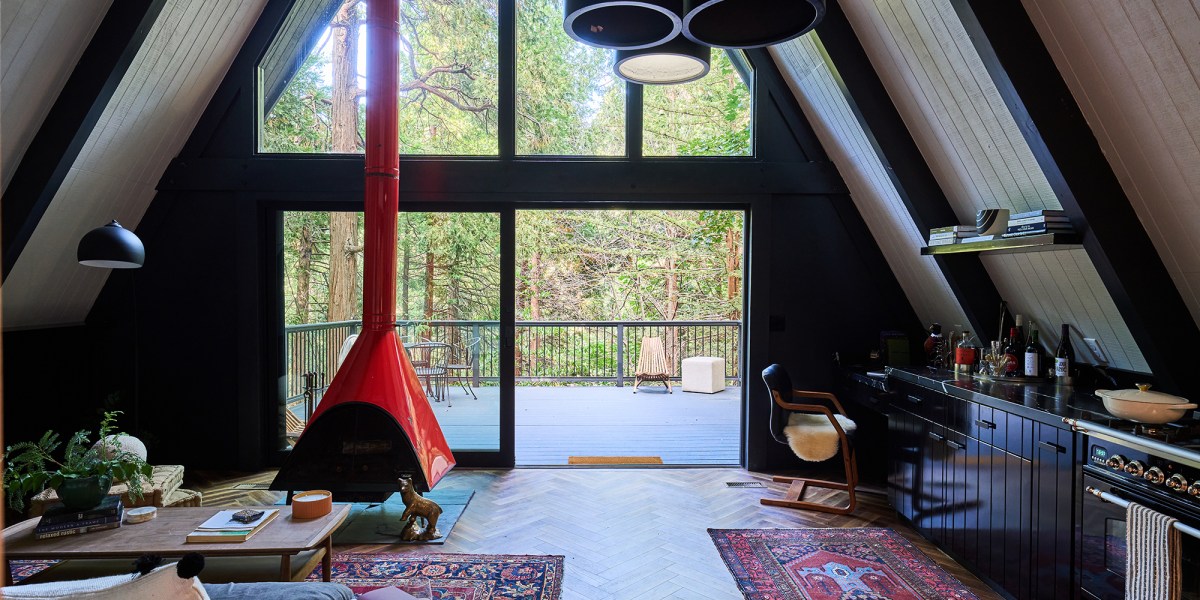
Thomas J. Story
There’s something about looking out the window at 5 p.m. and seeing total darkness that makes the rest of the evening feel a little less inviting. Suddenly, your couch looks more attractive than going for a walk, cooking dinner feels like a chore, and the hours between work and sleep seem to simply melt away.
For many of us, that familiar feeling is back, with daylight saving time having ended on November 1. And while earlier sunsets may be the perfect excuse to curl up under a blanket, the shift to shorter days can also leave people feeling tired, unmotivated, or simply a bit blue.
However, the solution isn’t in artificial lighting or expensive devices. According to sleep researchers, a few intentional changes to your lighting, daily habits, and living space can make the darker months feel more bearable.
“If it gets dark at 5 and you usually go to bed at 11, you still have six hours of your day left,” says Dr. Michael Grandner, Director of the Sleep and Health Research Program at the University of Arizona.
In other words, an early sunset doesn’t necessarily mean your day is over.
Why Do Earlier Sunsets Make Us Feel So Gloomy?
Our bodies rely on light to regulate circadian rhythms—the biological processes influencing our wakefulness and sleepiness. As the seasons change and daylight decreases, our exposure to light often changes as well.
“Our brains use light to help keep track of time,” Grandner explains. “Light coming in through the eyes helps set the internal clock that organizes when we feel awake and when we feel sleepy.”
But the end of daylight saving time isn’t quite like losing daylight. When our clocks “fall back,” sunrise and sunset happen an hour earlier compared to our schedules. The actual decrease in daylight happens gradually throughout fall and into winter.
For those who are mostly indoors, this shift in daylight hours is particularly noticeable. Commuters, for instance, who once enjoyed some daylight on their ride home now find themselves leaving work in total darkness.
“People may spend less time outside, move less, or stop doing things they would normally do after work,” Grandner says. “All of those can affect how they feel.”
Dr. Jamie Zeitzer, a professor-researcher at Stanford University’s Division of Sleep Medicine, says that shorter days don’t necessarily alter everyone’s internal clock. Rather, later sunrises may interfere with our natural sleep cycles, making it harder to get enough sleep when work and school still require early mornings.
“Morning light is what most people use to synchronize their internal clock to the outside world,” Zeitzer says. “So, when the days do get shorter, it’s the later sunrises that often shift a person’s clock later.”
This shift pushes bedtimes later even if morning duties remain the same, leaving many sleep-deprived. For others, the impact of shorter days goes beyond feeling a little sluggish. Some people appear to be especially sensitive to seasonal changes in light, Zeitzer says, which can result in seasonal affective disorder (SAD), a form of depression that follows seasonal patterns. The National Institute of Mental Health says SAD may cause a constant low mood, fatigue, sleeping problems, and lack of interest in activities.
However, Zeitzer adds that social isolation and reduced socialization during winter can cause depression, making it important not to attribute every mood change solely to the lack of sunlight.
Thankfully, there are practical ways to make your home—and daily routine—just a little brighter.

Justin Paget/Getty Images
Get Outside While the Sun Is Still Up
The easiest way to cope with shorter days is getting outside while the sun is still up. Grandner suggests spending time outdoors in the morning or going for a walk after lunch, especially if the alternative is being inside the whole day.
“Even when it is cloudy, outdoor light is usually much brighter than what you get inside,” he says.
Zeitzer agrees, emphasizing that light exposure in the early morning, as close to waking as possible, will help stabilize one’s circadian system. If you live in the northern region where winter sunrises happen late, it’s particularly useful to turn on brighter indoor lights.
The University of Michigan’s Depression Center Toolkit lists outdoor activities as the main way to improve SAD symptoms, along with keeping a regular sleep schedule, daily exercise, having a bright home and workspace, and sitting near windows when indoors.
However, this doesn’t mean squeezing an intense outdoor workout before the day even starts. It could be a morning coffee on the patio, walking around your neighborhood, or having lunch outside to make the most of the daylight available.
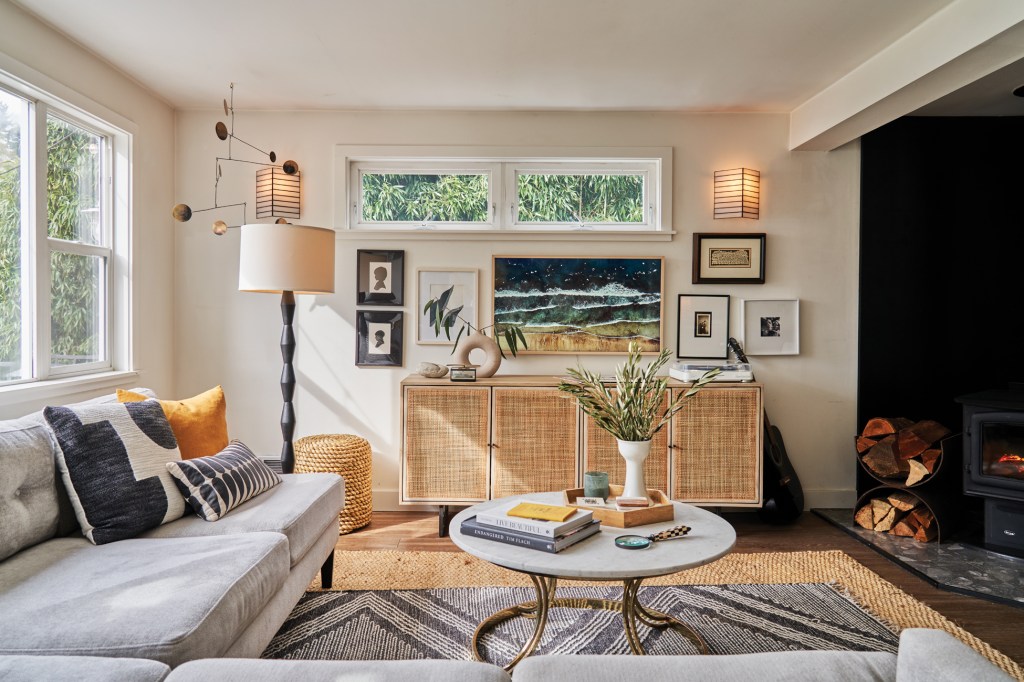
Thomas J. Story
Rethink Your Indoor Lighting
When it comes to making your home more cozy, lighting is where you have to start. However, there’s a difference between making a room feel inviting and having it be so bright that your body struggles to recognize bedtime. Zeitzer says that indoor lighting can influence alertness, mood, and sleep. While artificial light isn’t as bright as sunlight, it may still provide enough stimulation for your body, especially in the morning.
“Generally, dimmer and warmer colors are suggested to minimize the alerting effect of light in the evening,” Zeitzer explains. “But if you’re feeling down, you may want brighter and cooler lights to increase your alertness and keep you awake later.”
The key is timing.
If you’re planning on making dinner, reading a book, working on a craft, or having friends over after sunset, there’s no point in sitting in a dimly lit room just because it’s dark outside. Rather, use lighting to comfortably enjoy your activities, and gradually reduce the brightness as bedtime approaches. Grandner suggests using lamps and dimmers rather than relying on a single overhead fixture.
“Most people just have poor lighting in their household and need brighter lights to make the dark mornings and evenings better,” Zeitzer says.
And don’t assume that warm lighting is the key to better sleep. Gardner notes that even bright, warm-colored lights could affect your circadian rhythm. Try layering your lighting. A floor lamp could lighten up a dark corner, a table lamp would create an inviting reading nook, and adjustable bulbs can help you transition from brighter evening activities to a softer atmosphere before bed.
Light therapy lamps are another option, especially for those who experience seasonal mood changes. However, both Zeitzer and Grandner caution that they aren’t necessary for everyone who feels a little down when the sun sets early. Zeitzer adds that while these lamps can be helpful, the biggest challenge is in consistently using them.
“It’s better to just improve the intensity of your lighting, which can be done now quite inexpensively using LEDs,” he explains.
Rather than investing in a specialized device like this, start by making sure the rooms you spend the most time in are properly lit. Brighter bulbs, adjustable lamps, and dimmers can make your home feel more inviting without requiring a complete lighting makeover.
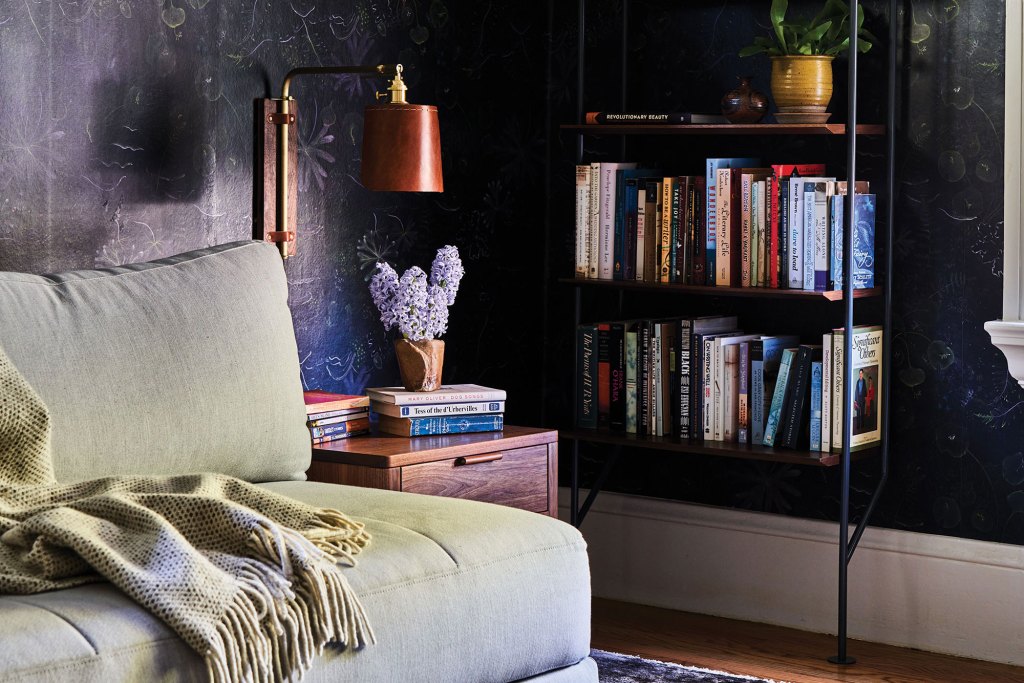
Design by Decorotation; Photo by Thomas J. Story
Make Your Evenings Feel Like Something to Look Forward To
To have a welcoming home, lighting is just half of it—the other part is how you spend your time there.
Think of what you usually enjoy doing in warmer weather. It could be an evening walk, tackling a new recipe, having friends over, or diving into a new book. Just because the sun sets earlier doesn’t mean you have to eliminate these experiences.
“If you normally take a walk, see friends, or do something you enjoy after work, try to keep some version of that in your day,” Grandner says.
A great way to make evenings more enjoyable is to create a dedicated space for an activity you really like doing. This can be refurnishing your office to have a cozy reading nook, a dedicated table for doing puzzles and crafts, or making a more inviting dining area.
Throw blankets, soft pillows, and decorative lighting are great touches to help make a space feel more comfortable, transforming an ordinary weekday evening into your own cozy oasis.
Create a Better Morning Routine
Though winter blues typically revolve around early sunsets, darker mornings can also be challenging. If waking up before sunrise just makes you want to curl under the blankets, try changing the lighting in your bedroom. Consider purchasing a sunrise alarm clock, which gradually brightens before a scheduled wake-up time, making morning feel less abrupt.
“Some people find that easier than waking to an alarm in a completely dark room,” Grandner says.
He adds that research supports dawn stimulation—a technique that uses artificial light to mimic a natural sunrise—to help seasonal depression. While it could help some people wake up easier, a sunrise alarm clock doesn’t solve all the sleep problems.
For a quicker—and easier—solution, open your curtains or turn on a bedside lamp immediately after waking up, or set smart bulbs to gradually get brighter before the alarm goes off.
12 Products to Make Your Home Feel Less Gloomy This Winter
From adaptable lighting to accessories for a relaxing night, these products can help make your home feel more inviting in the shorter days ahead.
The individual products listed below are editorial selections, not specific brand endorsements from either expert.
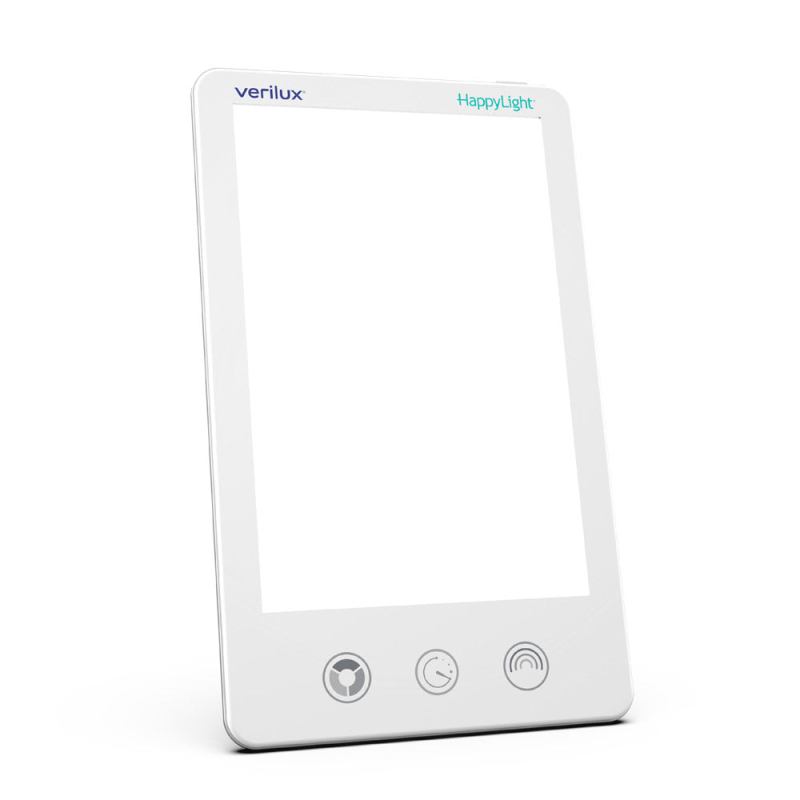
Verilux HappyLight Luxe Light Therapy Lam
If you want to try light therapy, the Verilux HappyLight Luxe Light Therapy Lamp offers adjustable brightness and color settings in a compact design. It’s designed for those looking to integrate bright light exposure into their morning routine, but don’t want to buy a large light box. As with any light therapy device, follow manufacturer instructions regarding viewing distance and adequate use. People with certain health conditions or medications that increase light sensitivity should consult a physician beforehand.
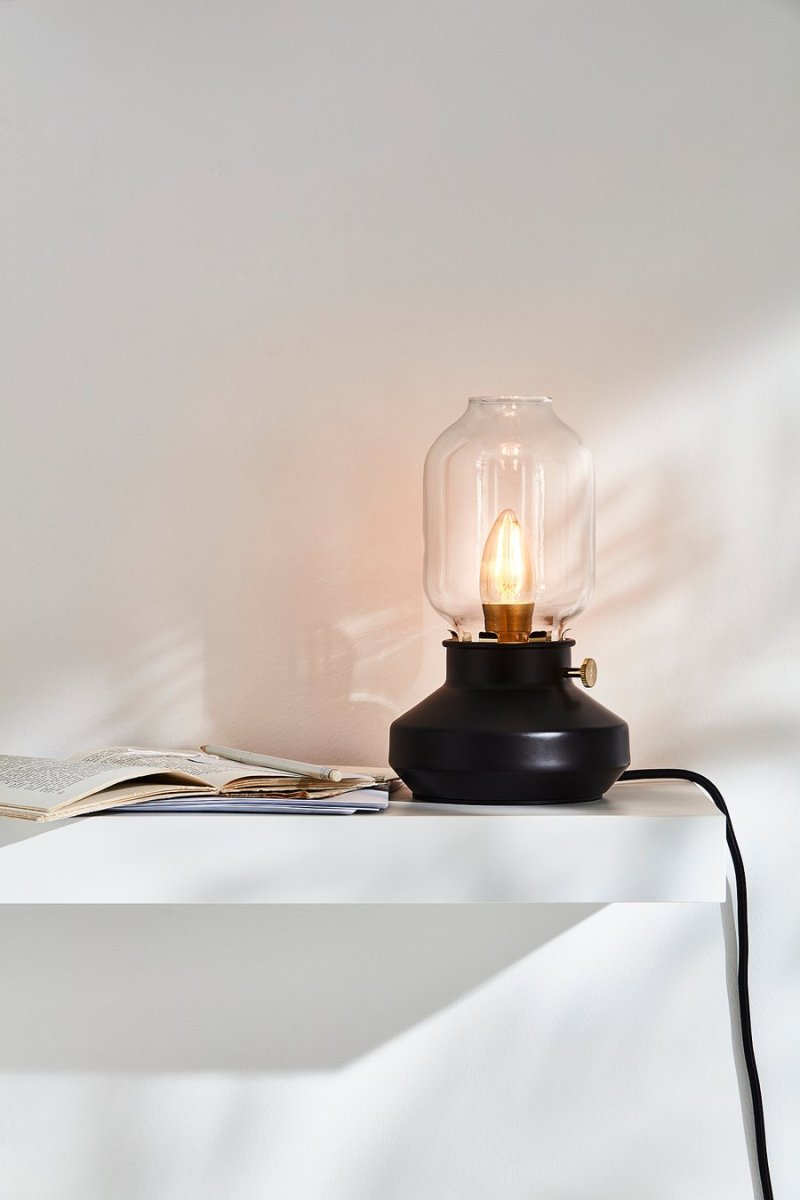
IKEA TÄRNABY Table Lamp
The IKEA TÄRNABY Table Lamp brings a warm, vintage-inspired touch to your nightstand, coffee table, or reading nook. Its dimmable design makes it easy to create the perfect cozy atmosphere, and its lantern-like shape adds a decorative element to your space when turned off. Don’t forget to complete it with IKEA’s Lunnon LED bulb.
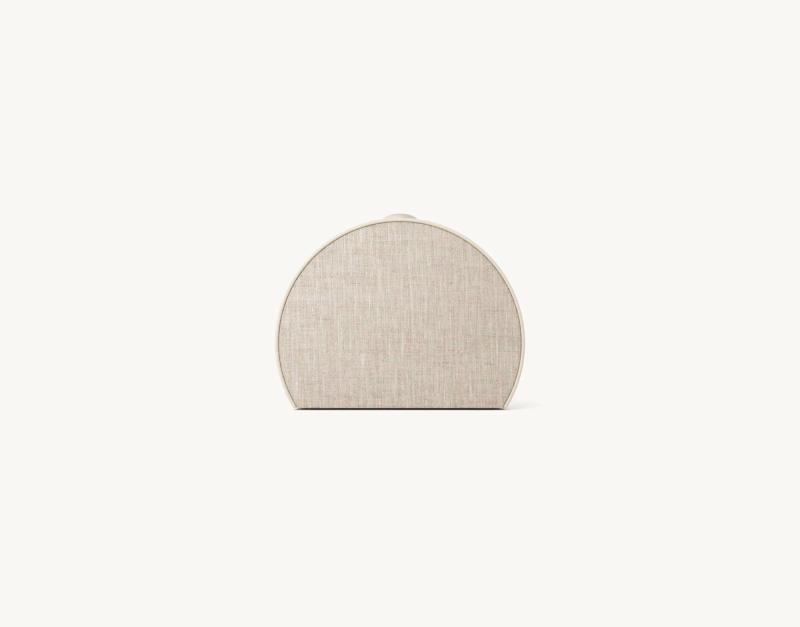
Hatch Restore 3 Sunrise Alarm Clock
Waking up before sunrise doesn’t mean starting your morning in complete darkness. The Hatch Restore 3 gradually brightens as your wake-up time approaches to mimic a natural sunrise—great in helping make those dark winter mornings feel more manageable. Aside from its sunrise alarm feature, the Hatch features customizable wake-up sounds, soothing bedtime audio, and adjustable lighting to wind down at night.
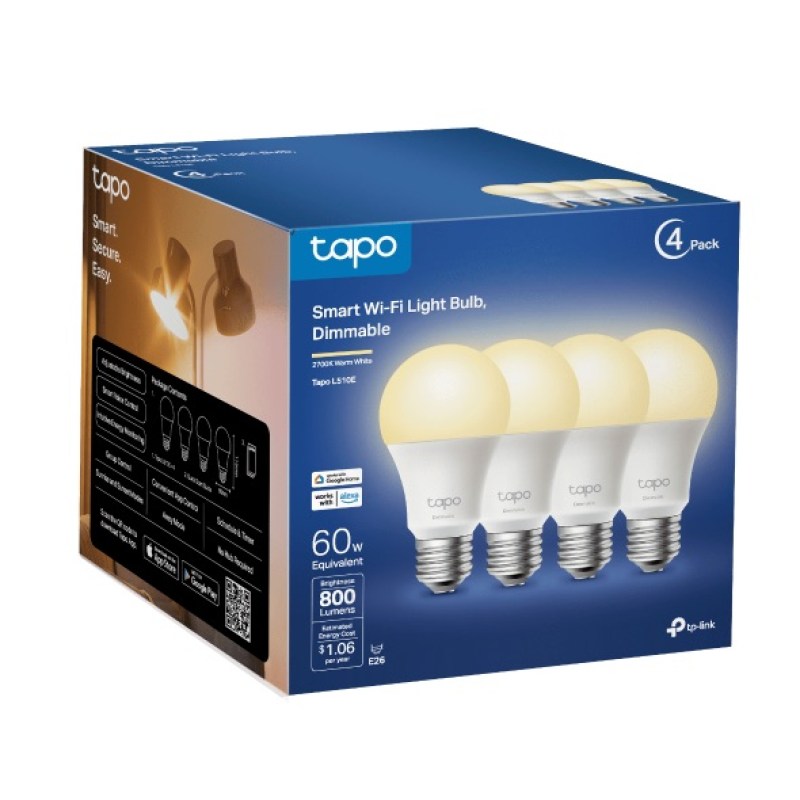
Tapo L510E Dimmable Smart Light Bulbs
It is not necessary to go out and buy a bunch of new lamps just to create a cozy atmosphere. Tapo’s L510E Dimmable Smart Light Bulbs offer warm light that can be controlled via the Tapo app, allowing you to control the brightness of your room and set the light bulbs to turn on near sunset, making your home feel comfortable even before you enter it.
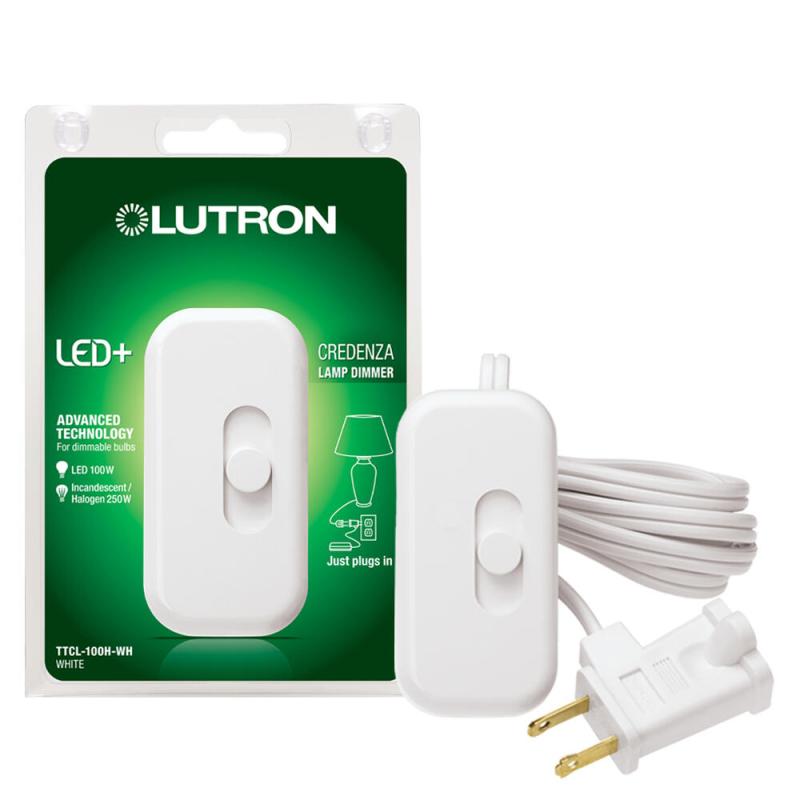
Lutron Credenza Plug-In Lamp Dimmer
A dimmer could make all the difference in how a room feels after sunset. The Lutron Credenza Plug-In Lamp Dimmer allows you to adjust the lighting of compatible lamps as much as you want throughout the evening. It’s an affordable solution compared to installing a full smart-lighting system, and works great for gradually lowering brightness before bedtime. Make sure to pair it with a compatible dimmable bulb rather than a smart bulb that requires app-based dimming.

Lola Blankets The Lola Original
Few things make a chilly evening better than curling up under a soft blanket. Lola Blankets have gained popularity for their exceptional products, and their Lola Original Blanket—plush, double-sided faux fur in your favorite shade—is as decorative as it is comfortable. But there’s also a meaningful story behind the brand. Founded in memory of the co-founders’ mother, who found comfort in the blanket during breast cancer treatment, Lola helps cancer patients and promotes cancer research through the Blankets for the Brave program.

Yankee Candle Lemon Lavender Scented Candle
A good smell might be all you need to settle into your evening. Yankee Candle’s Lemon Lavender Scented Candle merges lavender’s floral fragrance with fresh citrus notes, providing a refreshing alternative to sweeter seasonal scents. Lavender is known for its calming effects, though research on aromatherapy is debatable. Light the candle while you read, enjoy dinner, or relax after a long day of work.
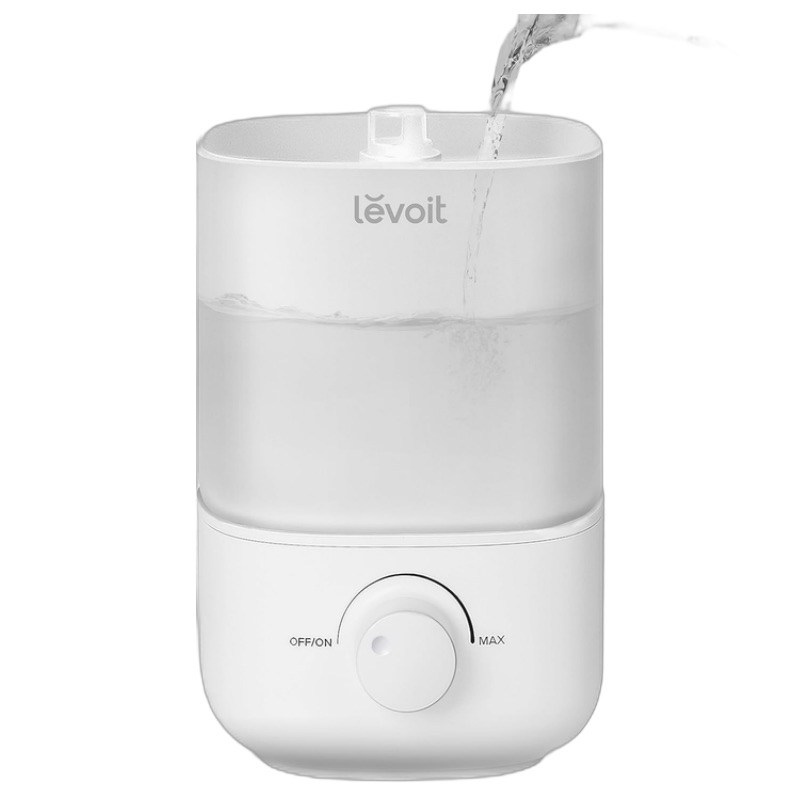
Levoit Classic Top-Fill Ultrasonic Humidifier
Comfort isn’t all in how a room looks. Oftentimes, indoor heating can leave the air feeling uncomfortably dry, especially during the colder months. The Levoit Classic Top Fill Ultrasonic Humidifier features a 2.5-liter top-fill water tank, adjustable mist output, and quiet operation, making it a practical addition to a bedroom or living room. Even though this won’t provide natural light or improve your mood, it will make indoor space a lot more comfortable. Keep the humidity levels normal, and regularly clean the unit to prevent mold.
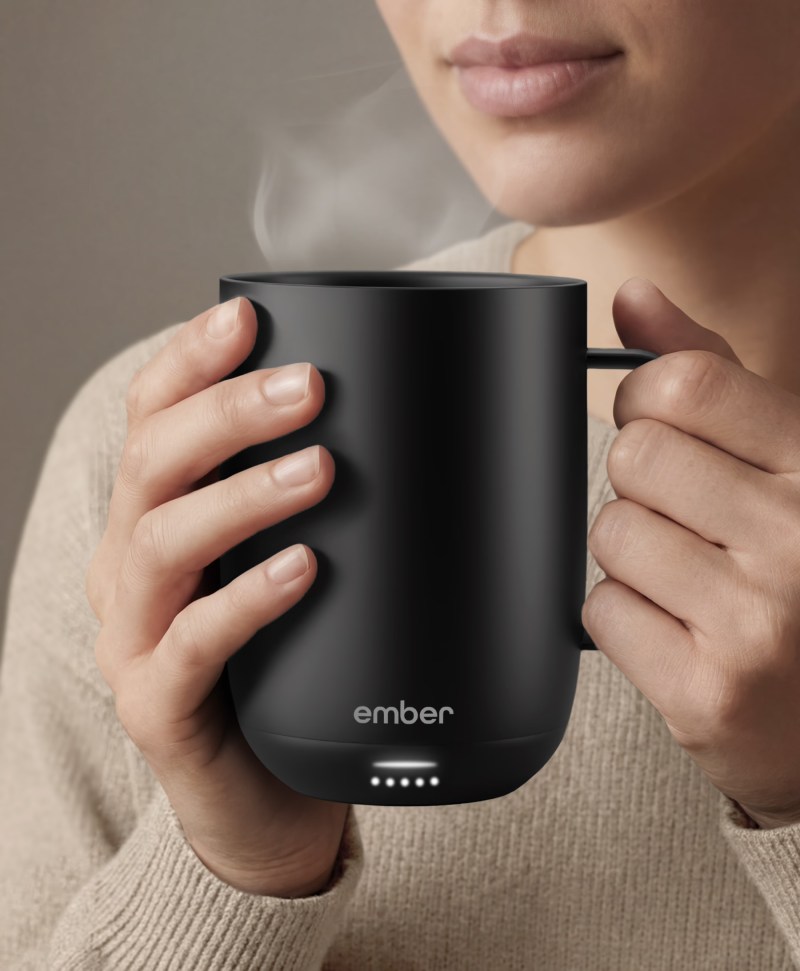
Ember Mug 3 Temperature-Controlled Mug
A cozy evening with a great book or favorite TV show can feel even better with a warm drink. The 14oz Ember Mug 3 is an electric mug designed to keep coffee or tea at your desired drinking temperature. It’s a great addition to your home office or reading nook, especially for those who forget about their drinks while getting immersed in an activity.
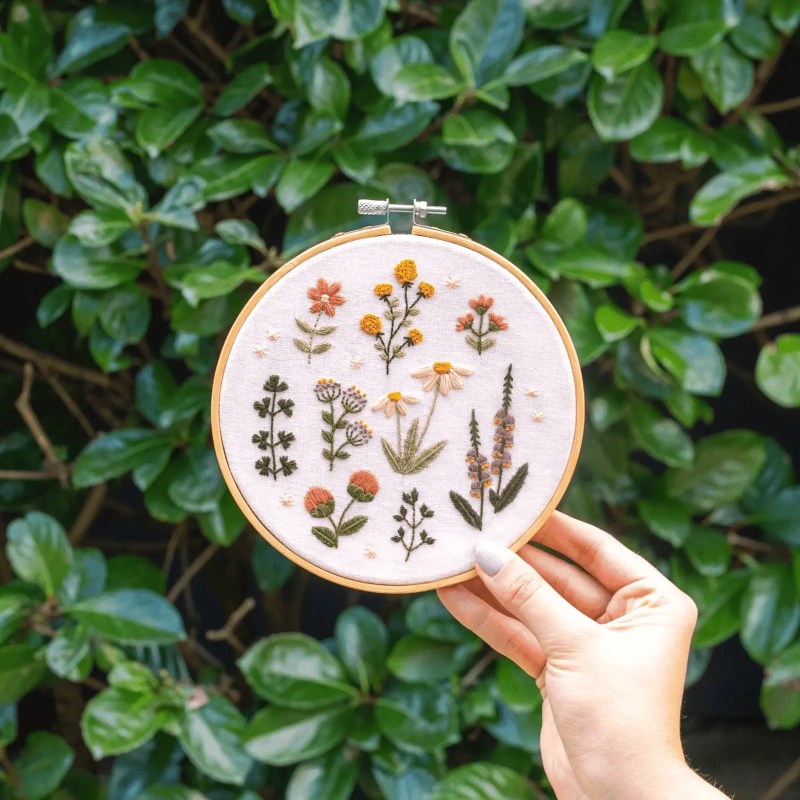
Craft Club Wildflower Embroidery Kit
Why not use the extra time indoors to pick up a new hobby? The Craft Club Wildflower Embroidery Kit makes learning embroidery approachable, especially for first-timers. Choose your favorite design, and get all the materials you need inside the kit—including step-by-step tutorials! Spend some time stitching while listening to a podcast or audiobook, and hang your finished masterpiece for all to see.

Uncommon Goods Custom Puzzle Sorting Trays
These Uncommon Goods Premium Custom Puzzle Sorting Trays make puzzle nights a little more organized, with handmade walnut construction and soft felt interiors perfect for sorting pieces. Made in Texas, you can opt to buy a bundle or individual pieces, and they can also be personalized to your liking. They’re a simple way to make staying in feel like an activity worth looking forward to rather than just another night on the couch.
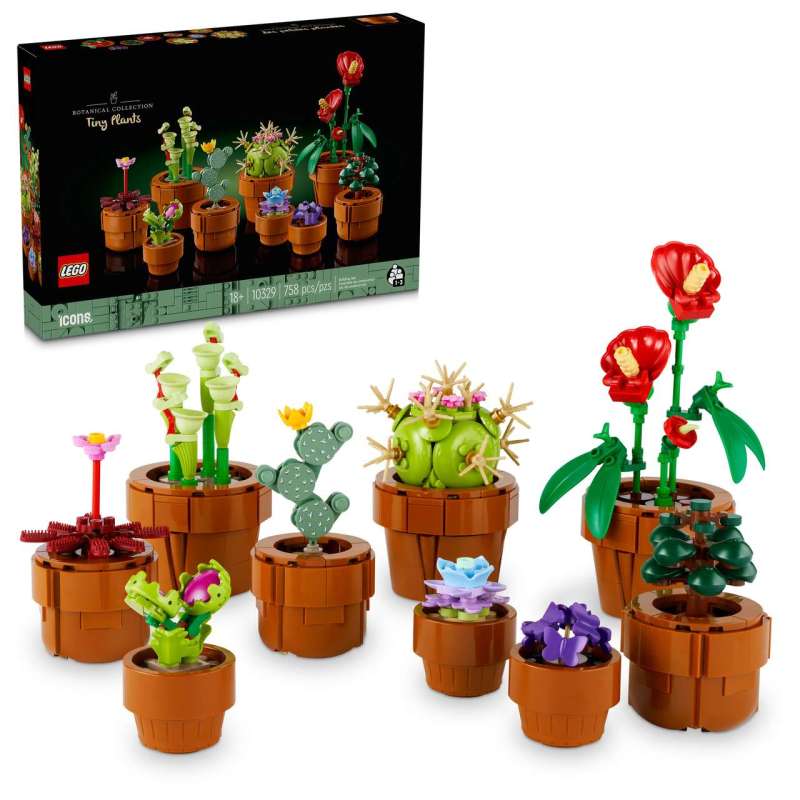
LEGO Botanicals Tiny Plants Building Set
Achieving an inviting home isn’t all about decor; it’s also about finding ways to spend time there. The LEGO Botanicals Tiny Plants offer a hands-on evening activity that doubles as decorative greenery once assembled. You can do it with your friends or spend a quiet evening working on them, and display them around your house once you’re done for some year-round greenery.
We only recommend things we love. If you buy something through our site, we might earn a commission.