6 Michelin-Recognized Restaurants to Build Your Next Southwest Trip Around
Meet the people behind the region’s Michelin Bib Gourmands and find out what to order.
Courtesy of Jill Richards Photography
Getting a half-sour pickle onto your plate beside a mouth-watering Pastrami Reuben at Feldman’s Deli in Salt Lake City involves a surprisingly complicated journey. Owner John Feldman relies on a local Eastern European grocery store, a New York pickle distributor, a cross-country road trip, and a final drive in his Toyota Tacoma.
All that for a pickle?! For many customers who grew up eating this staple of the Jewish deli, the familiar acidic crunch has to be just right.
“The East Coast transplants will tear me apart for not having the right pickles or if we run out of pickles,” Feldman says. “It is insane, the emails I get over this.”
Feldman’s attention to the best ingredients and flavors showcases the ethos of Michelin’s Bib Gourmands: restaurants recognized for good food at good value, where a memorable meal might come with a taste of home.
On August 26, Michelin launched its inaugural American Southwest Guide, awarding stars to five restaurants—Las Vegas’s Joël Robuchon being the only one awarded two—and Bib Gourmands to 18 across Arizona, Nevada, New Mexico, and Utah. Launched in 1997, inspectors aim to award restaurants where diners get the best value for their money.
Value takes different forms at these Southwest tables. It could mean an $18 sandwich that’ll give you dinner leftovers, or a roughly $60-per-person meal where you leave the ordering to the kitchen. These five restaurants offer different ways to view the Southwest’s food scene—and some compelling reasons to make them part of your next trip.
FnB: Where Arizona’s Farms Write the Menu
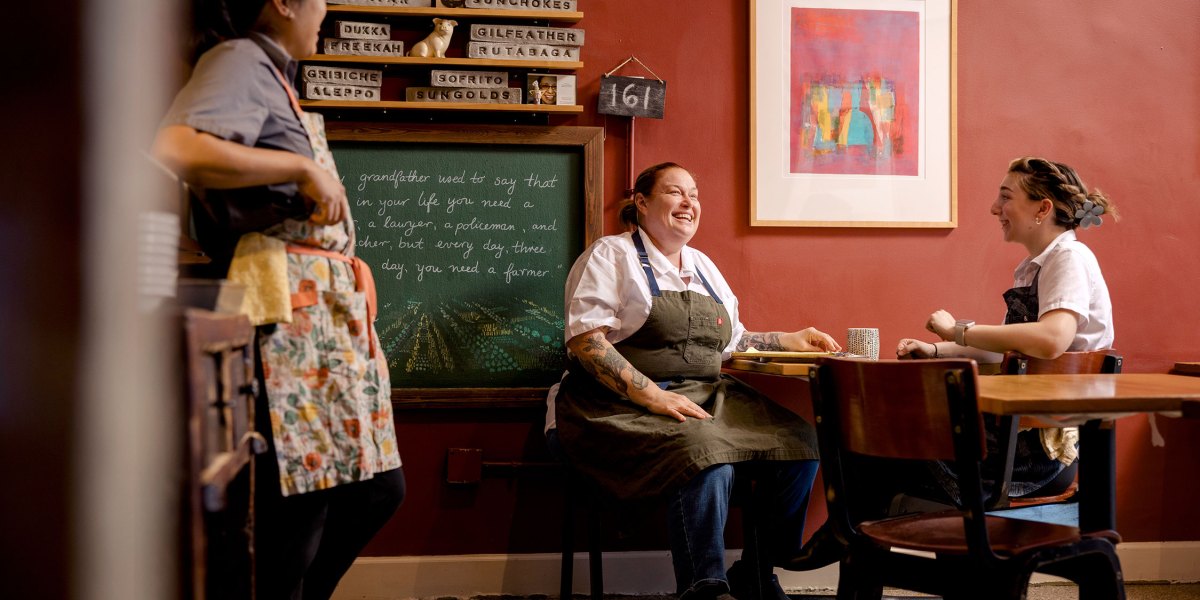
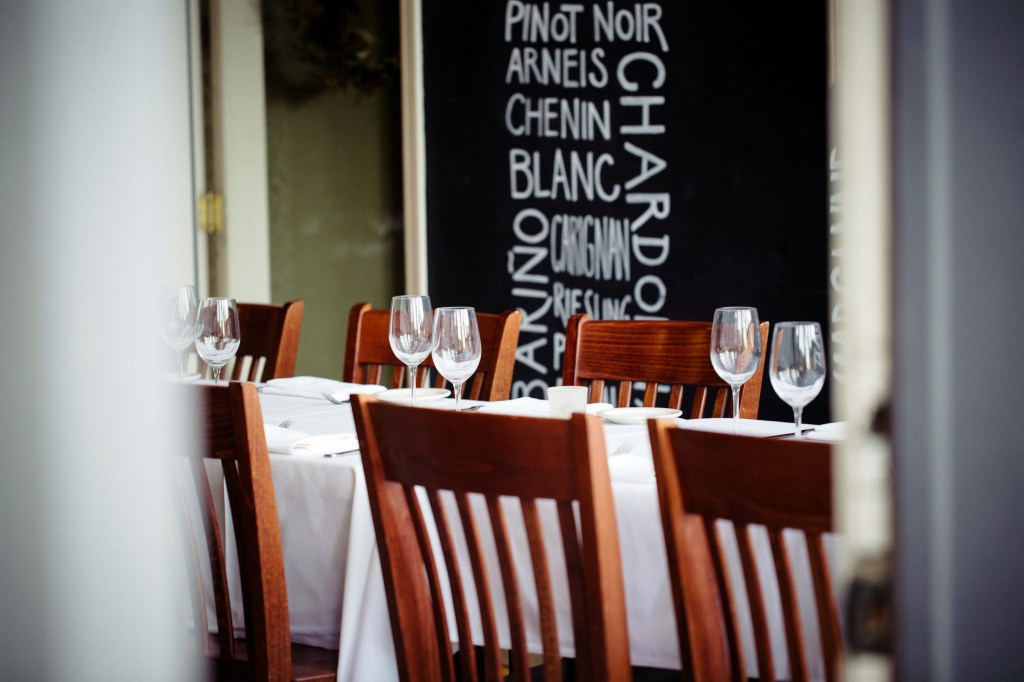
Inside FnB, located on Scottsdale’s historic Craftsman Court, wooden chairs surround tables dressed in white linens, wine glasses are at the ready, and a chalkboard reminds you who makes dinner possible: “Every day, three times a day, you need a farmer.”
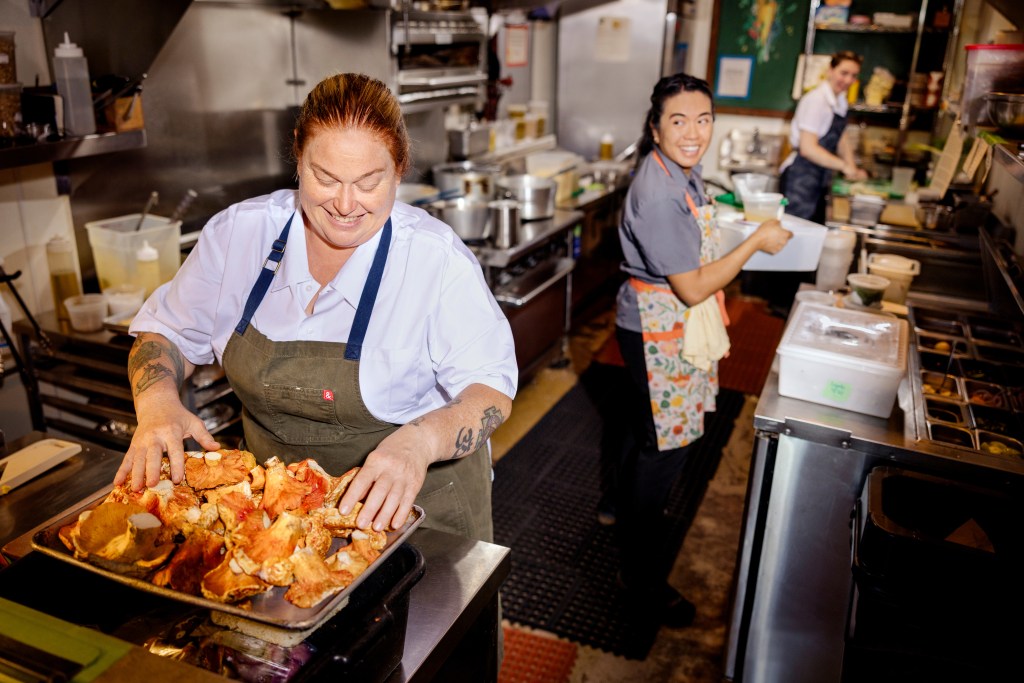
Chef and co-owner Charleen Badman’s menu lives up to that motto. Her partner, co-owner, and beverage director of the restaurant, Pavle Milic, describes their kitchen as a place where conversations with farmers define what reaches your plate.
Courtesy of Jill Richards Photography
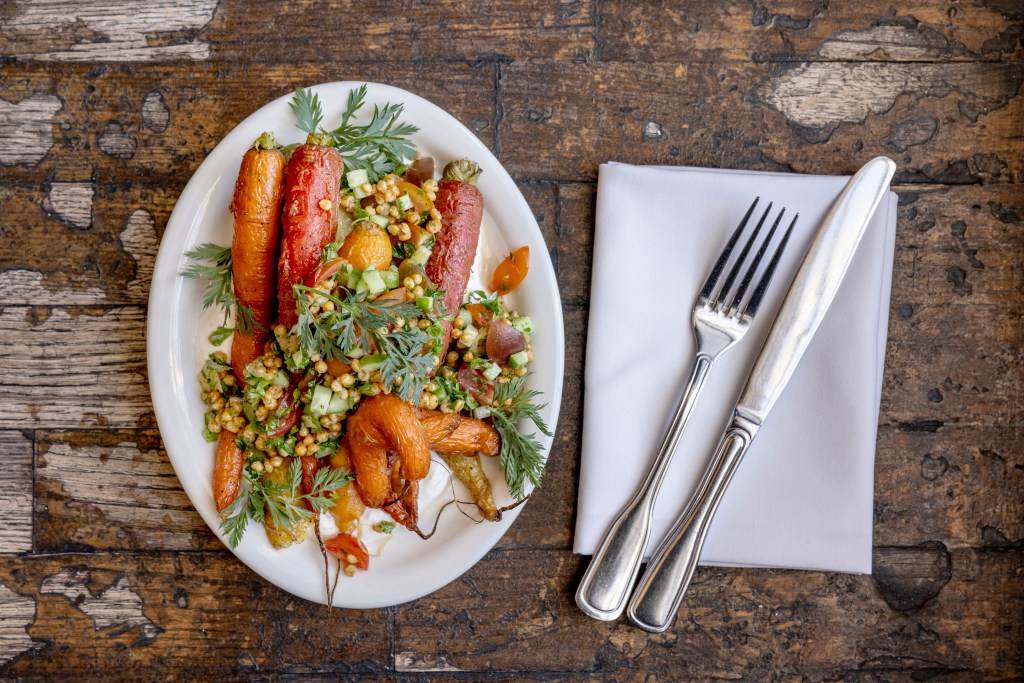
Take the rutabaga, for instance. After reading about a new variety, Badman approached the late Arizona farmer Bob McClendon, asked if he could produce it, and eventually got the vegetable. According to Milic, it is roasted, smashed, and seared to order, giving a new face to an often-overlooked root.
Other dishes are developed in response to seasonal challenges. Given that delicate salad greens cannot withstand Arizona’s summer heat, Badman found another way to make a green salad: shaved fennel, green beans, cucumbers, radishes, and green grapes, dressed with lemon vinaigrette and finished with cheese.
“We print menus every single day,” says Milic.
Courtesy of Jill Richards Photography
While the whole menu might not change overnight, an ingredient or two might. A customer favorite can disappear when an ingredient’s season ends. For Milic, the appeal of buying locally goes beyond freshness—it extends to knowing the person who grew the food.
“You are contributing to the local economy,” he says. “When you are buying in-state, you are buying from an independent business.”
The same curiosity belongs in your wine glass. Arizona is home to more than 100 wineries and tasting rooms, and for Milic, making customers aware of these producers is a defining part of his work at FnB. His enthusiasm extends beyond the dining room: He is also a winemaker behind Los Milics Vineyards, featuring award-winning wines, a boutique hotel, and a tasting room overlooking the beauty of southern Arizona.
His advice to visitors is to approach Arizona’s wine country with the same intention they’d bring to a wine tour of Tuscany: taste, explore, and decide for yourself.
“They should definitely formulate their own opinion,” says Milic.
This same curiosity should guide your visit to FnB. When asked how to prepare for an ever-changing menu, Milic offered some perspective.
Courtesy of Jill Richards Photography
“You’re not applying for a mortgage. You’re going out to dinner.”
Michelin recognition has energized the team, he says, but the restaurant’s purpose remains ingrained in their daily work: finding the freshest ingredients, taking care of guests, and doing it again tomorrow.
“You celebrate it. You commemorate it, but you very quickly have to forget about it and go back to work.”
Plan your visit: FnB serves dinner Tuesday through Saturday, from 5 to 10 p.m.; reservations are highly recommended. However, Milic says a few tables and seven bar seats are kept available for walk-ins. Arrive willing to follow the season’s bounty—and leave room for some delicious Arizona wine.
Lom Wong: From Sunny’s Mom, with Spice
At Lom Wong in Phoenix’s Portland Street, dinner is meant to spread across the table. The dishes arrive as the kitchen finishes them, sometimes several at once, ready for everyone to share. Bring your curiosity and appetite; the staff will help you make up your mind.
When asked what first-time visitors should eat, co-owner Alex Martin begins with two words: “Don’t order.”
“Say Arai Kodai ‘I’m down for whatever’ and let us take you on an adventure,” he says. “Be open to new experiences.”
For Alex and Yotaka “Sunny” Martin, his wife and business partner, that adventure often starts with a conversation about what they miss eating.
“We usually choose based on what we personally want to eat,” he says. “Usually the two of us are sitting around talking about what we are craving from a particular village or person’s recipe.”
Those cravings translate into a culinary road trip through Thailand where you’ll learn the names, techniques, and memories of people who taught them to cook. Sometimes, these connections are tangible enough to arrive in the mail. For instance, the spices for Laap Khwai Dip—a reflection of Sunny’s dad and uncles—come from her mother.
“The thing is, we can’t get the correct spices we need in the States,” Alex explains. “So, Sunny’s mom sends them to us.”
Closer to home, Thai community members provide them with makrut limes, the zest of which is featured in the restaurant’s curry pastes. Behind every spoonful of curry lies an interconnected network of people, ranging from Thailand to the Phoenix backyards.
Their menu gives guests plenty of reasons to pass plates around: green mango salad topped with hand-shredded shrimp, crispy onions, coconut and peanuts; fried bamboo with Thai basil and dipping sauce of crushed peanuts; or kabocha squash, bamboo shoots and eggplant curry cooked with handmade curry paste and hand-pressed coconut milk.
Let every dish become part of the larger meal, Alex advises. “We don’t have appetizers, mains, or individual portions,” he says.
That approach asks diners to settle into the restaurant’s rhythm: reach for another spoonful, try something unfamiliar, and leave room for whatever comes next. The service reflects the communities where Alex and Sunny lived and worked in Thailand, bringing their way of sharing a meal to this Phoenix table.
Michelin’s recognition became another reason why the guests want to visit the restaurant. Alex’s reaction is as simple as his instructions on how to order. “Recognition for being ourselves is cool,” he says.
Plan your visit: Alex estimates roughly $60 per person, depending on your order. Book ahead through OpenTable, and come prepared to share. “The best time to come is when you are hungry,” he says. “We serve a lot of food.”
China Poblano: Tacos, Noodles, and Some Vegas Flair
Look up from your menu at China Poblano, and you’ll see bicycle wheels hanging from above amongst red lanterns and woven pendant lights. Around the dining room, colorful masks and eye-catching patterns compete for your attention. Back at the table, there are baskets of dumplings, carnitas tacos, possibly a margarita with a salt rim.
In The Cosmopolitan of Las Vegas, José Andrés’ restaurant merges Chinese and Mexican culinary traditions into one. General Manager Sandy Mejia attributes this to the common ingredients the two cuisines share, while emphasizing that each retains its own identity.
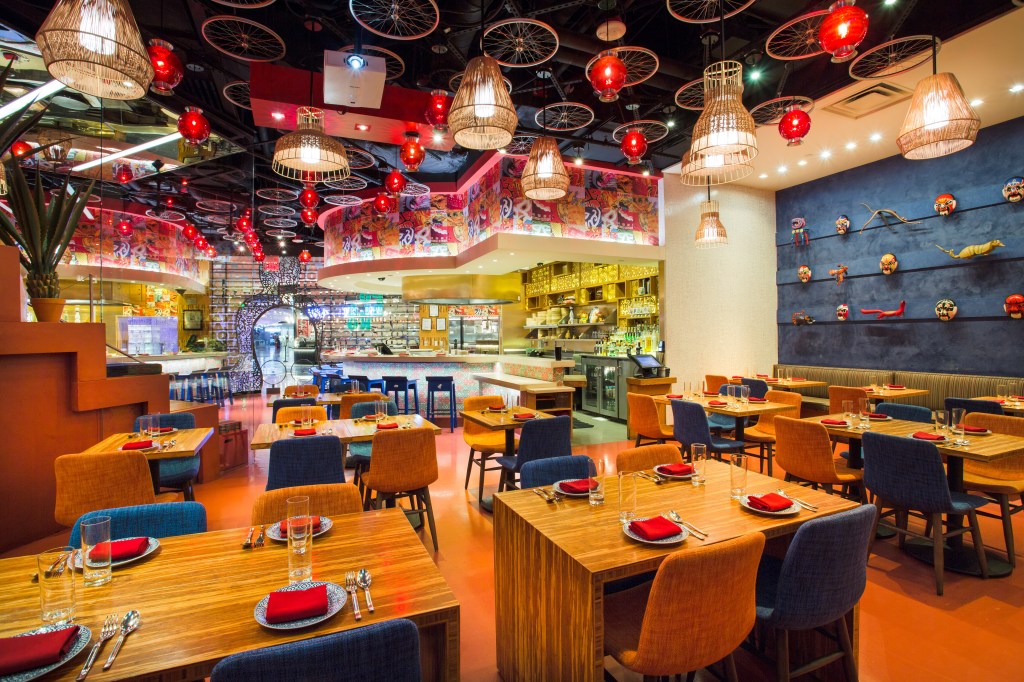
Courtesy of Louiie Victa
“We hope diners can enjoy both cuisines together side by side and enjoy the culture of China and Mexico,” she says.
Andrés brings his considerable experience to the table. A pioneer of Spanish tapas in the United States, the recipient of the James Beard Foundation’s Outstanding Chef award is also the founder of World Central Kitchen, a non-profit that provides meals to those affected by natural disasters or armed conflicts. In this Vegas kitchen, his inspiration came from traveling to Mexico, Hong Kong, and Beijing with his culinary team to research recipes and techniques. Visitors can witness this curiosity unfold in the form of heirloom-corn tortillas cooked on a comal, or the bustling open dim sum kitchen.
For a first visit, Mejia suggests leaving it up to the kitchen. The $60-per-person tasting menu, currently listed as José’s Way, includes chicken siu mai with cloud ear mushrooms and goji berries; carnitas tacos with chicharrón and salsa verde cruda; and shrimp cooked with roasted poblanos, dried chiles, and aged black garlic.
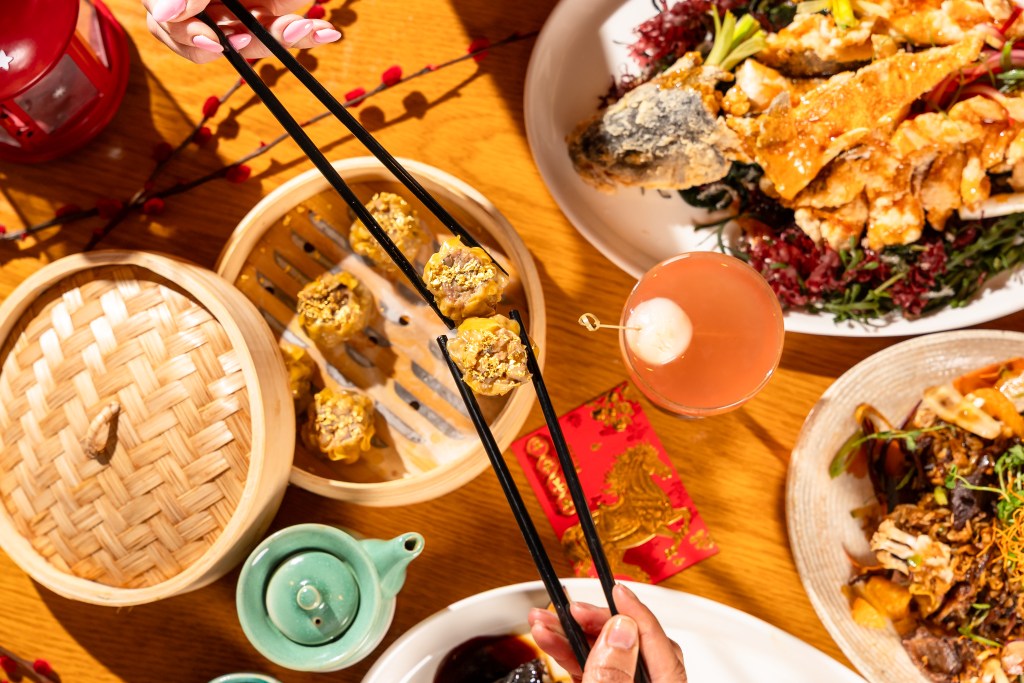
Courtesy of China Poblano
There’s plenty of room for some creativity in the drinks as well. The Salt Air Margarita trades a salt rim for a layer of salty foam. According to Mejia, the pleasure is in getting “a perfect balance with every sip you take.”
The optional cocktail experience costs an extra $40. But the small adjustments that make dinner memorable begin well before anyone places an order.
“We ensure everything is made fresh and in-house daily,” Mejia says. “Head Chef Carlos has tastings every day with the staff to ensure the quality of every dish is top-notch.”
Nearly 16 years after opening, the Bib Gourmand award brought another burst of popularity. Mejia notes an increase in dinner sales, crediting the team’s hospitality alongside their unique food.
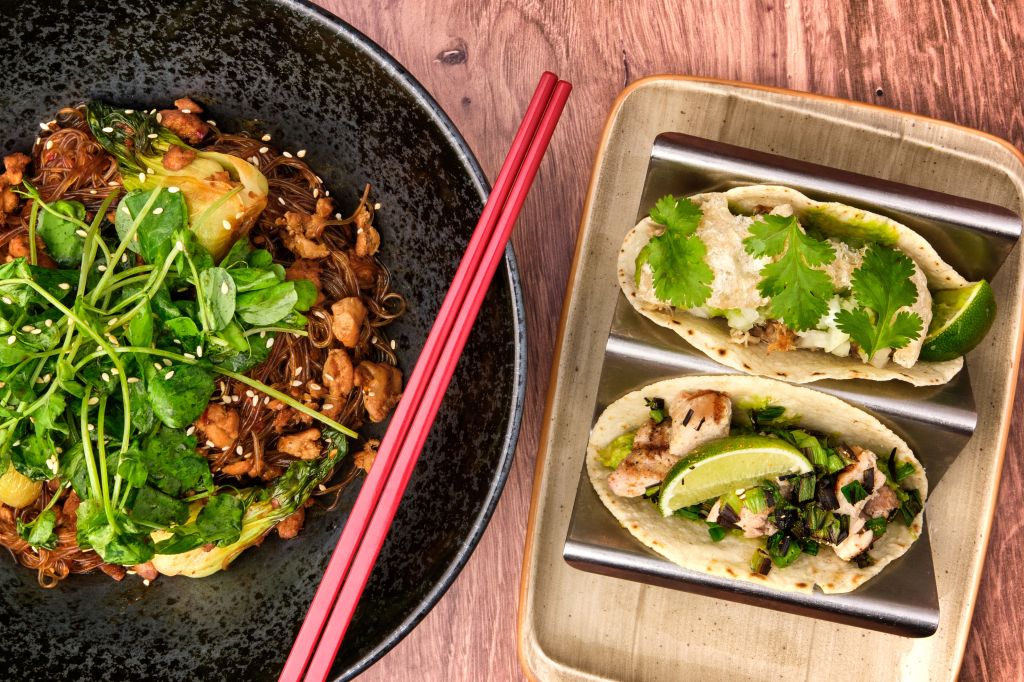
Courtesy of Louiie Victa
“The team is very proud of all the hard work they have given and continue to give,” she says.
Plan your visit: Reserve through the restaurant’s website, and consider going for lunch! Please note dietary requirements when booking; Mejia says the team offers an allergy menu and can discuss modifications if applicable.
La Choza: Blue Corn, Red Chile, and a Family’s Touch
At La Choza, a plate of blue corn enchiladas is accompanied by an unlikely item: French garlic bread.
Don’t worry, co-owner Sarah Carswell can explain. Her grandmother, Polly, kept it on the menu because it paired so well with the red chile sauce. Today, it accompanies the restaurant’s New Mexican dishes served—a family preference that has become tradition.
The red chile blue corn cheese enchilada, served with an over-easy egg, is a connection to Carswell’s childhood. Beneath the red chile smell are earthy tortilla, onions, and Wisconsin cheddar, all baked into one dish she keeps craving.
“It reminds me of the simplicity of youth, the preciousness of time with people we love, the comfort and nourishment of home,” she says.
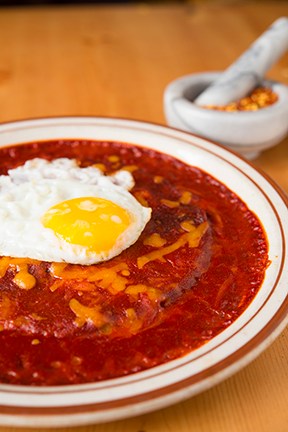
Courtesy of Corrie Photography
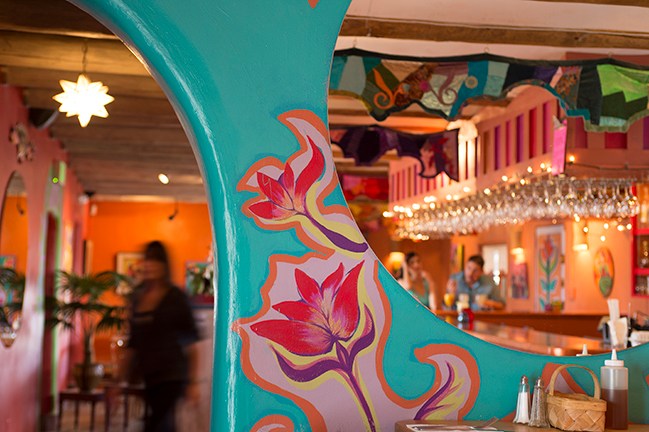
This feeling of belonging extends beyond the plate. In 1983, La Choza opened as a sister restaurant to The Shed, offering a calmer alternative to downtown crowds and traffic. As the city has grown, La Choza has followed suit, expanding alongside Santa Fe’s developing Railyard District, keeping the personal touch that made its regulars come back.
For Carswell, it’s a place awash in color and art where first dates evolve into rehearsal dinners, and children come back for their high school graduations.
“As the restaurant has gotten busy, we still show up to work as if we are setting the table for our family, friends and community members,” she says.
Courtesy of Corrie Photography
And at the heart of that table is chile. For more than 40 years, La Choza has been working with a family from Hatch, New Mexico, to achieve the right combination of earthiness, sweetness, richness, and heat.
“Red chile can be complex, and we want that complexity to come through in our red sauce,” Carswell says.
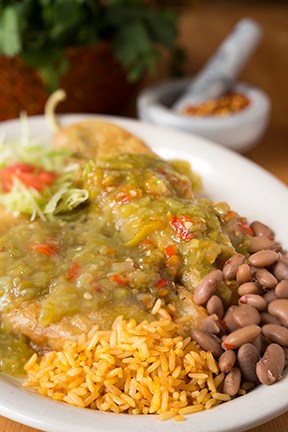
If selecting between red and green chile seems like a lot, order Christmas: a little of both. Carswell encourages first-timers to taste the sauces, and then eat the dishes with some chile and plenty of sides.
“I’ll do anything to encourage trying the dishes as they are, but with lots of palate support,” she says, recommending lettuce and tomato, sour cream, garlic bread, and sopaipillas with honey.
Courtesy of Corrie Photography
There are other reasons to spend time exploring the menu: green chile clam chowder with whole clams or vegan posole finished with jalapeño, cilantro, onion, tomato, avocado, and a squeeze of lime. However, Carswell hopes guests leave having tasted the red and green chiles, which are central to her cooking.
Michelin’s distinction confirms an approach built around familiar dishes, thoughtful preparation, and high-quality ingredients.
“We feel appreciated and celebrated for what we do,” she says. “We want to continue to embody and deliver the quality, value, and consistency that earned the Michelin Bib Gourmand.”
Plan your visit: Small parties join the digital walk-in list on arrival; text updates let you leave and come back when your table is ready. Larger groups can reserve through their website. Carswell suggests arriving towards the beginning or end of service. Both chile sauces are vegan and gluten-free, and the kitchen offers vegetarian, vegan, and gluten-free options.
Jambo Cafe: Island Roots in the Dry Desert
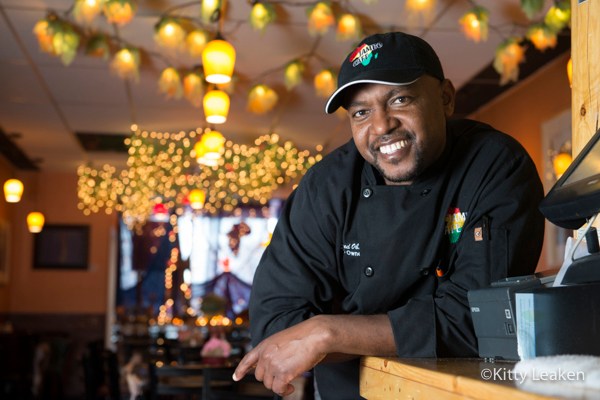
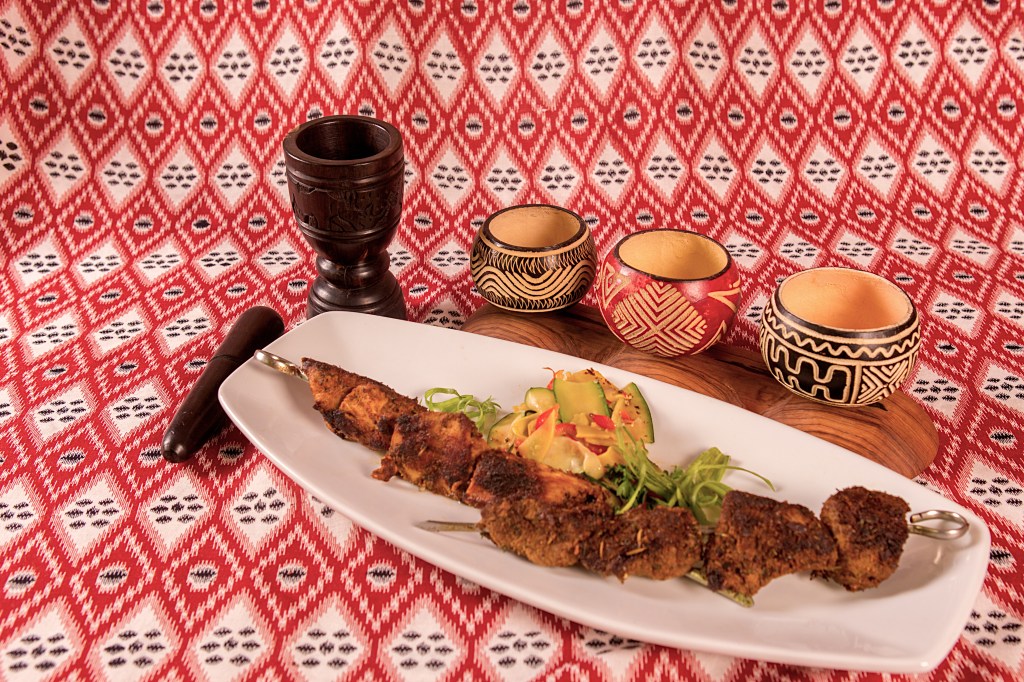
While the address might lead to a shopping center on Santa Fe’s Cerillos Road, the menu transports you to the other side of the world. At Jambo Cafe, chef-owner Ahmed Obo brings the cooking of his childhood on Kenya’s Lamu Island: cinnamon-coated plantains with pineapple curry sauce, Kenyan-style beef kebabs, and fish prepared in banana leaves.
Long before opening the restaurant, Obo was a child sent to the market for spices. Back home, his mother would use them to cook meals for a household of 15, often including a morning’s catch from the sea. His culinary education developed in his aunties’ kitchens and on street stalls selling samosas, mishkaki skewers, coconut cakes, roti, and chapati.
Courtesy of Kitty Leaken
“Chef Ahmed shares food that is rooted in the everyday life of family and friends,” says Lyric Kali, Jambo’s Marketing Manager.
The heart of Obo’s cooking is masalas: spice mixtures ground and blended by hand, forming the foundation of his soups and stews. The restaurant describes it as “ordinary people’s food: simple ingredients, bold spice mixtures, and easy cooking methods.”
Soups have also helped Obo find his footing in Santa Fe. While working in the city’s Zia Diner, he started making daily specials whose success made him dream of a place of his own. In 2009, that idea became Jambo Cafe: a small storefront with 10 tables and counter-service only.
“The Santa Fe locals have always been Jambo Café’s biggest fans,” Kali shares. “Our regulars are what keep us thriving alongside visits from the many tourists that pass through.”
Courtesy of Richard White
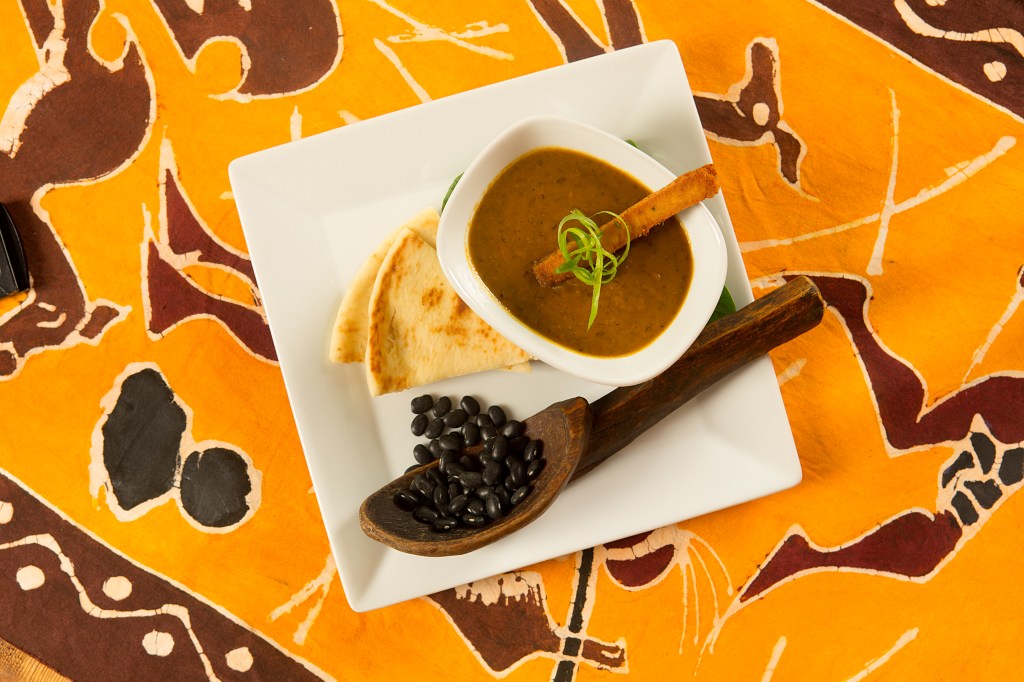
For a first visit, begin with the plantains ($9.95) or bite into savory phyllo filled with spinach, Moroccan black olives, feta, roasted red peppers, and chickpeas, finished with a pomegranate sauce ($13.95). Lastly, make room for the dish that helped start it all: soup. A bowl of curried black bean and sweet potato soup costs $9.95.
Deciding what stew to get proves to be a difficult decision, so their $25.95 combination plate offers a great solution: choose three stews, such as the Ethiopian chickpea berbere stew, East African coconut lentils, and Moroccan lamb stew. Other possibilities include coconut chicken curry and Caribbean goat stew. These are dishes regulars expect to find time and time again.
“Chef Ahmed wants diners to get the meal they came in for while rotating weekly specials to keep it fresh,” Kali explains.
Courtesy of Richard White
This sense of familiarity extends to the staff. Some have been there since its beginning, according to Kali. Recognition from Michelin has attracted new customers into a restaurant sustained for years by those relationships.
“Receiving a Bib Gourmand is a real honor and completely unexpected; the whole team is excited to be part of the designation,” Kali says.
Before leaving, take a look around the in-house Jambo Bazaar, which sells African art, fabrics, and spices—including blends for the restaurant’s coconut chicken curry and black bean and sweet potato soup. Dinner will possibly finish with a coconut and cardamom flan; the next attempt of which could happen in your kitchen.
Plan your visit: The restaurant opens Monday through Saturday, 11 a.m. – 9 p.m. Kali recommends Monday or Tuesday for easier seating, with the same menu available at lunch and dinner. Vegan, vegetarian, and gluten-free options make the combination plate particularly useful for exploring the menu.
Feldman’s Deli: A Family Legacy Stacked High
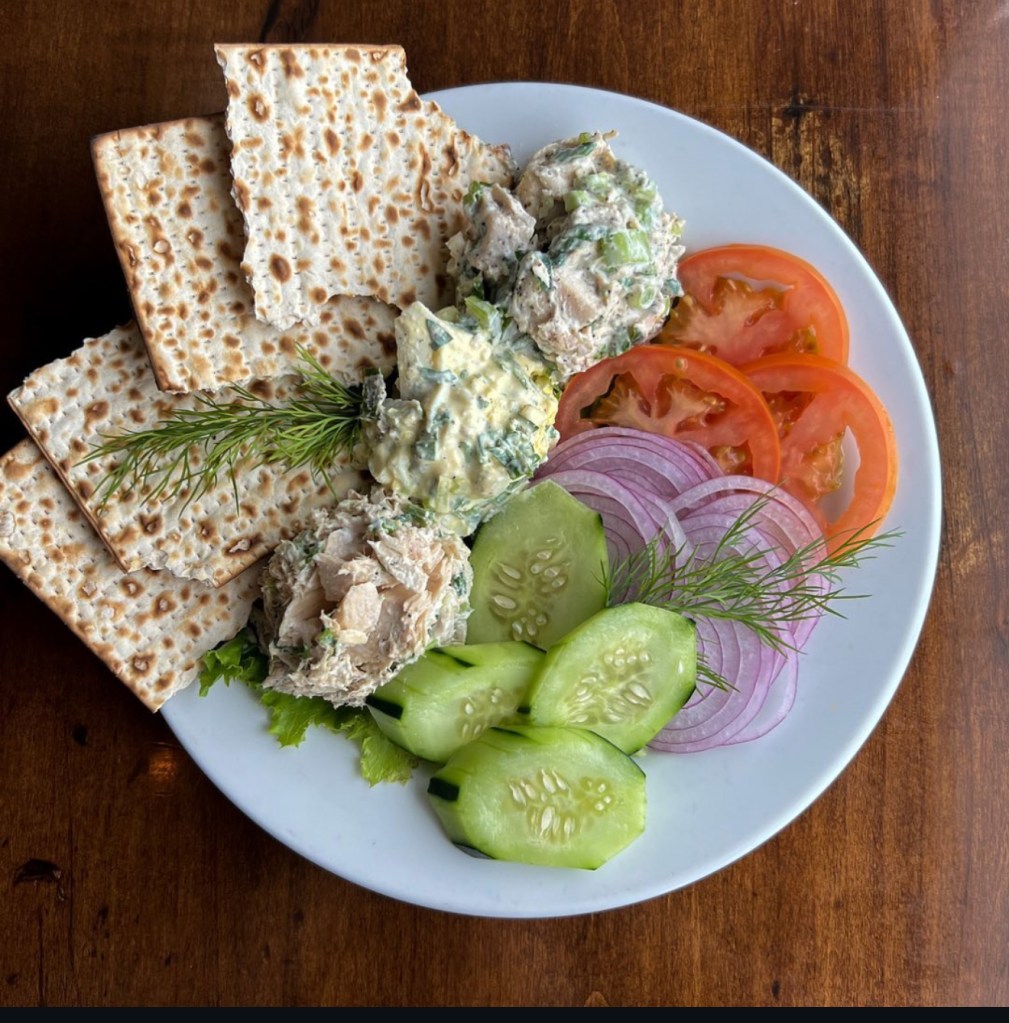
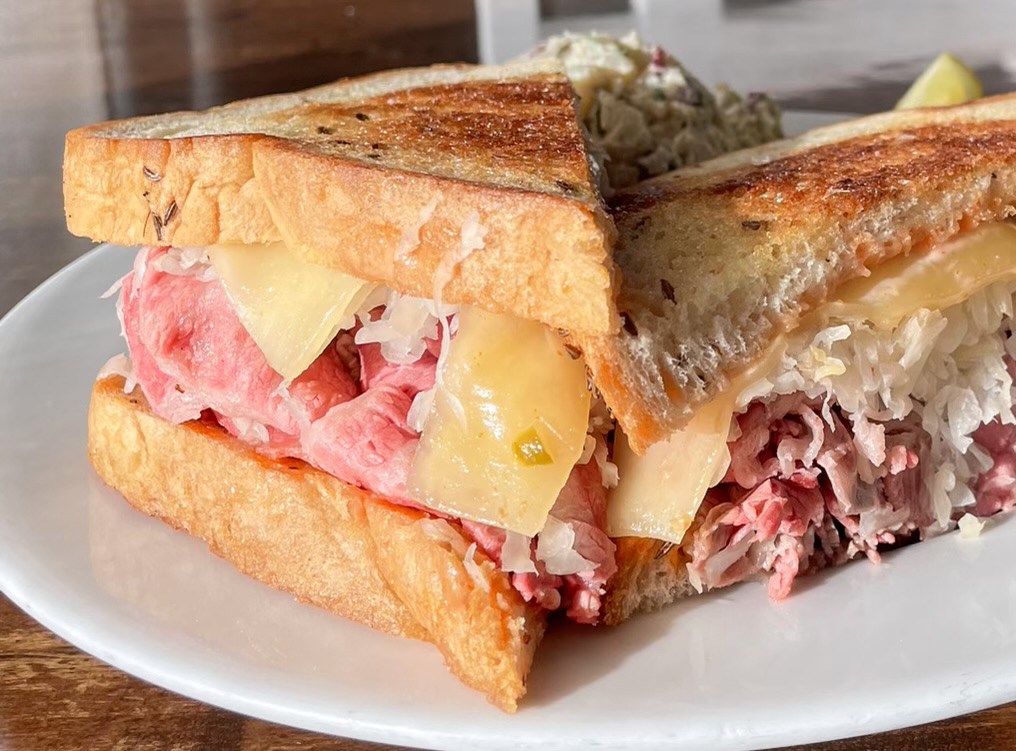
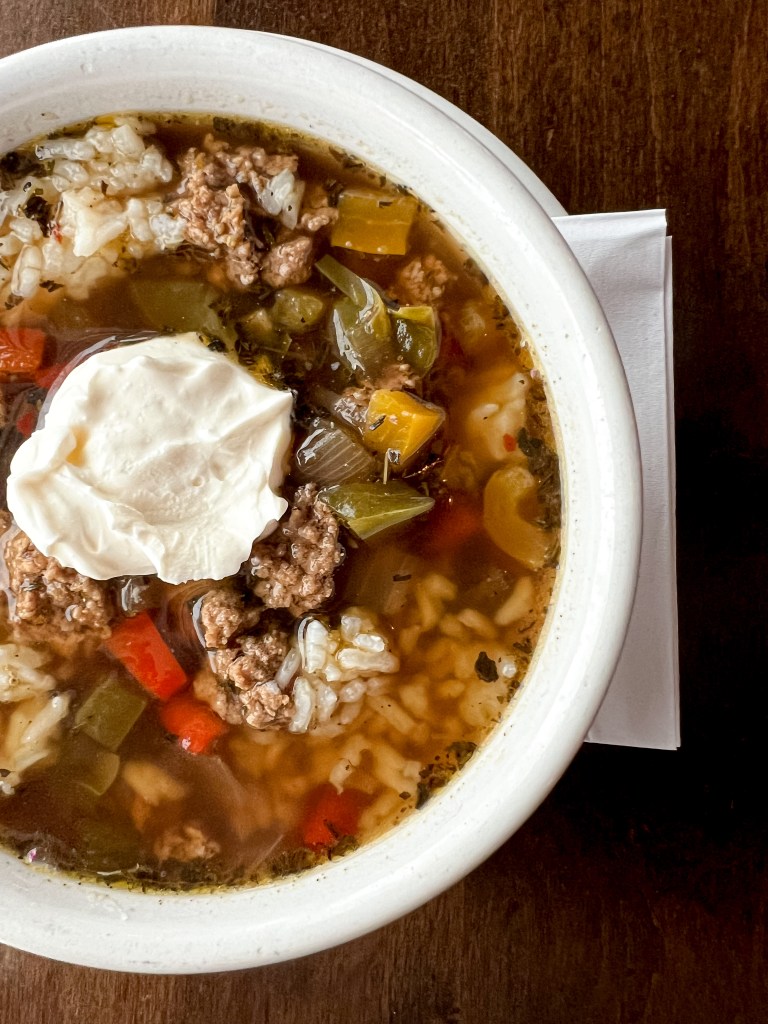
At Feldman’s Deli, the sandwiches come stacked with a half-pound of meat, sliced fresh to order. Jewish rye holds together layers of corned beef, sauerkraut, and melting Swiss. There’s also homemade matzo ball soup for those who want comfort in spoonfuls. Based in Salt Lake City, this restaurant has an East Coast appetite.
For owner John Feldman, there’s a specific sandwich he wishes wasn’t created. When he was 14, his parents, Michael and Janet, served a Sloppy Joe at the deli. John assumed they had named it after his brother, Joe. Naturally, he wanted one of his own.
“So I begged for them to add a sandwich for me,” he says. “And they did. I wanted a bigger sandwich.”
His sandwich doubled how much meat the others usually got: half a pound of corned beef and half a pound of pastrami. John’s kitchen nickname, Juanito, helped give the sandwich its unpretentious name: Little John.
“This item on our menu resembles the entitlement and jealousy of a child rivalry,” he says.
Courtesy of Feldman’s Deli
The family’s New Jersey roots are represented throughout the rest of the menu. Matzo ball soup and potato latkes are recipes passed down through generations. The family’s corned beef and pastrami arrive from New York, and a local bakery prepares Jewish rye to the deli’s requirements.
“However, it is worth the perfection since the bread can make or break a sandwich,” Feldman says.
For a first-timer, the $18 corned beef Reuben is a must: grilled rye spread with Thousand Island dressing, layered with sauerkraut, corned beef, and Swiss cheese. The equally priced Rachel swaps in pastrami and coleslaw.
Courtesy of Feldman’s Deli
If you’re in a bit of a rush, John advises choosing the Sloppy Joe. It’s two layers of corned beef, pastrami, Thousand Island, and coleslaw. Contrary to grilled sandwiches prepared for immediate consumption, John says this one gets better with time since the flavors mix.
“I tell customers that it is the best breakfast tomorrow morning,” he says.
While the portions are plentiful, the family standards are strict.
“My mother ran this restaurant the exact same way as she ran her house,” John explains. “If she didn’t like the way something tasted, looked, or even felt, you wouldn’t eat it.”
Now managing the restaurant, he feels responsible for ensuring that trust. His one recurring nightmare is a customer saying the deli has not been the same since he took over.
“I literally have nightmares about that,” John says.
Courtesy of Feldman’s Deli
The Michelin recognition was not only reassuring, but also quite surprising.
“To be a sandwich shop and in the Michelin Guide is something we never thought was possible,” he explains. “Offering good food is an absolute privilege. As hard as this place is to run sometimes, the joy I get when I hear a customer say that this sandwich brought back memories from home is astronomical.”
Plan your visit: Open Tuesday through Saturday, 8 a.m. – 8 p.m., with breakfast until 10:30 a.m. and lunch beginning at 11 a.m. John reports especially long lines on Fridays and Saturdays. Bring an appetite—and leave room in your plans for a wait.
In these five restaurants, what makes for a memorable meal starts long before you sit down: a farmer prepared to grow an unusual product, spices coming from a mother in Thailand, or a family determined to get the rye just right. Plan a visit around their tables, and leave room for their stories. And remember that sometimes, the most memorable part of your meal is a small side item like a pickle.